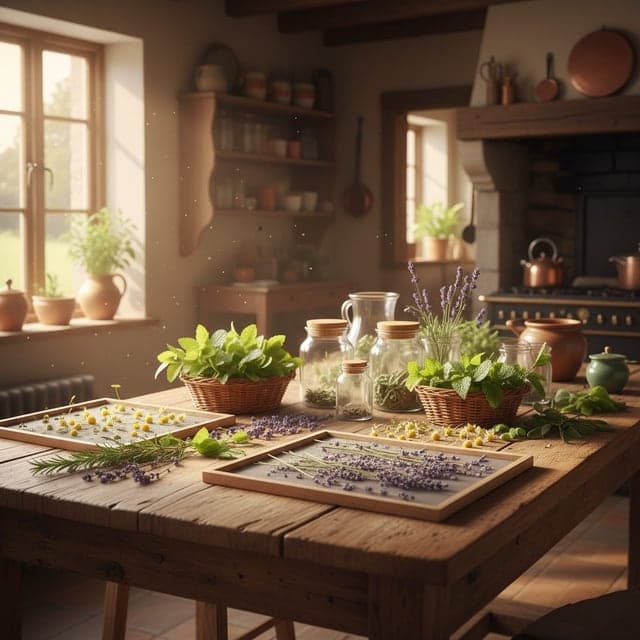
Herbal Tea Blends: 3-Part Approachers
Learn to formulate balanced herbal tea blends with a 3-part approach. Discover base, supporting, and accent herb ratios for gardeners in USDA Zone 6. Maximize potency and flavor.
Topic
Grow more of your own food with practical, beginner-friendly gardening guides. From starting seeds and planning beds to companion planting, square-foot layouts, herbs, mushrooms, greenhouses, and soilless systems, these articles walk you through every step—what to plant, when to plant it, and how to keep crops healthy from sowing to harvest.
901 articles in this topic on agripure. — page 10 of 38
Learn to formulate balanced herbal tea blends with a 3-part approach. Discover base, supporting, and accent herb ratios for gardeners in USDA Zone 6. Maximize potency and flavor.
Cultivate a medicinal herb garden in USDA Zone 6, focusing on chamomile and lemon balm. Prepare safe, effective alcohol-free herbal remedies for your family. Save up to 75%.
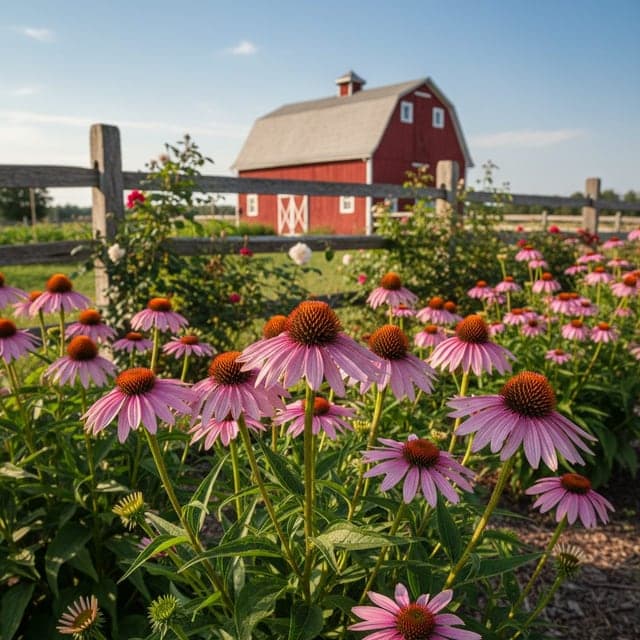
Grow Echinacea purpurea and angustifolia in USDA zones 3–9, harvest dormant 3-year roots, calculate 1:2 fresh vs. 1:5 dried tincture ratios, and follow NIH/NCCIH safety rules.
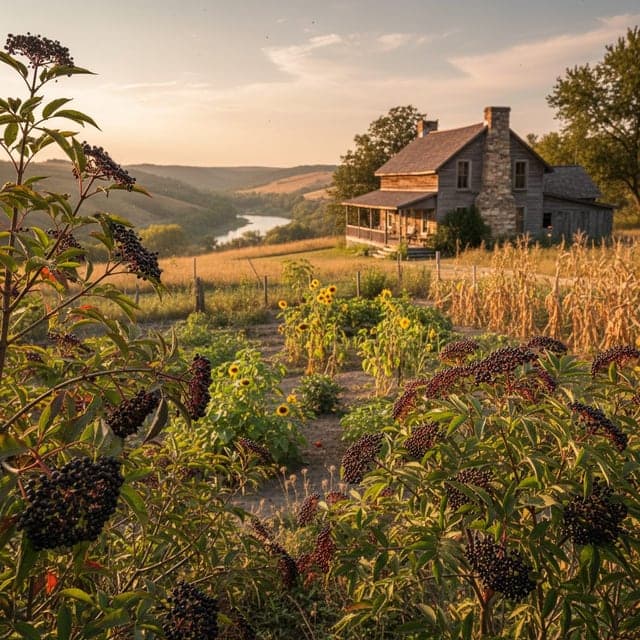
Learn how to make elderberry tincture from US-grown berries. This guide covers harvesting, identification, and a potent elderberry tincture recipe for your home apothecary.
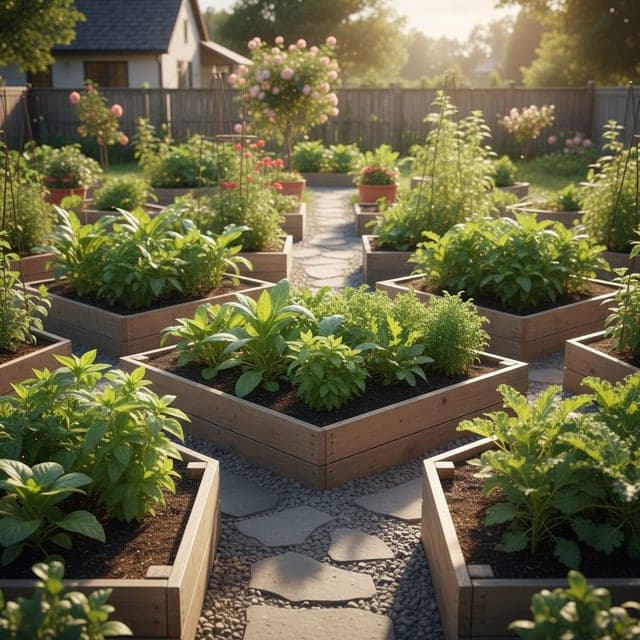
Learn to craft soothing homemade herbal balms with calendula and lavender from your garden. This guide covers infusing oils, ratios, and growing tips for natural, cost-effective skincare in just 30…
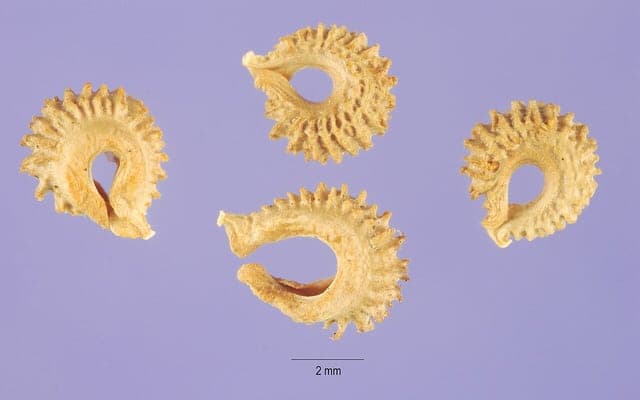
Master growing calendula (USDA zones 3-9) for medicinal use. Learn to harvest, dry, and infuse flowers to craft your own potent calendula salve for a natural home apothecary.

Learn to design a thriving apothecary garden for your USDA Zone 6 homestead. Maximize medicinal herb yield with sun mapping, soil prep, and companion planting strategies.
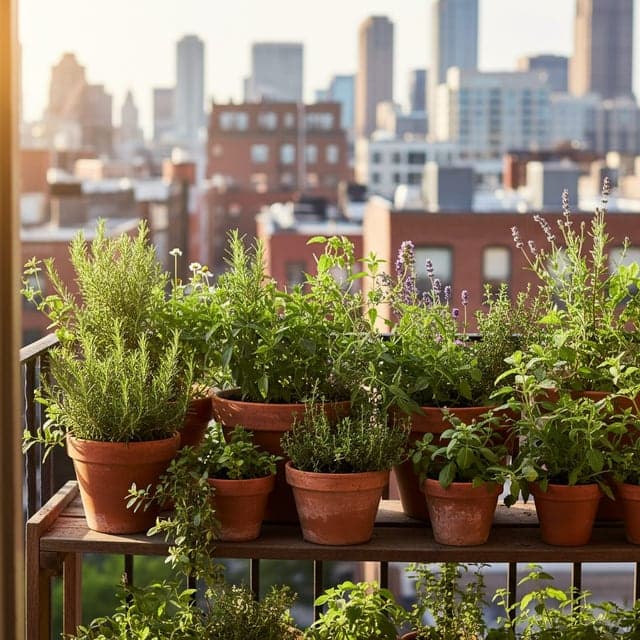
How to grow medicinal herbs in containers on balconies or patios, covering plant selection, potting mixes, light requirements, and seasonal care.
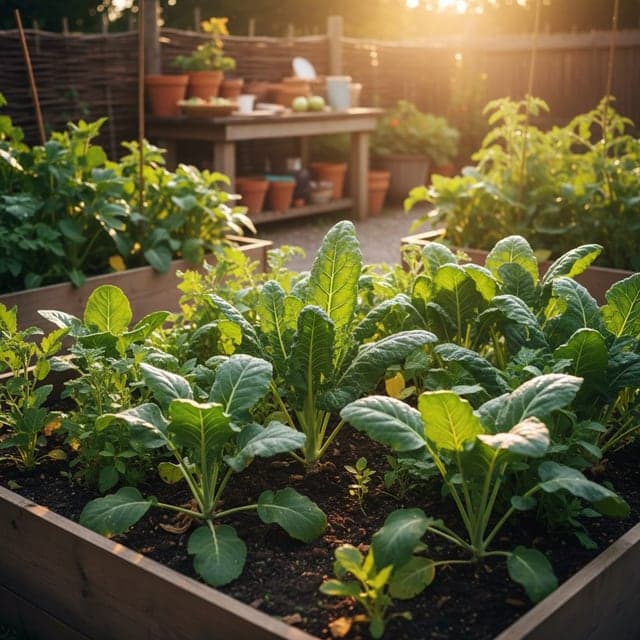
Cultivate a thriving medicinal herb garden in USDA Zones 8-10. Learn expert tips for soil, water, and plant selection in hot climates across the Southeast, Southwest, and Gulf Coast.
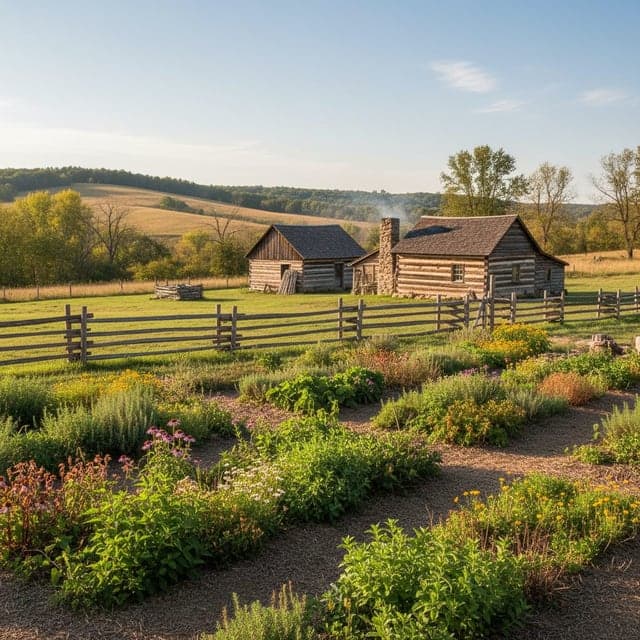
Cultivate a thriving medicinal herb garden in USDA Zones 3-5. Learn plant selection, soil management, and preservation for a home apothecary in cold climates.
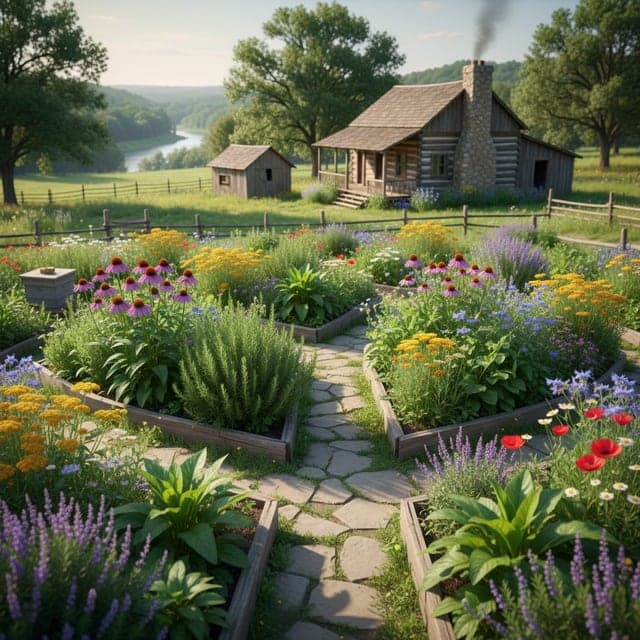
Decide between perennial and annual medicinal herbs for your home apothecary. Learn about their life cycles, cultivation needs, and best choices for USDA zones 3-10 to create a thriving herb garden.
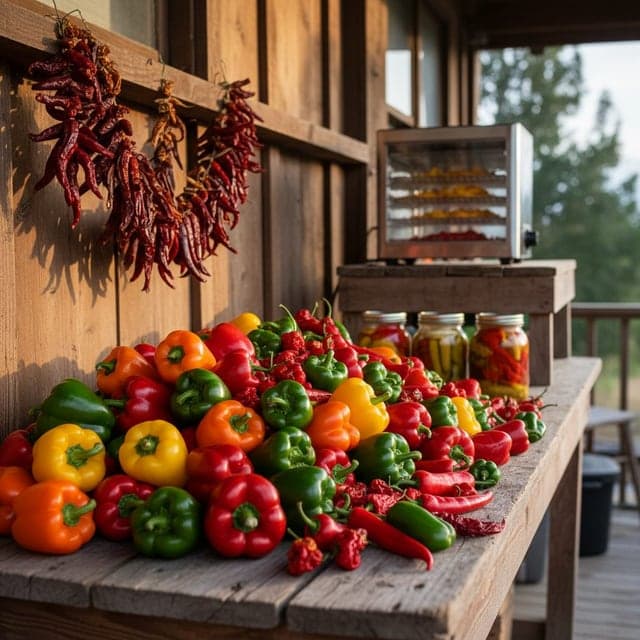
How to preserve your USDA Zone 7 pepper harvest with drying, freezing, fermenting, and pickling techniques to use peppers year-round.
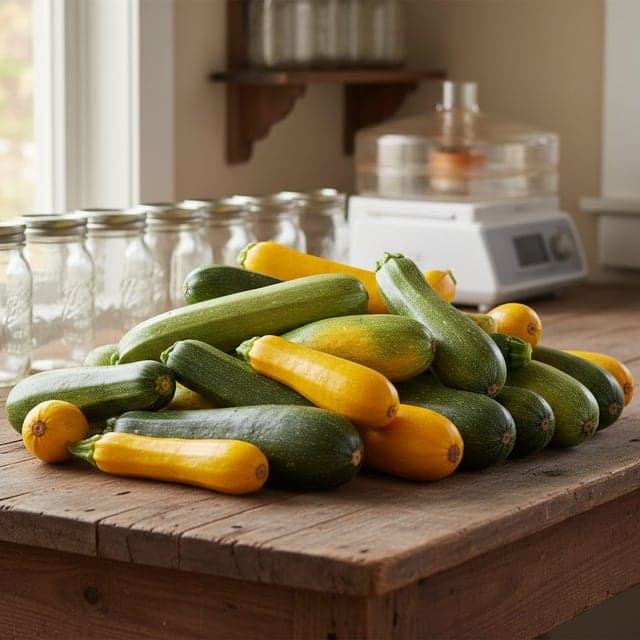
How to preserve a summer squash harvest by dehydrating, fermenting, or freezing for months or up to a year.
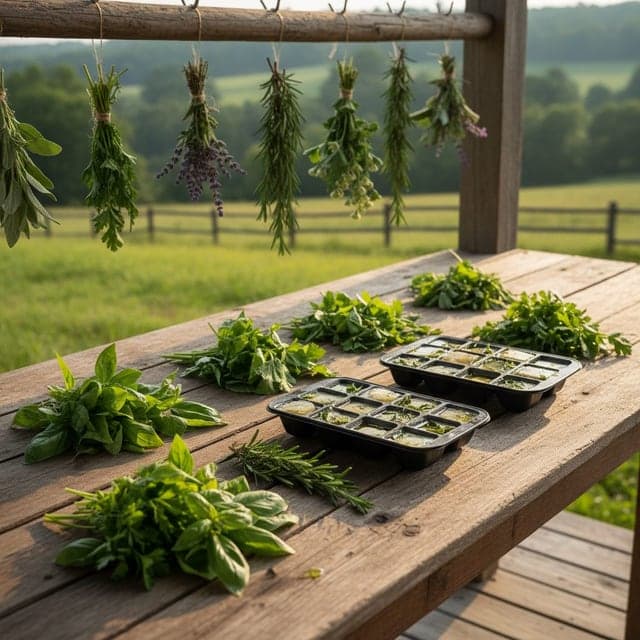
How to preserve basil from a USDA Zone 7 garden, covering freezing in oil or water, making pesto cubes, and drying techniques.
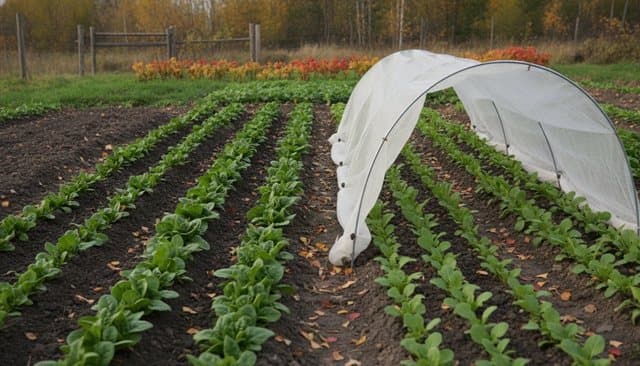
What to plant in September in the US based on your USDA zone, covering indoor starting, direct sowing, transplanting, and autumn garden preparation.
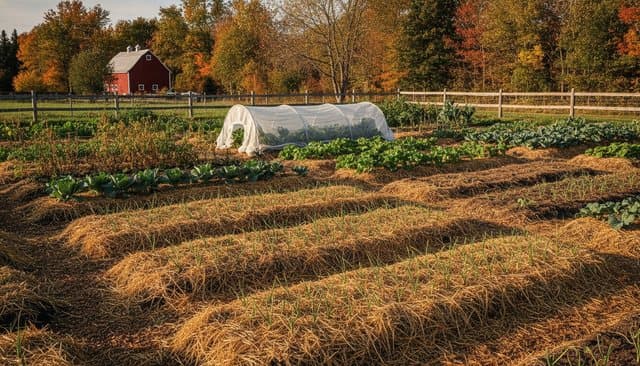
What to plant in September in Canada, organized by plant hardiness zone bands from the cold Prairies to mild coastal British Columbia.
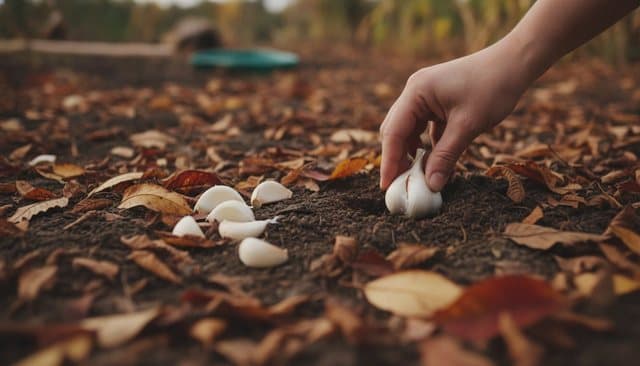
Complete USDA Zones 3–10 October planting matrix: hardneck vs. softneck garlic depth, overwintering spinach under row covers, winterkill vs. hardy cover crops, bare-root vs. container fruit trees,…
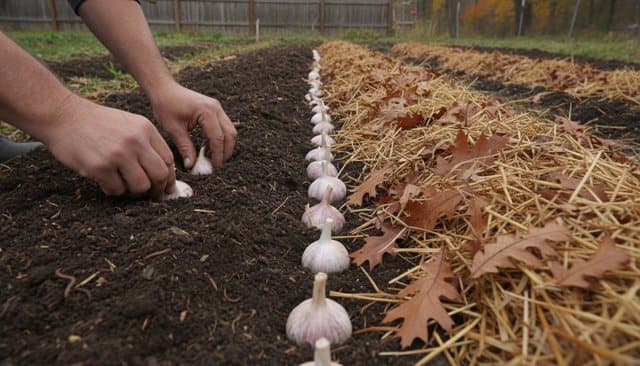
What to plant in October in Canada across NRCan Zones 0–9 (2025 normals): 10 cm soil temperature windows, hardneck garlic, dormant Prairie seeding, coastal broad beans, and pollinator-safe winteriz…
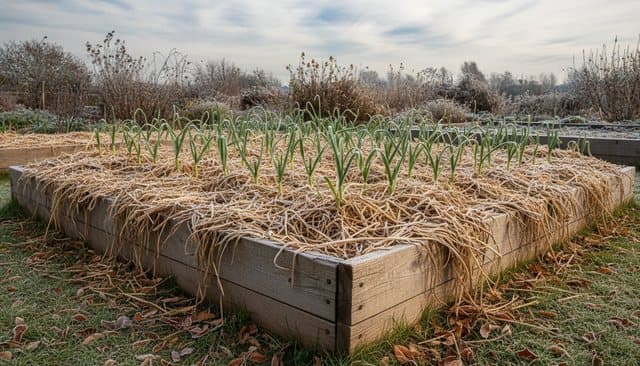
Complete US November planting guide organized by soil temperature across USDA Zones 3–11: winter-sown prairie milk jugs, indoor LED greens, garlic, bare-root fruit trees, cover crops, cool-season r…
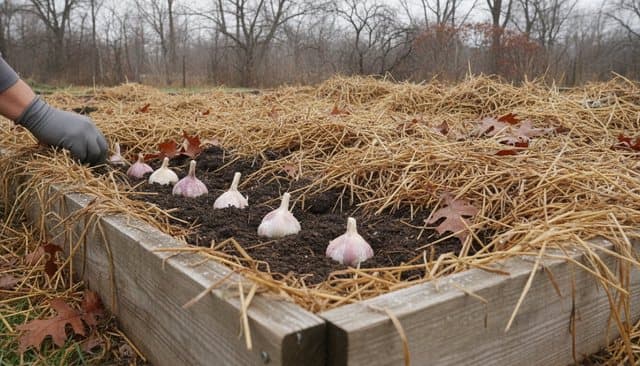
What to plant in November in Canada under the July 2025 NRCan hardiness zones (2a–9a): Coastal BC (8a–9a) fava beans, garlic, bare-root trees, and cold-frame greens; Ontario/Quebec/Maritimes (5a–7b…
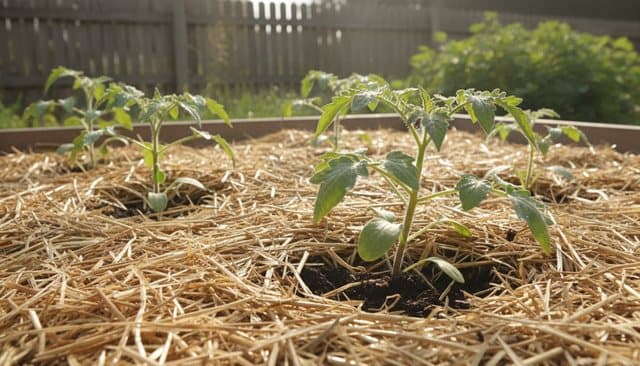
What to plant in May across the United States, structured by USDA hardiness zone bands to account for local frost dates and regional climate variations.
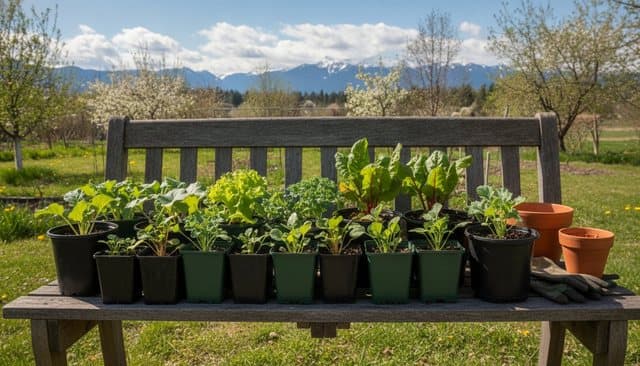
What to plant in May in Canada across plant hardiness zones 2 to 8. Learn when to start seeds indoors, direct-sow cold-hardy crops, and safely transplant summer vegetables.
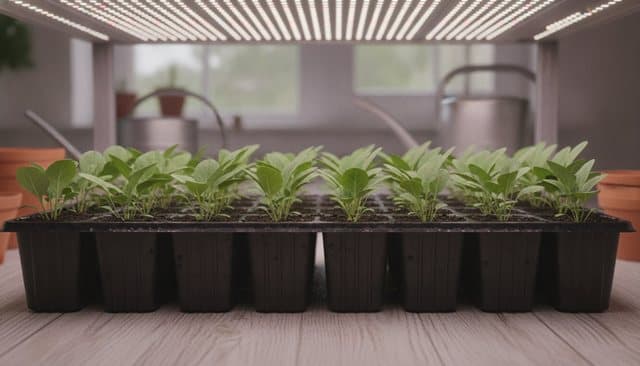
What to plant in March across the United States, organized by USDA hardiness zones from northern cold frames to southern warm-season transplanting.
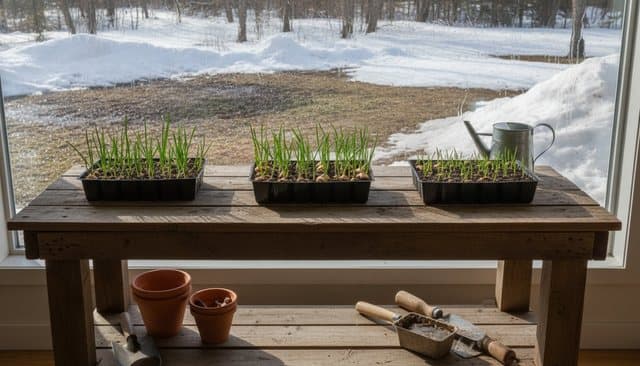
In March, Canadian planting activities depend entirely on your local hardiness zone, ranging from indoor seed sowing in cold northern zones to direct outdoor planting in coastal British Columbia.