Key takeaways
- Pre-harvest fasting for 24-48 hours significantly improves fish quality and flavor by clearing the digestive tract.
- Maintaining stable water quality, including dissolved oxygen above 5 mg/L, is crucial for reducing stress before harvest.
- Percussive stunning, using a firm blow to the head, is a rapid and effective method to render tilapia unconscious instantly.
- Immediate bleeding after stunning, typically by cutting the gill arch, ensures complete blood removal and extends shelf life.
- Chilling fish to 32-34°F immediately after processing slows bacterial growth, preserving freshness for up to seven days.
- Expect a fillet yield of 35-45% from a whole tilapia, depending on species and processing skill.
Quick answer: To humanely harvest backyard tilapia, fast fish for 24-48 hours, maintain stable water quality, then use percussive stunning for instant unconsciousness. Immediately bleed the fish and chill to 32-34°F to preserve quality and extend shelf life.
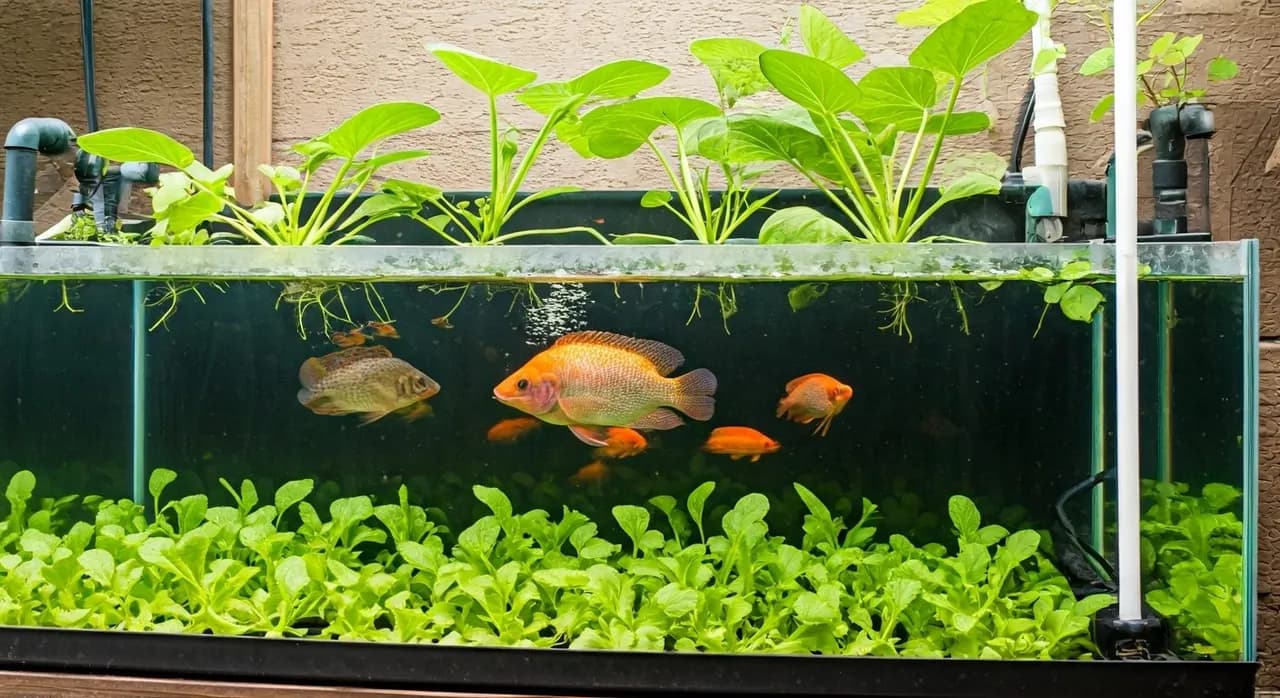
For many US growers in regions like USDA zones 9-11, raising tilapia in a backyard aquaponics or aquaculture system offers a reliable source of protein. A well-managed system can produce a significant amount of fish annually from a 250-gallon tank, providing fresh food for a family. However, the process isn’t complete until the fish are harvested and processed. Doing this humanely means prioritizing the fish’s welfare, minimizing stress, and ensuring the final product is of high quality, free from off-flavors that can result from poor handling.
Humane harvesting, as defined by Webster’s 2023 dictionary, involves acting with compassion and benevolence [3]. For backyard tilapia, this translates to specific steps that reduce suffering and maintain the integrity of the meat. From pre-harvest fasting to rapid stunning and proper chilling, each stage requires careful attention. By following established protocols, growers can ensure their efforts culminate in a responsible and efficient harvest, providing a sustainable food source right at home.
Understanding humane harvest principles for backyard tilapia
When we talk about humane harvest for backyard tilapia, we’re focusing on minimizing stress and pain for the fish. Minimizing stress and pain is ethical, and it directly protects meat quality. Stressed fish release hormones like cortisol, which can degrade muscle tissue, leading to softer flesh and a shorter shelf life. For example, a study in 2020 noted that stress before slaughter can reduce the shelf life of fish by 1-2 days [1]. Our goal is to achieve unconsciousness as quickly and painlessly as possible, followed by efficient processing.
The importance of low-stress environments
Before any physical handling, maintaining a low-stress environment is key. This means avoiding sudden changes in water temperature, which ideally should be stable between 75-85°F for tilapia, and ensuring adequate dissolved oxygen levels, typically above 5 mg/L. Overcrowding, even for a short period, can elevate stress hormones significantly. For a typical backyard system, a common stocking density is around half a pound to one pound of fish per gallon, but this should be reduced if fish show signs of stress. Proper planning helps ensure that fish are calm and healthy leading up to harvest day, which often occurs when fish reach a harvestable weight, often around one to one-and-a-half pounds, usually after six to eight months of growth. Turning a fish tank into an aquaponics garden often involves careful monitoring of these parameters.
- Reduced stress: Minimizes release of stress hormones, improving meat quality.
- Improved flavor: Prevents off-flavors from metabolic byproducts.
- Extended shelf life: Less stress means better muscle integrity and slower spoilage.
- Ethical considerations: Aligns with compassionate animal husbandry practices.
Pre-harvest preparation and handling
The period immediately before harvest is critical for both fish welfare and meat quality. One of the most important steps is fasting. Tilapia should be fasted for 24-48 hours prior to harvest. This allows their digestive systems to clear out, which drastically improves the flavor and cleanliness of the fillets, preventing muddy or off-tastes. A 2006 study found that proper fasting can extend the acceptable flavor profile of fish significantly [2]. During this fasting period, ensure water quality remains excellent, with ammonia and nitrite levels at zero, and nitrates below 40 ppm.
Minimizing stress during capture
Capturing the fish should be done calmly and efficiently. Using a soft mesh net, rather than a harsh dip net, can prevent scale damage and physical injury. For a 250-gallon tank, harvesting 10-15 fish at a time is manageable, allowing for individual attention. Transfer fish quickly to a holding tank with clean, aerated water at the same temperature as their grow-out tank. This temporary holding tank should be opaque to reduce visual stress, and fish should remain there for no more than 30 minutes before stunning. In a biofloc-based culture system, like those used in parts of the US Southeast, careful handling is especially important to avoid disturbing the beneficial microbial flocs [4].
- Soft mesh net: Prevents scale damage and physical injury during capture.
- Opaque holding tank: Reduces visual stress for fish awaiting stunning.
- Aerated water: Maintains high dissolved oxygen levels, above 5 mg/L, in the holding tank.
- Consistent temperature: Keeps water temperature within the 75-85°F range to avoid thermal shock.
- Clean water: Ensures zero ammonia and nitrite to prevent further stress.
Humane stunning and immediate processing methods
The moment of stunning is the most critical step for humane harvest. The goal is to render the fish unconscious instantly, preventing any perception of pain. The most effective method for backyard growers is percussive stunning. This involves a swift, firm blow to the head, directly above the eyes, using a blunt instrument like a small wooden club or a specialized fish stunner. A 1-2 pound tilapia requires a precise strike to the brain to ensure immediate cessation of brain activity. This method is widely recommended by animal welfare organizations for its speed and effectiveness.
Bleeding and gutting for quality
Immediately after stunning, the fish must be bled. Bleeding is necessary for meat quality, as it removes blood from the muscle tissue, which can otherwise lead to faster spoilage and off-flavors. The most common method is to sever the main artery by cutting through the gill arches with a sharp knife. Hold the fish head-down to allow gravity to assist blood drainage, which typically takes several minutes. Once bled, the fish can be gutted. Make a shallow incision from the vent to the gills, carefully removing all internal organs. Rinse the body cavity thoroughly with cold, clean water. For those in warmer climates, such as USDA zone 10, immediate chilling after gutting is essential to prevent bacterial growth. A reflective indoor grow tent can even be repurposed for a clean, controlled processing area. Find more information on reflective indoor grow tents.
- Percussive stunner: A wooden club or specialized tool for a swift, firm blow.
- Sharp knife: Essential for precise gill arch cutting and gutting.
- Bleeding bucket: Contains cold water or ice to collect blood and begin chilling.
- Clean water source: For rinsing fish thoroughly after gutting.
- Processing surface: A clean, non-porous surface for filleting and handling.
Post-processing and storage for quality
Once the tilapia is gutted, the next steps focus on maintaining freshness and preparing it for consumption or storage. Immediate chilling is paramount. The fish should be submerged in an ice-water slurry with a temperature between 32-34°F (0-1°C) as quickly as possible. This rapid chilling slows bacterial growth and enzyme activity, which are the primary causes of spoilage. A delay at room temperature can significantly reduce the shelf life of the fish. Properly chilled tilapia can maintain quality for several days in the refrigerator.
Filleting and packaging for preservation
Filleting is a skill that improves with practice. For a 1.5-pound tilapia, expect to yield two fillets, representing a fillet yield of roughly 35-45% of edible meat. Use a sharp, flexible filleting knife to remove the meat from the bones, then trim away any skin and pin bones. After filleting, rinse the fillets briefly in cold water and pat them dry with paper towels. For short-term storage, place fillets in airtight containers or vacuum-seal them and store in the coldest part of your refrigerator. For longer storage, vacuum-sealing and freezing at 0°F (-18°C) or below can preserve quality for up to six months. Backyard farmers in places like Batangas, Philippines, have found that proper post-processing maximizes the value of their tilapia [5].
- Rapid chilling: Submerge fish in an ice-water slurry at 32-34°F immediately.
- Vacuum sealing: Removes air to prevent freezer burn and extends shelf life.
- Freezing: Stores fillets at 0°F or below for up to six months.
- Airtight containers: Prevents dehydration and odor transfer in the refrigerator.
- Labeling: Mark packages with date and contents for proper inventory management.
Comparison of tilapia harvest methods
Method | Description | Pros | Cons |
|---|---|---|---|
Percussive stunning | A swift, firm blow to the head with a blunt object, directly above the eyes. | Instant unconsciousness, highly humane, minimal stress to fish. | Requires precision and confidence, can be perceived as violent by some. |
Ike jime (spiking) | A spike is inserted into the brain, followed by a wire down the spinal cord. | Extremely humane, preserves muscle quality, extends shelf life significantly. | Requires specialized tool and training, more complex for backyard growers. |
Chilling/ice slurry | Gradual cooling in an ice-water mixture to induce hypothermia. | Simple, no special tools, less perceived violence. | Can be slow, fish may experience prolonged stress before unconsciousness, less humane than stunning. |
Optimal Water Temp: Tilapia thrive in water temperatures between 75-85°F, necessary for optimal growth and reduced pre-harvest stress.
Fasting Duration: Fasting tilapia for 24-48 hours before harvest improves meat flavor and cleanliness by clearing the digestive tract.
Chilling Temperature: Maintaining processed fish at 32-34°F in an ice slurry immediately after harvest significantly extends shelf life by 5-7 days.
Frequently asked questions
Why is fasting tilapia before harvest important?
Fasting tilapia for 24-48 hours before harvest allows their digestive system to clear out. This prevents off-flavors, like a muddy taste, and ensures a cleaner, better-tasting fillet, extending the quality for 1-2 days.
What is the most humane way to stun tilapia at home?
For backyard growers, percussive stunning is considered the most humane method. It involves a swift, firm blow to the head, directly above the eyes, with a blunt instrument, which renders the 1-1.5 pound fish unconscious instantly and painlessly.
How long can fresh tilapia fillets be stored in the refrigerator?
When properly processed and immediately chilled to 32-34°F, fresh tilapia fillets can be stored in an airtight container in the coldest part of your refrigerator for 5-7 days, maintaining optimal quality and safety.
What is a typical fillet yield from a whole tilapia?
A typical fillet yield from a whole tilapia, after skinning and deboning, ranges from 35-45% of the fish’s total weight. For example, a 1.5-pound fish would yield approximately 0.5-0.7 pounds of fillets.
Does water quality affect fish stress before harvest?
Yes, water quality significantly affects fish stress. Maintaining high dissolved oxygen levels, ideally above 5 mg/L, and stable water temperatures between 75-85°F, along with zero ammonia and nitrite, is vital to keep fish calm before harvest.
Can I use an ice slurry for stunning instead of a percussive blow?
While an ice slurry can eventually render fish unconscious through hypothermia, it is not considered as humane as percussive stunning because the fish may experience prolonged stress and discomfort before losing consciousness.
References
- Harvesting, processing, economics and value chain (2020). Harvesting, processing, economics and value chain.
- Harvesting, processing and economics. (2006). Harvesting, processing and economics..
- humanely, adv. (2023). humanely, adv..
- Backyard farming of tilapia using a biofloc-based culture system (2019). Backyard farming of tilapia using a biofloc-based culture system.
- Addressing Food Security in Batangas, Philippines through Backyard Tilapia Farming (2023). Addressing Food Security in Batangas, Philippines through Backyard Tilapia Farming.
- USDA Natural Resources Conservation Service (2024). USDA Natural Resources Conservation Service.