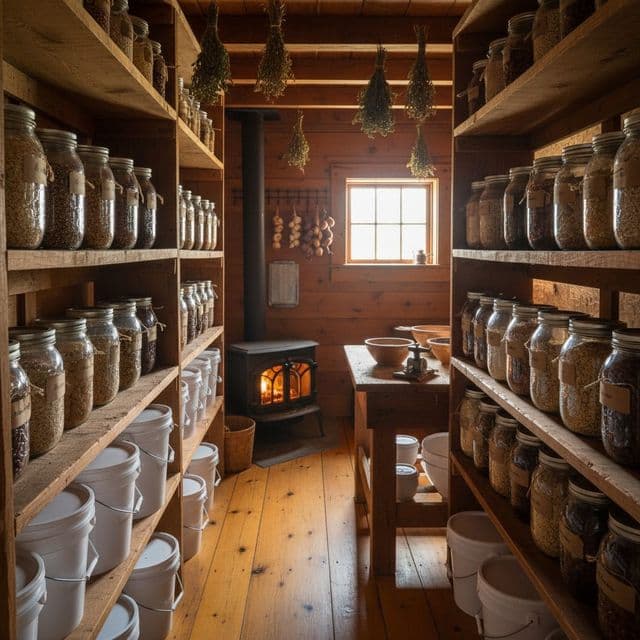
Home Grain and Dry Goods Storage Methods
Learn practical home grain storage methods to save up to 30% on food costs. Control moisture, pests, and temperature for long-term food security and self-reliance.
Tag
85 articles in this tag on agripure. — page 1 of 4
Learn practical home grain storage methods to save up to 30% on food costs. Control moisture, pests, and temperature for long-term food security and self-reliance.
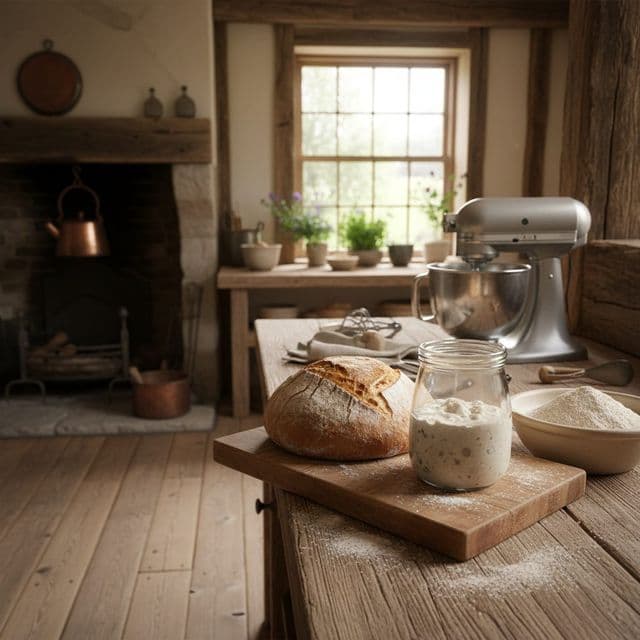
Learn to cultivate sourdough, grow grains like wheat, and integrate them into your home garden kitchen for true self-reliance. Improve nutrient absorption and digestive health.
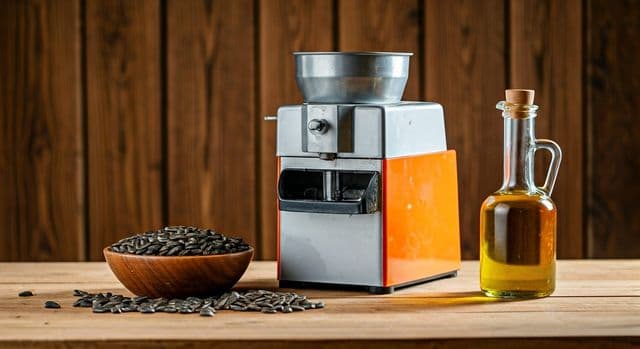
How to press cooking oil at home from sunflower, flax, and peanut crops, with seed oil yields, manual versus electric expeller presses, settling methods, and culinary storage.
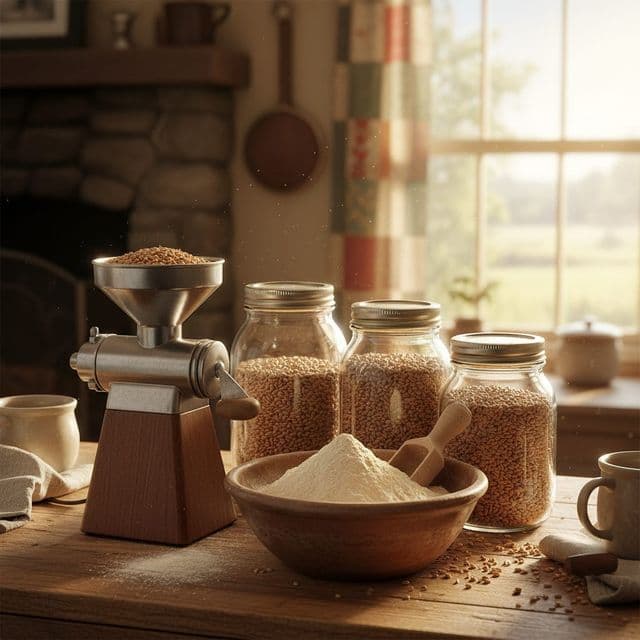
Discover how home grain milling can cut flour costs by 30% and provide superior freshness. Learn to choose mills, source grains, and enjoy nutrient-rich, self-reliant baking.
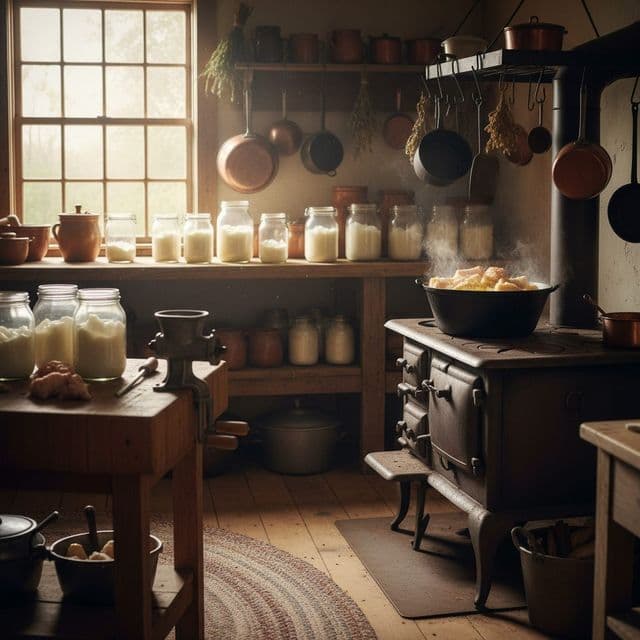
How to render tallow and lard for homemade soaps, candles, and skincare, covering wet and dry methods, storage, and practical uses in USDA Zone 6.
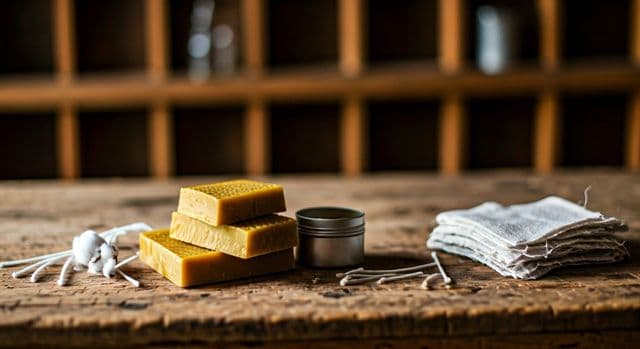
Discover essential beeswax projects for your home and garden. Learn to make candles, food wraps, and wood balm, reducing waste and saving money. Perfect for homesteaders in USDA Zone 6.
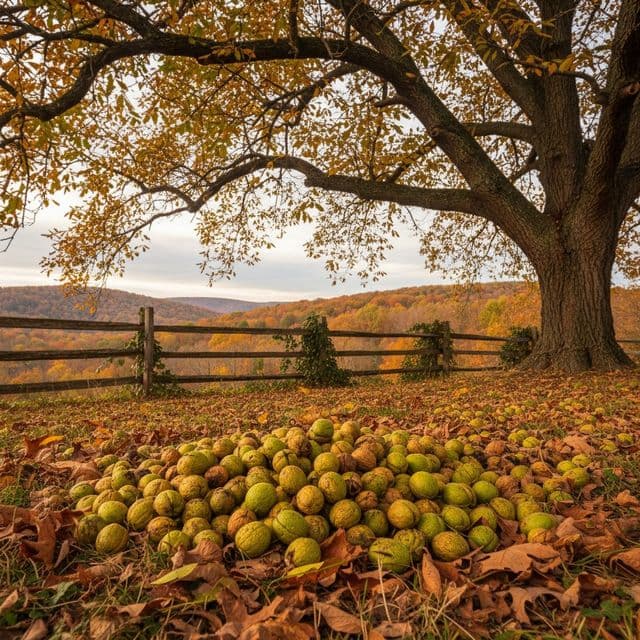
How to forage black walnuts and hickory nuts across more than 30 US states, with tree identification, hulling methods, curing times, and shell-cracking techniques.
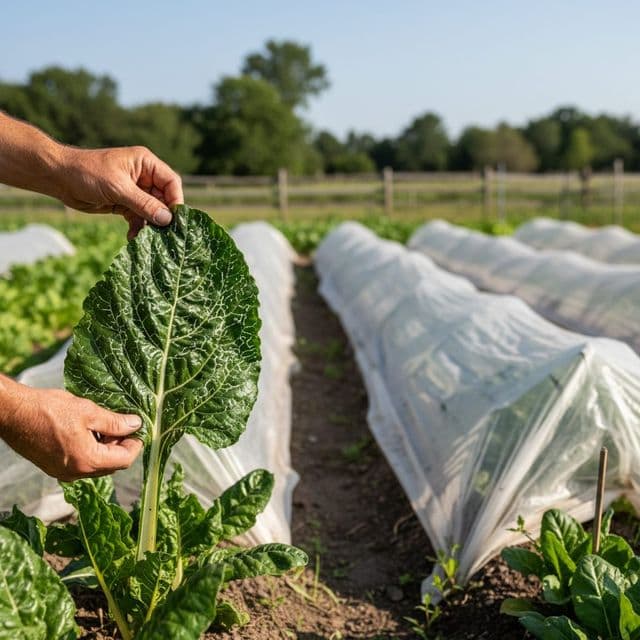
Discover the art of acorn foraging across the US. Learn to identify oak species, process acorns to remove tannins, and turn this abundant wild food into a nutritious pantry staple. Your ultimate ac…
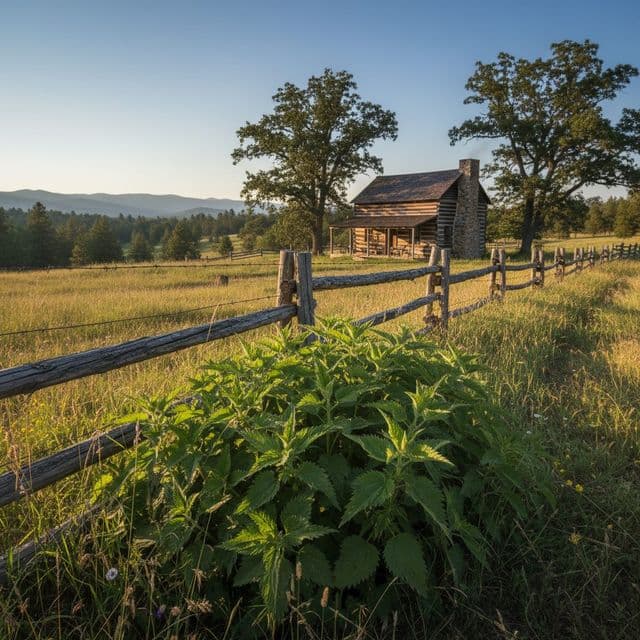
Discover how to safely forage stinging nettle (Urtica dioica) in US zones 3-9. Learn to identify, harvest, and prepare this versatile wild edible for delicious soups, pestos, and teas.
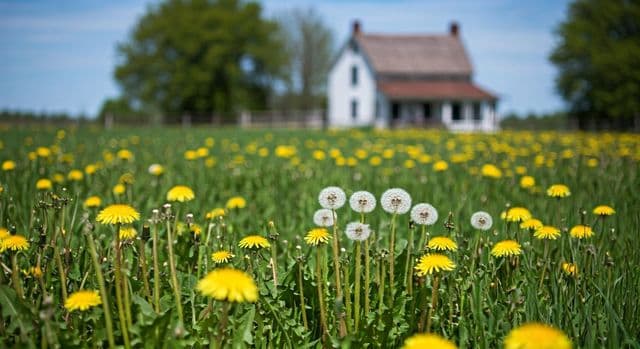
Learn how to positively identify Taraxacum officinale, avoid lookalikes and herbicide-treated turf, time harvests across US hardiness zones, dehydrate and roast roots for coffee, and cook spring gr…
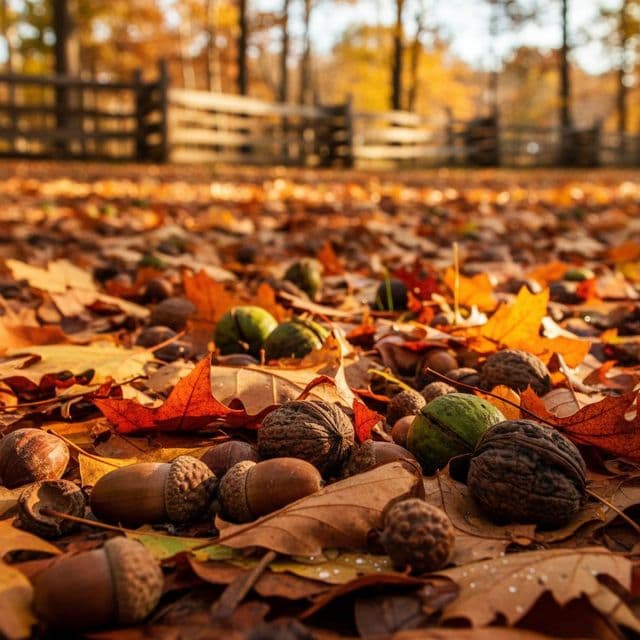
Master fall mast season. Learn optimal timing for acorn, hickory, black walnut, and chestnut harvests across US USDA zones. Maximize your wild edible yield.

Month-by-month Pacific Northwest foraging calendar splitting Maritime WA/OR lowlands from Cascade and inland elevations: stinging nettles, Sitka spruce tips, miner's lettuce, berries, Pacific Golde…
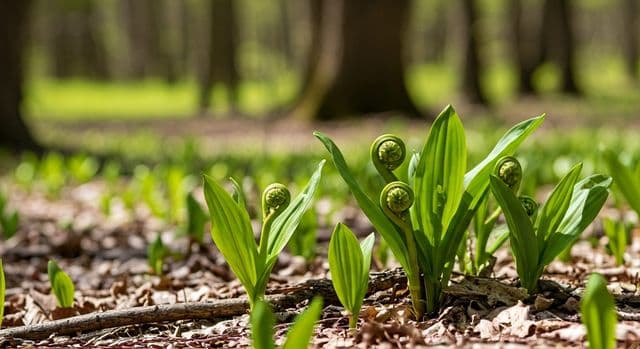
Discover the Northeast foraging calendar, month-by-month. Learn when and where to find ramps, fiddleheads, morels, berries, and nuts in New England and NY. Forage safely & sustainably.
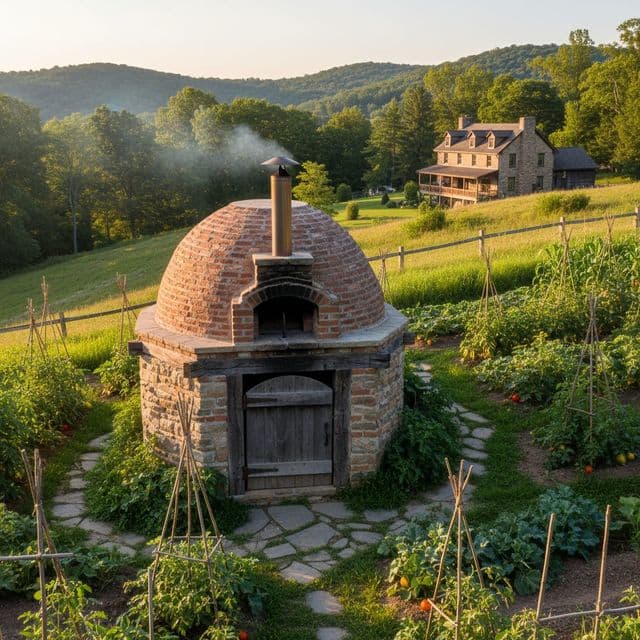
Learn to build a durable wood-fired brick oven for your homestead. Discover the science of thermal mass, dome design, and insulation for efficient, high-temperature cooking in USDA Zone 6.
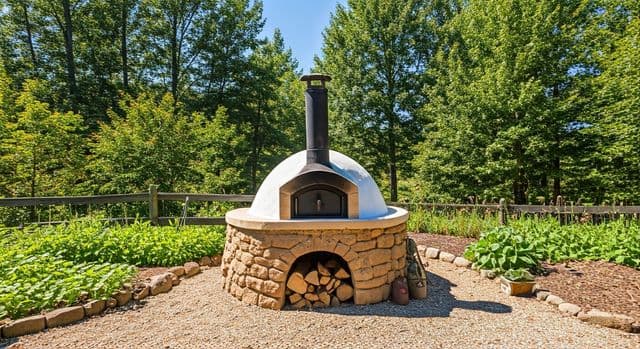
How to build a durable, low-cost cob pizza oven for your homestead, covering site selection, foundation, and materials for an outdoor cooking setup under $500.
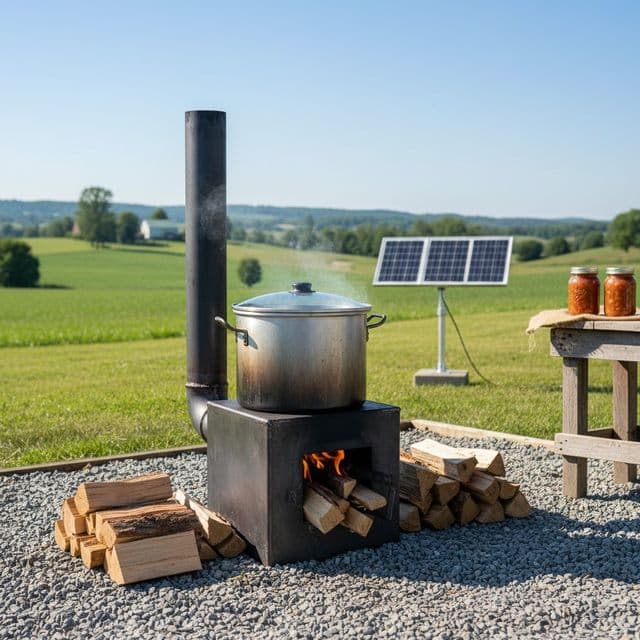
Learn to cook and can outdoors with a rocket stove during power outages in USDA Zone 6. Discover efficient, low-emission off-grid cooking methods for homestead resilience.
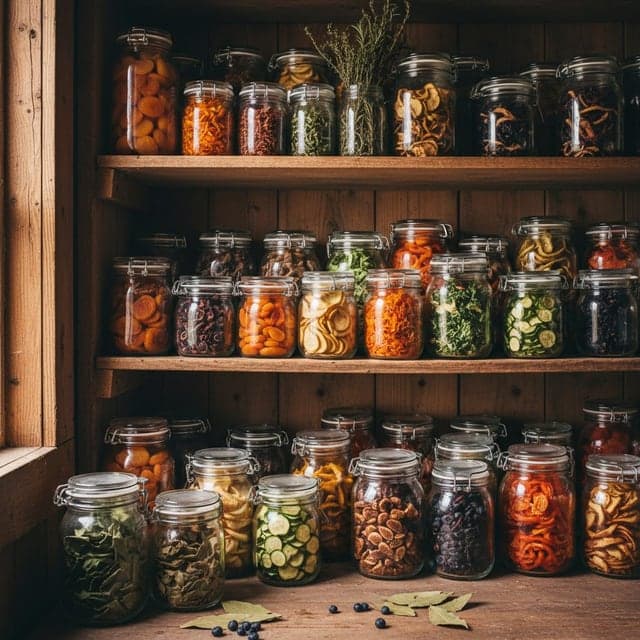
Condition home-dried fruit for 7-10 days, hold water activity at or below 0.60, ban oxygen absorbers above 10% moisture to stop botulism, and treat insects at 0°F or 160°F.

Master food-safe homestead solar drying: hold 130–140°F steady airflow within 2–3 days to prevent Aspergillus aflatoxins, enforce strict raw-meat, zinc, fiberglass, and ACQ bans, test aw < 0.60, co…
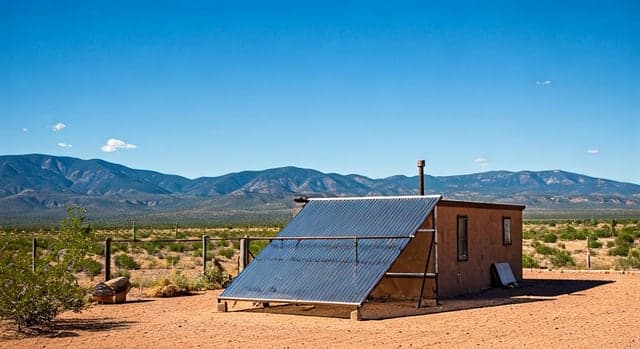
Solar drying methods for homestead food preservation in the arid Southwest, reducing food waste and extending harvests across USDA zones 7 to 10.
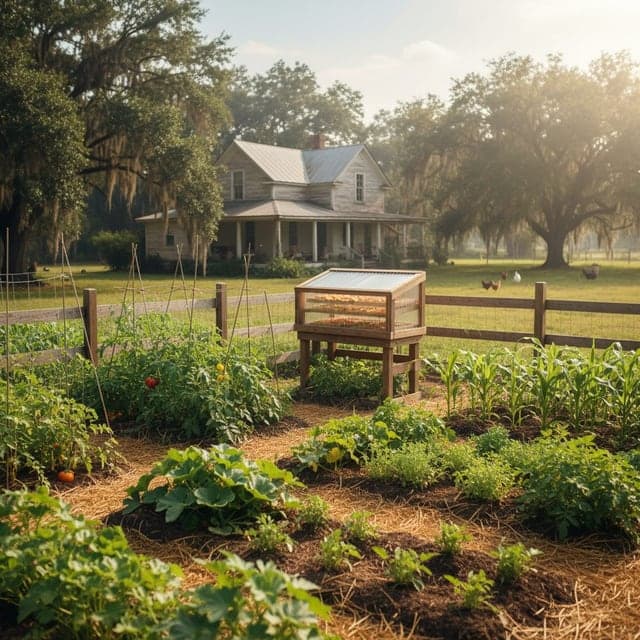
Dehydrate garden produce safely in >=60% RH Southeast summers: hit 140–145°F inside an indirect solar cabinet, run a 20W PV 12V exhaust fan, use the electric finisher rule during wet-bulb stalls, a…

Learn how to effectively solar dry tomatoes, peppers, herbs, and apples on your homestead. Discover target temperatures, drying times, and simple dryer designs for efficient food preservation.
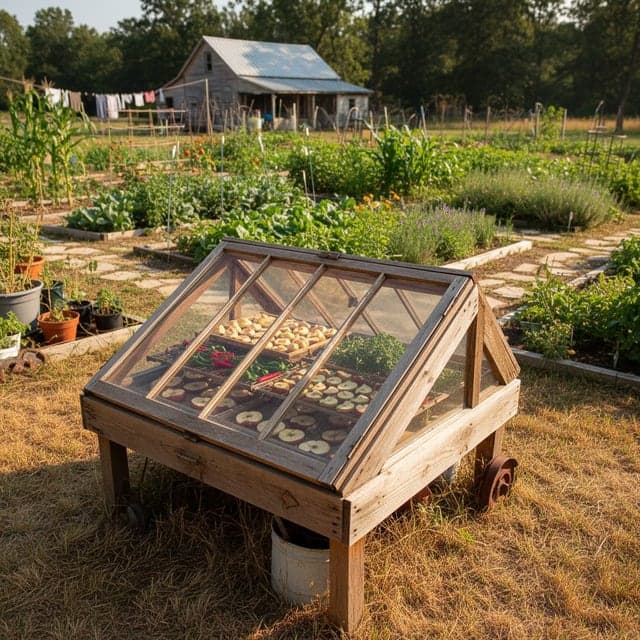
Engineer a safe DIY solar food dryer under $50 with 304 stainless steel or FDA polypropylene mesh over untreated cedar frames, indirect convective collector airflow (125–145°F), strict galvanized/f…
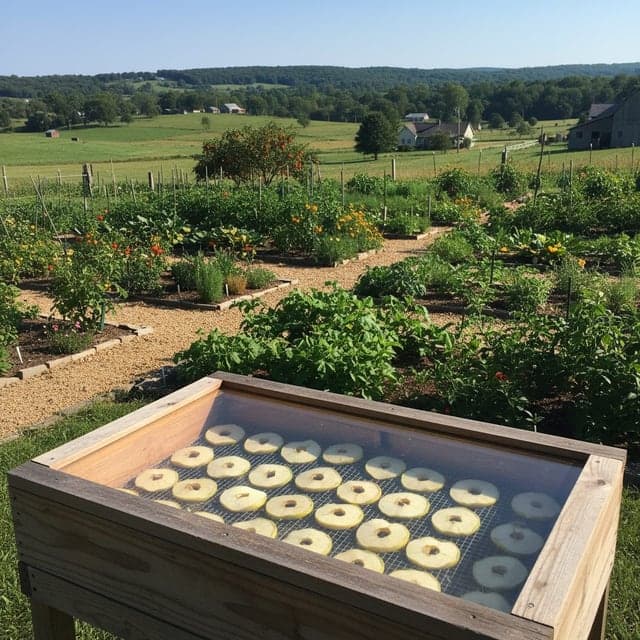
Learn to choose the best solar dehydrator designs for your homestead. Compare direct vs. indirect models, considering climate, cost, and efficiency for preserving food sustainably.
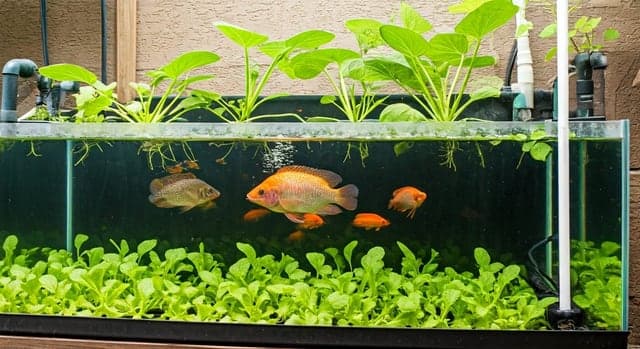
Learn humane tilapia harvest and processing techniques for backyard aquaponics or aquaculture. Minimize stress, improve meat quality, and ensure a sustainable protein source for your family.