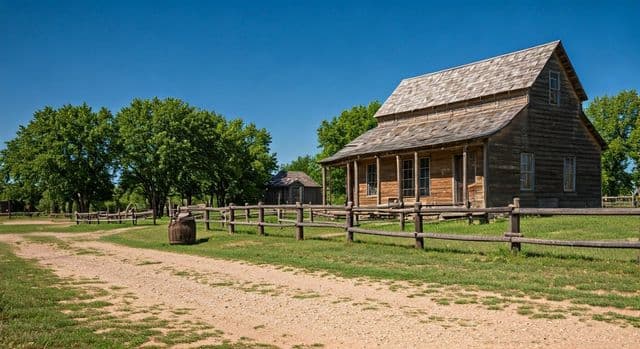
Boost farm income: DIY garden soaps & natural products
Create and sell garden products like soaps, salves, and cleaners from your homestead. Boost farm income by transforming botanicals into goods for farm stands and online shops.
Topic
Homesteading covers building a self-reliant household on any size of land — from a city lot to several acres. Articles walk through choosing a property, setting up productive systems, and producing more of what your family eats and uses, with honest numbers on what each setup actually requires.
182 articles in this topic on agripure. — page 1 of 8
Create and sell garden products like soaps, salves, and cleaners from your homestead. Boost farm income by transforming botanicals into goods for farm stands and online shops.
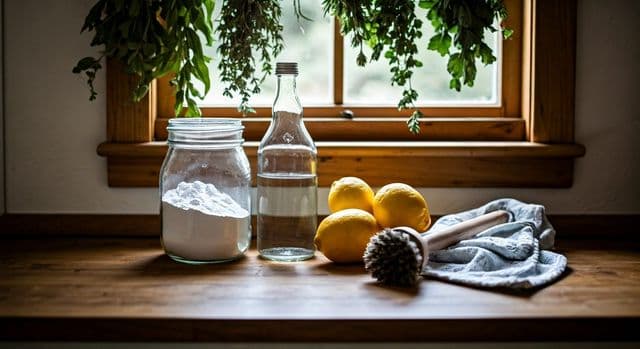
Save money and reduce chemicals with effective DIY natural cleaners made from pantry staples. Learn how to make powerful kitchen, bathroom, and laundry solutions for your homestead.
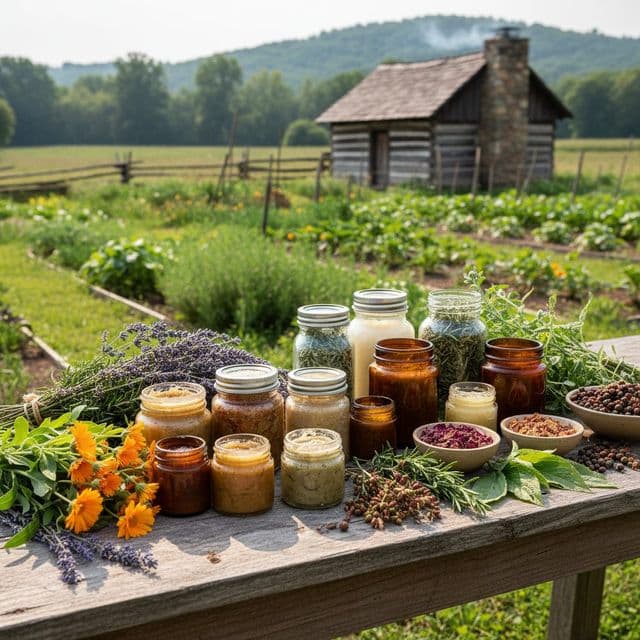
Learn to craft your own herbal salves and balms from garden-grown medicinal herbs in USDA Zone 6. Control ingredients, avoid synthetics, and enjoy natural skincare.
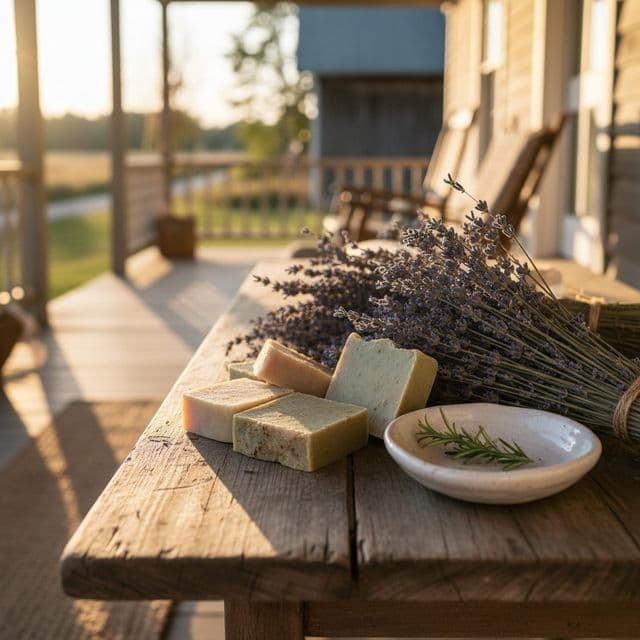
Learn to make homemade soap using cold-process, hot-process, or melt-and-pour methods. This guide covers safety, ingredients, and curing for DIY soapmaking.
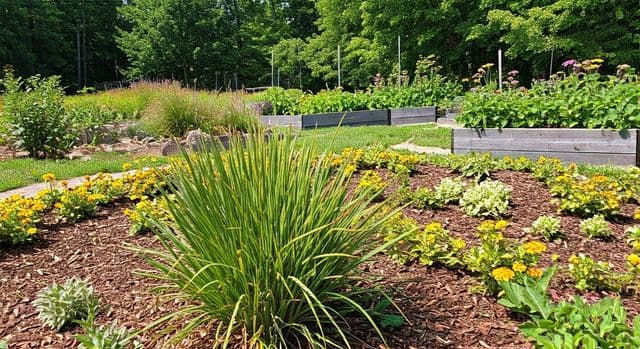
Transform your lawn into a productive food garden. Learn how a lawn to food conversion in USDA Zone 7 can save 15,000 gallons of water annually, reduce costs, and yield fresh produce.
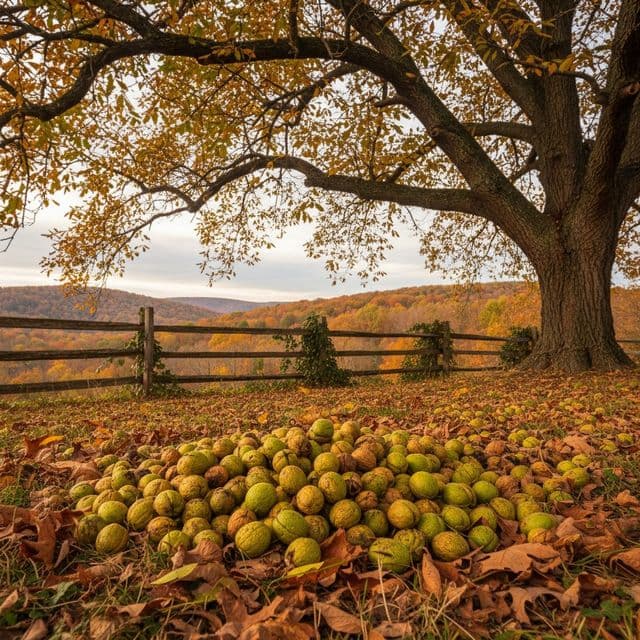
How to forage black walnuts and hickory nuts across more than 30 US states, with tree identification, hulling methods, curing times, and shell-cracking techniques.
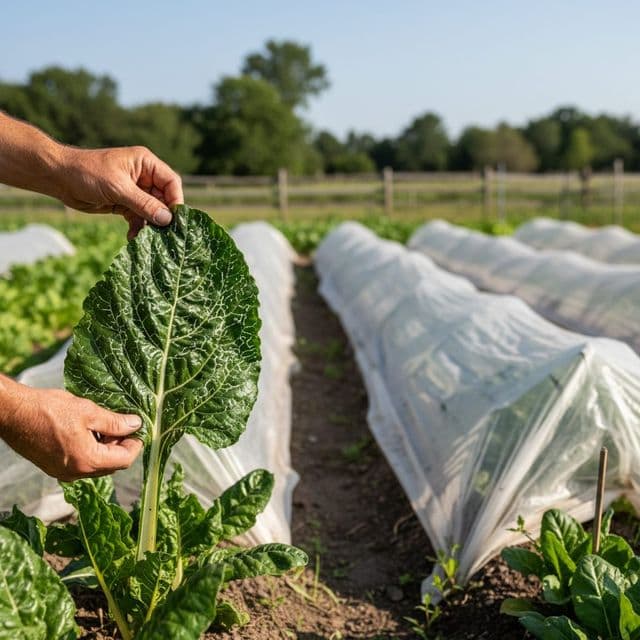
Discover the art of acorn foraging across the US. Learn to identify oak species, process acorns to remove tannins, and turn this abundant wild food into a nutritious pantry staple. Your ultimate ac…
Discover Mayapple, Autumn Olive, and Beach Plum. Learn to identify, forage, and use these regional US wild fruits safely and sustainably for your homestead.
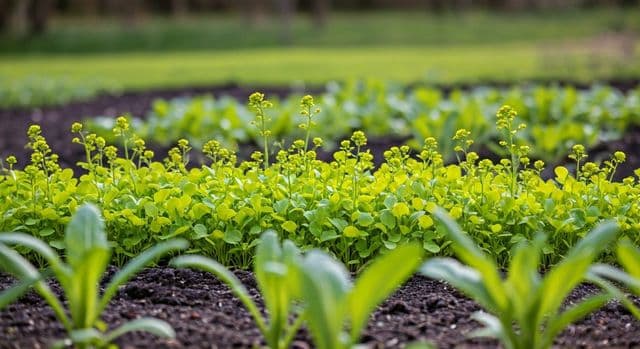
Discover how to safely forage wild mustards and cress across USDA Zones 4-9 for early spring greens. Learn identification, responsible harvesting, and culinary uses.
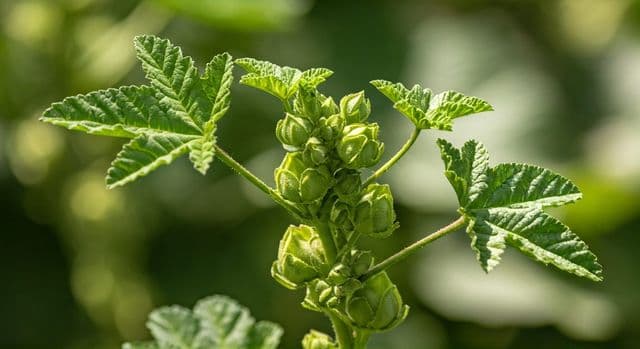
Discover common mallow & marshmallow’s edible leaves, seeds, and roots. Learn identification, harvesting, and preparation for US growers in USDA zones 3-9. Improve your homestead’s food security.
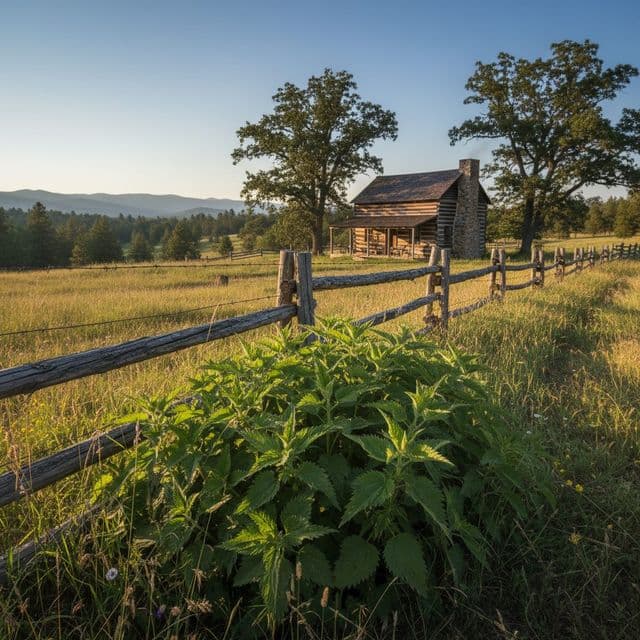
Discover how to safely forage stinging nettle (Urtica dioica) in US zones 3-9. Learn to identify, harvest, and prepare this versatile wild edible for delicious soups, pestos, and teas.
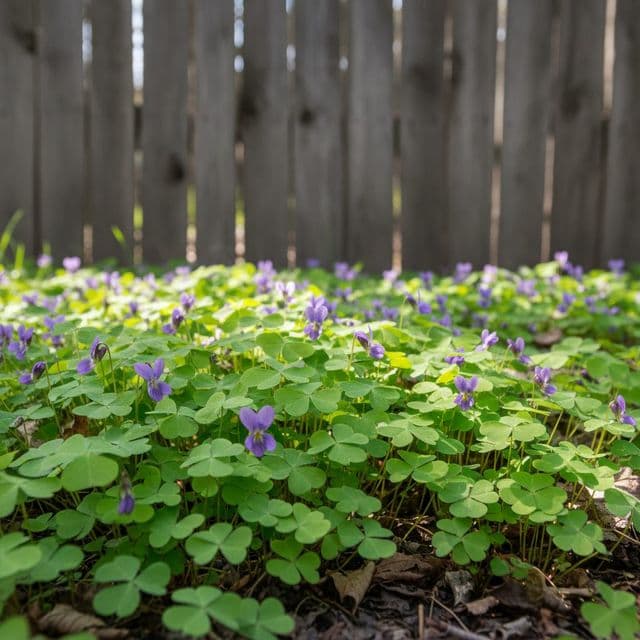
Safely forage wood sorrel and wild violets across US USDA zones 3-9. Learn to identify, harvest, and enjoy these nutritious wild edibles, adding unique flavors to your diet sustainably.
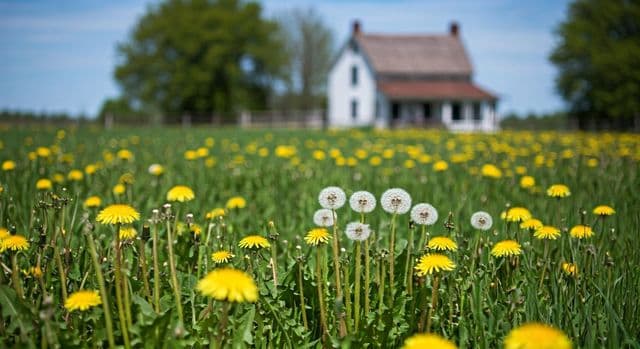
Learn how to identify, harvest, and prepare dandelions from root to flower. This guide covers dandelion foraging in USDA Zone 6, offering tips for greens, roots, and flowers.
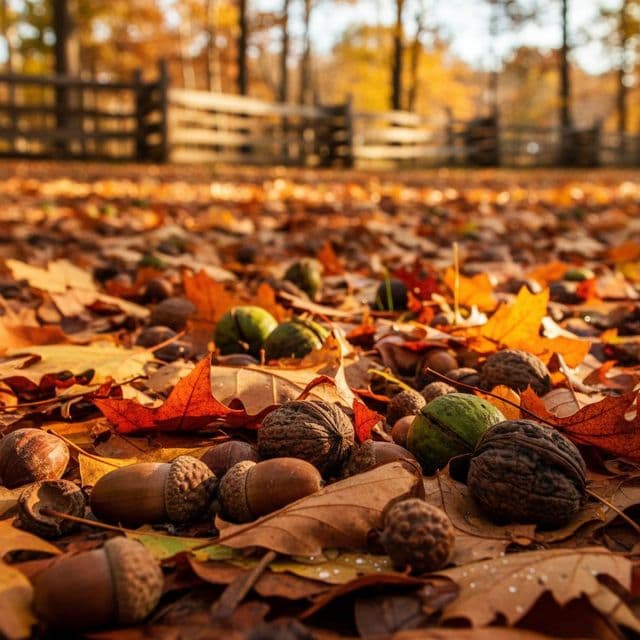
Master fall mast season. Learn optimal timing for acorn, hickory, black walnut, and chestnut harvests across US USDA zones. Maximize your wild edible yield.
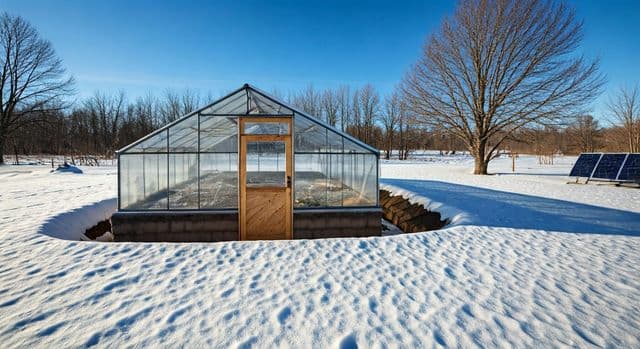
Extend your growing season in USDA Zone 5 with earth-bermed and partially-sunken greenhouses. Learn how these designs leverage stable earth temperatures to cut heating costs by 30-50% for year-roun…
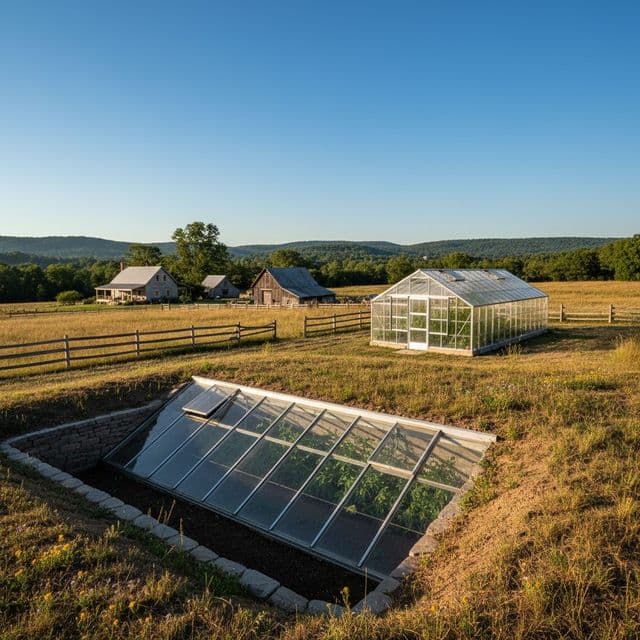
Compare Walipini vs Greenhouse for year-round growing in USDA zone 5. Explore cost, climate control, and operational trade-offs to choose the best option for your homestead.
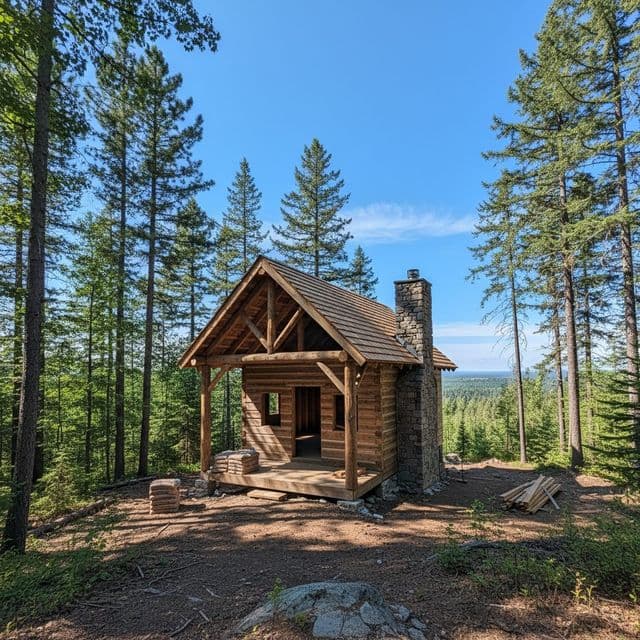
Master off-grid homestead site selection. Learn to assess water tables, soil stability, and frost lines for resilient building and growing in USDA Zone 5. Essential guide for aspiring homesteaders.
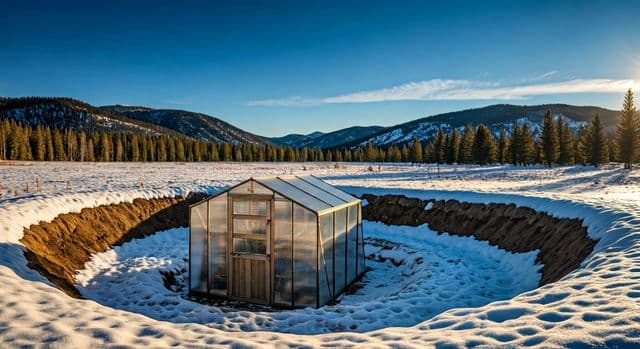
Learn how walipini greenhouse design extends growing seasons in cold climates. Harness geothermal heat, optimize glazing, and ensure proper drainage for year-round homestead food production.
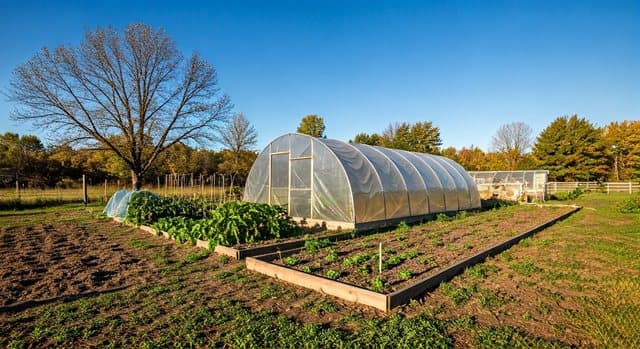
Learn how to extend your growing season by 60 days in USDA Zone 5. Compare cold frames, low tunnels, and hoop houses to choose the best season extension structures for your homestead.
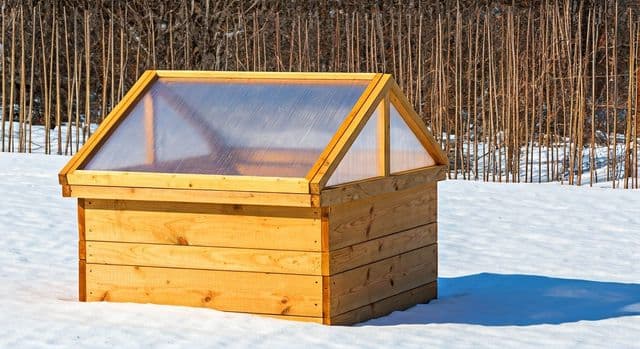
Learn how cold frames enable winter growing in USDA Zone 5, adding 60+ days to your harvest. Discover design tips, crop selection, and off-grid benefits for year-round food.
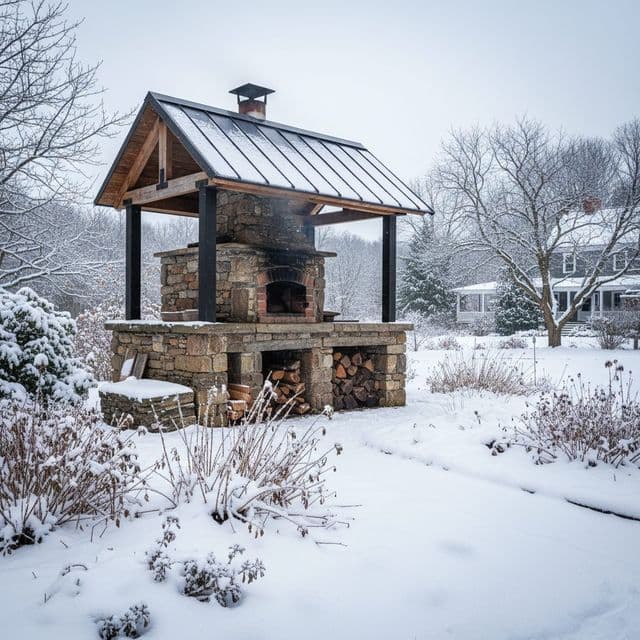
How to weatherproof an outdoor oven for decades in USDA Zone 6, including roof design, frost-depth foundations, dome insulation, and site layout.
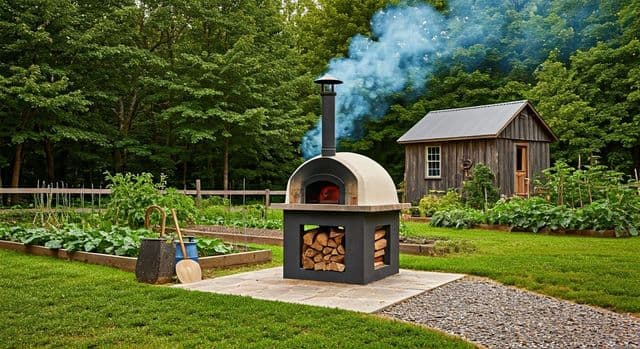
Master wood oven heat retention for consistent baking in USDA Zone 5. Learn about thermal mass, insulation, and design for pizzas, bread, and roasts on your homestead.
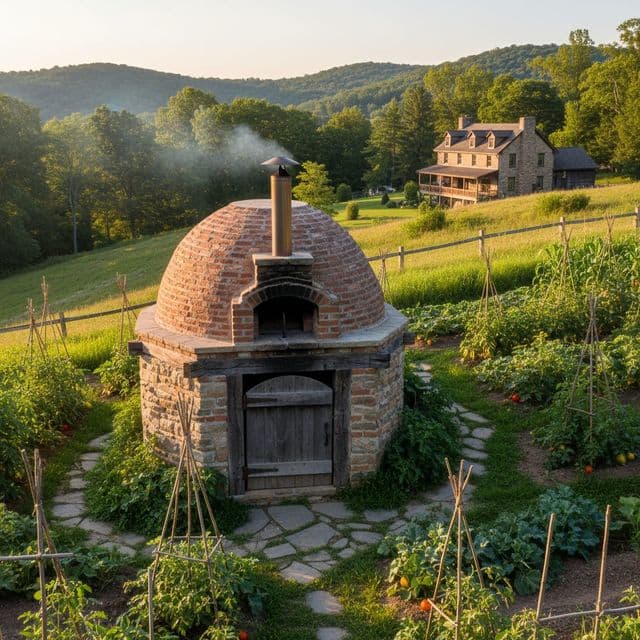
Learn to build a durable wood-fired brick oven for your homestead. Discover the science of thermal mass, dome design, and insulation for efficient, high-temperature cooking in USDA Zone 6.
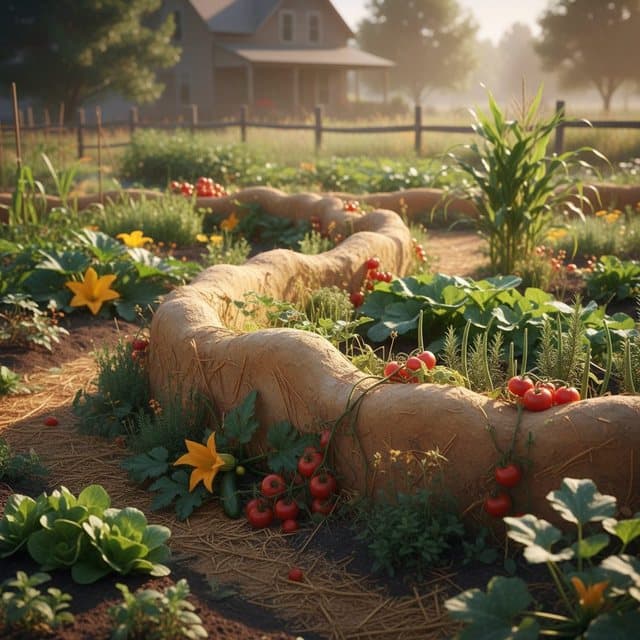
Building small cob structures like garden walls, benches, or root cellars in USDA Zone 6, using natural building techniques and thermal mass on the homestead.