Key takeaways
- Choose organic, unblemished rhizomes from a grocery store for best propagation success, aiming for pieces 1-2 inches long.
- Indoor growing in USDA zones 4-7 requires consistent temperatures above 65°F and at least 6 hours of bright, indirect light daily.
- Outdoor cultivation in USDA zones 8-10 benefits from well-draining soil with a pH between 6.0 and 7.0 and 4-6 hours of direct sun.
- Ginger and turmeric typically take 8-10 months to mature, yielding 1-2 pounds of fresh rhizomes per plant under optimal conditions.
- Proper curing at 55-60°F for 1-2 weeks extends storage life, allowing rhizomes to last several months.
Quick answer: To regrow ginger and turmeric, select organic rhizomes with visible ‘eyes,’ cut them into 1-2 inch pieces, cure for 1-2 days, then plant in warm, moist soil. They typically mature in 8-10 months.
From the humid summers of Florida (USDA zone 9) to container gardening in Ohio (USDA zone 6), growing ginger and turmeric provides fresh rhizomes for cooking. Freshly dug rhizomes have a stronger flavor and aroma than supermarket roots that have been in transit and storage. With a little planning and consistent care, you can cultivate a steady supply, often yielding 1-2 pounds of fresh rhizomes per plant over an 8-10 month growing season.
This guide provides practical steps for propagating ginger (Zingiber officinale) and turmeric (Curcuma longa) directly from grocery store rhizomes. We will cover indoor cultivation strategies suitable for cooler climates, specifically USDA zones 4-7, and outdoor methods for the warmer, longer growing seasons found in USDA zones 8-10. You’ll learn how to select the best starting material, prepare it for planting, and provide the optimal conditions for a successful harvest to ensure you get the most from your efforts.
Why grow your own ginger and turmeric?
Beyond the satisfaction of harvesting your own food and building ginger and turmeric offers several tangible benefits. Freshly harvested ginger and turmeric rhizomes have a noticeably more intense aroma and flavor than rhizomes that have been shipped and stored for weeks. For instance, a single 12-inch pot can yield a pound or more of ginger over an 8-month growing cycle; this produces enough ginger for regular cooking, though between the pot, potting mix, and eight months of watering, it is rarely cheaper than buying it.
Both ginger and turmeric are valued for their distinct culinary applications and their rich phytochemical content [5]. Turmeric, often called “golden spice,” is a standard ingredient in curries, providing a warm, earthy flavor and a bright yellow color. Ginger, with its pungent, spicy kick, is essential in everything from stir-fries to soothing teas. Growing these at home means you have a ready supply of both on hand whenever a recipe calls for them.
The benefits of homegrown rhizomes
Growing your own ginger and turmeric provides a direct connection to your food system and guarantees freshness. You control the growing environment, from the soil composition to whether anything is sprayed on the crop at all. A typical outdoor plant in USDA zone 9 can reach 3-4 feet in height, contributing significantly to garden aesthetics.
- access to fresher, more potent flavors and aromas
- control over growing conditions, including soil quality and pesticide use
- potential cost savings, with a single plant yielding 1-2 pounds of rhizomes
- an engaging gardening project that provides a continuous supply of culinary ingredients
- the ability to harvest specific quantities as needed, so nothing sits shrivelling in the crisper drawer
Sourcing and preparing your rhizomes
Homegrown ginger and turmeric start with roots from a grocery store or produce market. For the best chance of success, select organic rhizomes that are firm, plump, and free from blemishes or soft spots. Organic options are preferred because conventional ginger and turmeric are sometimes treated with sprout inhibitors during storage and transport, which can stop the rhizome breaking dormancy altogether.
Look for rhizomes with visible “eyes” or growth buds, which appear as small, bumpy protuberances along the surface. These are the points from which new shoots will emerge. Once you have your healthy rhizomes, you’ll need to prepare them for planting. If your chosen piece is large, cut it into smaller sections, each 1-2 inches long and containing at least one or two prominent eyes. Using a clean, sharp knife will minimize damage.
Curing cut rhizomes for planting
After cutting, allow the rhizome pieces to air dry for 1-2 days in a warm, dry spot, away from direct sunlight. This curing process helps the cut surfaces form a protective callus, which prevents rotting once planted. Think of it as similar to preparing seed potatoes.
- select organic, firm, and unblemished rhizomes
- ensure each piece has at least one or two visible “eyes”
- cut large rhizomes into 1-2 inch sections
- allow cut pieces to cure for 1-2 days to prevent rot
- avoid rhizomes that are shriveled, moldy, or excessively soft
Indoor cultivation in cooler climates (USDA zones 4-7)
For gardeners in USDA zones 4-7, where the growing season is too short for outdoor cultivation, indoor growing is the most reliable method. Both ginger and turmeric require warm temperatures, ideally between 65°F and 85°F, and consistent moisture to thrive. Begin planting in late winter or early spring, around February or March, to give your plants a head start.
Choose large containers, at least 12-18 inches in diameter and 10-12 inches deep, to accommodate the spreading rhizomes. A 5-gallon fabric grow bag works exceptionally well, offering good drainage and aeration. Fill your containers with a rich, well-draining potting mix, ideally one formulated for vegetables or herbs, with a pH between 6.0 and 7.0. Plant your cured rhizome pieces 2-4 inches deep, with the eyes facing upwards or sideways.
Providing light and moisture indoors
Indoor plants need ample light. Place containers in a location that receives at least 6 hours of bright, indirect sunlight daily. A south-facing window is often ideal in the northern hemisphere. If natural light is insufficient, supplemental grow lights, providing 12-14 hours of light, will be necessary to encourage robust growth. Maintain consistent soil moisture, watering when the top inch of soil feels dry to the touch, but avoid waterlogging, which can lead to rot. If you are starting many pieces at once, pre-sprout them in a shallow tray of barely-moist potting mix under a clear cover in a warm spot, then pot them on individually once shoots appear.
- start planting in late winter or early spring (February-March)
- use large containers, 12-18 inches in diameter and 10-12 inches deep
- plant rhizomes 2-4 inches deep in well-draining potting mix
- provide 6+ hours of bright, indirect light daily, supplementing with grow lights if needed
- maintain consistent soil moisture, avoiding waterlogging
Outdoor cultivation in warmer climates (USDA zones 8-10)
Gardeners in USDA zones 9 and 10 generally have the long, warm, frost-free stretch that ginger and turmeric need to size up outdoors in the ground. Zone 8 is marginal: hardiness zones describe winter lows, not season length, and much of zone 8 falls well short of the 8-10 months these crops want. Zone 8 growers should start rhizomes indoors in pots in late winter, move them out after the last frost, and expect to lift smaller 'baby' rhizomes before the first fall frost. Both plants thrive in partial shade, especially where afternoon sun is intense. The Gulf Coast and Southeast suit them best; in the low desert of Arizona, single-digit humidity and strongly alkaline soil both work against these crops, so grow them there in containers of amended mix under shade cloth rather than in open ground. Aim for a location that receives 4-6 hours of direct morning sun and afternoon shade.
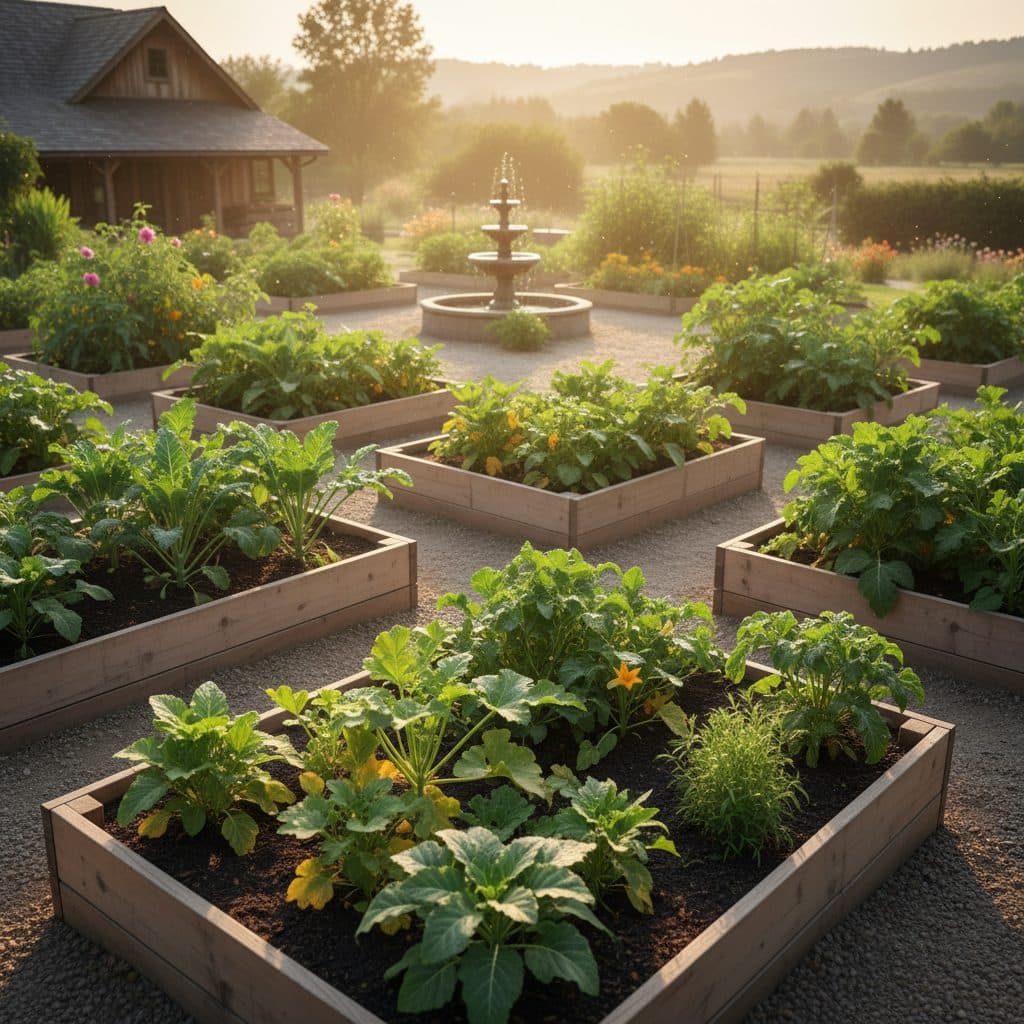
Soil preparation is essential for a successful outdoor crop. Ginger and turmeric prefer loose, well-draining, and fertile soil rich in organic matter. Amend heavy clay soils with compost, aged manure, or peat moss to improve drainage and fertility. A raised bed filled with a blend of 50% compost and 50% topsoil is an excellent option, providing optimal conditions and a soil depth of at least 12 inches. Ensure the soil pH is between 6.0 and 7.0.
Planting and ongoing care outdoors
Plant your cured rhizome pieces 2-4 inches deep and 8-12 inches apart in rows that are 12-18 inches apart. This spacing allows for adequate air circulation and rhizome expansion. Water thoroughly after planting. Throughout the growing season, maintain consistent soil moisture, especially during dry spells, providing 1-2 inches of water per week. Mulching with a 2-3 inch layer of straw or shredded leaves helps retain moisture, suppress weeds, and regulate soil temperature.
- choose a location with 4-6 hours of morning sun and afternoon shade
- amend soil with compost to ensure it is loose, well-draining, and fertile
- maintain a soil pH between 6.0 and 7.0
- plant rhizomes 2-4 inches deep and 8-12 inches apart
- provide 1-2 inches of water per week and apply a 2-3 inch layer of mulch
Harvesting and storing your homegrown rhizomes
Both ginger and turmeric are ready for harvest when the foliage begins to yellow and die back, typically 8-10 months after planting. For indoor plants in USDA zone 5, this usually occurs in late fall or early winter, around October or November. For outdoor plants in USDA zone 9, harvest can extend into December if no hard frosts are expected.
To harvest, carefully dig up the entire plant using a garden fork, being cautious not to damage the rhizomes. Gently shake off excess soil. You’ll observe a network of new rhizomes attached to the original planting piece. You can harvest all of the new growth, or you can cut off a portion and replant the remaining piece with a few eyes to continue the cycle for the next season. A single mature plant can yield between 1 and 2 pounds of fresh rhizomes.
Curing and long-term storage
After harvesting, clean the rhizomes by gently brushing off soil; avoid washing them until just before use to prevent rot. Cure the rhizomes by letting them air dry in a shaded, well-ventilated place out of direct sun for a week or two, at ordinary room temperature. This process toughens the skin and heals minor wounds, which extends their storage life. Once cured, store ginger and turmeric in a cool, dark, and dry place, such as a pantry or root cellar. They can also be stored in a paper bag in the refrigerator’s crisper drawer for up to 3-4 weeks. For longer storage, up to 6 months, consider freezing them whole or grated.
- harvest when foliage yellows and dies back, 8-10 months after planting
- carefully dig up rhizomes to avoid damage
- clean off excess soil without washing
- cure rhizomes at 55-60°F for 1-2 weeks
- store in a cool, dark, dry place or freeze for extended periods
Growing requirements for ginger and turmeric
Characteristic | Ginger (Zingiber officinale) | Turmeric (Curcuma longa) |
|---|---|---|
USDA Zones | Indoors: 4-7; Outdoors: 8-10 | Indoors: 4-7; Outdoors: 8-10 |
Light | Partial shade (4-6 hours direct sun); bright indirect light indoors | Partial shade (4-6 hours direct sun); bright indirect light indoors |
Soil pH | 6.0 – 7.0 | 6.0 – 7.0 |
Watering | Consistent moisture, 1-2 inches per week; avoid waterlogging | Consistent moisture, 1-2 inches per week; avoid waterlogging |
Harvest Time | 8-10 months after planting, when foliage yellows | 8-10 months after planting, when foliage yellows |
Rhizome Size | Typically 1-2 inches thick, branching | Typically 0.5-1 inch thick, finger-like |
Optimal Temperature: Ginger and turmeric thrive in temperatures between 65°F and 85°F, with growth significantly slowing below 50°F.
Yield Expectation: A single healthy ginger or turmeric plant can yield 1-2 pounds of fresh rhizomes after an 8-10 month growing season.
Frequently asked questions
Can I grow ginger and turmeric from grocery store roots?
Yes. Select organic, unblemished rhizomes with visible ‘eyes’ from your grocery store. Sprouting is unreliable enough that it is worth starting several pieces so you are sure of getting a few.
How long does it take for ginger and turmeric to grow?
Both typically require 8-10 months of warm weather for a substantial harvest, with initial sprouts appearing in 2-6 weeks after planting.
What kind of soil do ginger and turmeric need?
They prefer loose, well-draining, fertile soil rich in organic matter, with a pH between 6.0 and 7.0, and at least 10 inches of depth for root development.
How much light do they need indoors?
Indoors, they need at least 6 hours of bright, indirect light daily, or supplemental grow lights for 12-14 hours to ensure adequate growth.
When should I harvest ginger and turmeric?
Harvest when the leaves begin to yellow and die back, typically in late fall or early winter after 8-10 months of growth. Outdoors, lift the rhizomes before the first frost.
Can I replant a piece of my harvested rhizome?
Absolutely, save a 2-inch piece with several ‘eyes’ from your harvest to start a new plant for the next growing season to ensure continuity in your garden.
References
- Pharmacognostic authentication and bioactivity of polyherbal essential oils from red ginger, turmeric, and aromatic ginger (2025). Pharmacognostic authentication and bioactivity of polyherbal essential oils from red ginger, turmeric, and aromatic ginger.
- Profiling of metabolites and minerals from black ginger and blue turmeric rhizomes by gas chromatography-mass spectrometry analysis and their biopotentials. (2025). Profiling of metabolites and minerals from black ginger and blue turmeric rhizomes by gas chromatography-mass spectrometry analysis and their biopotentials..
- Chitosan‐polyvinyl alcohol‐based bionanocomposite enriched with turmeric oil for the postharvest protection of ginger (2025). Chitosan‐polyvinyl alcohol‐based bionanocomposite enriched with turmeric oil for the postharvest protection of ginger.
- Pesticidal and Medicinal Value of Turmeric and Ginger in Tanzania and Their Antifungal Activity against Phytopathogens (2025). Pesticidal and Medicinal Value of Turmeric and Ginger in Tanzania and Their Antifungal Activity against Phytopathogens.
- Phytochemical Screening Infusion of Turmeric (Curcuma domestica val) and Red Ginger (Zingiber Officinale var roscoe) Rhizomes (2022). Phytochemical Screening Infusion of Turmeric (Curcuma domestica val) and Red Ginger (Zingiber Officinale var roscoe) Rhizomes.