Grow Chamomile & Herbs for Alcohol-Free Remedies
Cultivate a medicinal herb garden in USDA Zone 6, focusing on chamomile and lemon balm. Prepare safe, effective alcohol-free herbal remedies for your family. Save up to 75%.
Tag
372 articles in this tag on agripure. — page 15 of 16
Cultivate a medicinal herb garden in USDA Zone 6, focusing on chamomile and lemon balm. Prepare safe, effective alcohol-free herbal remedies for your family. Save up to 75%.
Keep homemade alcohol tinctures potent for 3 to 5+ years by holding final ABV at or above 25%, calculating fresh-herb water dilution, sealing with phenolic caps, and separating harmless sediment fr…
How to prepare herbal tinctures from garden herbs in USDA Zone 6, covering solvent selection, maceration times, straining, and dropper-dose calculations.
Grow Echinacea purpurea and angustifolia in USDA zones 3–9, harvest dormant 3-year roots, calculate 1:2 fresh vs. 1:5 dried tincture ratios, and follow NIH/NCCIH safety rules.
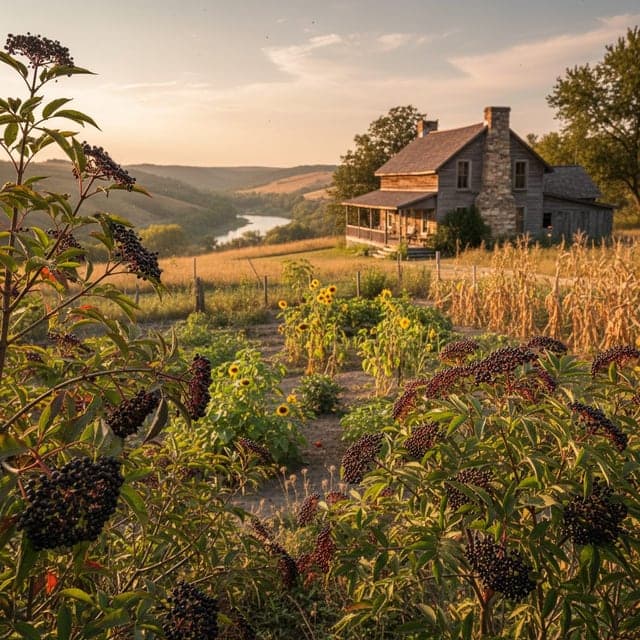
Make safe, shelf-stable elderberry tincture from US backyard or wild Sambucus canadensis berries: uncovered 212°F pre-simmering to vent HCN, 1:2 vs. 1:5 weight-to-volume proof math, realistic press…
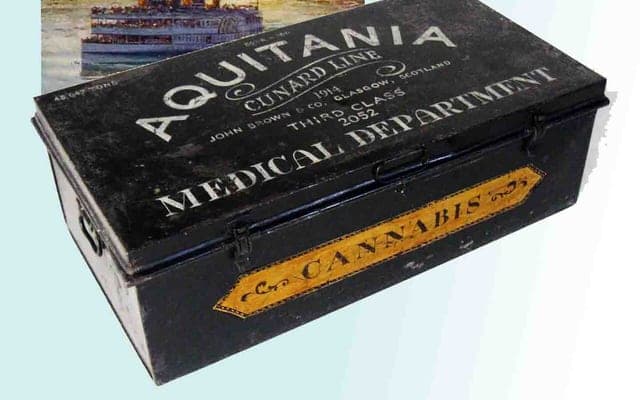
Match herbal tincture menstrua to phytochemical polarity, moisture dilution math, and preservation floors: USP grain ethanol (151–190 proof fresh vs. 80–120 proof dried), 100% fresh vegetable glyce…
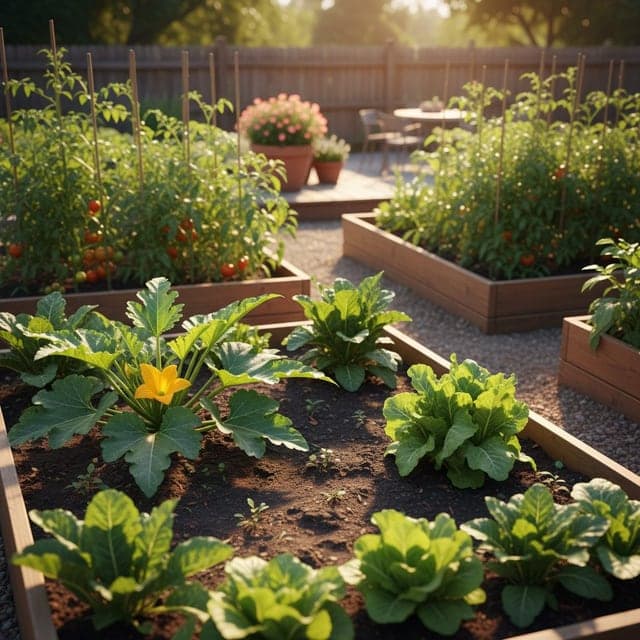
Compare folk-method jar packing (1:1.8 to 1:10 bulk-density drift) against calibrated weight-to-volume (W:V, g:mL) tincture ratios, 25–40% dry root swell marc retention, 70–85% fresh-herb ABV spoil…
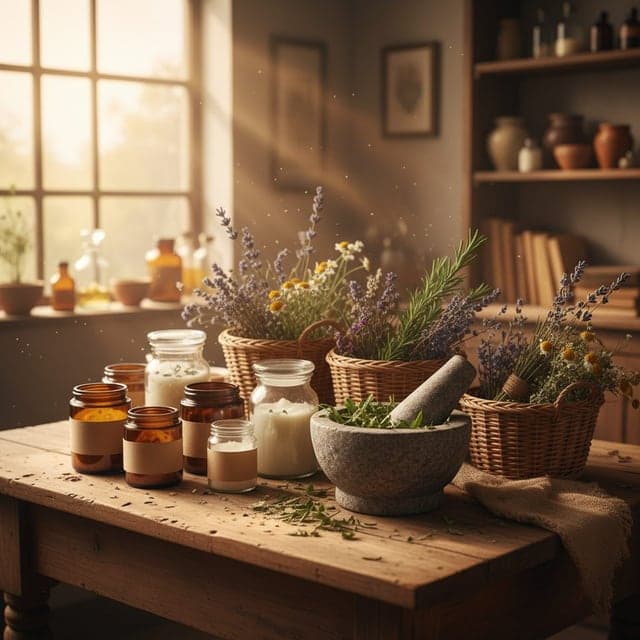
Learn practical tips to extend salve shelf life and prevent mold, especially in humid US climates. Master herb drying, storage, and natural preservatives for your homemade apothecary.
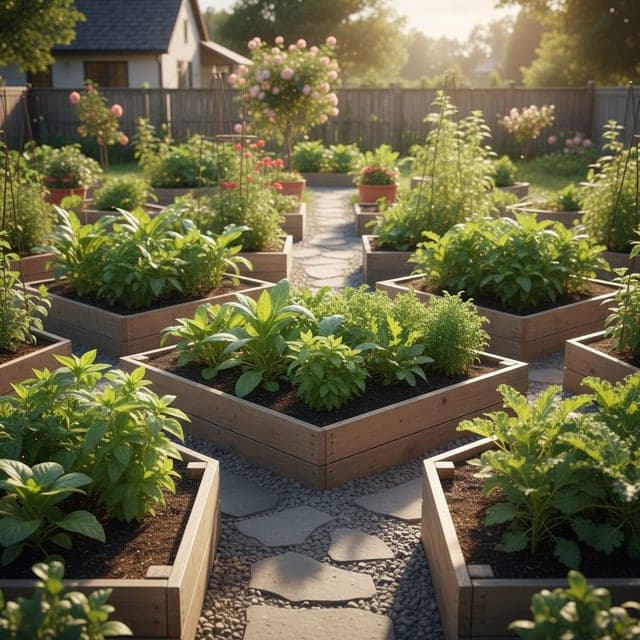
Learn to craft soothing homemade herbal balms with calendula and lavender from your garden. This guide covers infusing oils, ratios, and growing tips for natural, cost-effective skincare in just 30…
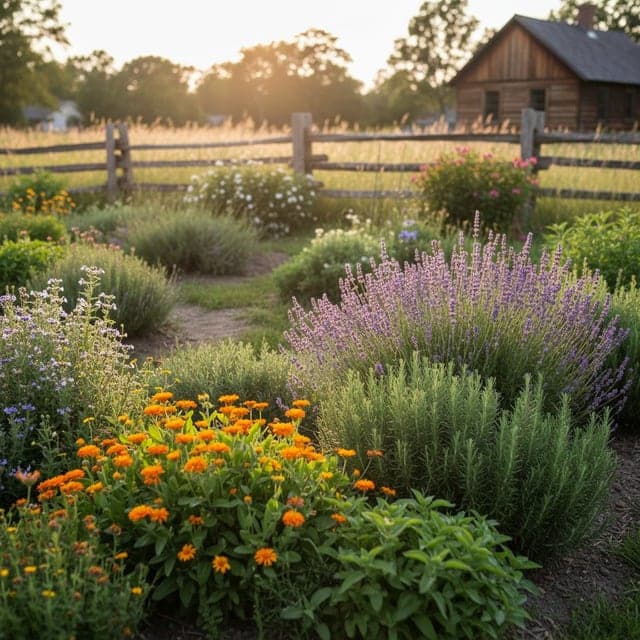
Compare 5 herb oil infusion methods from cold dark maceration to sous-vide and flash blanching, backed by University of Idaho PNW 664 botulism rules, 1:5 herb ratios, and carrier oil stability.
Formulate repeatable herbal balms and salves by weight (g/oz): 1:4 pocket balm, 1:5–1:6 hand salve, 1:7–1:8 winter cream, vegan candelilla/carnauba swaps, freezer-spoon calibration, botulism dry-he…

Master growing calendula (USDA zones 3-9) for medicinal use. Learn to harvest, dry, and infuse flowers to craft your own potent calendula salve for a natural home apothecary.

Learn to design a thriving apothecary garden for your USDA Zone 6 homestead. Maximize medicinal herb yield with sun mapping, soil prep, and companion planting strategies.
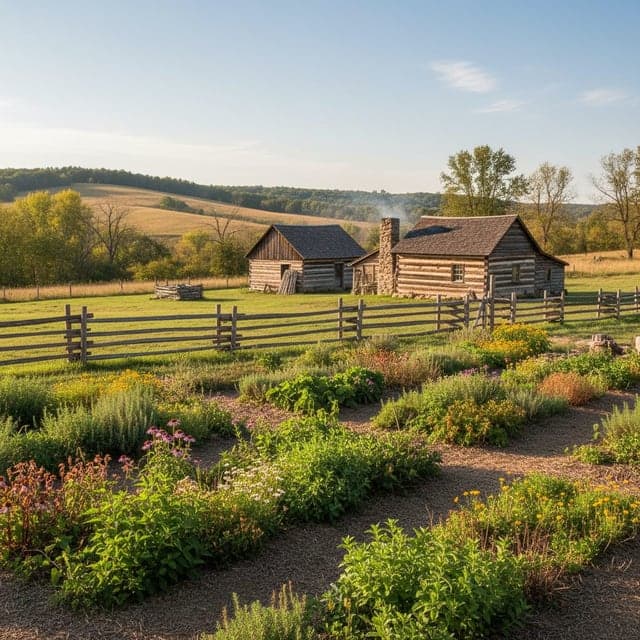
Grow resilient medicinal herbs across -40°F continental plains and -10°F snow-belt winters using gritty raised mounds, freeze-timed straw mulch, HDPE mint barriers, cold-moist stratification, and b…
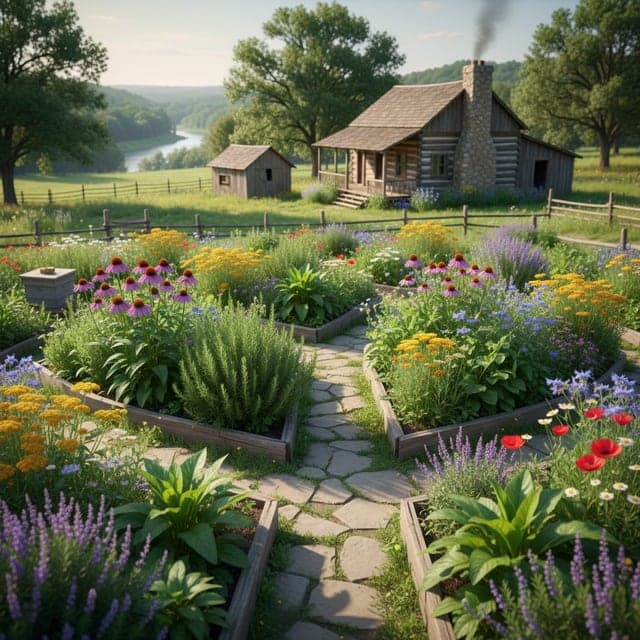
Decide between perennial and annual medicinal herbs for your home apothecary. Learn about their life cycles, cultivation needs, and best choices for USDA zones 3-10 to create a thriving herb garden.
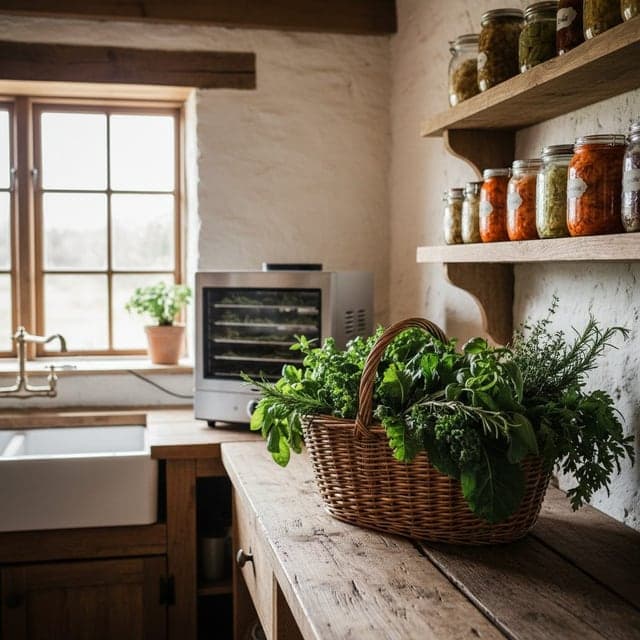
How dehydration, fermentation, and freezing preserve leafy greens and herbs, reducing the 30% food waste typical in home kitchens.
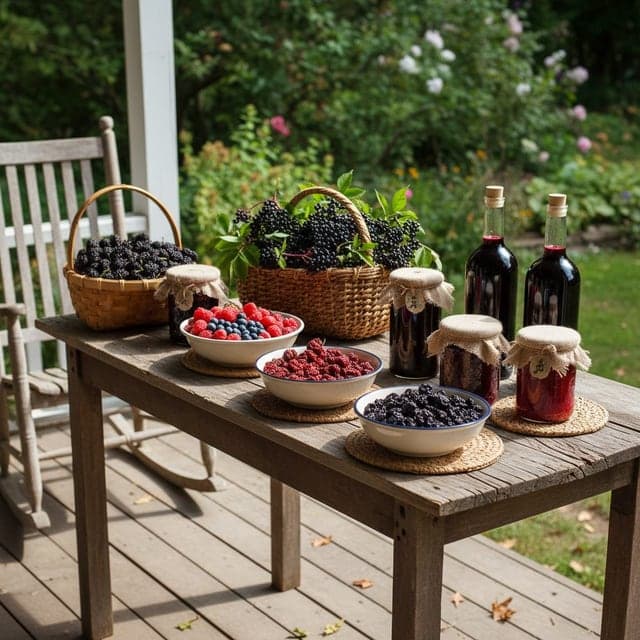
Preserve summer berries without a freezer using USDA/NCHFP boiling-water bath canning with altitude adjustments, 135°F dehydration plus 7-day conditioning, berry fruit leather, and >=5% vinegar shr…
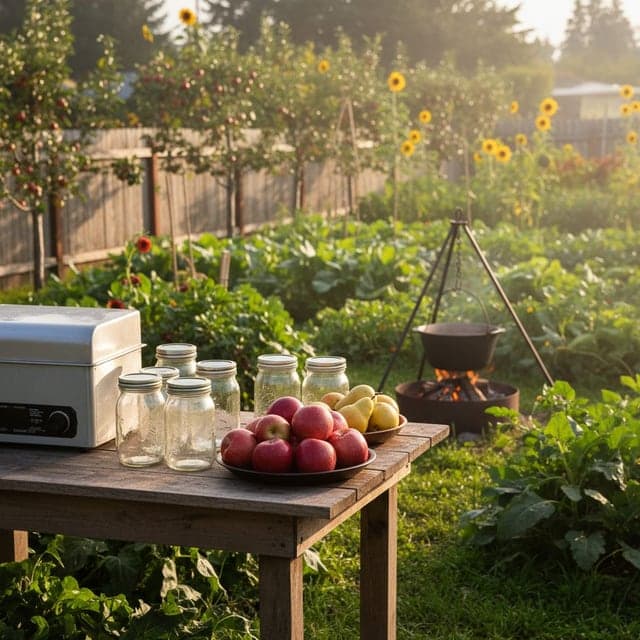
Turn a 100-to-800-pound apple and pear harvest into shelf-stable food: NCHFP water-bath canning, Asian pear acidification, 135°F dehydrating, scrap cider vinegar safety, and 30–32°F root cellaring.
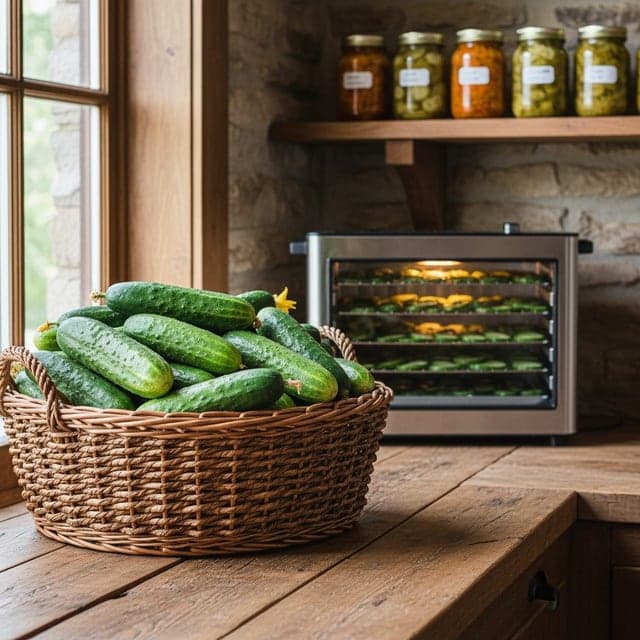
Handle a summer cucumber surplus safely using NCHFP and USDA guidelines: exact 2–2.5% mash vs. 3.5–5% cut-brine fermentation math, 125–135 °F dehydrated chips with jar conditioning, freezer pickles…
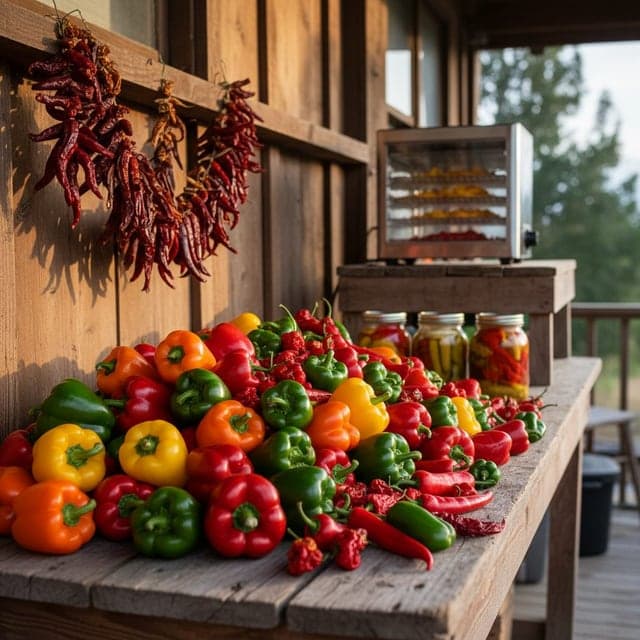
How to preserve your USDA Zone 7 pepper harvest with drying, freezing, fermenting, and pickling techniques to use peppers year-round.
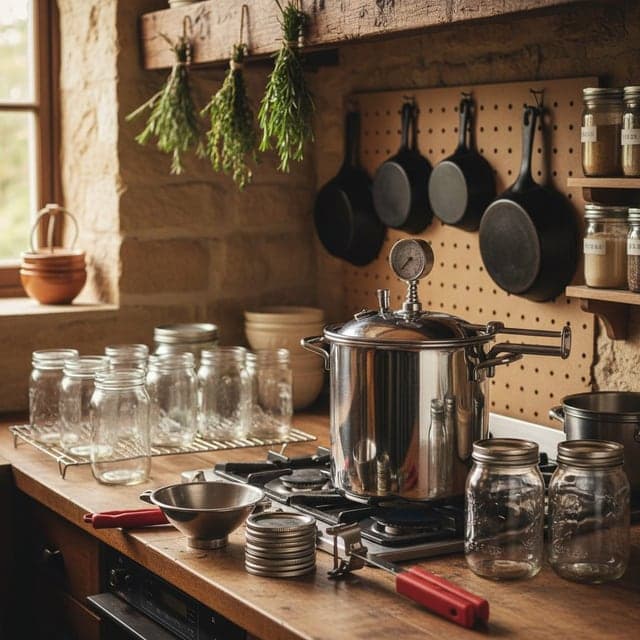
Safely pressure can low-acid vegetables, meats, and soups at 240–250°F: 10-minute steam venting, USDA altitude PSI tables, pint/quart limits, dial-gauge testing, and botulism disposal.
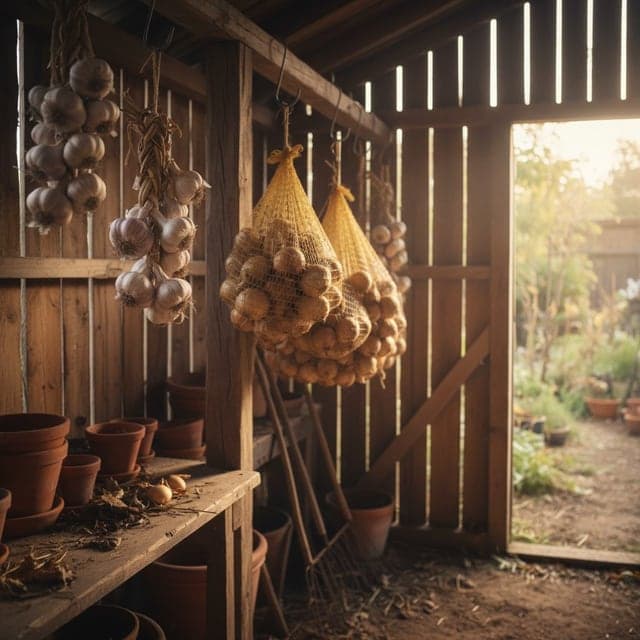
Learn how proper curing alliums, like onions and garlic, can drastically reduce spoilage and extend their shelf life for months. Master ideal conditions for long-term storage.
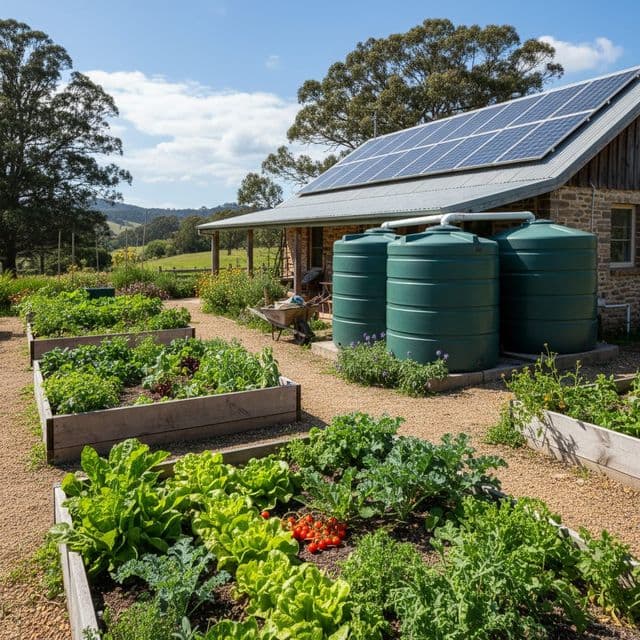
Build a resilient, self-sufficient US homestead step by step: 4-phase capital budgets ($300 to $25,000+), 60% calorie-crop planning, potable rainwater safety, USDA canning rules, dual-zone root cel…
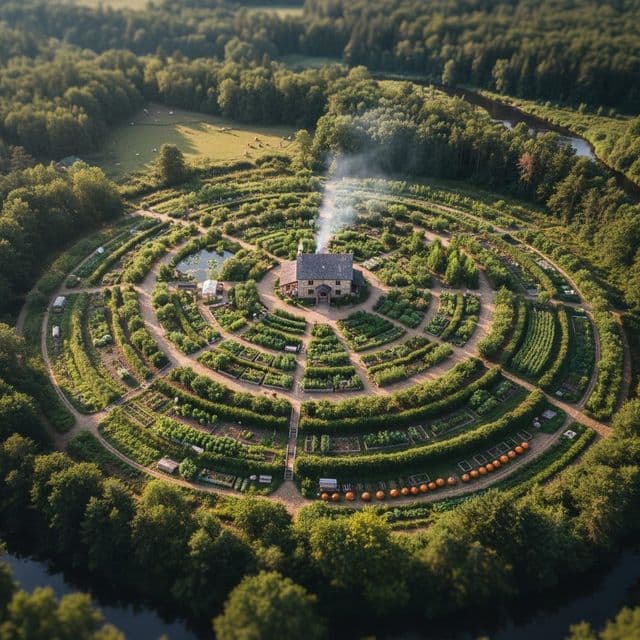
Permaculture zones organize your land by frequency of use, placing high-maintenance elements close to the home to save daily labor and boost productivity.