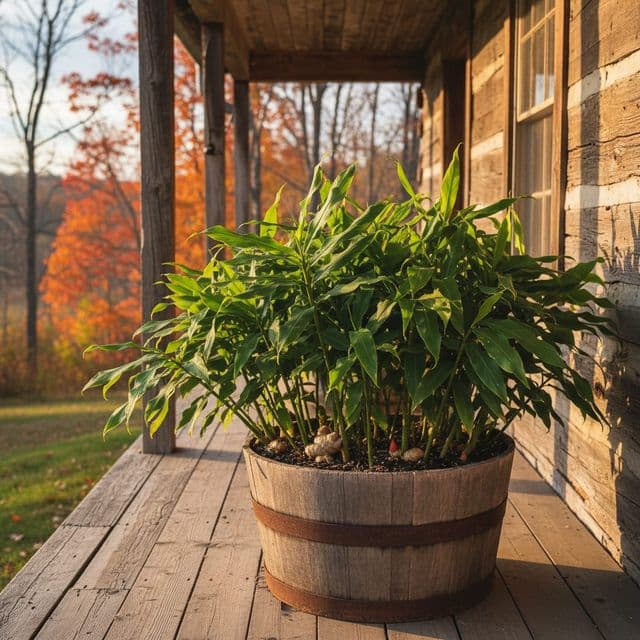
Container Ginger: Cold Climate Growing Guide (Zones 4-7)
Master container ginger cultivation in USDA Zones 4-7. Learn pot selection, ideal potting mix, and indoor finishing techniques for a successful harvest in cold climates.
Tag
119 articles in this tag on agripure. — page 2 of 5
Master container ginger cultivation in USDA Zones 4-7. Learn pot selection, ideal potting mix, and indoor finishing techniques for a successful harvest in cold climates.
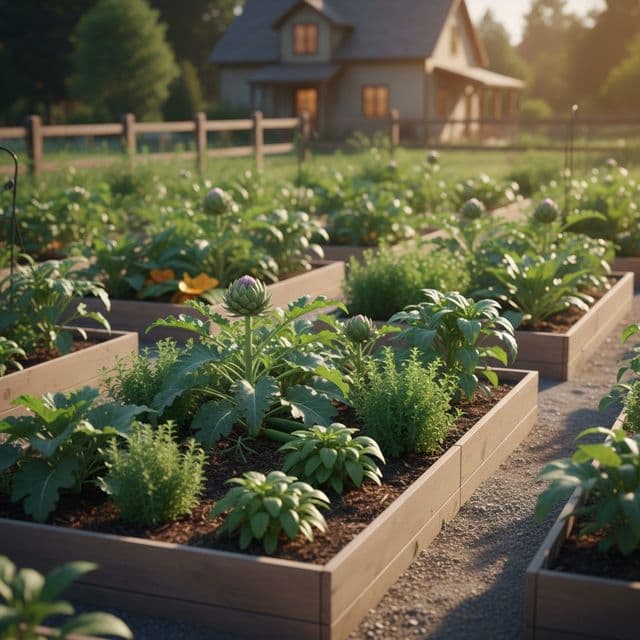
A regional guide to foraging North American wild edibles, covering edible flowers and tree foods across US zones with identification tips and sustainable harvesting practices.
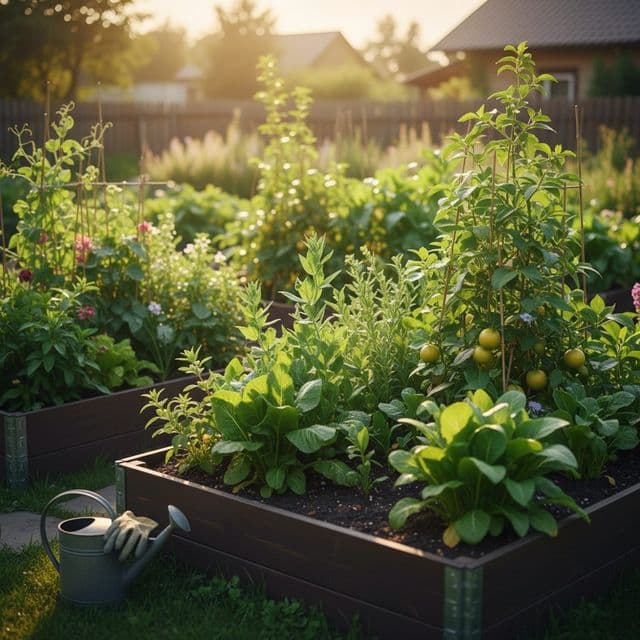
Discover how to safely forage US wild fruits and berries across different regions. Learn identification, sustainable harvesting, and nutritional benefits for a bountiful harvest.
How to identify poisonous plants and toxic look-alikes across US regions: distinguishing features of wild carrots, hemlock, death camas, and emergency response steps.
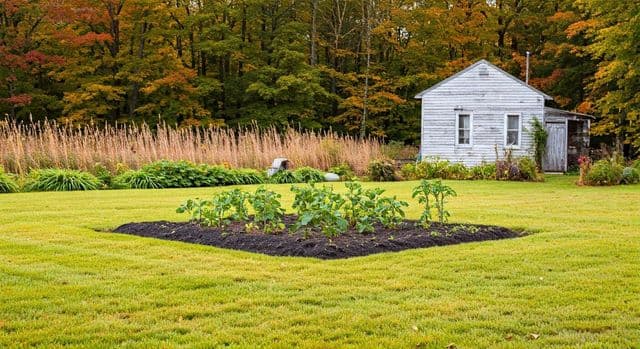
Learn essential safe foraging practices for wild edibles in North America. This guide covers identification, avoiding toxic look-alikes, and best practices for harvesting.
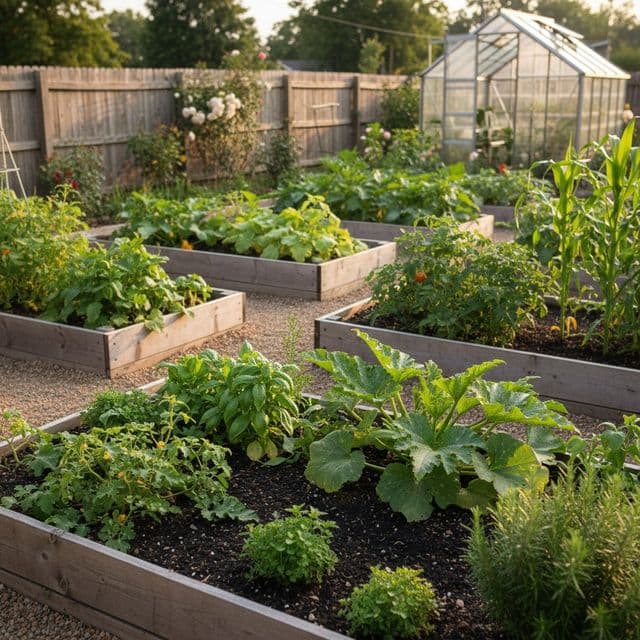
Discover how to identify, harvest, and prepare edible wild greens like stinging nettle and mallow across US regions. Learn safe foraging practices and nutritional benefits.
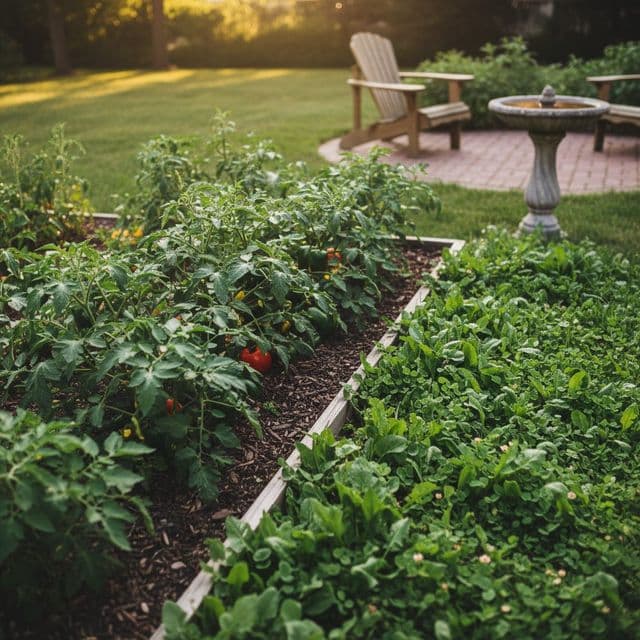
Discover safe edible backyard weeds across US regions. Learn to identify common wild edibles like dandelion & lamb’s quarters for beginners. Forage safely!
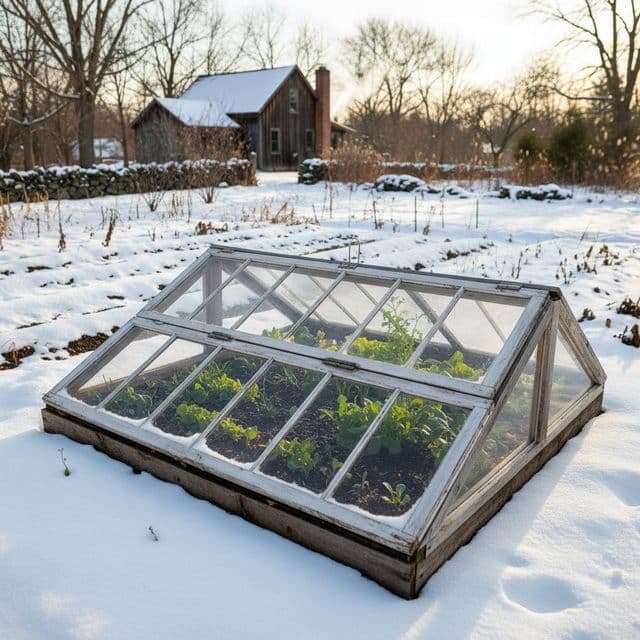
Extend your growing season by weeks with a DIY cold frame. Learn to build a low-cost, effective cold frame for winter growing in USDA Zone 6, using salvaged materials for under $50.
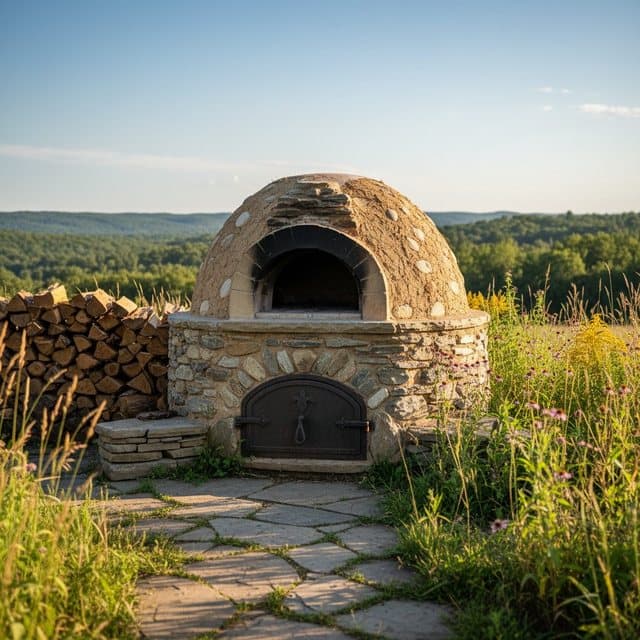
How to build durable, low-cost wood-fired earth ovens that reduce cooking fuel costs by 25-35% and support off-grid self-sufficiency with natural materials.
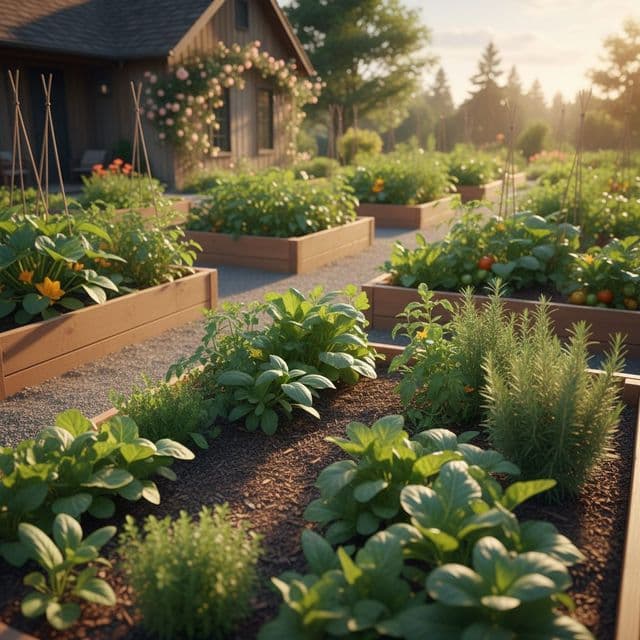
Explore durable, low-cost earth building methods like cob, earthbag, adobe, and rammed earth for your homestead. Learn how these natural techniques offer energy efficiency and resilience.
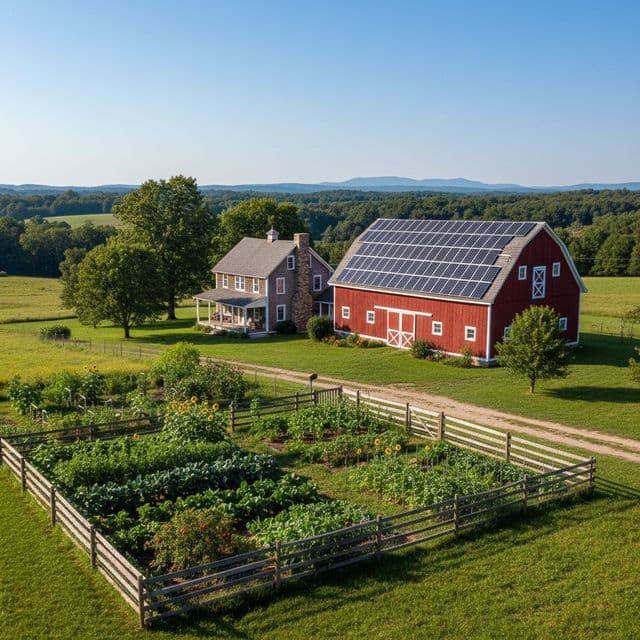
Achieve energy independence on your homestead with off-grid solar & battery systems. Learn about sizing, LiFePO4 batteries, and cost savings for reliable power in USDA Zone 6.
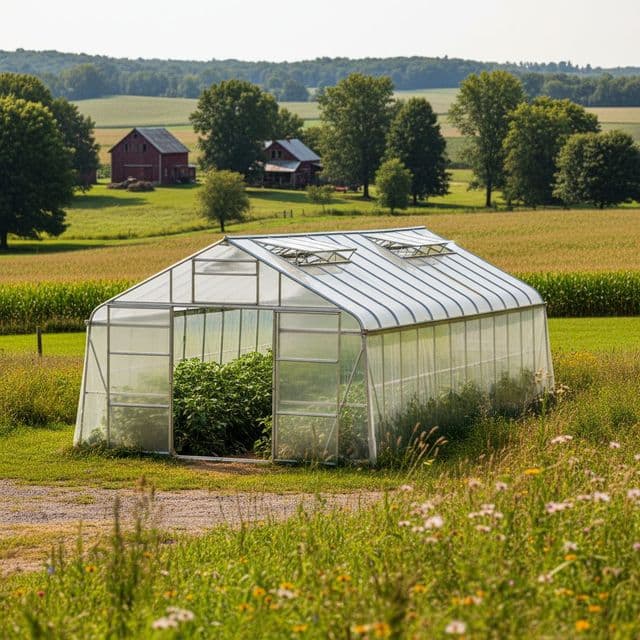
Master off-grid greenhouse cooling with passive ventilation, strategic shading, and evaporative methods. Keep your plants thriving in USDA Zone 7+ without electricity.
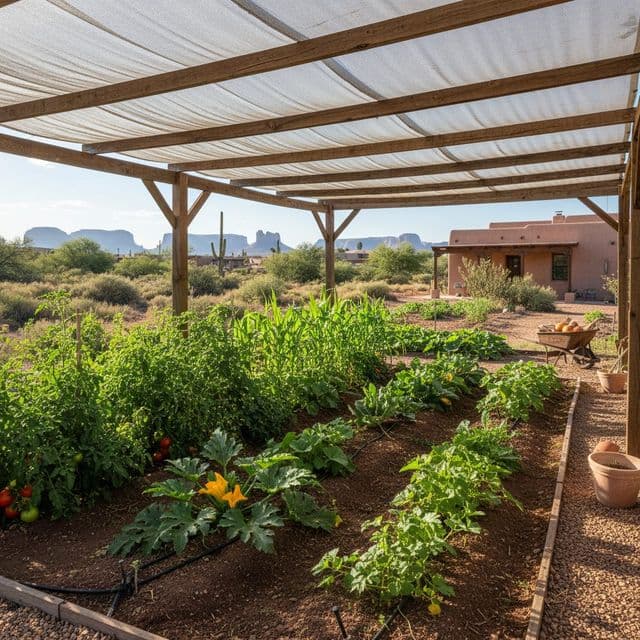
How to protect vegetables from intense summer heat in Arizona gardens with DIY shade structures that reduce temperatures, prevent bolting, and boost garden yields by 15% or more.
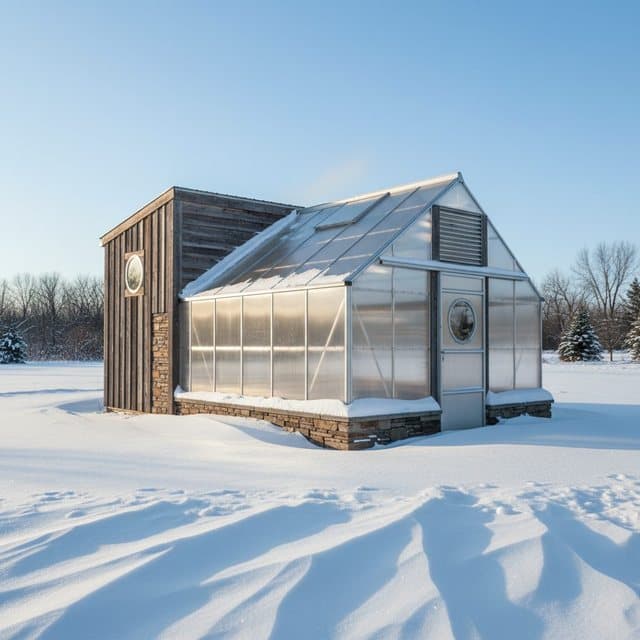
How to build a budget passive solar greenhouse in USDA Zone 5, using solar orientation, thermal mass, and insulation to extend the growing season by up to six months.
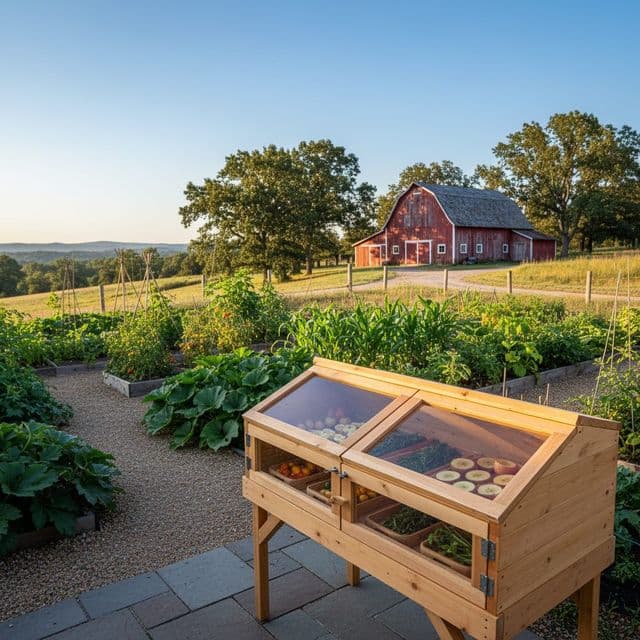
Learn to build a DIY solar dehydrator for your homestead. Preserve garden produce efficiently, cut energy costs, and extend your harvest with this off-grid solution.
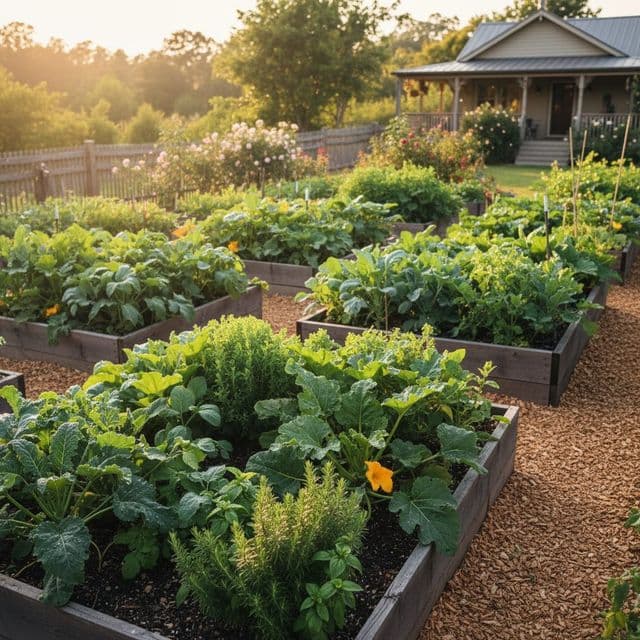
Discover plants that thrive in salty and saline soils. Learn how to select species for coastal areas and near de-iced roads, mitigate salt damage, and cultivate resilient landscapes in challenging…
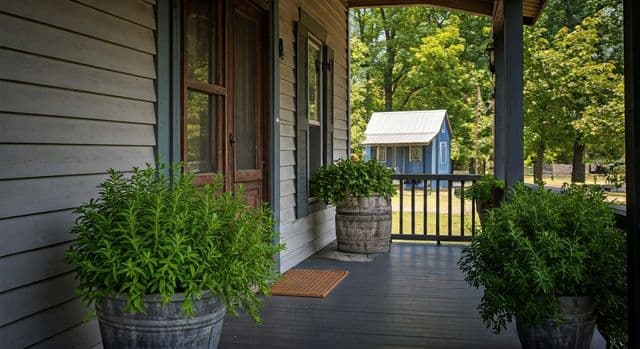
Cultivate vibrant, drought-tolerant container plants in USDA zones 4-10 with less water. Learn plant selection, smart watering, and mulching tips to save time & up to 40% on your water bill.
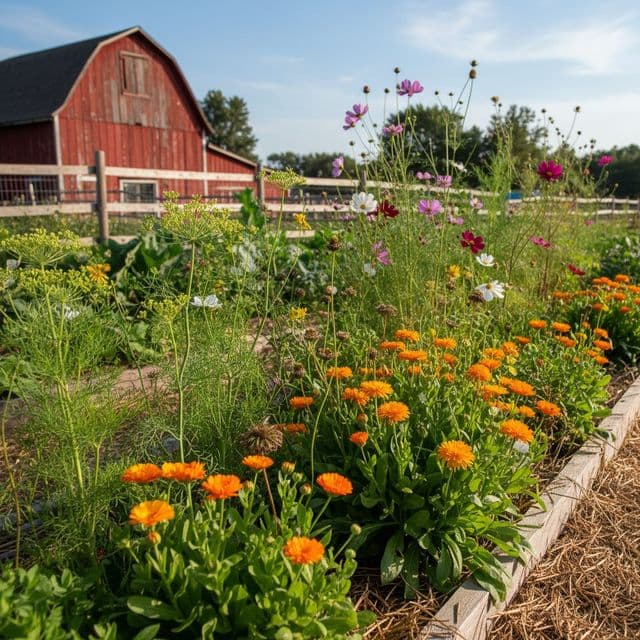
Self-seeding flowers, herbs, and vegetables for USDA zones 4-9 that drop viable seed and return reliably each year with minimal replanting.
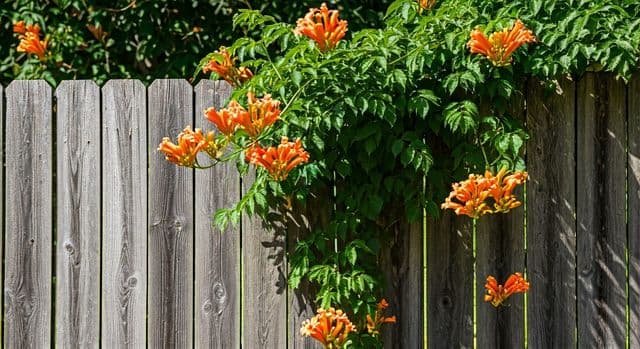
Fast-growing vines for USDA Zone 7 that provide screening and cover in a single season, with selection and care guidance.
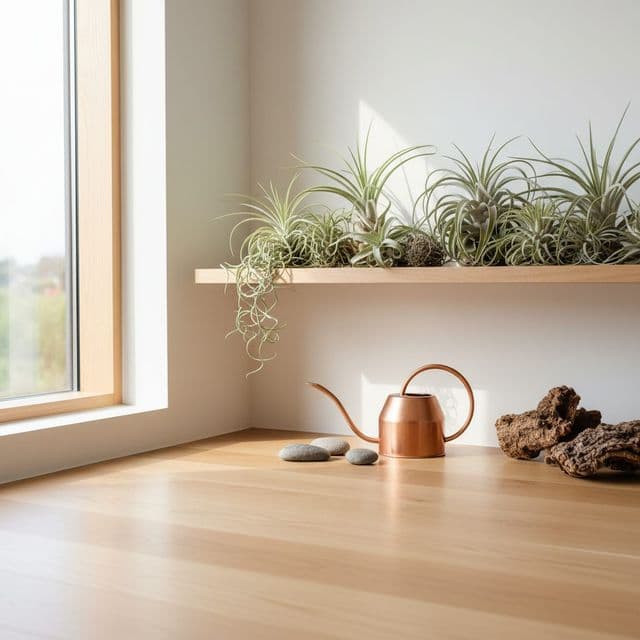
Care for Tillandsia indoors in your US home or apartment with guidelines on light, water, humidity, and air circulation.
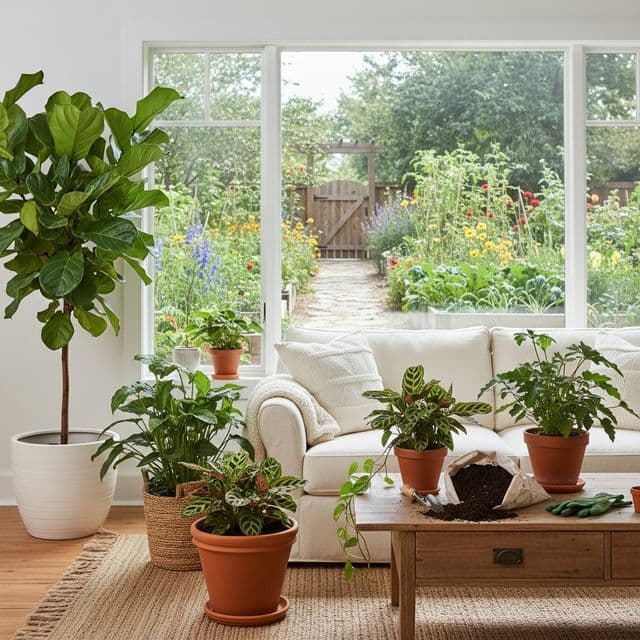
Master houseplant repotting with this guide. Learn timing, soil mix, and root-bound signs for thriving indoor plants. Prevent issues and ensure healthy growth.
Low-light indoor plants for north-facing rooms, basements, and shaded US apartments, with watering intervals and placement guidance for dim conditions.
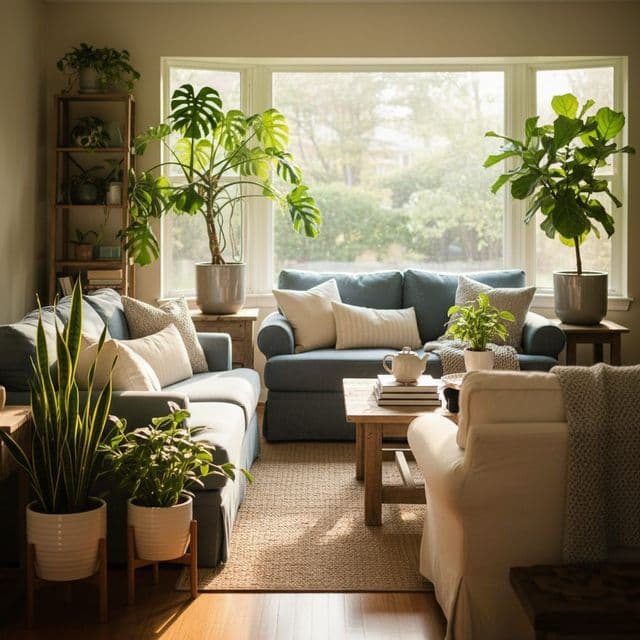
Discover how to choose and care for US houseplants that thrive in typical 60-75°F indoor conditions. Learn about light, watering, and humidity for healthy plants.
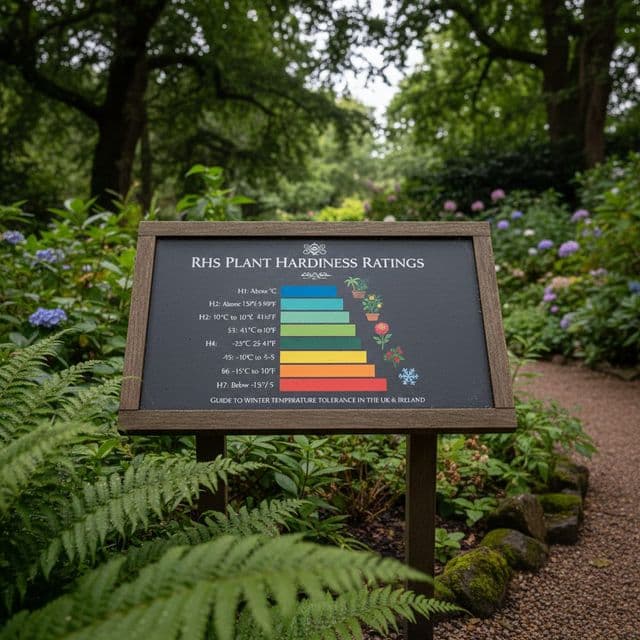
Set up backyard tilapia aquaponics with optimal water conditions, rapid growth (1.5 lbs in 6-9 months), and efficient water use for fish and vegetables.