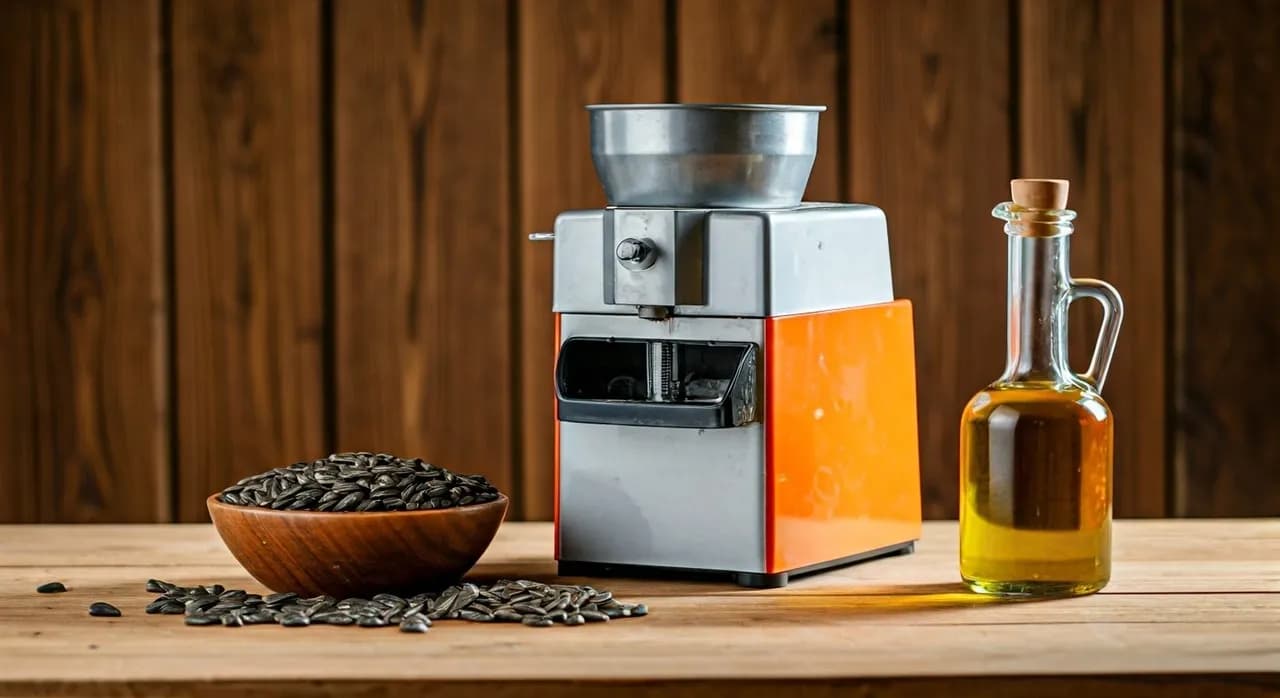
Key takeaways
- Home oil pressing offers control over ingredients and avoids industrial processing chemicals, supporting a healthier diet [3].
- Common oilseed crops like sunflower, flax, and peanut can be grown in various US regions, with sunflowers thriving in USDA zones 4-9.
- Manual and electric oil presses are available, with electric models processing 3-6 pounds of seeds per hour for greater efficiency.
- Yields vary by seed type; sunflower seeds typically produce 30-40% oil by weight, while flax can yield 35-45%.
- Oilcake, the byproduct of pressing, is a useful high-protein feed supplement for livestock, improving self-reliance on the farm.
- Freshly pressed oils have a shorter shelf life, generally six to twelve months when stored properly at temperatures below 60°F.
Quick answer: Pressing your own cooking oil at home offers control over ingredients, avoids industrial processing chemicals, and provides a healthier, fresher product. It supports a self-reliant lifestyle by connecting food sources directly to your kitchen.
A home grower in central Iowa can harvest a substantial yield of sunflower seed from a modest plot, providing raw material for unrefined kitchen oil. For homesteaders looking to reduce reliance on industrial vegetable oils extracted with chemical solvents, pressing oil at home gives direct control over ingredients, freshness, and waste.
Pressing cooking oil at home avoids chemical additives and solvent extractions common in commercial processing. Freshly pressed oils retain delicate aromatic compounds and fat-soluble vitamins, turning garden-grown seed crops directly into cooking fat and nutrient-dense press cake.
Why press your own oil? Control, quality, and cost
Pressing oil at home gives you full control over seed quality and extraction method. Many commercial cooking oils go through hexane solvent extraction and high-heat refining, which strip nutrients and leave trace processing residues. Home cold-pressing yields unrefined oil that retains natural vitamins, antioxidants, and fatty acids. That matches the focus on minimally processed foods in a 2017 CDC dietary report [3].
Understanding the benefits for your kitchen
Fresh oil carries the distinct flavor of the seed rather than the neutralized profile of refined cooking oils. In northern California, for instance, growers press small batches of sesame oil specifically for aromatic seasoning. Home expeller presses cost between $150 and $600, an expense offset over time when pressing homegrown or bulk-purchased oilseeds while eliminating store packaging.
- Nutrient retention: Cold pressing maintains heat-sensitive vitamins and antioxidants.
- Purity: Avoids chemical solvents and industrial additives.
- Flavor: Retains distinct raw seed aromas without industrial deodorizing.
- Cost savings: Reduces long-term expenses, especially with home-grown seeds.
- Reduced waste: Minimizes plastic bottle consumption.
Choosing your seeds: from garden to press
Oil content and flavor determine which seeds to plant. In USDA zones 4 through 9, black oil sunflowers are widely grown for their thin hulls and high oil percentage. In warmer southern regions (USDA zone 8), peanuts produce high-heat frying oil along with high-protein press meal.
Cultivating and sourcing quality oilseeds
Flax grows well in cooler climates across the upper Midwest (USDA zones 3 through 6), producing a nutty oil rich in alpha-linolenic omega-3 fatty acids. Seeds must be fully ripe and properly dried to low moisture before pressing to prevent mold and ensure free-flowing oil. Sourcing clean seed from local growers or farm co-ops provides economical raw stock: a 5-pound bag of sunflower seed costing $15 to $25 yields approximately one quart of finished oil.
- Sunflower seeds: High yield (30-40%), adaptable to USDA zones 4-9.
- Flax seeds: High omega-3s, 35-45% yield, suitable for cooler zones 3-6.
- Peanuts: Flavorful oil, good for warmer regions like USDA zone 8.
- Sesame seeds: Distinct flavor, requires warmer climates, 45-50% yield.
- Canola seeds: High yield (40-45%), often grown in cooler, northern states.
Equipment and process: manual vs. electric presses
Once you have your seeds, the next step is selecting the right oil press. Home oil presses come in two main categories: manual and electric. Manual presses, often costing $150-$300, are excellent for small batches, offering a hands-on experience and requiring no electricity. They typically process 1-2 pounds of seeds per hour, making them suitable for hobbyists or those with limited power access, such as off-grid homesteads in rural Montana. These presses are simple to operate, usually involving a screw mechanism to apply pressure to the seeds.
Optimizing your oil extraction process
Electric expeller presses costing $300 to $600 process 3 to 6 pounds of seed per hour. Most include heating collars with temperature dials, allowing cold pressing below 120°F (49°C) to preserve oil flavor and delicate fatty acids. Raw seed must be free of dust, grit, and chaff to prevent scoring the extraction auger. Roasting seeds like peanuts before extraction improves flavor extraction, though oil heated above 120°F is no longer cold pressed. Freshly extracted oil comes out cloudy with fine seed silt and should settle undisturbed in glass jars for 24 to 48 hours before the clear oil is decanted off the sediment.
- Manual presses: Ideal for small batches, 1-2 pounds/hour, no electricity needed.
- Electric presses: Higher volume, 3-6 pounds/hour, often with temperature control.
- Cold pressing: Maintains oil temperature below 120°F (49°C) for nutrient preservation.
- Seed preparation: Ensure seeds are clean and dry (8-10% moisture content).
- Settling: Allow fresh oil to settle for one to two days before bottling.
Yields, storage, and culinary uses
Calculating seed oil content helps estimate annual needs. Black oil sunflower seeds yield 30 to 40% oil by weight, so 10 pounds of seed produces 3 to 4 pounds (roughly 1.5 to 2 quarts) of oil. Flax yields 35 to 45%. A household pressing 50 pounds of sunflower seeds over a year harvests about 2.5 gallons of cooking oil, supplying kitchen needs while creating usable meal.
Maximizing shelf life and culinary applications
Freshly pressed oils have a shorter shelf life than commercially refined oils due to the absence of preservatives and their delicate nature. Storing your oil properly is key to maximizing its longevity. Store in dark, airtight glass bottles in a cool, dark place, ideally below 60°F (15°C). Refrigeration can extend the life of some oils, especially those high in polyunsaturated fats like flaxseed oil, which might last 6-9 months refrigerated compared to 3-6 months at room temperature. For cooking, freshly pressed sunflower oil is versatile, suitable for sautéing, baking, and salad dressings. Peanut oil, with its higher smoke point of around 450°F (232°C), is excellent for frying, while flaxseed oil is best used raw in dressings or smoothies due to its low smoke point of 225°F (107°C).
- Sunflower oil: Versatile for cooking, baking, and dressings; 30-40% yield.
- Flaxseed oil: Best raw for dressings/smoothies; 35-45% yield.
- Peanut oil: High smoke point (450°F), good for frying; 45-50% yield.
- Storage temperature: Below 60°F (15°C) in dark, airtight containers.
- Shelf life: 6-12 months for most oils, shorter for high omega-3 oils like flax.
Beyond the kitchen: oilcake for livestock and other uses
One of the significant advantages of pressing your own oil, especially for those involved in light livestock, is the useful byproduct: oilcake. This compressed meal, left after oil extraction, retains a high percentage of protein and fiber, making it an excellent feed supplement. For instance, sunflower oilcake contains a high level of protein, as does flaxseed oilcake. A small farm in rural Arkansas raising chickens and goats could easily incorporate this into their feed regimen, reducing their reliance on purchased feed concentrates. This practice embodies the principles of a modern homesteading approach, where every resource is maximized.
Maximizing byproduct value on the farm
Oilcake from sunflower or flax is particularly beneficial for poultry, providing essential amino acids and energy, and can be mixed into their daily feed. For ruminants like goats or cattle, it can supplement pasture or hay, especially during winter months when forage quality declines. A 50-pound batch of sunflower seeds yielding 15 pounds of oil would also produce approximately 35 pounds of oilcake. This byproduct can also be composted to enrich garden soil, adding useful nitrogen and organic matter. Some homesteaders even experiment with using oilcake as a base for homemade protein bars or flour, though careful processing is needed to ensure palatability and safety for human consumption. This integrated approach minimizes waste and maximizes the output from your efforts, improving overall farm self-reliance.
- High protein feed: Sunflower oilcake contains 30-40% protein, flaxseed 35-45%.
- Livestock supplement: Excellent for poultry (10-20% of diet) and ruminants.
- Soil amendment: Adds nitrogen and organic matter to compost and garden beds.
- Reduced feed costs: Lessens reliance on commercial feed concentrates.
- Zero waste: Utilizes the entire seed, from oil to meal.
Common oilseed crops for home pressing
Seed type | Typical oil yield (%) | USDA zones | Primary culinary use |
|---|---|---|---|
Sunflower (Black Oil) | 30-40% | 4-9 | All-purpose cooking, baking, dressings |
Flax | 35-45% | 3-6 | Dressings, smoothies (raw use) |
Peanut | 45-50% | 8-11 | Frying, high-heat cooking |
Sesame | 45-50% | 8-11 | Asian cuisine, dressings |
Canola | 40-45% | 3-7 | All-purpose cooking, neutral flavor |
Oil Purity: Home-pressed oil avoids chemical solvents like hexane, often used in commercial processing so a purer product.
Yield Potential: A 10-pound batch of sunflower seeds can yield 1.5-2 quarts of oil, significantly contributing to a household’s annual supply.
Protein-Rich Byproduct: Oilcake from sunflower seeds contains 30-40% protein, making it an excellent feed supplement for livestock, reducing feed costs by 15%.