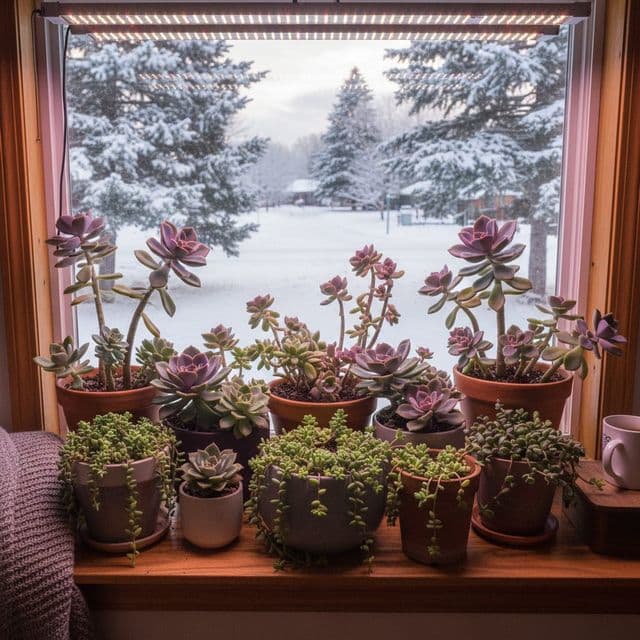
Overwintering Tender Succulents: Light & Temp in USDA Zone 6
Learn how to successfully overwinter tender succulents indoors in USDA Zone 6. Discover essential tips for light, temperature, watering, and pest management to keep plants thriving.
Tag
23 articles in this tag on agripure.
Learn how to successfully overwinter tender succulents indoors in USDA Zone 6. Discover essential tips for light, temperature, watering, and pest management to keep plants thriving.
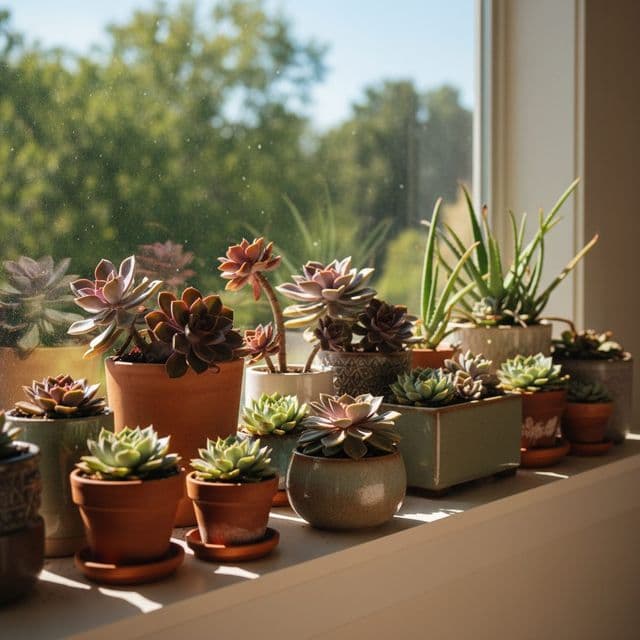
Master indoor succulent drainage with this guide for US growers. Learn to choose the right containers and potting mix to prevent root rot and ensure your succulents thrive.
Discover the best plant room humidifiers and optimal placement to maintain 50-70% humidity for thriving houseplants. Prevent dry air stress, pests, and mold with our expert guide.
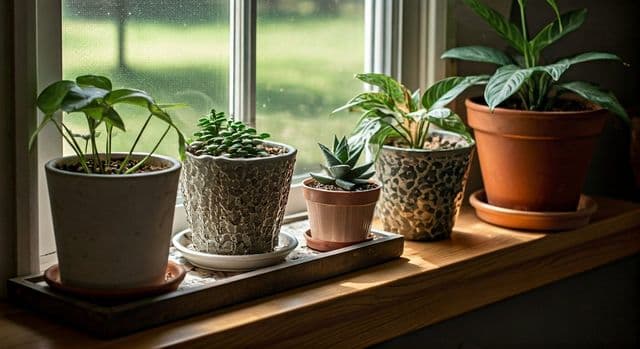
Discover if humidity trays & misting truly boost houseplant humidity. Learn what methods are effective for tropical plants in US homes, especially during dry seasons.
Forced-air heat drastically drops winter indoor humidity, stressing tropical plants in USDA Zone 6 homes. Learn strategies to raise humidity to 50-60% and help your houseplants thrive.
Organic methods to identify, manage, and prevent thrips and aphids on indoor plants, including physical removal, neem oil, and beneficial insects.
Learn how to identify, remove, and prevent scale insects on indoor plants. This guide covers treatments for US homes, from manual removal to horticultural oils.
Learn to spot and treat spider mites on houseplants using neem oil and humidity control. Protect your indoor plants from these common pests in US homes.
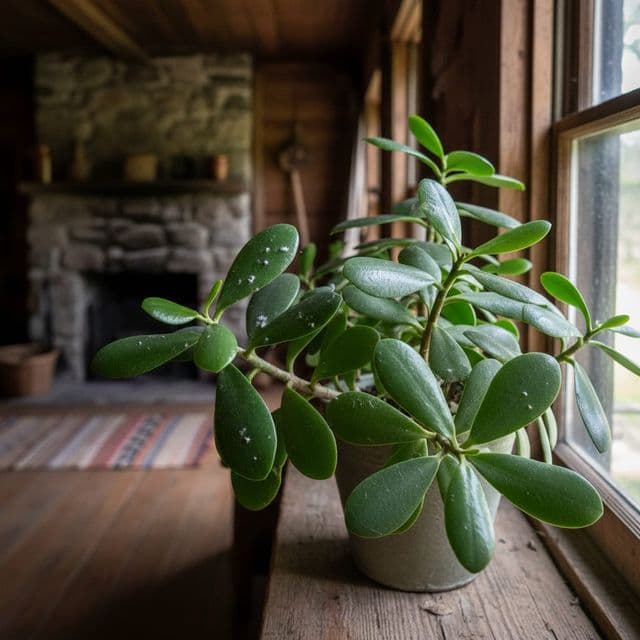
Effectively treat mealybugs on houseplants with a 30:1 rubbing alcohol solution. Learn identification, life cycle, and prevention tips for US homes to protect your indoor plants.
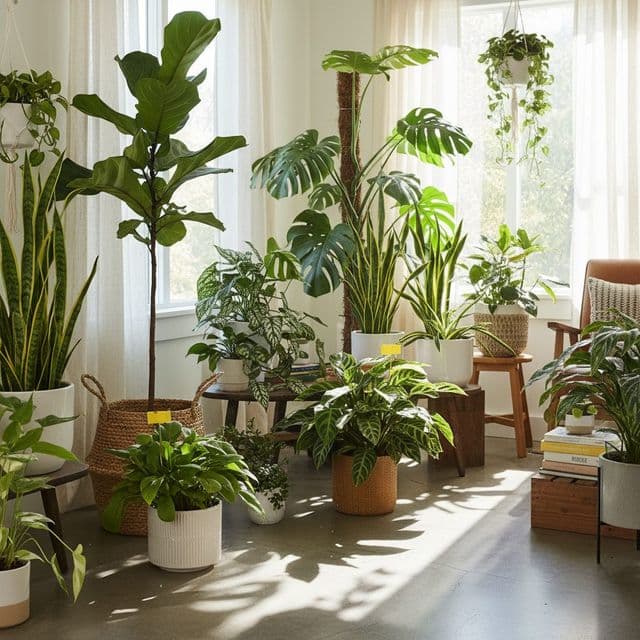
Effectively eradicate fungus gnats from your US houseplants with this 28-day plan. Learn to identify, prevent, and control these pests using cultural, physical, and biological methods.
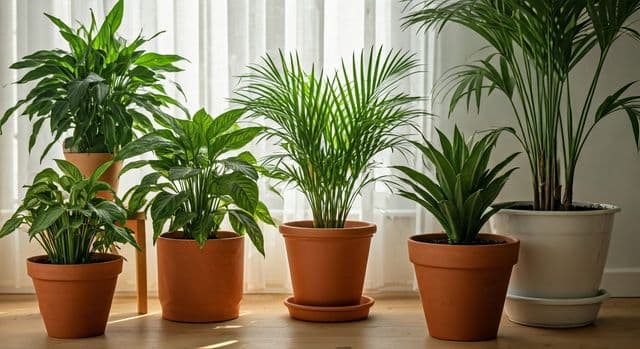
Identify and treat brown or black spots on your houseplants. Learn to distinguish fungal, bacterial, and environmental causes to restore your plants’ health. Prevent common issues.
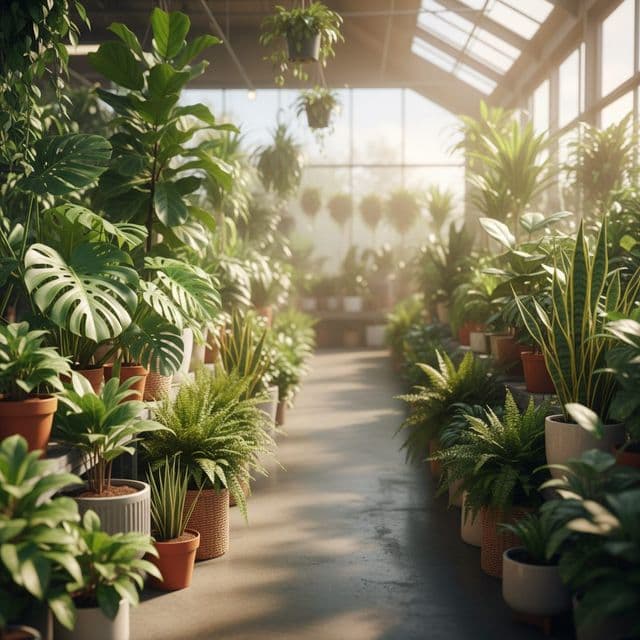
Learn how to inspect houseplants for pests and disease before buying. This 10-minute guide helps US growers choose healthy plants, avoiding common issues.
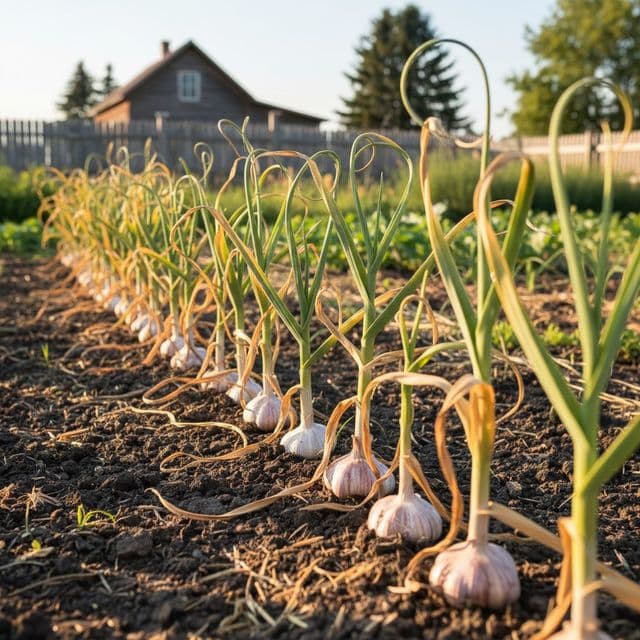
Master onion and garlic problems in USDA zones 5-9. Learn to prevent bolting, small bulbs, white rot, and thrips with expert tips on planting, nutrients, and pest control for a bountiful harvest.
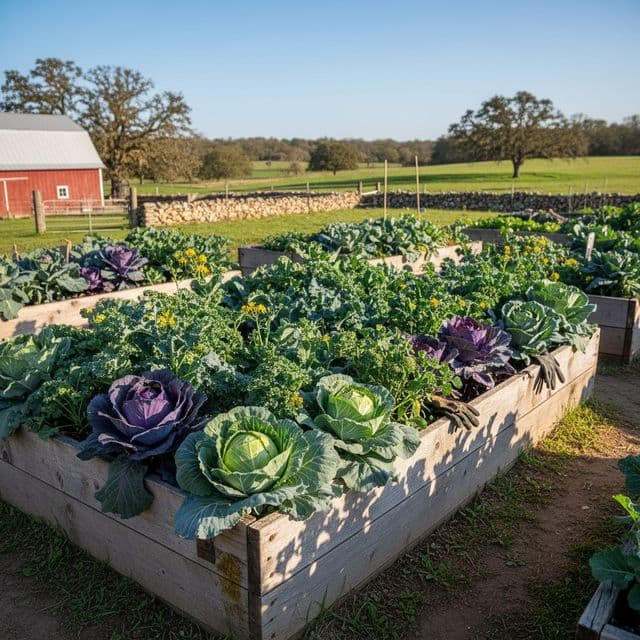
Learn organic strategies to control cabbage worms, aphids, and flea beetles in US brassica gardens. Protect your cabbage, broccoli, and kale without synthetic chemicals.
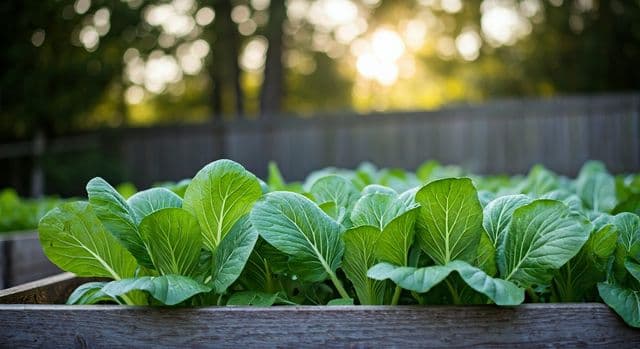
How to grow bok choy and napa cabbage for quick harvests across US climates, including planting schedules, soil needs, and pest management.
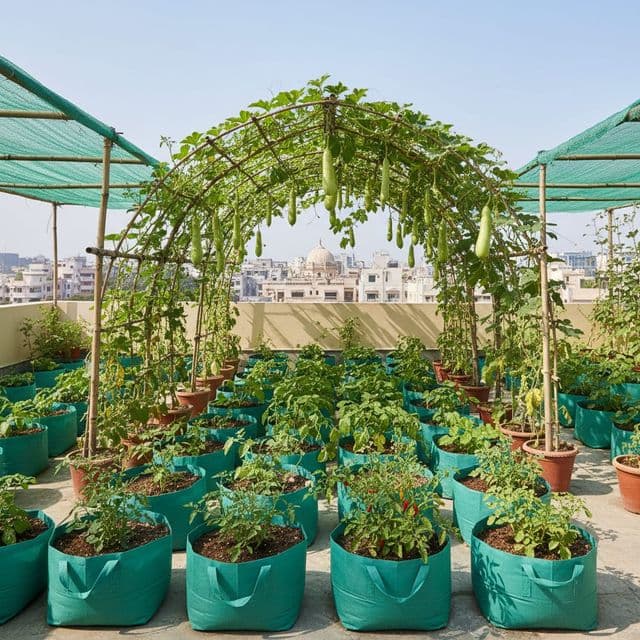
Grow healthy basil in the humid US South. Learn to identify and manage common basil diseases like downy mildew & Fusarium wilt with resistant varieties, proper spacing, and watering for a thriving…
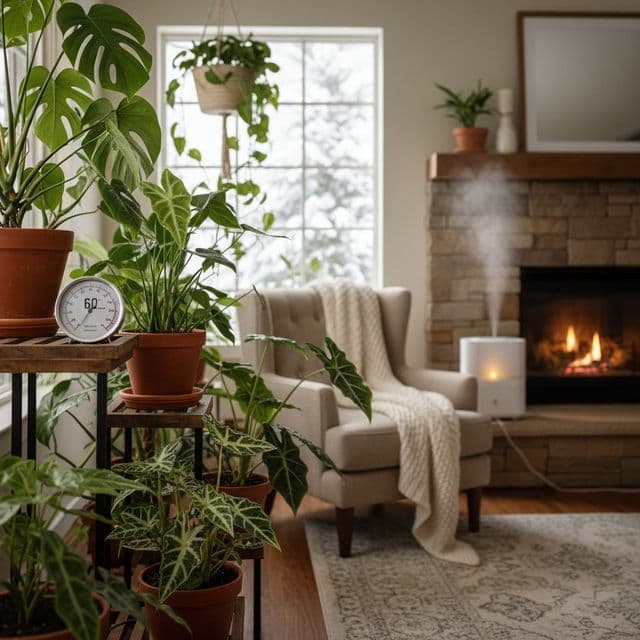
Combat dry US winter air to keep tropical houseplants thriving. Learn to monitor humidity, boost levels with pebble trays & humidifiers, and protect plants from pests.
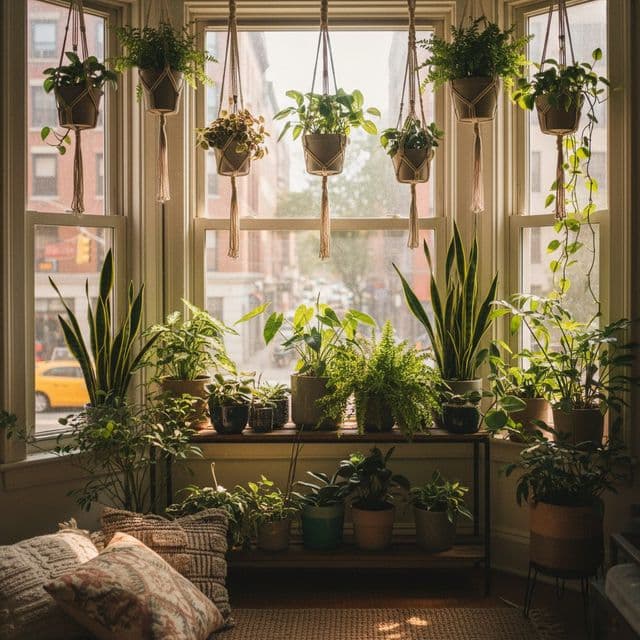
Learn to diagnose common houseplant ailments like yellow leaves, wilting, and brown spots. This guide covers watering, light, pests, and humidity for healthy houseplants in US homes.
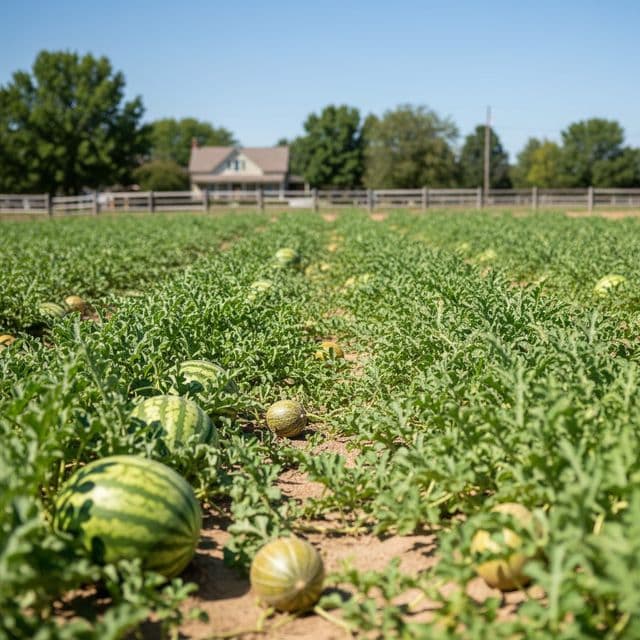
Master growing watermelon and muskmelon in US Zones 7-10. Learn heat management, soil prep, watering, and pest control for a bountiful harvest of sweet, juicy melons.
Turn your high-rise balcony into a pollinator garden. Learn how to select plants, containers, and manage microclimates to attract bees, butterflies, and hummingbirds in USDA Zone 7.
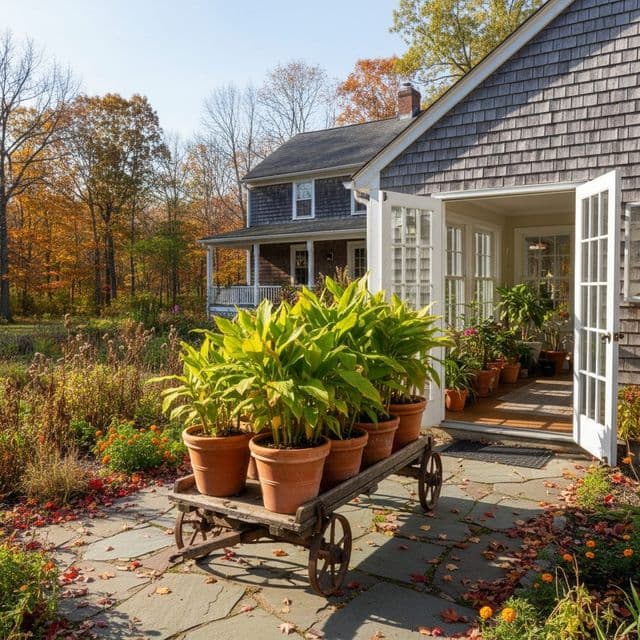
Protect tender ginger and turmeric rhizomes from winter frost in USDA Zone 7. Learn optimal timing, pest prevention, and indoor care for successful overwintering.
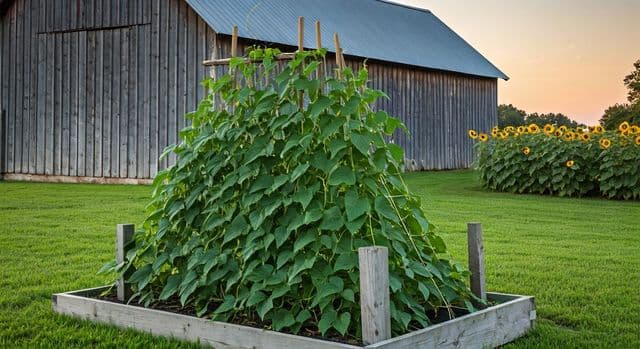
Discover how vertical gardening can dramatically increase your yields in USDA Zone 7. Learn tips for climbing plants, support structures, and maximizing small spaces.
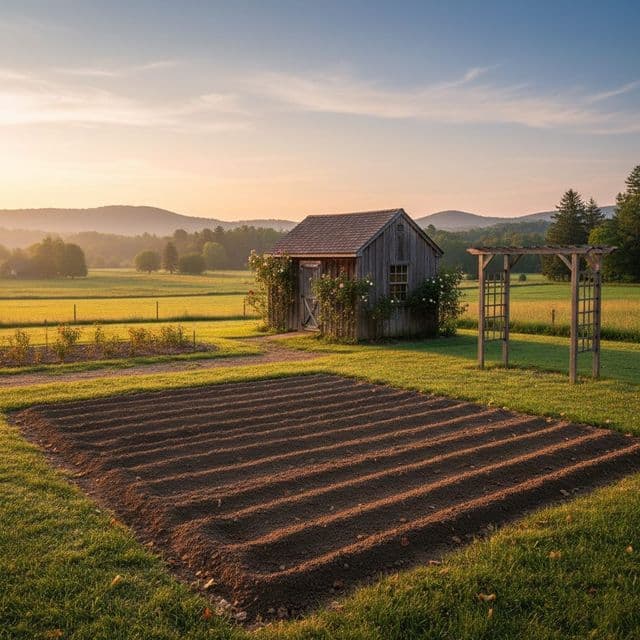
How stale seedbed preparation reduces early-season weed pressure by 40-60% for direct-sown crops, improving yields and saving labor while building soil health.