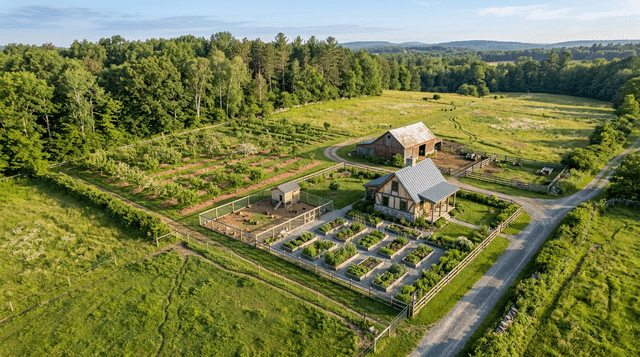
Permaculture zones and sectors: practical site planning and layout
Permaculture zones organize human activity based on visitation frequency from Zone 0 to Zone 5, while sector analysis maps wild external energies crossing the landscape.
Tag
10 articles in this tag on agripure.
Permaculture zones organize human activity based on visitation frequency from Zone 0 to Zone 5, while sector analysis maps wild external energies crossing the landscape.
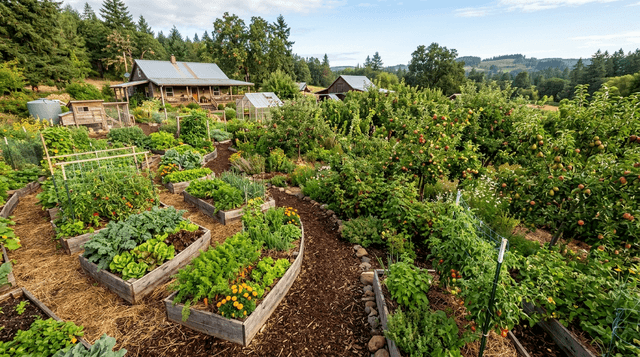
The three permaculture ethics (earth care, people care, and fair share) provide the moral boundaries for ecological design, balancing living systems, human needs, and resource redistribution.
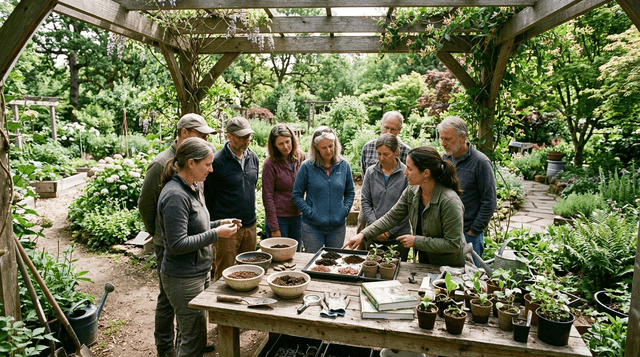
The Permaculture Design Certificate (PDC) is a standard 72-hour design-thinking course covering ecological land assessment, water systems, soil regeneration, and integrated site design.
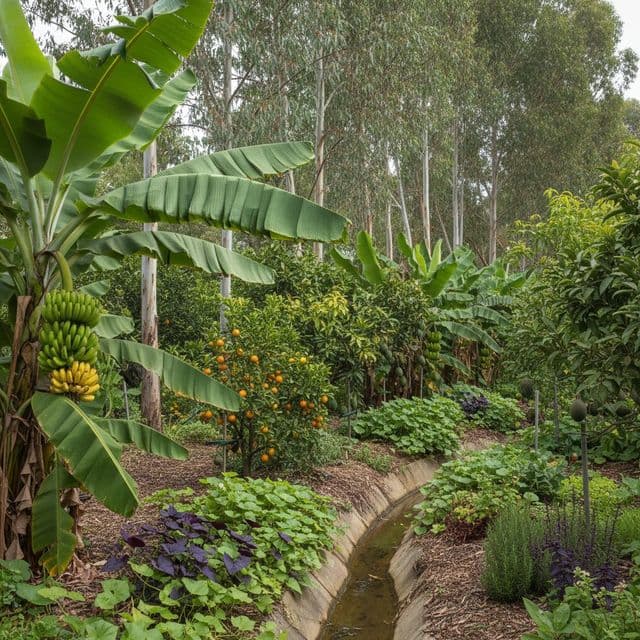
Compare syntropic farming and permaculture across design philosophy, pruning intensity, succession mechanics, spatial stratification, and land integration.
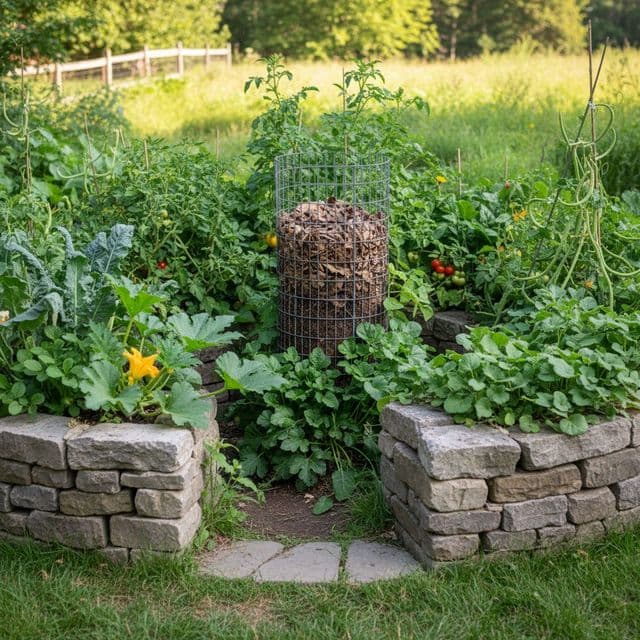
Learn how to design, build, and maintain a permaculture keyhole garden: circular raised bed dimensions, central composting basket, and layered organic fill.
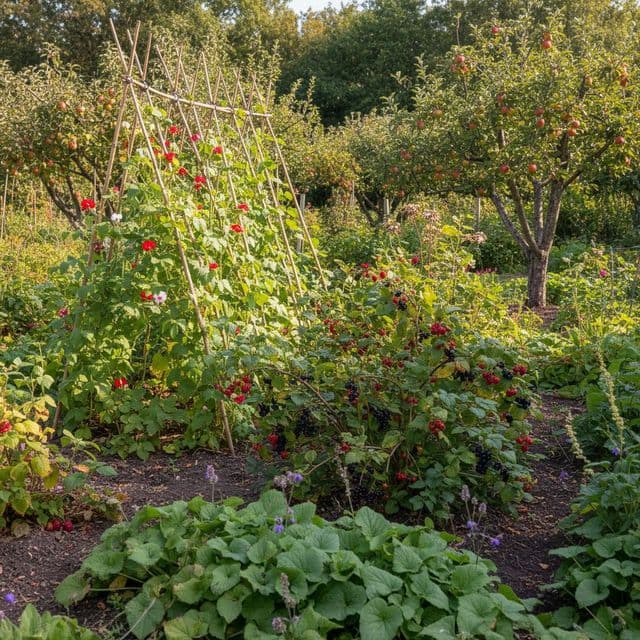
Learn how to create a productive temperate forest garden in the UK: site assessment, soil preparation, seven-layer planting, and perennial maintenance.
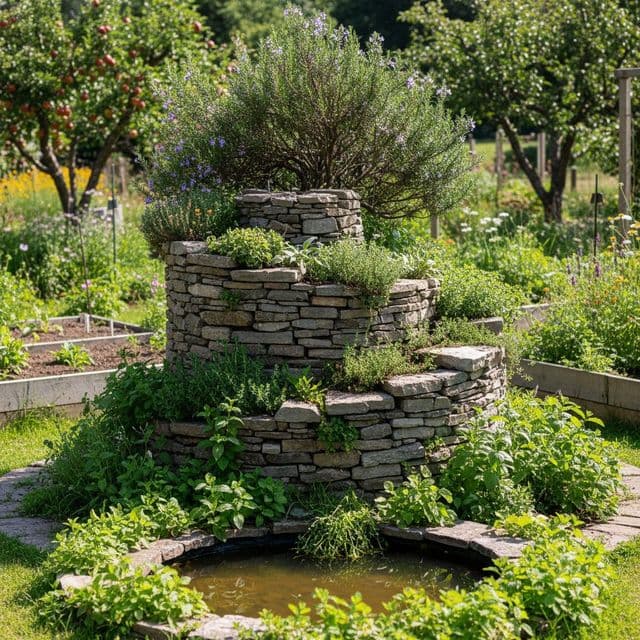
Learn how to design and build a permaculture herb spiral: dimensions, stone wall construction, vertical drainage gradients, and planting by microclimate.
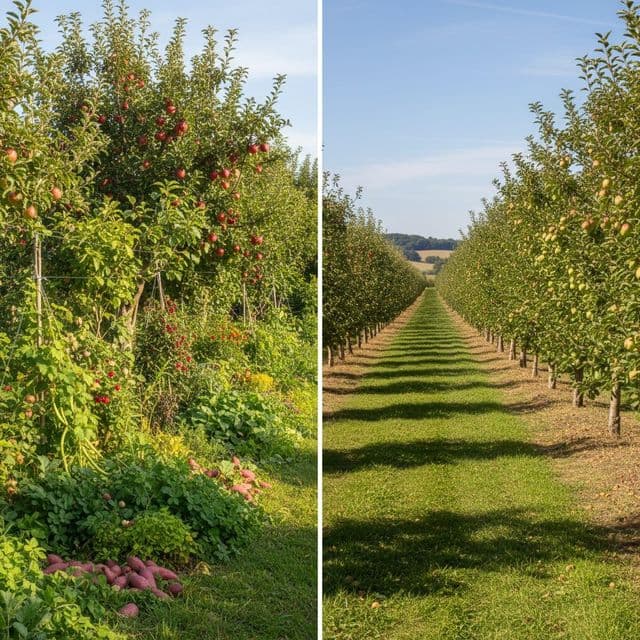
A comprehensive comparison of a food forest vs orchard, evaluating 7-layer polycultures against monoculture rows, maintenance, yields, and harvest methods.
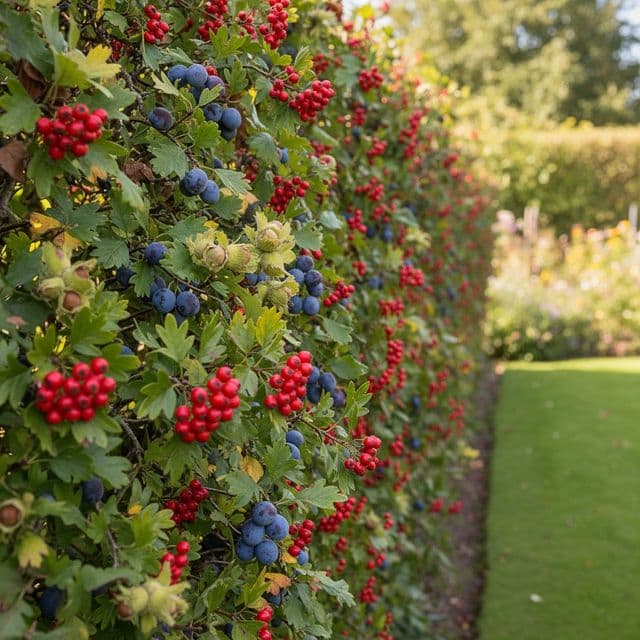
How to design and plant an edible hedge in the UK using native fruiting shrubs like hazel, sloe, elderberry, and hawthorn for food and wildlife.
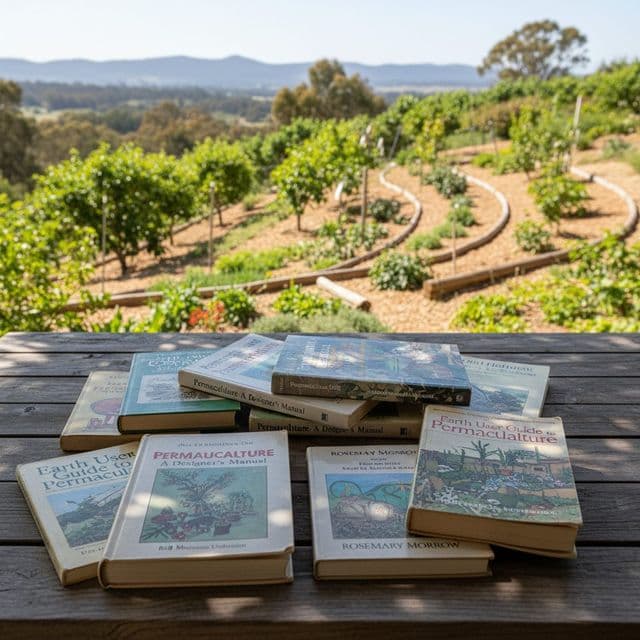
Discover the best permaculture books for Australian climates, from Bill Mollison's design manual to modern regenerative food forest and water guides.