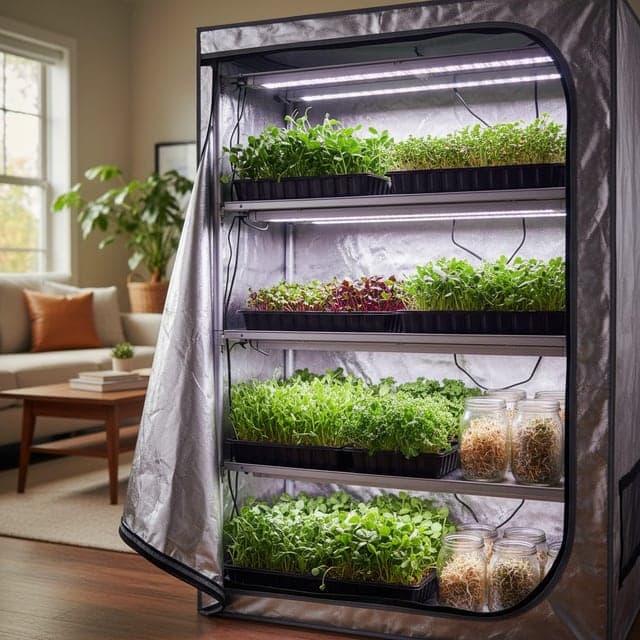
Grow microgreens & sprouts indoors year-round: any US climate
Learn how to grow nutrient-dense microgreens and sprouts indoors year-round, regardless of your US climate. This guide covers setup, cultivation, and harvest for fresh produce.
Tag
300 articles in this tag on agripure. — page 3 of 13
Learn how to grow nutrient-dense microgreens and sprouts indoors year-round, regardless of your US climate. This guide covers setup, cultivation, and harvest for fresh produce.
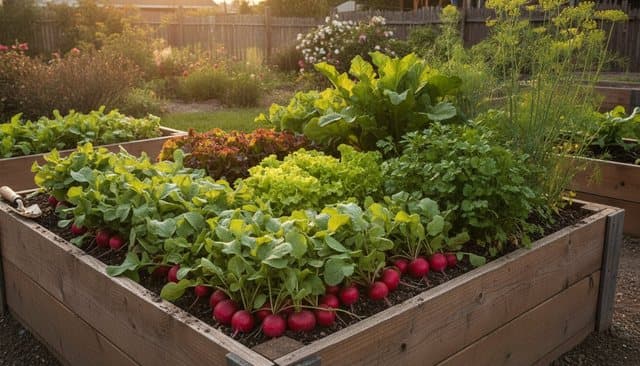
How to grow fast herbs and quick crops like okra, arugula, dill, parsley, and chives, with harvests in under 60 days across USDA zones 3-10.
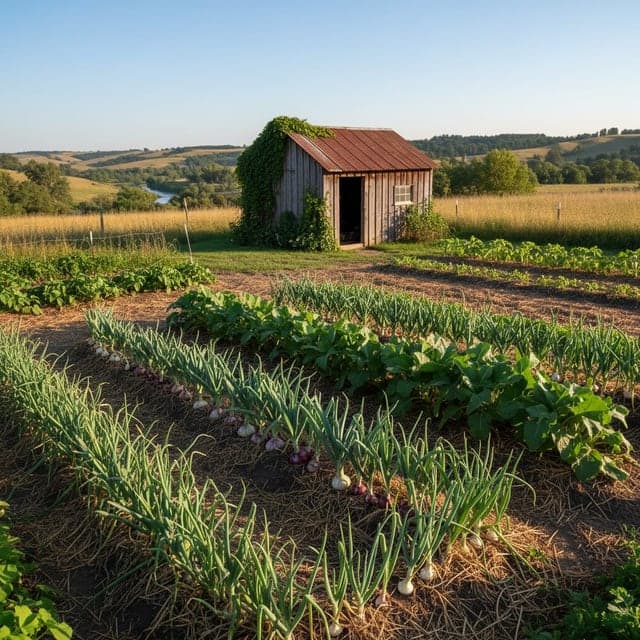
How to grow alliums like onions, garlic, and leeks across US Zones 3-9: planting, care, soil preparation, and harvest timing for home gardens.
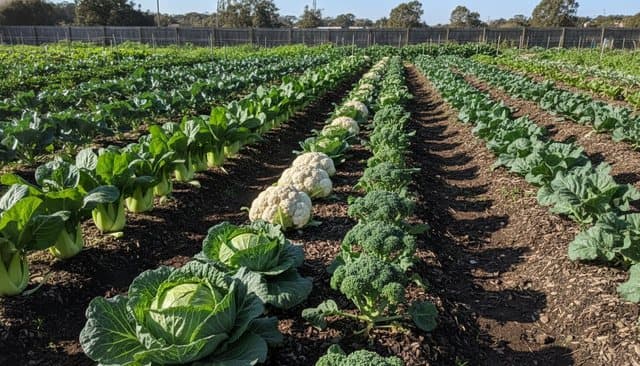
Master how to grow cole crops like cabbage, broccoli, and cauliflower. Learn optimal soil, water, and pest management for a successful harvest in your US garden.
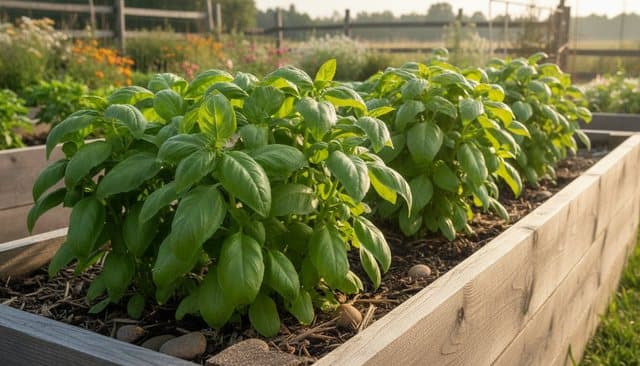
Master growing basil in USDA Zone 7. Learn expert tips to prevent bolting, choose slow-bolting varieties, and prune effectively for a continuous, flavorful harvest all season.
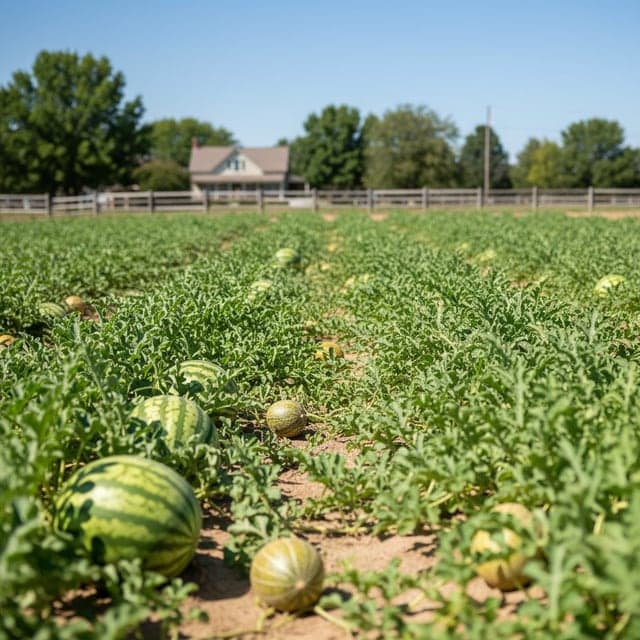
Master US heat-belt watermelon and muskmelon agronomy (75–95°F): black/IRT plastic mulch at >=70°F soil, 1:3 seedless triploid pollenizers, 7–10 day pre-harvest drip taper for 10–12+ °Brix, harvest…
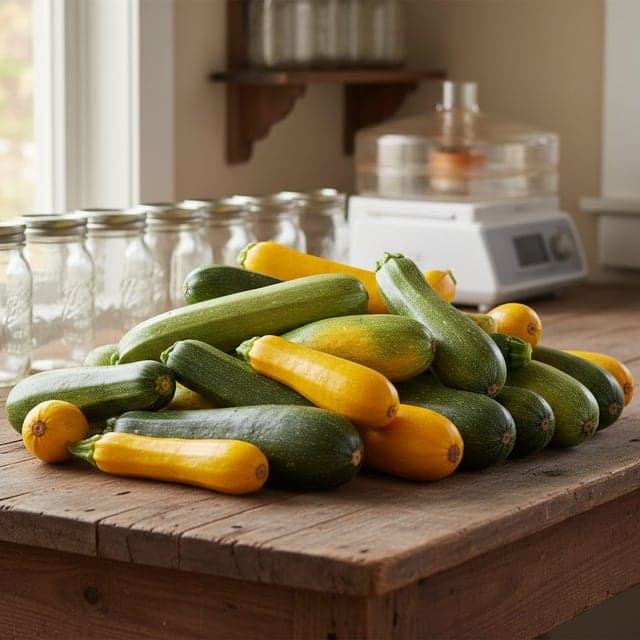
How to preserve a summer squash harvest by dehydrating, fermenting, or freezing for months or up to a year.
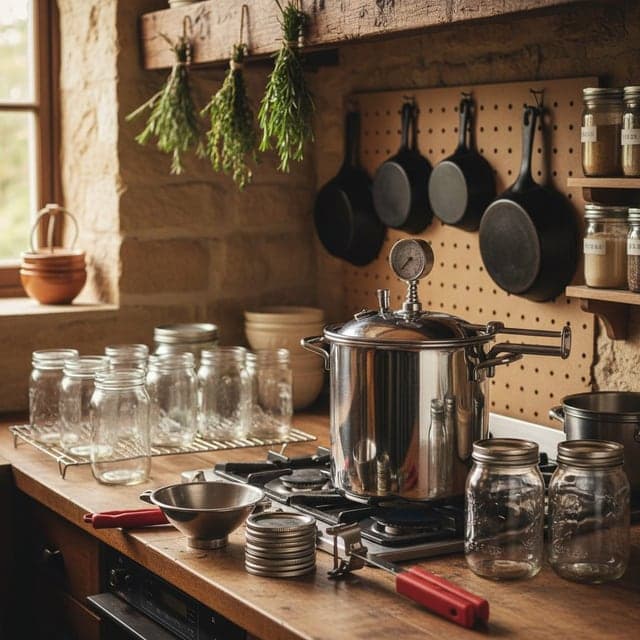
Safely pressure can low-acid vegetables, meats, and soups at 240–250°F: 10-minute steam venting, USDA altitude PSI tables, pint/quart limits, dial-gauge testing, and botulism disposal.
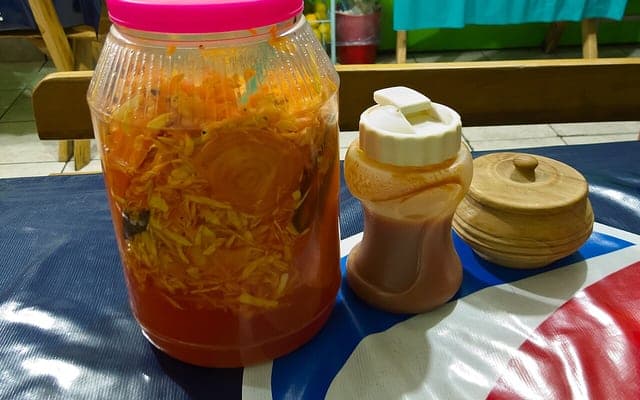
Can tomatoes, tomato sauce, and salsa safely using USDA and NCHFP pH 4.6 acid rules: exact bottled lemon juice or citric acid spoons, altitude tables, and P0 bans.
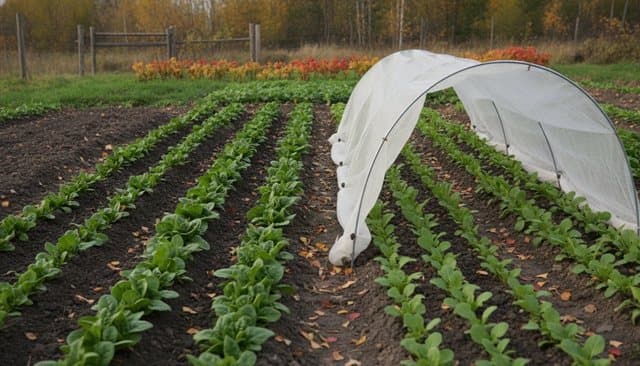
What to plant in September in the US based on your USDA zone, covering indoor starting, direct sowing, transplanting, and autumn garden preparation.
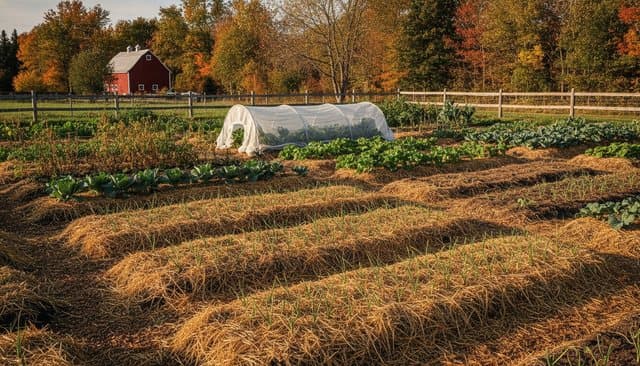
What to plant in September in Canada, organized by plant hardiness zone bands from the cold Prairies to mild coastal British Columbia.

Complete USDA Zones 3–10 October planting matrix: hardneck vs. softneck garlic depth, overwintering spinach under row covers, winterkill vs. hardy cover crops, bare-root vs. container fruit trees,…
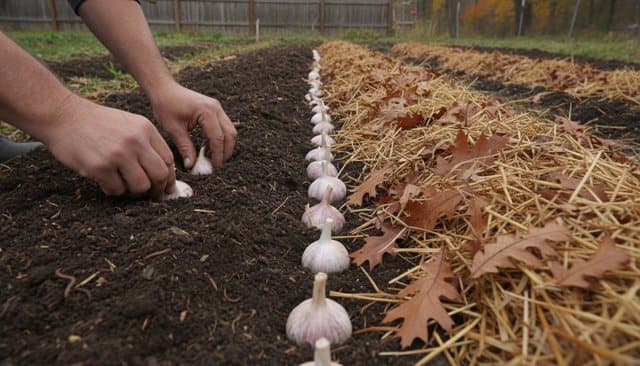
What to plant in October in Canada across NRCan Zones 0–9 (2025 normals): 10 cm soil temperature windows, hardneck garlic, dormant Prairie seeding, coastal broad beans, and pollinator-safe winteriz…
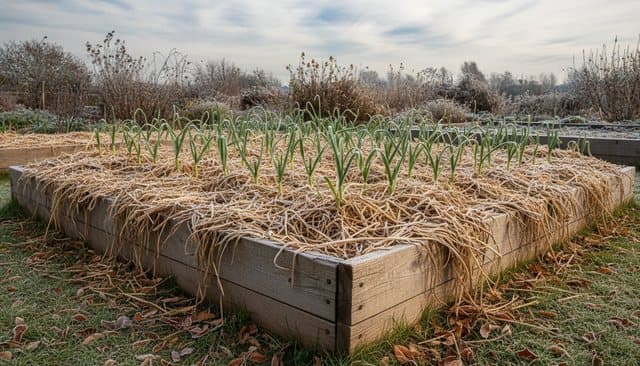
Complete US November planting guide organized by soil temperature across USDA Zones 3–11: winter-sown prairie milk jugs, indoor LED greens, garlic, bare-root fruit trees, cover crops, cool-season r…
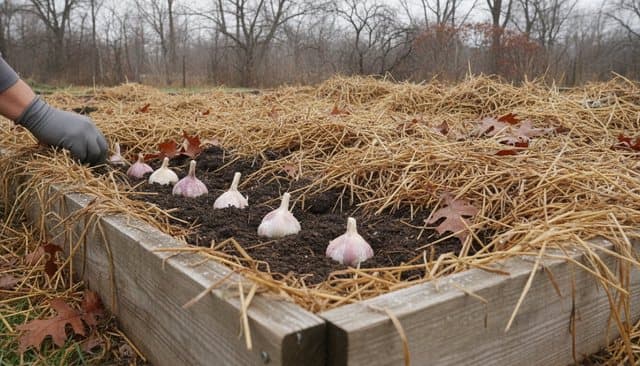
What to plant in November in Canada under the July 2025 NRCan hardiness zones (2a–9a): Coastal BC (8a–9a) fava beans, garlic, bare-root trees, and cold-frame greens; Ontario/Quebec/Maritimes (5a–7b…
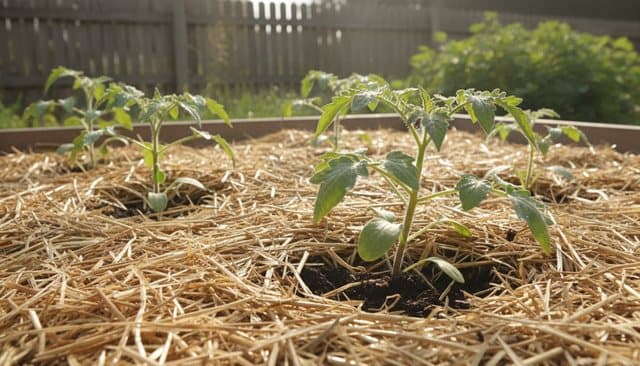
What to plant in May across the United States, structured by USDA hardiness zone bands to account for local frost dates and regional climate variations.
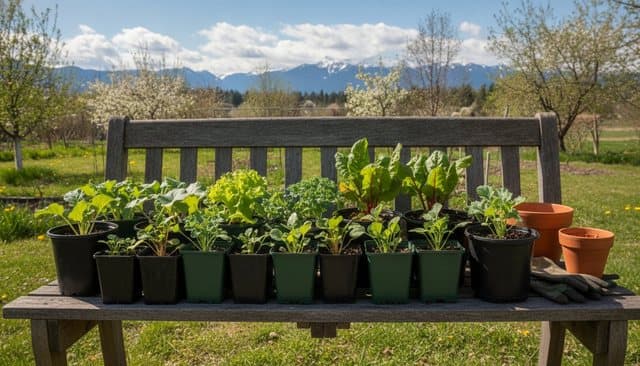
What to plant in May in Canada across plant hardiness zones 2 to 8. Learn when to start seeds indoors, direct-sow cold-hardy crops, and safely transplant summer vegetables.
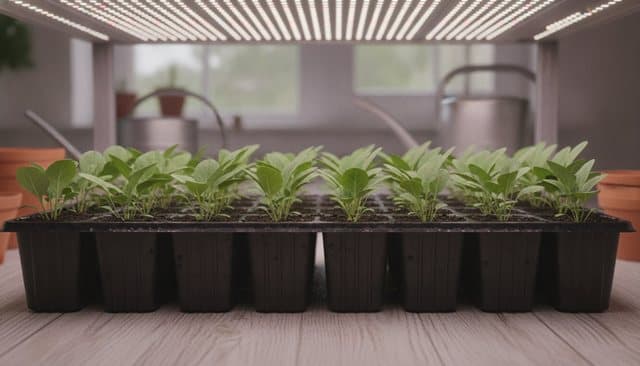
What to plant in March across the United States, organized by USDA hardiness zones from northern cold frames to southern warm-season transplanting.
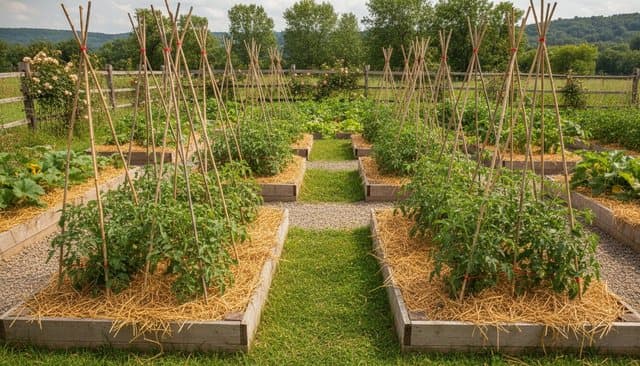
What to plant in June across the United States, organized by USDA zone bands to account for regional frost dates, summer heat, and succession schedules.
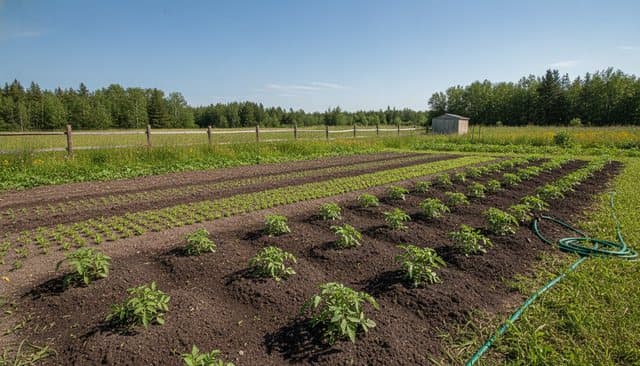
What to plant in June in Canada, organized by plant hardiness zones from cold northern regions to mild coastal British Columbia, including sowing and transplanting calendars.
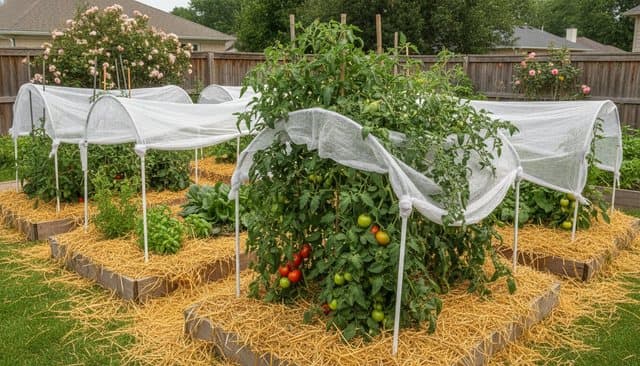
What to plant in July in the US, featuring targeted sowing schedules for USDA zones 3 through 10, succession strategies, and essential summer garden maintenance.
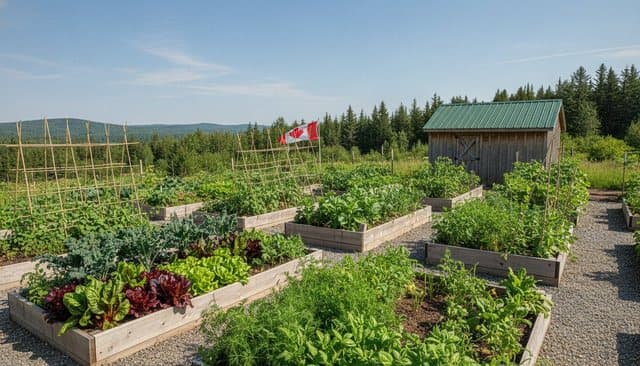
What to plant in July in Canada depends heavily on your plant hardiness zone. While northern regions must focus on quick-maturing greens, southern and coastal growers can direct-sow root crops, bra…
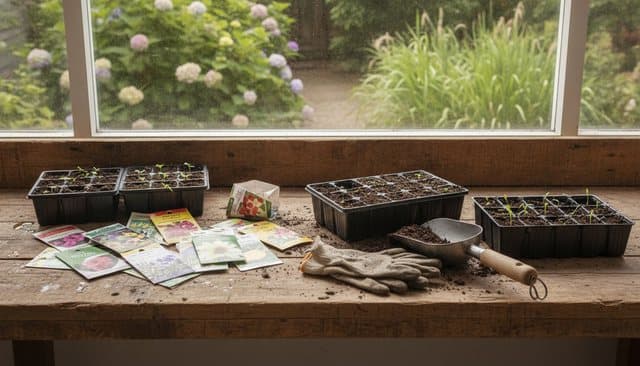
Exact January vegetable planting guide for USDA Zones 3 to 11. Covers indoor seed starting, milk-jug winter sowing, soil-temperature minimums, direct-sow crops, and orchard and tray sanitation safety.
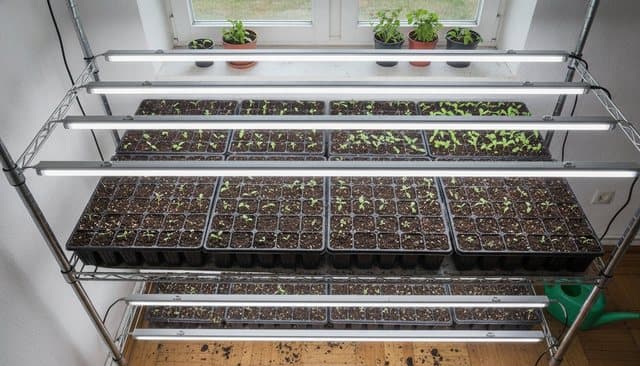
Planting in February in the US depends on your USDA zone, spanning indoor seed starting in zones 3 to 6 to active outdoor transplanting in zones 7 to 10.