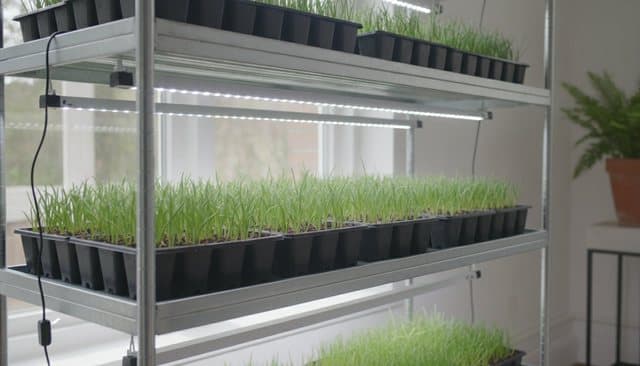
What to Plant in February in Canada: Sowing by Hardiness Zone
What to plant in February in Canada, organized by regional hardiness zones from indoor seed starting in the interior to early outdoor sowing on the coast.
Tag
300 articles in this tag on agripure. — page 4 of 13
What to plant in February in Canada, organized by regional hardiness zones from indoor seed starting in the interior to early outdoor sowing on the coast.
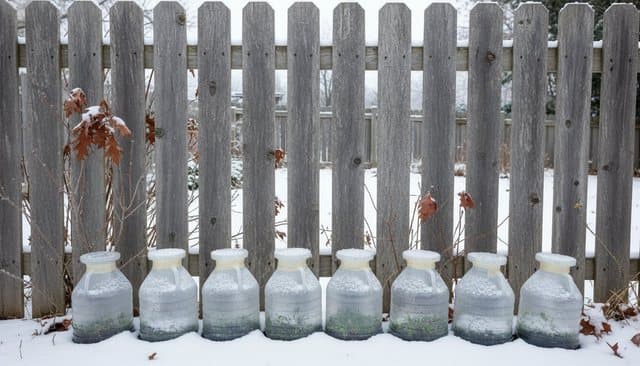
What to plant in December across the United States, detailed by USDA hardiness zones from northern indoor sowing to southern cool-season direct seeding.
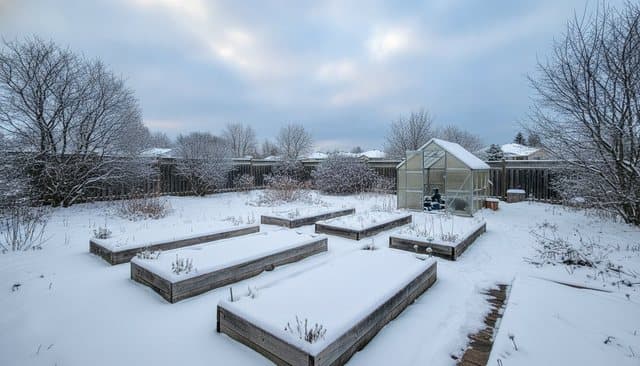
What to plant in December across Canada (NRCan Zones 0a–9a): the Persephone Period daylight limit, milk-jug winter sowing, indoor LED microgreens and herbs, cold-frame holding, and Coastal BC cloches.
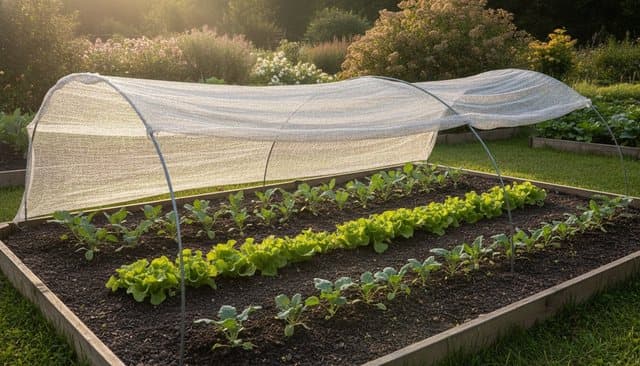
August is the critical transition month for starting fall and winter crops across US climate zones, from quick-growing northern greens to southern second-season transplants.
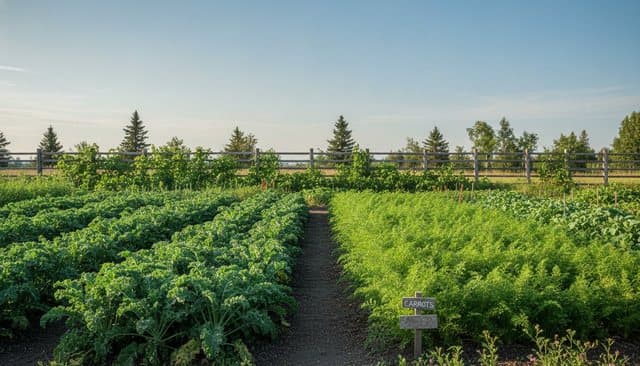
August planting in Canada varies by plant hardiness zone, ranging from quick-maturing salad greens in the north to winter-hardy root crops and brassicas in southern and coastal regions.
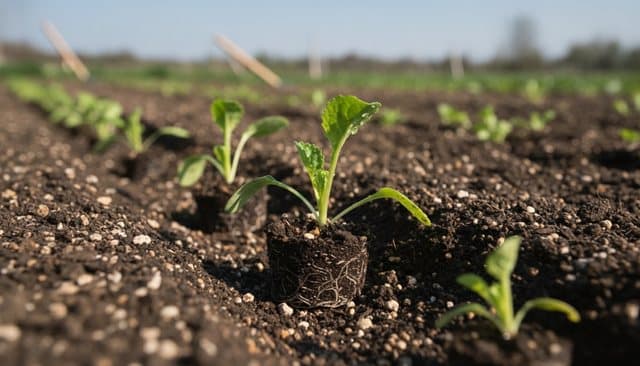
April planting in the United States requires matching your crops to your specific USDA zone. Learn what to sow indoors, transplant, and direct-sow from Zone 3 to Zone 10.
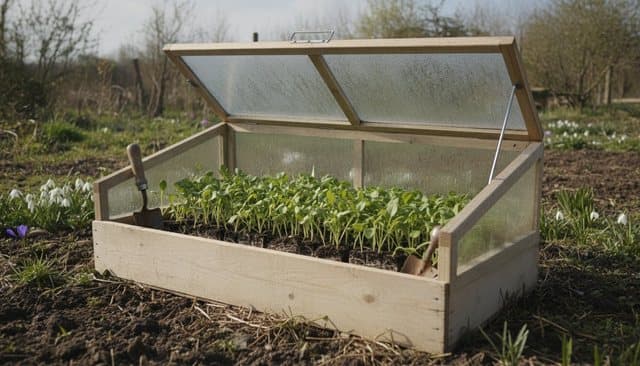
Plan April planting across Canada using NRCan July 2025 hardiness zones, 2–10 cm soil temperature gates in °C, snowmelt compaction squeeze tests, cold frames, and frost fleece.
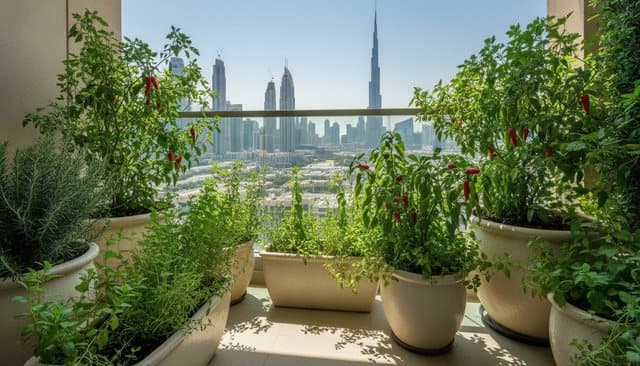
Grow food and flowers on your Gulf balcony. Learn how to select heat-resistant containers, manage intense winds, and cultivate crops like peppers and jasmine from October to April.
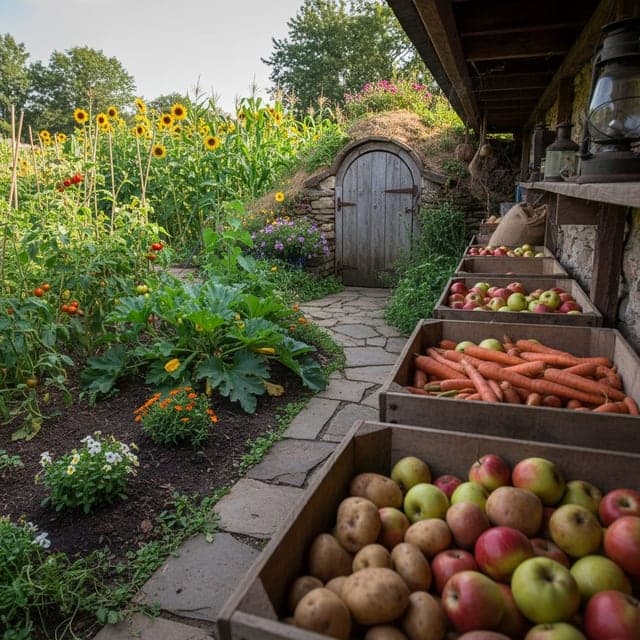
Master garden produce storage by understanding optimal temperature and humidity. Learn how to store root vegetables, onions, apples, and more for extended shelf life, preventing spoilage and mainta…
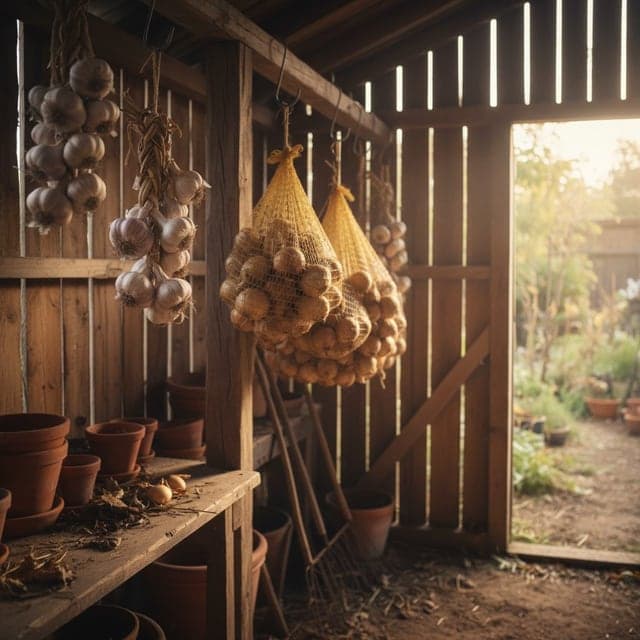
Learn how proper curing alliums, like onions and garlic, can drastically reduce spoilage and extend their shelf life for months. Master ideal conditions for long-term storage.
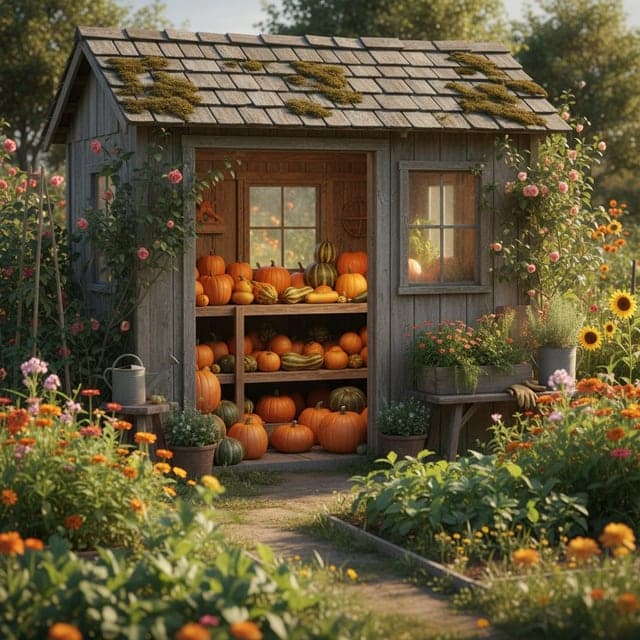
Learn how to cure winter squash for extended storage. Discover optimal temperatures (80-85°F) and humidity (80-85%) to harden skins, improve flavor, and prevent spoilage for months.
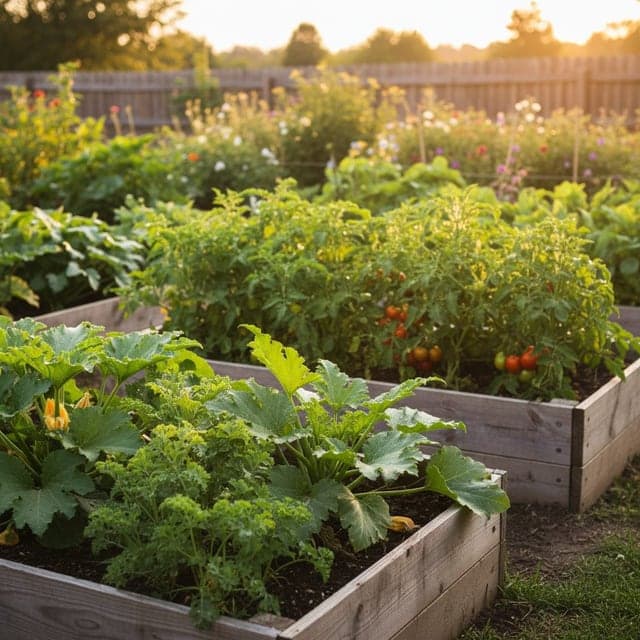
How to ferment carrots, beets, green beans, and radishes with a crisp texture, including salt ratios, temperatures, and storage for USDA Zone 6.
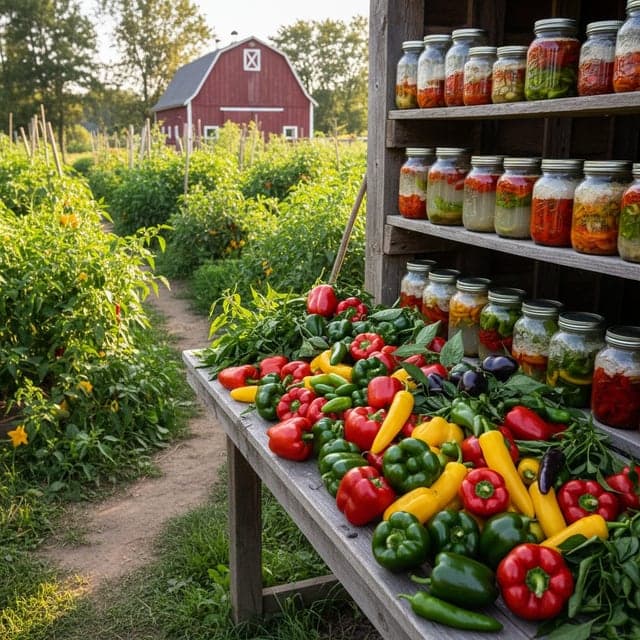
How to make shelf-stable fermented hot sauce from excess garden peppers in USDA Zone 7, covering salt ratios, pH thresholds, and bottling methods.
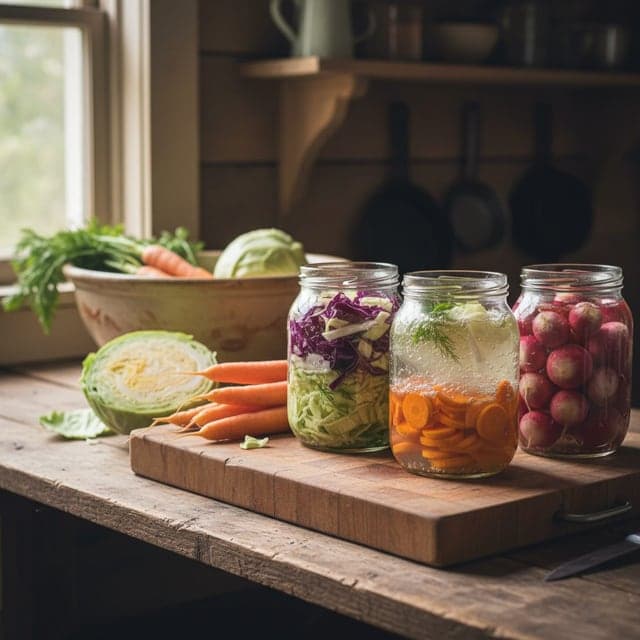
Master lacto-fermentation with a 2-3% brine for safe, delicious preserves. Learn precise salt ratios, ideal temperatures, and essential tips for successful food preservation.
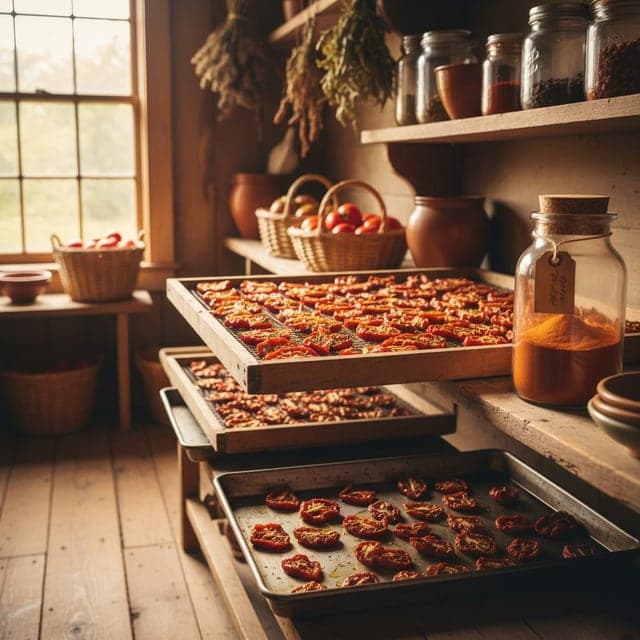
Dehydrate tomatoes safely at 135-140°F in a dehydrator, 140-170°F in an oven, or in arid sun with NCHFP pasteurization, then condition and store slices or anti-clump tomato powder for 1 to 3 years.
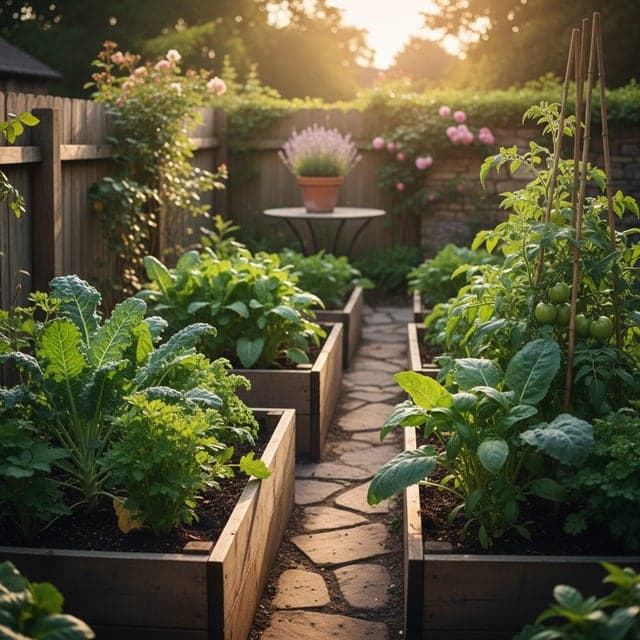
Revitalize container soil after winter’s harsh effects by assessing compaction, replenishing nutrients, and restoring microbial health for increased spring yields.
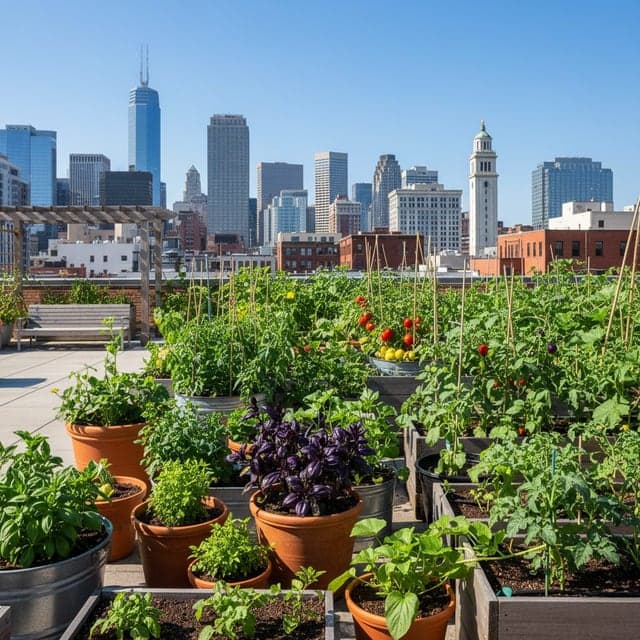
Self-pollinating crops for urban gardens in USDA Zone 7 allow growing tomatoes, peppers, and beans on balconies or rooftops without relying on bees.
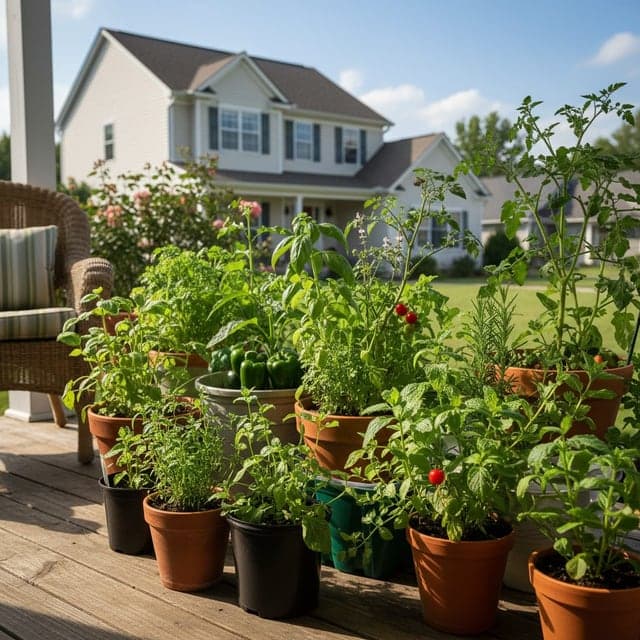
Master summer container gardening. Learn how to prevent overwatering, choose the right soil & containers, and protect plants from heat to ensure abundant harvests in challenging climates.
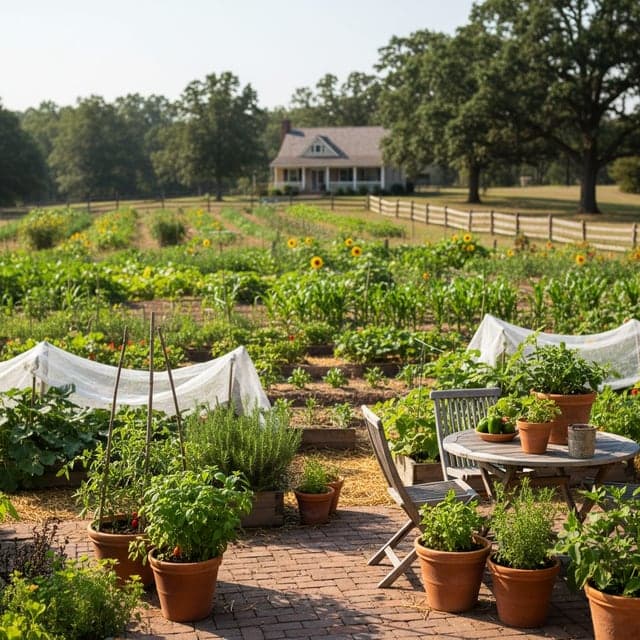
Grow productive patio vegetables past 95–100°F days and 85°F nights: heat-set tomatoes, true thermophilic crops, 10–25 gal light grow bags vs. >110°F black pots, 30–40% shade cloth, drip salt flush…
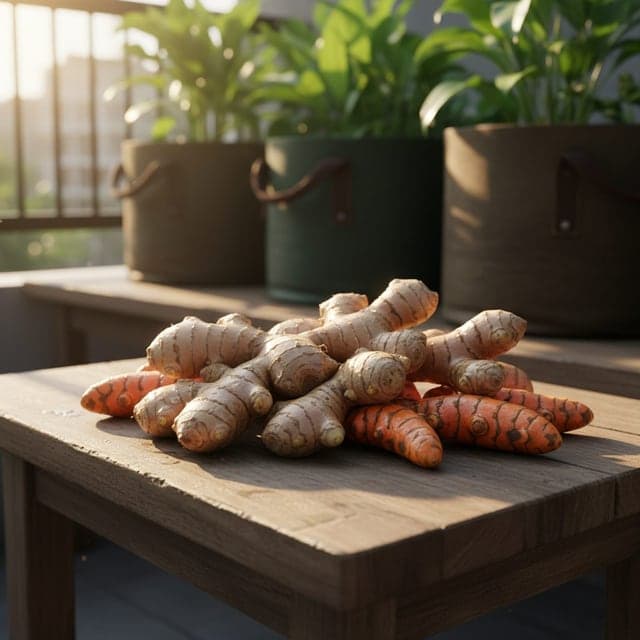
Harvest and cure container-grown ginger and turmeric cleanly: 8–10 month dieback cues, stain-proof handling, mother vs. finger sorting, 70–75°F curing, 55°F cellar storage vs. 45–60 min boiled powd…
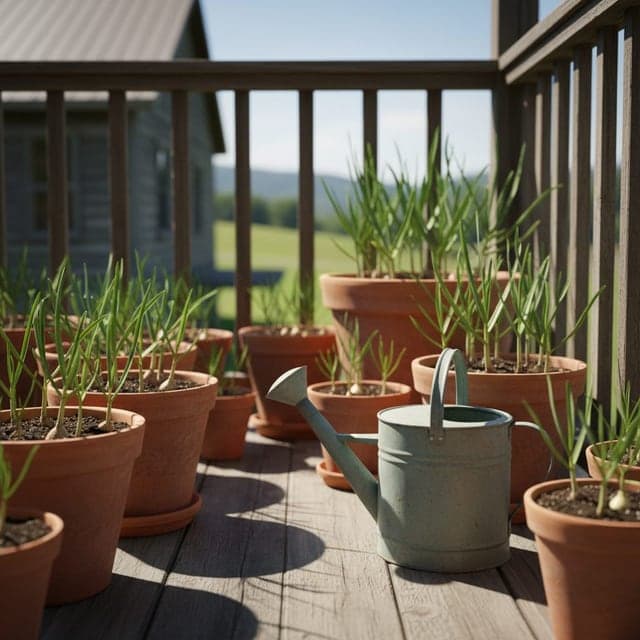
Grow full-sized garlic and multiplier shallots in 5-gallon pots across USDA Zones 4–9 with exact depths, spacing geometry, frost-proof containers, Zone 4–8 winter collars, and spring feeding.
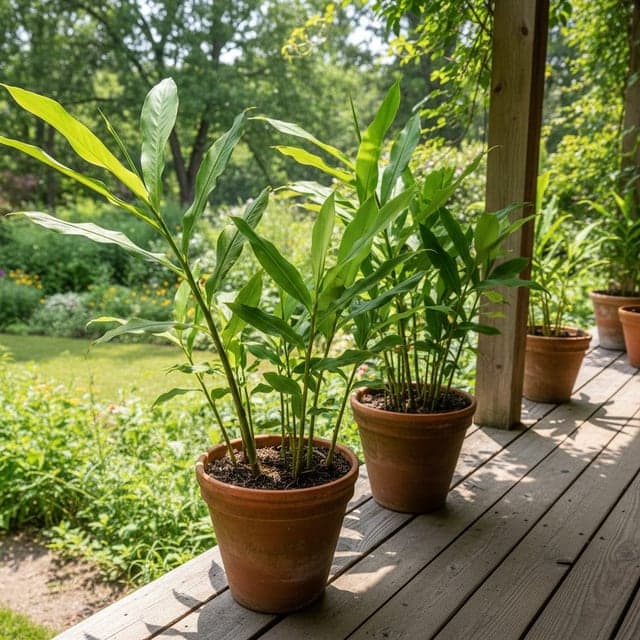
Master the 8–10 month container lifecycle of grocery-store Zingiber officinale: inhibitor soak, >=14–16 inch wide pots, bark-coir mix, 1–2 inch hilling, 30% shade >90°F, dormancy, and P0 bed quaran…
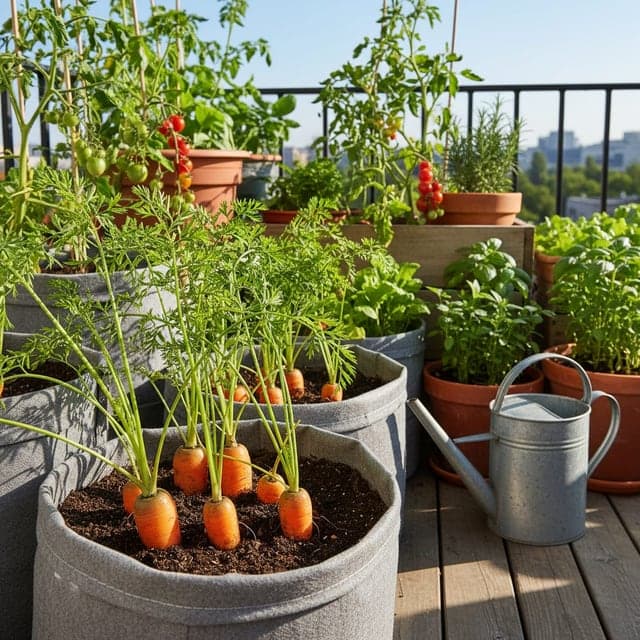
Master container carrot soil for straight, healthy roots in USDA Zone 6. Learn ideal soil mix ratios, watering, and thinning tips to prevent forking and stunted growth.
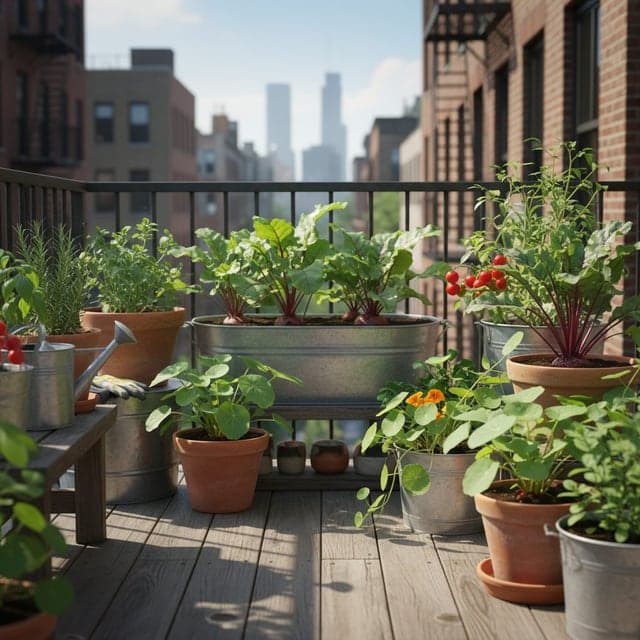
Grow container radishes and beets on your balcony. Learn how these fast-maturing root crops thrive in small spaces, offering quick harvests for impatient gardeners in USDA Zone 7.