What to plant in January in the US: by USDA zone
What to plant in January in the US, organized by USDA hardiness zones. Learn what to sow indoors, direct-sow outdoors under cover, and essential winter garden maintenance.
Tag
257 articles in this tag on agripure. — page 2 of 11
What to plant in January in the US, organized by USDA hardiness zones. Learn what to sow indoors, direct-sow outdoors under cover, and essential winter garden maintenance.
Planting in February in the US depends on your USDA zone, spanning indoor seed starting in zones 3 to 6 to active outdoor transplanting in zones 7 to 10.
What to plant in February in Canada, organized by regional hardiness zones from indoor seed starting in the interior to early outdoor sowing on the coast.
What to plant in December across the United States, detailed by USDA hardiness zones from northern indoor sowing to southern cool-season direct seeding.
A complete zone-by-zone guide to December planting and winter gardening jobs across Canada, from frozen northern Prairies to coastal British Columbia.
August is the critical transition month for starting fall and winter crops across US climate zones, from quick-growing northern greens to southern second-season transplants.
August planting in Canada varies by plant hardiness zone, ranging from quick-maturing salad greens in the north to winter-hardy root crops and brassicas in southern and coastal regions.
April planting in the United States requires matching your crops to your specific USDA zone. Learn what to sow indoors, transplant, and direct-sow from Zone 3 to Zone 10.
What to plant in April in Canada, organized by Canadian Plant Hardiness Zones from coastal BC to the cold Prairies, featuring indoor sowing schedules and outdoor direct-sowing guidelines.
Grow food and flowers on your Gulf balcony. Learn how to select heat-resistant containers, manage intense winds, and cultivate crops like peppers and jasmine from October to April.
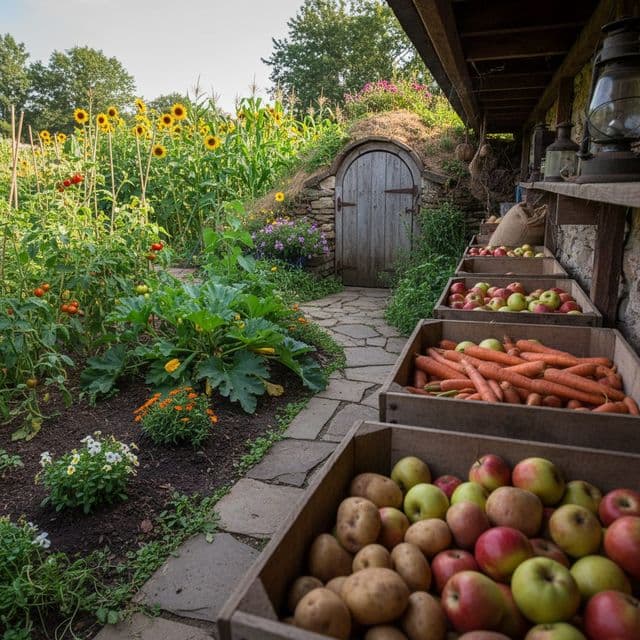
Master garden produce storage by understanding optimal temperature and humidity. Learn how to store root vegetables, onions, apples, and more for extended shelf life, preventing spoilage and mainta…
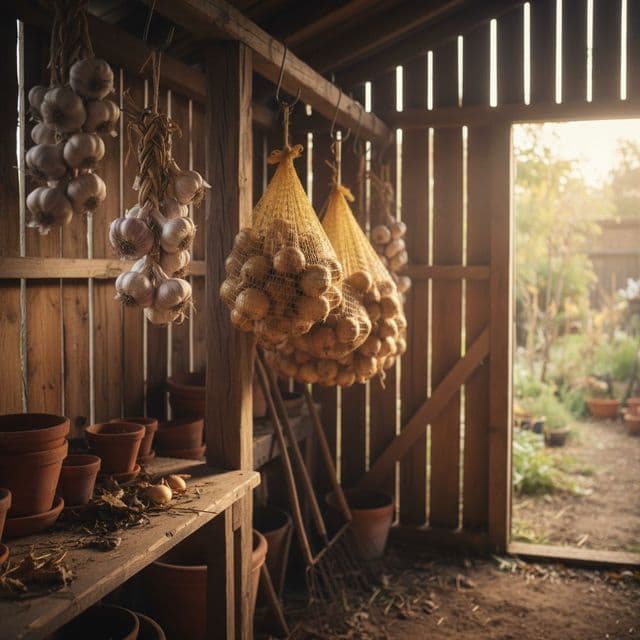
Learn how proper curing alliums, like onions and garlic, can drastically reduce spoilage and extend their shelf life for months. Master ideal conditions for long-term storage.
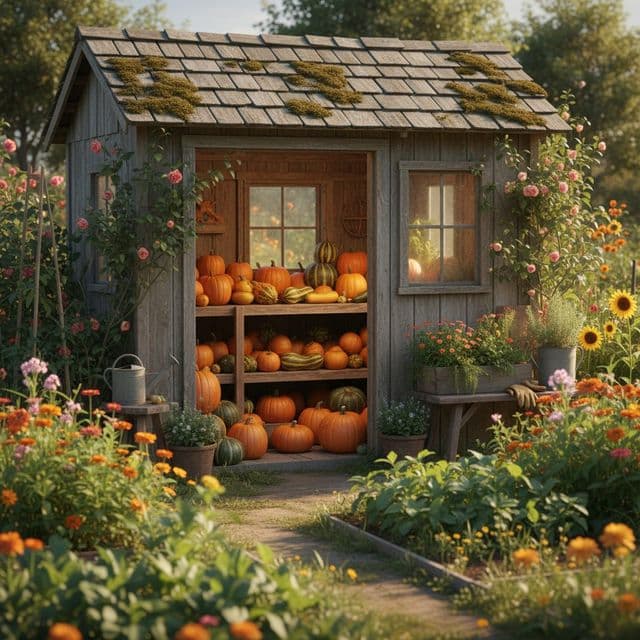
Learn how to cure winter squash for extended storage. Discover optimal temperatures (80-85°F) and humidity (80-85%) to harden skins, improve flavor, and prevent spoilage for months.
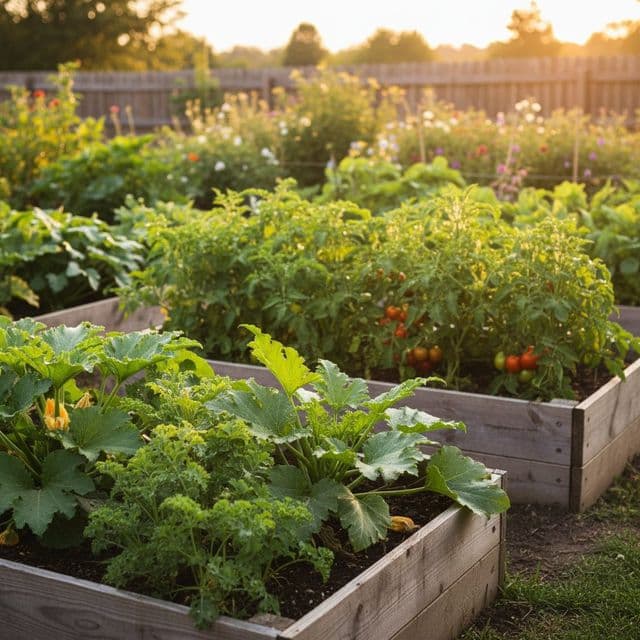
How to ferment carrots, beets, green beans, and radishes with a crisp texture, including salt ratios, temperatures, and storage for USDA Zone 6.
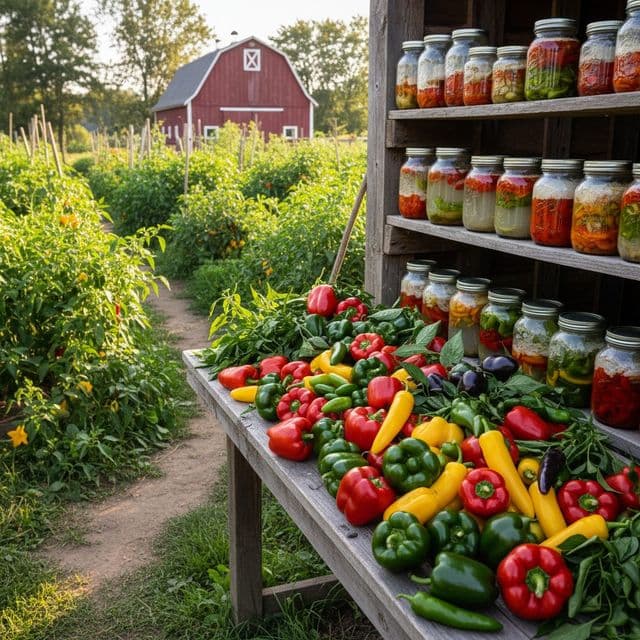
How to make shelf-stable fermented hot sauce from excess garden peppers in USDA Zone 7, covering salt ratios, pH thresholds, and bottling methods.
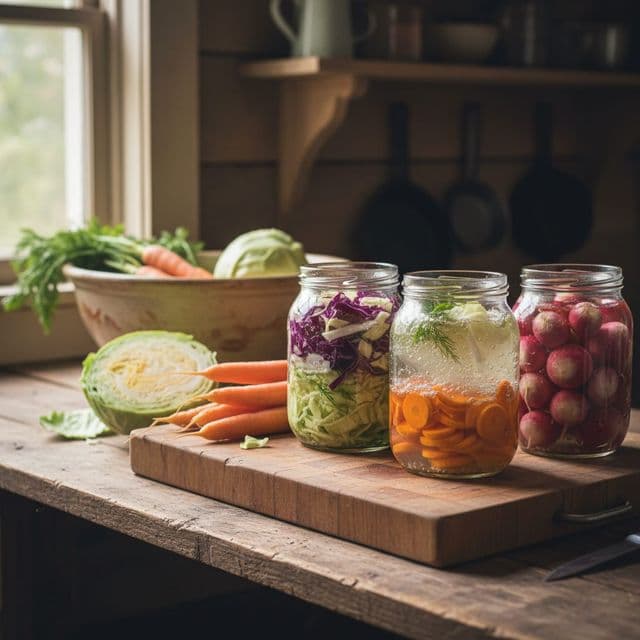
Master lacto-fermentation with a 2-3% brine for safe, delicious preserves. Learn precise salt ratios, ideal temperatures, and essential tips for successful food preservation.
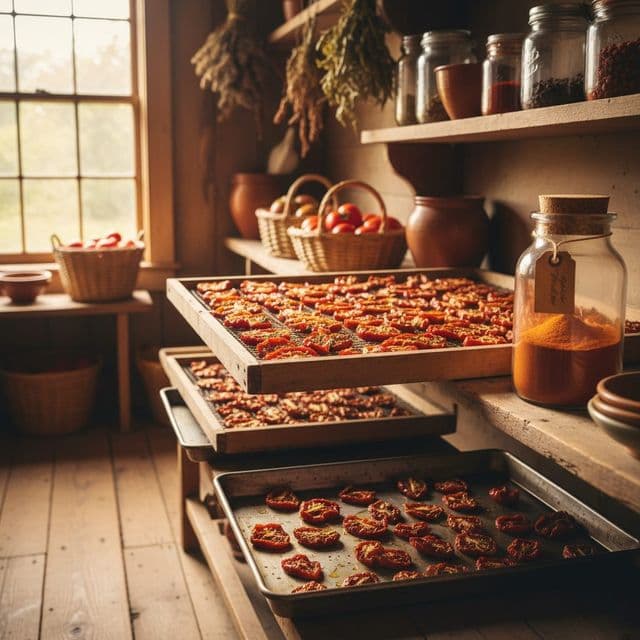
How to dehydrate tomatoes to extend shelf life up to 12 months, concentrate flavor, and reduce storage volume, with practical techniques for oven and sun drying.
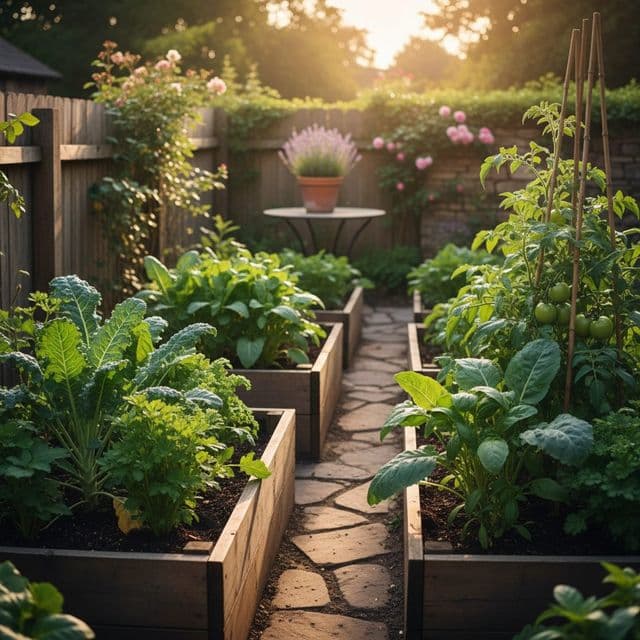
Revitalize container soil after winter’s harsh effects by assessing compaction, replenishing nutrients, and restoring microbial health for increased spring yields.
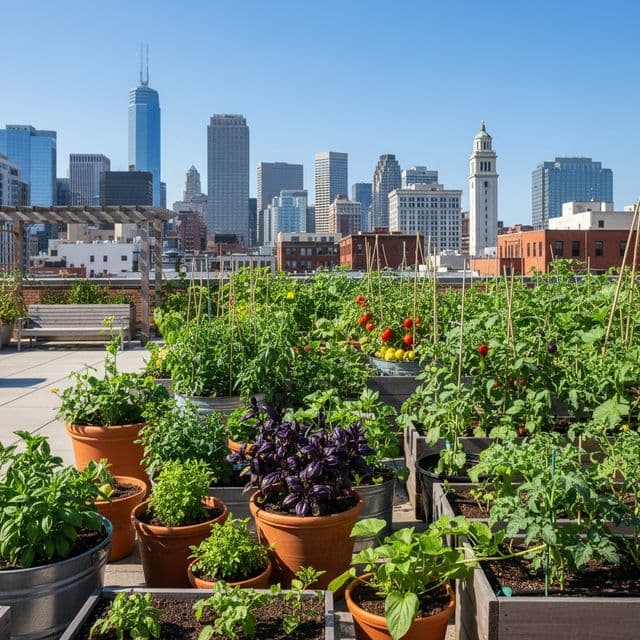
Self-pollinating crops for urban gardens in USDA Zone 7 allow growing tomatoes, peppers, and beans on balconies or rooftops without relying on bees.
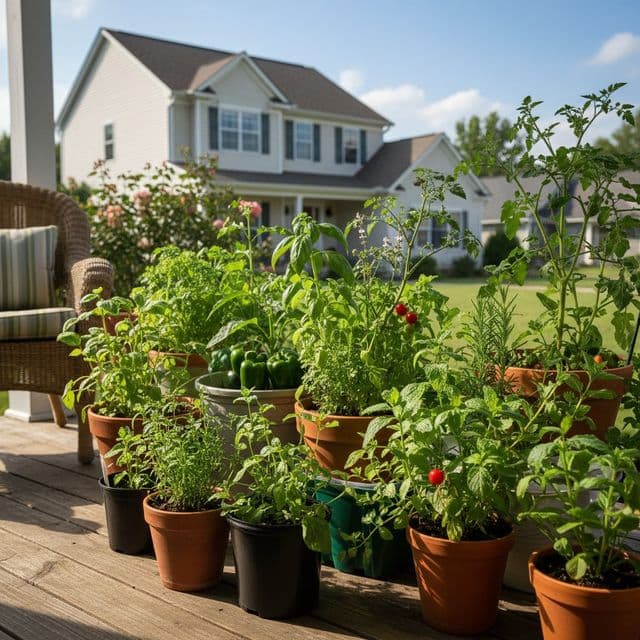
Master summer container gardening. Learn how to prevent overwatering, choose the right soil & containers, and protect plants from heat to ensure abundant harvests in challenging climates.
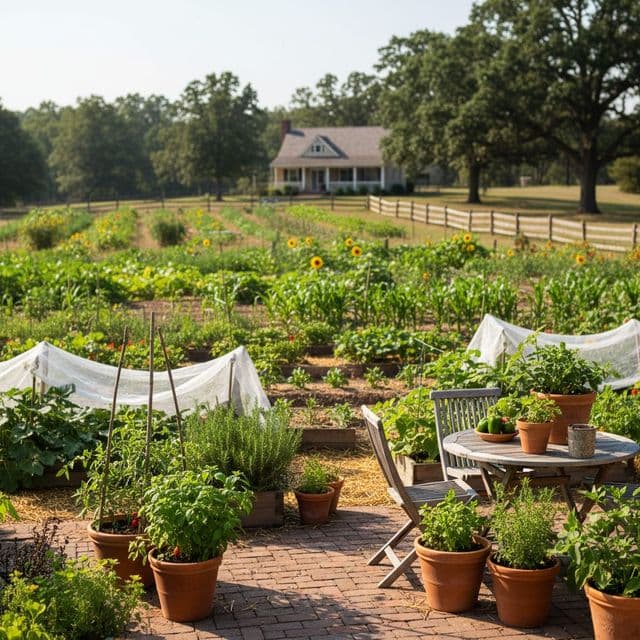
Master heat-tolerant container gardening on hot patios in USDA zones 7+. Discover plant varieties, container choices, watering tips, and shading strategies for a thriving garden.
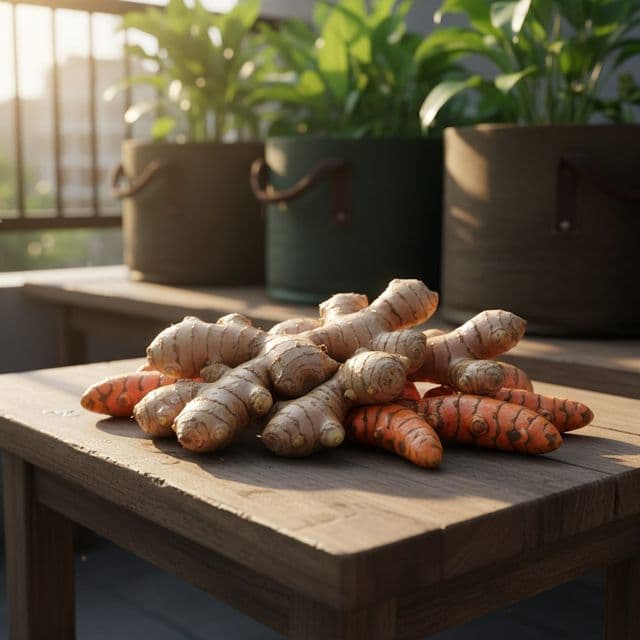
How to harvest and cure container-grown ginger and turmeric, with conditions for curing at 75-85°F and storing rhizomes for months in cooler US climates.
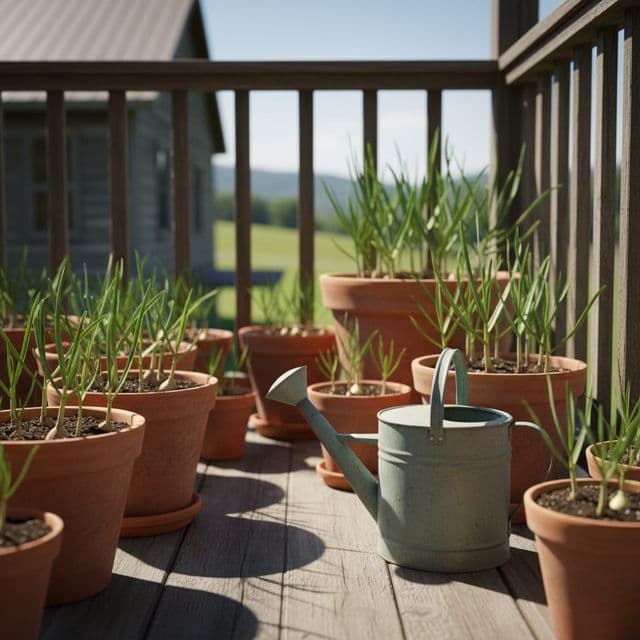
Learn to grow garlic and shallots in containers for a summer harvest, even in limited spaces. Get tips on planting, soil, and care for USDA Zones 4-9.
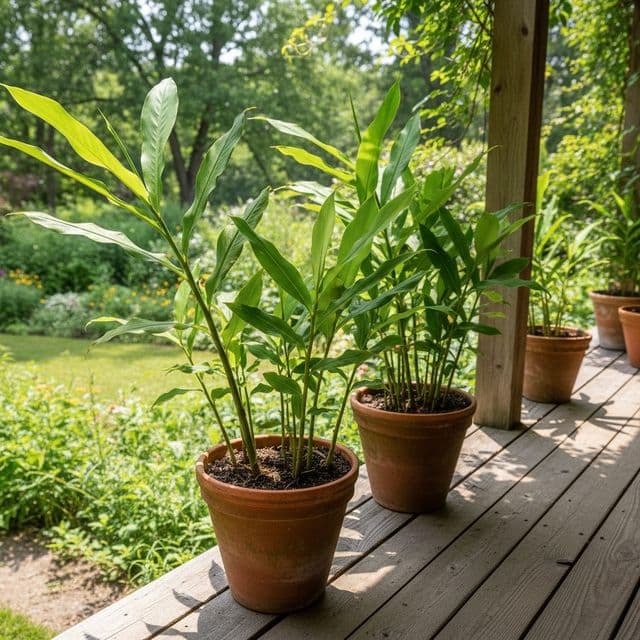
How to grow ginger in containers from grocery store rhizomes in cold climates like USDA Zone 5, including selection, planting, care, and harvesting.