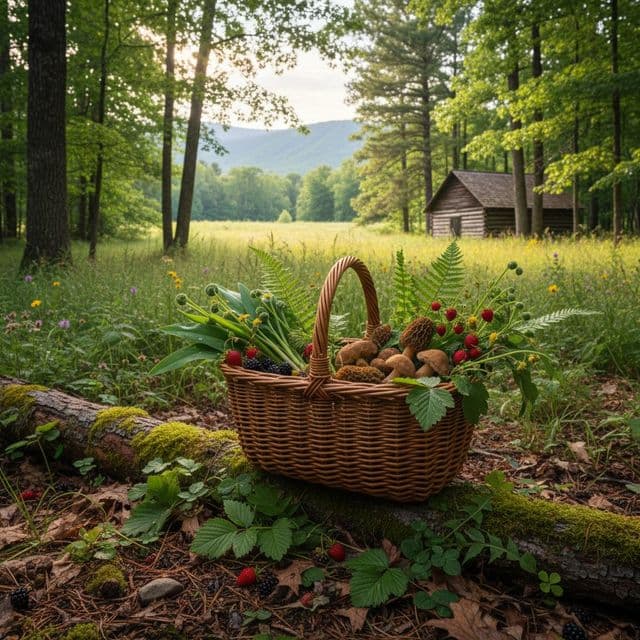
US Foraging Calendar: Regional Guide to Wild Edibles
Discover the US foraging calendar! Learn what wild edibles to harvest by season and region, from spring ramps to autumn nuts. Includes safety tips and USDA zone guidance.
Topic
Finding and using wild food safely — identifying edible plants, mushrooms, and fruits, foraging ethics and legality, seasonal calendars, and preparing wild harvests in the kitchen.
12 articles in this topic on agripure.
Discover the US foraging calendar! Learn what wild edibles to harvest by season and region, from spring ramps to autumn nuts. Includes safety tips and USDA zone guidance.
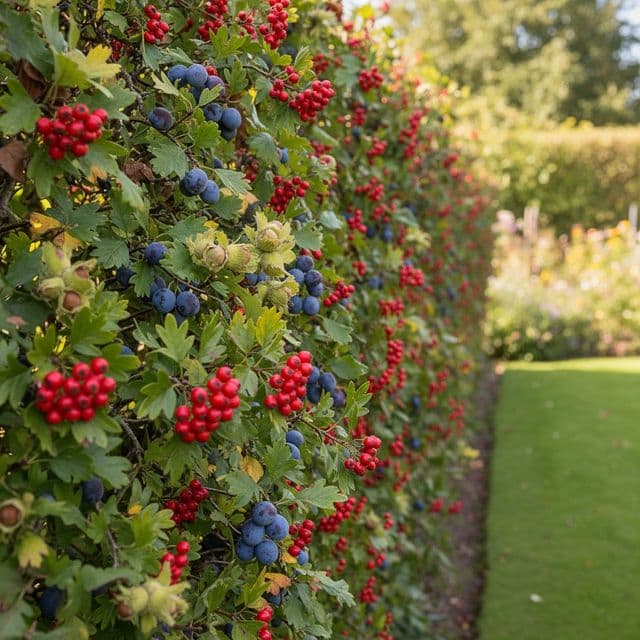
How to design and plant an edible hedge in the UK using native fruiting shrubs like hazel, sloe, elderberry, and hawthorn for food and wildlife.
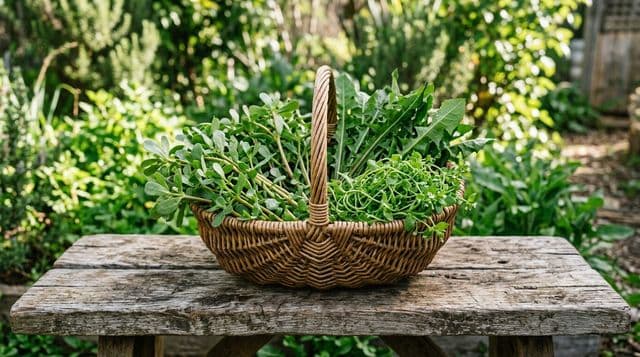
Learn to safely identify and harvest common edible weeds in Australia, including purslane, dandelion, fat hen, chickweed, and critical toxic look-alikes.
How to identify true elderberry (and avoid look-alikes), the difference between blue and American black, and how to grow named cultivars like Adams and Bob Gordon.
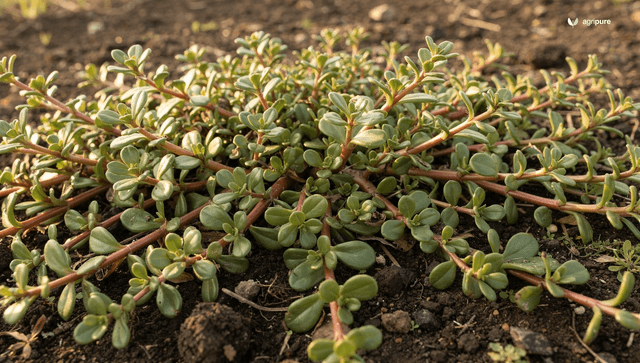
Identify the purslane plant by its fat clear-sap stems and yellow flowers, tell it from toxic spurge, and use the richest leafy source of omega-3.
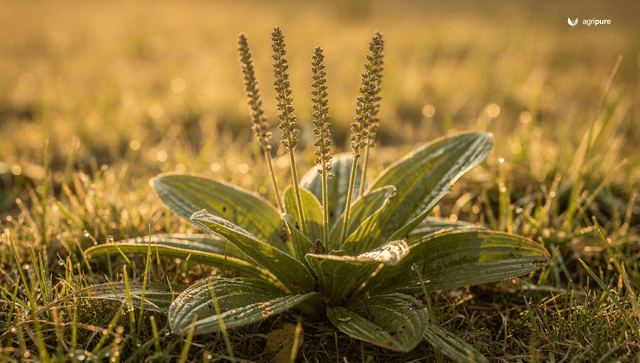
Plantain weed is Plantago, not the banana. Tell broadleaf (P. major) from narrowleaf (P. lanceolata) by parallel veins and seed spike, then eat the young leaves.
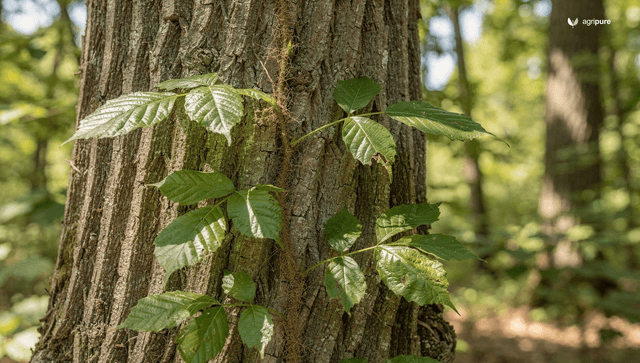
Leaves of three, let it be. How to identify poison ivy by its three leaflets, vine and shrub forms, seasonal color, and white berries — and tell it from Virginia creeper.
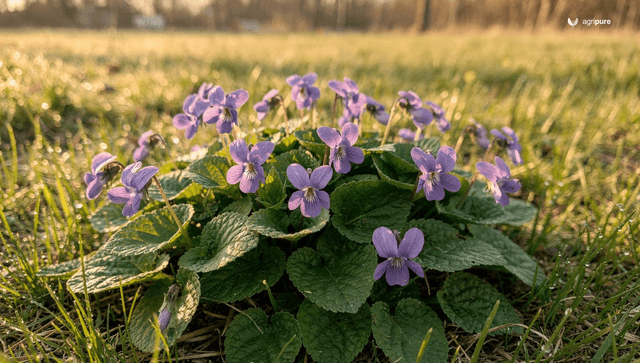
Identify common blue violet by its heart-shaped leaves and five-petal flowers, forage the vitamin-C-rich flowers and young leaves safely, and decide: lawn weed or keeper.
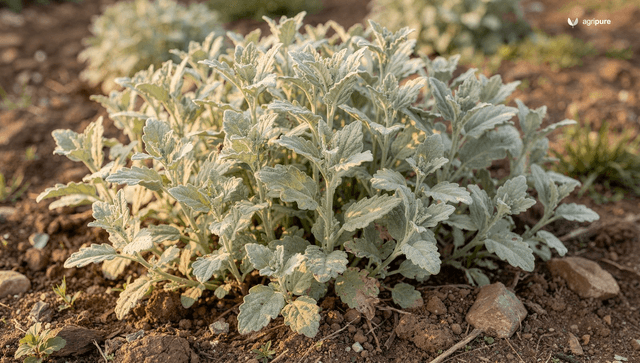
Identify lamb’s quarters (Chenopodium album) by its white mealy coating and goosefoot leaves, tell it from toxic nightshade, and cook out the oxalate safely.
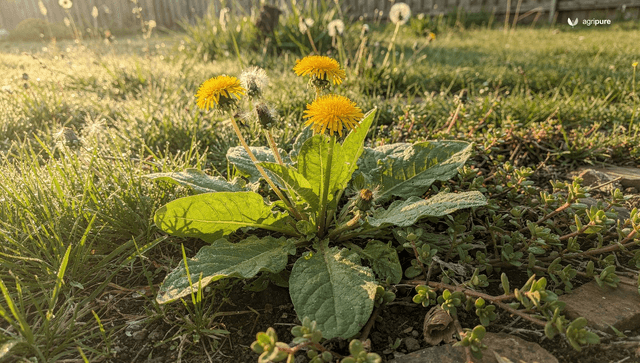
Six beginner-safe wild edible plants — dandelion, purslane, plantain, lamb’s quarters, chickweed, violet — with the one ID trait and toxic lookalike for each.
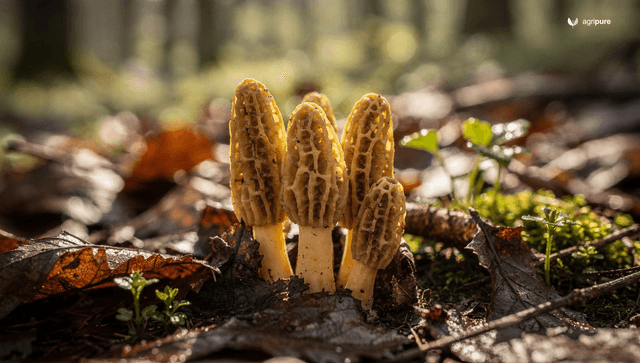
True morels have a pitted honeycomb cap fused to a completely hollow stem. Here is how to tell them from a toxic false morel, and the rules that keep you safe.
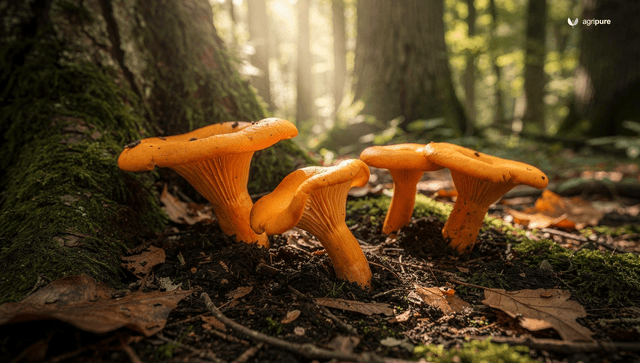
True chanterelles have blunt forked ridges, not sharp gills. How to tell egg-yolk chanterelles from the toxic jack-o’-lantern and false chanterelle before you eat.