Key takeaways
- Always prioritize safety by teaching the ‘Rule of Three’ and ensuring 100% positive identification before consuming any wild plant.
- Start with easily recognizable, low-risk plants like dandelion, plantain, and wild strawberry, which are common across many US regions.
- Stress sustainable harvesting practices, such as taking no more than 10% of a plant population from a given area.
- Foraging provides an opportunity to teach children about local ecosystems, plant life cycles, and the importance of biodiversity.
- Supervise children under 12 closely during foraging trips, focusing on observation and identification rather than just consumption.
- Utilize field guides and online resources, like those on agripure.org, to cross-reference plant identifications and learn about regional specifics.
Quick answer: To forage safely with kids, prioritize the ‘Rule of Three’ for identification and focus on low-risk, easily recognizable plants like dandelion, plantain, and lamb’s quarters, common in USDA zones 4-9. Always supervise children and ensure 100% positive identification before consumption.
In the United States, many children spend limited time outdoors each day, often missing opportunities to connect with the natural world. Foraging with children gives a practical way to encourage curiosity, teach plant identification, and build respect for natural resources. This guide focuses on low-risk, common edible plants found across various USDA zones, from the temperate forests of the Northeast to the open fields of the Midwest so a safe and educational experience for families.
Successful foraging with kids hinges on clear safety protocols and starting with plants that have few or no dangerous look-alikes. Seven easily identifiable species grow abundantly in many US regions, including USDA zones 4 through 9. By following established guidelines and utilizing reliable identification methods, families can confidently explore their local environment, turning a simple walk into an engaging lesson in botany and ecology.
The basics of safe foraging with children
Introducing children to foraging requires a structured approach, prioritizing safety above all else. The primary guideline is the ‘Rule of Three’: identify a plant by at least three distinct characteristics (leaf shape, stem structure, flower color, or growth habit) before considering it edible. For example, a common dandelion (Taraxacum officinale) has deeply lobed leaves, a hollow stem, and a bright yellow flower, providing three clear identifiers. Always maintain 100% certainty; if there is any doubt, the plant should not be consumed. According to SARE [3], stressing observation skills early on helps children understand ecological systems and differentiate plant species.
Establishing clear ground rules for young foragers
Before heading out, set clear expectations with children, especially those under 12 years old. Teach them to never eat anything without explicit adult permission and positive identification. In a typical foraging session in a suburban park in USDA zone 6, we might spend 20 minutes on identification and only 5 minutes on actual harvesting. This helps children focus on learning rather than just collecting. Encourage them to observe the plant’s surroundings, noting if it grows near roadsides where pollutants might accumulate, or in areas treated with pesticides. For instance, plants found near busy roads may absorb vehicle emissions. This foundational knowledge supports safe foraging habits and keeps outings educational.
- Always forage with a knowledgeable adult.
- Never eat a plant unless 100% certain of its identity.
- Learn the ‘Rule of Three’ for identification.
- Avoid plants growing near roadsides or treated areas.
- Wash all foraged items thoroughly before consumption.
Identifying low-risk plants: greens and herbs
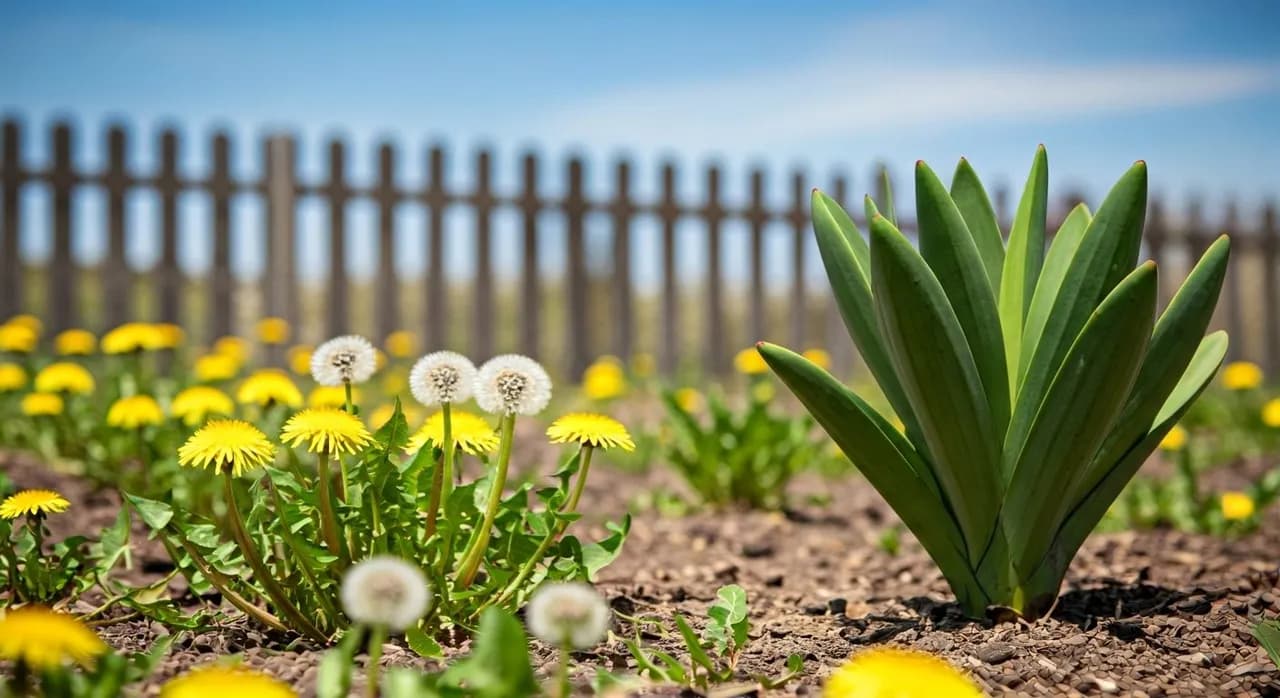
When starting to forage with children, focus on common, easily identifiable greens and herbs that are widespread across the US. Dandelion (Taraxacum officinale), for example, is found in every state and thrives in USDA zones 3 through 10. Its deeply lobed leaves form a basal rosette, and its bright yellow flowers mature into puffballs. Young dandelion leaves, harvested in early spring before flowering, are less bitter and can be added to salads or cooked like spinach. A 100-gram serving provides a good source of Vitamin A, making it a nutritious find.
Common and safe leafy edibles
Another excellent choice is broadleaf plantain (Plantago major), which grows in disturbed soils in USDA zones 3-9. Its distinctive leaves have prominent parallel veins that run from the base to the tip, and they often grow up to 6 inches long. Plantain leaves are edible both raw and cooked, and a single plant can yield 10-15 leaves. Lamb’s quarters (Chenopodium album) is another highly recommended plant, common in gardens and fields across USDA zones 3-10. Its leaves are often described as having a ‘goosefoot’ shape and a powdery white coating on the underside, especially on younger leaves, which helps distinguish it from other plants. This plant can grow up to 6 ft tall and gives a spinach-like flavor. Foragers can learn more about general identification principles by visiting Foraging for beginners: identifying common wild edibles safely.
- Dandelion (Taraxacum officinale): lobed leaves, hollow stems, yellow flowers.
- Broadleaf Plantain (Plantago major): parallel veins, oval leaves, grows in rosettes.
- Lamb’s Quarters (Chenopodium album): goosefoot-shaped leaves, powdery white underside.
- Chickweed (Stellaria media): small, oval leaves, single line of hairs on stem, tiny white flowers.
- Wild Violets (Viola spp.): heart-shaped leaves, five-petaled flowers in purple, white, or yellow.
Identifying low-risk plants: fruits and flowers
Beyond leafy greens, several wild fruits and flowers offer safe and exciting foraging opportunities for children. Wild strawberries, such as the native Fragaria virginiana, are a favorite. These small, intensely flavorful berries ripen in late spring to early summer across USDA zones 3-9. Unlike their cultivated counterparts, wild strawberries are often smaller, typically less than 0.5 inches in diameter, but their taste is far more concentrated. Teaching children to identify their three-leaflet leaves and small white flowers helps avoid confusion with look-alikes. In a typical 1-acre patch, you might find hundreds of these tiny fruits, providing a rewarding harvest.
Sweet and colorful finds for young foragers
Wild violets (Viola spp.) are another excellent choice, blooming in early spring across most US regions in USDA zones 3-9. Their heart-shaped leaves and five-petaled purple, white, or yellow flowers are easily recognizable. Both the leaves and flowers are edible; the flowers can be used to decorate salads or make violet syrup, while the leaves are a good source of Vitamin C. A single violet plant can produce dozens of flowers over its blooming season, which often lasts 4-6 weeks. Clover flowers (Trifolium spp.), particularly red and white clover, are also safe and common in lawns and fields in USDA zones 4-9. The flowers can be eaten raw or brewed into a mild tea. For more options, explore Wild edible plants: a beginner’s guide to 6 safe-to-forage greens for broader plant identification skills. These colorful and tasty finds can make foraging particularly engaging for younger children, encouraging them to explore their environment with a keen eye.
- Wild Strawberries (Fragaria spp.): small red berries, three-leaflet leaves, white flowers.
- Wild Violets (Viola spp.): heart-shaped leaves, five-petaled purple/white/yellow flowers.
- Red Clover (Trifolium pratense): three oval leaflets, pinkish-red globular flower heads.
- White Clover (Trifolium repens): three oval leaflets, white globular flower heads.
- Mulberries (Morus spp.): dark purple, red, or white berries resembling small blackberries, lobed leaves.
Cultivating observation and respect for the land
Foraging with children extends beyond simply identifying edible plants; it is an opportunity to teach ecological principles and responsible land stewardship. Stress the importance of sustainable harvesting, taking no more than 10% of any plant population from a given area. This ensures that enough remains for wildlife, for the plant to reproduce, and for future harvests. According to the USDA Natural Resources Conservation Service [1], sustainable land use practices maintain biodiversity and support terrestrial species. When children understand that their actions have an impact, they develop a deeper respect for natural systems.
Teaching sustainable practices and ecological awareness
Encourage children to use all their senses during a foraging trip. Ask them to describe the texture of a plant’s leaves, the scent of its flowers, or the sounds of insects around it. This sharpens their observational skills. Discuss the role of each plant in the ecosystem, such as how dandelions provide early spring nectar for bees or how plantain helps stabilize soil. ATTRA / NCAT Sustainable Agriculture [4] notes that introducing children to these practices can build lasting conservation habits. By connecting foraging to broader concepts like soil health and water quality, as discussed by the EPA [2] regarding permeable surfaces and rain absorption, children learn that every part of nature is interconnected.
- Harvest only what you need, leaving at least 90% of the plant population.
- Avoid disturbing the roots of perennial plants during harvest.
- Never forage in protected areas or private property without permission.
- Learn about the plant’s life cycle and its role in the local ecosystem.
- Leave the area as you found it, or better, by picking up any litter.
Low-risk edible plants vs. potential look-alikes
Edible plant | Key identifying features | Potential look-alike (caution) |
|---|---|---|
Dandelion (Taraxacum officinale) | Deeply lobed leaves, hollow stem, single yellow flower per stem, milky sap in stem. | False Dandelion (Hypochaeris radicata): branched stems, hairy leaves, solid stems. |
Broadleaf plantain (Plantago major) | Oval leaves with prominent parallel veins, grows in a basal rosette, fibrous strings in leaf stalks. | Foxglove (Digitalis purpurea): similar rosette, but leaves are softer, hairy, and have a different vein pattern; highly toxic. |
Lamb’s quarters (Chenopodium album) | Goosefoot-shaped leaves, often with a powdery white coating on undersides of young leaves, grows up to 6 ft tall. | Nightshade (Solanum spp.) – some have similar leaf shape but lack the powdery coating; berries are often toxic. |
Wild strawberry (Fragaria spp.) | Small red berries, three-leaflet leaves with serrated edges, white five-petaled flowers, grows low to the ground. | Mock Strawberry (Potentilla indica): yellow flowers, tasteless berries that point upwards; not toxic but not desirable. |
Foraging Benefits: Children who regularly participate in outdoor activities like foraging may show an increase in observational skills and an improvement in problem-solving abilities.
Harvest Rule: To ensure plant regeneration and support local ecosystems, always harvest no more than 10% of any specific plant population in a given area.