Key takeaways
- Proper fruit selection and preparation matter for quality dehydrated products, starting with ripe, blemish-free produce.
- Dehydrating at 135°F (57°C) for 6-12 hours preserves flavor and texture for most fruit slices, reducing moisture content to 15-20%.
- Fruit leathers require puréeing and spreading thinly, typically drying for 8-10 hours to achieve a pliable, non-sticky texture.
- Pre-treating fruit with a citric acid or lemon juice solution prevents enzymatic browning and extends the shelf life of dried products for up to 12 months.
- Store dehydrated fruit in airtight containers in a cool, dark place, ideally below 60°F (15°C), to maintain quality for up to one year.
Quick answer: Dehydrating fruit removes enough water to cut its weight by 80-90%, typically at 135°F (57°C), to preserve flavor, extend shelf life up to 12 months, and reduce volume for storage. This process transforms excess harvest into shelf-stable snacks and ingredients.
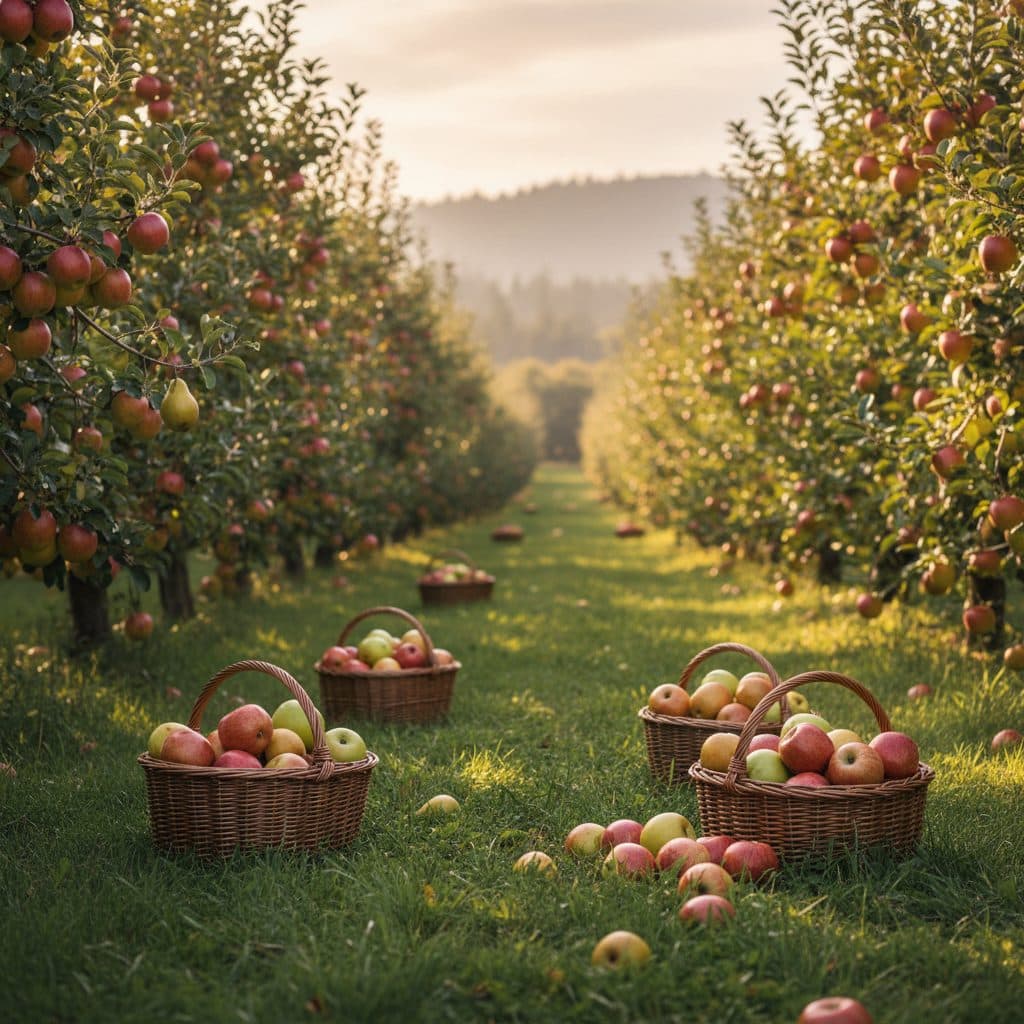
In the fertile valleys of Washington State, growers often face a bounty of apples and pears that far exceeds immediate consumption or fresh market demand. A single mature apple tree in USDA Zone 6, for instance, can yield 200-400 pounds of fruit in a good season, presenting a significant storage challenge. While some fruit can be stored fresh in a root cellar for three to five months, much of it will spoil before it can be used.
Dehydrating fruit offers a practical solution, transforming excess harvest into shelf-stable snacks and ingredients. This process cuts the fruit’s weight by 80-90%, concentrating flavors and significantly extending storage life to 12 months or more. For a small homestead with a few fruit trees, dehydrating can convert 50 pounds of apples into just five to ten pounds of nutrient-dense chips, making storage manageable and waste minimal.
Why dehydrate? Preserving the harvest
Dehydration is one of the oldest and most effective methods of food preservation, reducing moisture content to inhibit microbial growth and enzymatic reactions. This process can extend the shelf life of apples, pears, and stone fruit like peaches and plums to 12 months or even longer when stored correctly, compared to a few weeks or months for fresh fruit. For instance, a bushel of apples weighing 48 pounds can be reduced to about 5-8 pounds of dried apple rings, freeing up significant storage space in a pantry or cupboard.
Beyond extending shelf life, dehydrating concentrates the natural sugars and flavors of the fruit, resulting in a more intense taste. This makes dried fruit an excellent ingredient for baking, trail mixes, or simply as a healthy snack. It also reduces the weight and volume of the produce by 80-90%, making it ideal for backpacking or emergency food supplies. Drying 100 pounds of Bartlett pears puts their sweetness on the shelf well into the following spring, long after the fresh harvest has passed.
Benefits of drying your fruit
Choosing to dehydrate your fruit offers several distinct advantages over other preservation methods. It requires less energy than freezing in the long run and doesn’t demand the specialized equipment or acidic environment needed for canning. The process is straightforward, making it accessible even for beginners, and the resulting product is versatile.
- Extended shelf life: Properly dried fruit can last for 12 months to two years, significantly longer than fresh or even canned fruit.
- Space efficiency: Reduces fruit volume by up to 90%, allowing for compact storage in jars or bags.
- Intensified flavor: Concentrates natural sugars, making dried fruit a potent flavor enhancer in recipes.
- Nutrient retention: Keeps the fruit’s minerals and fiber intact, though heat-sensitive vitamins such as vitamin C are largely lost in drying.
- Versatility: Suitable for snacks, baking, rehydrating for sauces, or adding to cereals and yogurts.
Selecting and preparing your fruit
The quality of your dehydrated fruit begins with the selection of the raw produce. Always choose fruit that is ripe, firm, and free from bruises, mold, or insect damage. Overripe fruit can become mushy during drying, while underripe fruit lacks full flavor. For apples, varieties like Honeycrisp, Fuji, and Gala work well due to their crisp texture and balanced sweetness. Pears such as Bartlett and Bosc are excellent choices, offering a smooth texture when dried. In California’s Central Valley, where stone fruit thrives, growers favor freestone peaches and plums for their ease of pitting and strong flavor.
Once selected, thoroughly wash all fruit under cool running water to remove any dirt or surface contaminants. For most fruits, peeling is optional but recommended for a more uniform texture and faster drying time. Apples and pears should be cored, and stone fruit like peaches, plums, and apricots must be pitted. Slicing is a critical step for even drying—aim for a consistent thickness of 1/4 inch for chips and 1/8 to 1/4 inch for fruit leather pulp. Thicker slices will take significantly longer to dry, potentially leading to uneven results or spoilage.
Pre-treatment for color and quality
Many fruits, especially apples, pears, and peaches, contain enzymes that cause them to brown when exposed to air. This enzymatic browning, while harmless, can be unappetizing. Pre-treating the fruit slices helps to preserve their natural color and can also improve nutrient retention and extend shelf life. A simple solution of citric acid or lemon juice is highly effective for this purpose.
- Citric acid dip: Mix one tablespoon of citric acid powder with one quart of cold water. Submerge fruit slices for five to ten minutes, then drain.
- Lemon juice dip: Combine equal parts bottled lemon juice and cold water. Soak fruit slices for five minutes, then drain thoroughly.
- Ascorbic acid (Vitamin C): Dissolve one teaspoon of crystalline ascorbic acid in one cup of water. Dip fruit for one minute.
- Sulfite dip: Skip it. Sulfites can trigger severe reactions in people with asthma, home sulfuring has to be done outdoors with care, and the acid dips above work well enough without the risk.
- Steam blanching: Briefly steaming fruit can also inactivate enzymes, but it can soften the fruit, which might not be ideal for chips.
The dehydration process: chips and leathers
Once your fruit is prepared and pre-treated, it’s ready for the dehydrator. The most common method involves an electric dehydrator, which circulates warm, dry air over the fruit. For fruit chips, arrange slices in a single layer on dehydrator trays. Don't let pieces overlap. This allows for even airflow and consistent drying. Set the dehydrator temperature to 135°F (57°C) for most fruits. Drying times can vary significantly based on fruit type, thickness, and humidity, typically ranging from 6 to 12 hours. Check the fruit periodically, rotating trays if your dehydrator doesn’t have a fan for even distribution.
For fruit leathers, purée your prepared fruit until smooth—a food processor or blender works well. You can add a small amount of honey or maple syrup if your fruit is tart, but avoid excessive sugar, which can make drying difficult. Spread the purée thinly, about 1/8 to 1/4 inch thick, onto parchment paper or specialized fruit leather sheets placed on your dehydrator trays. Dry at the same 135°F (57°C) temperature for 8-10 hours, or until the leather is pliable and peels easily from the sheet. For more detailed guidance on various drying techniques, refer to our article on dehydrating food: how to dry produce, herbs, and jerky.
Signs of properly dried fruit
Knowing when your fruit is fully dehydrated matters for preventing spoilage and keeping a long shelf life. The goal is to remove enough moisture so that microorganisms cannot thrive, typically reducing moisture content to 15-20% for chips and 10-15% for leathers. This state is often referred to as ‘leathery’ or ‘crisp-tender,’ depending on the desired outcome.
- Apple and pear chips: Should be pliable and leathery, springing back when bent without releasing any moisture; dried further they turn crisp and snap cleanly.
- Stone fruit slices: Should be leathery and chewy, with no moist spots. The color should be consistent throughout.
- Fruit leathers: Should be uniformly pliable, not brittle, and peel easily from the drying sheet. They should not feel sticky or tacky to the touch.
- No visible moisture: There should be no condensation inside a sealed jar after the fruit has cooled for an hour or two.
- Cool to touch: Always allow fruit to cool completely to room temperature before testing for dryness, as warm fruit can feel softer than it truly is.
Storage and rehydration
Once your fruit is thoroughly dehydrated and cooled, proper storage is essential to maintain its quality and prevent spoilage. Airtight containers are paramount—glass jars with tight-fitting lids, vacuum-sealed bags, or heavy-duty freezer bags work well. These containers protect the fruit from moisture, oxygen, and pests. Store the containers in a cool, dark, and dry place, ideally at temperatures between 50-60°F (10-15°C). A pantry or cupboard away from heat sources like ovens or direct sunlight is suitable. Avoid storing in humid environments, as even a small amount of moisture can lead to mold growth over time. Under these conditions, dehydrated fruit can last for up to 12 months, and sometimes longer.
After drying, it’s a good practice to ‘condition’ your fruit for a few days. Pack the cooled, dried fruit loosely into sealed glass jars and shake them daily for a week. This redistributes any residual moisture, ensuring that all pieces are uniformly dry. If you notice any condensation forming inside the container, return the fruit to the dehydrator for additional drying time. This conditioning step prevents mold and keeps the product stable. While a root cellar can store fresh produce for months, dehydrated fruit requires a different environment, as detailed in our article on root cellaring: storing the harvest without electricity.
Rehydrating and using dried fruit
Dehydrated fruit is incredibly versatile, serving well as a standalone snack, but it can also be rehydrated for use in cooking and baking. To rehydrate, simply soak the fruit in hot water, fruit juice, or even spirits for 15-30 minutes, or until it reaches your desired texture. The fruit will absorb the liquid and plump up, returning close to its original size and consistency. A cup of dried apple slices might require 1.5 cups of water to rehydrate fully.
- Snacks: Eat dried fruit chips and leathers directly for a portable, energy-dense snack.
- Baking: Add chopped dried fruit to muffins, breads, cookies, or cakes. Rehydrating first can prevent them from drawing moisture from the batter.
- Cereals and oatmeal: Stir dried fruit into hot or cold cereals for added flavor and texture.
- Compotes and sauces: Rehydrate and simmer with a little sugar and spices to create delicious fruit compotes or pie fillings.
- Trail mix: Combine dried fruit with nuts, seeds, and other dried ingredients for a custom trail mix.
Specific considerations for different fruits
While the general principles of dehydration apply across many fruits, specific types benefit from tailored approaches. Apples, for example, are prone to browning, making pre-treatment with a lemon juice solution (equal parts lemon juice and water) almost essential for maintaining their appealing light color. Slicing apples into 1/4 inch rings or wedges works well, and they typically dry in 6-10 hours at 135°F (57°C) to a pliable, leathery texture. For optimal flavor, use crisp, slightly tart varieties like Granny Smith or Honeycrisp, which retain their character after drying.
Pears, on the other hand, benefit from being slightly underripe when dehydrated, as very ripe pears can become overly soft. Bartlett and Bosc pears are excellent choices. They also benefit from a pre-treatment to prevent browning. Slice pears into 1/4 inch pieces and dry at 135°F (57°C) for 8-12 hours until they are leathery and chewy. Some growers in USDA Zone 7 prefer to steam blanch pears for 2-3 minutes before drying to enhance enzyme inactivation and soften the skin, though this can extend drying time slightly.
Dehydrating stone fruit
Stone fruits (peaches, plums, apricots, and cherries) each have unique characteristics to consider. Peaches and apricots should be ripe but firm. Freestone varieties are easier to pit. Slice peaches into 3/8 inch wedges and apricots into halves or quarters. A quick dip in lemon juice will help maintain their vibrant orange color. They typically dry in 8-14 hours at 135°F (57°C). Plums, especially Italian prunes, are excellent when dried whole or halved, though whole plums can take 24-36 hours to dry completely. Halved plums dry in 10-18 hours.
- Peaches: Choose freestone varieties, slice 3/8 inch thick, and pre-treat with lemon juice for 5 minutes.
- Apricots: Halve or quarter, pre-treat for color, and dry until pliable, usually 8-12 hours.
- Plums: Halve and pit for faster drying, or dry whole for a chewier product, which can take up to 36 hours.
- Cherries: Pit before drying; small varieties like Montmorency can be dried whole, but pitting speeds the process. Dry for 10-18 hours.
- Nectarines: Similar to peaches, slice 1/4-3/8 inch thick and pre-treat to prevent browning.
Comparison of Dehydration Parameters for Common Fruits
Fruit Type | Preparation | Drying Temp (°F) | Drying Time (hours) | Best Use |
|---|---|---|---|---|
Apple (Honeycrisp, Fuji) | Peeled, cored, 1/4 in slices, lemon juice dip | 135 | 6-10 | Snacks, baking, oatmeal |
Pear (Bartlett, Bosc) | Peeled, cored, 1/4 in slices, lemon juice dip | 135 | 8-12 | Snacks, compotes, rehydrated |
Peach (Freestone) | Pitted, 3/8 in wedges, lemon juice dip | 135 | 8-14 | Snacks, pies, fruit leather |
Plum (Italian Prune) | Halved, pitted (or whole for longer dry time) | 135 | 10-18 (halved), 24-36 (whole) | Snacks, stewed fruit, baking |
Yield from Apples: A 48-pound bushel of fresh apples, after preparation and dehydration, typically yields about 5-8 pounds of dried apple chips.
Vitamin Retention: Drying keeps the fruit’s minerals and fiber intact, but vitamin C is largely destroyed by the heat and keeps declining in storage.
Frequently asked questions
How long does dehydrated fruit last?
Properly dehydrated fruit, stored in airtight containers in a cool, dark place below 60°F (15°C), can last for 12 months to two years. Less ideal conditions might reduce shelf life to six to eight months.
Do I need to pre-treat fruit before dehydrating?
For fruits like apples, pears, and peaches, pre-treatment is highly recommended to prevent enzymatic browning and preserve color. A solution of equal parts lemon juice and water works effectively for a five-minute dip.
What is the best temperature for dehydrating fruit?
Most fruits dehydrate best at 135°F (57°C). This temperature is high enough to remove moisture efficiently without cooking the fruit, preserving its flavor and most of its minerals, though vitamin C is largely lost whatever the drying temperature.
Can I dehydrate fruit without a dedicated dehydrator?
Yes, an oven set to its lowest temperature (typically 150-200°F or 65-93°C) with the door propped open slightly can be used. However, this method uses more energy and requires more vigilant monitoring to prevent cooking the fruit, often taking 8-12 hours.
How do I know when fruit is fully dehydrated?
Fruit chips should be pliable and leathery, springing back when bent rather than releasing moisture. Fruit leathers should be leathery, uniformly pliable, and peel easily from the drying sheet. The final moisture content should be between 15-20% for chips and 10-15% for leathers.
What kind of fruit works best for fruit leather?
Almost any fruit can be made into leather, but those with high pectin content or a naturally smooth texture work best. Apples, peaches, apricots, and berries are excellent choices, often requiring 8-10 hours of drying time.
References
- Storing Apples and Pears (1966). Storing Apples and Pears.
- Reviews : FRUIT TREE GROWING, by Raymond Bush. Vol. I Apples, Vol. II Pears, Quinces and Stone Fruit. (Penguin Handbooks. 1943. Pp. 168 and I58. Price 9d. each. (1944). Reviews : FRUIT TREE GROWING, by Raymond Bush. Vol. I Apples, Vol. II Pears, Quinces and Stone Fruit. (Penguin Handbooks. 1943. Pp. 168 and I58. Price 9d. each..
- Dwarfed Apples and Pears (1978). Dwarfed Apples and Pears.
- Apples and pears and their relatives (2003). Apples and pears and their relatives.
- USDA Natural Resources Conservation Service (2024). USDA Natural Resources Conservation Service.