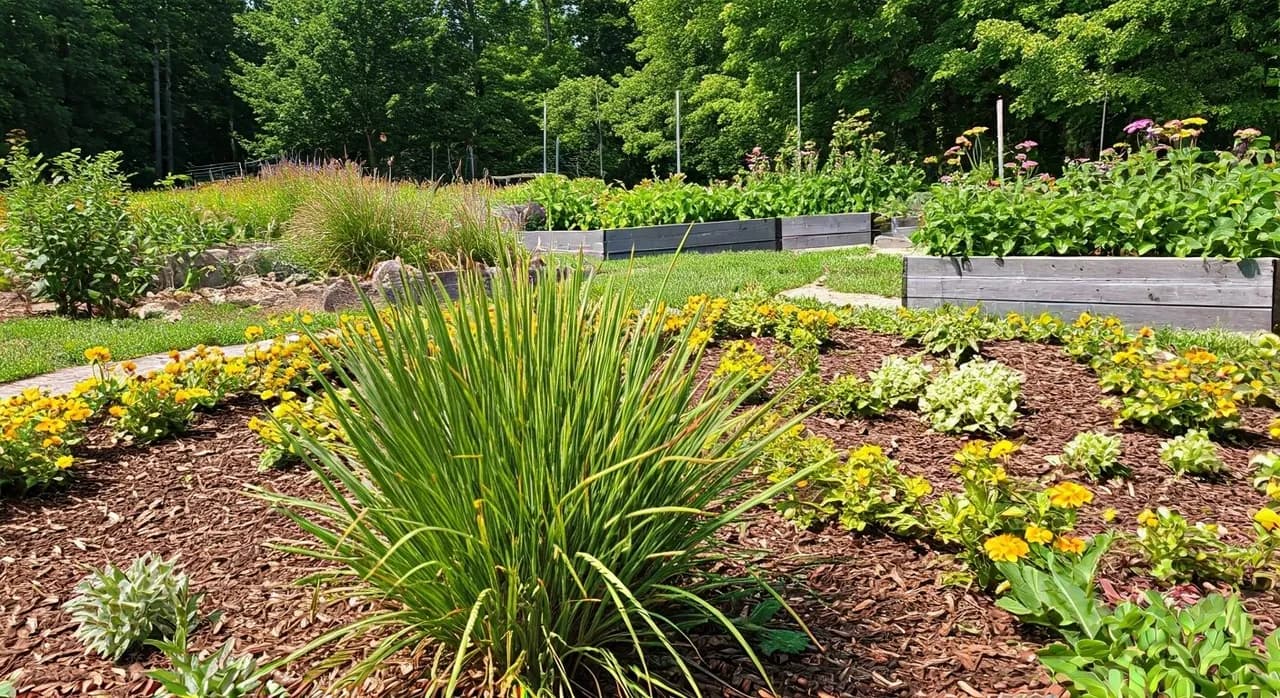
Key takeaways
- Converting a lawn to a low-water landscape can save a significant amount of water each year.
- Site assessment and soil preparation are critical first steps, often requiring soil tests and organic matter amendments.
- Native grasses like buffalo grass or fescue blends offer significant water savings compared to traditional turf.
- Edible landscapes can yield hundreds of pounds of produce annually from a modest plot, reducing grocery bills.
- Consider low-growing ground covers such as sedum or creeping thyme for slopes or areas with light foot traffic.
- Proper plant selection based on USDA hardiness zone and local climate ensures long-term success and reduced maintenance.
Quick answer: Converting 1,000 square feet of lawn to a food garden in USDA zone 7 can save approximately 15,000 gallons of water annually, primarily by replacing high-water-use turf with more efficient edible plants and reducing irrigation needs.
Across the United States, residential lawns cover an estimated 40 million acres, making them the largest irrigated crop in the country. In many regions, particularly the arid Southwest, maintaining a traditional lawn can consume up to 75% of a household’s water usage during summer months. For instance, a typical 1,000-square-foot lawn in an arid climate might require significant amounts of water annually to stay green. This significant resource demand, coupled with the ongoing costs of mowing and fertilizing, prompts many homeowners to consider more sustainable and productive yard alternatives.
Shifting a portion of your lawn to a food garden or a low-water landscape can dramatically reduce your household’s environmental footprint and maintenance burden. From the humid Southeast to the dry plains of the Midwest, practical options exist for every USDA hardiness zone. This article will guide you through the process, offering concrete steps and plant recommendations to transform your yard into a more resilient and rewarding space, whether you aim to grow your own produce or simply potentially reduce your water bill.
Understanding the shift: why convert your lawn?
Many US homeowners are re-evaluating the traditional lawn, which often demands substantial inputs of water, fertilizer, and labor. A typical lawn in USDA zone 7, for example, can require 1 to 1.5 inches of water per week during growing season, amounting to over 15,000 gallons annually for a 1,000-square-foot area. This constant demand for resources, combined with the time spent mowing (often many hours per year for a quarter-acre plot), presents a practical reason for change. Lawn-to-food conversions and low-water landscapes focus on resource efficiency and food production alongside aesthetics.
Beyond water savings, converting lawn space can significantly reduce chemical use. Traditional lawns often receive multiple applications of herbicides and pesticides each year, which can impact local ecosystems and water quality. By replacing turf with native plants or edible gardens, you create a healthier environment for beneficial insects and local wildlife. For instance, a diverse planting of perennials can support significantly more insect species than a monoculture lawn. The economic benefits are also clear: reducing fertilizer costs, and potentially offsetting grocery expenses by growing your own food.
The benefits of a productive yard
Transforming your yard offers several tangible advantages that extend beyond immediate cost savings. A well-planned food garden can produce hundreds of pounds of fresh vegetables and fruits each season, depending on its size and your crop choices. For example, a well-planned raised bed can yield a significant amount of produce annually, including items like tomatoes, peppers, and leafy greens. Replacing high-maintenance turf with drought-tolerant shrubs or ground covers can increase property value and improve curb appeal, especially in regions prone to water restrictions [4]. These changes help build a yard suited to local climate conditions.
Consider these benefits of converting lawn space:
- Reduced water consumption by 30% to 80% depending on plant choices and local climate.
- Lower maintenance time, potentially saving many hours per year on mowing and upkeep.
- Decreased reliance on chemical fertilizers and pesticides, improving soil biology and supporting local wildlife.
- Opportunity to grow fresh, organic produce, potentially saving hundreds of dollars on groceries annually.
- Increased biodiversity and habitat creation for pollinators and beneficial insects.
Planning your conversion: site assessment and soil preparation
Before breaking ground, a thorough site assessment is necessary for a successful lawn conversion. Start by observing your yard’s sun exposure throughout the day. Most vegetables require at least six to eight hours of direct sunlight daily, while many low-water ground covers can tolerate partial shade. Map out these areas, noting any existing trees or structures that cast shadows. In a typical suburban yard in the Midwest, a south-facing area will receive the most sun, making it ideal for a vegetable patch. Understanding your site’s specific conditions will prevent wasted effort and ensure plant success.
Next, assess your soil. This is perhaps the most critical step for any planting project. Collect several soil samples from different areas of your proposed conversion site and send them to your local extension office for testing. A standard soil test from your local extension office will provide information on pH levels, nutrient deficiencies, and soil texture. For instance, soil in parts of the Pacific Northwest tends to be acidic, while desert soils in Arizona can be alkaline. Knowing these factors allows you to make targeted amendments. Most plants thrive in a pH range of 6.0 to 7.0.
Preparing the ground for new growth
Once you have your soil test results, you can begin preparing the ground. Removing existing turf can be done through several methods: sheet mulching, solarization, or mechanical removal. Sheet mulching, which involves layering cardboard and organic materials over the grass, is a low-labor option that also builds soil health. It typically takes three to six months for the grass to decompose completely. Solarization, using clear plastic sheeting to heat the soil, is effective in hot, sunny climates like Florida or Southern California, killing grass and weed seeds in four to six weeks during peak summer. For immediate planting, mechanical removal with a sod cutter is fastest, but it requires more physical effort and can remove useful topsoil.
Regardless of the removal method, amending your soil with organic matter is vital. Incorporate 2 to 4 inches of compost into the top 6 to 8 inches of soil. This improves drainage in heavy clay soils, like those found in parts of Texas, and increases water retention in sandy soils, common in coastal areas. For vegetable gardens, consider adding balanced organic fertilizers based on your soil test recommendations. For example, if nitrogen is low, blood meal or composted manure can be added at a rate of 5 to 10 pounds per 100 square feet. This foundational work supports healthy plant growth and reduces future problems.
Main steps for site and soil preparation include:
- Observe sun patterns throughout the day, noting areas with six to eight hours of direct light.
- Conduct a soil test to determine pH, nutrient levels, and texture, costing $15 to $30.
- Choose a turf removal method: sheet mulching (3-6 months), solarization (4-6 weeks), or mechanical removal.
- Incorporate 2 to 4 inches of compost into the top 6 to 8 inches of soil.
- Install any necessary irrigation systems, such as drip lines, before planting to ensure efficient water delivery.
Low-water lawn alternatives: ground covers and native grasses
For those seeking a low-maintenance, water-wise alternative to traditional turf, a variety of ground covers and native grasses offer excellent solutions. These options can significantly reduce water consumption compared to Kentucky bluegrass, a common turf choice in many northern states. Native grasses, such as buffalo grass (Bouteloua dactyloides) in the Great Plains or various fescues in cooler climates, are adapted to local rainfall patterns and often require minimal irrigation once established. For example, a buffalo grass lawn in USDA zone 5 can thrive on less annual rainfall than many conventional lawns.
Ground covers provide another versatile option, particularly for areas with slopes, dry shade, or light foot traffic. Plants like creeping thyme (Thymus serpyllum), sedum (Sedum spurium), or even clover varieties can create a dense, green carpet that suppresses weeds and requires little mowing. In a shaded area under mature trees in USDA zone 6, you might consider planting sweet woodruff (Galium odoratum) or vinca (Vinca minor), which offer attractive foliage and small flowers. These plants often need less water than turf, especially after their first year of establishment. You can find more information on suitable options at https://agripure.org/articles/ground-cover-plants.
Selecting the right species for your region
Choosing the right low-water alternative depends heavily on your specific USDA hardiness zone, soil type, and desired aesthetic. For sunny, dry areas in the Southwest, native fescues or even certain types of ornamental grasses can provide texture and visual interest without demanding excessive water. In the Southeast, where humidity is high, options like frogfruit (Phyla nodiflora) can thrive, offering a low-growing, pollinator-friendly alternative. Always select species that are well-suited to your local climate to minimize future maintenance and ensure long-term success. Many local nurseries carry regional native plant selections.
When considering these alternatives, remember that establishment can take one to two seasons. During this period, consistent, but not excessive, watering is necessary to help roots develop. Once established, however, these plants will require significantly less intervention. For instance, a well-established buffalo grass lawn might only need mowing once or twice a year, if at all, and can significantly reduce your water bill during dry periods. This long-term payoff makes the initial effort worthwhile for many homeowners.
Popular low-water lawn alternatives include:
- Buffalo grass: Native to the Great Plains, tolerates drought and cold, needs 50% less water than fescue.
- Fine fescues: Shade tolerant, low input, good for cooler climates like the Northeast.
- Creeping thyme: Fragrant, low-growing, good for light foot traffic and sunny spots.
- Sedum: Succulent ground cover, extremely drought tolerant, thrives in poor soil.
- Clover: Nitrogen-fixing, soft underfoot, attracts pollinators, and stays green with less water.
Edible landscapes: growing food in your yard
Converting a portion of your lawn into an edible landscape is a rewarding way to increase food security and enjoy fresh produce. Even a small plot, say 100 square feet, can yield hundreds of pounds of vegetables annually, significantly impacting your grocery budget. For example, a well-managed 4×8-foot raised bed can produce a significant amount of tomatoes, peppers, and leafy greens over a growing season in USDA zone 7. The key is selecting plants suited to your climate and maximizing space with intensive planting techniques.
Consider starting with easy-to-grow vegetables that offer high yields. Leafy greens like spinach and lettuce thrive in cooler temperatures and can be harvested multiple times. Root vegetables such as beets and carrots are also relatively simple to grow and store well. For those in warmer climates like USDA zone 9, sweet potatoes and okra are excellent choices. Remember to rotate crops annually to maintain soil health and prevent pest buildup. You can find detailed guides on specific vegetables, such as https://agripure.org/articles/how-to-grow-spinach and https://agripure.org/articles/how-to-grow-beets, to help you get started.
Integrating fruits and perennial edibles
Beyond annual vegetables, integrating perennial edibles can provide long-term harvests with less effort. Fruit shrubs like blueberries, raspberries, and blackberries are excellent choices for many regions. Blueberries, for instance, prefer acidic soil (pH 4.5-5.5) and can produce several pounds of fruit per bush once mature in USDA zones 4 through 7. Dwarf fruit trees, such as apple or pear varieties, can also be incorporated into smaller yards, often yielding a good harvest once mature. These perennial food sources provide food and add structural interest to your garden.
Herbs are another useful addition to an edible landscape, often requiring minimal care. Rosemary, thyme, oregano, and chives are drought-tolerant once established and can be harvested year-round in milder climates like USDA zone 8. Planting a diverse range of edibles provides a varied diet and supports local pollinators, which are needed for fruit and vegetable production. A well-designed edible landscape can be both productive and visually appealing, offering a bounty of fresh food right outside your door.
Main considerations for edible landscapes:
- Choose high-yield vegetables like tomatoes, peppers, and leafy greens for maximum output.
- Select perennial fruits and herbs suited to your USDA zone for long-term harvests.
- Utilize intensive planting methods to maximize yield from small spaces, like square foot gardening.
- Implement crop rotation to maintain soil fertility and reduce pest and disease issues.
- Ensure adequate sunlight: most edibles need at least six to eight hours of direct sun daily.
Maintenance and long-term care for alternative landscapes
While low-water lawns and edible landscapes generally require less intensive maintenance than traditional turf, they still benefit from thoughtful care. The initial establishment phase, typically the first one to two years, is critical. During this time, consistent watering is essential to help plants develop deep root systems. For example, newly planted drought-tolerant shrubs in USDA zone 6 might need 1 inch of water per week for the first season, gradually reducing to supplemental watering only during extended dry spells. Once established, many native plants can survive on natural rainfall, significantly reducing your water bill by 30% or more.
Weed control is another important aspect, especially in the first few seasons. Mulching with 2 to 4 inches of wood chips, straw, or compost can suppress weeds, conserve soil moisture, and regulate soil temperature. This practice can significantly reduce weeding time. For edible gardens, regular weeding prevents competition for nutrients and water. Hand-weeding small areas weekly for 15-30 minutes is often more effective than infrequent, larger weeding sessions. Proper mulching also reduces the need for frequent watering, saving 100s of gallons over a growing season.
Seasonal tasks and ongoing health
Ongoing care for low-water lawns and edible spaces involves seasonal tasks tailored to the specific plants. For native grasses, occasional mowing (once or twice a year, if desired) can help maintain a tidy appearance, or they can be left to grow naturally. Edible gardens require more active management, including fertilizing based on soil test results, pest monitoring, and harvesting. For instance, cool-season crops like broccoli might need a second application of balanced fertilizer after four to six weeks of growth. You can learn more about specific crop needs at https://agripure.org/articles/how-to-grow-broccoli.
Pruning is also important for perennial edibles and shrubs. Fruit trees and berry bushes benefit from annual pruning to encourage fruit production and maintain plant health. For example, raspberry canes are typically pruned after fruiting, removing old canes to make way for new growth, a task that takes about 30 minutes for a 20-foot row. By understanding the specific needs of your chosen plants and committing to a consistent, albeit less demanding, care routine, your alternative landscape will thrive for years, providing beauty, food, and significant resource savings.
Effective long-term care strategies include:
- Consistent watering during the first one to two years of establishment for deep root development.
- Applying 2 to 4 inches of organic mulch to suppress weeds and conserve soil moisture.
- Regular weeding, especially in edible gardens, to prevent competition.
- Seasonal fertilizing based on soil test results and specific plant needs.
- Annual pruning for perennial fruits and shrubs to promote health and yield.
Beyond the yard: broader impacts and community benefits
The decision to convert your lawn extends beyond individual property lines while aiding broader environmental and community benefits. When multiple homeowners in a neighborhood adopt low-water landscaping or edible gardens, the collective impact on local water resources can be substantial. For instance, if 100 homes in a community each convert 500 square feet of lawn, they could collectively save 750,000 gallons of water annually, based on the 15,000 gallons per 1,000 square feet estimate for USDA zone 7. This reduction in demand helps alleviate strain on municipal water supplies, especially in drought-prone regions like California or the Southwest.
Reducing the use of chemical fertilizers and pesticides on residential lawns improves local water quality. Runoff from chemically treated lawns can carry pollutants into storm drains and ultimately into rivers and lakes, affecting aquatic ecosystems. By shifting to organic practices and native plants, you help protect these vital resources. A study in the Chesapeake Bay watershed found that residential fertilizer use contributes significantly to nutrient pollution, demonstrating the impact of residential lawn care. Each conversion, no matter how small, contributes to a healthier watershed.
Supporting local biodiversity and community resilience
Alternative landscapes also support local biodiversity. Native plants, whether grasses or flowering perennials, provide essential habitat and food sources for native insects, birds, and other wildlife. For example, planting a diverse selection of native flowers can increase pollinator visits compared to a traditional lawn. This support for pollinators is vital for the health of both wild ecosystems and agricultural crops. Creating these biodiverse havens in urban and suburban areas helps connect fragmented habitats and supports broader ecological networks.
Edible landscapes can strengthen community resilience by increasing local food production. Sharing surplus produce with neighbors, participating in community gardens, or even just inspiring others to grow their own food can build stronger, more connected communities. During times of economic uncertainty or supply chain disruptions, having access to locally grown food becomes even more useful. A single community garden plot, often 10×10 feet, can supply a family with a significant portion of their fresh produce for several months. This shift from purely ornamental to productive landscapes represents a positive step towards a more sustainable future for our yards and our communities, one square foot at a time.
Community and environmental benefits include:
- Significant collective water savings, reducing strain on municipal resources by hundreds of thousands of gallons.
- Improved local water quality by reducing chemical runoff into waterways.
- Increased biodiversity, providing habitat and food for pollinators and wildlife.
- Improved community resilience through local food production and sharing.
- Inspiration for neighbors to adopt similar sustainable yard practices, creating a ripple effect.
Comparison of traditional lawn, low-water lawn, and edible garden (per 1,000 square feet)
Feature | Traditional Lawn | Low-Water Lawn Alternative | Edible Garden |
|---|---|---|---|
Water Use (annual, avg. USDA zone 7) | 15,000+ gallons | 3,000-7,500 gallons | 5,000-10,000 gallons |
Mowing Frequency | Weekly/Bi-weekly | Monthly to Annually | Never (harvesting instead) |
Fertilizer Needs | 2-4 applications/year | 0-1 application/year | 1-3 applications/year |
Pesticide/Herbicide Needs | 1-3 applications/year | Rarely | Organic methods preferred |
Food Production | None | None | 100-200+ pounds/year |
Biodiversity Support | Low | Moderate to High | High |
Initial Cost | $0.50 – $2.00 | $1.00 – $5.00 | $2.00 – $10.00 (raised beds, soil) |
Water Savings: Converting a traditional lawn to a low-water alternative can save a significant amount of water annually.
Food Yield: A 100-square-foot edible garden can produce a significant amount of fresh vegetables per year.
References
- Yards (2025). Yards.
- Summit Lawn poultry yards. Illustrated catalogue … (1883).
- Jason Gee Farmers Insurance – San Francisco’s Top Rated Agent for Auto, Home and Life Insurance (2011).
- Chapter 6. Alternatives to Lawn Grasses and Turf (2014).
- Collecting the Lawn for ScienceBridge Transformation Lab (2011).
- USDA Natural Resources Conservation Service (2024).