Key takeaways
- Use 17 gsm fleece for light frost down to -2°C and insect barrier protection in spring.
- Choose heavy 30 to 35 gsm fleece for winter protection against severe frosts down to -5°C.
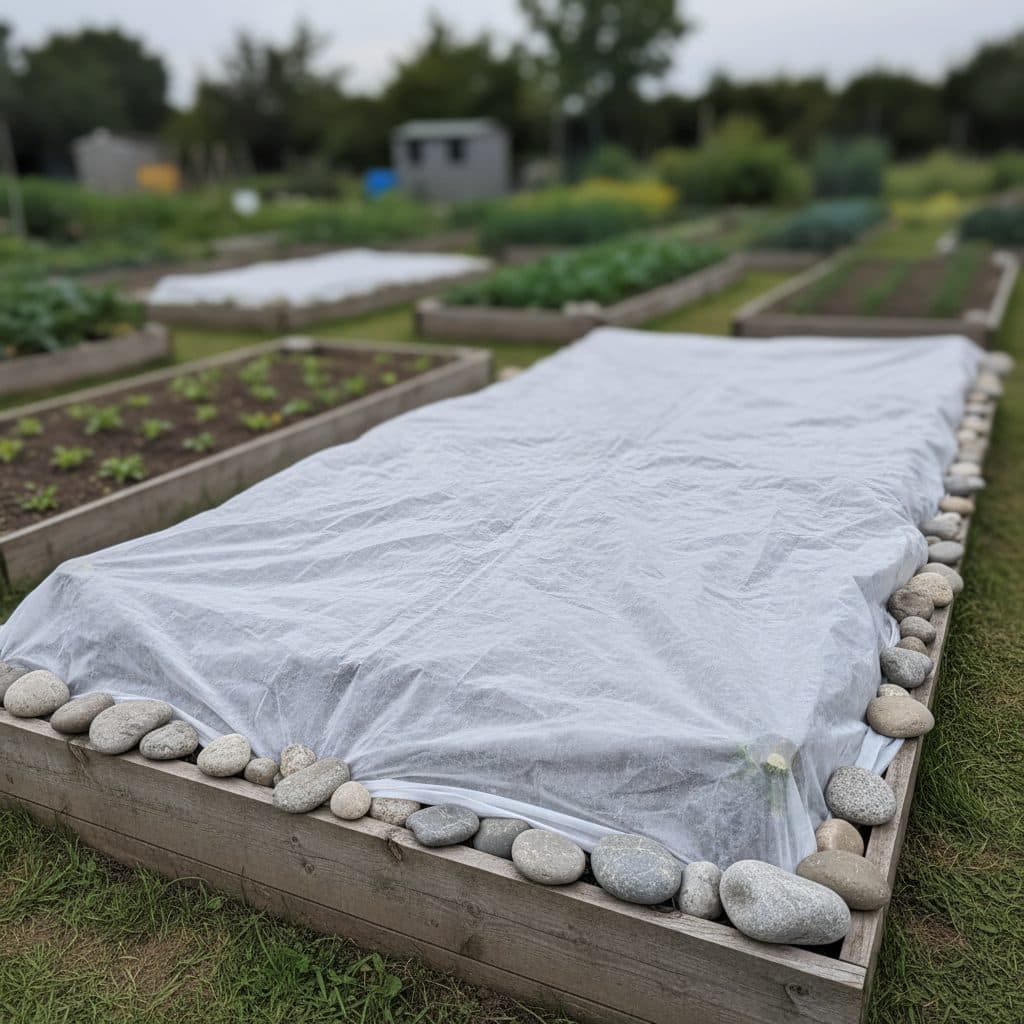
- Anchor fleece securely around all perimeter edges with pegs, soil, or stones to stop wind tears.
- Remove fleece during warm sunny days in late spring to prevent heat stress and allow pollination.
- Compare fleece to cloches based on plot size: fleece covers broad beds while cloches suit rigid rows.
Quick answer: Horticultural fleece is a lightweight, spunbonded polypropylene fabric designed to protect garden plants from frost, cold winds, and insect pests in the UK. Available in weights from 17 gsm to 35 gsm, it traps soil warmth and creates a protective microclimate several degrees higher than surrounding air without blocking light or rainwater penetration.
Managing unpredictable British weather is one of the greatest challenges for home growers and allotment holders. Sudden spring frosts, drying easterly winds, and early autumn chills can easily damage tender seedlings and reduce crop yields. Using horticultural fleece provides a practical, low-cost solution for extending the growing season and shielding delicate crops.
Unlike solid plastic sheeting that creates condensation and scorches foliage on bright mornings, spunbonded garden fleece is air-permeable and water-permeable. It allows natural rainfall and gentle air exchange while raising the ambient temperature around plant tissues by roughly 2°C under light 17 gsm fleece and up to 6°C to 8°C under 50 gsm-plus thermal blankets.
Understanding the different weights of fleece, knowing exactly when to fleece plants, and mastering correct anchoring techniques ensures your crops remain protected from seasonal extremes and opportunistic pests throughout the year.
Fleece weights: standard vs heavy duty protection
Horticultural fleece is graded by fabric weight measured in grams per square metre (gsm). Selecting the correct grade ensures adequate thermal insulation without smothering young seedlings under unnecessary bulk.
+-------------------+-------------------+-----------------------------------+-----------------------------------+
| Fleece Grade      | Fabric Weight     | Temperature Lift                  | Primary Applications              |
+-------------------+-------------------+-----------------------------------+-----------------------------------+
| Standard / Light  | 17 gsm            | +1.5°C to +2°C                    | Early spring sowing, pest barrier |
| Medium Weight     | 22 to 25 gsm      | +2°C to +3°C                      | Spring frosts, autumn extension   |
| Heavy Duty        | 30 to 35 gsm      | +4°C to +5°C                      | Winter protection for shrubs/roots|
| Thermal Blanket   | 50 gsm+           | +6°C to +8°C                      | Overwintering tender potted exotics|
+-------------------+-------------------+-----------------------------------+-----------------------------------+
17 gsm: the spring workhorse
Standard 17 gsm garden fleece is lightweight and translucent, allowing roughly 85% to 90% of available sunlight to pass through. It is light enough to lay directly over emerging seedlings without crushing tender stems. Use this weight in early spring to advance germination in seedbeds and to exclude flying insect pests such as carrot fly (Chamaepsila rosae, syn. Psila rosae) and flea beetles.
30 to 35 gsm: heavy winter defence
Heavyweight fleece offers reliable frost protection for plants facing hard winter freezes. It is suited for wrapping tender perennials, safeguarding autumn-sown broad beans, protecting unheated greenhouse crops, and cushioning winter salads against biting sub-zero winds. Because it is heavier, support 30 gsm fleece on hoops or canes rather than laying it directly onto soft foliage.
When to fleece plants: a UK seasonal calendar
Timing matters when deploying fleece. Leaving fleece on too long promotes weak, leggy growth and invites fungal mildew, while deploying it too late risks irreversible frost bite.
Spring (March–May)       --> Protect new sowings from late frosts; exclude insect pests
Summer (June–August)     --> Remove for pollination; store dry or use fine mesh for pests
Autumn (September–Nov)   --> Shield late salad beds and maturing root crops from early frosts
Winter (December–Feb)    --> Wrap potted fruit and fig bushes; net brassicas for pigeon protection
Early spring sowing and seedling care
In March and April, soil temperatures often lag behind air temperatures. Spreading fleece over freshly sown seedbeds warms the top layer of soil, speeding up germination for carrots, beetroot, and parsnips. Once seedlings emerge, refer to seedling care thinning spacing direct sowing to prevent overcrowding beneath the cover.
Late spring frost alerts
Tender crops planted out in May, such as potatoes, courgettes, and runner beans, are susceptible to late frosts. Keep a bundle of fleece nearby and monitor evening temperature forecasts. When the mercury is predicted to drop below 3°C under clear skies, drape fleece over beds before dusk to trap the daytime warmth re-radiating from the soil.
Autumn season extension
During late September and October, fleece protects remaining salads, spinach, and Swiss chard, extending the harvest well into November; winter brassicas need fleece or netting for pigeon protection instead of frost protection; they are hardy and sweeten after a frost.
Winter protection for perennials and pots
Throughout December and January, wrap container plants, whose root systems are vulnerable to freezing through pot walls, with multiple layers of fleece. Fleece also shelters tender bushes such as potted figs and young bay trees from freezing rain and desiccating winds.
How to lay and anchor garden fleece correctly
High winds on open allotment sites will quickly rip poorly anchored fleece, tearing fabric and leaving plants exposed. Follow these structural guidelines to secure your covers:
- Create Slack for Growth: When laying fleece directly over growing crops, allow ample slack across the bed. Tight fabric restricts upward plant development and bends stems.
- Use Support Hoops: For tall crops or delicate leaves, erect flexible plastic or wire hoops over the bed and stretch the fleece over the frame to create a low tunnel. This keeps wet fabric off plant foliage, preventing contact freeze damage.
- Anchor the Entire Perimeter: Avoid using single bricks placed at wide intervals. Wind easily catches loose edges and turns the fabric into a sail. Instead, secure edges continuously with metal ground pegs, long timber battens, or a shallow trench of soil shoveled along the margins.
- Ventilate on Warm Days: On sunny days when greenhouse or tunnel temperatures climb above 15°C, peel back the ends of the fleece to allow fresh air circulation and vent excess humidity.
+-------------------------------------------------------------------------------+
|                        WIND RESISTANT FLEECE ANCHORING                        |
|                                                                               |
|       [Fleece Sheet Draped Over Flexible Hoops with Slack for Growth]         |
|         /                                                           \         |
|    ===v===============================================================v===    |
|   [Soil Trench or Timber Battens Pinning Perimeter Continuously to Ground]   |
+-------------------------------------------------------------------------------+
For growers working within integrated allotment layouts, coordinate fleece deployment with your crop rotation allotment plan to ensure adjacent beds remain accessible for routine weeding and mulching.
Fleece vs cloche: choosing the right protection method
Growers often weigh the merits of fleece vs cloches when planning seasonal crop protection. Both systems modify microclimates, but each excels in different growing scenarios:
+------------------------+-----------------------------------+-----------------------------------+
| Consideration          | Horticultural Fleece              | Rigid Cloches (Glass / Plastic)   |
+------------------------+-----------------------------------+-----------------------------------+
| Coverage Area          | Entire wide beds and large shrubs | Individual rows or single plants  |
| Water Permeability     | Allows rain penetration naturally | Requires manual watering beneath  |
| Wind Durability        | Moderate (requires good anchoring)| High (rigid structures stay firm) |
| Light Transmission     | 80% to 90% depending on gsm       | 90% to 95% (clear glass/plastic)  |
| Storage & Longevity    | Foldable; lasts 2 to 4 seasons    | Bulky; lasts 5 to 10+ seasons     |
+------------------------+-----------------------------------+-----------------------------------+
Fleece is unmatched for broad, multi-row beds and irregular shapes. It is easy to store, folds compactly, and allows natural precipitation to water your plants. Rigid cloches, by contrast, offer superior light transmission and wind resistance for early single rows of strawberries or early salad crops, but require hand-watering since rain rolls off their exterior shells.
To step up from temporary fleece covers to permanent protected growing structures, explore our comprehensive guide on what to grow in a polytunnel.
Physical pest protection and crop safety
Beyond temperature management, horticultural fleece acts as a physical barrier against birds and egg-laying insects:
- Pigeons and Game Birds: Keeps hungry wood pigeons off delicate brassicas and newly emerged peas. For persistent bird pressure, read our dedicated guide on how to stop pigeons eating plants.
- Insects: Prevents cabbage white butterflies (Pieris brassicae), carrot fly (Chamaepsila rosae, syn. Psila rosae), and allium leaf miner from laying eggs on host crops.
- Mammalian Pests: Discourages cats from scratching freshly sown seedbeds. It will not stop rabbits or determined rodents, which chew through fleece; use 25 mm wire mesh or rabbit netting for those.
Ensure the edges remain tightly sealed against the ground; gaps as small as 2 cm allow insects and rodents to slip underneath and thrive within the sheltered microclimate.