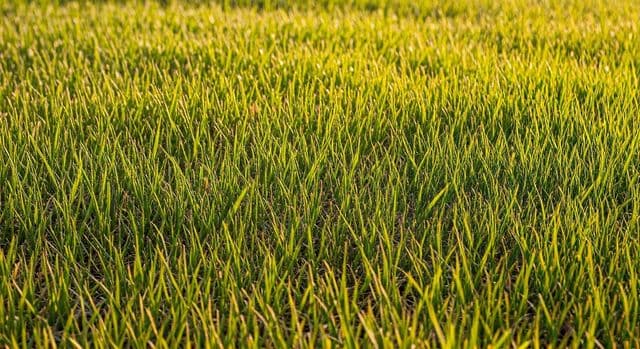
Overseeding Ryegrass for Winter Lawn Color in USDA Zones 7-9
Learn how to overseed warm-season lawns with ryegrass for healthy winter color in USDA Zones 7-9. Get tips on timing, ryegrass types, and lawn prep.
Tag
117 articles in this tag on agripure. — page 1 of 5
Learn how to overseed warm-season lawns with ryegrass for healthy winter color in USDA Zones 7-9. Get tips on timing, ryegrass types, and lawn prep.
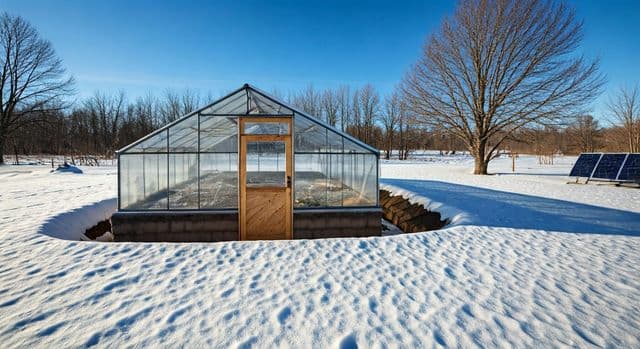
Extend your growing season in USDA Zone 5 with earth-bermed and partially-sunken greenhouses. Learn how these designs leverage stable earth temperatures to cut heating costs by 30-50% for year-roun…
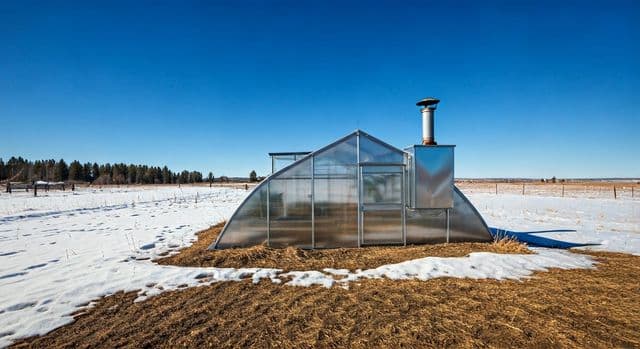
Master underground greenhouse ventilation and humidity control in USDA Zone 5. Learn passive & active strategies to prevent disease, boost yields, and keep your earth-sheltered greenhouse dry and f…
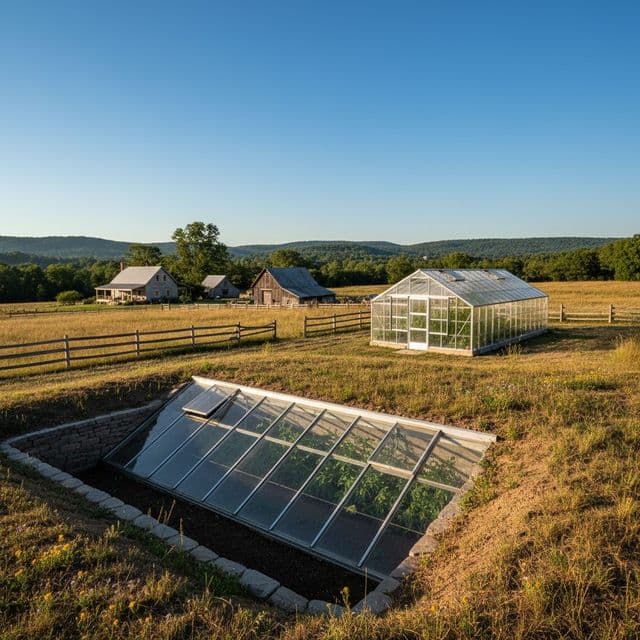
Compare Walipini vs Greenhouse for year-round growing in USDA zone 5. Explore cost, climate control, and operational trade-offs to choose the best option for your homestead.
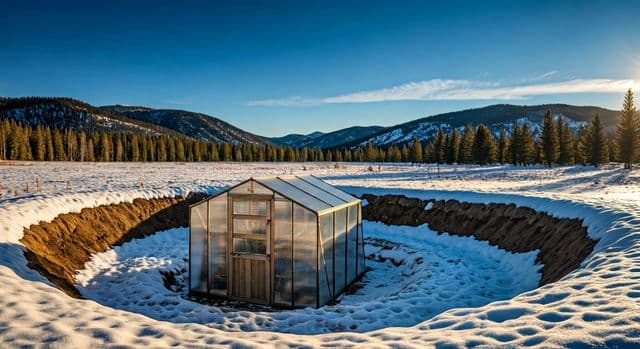
Learn how walipini greenhouse design extends growing seasons in cold climates. Harness geothermal heat, optimize glazing, and ensure proper drainage for year-round homestead food production.
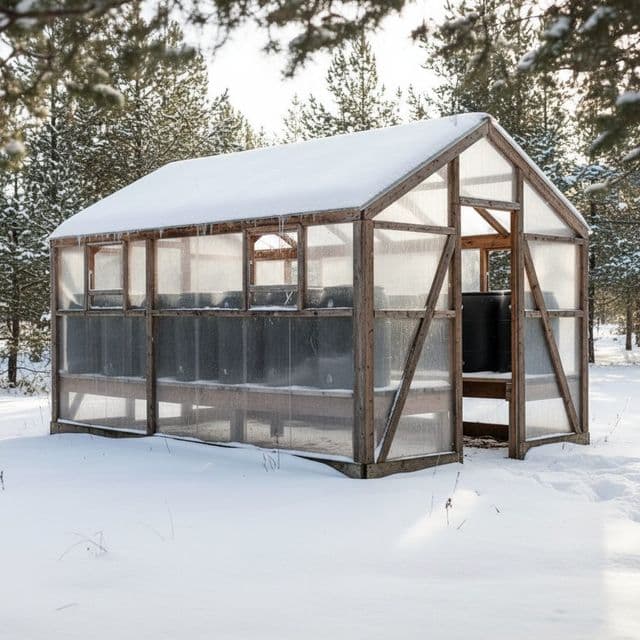
Learn how to extend your growing season by 30+ days in USDA Zone 5 using passive solar heating techniques like water thermal mass and manure hot beds. Boost homestead self-sufficiency.
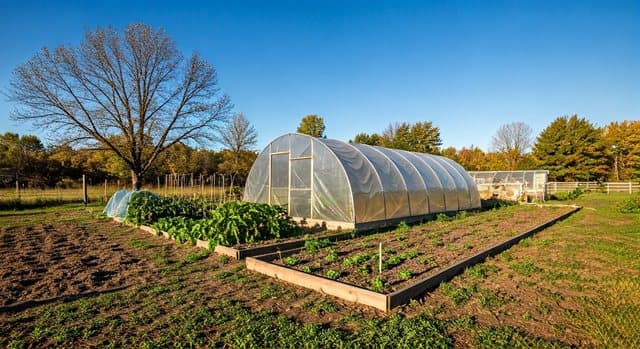
Learn how to extend your growing season by 60 days in USDA Zone 5. Compare cold frames, low tunnels, and hoop houses to choose the best season extension structures for your homestead.
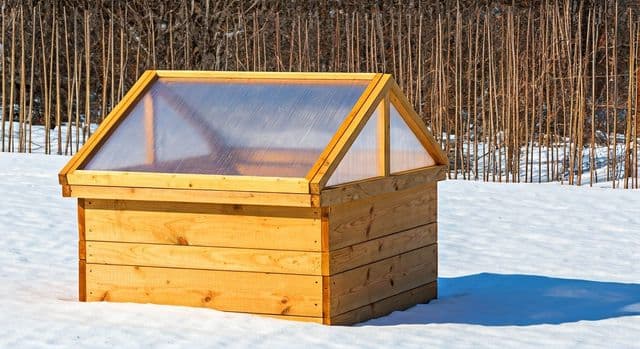
Learn how cold frames enable winter growing in USDA Zone 5, adding 60+ days to your harvest. Discover design tips, crop selection, and off-grid benefits for year-round food.
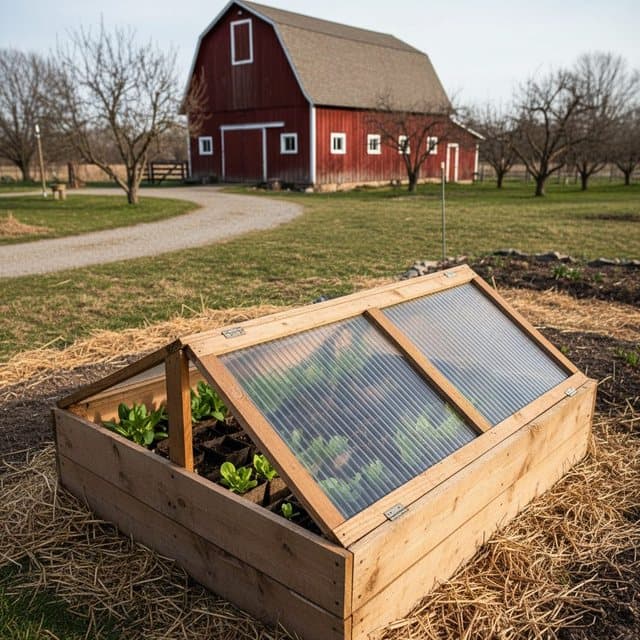
Prevent cold frame overheating on your Kansas homestead. Learn strategic siting, optimal 45-degree glazing, and venting to protect plants and extend your growing season.
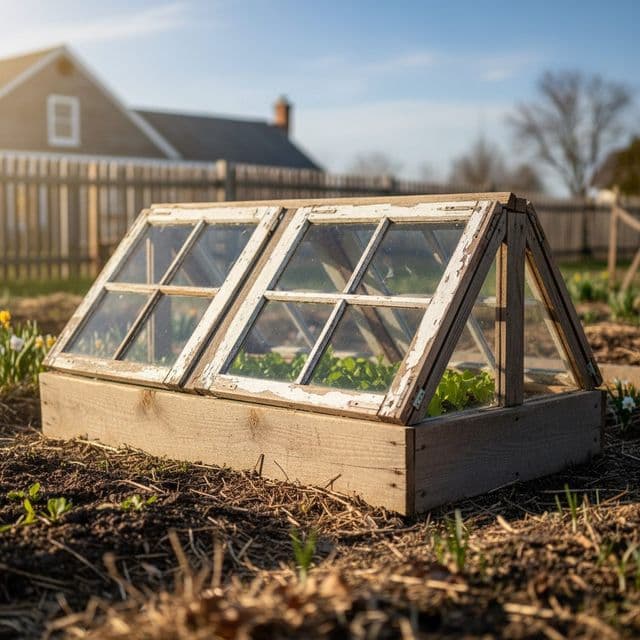
Extend your growing season in USDA Zone 6 by building a cost-effective cold frame from salvaged windows. Learn design, material sourcing, and maintenance for earlier planting and later harvests.
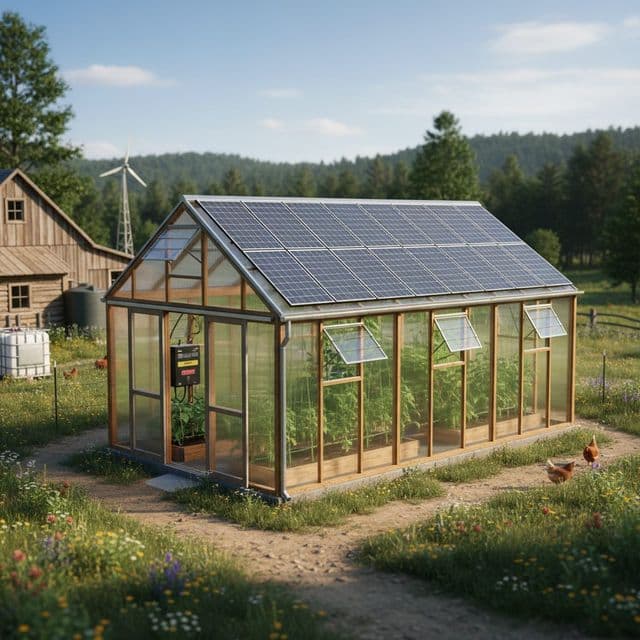
Engineer a solar greenhouse exhaust fan system using ASHRAE airflow sizing at 0.10–0.15 in. w.g. static pressure, >=1.5–2.0x screened intake louvers, NEC 690 DC safety wiring, LiFePO4 cold lockouts…
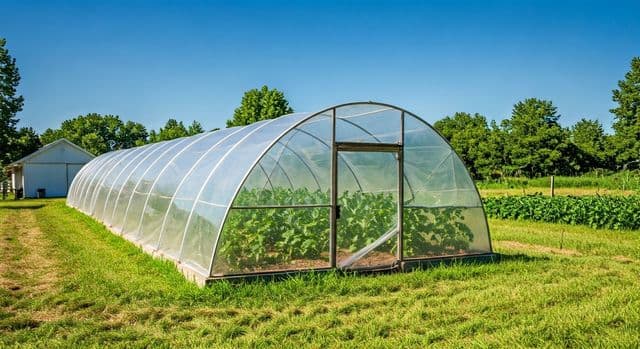
Keep a US high tunnel productive through 95°F+ summer heat: beat pollen sterility with heat-set tomatoes, okra, and sweet potatoes, pair 30–40% shade cloth with gable chimney vents, size 12V solar…
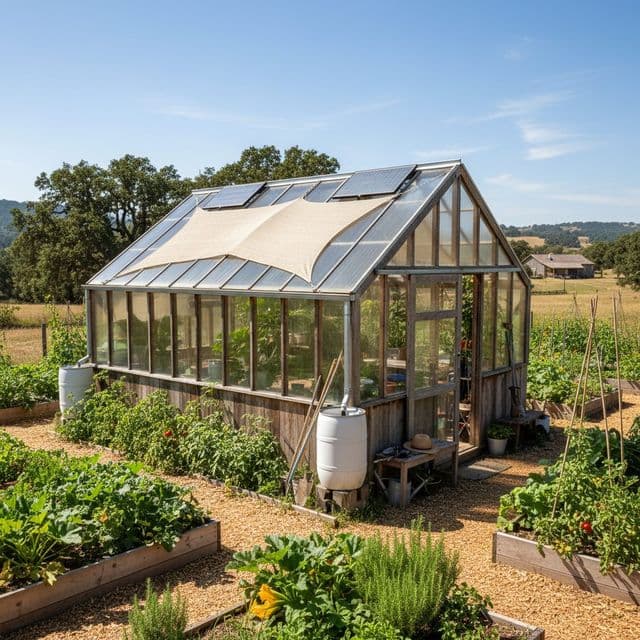
Compare external shade cloth, reflective Aluminet, and greenhouse whitewash using extension cooling physics, crop DLI limits, polycarbonate chemical warnings, and ASABE off-grid ventilation sizing.
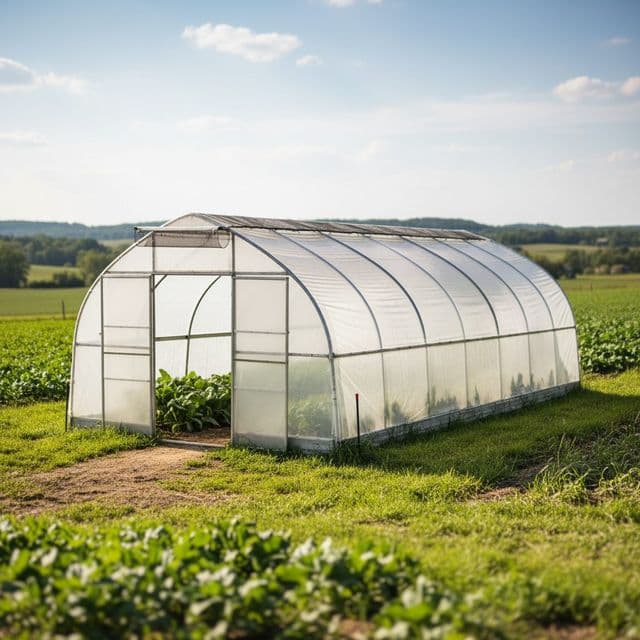
Engineer passive homestead ventilation across US cabins, greenhouses, chicken coops, barns, and root cellars: stack buoyancy math (ΔH and A_outlet >= A_inlet), cross-flow ratios, ASHRAE 62.2 vs. <2…

Learn how to extend summer harvests of lettuce and spinach in USDA zones 6-8 using 30-50% shade cloth. Prevent bolting, reduce heat stress, and boost yields for fresh greens.

Build a wind-safe 4×8 ft raised-bed shade frame using gray UV electrical PVC or galvanized EMT conduit. Compare 10-year costs, 30%–60% crop shade percentages, rebar anchoring, and storm safety.

Learn to select the right shade cloth density for your crops in USDA zones 4-10. Protect plants from intense sun, reduce temperatures, and extend your growing season.

Anchor and skin a wind- and snow-ready US hoop house: Call 811, 24–36+ in ground posts, ACQ galvanic barriers, 4–6 ft bows, diagonal wind bracing, and >60–70°F 6-mil UV skinning.

Protect your greenhouse from harsh Midwest & Mountain West winters. Learn essential snow load & wind bracing techniques for year-round growing so structural integrity.
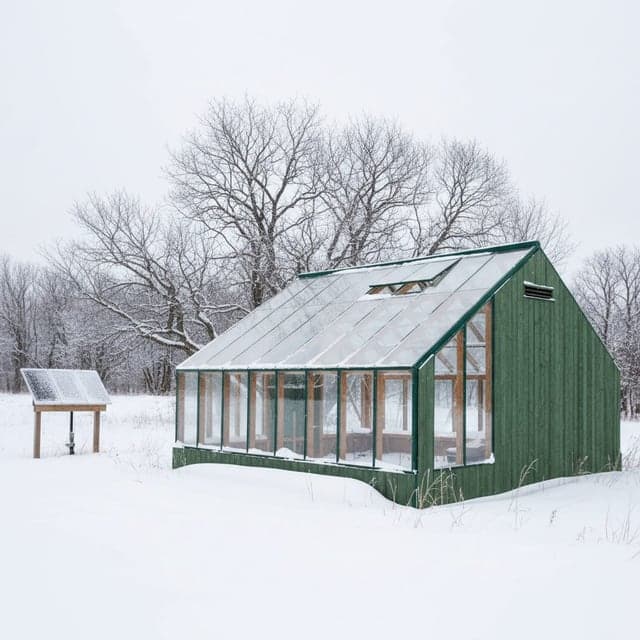
Engineer a cold-climate greenhouse for USDA Zones 3–6: true solar East–West orientation, December 21 sun angles, R-20–30 north shed framing, 2-inch XPS frost skirts, glazing R-values vs. PAR loss,…

Extend your growing season in the Northeast with a low-cost caterpillar tunnel. Learn to build these simple structures for 6-8 weeks of extra harvest, protecting crops from frost.
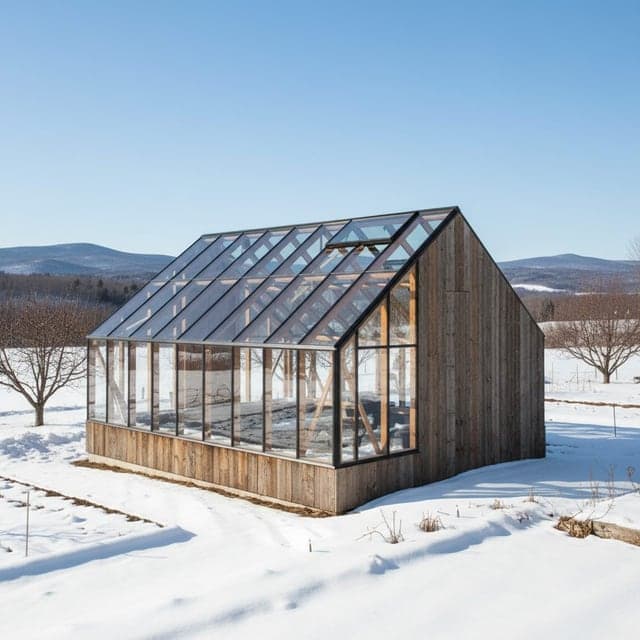
Engineer a passive solar greenhouse for any US latitude: winter solstice sun angles, latitude-indexed glazing tilt, insulated north walls, 62.4 BTU water vs. stone mass, and CO/ethylene heater safety.

Compare 2026 installed hoop house costs per square foot, frame durability (PVC, cattle panel, EMT, galvanized steel), top kits, NRCS EQIP funding, and hoop barns versus pole barns and Quonset huts.
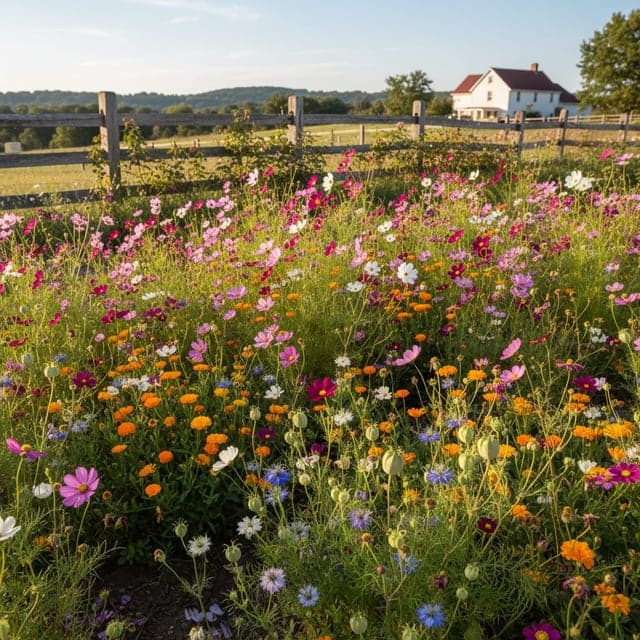
Self-seeding cut flower garden strategies to reduce annual planting in USDA zones 5-9, covering plant selection, soil preparation, and maintenance for continuous blooms.