Key takeaways
- Saffron corms need excellent drainage; raised beds or containers are ideal for wet regions like the Pacific Northwest.
- Aim for a soil pH between 6.3 and 7.0 for optimal saffron growth and nutrient uptake.
- Plant corms 4-6 inches deep and 4-6 inches apart in late summer, typically August to September.
- Protect corms from rodents by lining the bottom and sides of the bed with 1/4 inch hardware cloth, not just a shallow perimeter trench.
- Harvest saffron stigmas in fall, usually October to November, when flowers are fully open.
- A single corm can produce 1-3 flowers in its first year, yielding 3-9 stigmas, with more in subsequent years.
Quick answer: To grow saffron in the Pacific Northwest, use raised beds or containers with well-draining soil (pH 6.3-7.0) to combat wet conditions. Plant corms 4-6 inches deep in late summer with 6-8 hours of daily sunlight and rodent protection.
The Pacific Northwest (PNW) is known for its abundant winter rainfall, often exceeding 50 inches annually in some coastal areas. This climate presents unique challenges for cultivating plants that prefer drier conditions, such as saffron (Crocus sativus). While saffron is traditionally grown in Mediterranean climates, growers in USDA zones 7-9 can cultivate saffron by adapting their methods, particularly through the use of raised beds and containers.
Success in these regions depends on managing soil moisture and drainage to reduce the risk of corm rot. By implementing specific soil mixes and protective measures, home gardeners can achieve viable saffron yields, potentially harvesting enough stigmas for personal use or even small-scale sales from a plot as small as 100 square feet.
Why raised beds and containers for saffron in wet regions?
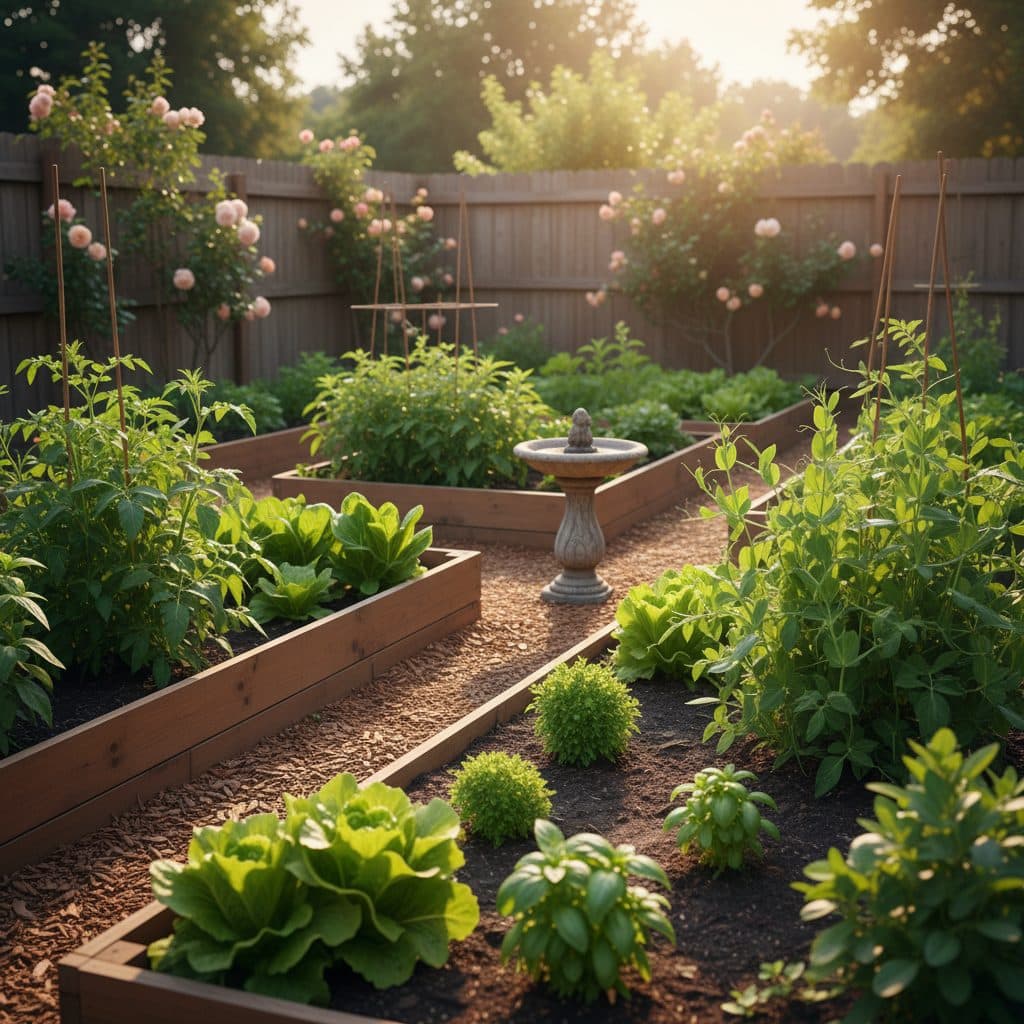
Saffron (Crocus sativus) corms are highly susceptible to rot in consistently wet or poorly draining soils, a common issue in regions receiving over 40 inches of annual precipitation, such as much of the Pacific Northwest. Raised beds drain markedly better than the surrounding native soil, because water leaves the elevated root zone instead of perching in it [3]. This elevation allows for better air circulation around roots and prevents waterlogging. Raised beds also allow you to create a custom soil blend suitable for saffron.
controlling soil and protecting corms
With a raised bed, you gain control over soil composition. An open mix built on compost, coarse sand or grit, and a loam or topsoil base drains freely while holding needed moisture and nutrients. For growers in USDA zones 7-9, a bed height of 10-12 inches is often sufficient to achieve proper drainage and warmth. Containers offer similar benefits, providing mobility to chase the 6-8 hours of direct sunlight saffron requires daily, and can be moved under cover during heavy winter rains. Both methods also allow for easier installation of rodent protection. Quarter-inch hardware cloth lining the base of a bed is an effective barrier against voles, and gophers need the cloth to line the whole bottom of the bed, since they tunnel well below a six-inch perimeter trench. The soil environment of raised beds also supports beneficial mycorrhizal fungi, which improve plant health and nutrient uptake [1].
- Raised beds drain markedly better than in-ground planting.
- Custom soil mixes can be created, such as 30% organic matter, 40% sand, and 30% loam.
- Bed heights of 10-12 inches are effective for drainage in wet climates.
- Containers provide mobility to ensure 6-8 hours of daily sunlight.
- 1/4 inch hardware cloth lining a bed keeps voles and gophers off the corms.
Choosing the right location and containers
Site selection is important for successful saffron cultivation. Saffron requires a minimum of six to eight hours of direct sunlight each day to produce viable flowers and corms. In the Pacific Northwest, a south-facing location or an area with unobstructed sun exposure from late morning through late afternoon is ideal for maximizing light intensity, especially in USDA zone 7. For raised beds, consider materials that offer durability and good insulation, such as untreated cedar or metal raised garden beds, which can last 20 years or more. A bed that is at least 10 inches deep and no wider than 3-4 feet allows for easy access from both sides without compacting the soil.
container specifics for saffron
If you opt for containers, choose pots that are at least 8-12 inches deep and 12 inches in diameter to accommodate the corms and their root systems. Fabric grow bags, terracotta, or plastic pots are all suitable, provided they have adequate drainage holes — typically three to four holes of 1/2 inch diameter. For growers in areas with particularly heavy winter rains, containers offer the flexibility to move plants to a sheltered location, like a covered porch or a reflective indoor grow tent, which can prevent corm rot. Remember that a single saffron corm (Crocus sativus) can produce 1-3 flowers in its first year, so plan your planting density accordingly. For more details on the plant itself, explore the saffron plant guide.
- Saffron needs 6-8 hours of direct sunlight daily.
- Raised beds should be at least 10 inches deep and 3-4 feet wide.
- Containers need to be 8-12 inches deep and 12 inches wide.
- Metal raised beds can last over 20 years.
- Ensure containers have 3-4 drainage holes, each 1/2 inch in diameter.
Soil preparation and planting saffron corms
The success of saffron in raised beds or containers hinges on a well-prepared soil mix. Saffron thrives in well-draining, slightly acidic to neutral soil, with a commonly cited pH range of 6.3 to 7.0. For raised beds, use the same open blend of compost, coarse sand, and topsoil described earlier. This mixture provides both excellent drainage and the necessary organic matter for nutrient availability. Before planting, ensure the soil is thoroughly mixed to a depth of at least 8 inches.
planting depth and timing
For container planting, a mix of 50% potting soil, 25% perlite or coarse sand, and 25% compost works well to maintain a similar pH. Saffron corms should be planted in late summer, typically from mid-August to mid-September, to allow them to establish roots before the fall flowering period. Plant each corm 4-6 inches deep and 4-6 inches apart, with the pointed side facing upwards. For larger corms, 2-3 cm in diameter, this spacing promotes better air circulation and reduces competition. After planting, water the bed or containers thoroughly, aiming for about 1 inch of moisture to settle the soil around the corms. Consider adding a layer of finely chopped leaves or straw as a light mulch, about 1-2 inches deep, to help regulate soil temperature and moisture. For general soil health, practices like those discussed in cover crops for the home garden can be beneficial in fallow beds.
- Ideal soil pH for saffron is 6.3 to 7.0.
- Raised bed mix: 40% compost, 30% coarse sand, 30% topsoil.
- Container mix: 50% potting soil, 25% perlite, 25% compost.
- Plant corms 4-6 inches deep and 4-6 inches apart.
- Planting time is late summer, typically August to September.
Ongoing care, pest management, and harvest
Once planted, saffron corms require minimal but consistent care. During dry periods, especially after planting and during the flowering phase in fall, aim to provide about 1 inch of water per week. However, reduce watering significantly once the foliage begins to yellow and the plants enter dormancy, usually in late spring (May-June). Saffron is not a heavy feeder, but a balanced, low-nitrogen fertilizer (e.g., 5-10-10) can be applied in the fall and again in early spring, at a rate of about 1/2 cup per 10 square feet. This supports corm development and future flowering.
pest control and harvesting the spice
Rodents, particularly voles and gophers, are a primary concern for saffron corms. As mentioned, burying 1/4 inch hardware cloth 6 inches deep around the perimeter and beneath raised beds can create an effective barrier. Keep the beds free of weeds, especially in spring, as weeds compete for nutrients and moisture. Harvest typically occurs from October to November in the Pacific Northwest. Saffron flowers open fast and are best picked the morning they open, when the three red stigmas are exposed. Harvest these stigmas gently with tweezers in the early morning after the dew has dried. A single corm can produce 1-3 flowers in its first year, yielding 3-9 stigmas. By the third year the original corm has multiplied into a clump of daughter corms that together produce considerably more. After harvesting, dry the stigmas at 110-140°F (43-60°C) until they are brittle and snap rather than bend, then cure them in a sealed jar in a cool, dark place for about a month before moving them to airtight, opaque storage for up to 2 years.
- Water saffron with 1 inch per week during dry periods.
- Apply a low-nitrogen fertilizer (5-10-10) at 1/2 cup per 10 square feet.
- Bury 1/4 inch hardware cloth 6 inches deep for rodent protection.
- Harvest saffron flowers in October-November, within 24 hours of opening.
- Dry stigmas at 110-140°F until brittle, then cure them sealed in a jar for about a month.
Comparison of saffron cultivation methods for wet regions
Feature | Raised beds | Containers |
|---|---|---|
Drainage control | Excellent, due to elevation and custom soil mix | Excellent, with proper drainage holes and lightweight soil mix |
Soil customization | High degree of control over pH (6.3-7.0) and composition (e.g., 40% sand) | High degree of control, ideal for specific potting mixes |
Rodent protection | Easily integrated with hardware cloth (90% effective) | Can be protected with mesh or by elevating off ground |
Mobility | Stationary once built (can be moved if on casters) | Highly mobile, can move to follow sun or shelter from rain |
Scalability | Good for larger plots (e.g., 4×8 foot beds) | Better for smaller, more intensive cultivation (e.g., 3-5 corms per 12-inch pot) |
Initial cost | Moderate to high for materials and soil (e.g., $50-$200 per 4×8 ft bed) | Lower for individual pots, but can add up for many (e.g., $10-$30 per pot) |
Saffron Yield: A single saffron corm can produce 1-3 flowers in its first year, yielding 3-9 stigmas, with established corms producing more over 3-4 years.
Optimal Soil pH: Optimal soil pH for saffron (Crocus sativus) ranges from 6.3 to 7.0 for nutrient uptake and corm health.
Rodent Protection: Lining the bottom and sides of a bed with 1/4 inch hardware cloth is the reliable way to keep voles and gophers off corms.
Frequently asked questions
Can saffron grow in my USDA zone 6 garden?
Saffron (Crocus sativus) is generally suited for USDA zones 6-9, but zone 6 growers should provide extra winter protection, such as a 4-6 inch layer of mulch, to ensure corm survival through colder temperatures.
How much saffron can I expect from a small bed?
A 4×8 foot raised bed could house approximately 100-150 corms, potentially yielding 900-1350 stigmas in a good year - enough dried saffron for regular home cooking.
What kind of soil mix is best for saffron in containers?
A well-draining mix typically contains 50% potting soil, 25% perlite or coarse sand, and 25% compost, maintaining a pH between 6.3 and 7.0.
When is the best time to plant saffron corms?
Saffron corms should be planted in late summer, usually from mid-August to mid-September, to allow them to establish roots before the fall flowering period, which typically begins in October.
How often should I water saffron in raised beds?
During dry periods, especially after planting and during flowering, aim for about 1 inch of water per week, but reduce watering significantly once dormancy sets in around late spring to prevent corm rot.
References
- Mycorrhizae of Landscape Trees Produced in Raised Beds and Containers (1998). Mycorrhizae of Landscape Trees Produced in Raised Beds and Containers.
- Table 2: Soil texture in the two raised beds. (2023). Table 2: Soil texture in the two raised beds..
- Gardening in Raised Beds (2013). Gardening in Raised Beds.
- Efficacy of Biodegradable Containers in Nursery Raised with Teak Seedlings (2022). Efficacy of Biodegradable Containers in Nursery Raised with Teak Seedlings.
- Backyard Vegetables: The Tennessee Vegetable Garden – Building and Using Raised Beds (2016). Backyard Vegetables: The Tennessee Vegetable Garden – Building and Using Raised Beds.
- USDA Natural Resources Conservation Service (2024). USDA Natural Resources Conservation Service.