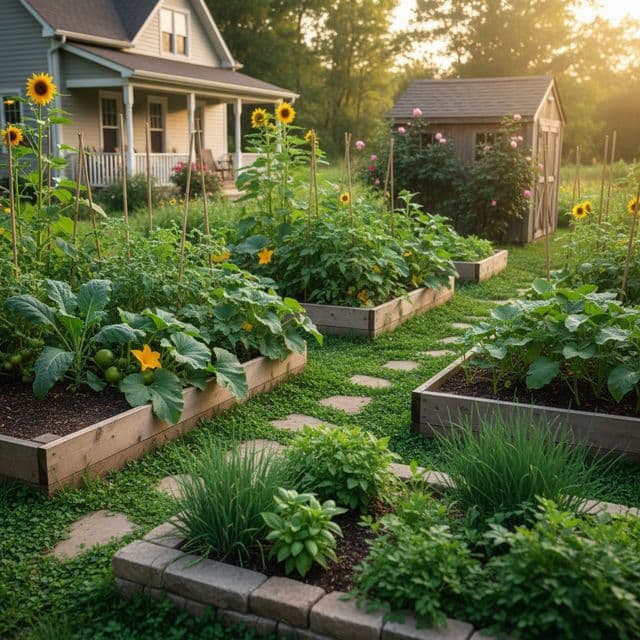
Biochar vs. charcoal: soil benefits for USDA Zone 6 gardens
The differences between biochar and grilling charcoal for garden soil, including how biochar improves soil water retention and plant health in USDA Zone 6 while avoiding additives.
Tag
366 articles in this tag on agripure. — page 14 of 16
The differences between biochar and grilling charcoal for garden soil, including how biochar improves soil water retention and plant health in USDA Zone 6 while avoiding additives.
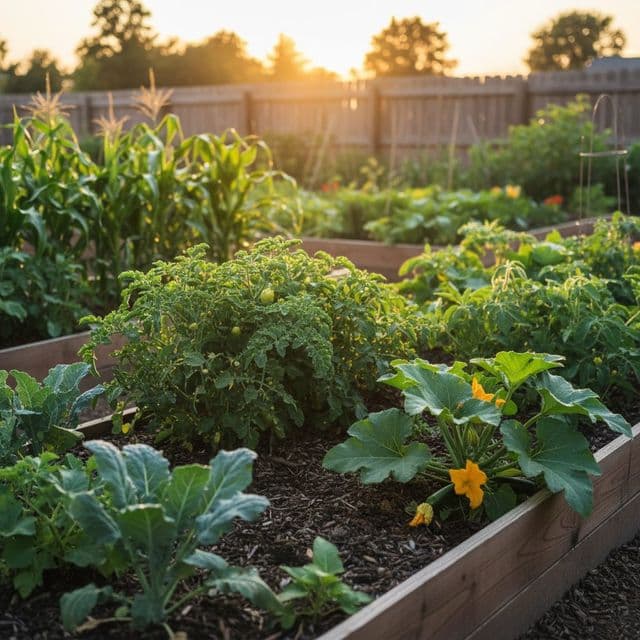
Learn how to charge biochar with compost tea or vermicompost leachate to boost soil health, water retention, and potentially increase crop yields by 10-20% in your garden.
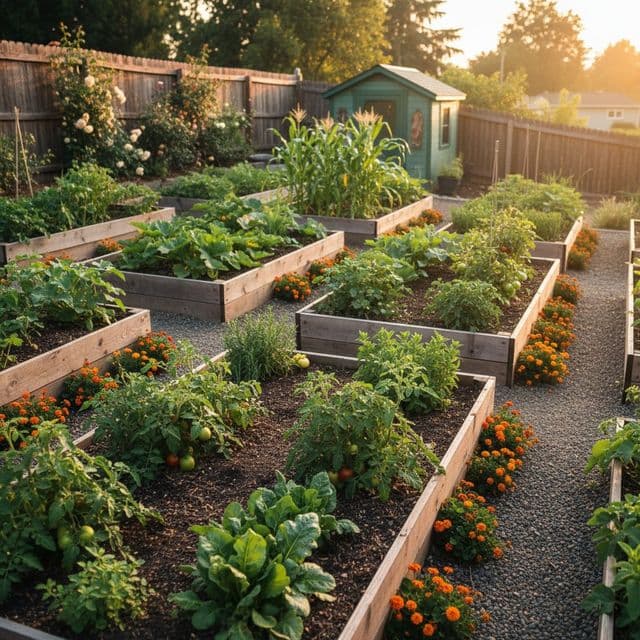
Learn to make DIY biochar from yard and wood waste. Enhance soil water retention, boost fertility, and reduce waste with this sustainable homesteading practice.
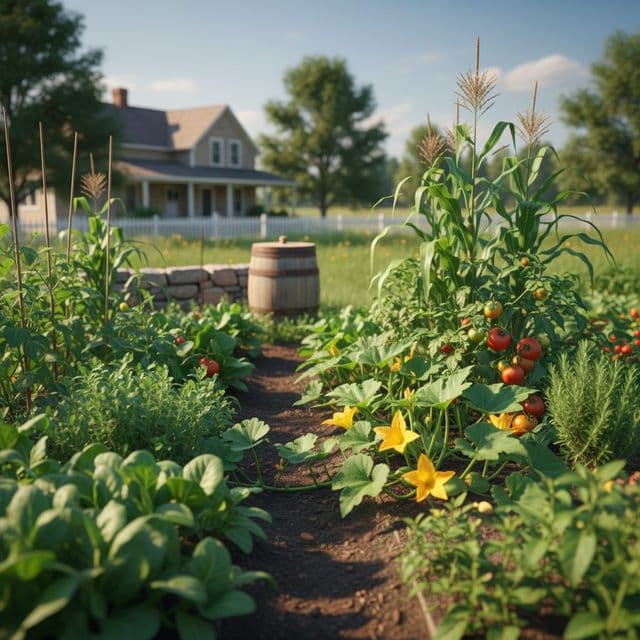
Fermented nettle and weed feeds can increase garden nitrogen by up to 20%, reduce fertilizer costs by 15%, and improve soil health. DIY liquid fertilizer.
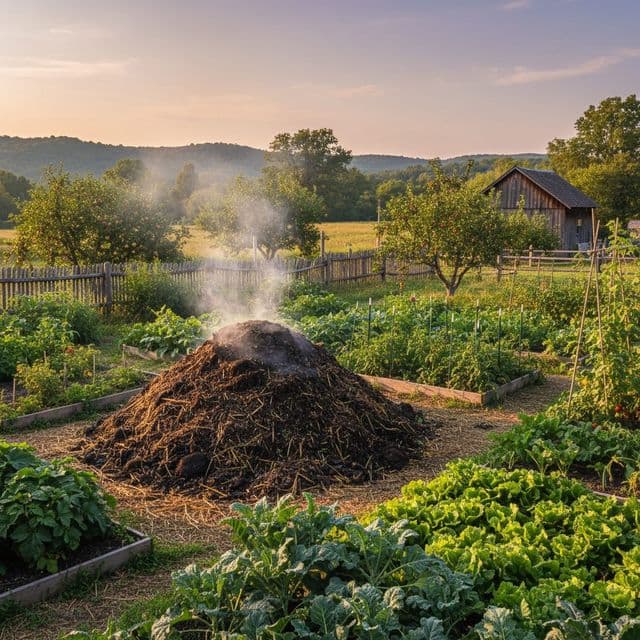
Master hot composting with the Berkeley method. Achieve 130-160°F temperatures to create nutrient-rich compost in 18 days, improving soil structure & fertility.
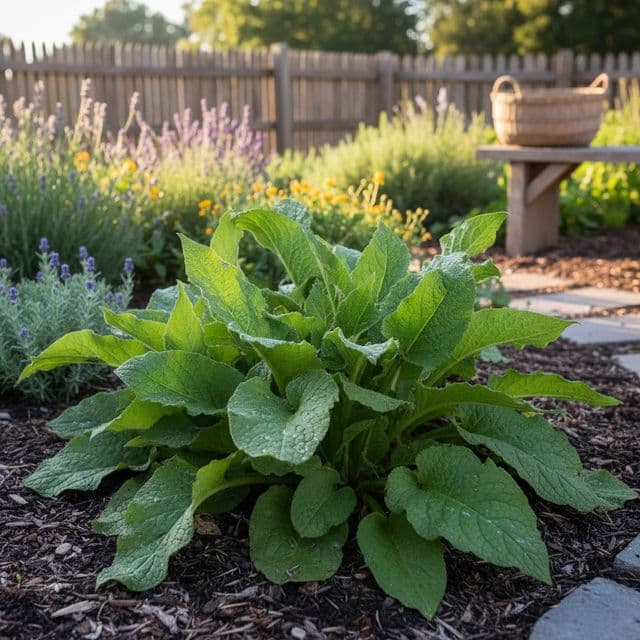
Learn to grow comfrey (Symphytum officinale) for medicinal use in USDA zones 3-9. Discover cultivation, harvesting, and safe external applications for your home apothecary.
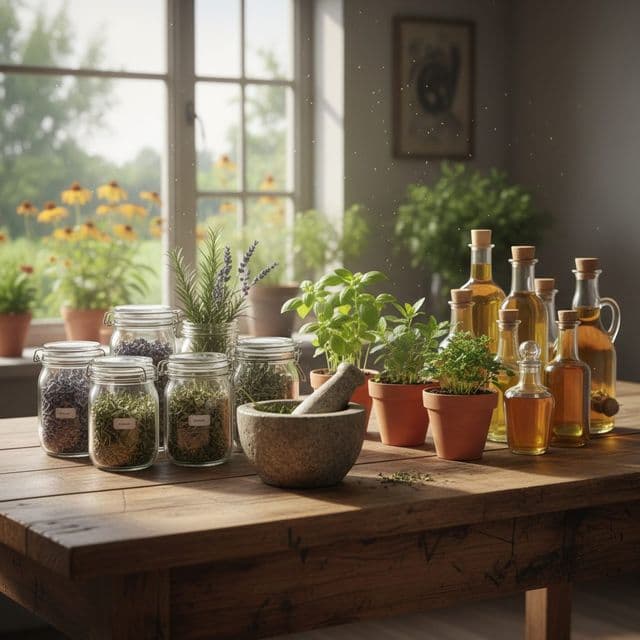
Discover how to cultivate a medicinal herb garden in USDA Zone 6 for effective home remedies. Learn to make infused honeys, oils, and syrups for wellness.
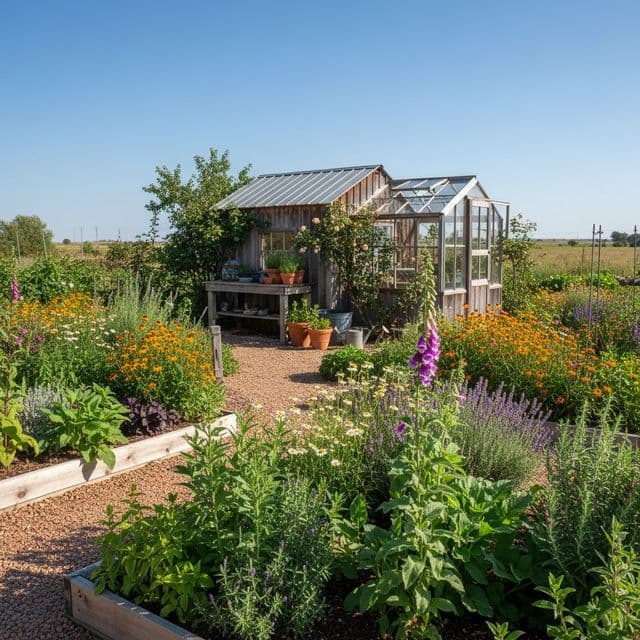
Cultivate a thriving medicinal herb garden in your backyard. Learn how to select, plant, and preserve 15+ useful species across USDA zones 4-9 for a home apothecary.
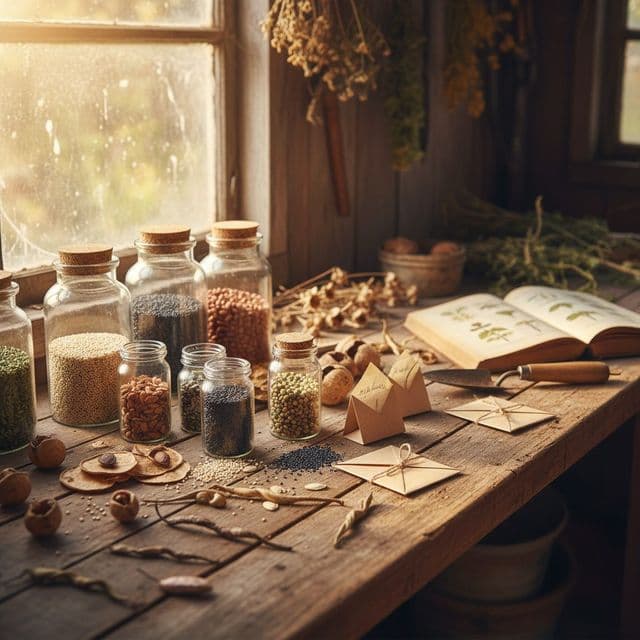
Learn essential seed saving techniques for high viability. Discover drying, storage, and germination testing methods for brassicas & other crops in USDA Zone 5.
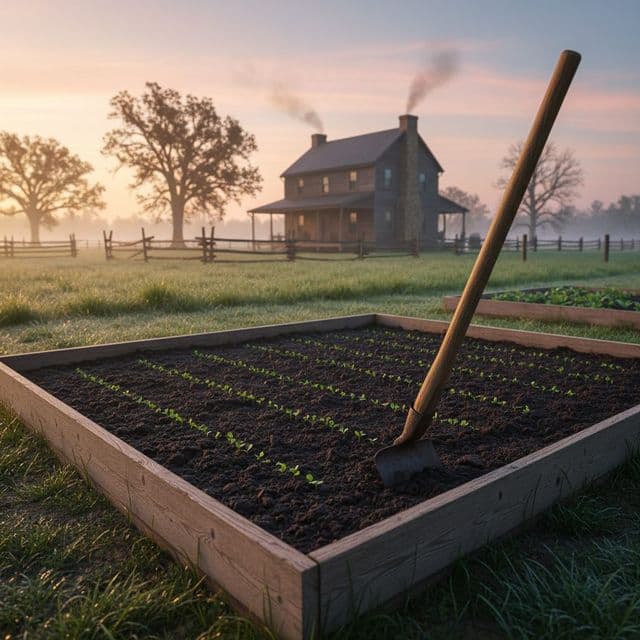
Master the stale seedbed technique for effective weed control in your US garden or farm. Learn optimal timing, methods, and how to reduce herbicide use and labor.
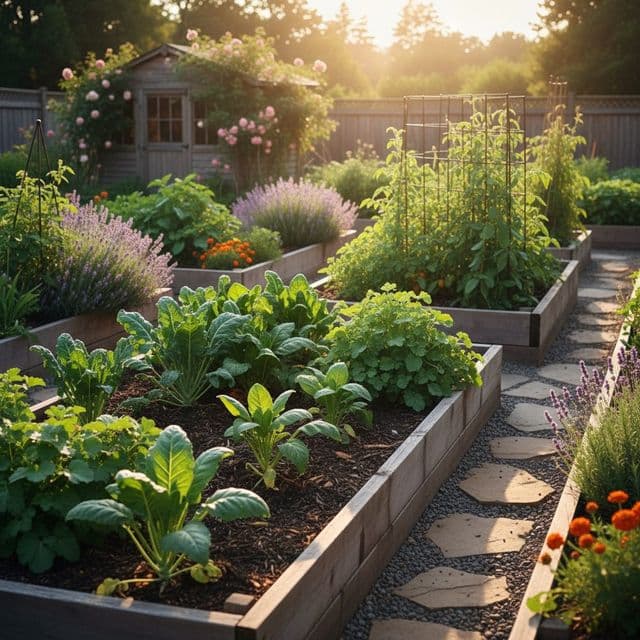
Boost your USDA Zone 6 home garden yield with 3- and 4-bed crop rotation plans. Learn how to improve soil, reduce pests, and extend harvests for a productive garden.
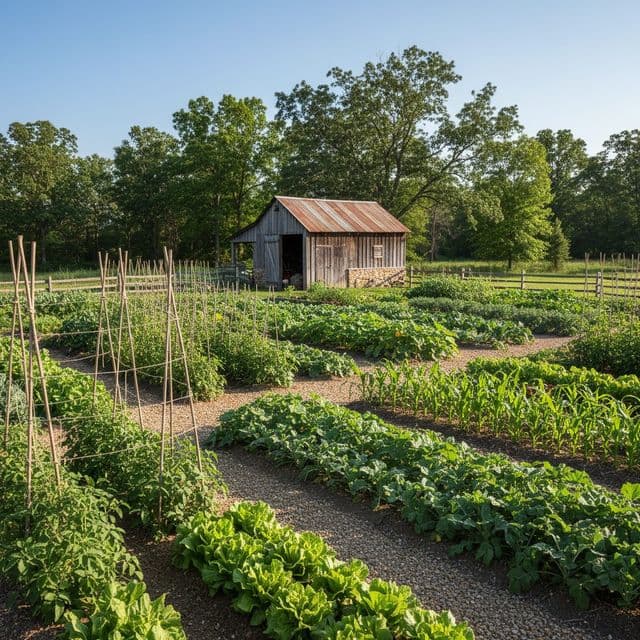
How to use USDA zones, frost dates, crop rotation, and succession planting to maintain consistent vegetable harvests across the growing season.
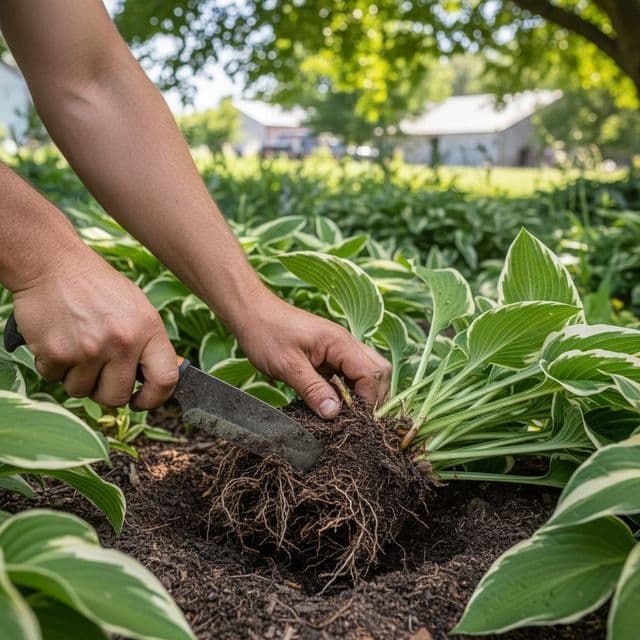
Learn how to multiply your garden stock for free by dividing perennials. Boost vigor, blooms, and save money. Essential tips for USDA Zone 6 gardeners on timing and techniques.
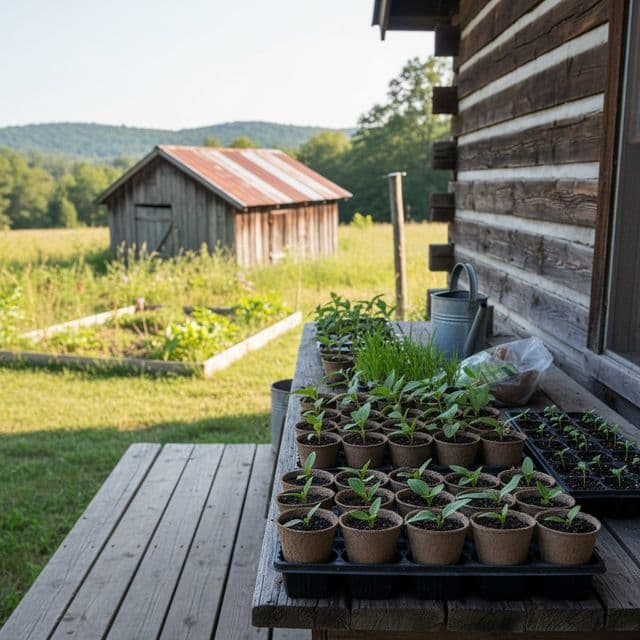
How to break seed dormancy using stratification and scarification for native US plants and fruit seeds to improve germination in USDA Zone 6 and beyond.
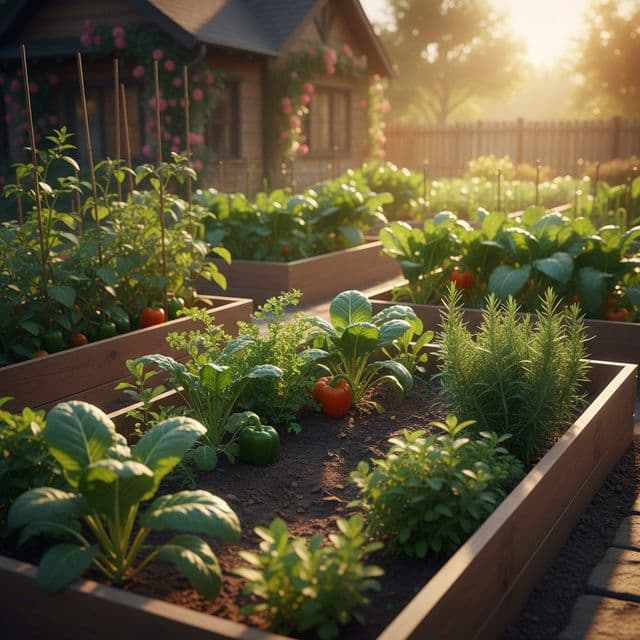
Master fruit tree pruning for pomegranates, figs, persimmons, and mulberries. Learn essential care to boost yields by 30% and maintain healthy trees in your home orchard.
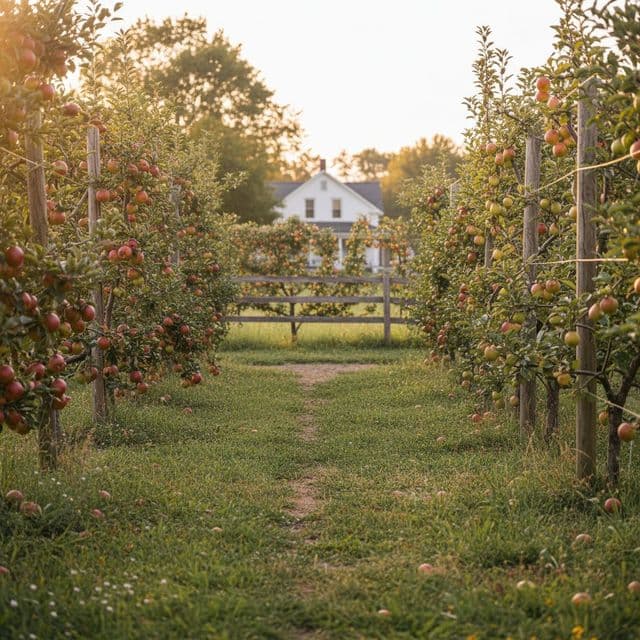
Maximize your small backyard orchard in USDA Zone 6! Learn high-density planting, espalier, and grafting to grow 10 fruit trees in just 500 sq ft for abundant harvests.
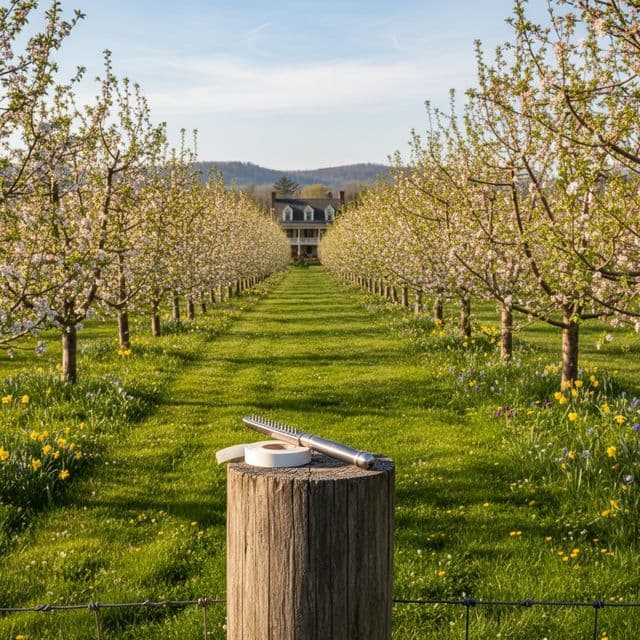
Learn whip-and-tongue, cleft, and bud grafting fruit trees at home. Master techniques for success in USDA Zone 6, ensuring strong unions & healthy orchards.
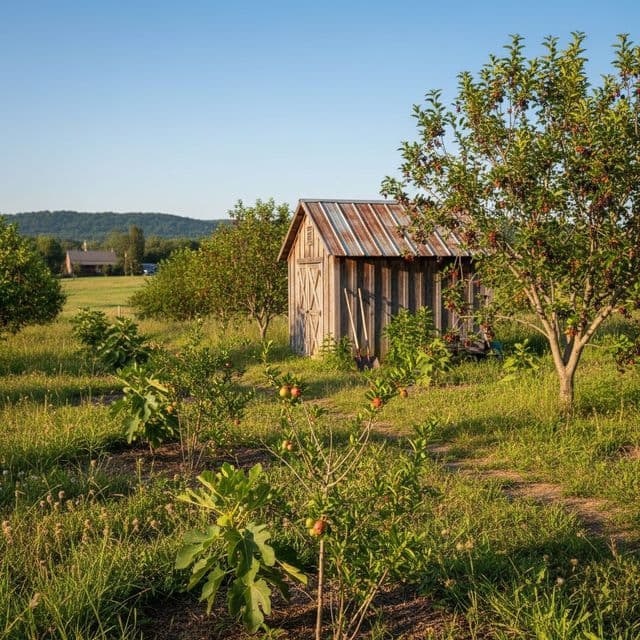
Learn to propagate fig, pomegranate, and mulberry trees from cuttings or air layering. Save up to 75% on orchard expansion costs and grow your own fruit trees in USDA zones 6-9.
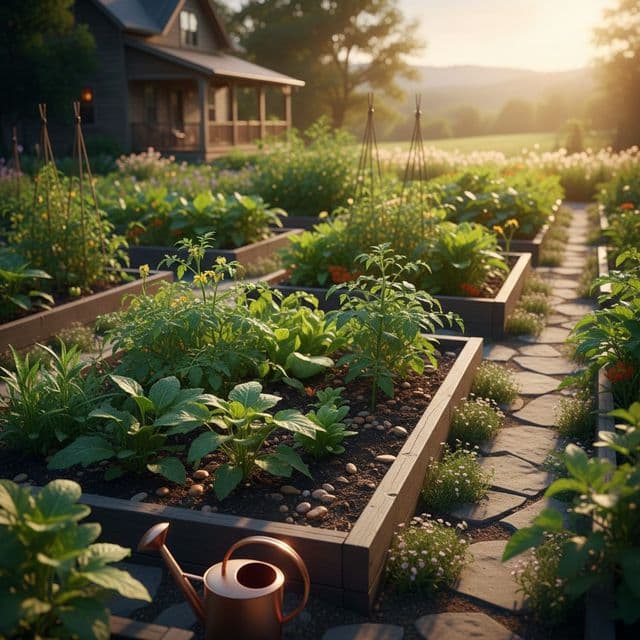
Learn organic pest control for apples in USDA zones 4-8. Manage codling moth, spotted-wing drosophila, and apple maggot with IPM, cultural practices, and traps for a healthy harvest.
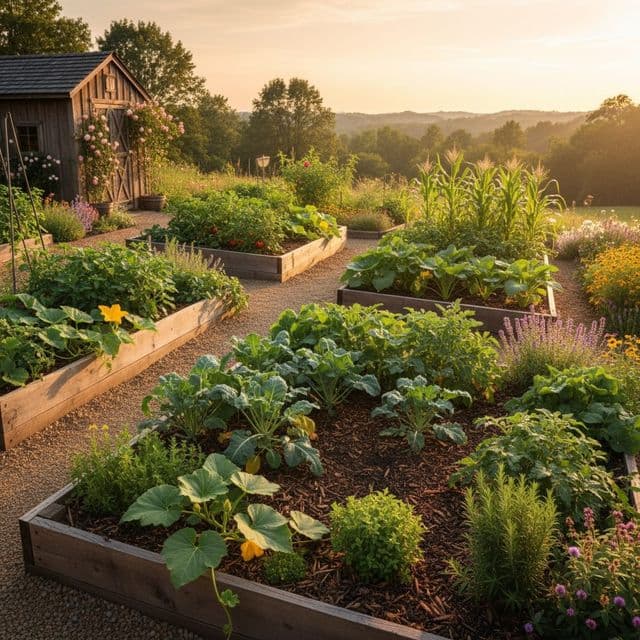
Diagnose common citrus tree problems like yellow leaves, fruit splitting, and premature drop in home orchards, identifying remedies for nutrient deficiencies, water stress, and insect pests.
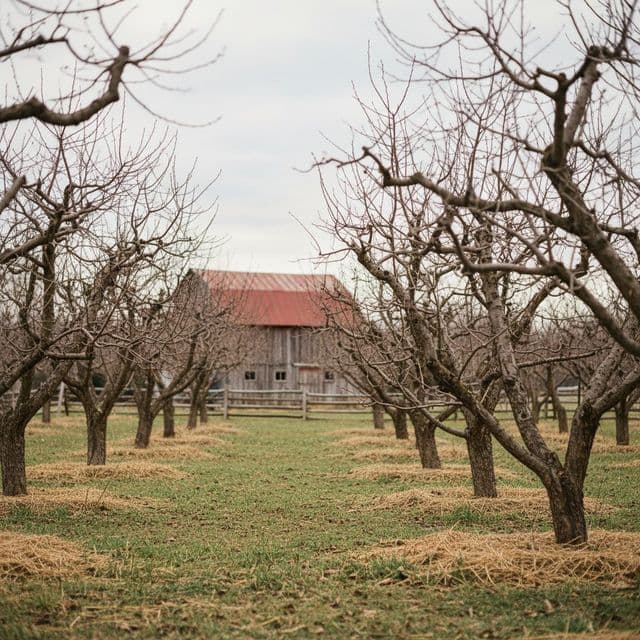
Master chill hours for fruit trees! Learn why cold temperatures are vital for stone and pome fruit in USDA zones 4-9. Select varieties for a thriving home orchard.
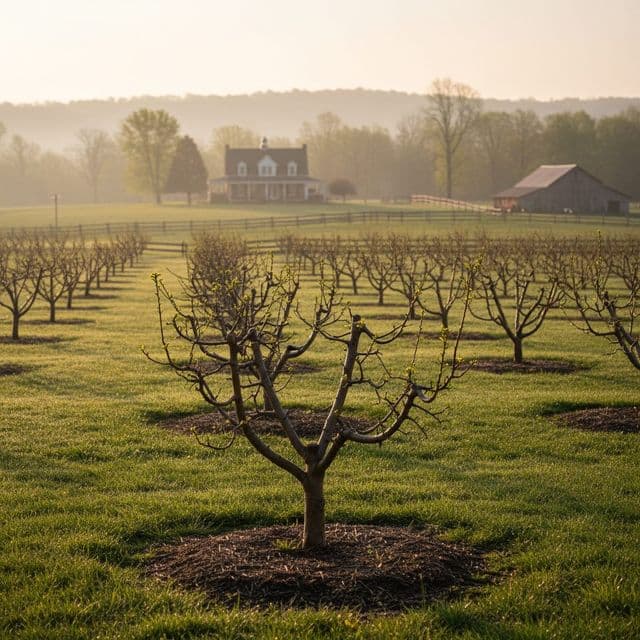
Learn formative pruning techniques for young fruit trees (years 1-3). Compare open-center vs. central-leader systems to build a strong, productive orchard in USDA zone 6.
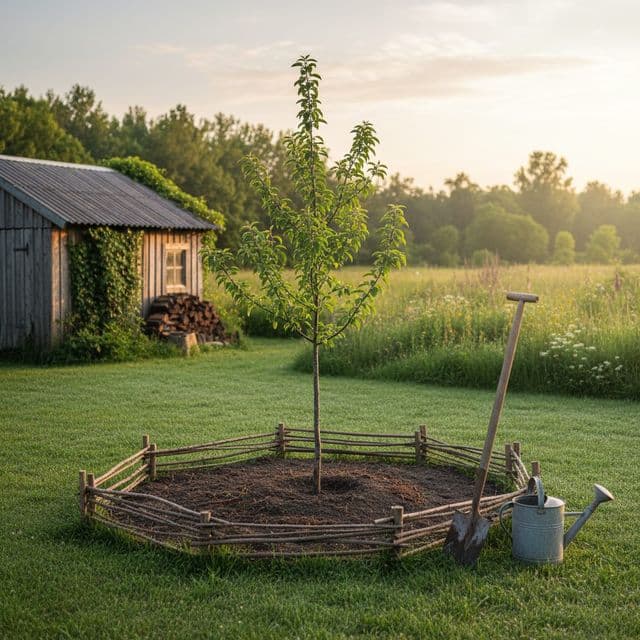
Master planting fruit trees in USDA Zone 6. Learn crucial site selection, soil preparation, correct planting depth, and first-year care for healthy, productive orchards that thrive for decades.
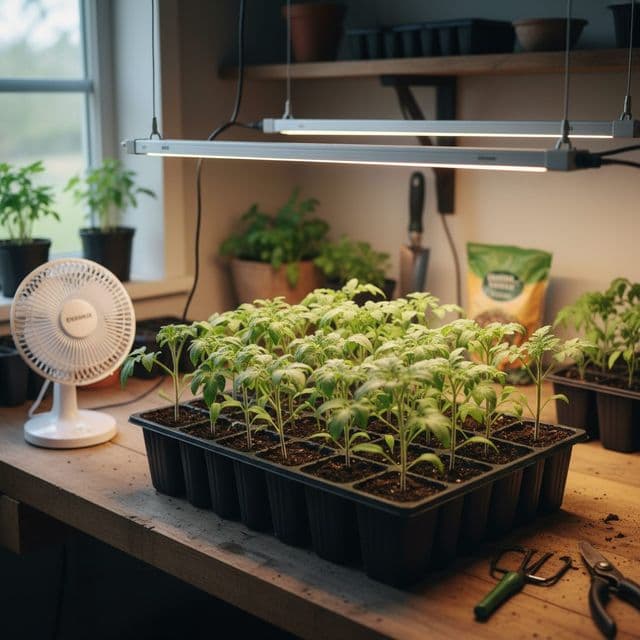
Learn to prevent damping-off and seedling failure in US spring starts for tomatoes and cucurbits. Master sanitation, moisture, and temperature for robust plant growth.