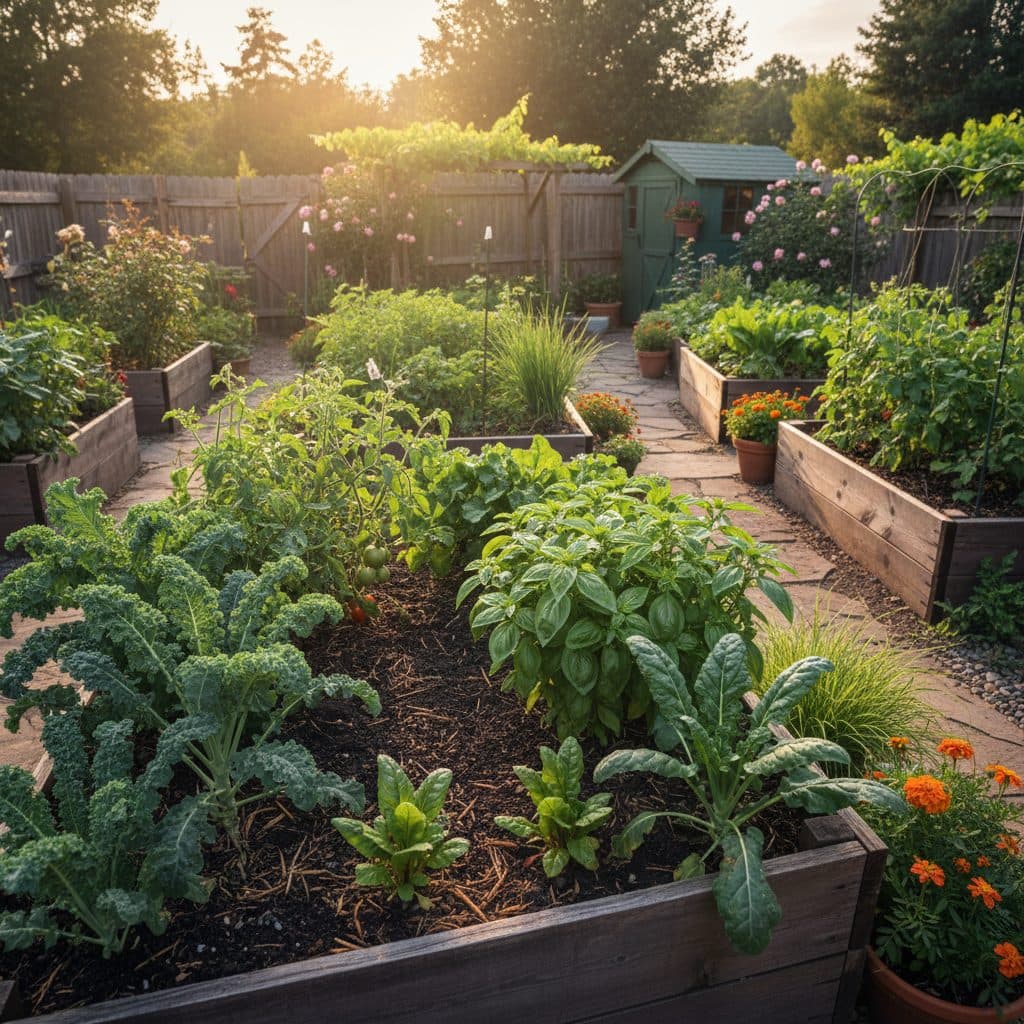
Key takeaways
- Stop fertilizing when temperatures consistently exceed 85°F for several days.
- High heat causes plants to stress, reducing their ability to absorb nutrients effectively.
- Applying fertilizer during heat can lead to nutrient burn, damaging roots and foliage.
- Focus on deep watering and mulching with 2-4 inches of organic material during heat waves.
- Improve long-term soil health with compost to enhance drought and heat resilience.
- Resume fertilization gradually once temperatures drop below 85°F for a sustained period.
Quick answer: You should pause fertilization when temperatures consistently exceed 85°F for several days, as high heat stresses plants, reduces nutrient absorption, and can lead to nutrient burn. Instead, focus on deep watering and mulching to support plant health during heat waves.
Across much of the US, from the arid Southwest to the humid Southeast, summer temperatures regularly climb past 90°F, sometimes even exceeding 100°F for extended periods. While we often think of feeding our plants to encourage growth, there are critical times when applying fertilizer can do more harm than good. During intense heat, a plant’s metabolic processes slow down significantly, making it less capable of processing added nutrients and more susceptible to stress.
Understanding when to completely pause fertilization is an important strategy for any gardener aiming for a resilient garden, particularly in USDA zones 6 through 9. This is smart management: a defined pause in activity, like fertilizing, can be essential for plant survival and long-term health, as observed in various systems [0, 3, 4]. By recognizing the signs of heat stress and adjusting your routine, you can help your garden thrive through challenging summer conditions.
The science of heat stress and nutrient uptake
When ambient temperatures consistently rise above 85°F, most garden plants begin to experience heat stress. This threshold can vary slightly by species, but for common vegetables like tomatoes and peppers, growth can slow dramatically, and pollen viability can drop by 50% or more above 90°F. High temperatures compel plants to prioritize cooling through transpiration, drawing significant amounts of water from the soil. However, their ability to absorb and metabolize nutrients from that water decreases significantly.
Applying synthetic fertilizers, especially those high in nitrogen, during these periods can exacerbate the problem. These fertilizers often contain salts that, in the absence of adequate water uptake and metabolic activity, can accumulate in the root zone. This concentration of salts can draw moisture out of the plant roots, leading to a condition known as ‘nutrient burn,’ where root cells are damaged and foliage can scorch. Research on compost and digestate properties highlights the importance of balanced nutrient availability, which is interrupted under heat stress [2].
how heat impacts plant physiology
Plants under heat stress redirect energy from growth and nutrient processing towards survival mechanisms. This includes closing stomata to conserve water, which also limits carbon dioxide intake and photosynthesis. For example, corn yields can decrease by 15% to 20% when temperatures exceed 95°F during critical growth stages. The plant’s demand for water increases by up to 25% on hot, windy days, but its capacity to utilize dissolved nutrients effectively diminishes, making additional fertilizer a burden rather than a benefit.
- Reduced photosynthesis and growth rates, often by 30% or more.
- Increased water loss through transpiration, requiring up to one inch of water daily for some plants.
- Decreased nutrient uptake efficiency, particularly for nitrogen and phosphorus.
- Damage to root cells from high soil temperatures, sometimes exceeding 100°F at the surface.
- Increased susceptibility to pests and diseases due to weakened plant defenses.
Recognizing the signs and setting thresholds
Identifying heat stress in your garden is the first step to knowing when to pause fertilization. Common signs include wilting, even after watering, and leaf scorch, where leaf margins turn brown and crispy. For instance, lettuce can bolt and turn bitter above 75°F, while beans may drop flowers if temperatures consistently exceed 85°F. Monitoring your soil moisture is also critical; a 3-in-1 Soil pH, Moisture & Light Meter can provide real-time data, showing if your plants are adequately hydrated, even when the surface soil feels dry.
A good rule of thumb is to halt all fertilization when daytime temperatures are forecast to be 85°F or higher for three or more consecutive days. For plants like tomatoes, which struggle to set fruit above 95°F, this pause might need to extend for weeks during peak summer in regions like the Central Valley of California. Even in cooler USDA zones, such as zone five, sporadic heat waves can push temperatures into the 90s, necessitating a temporary halt to nutrient applications.
visual cues for heat-stressed plants
Beyond wilting, look for specific color changes or abnormal growth. Leaves might appear dull, yellow, or even bleached in severe cases, indicating chlorophyll degradation. Young seedlings, which are particularly vulnerable, may simply stop growing or collapse. For established plants, fruit development can be stunted, or fruits may ripen prematurely and unevenly. Observing these signs in your garden, especially when temperatures are consistently above 85°F, is a clear signal to implement a fertilization pause.
- Persistent wilting: Leaves droop even in the morning or evening, despite adequate soil moisture.
- Leaf scorch: Edges or tips of leaves turn brown and crispy, often starting on older leaves.
- Stunted growth: Plants fail to grow new foliage or stems for several days or weeks.
- Flower or fruit drop: Flowers abort before setting fruit, or young fruits fall off prematurely.
- Yellowing or pale foliage: A general chlorosis, indicating nutrient lockout or severe stress, sometimes affecting 20% or more of the plant’s leaves.
What to do instead: nurturing soil and plants
During periods of extreme heat, your focus should shift from feeding to supporting your plants’ basic needs: water and protection. Deep, infrequent watering is far more effective than shallow, frequent watering. Aim to provide one to one and a half inches of water per week, delivered slowly to allow deep penetration, reaching roots up to six to eight inches down. A Soil Moisture Meter can help you gauge when the soil truly needs more water, preventing both over- and under-watering.
Mulching is another crucial strategy. Applying a two to four inch layer of organic mulch, such as straw, shredded leaves, or wood chips, around your plants can reduce soil temperature by up to 10°F and conserve soil moisture by 25% or more. This protective layer also suppresses weeds, which compete with your plants for precious water and nutrients. For instance, in USDA zone seven, mulching can extend the time between waterings by several days during a heatwave.
building soil resilience for heat and drought
Beyond immediate actions, investing in long-term soil health is paramount for climate resilience. Incorporating organic matter, like compost, into your garden beds significantly improves soil structure, water retention, and nutrient availability [3]. Soil with 5% organic matter can hold 20,000 gallons more water per acre than soil with 1% organic matter, according to the USDA Natural Resources Conservation Service [6]. While you shouldn’t apply fresh, hot compost during a heatwave, regularly amending your soil with mature compost, or even slow-release organic soil amendments like Fermented Soybean Meal (applied well before heat), builds a buffer against future stress.
- Deep watering: Provide one to one and a half inches of water per week, reaching six to eight inches deep.
- Apply mulch: Use two to four inches of organic mulch to cool soil and retain moisture.
- Provide shade: Use shade cloth or temporary structures to reduce direct sun exposure by 30-50%.
- Avoid cultivation: Minimize disturbing the soil, which can damage roots and release moisture.
- Monitor soil moisture: Use a soil moisture meter to ensure plants are adequately hydrated.
When the heat breaks: resuming fertilization and long-term resilience
Once temperatures consistently drop below 85°F for several consecutive days, and your plants show signs of recovery—new growth, less wilting—you can gradually resume your fertilization schedule. Start with a lighter application, perhaps 50% of the recommended dose, to avoid shocking the plants. Opt for slow-release organic fertilizers, which provide nutrients gradually and are less likely to cause burn than synthetic options. For example, a balanced organic granular fertilizer with a N-P-K ratio of 5-5-5 can be a good choice for general garden recovery.
For long-term resilience against future heat and drought, focus on building strong soil health. Annually incorporating one to two inches of high-quality compost into your garden beds can dramatically improve soil structure, microbial activity, and water retention. Compost with a carbon-to-nitrogen ratio of approximately 30:1 is ideal for promoting healthy soil biology [2]. This practice enhances the soil’s capacity to buffer against environmental extremes, making your plants more self-sufficient.
strategies for a heat-resilient garden
Beyond soil amendments, consider planting heat-tolerant varieties suitable for your specific USDA zone. For instance, in USDA zone eight, some okra varieties can thrive in 100°F heat, while certain sweet potato cultivars are highly drought-tolerant. Improving air circulation around plants by proper spacing, allowing at least 18 inches between mature plants, can also help dissipate heat and reduce humidity, lowering the risk of fungal diseases that often follow heat stress. Planning for partial afternoon shade for vulnerable plants can also reduce direct sun exposure by 40% during the hottest parts of the day.
- Gradual reintroduction: Start with 50% of the normal fertilizer dose after temperatures drop below 85°F.
- Choose slow-release: Opt for organic, slow-release fertilizers with balanced N-P-K ratios.
- Regular compost application: Amend soil with one to two inches of compost annually to improve structure.
- Plant heat-tolerant varieties: Select species known to thrive in your region’s summer temperatures.
- Ensure proper spacing: Allow at least 18 inches between plants for good air circulation.
Fertilizer Response to Heat Stress
Fertilizer Type | Impact During Heat (above 85°F) | Recommended Action |
|---|---|---|
Synthetic Granular (e.g., 10-10-10) | High risk of nutrient burn due to salt accumulation and reduced water uptake. Can damage roots by 20-30%. | Pause entirely. Resume only after sustained cooler temperatures. |
Organic Liquid (e.g., fish emulsion) | Lower risk of immediate burn, but still places metabolic stress on plants. Can cause 10-15% stress. | Pause entirely. If absolutely necessary, dilute to 25% strength and apply in early morning. |
Compost Tea | Generally safer, but still adds microbial activity that requires plant energy. May offer 5% benefit. | Pause or apply very sparingly (half strength) in very early morning or late evening. |
Compost/Manure (fresh) | Can ‘burn’ plants due to heat generated during decomposition. Soil temperatures can rise by 5-10°F. | Never apply fresh compost or manure during heat waves. Incorporate well before heat stress. |
Critical Temperature: Many garden plants experience significant stress when ambient temperatures consistently exceed 85°F for more than three days, impacting growth by up to 30%.
Soil Organic Matter: Increasing soil organic matter by just one percent can improve water retention by up to 20,000 gallons per acre, as reported by the USDA Natural Resources Conservation Service [6].
Frequently asked questions
What temperature is too hot for fertilizing?
It is generally too hot to fertilize when daytime temperatures consistently exceed 85°F for more than two or three consecutive days. At these temperatures, plants are under significant stress and cannot effectively absorb nutrients, leading to potential nutrient burn.
Can fertilizing in heat kill plants?
Yes, fertilizing during extreme heat can kill plants. High concentrations of fertilizer salts, especially from synthetic products, can draw moisture out of plant roots, causing severe damage or death. This risk increases significantly above 90°F.
How long should I pause fertilizing?
You should pause fertilizing until temperatures drop below 85°F for several consecutive days, ideally for at least three to five days. Monitor your plants for signs of recovery, such as new growth, before gradually reintroducing nutrients.
What if I already fertilized during a heatwave?
If you’ve already fertilized during a heatwave, water your plants deeply and thoroughly to help dilute any concentrated nutrients in the soil. This can help flush away excess salts and reduce the risk of nutrient burn by up to 40%.
Are organic fertilizers safer in heat?
While organic fertilizers are generally less prone to immediate chemical burn than synthetics, they still require plant metabolic activity to break down and absorb. It’s best to pause all fertilization, including organic options, when temperatures are consistently above 85°F to avoid adding stress.
References
- Defined Repeat Activity Until Rule Cessation Pause Quantity (2020). Defined Repeat Activity Until Rule Cessation Pause Quantity.
- Compost and digestate properties when used in fertilizing products (2023). Compost and digestate properties when used in fertilizing products.
- Compost and digestate properties when used in fertilizing products (2023). Compost and digestate properties when used in fertilizing products.
- When Governors Flip, Boards Pause (2026). When Governors Flip, Boards Pause.
- Pause (2025). Pause.
- USDA Natural Resources Conservation Service (2024). USDA Natural Resources Conservation Service.