Key takeaways
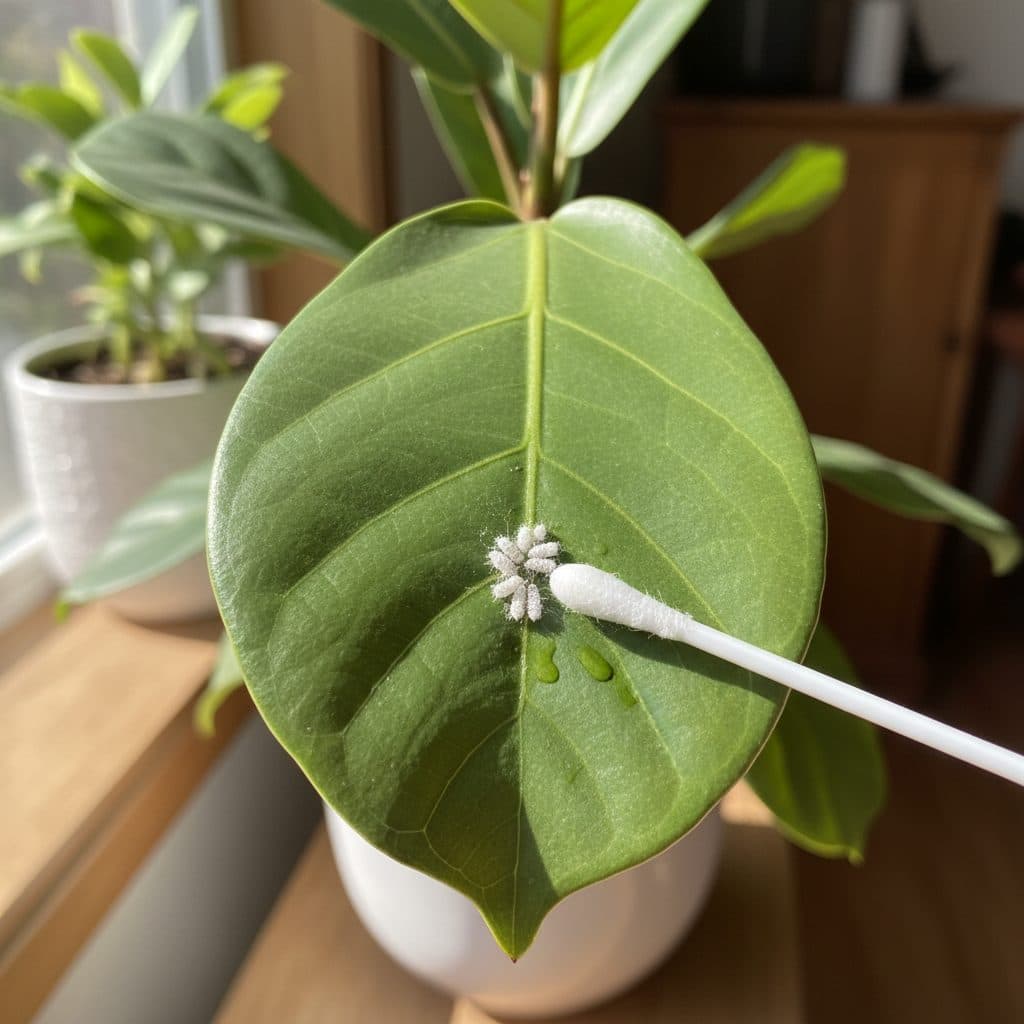
- Mealybugs are soft-bodied insects, often appearing as white, cottony masses on plant stems and leaf axils, causing stunted growth and honeydew production.
- A 70% isopropyl alcohol solution can be applied directly to individual mealybugs using a cotton swab, offering immediate, targeted control.
- Horticultural oils, including neem oil or mineral oil, smother mealybugs and their eggs, applied as a spray at concentrations like 1-2 tablespoons per gallon of water.
- Always test alcohol or oil solutions on a small, inconspicuous part of the plant first to check for adverse reactions within 24-48 hours.
- Consistent monitoring and repeated treatments every 7-10 days are crucial for breaking the mealybug life cycle, which can last 2-4 weeks.
- Good plant hygiene, including inspecting new plants and maintaining proper watering and humidity, significantly reduces mealybug infestations.
Quick answer: Mealybugs on citrus and houseplants can be controlled using 70% isopropyl alcohol applied directly or as a diluted spray, and horticultural oils like neem oil, which smother the pests. Consistent monitoring and repeated treatments are essential for effective management.
In many homes across the United States, from the humid climate of Florida (USDA zone 9) to the drier air of Arizona (USDA zone 8), mealybugs pose a persistent threat to houseplants and citrus trees. These small, sap-sucking insects can quickly multiply, weakening plants and leaving behind sticky honeydew. A 1978 study noted the challenge mealybugs presented to houseplant enthusiasts and the need for effective control methods [1].
As growers, we often seek practical, low-impact solutions to pest problems. For mealybugs, two common household substances — rubbing alcohol and horticultural oils — offer reliable control when used correctly. This guide outlines how to deploy these tools, grounded in decades of grower experience and research, to protect your plants, whether it’s a lemon tree in a USDA zone 10 orchard or a philodendron on a windowsill in Ohio.
Understanding the mealybug threat
Mealybugs are unarmored scale insects, typically 0.05 to 0.2 inches long, covered in a white, waxy, cottony substance. They thrive by sucking sap from plant tissues, leading to stunted growth, yellowing leaves, and eventual plant decline. In Florida citrus groves, the citrus mealybug (Planococcus citri) has been a recognized pest for over a century, with early records from 1922 describing its impact [2]. You’ll often find them clustered in leaf axils, along stems, or on the undersides of leaves, particularly on citrus, gardenias, and common houseplants like African violets or succulents. Their sticky excretions, known as honeydew, can also lead to the growth of sooty mold, further impeding photosynthesis and plant health. A single female mealybug can lay 100-600 eggs over a period of 10-20 days, making rapid population growth a significant concern for growers.
Identifying early signs of infestation
Early detection is key to preventing widespread damage. Regularly inspect your plants, especially new additions or those moved indoors for winter in regions like USDA zone 6. Look for small, white, fuzzy spots that resemble cotton, often clustered in protected areas. A slight stickiness on leaves or nearby surfaces is another strong indicator of honeydew production. If you see ants crawling on your plants, they might be ‘farming’ mealybugs for their honeydew, signaling an infestation. Addressing the problem when populations are small, perhaps fewer than 10 insects per plant, is far more manageable than tackling a large outbreak.
- Small, white, cottony masses on stems or leaves.
- Sticky residue (honeydew) on foliage or surfaces below the plant.
- Stunted plant growth or yellowing leaves.
- Presence of ants on the plant, often attracted to honeydew.
- Deformed new growth or leaf drop in severe cases.
Rubbing alcohol: a quick, targeted strike
Isopropyl rubbing alcohol, commonly found in household medicine cabinets, is an effective contact insecticide for mealybugs. Its mechanism is simple: it dissolves the waxy coating that protects mealybugs, leading to dehydration and death. For most applications, a 70% isopropyl alcohol solution is recommended. Higher concentrations, such as 91%, can be too harsh and may cause phytotoxicity, burning plant tissues, especially on delicate foliage. A 1978 study on houseplant pest control confirmed the utility of alcohol for direct application [1]. Always ensure good ventilation when using alcohol, especially in enclosed spaces like a small greenhouse or sunroom.
Application methods and precautions
For small infestations or individual mealybugs, dip a cotton swab or a soft cloth in 70% isopropyl alcohol and directly dab each visible insect. This method is precise and minimizes exposure to the rest of the plant. For larger infestations, you can prepare a spray solution: mix 1 part 70% isopropyl alcohol with 1 part water, adding a few drops of mild liquid soap as a surfactant to help the solution spread and stick. Spray this mixture onto affected areas, ensuring thorough coverage. Before widespread application, always test the solution on a small, inconspicuous part of the plant and wait 24-48 hours to observe any adverse reactions. Some plants, particularly those with fuzzy leaves or delicate tissues, may be more sensitive. Repeat treatments every 5-7 days for 2-3 weeks to target newly hatched nymphs, as alcohol does not kill eggs effectively.
- Use 70% isopropyl alcohol, not higher concentrations.
- Apply directly to individual mealybugs with a cotton swab.
- For sprays, dilute 1:1 with water and add a few drops of soap.
- Always perform a spot test on a small leaf before full application.
- Repeat treatments every 5-7 days for optimal control.
Horticultural oils: a broader, smothering defense
Horticultural oils, including neem oil and refined mineral oils, work by smothering soft-bodied insects like mealybugs, blocking their breathing pores (spiracles). This physical mode of action makes it difficult for pests to develop resistance, a common issue with synthetic pesticides. Neem oil, derived from the neem tree (Azadirachta indica), also offers some insecticidal and anti-feeding properties due to compounds like azadirachtin. Mineral oils, often labeled as dormant oil or all-season oil, are highly refined petroleum products. These oils are typically mixed with water and a small amount of emulsifier (often built into the product) to create a sprayable solution. Application rates vary, but a common starting point is 1-2 tablespoons of concentrate per gallon of water, which provides a 0.5% to 1% solution.
Proper mixing and application for coverage
When preparing an oil spray, always follow the product label instructions carefully, as concentrations can vary. Mix the oil concentrate thoroughly with water in a sprayer, ensuring it’s well emulsified. A typical 1-gallon sprayer will require 1-2 tablespoons of oil concentrate. Spray plants until they are thoroughly wet, covering all surfaces where mealybugs might hide, including stems, leaf undersides, and crevices. The goal is complete coverage to ensure every insect and egg is coated. In citrus orchards, applying horticultural oils has been a long-standing practice for pest management, including mealybugs [5]. Avoid applying oils during the hottest part of the day or when temperatures exceed 90°F, as this can increase the risk of phytotoxicity. Similarly, do not apply to plants that are water-stressed. Repeat applications every 7-14 days are often necessary to control newly hatched nymphs and break the pest’s life cycle. For long-term soil health, consider incorporating organic gardening soil practices.
- Use horticultural oils like neem oil or mineral oil.
- Mix 1-2 tablespoons of concentrate per gallon of water.
- Spray thoroughly, covering all plant surfaces.
- Avoid application during high heat (above 90°F) or on stressed plants.
- Repeat treatments every 7-14 days for ongoing control.
Combining strategies for effective control
For persistent mealybug infestations, an integrated approach combining both alcohol and oil treatments often yields the best results. This strategy, part of a broader Integrated Pest Management (IPM) plan, leverages the strengths of each method. Alcohol provides immediate knockdown for visible pests, while oils offer a broader, residual smothering effect on eggs and hidden nymphs. For instance, you might start by dabbing visible mealybugs with a 70% alcohol-soaked cotton swab, then follow up 2-3 days later with a full-plant spray of horticultural oil. This two-pronged attack can significantly reduce pest populations within a 2-week period. Regular monitoring, perhaps twice a week, will help you identify new outbreaks quickly and adjust your treatment schedule.
Cultural practices and monitoring
Beyond direct treatments, maintaining optimal plant health helps prevent and manage mealybugs. Healthy plants are more resilient to pest attacks. Ensure your plants receive adequate light, appropriate watering, and proper nutrition. For example, over-fertilizing with nitrogen can lead to lush, soft growth that is more attractive to sap-sucking insects. Using organic gardening fertilizer can promote balanced growth. In a greenhouse setting, maintaining proper humidity and air circulation can deter pests; consider greenhouse climate control to optimize conditions. Regularly wipe down leaves with a damp cloth to remove dust and interrupt any developing pest colonies. Quarantining new plants for at least 3-4 weeks before introducing them to your main collection can prevent bringing in new pests. A 2004 study highlighted the importance of early detection and integrated methods for citrus mealybug control [3].
- Alternate alcohol spot treatments with full-plant oil sprays.
- Monitor plants twice weekly for new signs of infestation.
- Maintain proper watering, light, and nutrient levels.
- Quarantine new plants for 3-4 weeks to prevent spread.
- Wipe leaves regularly to remove dust and interrupt pests.
Preventative measures and long-term care
The best defense against mealybugs is a strong offense through consistent preventative measures. Regular plant inspections are paramount. Make it a habit to check the undersides of leaves, stem joints, and new growth every time you water your plants, perhaps once every 7-10 days. This vigilance allows you to catch infestations when they are small, involving only a few insects, which are much easier to manage than a full-blown outbreak. For new plants, especially those purchased from nurseries or received as gifts, a mandatory 3-4 week quarantine period in a separate room can prevent the introduction of pests to your existing collection. This simple step can save you significant time and effort in the long run.
Maintaining plant vigor and environment
A healthy plant is inherently more resistant to pest pressures. Ensure your plants receive adequate light, consistent watering, and appropriate nutrients. For instance, a citrus tree in USDA zone 9 with proper soil and sun exposure will be more resilient than one struggling in poor conditions. Using Fermented Soybean Meal Organic Fertilizer can contribute to robust plant health. Avoid over-fertilizing with high-nitrogen feeds, which can promote soft, succulent growth that is particularly attractive to sap-sucking insects. Maintaining good air circulation around plants and wiping down leaves periodically can also deter pests. For outdoor plants, encouraging beneficial insects like ladybugs and lacewings can provide a natural layer of protection, as a single ladybug can consume dozens of mealybugs daily. The USDA Natural Resources Conservation Service emphasizes the role of healthy ecosystems in pest management [6].
- Inspect plants weekly, focusing on leaf undersides and new growth.
- Quarantine all new plants for 3-4 weeks before integration.
- Provide optimal light, water, and balanced nutrition for plant vigor.
- Avoid excessive nitrogen fertilization, which can attract pests.
- Promote good air circulation and periodically wipe plant leaves clean.
Alcohol vs. Horticultural Oils for Mealybug Control
Feature | Rubbing Alcohol (70%) | Horticultural Oils |
|---|---|---|
Mechanism | Dissolves waxy coating, dehydrates pest | Smothers pest and eggs by blocking spiracles |
Target | Visible individual mealybugs, nymphs | Mealybugs, nymphs, and eggs |
Speed of Action | Immediate contact kill (within minutes) | Slower, takes hours to days to kill |
Application | Cotton swab for spot treatment, or 1:1 diluted spray | Full coverage spray (e.g., 1-2 tbsp per gallon) |
Phytotoxicity Risk | Moderate, especially on delicate or fuzzy leaves | Moderate, higher in heat or on stressed plants |
Frequency | Every 5-7 days for 2-3 weeks | Every 7-14 days for 2-3 applications |
Alcohol Concentration: Using 70% isopropyl alcohol is generally safe and effective; higher concentrations like 91% can cause plant burn in over 30% of sensitive species.
Oil Application Window: Avoid applying horticultural oils when temperatures exceed 90°F or fall below 40°F to minimize plant stress and potential damage.
Quarantine Period: Quarantining new plants for at least 3-4 weeks can prevent the introduction of up to 90% of new pest infestations into your existing collection.
Frequently asked questions
How often should I treat my plants for mealybugs with alcohol or oil?
For alcohol, repeat treatments every 5-7 days for 2-3 weeks to catch newly hatched nymphs. For horticultural oils, apply every 7-14 days for 2-3 applications, ensuring thorough coverage to break the mealybug life cycle, which can last 2-4 weeks.
Can I use dish soap instead of horticultural oil?
While mild liquid soap can be added to alcohol or oil solutions as a surfactant, using dish soap alone as a primary treatment is not recommended. Dish soaps often contain degreasers and other additives that can strip plant waxes, causing damage to over 40% of plant species.
Will alcohol or oil harm my plant?
Both alcohol and horticultural oils can cause phytotoxicity if not used correctly. Always test a small, inconspicuous area of the plant first and wait 24-48 hours. Avoid applying oils in temperatures above 90°F or on water-stressed plants to reduce risk by up to 50%.
What if mealybugs keep coming back?
Persistent mealybug issues often indicate a need for more consistent monitoring and integrated strategies. Ensure you are treating all parts of the plant, including crevices, and consider a 3-4 week quarantine for any new plants to prevent re-infestation.
Are these methods safe for edible plants like citrus?
Yes, both alcohol and horticultural oils are generally considered safe for edible plants, including citrus, when used according to label directions. Always wash produce thoroughly before consumption, even if organic methods were used, to remove any residue.
References
- Mealybug Control on Houseplants, 1978 (1980). Mealybug Control on Houseplants, 1978.
- Natural control of the citrus mealybug in Florida / (1922). Natural control of the citrus mealybug in Florida /.
- CONTROL OF CITRUS MEALYBUG USING ARENA WSG, 2004 (2005). CONTROL OF CITRUS MEALYBUG USING ARENA WSG, 2004.
- Citrus Mealybug Control, 1977 (1978). Citrus Mealybug Control, 1977.
- Citrus Mealybug Control, 1978 (1979). Citrus Mealybug Control, 1978.
- USDA Natural Resources Conservation Service (2024). USDA Natural Resources Conservation Service.