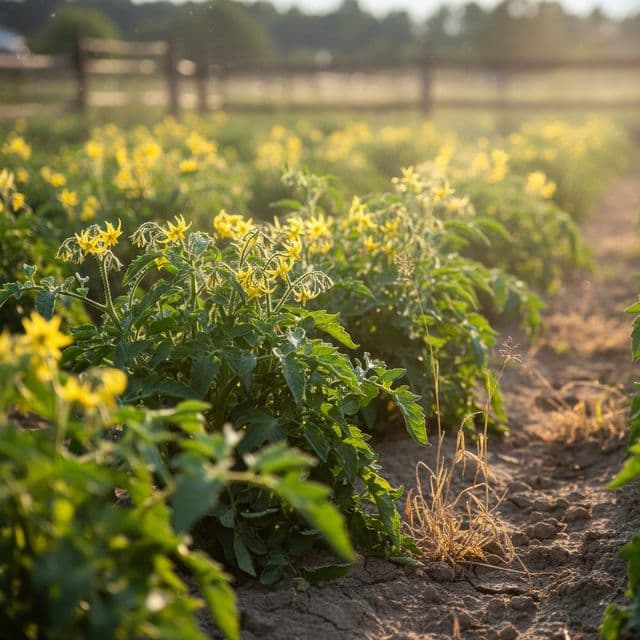
Tomato & Cucurbit Fruit Set Failure: Heat Stress Above 90°F
Discover why tomatoes & cucurbits fail to set fruit above 90°F. Learn how heat stress impacts pollen, pollinators, and what cultural practices can save your harvest.
Tag
366 articles in this tag on agripure. — page 15 of 16
Discover why tomatoes & cucurbits fail to set fruit above 90°F. Learn how heat stress impacts pollen, pollinators, and what cultural practices can save your harvest.
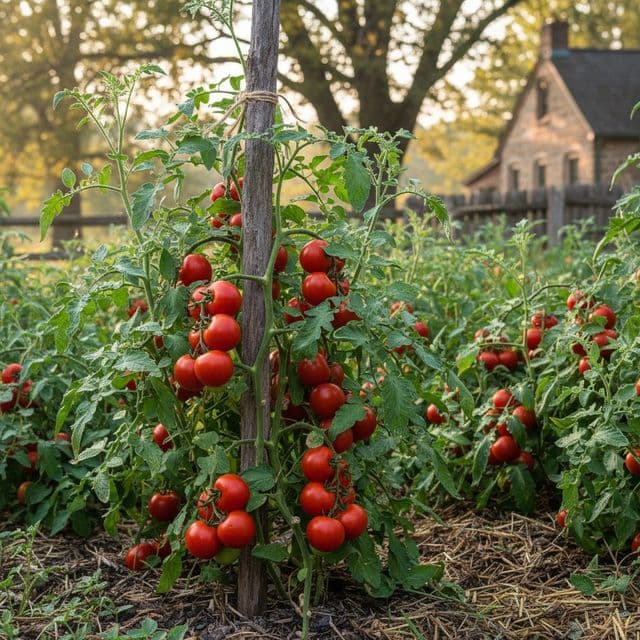
How to protect tomato crops from blights, wilts, and leaf spots using organic cultural methods, resistant varieties, and preventative sprays.
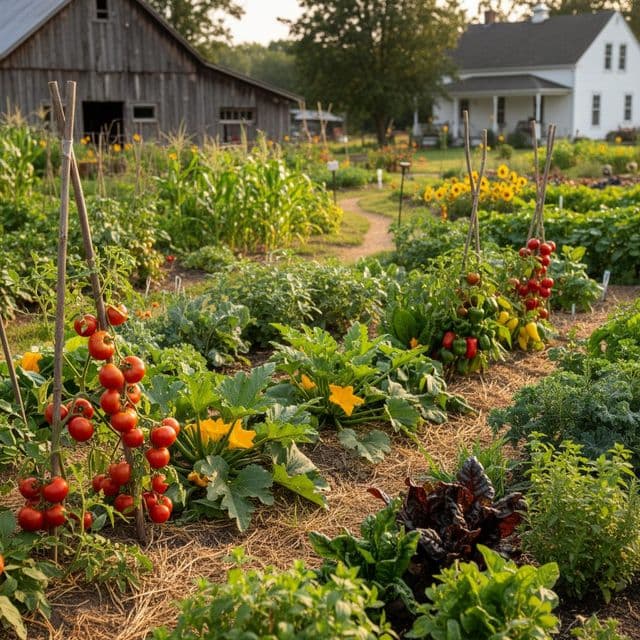
Explore microbial and biological biocontrols for sustainable pest management in US agriculture. Learn about Bt, nematodes, and IPM strategies for healthier crops and soil.
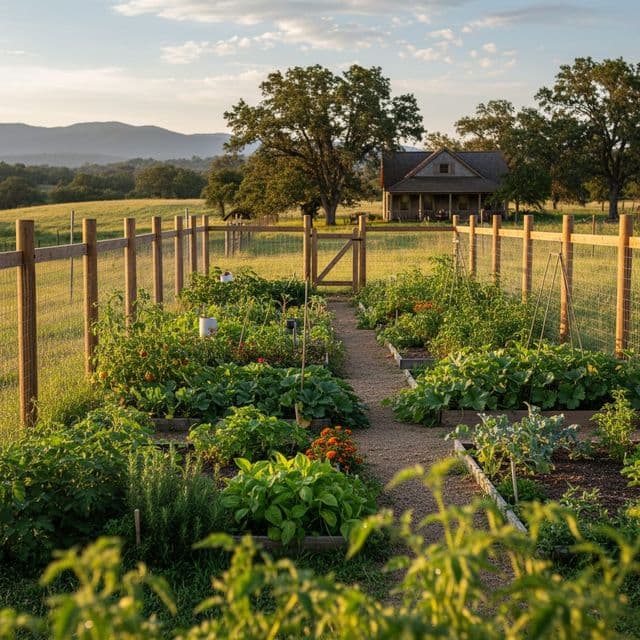
Protect your USDA Zone 6 garden from deer, rabbits, and voles with organic pest control methods. Learn about IPM, physical barriers, repellents, and habitat modification for effective, humane manag…
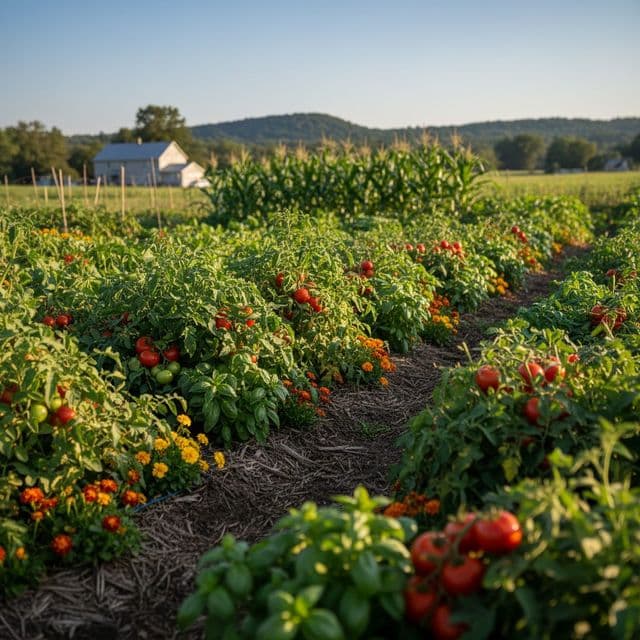
How plant pairings, companion planting, and trap cropping reduce garden pests by up to 30% in US gardens using organic methods.
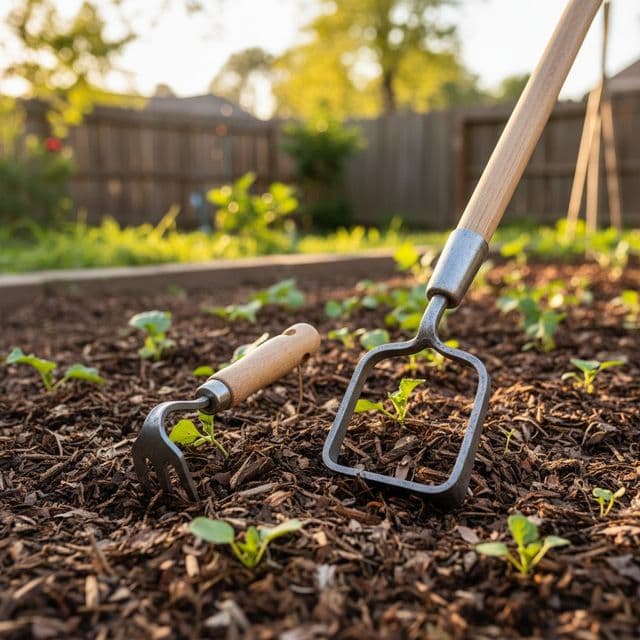
Learn effective organic weed management techniques for US gardens, paths, and lawns. Discover glyphosate-free strategies for prevention, mechanical removal, and targeted treatments.
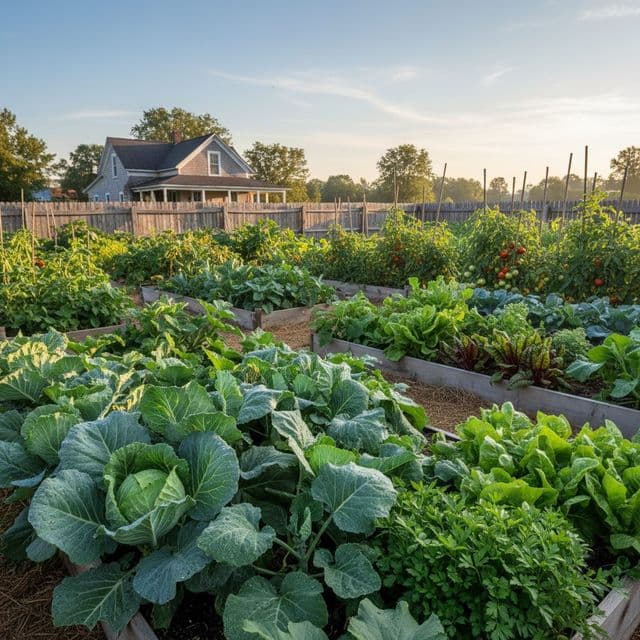
Learn effective, chemical-free strategies for organic pest control of slugs, snails, and ants in USDA Zone 6. Protect your garden with IPM methods.
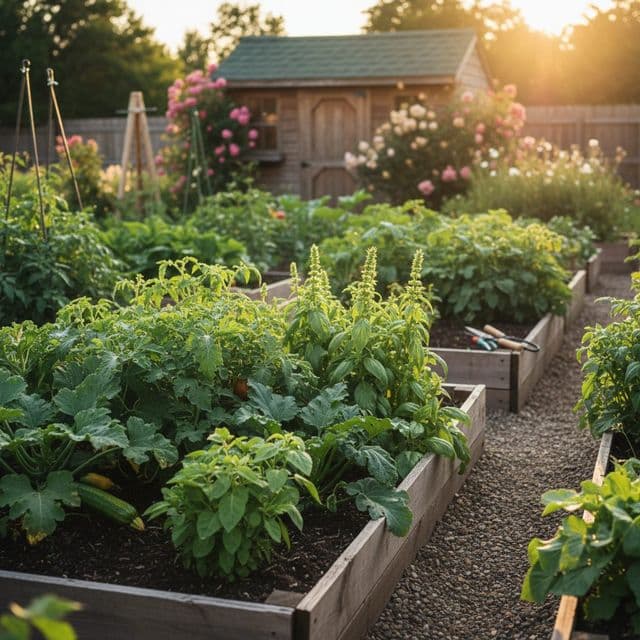
Learn organic plant disease control for your US garden. This symptom-to-cause guide helps diagnose and treat issues like tomato blight in USDA zone 6 with sustainable methods.
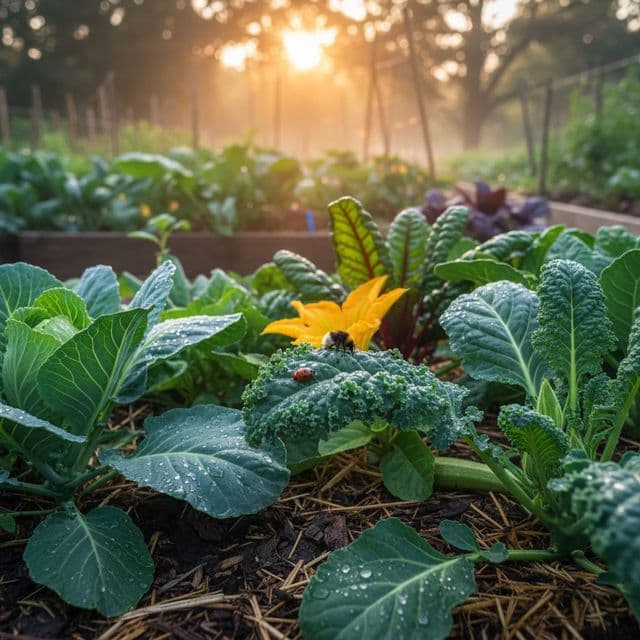
Master organic pest control for hornworms and squash bugs in your USDA Zone 6 vegetable garden. Learn IPM strategies, prevention, and natural treatments for common garden pests.
Master organic pest control for soft-bodied pests like aphids, whiteflies, and spider mites. Learn IPM strategies, natural remedies, and how to foster beneficial insects for a thriving garden.
How beneficial insects provide natural pest control, reducing garden pests by up to 75%. Learn to attract and identify predatory and parasitoid species for an organic garden.
Learn Integrated Pest Management (IPM) for home gardens. Reduce pesticide use by combining prevention, monitoring, and biological controls for a healthier, thriving garden.
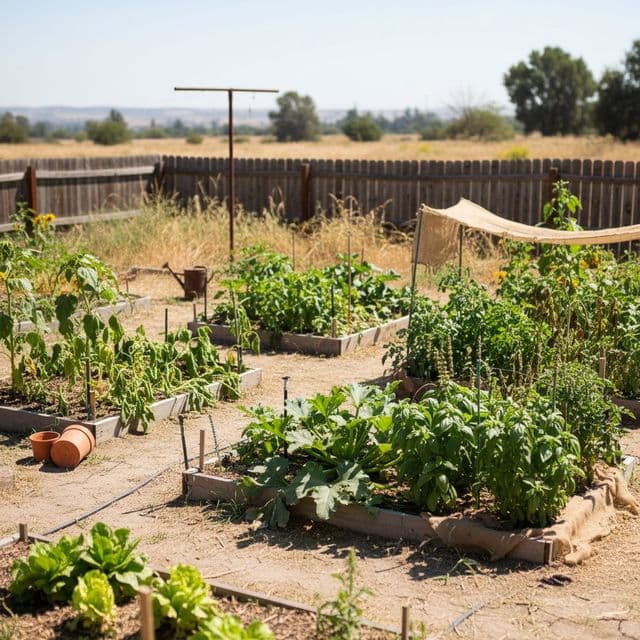
Learn how to adapt your summer fertilizer strategy for extreme heat and drought. Maintain healthy tomato yields in USDA zones 6-9 by optimizing soil health, nutrient uptake, and watering.
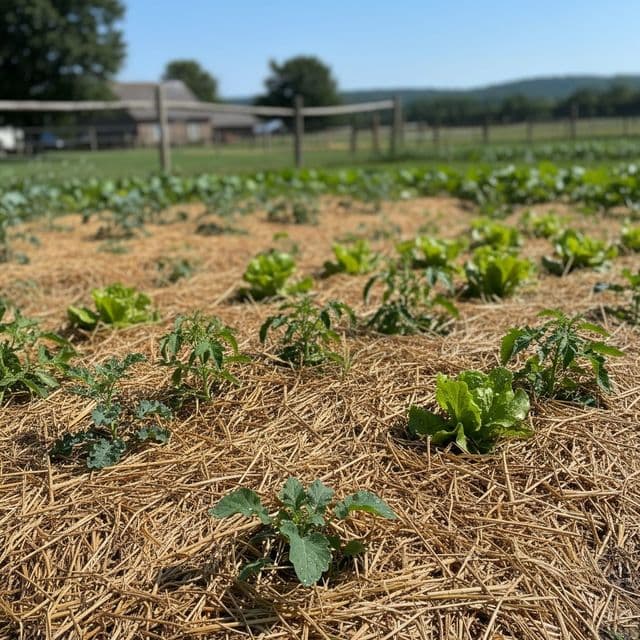
Discover effective mulching strategies to conserve soil moisture in the arid US Southwest. Learn how organic and inorganic mulches reduce evaporation, suppress weeds, and regulate soil temperature…
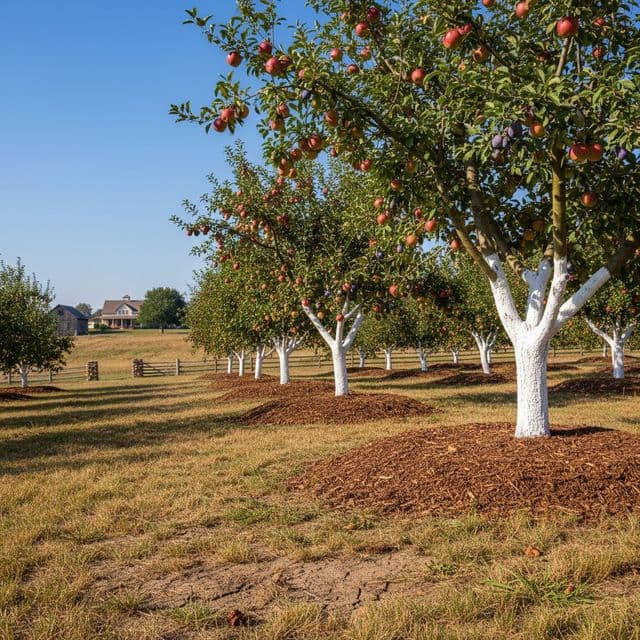
Learn essential strategies for protecting fruit trees from heatwaves and drought in the US Southwest. Implement proactive measures, irrigation, and soil health for climate-resilient orchards.
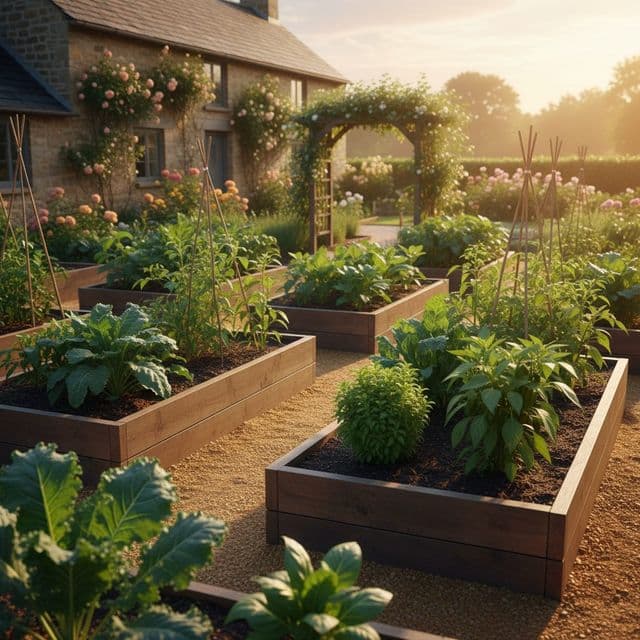
Learn to xeriscape your food garden for resilience in USDA Zone 7. Reduce water use by 50-75% with smart planning, soil improvement, and drought-tolerant edibles.
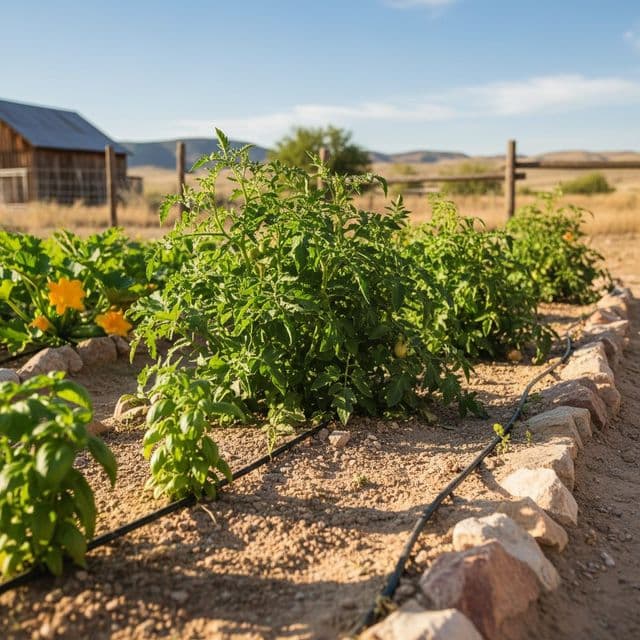
Strategies for soil improvement, water management, and drought-tolerant crops to manage sandy, light, or rocky soils in US gardens.
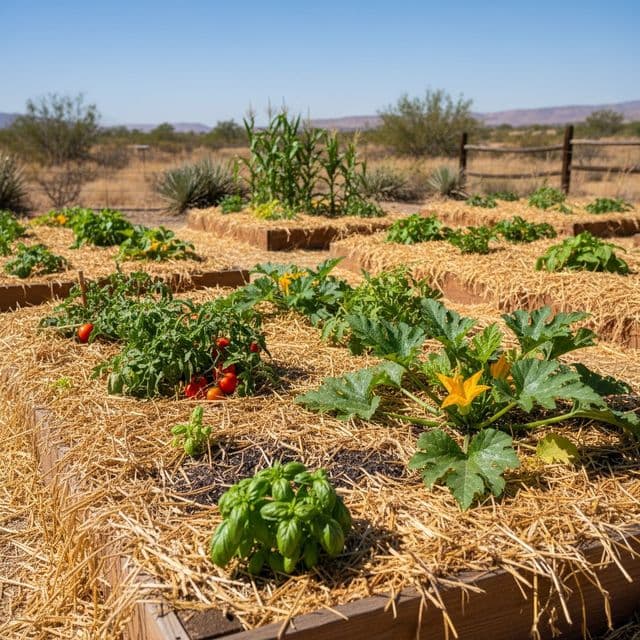
Discover how to grow resilient, heat-tolerant crops like sweet potatoes and okra in hot US summers, even with temperatures over 100°F. Learn strategies for drought and poor soil.
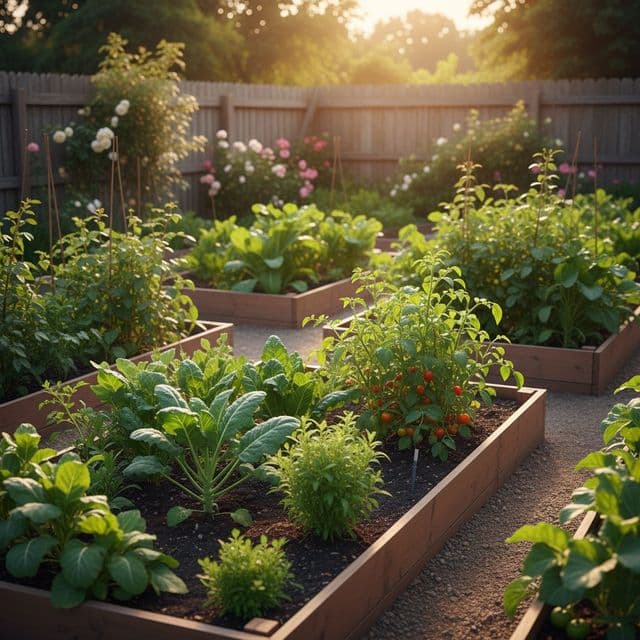
Rescue wilting plants in USDA Zone 7 gardens with moisture management, shading, and soil health practices to handle heat stress and build drought resilience.
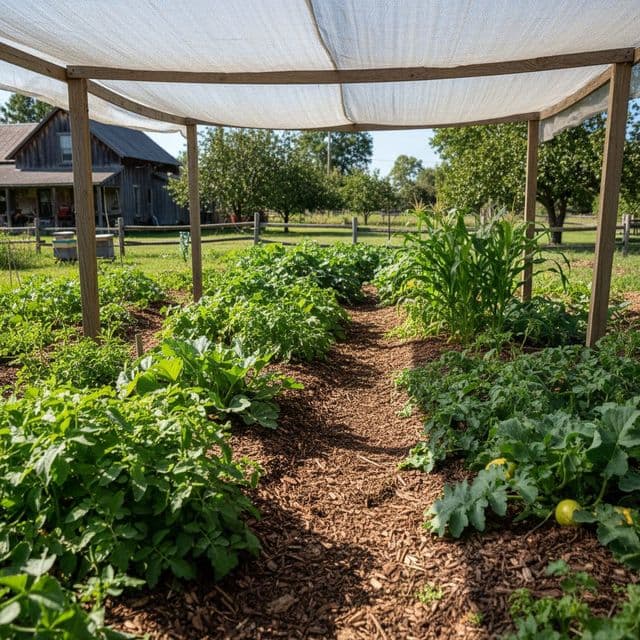
Prepare a USDA Zone 6 vegetable garden for extreme heat and drought with strategies for soil health, water efficiency, and heat-tolerant plant selection.
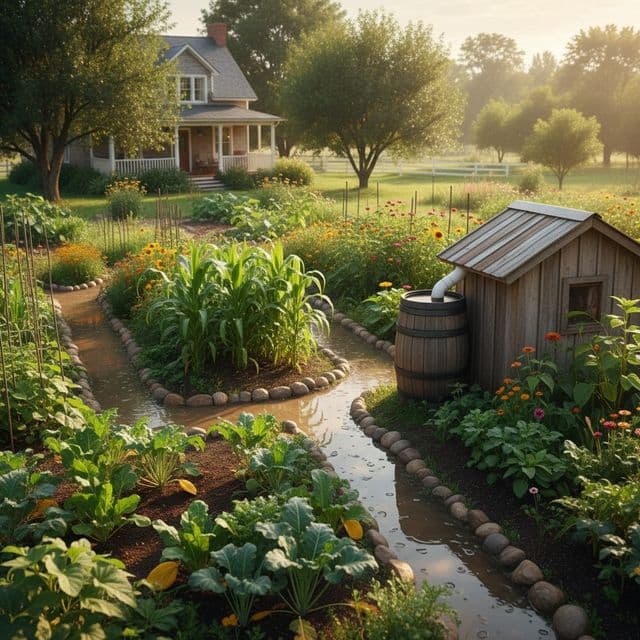
Learn effective strategies for waterlogged soil management in the Ohio River Valley and beyond. Improve drainage, boost crop resilience, and transform challenging sites with earthworks, wicking bed…
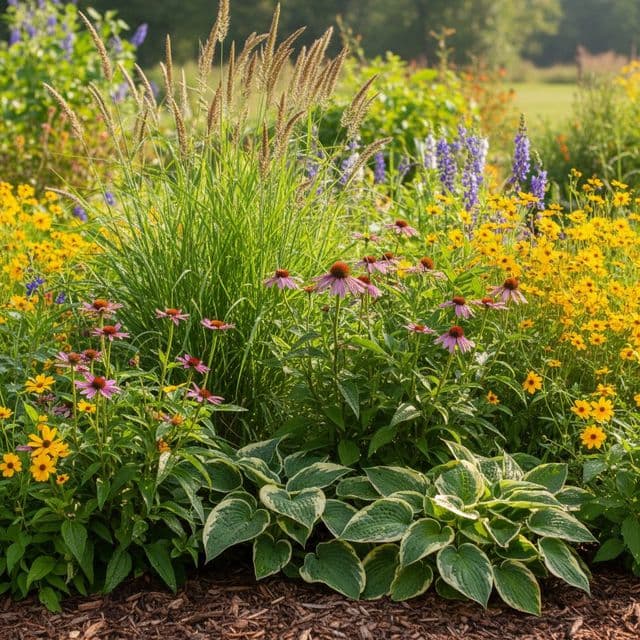
Discover how rain gardens capture 70-90% of roof runoff, prevent yard flooding, and filter pollutants. Learn to design and build a rain garden for effective stormwater management on your homestead.
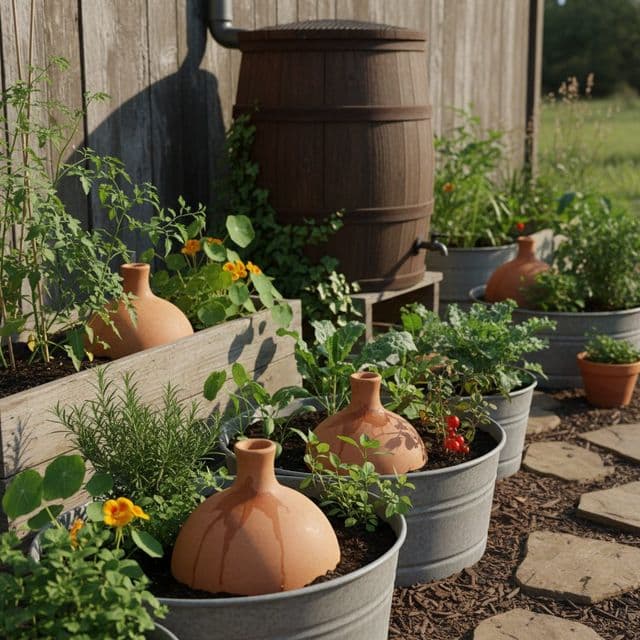
Keep container gardens hydrated for weeks with ollas and wicking beds. Learn how these passive irrigation methods reduce watering frequency, ensuring plant health with less effort.
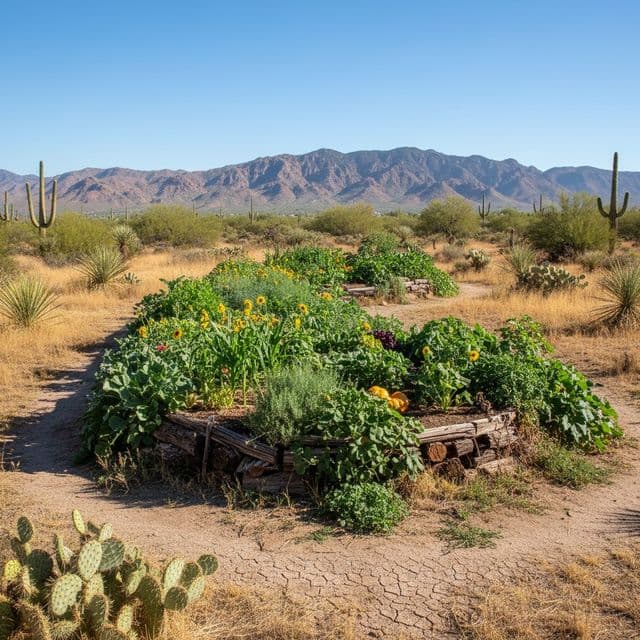
How buried wood beds retain moisture, improve soil, and reduce irrigation in hot, dry US climates like the Southwest.