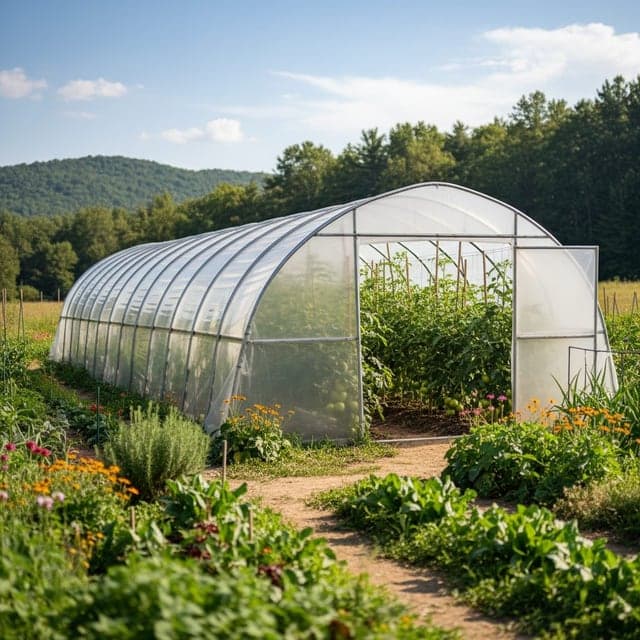
Greenhouse Tomato Pollination: Maximize Fruit Set
Maximize greenhouse tomato fruit set in USDA Zone 6 with expert tips on pollination, temperature, humidity, and water management. Learn manual and bee pollination techniques for higher yields.
Tag
491 articles in this tag on agripure. — page 13 of 21
Maximize greenhouse tomato fruit set in USDA Zone 6 with expert tips on pollination, temperature, humidity, and water management. Learn manual and bee pollination techniques for higher yields.
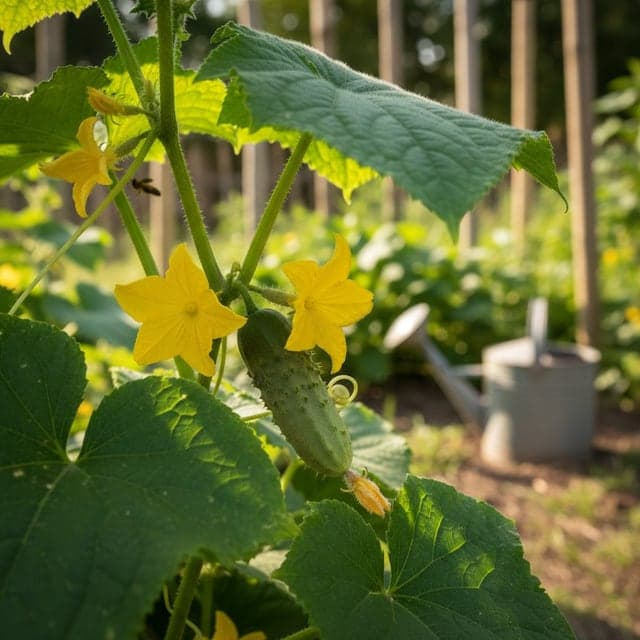
Hand-pollinate cucumbers, cantaloupes, and watermelons accurately: avoid ruining parthenocarpic greenhouse cultivars ('Diva', 'Socrates'), hit the 6–10 AM window before >90–95°F sterility, deliver…
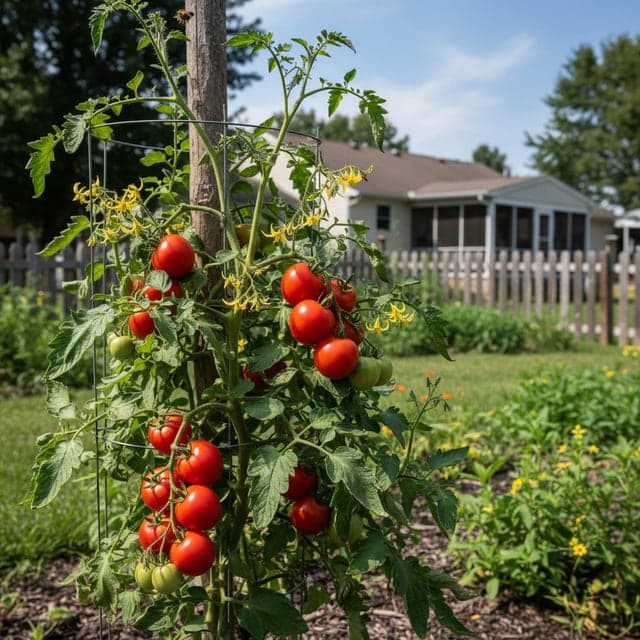
Boost tomato and pepper yields by 15-30% with hand-pollination. Master the electric toothbrush method & optimize conditions for a successful harvest in USDA Zone 6.
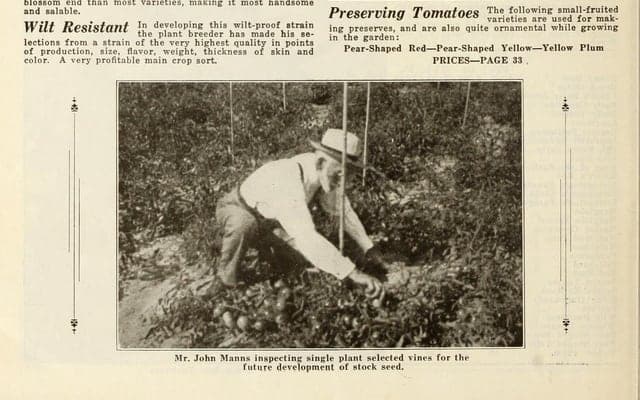
Decode US tomato seed-catalog resistance codes grounded in Cornell Vegetable MD Online and ASTA standards: VFN, FFF, TSWV, TYLCV, Ph-2/Ph-3 late blight stacks, HR vs. IR labels, heirloom grafting,…
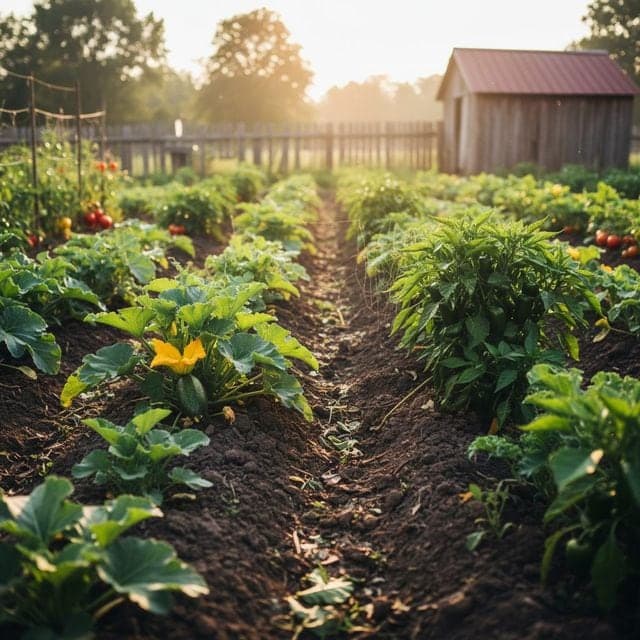
How biofungicides like Trichoderma and mycorrhizal fungi protect plants from root diseases in USDA Zone 7, reducing chemical use and supporting soil health.
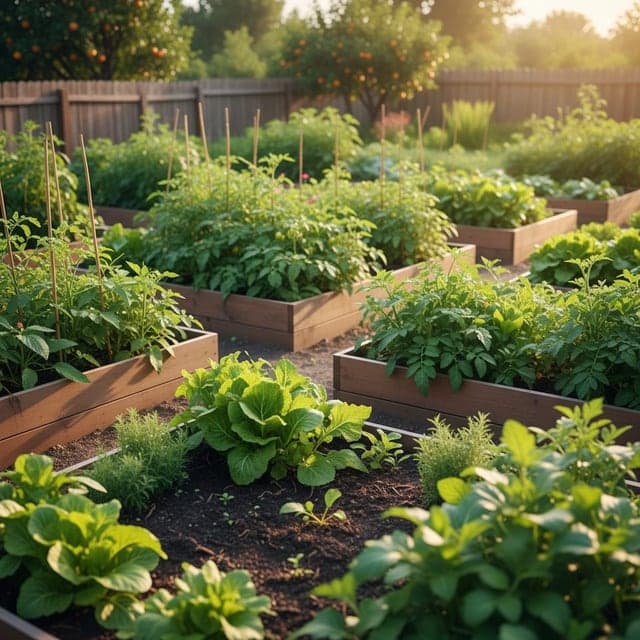
Verify Japanese beetle anal raster ID before buying milky spore (Paenibacillus popilliae). Extension data on 60–70°F soil limits, Zone 4–5 failures, 2–5 year lag, 4-ft grid vs. spreader calibration…
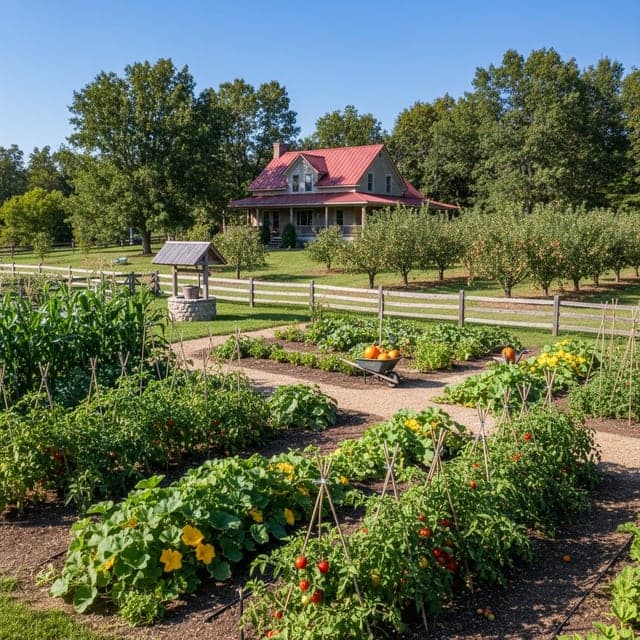
Learn how Spinosad, an organic biological insecticide, effectively controls thrips and other pests in greenhouses. Discover safe application methods for pollinator protection.
Discover how beneficial nematodes offer organic pest control for grubs, fungus gnats, and other soil pests in USDA Zone 6 gardens. Learn application tips for a healthier ecosystem.
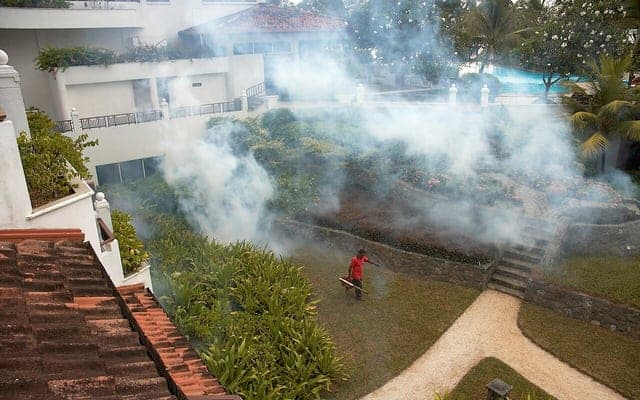
Unlock effective organic pest control! Learn to choose the right Bacillus thuringiensis (Bt) varieties for your USDA Zone 6 garden, targeting caterpillars, mosquitoes, and beetles safely.
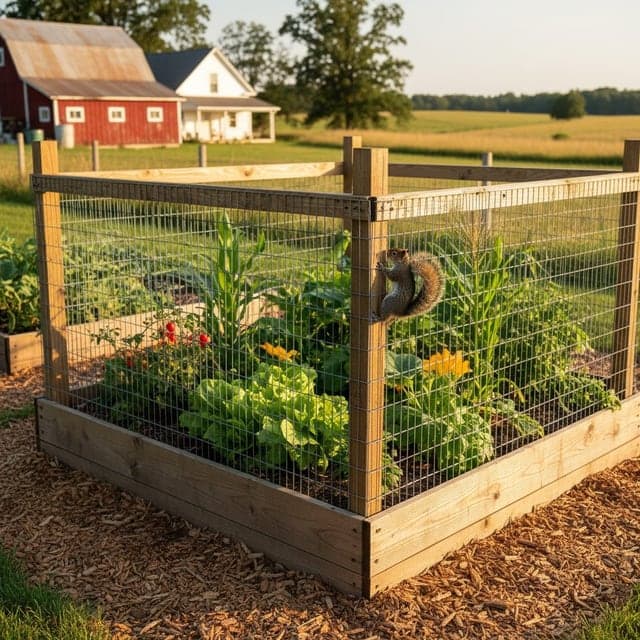
Learn effective, organic methods for deterring squirrels and chipmunks from your raised beds and bird feeders in USDA Zone 6. Protect your garden with physical barriers, repellents, and smart place…
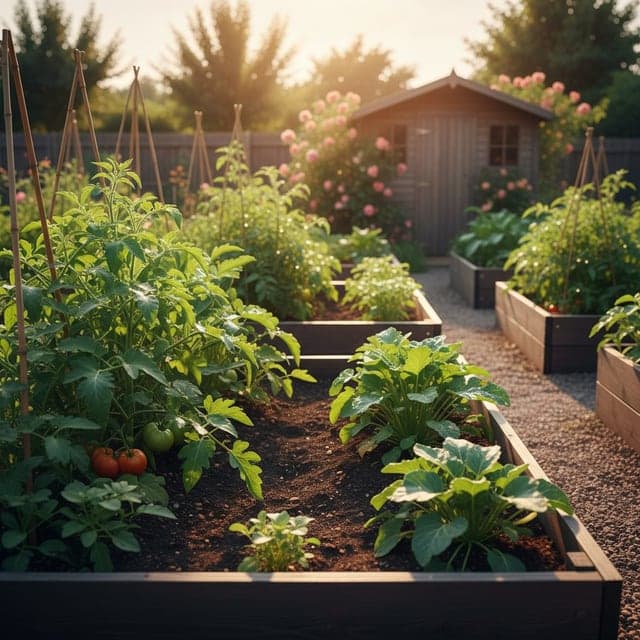
Rodent-proof a backyard garden shed safely: follow the mandatory CDC 1:10 bleach Hantavirus cleanup protocol, seal entry points with 1/4-inch (6 mm) galvanized hardware cloth and locking steel feed…
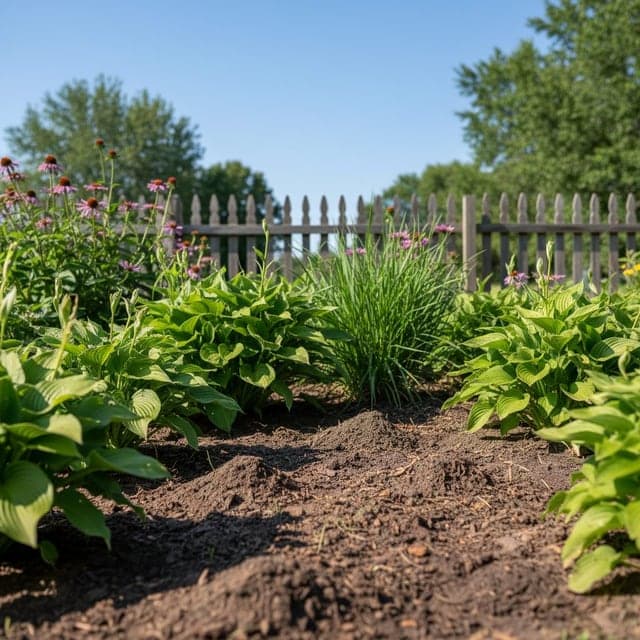
Protect your US garden from voles, moles, and gophers with organic subterranean pest management. Learn to identify pests, use exclusion, trapping, and habitat modification for effective control.
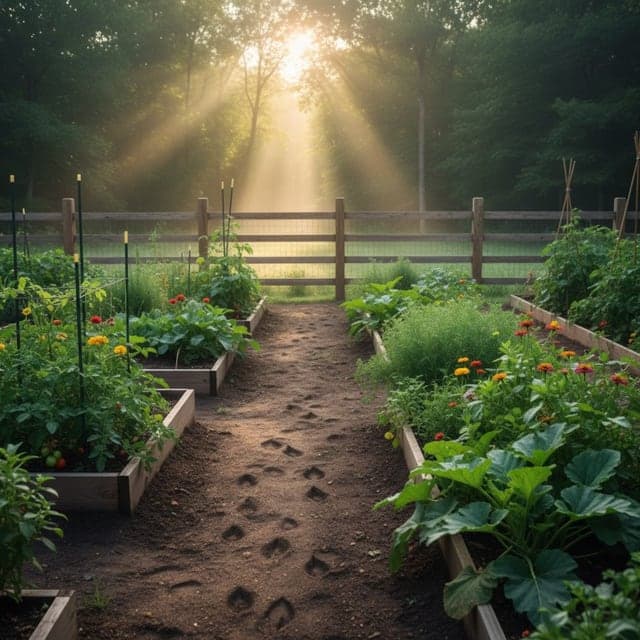
Learn effective strategies for protecting gardens from deer in the US. Discover how 8-foot fences, rotating repellents, and deer-resistant plants can save your crops.
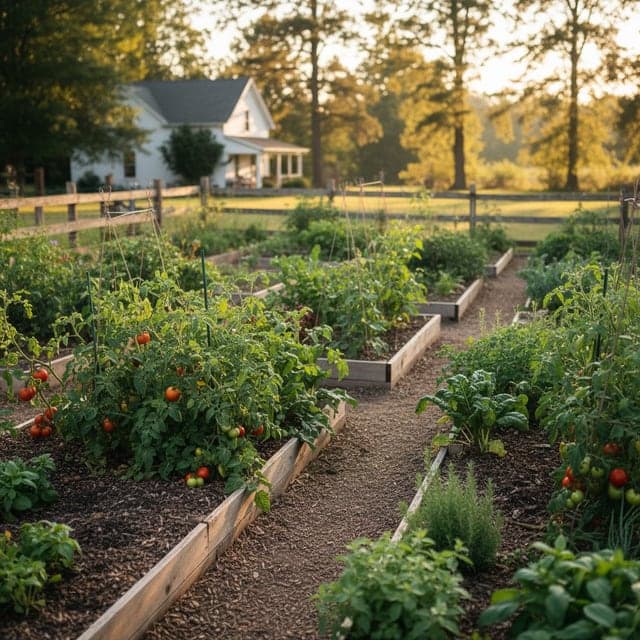
Build flowering insectary strips using USDA NRCS CPS 422 and Xerces spacing (<=100–150 ft), Apr–Oct shallow umbels and discs for hoverflies, Orius, lacewings, and Braconid wasps, neonicotinoid nurs…
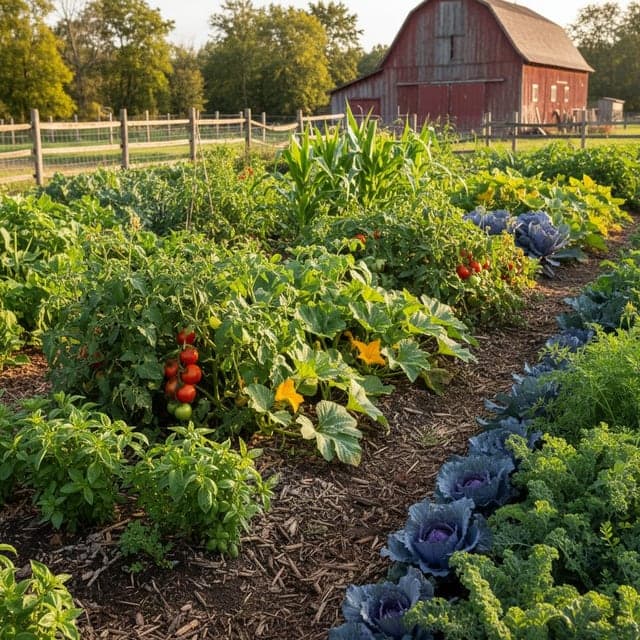
Discover how polyculture and interplanting naturally confuse pests, reduce monoculture reliance, and improve soil health in the Midwest. Learn effective polyculture pest control strategies.
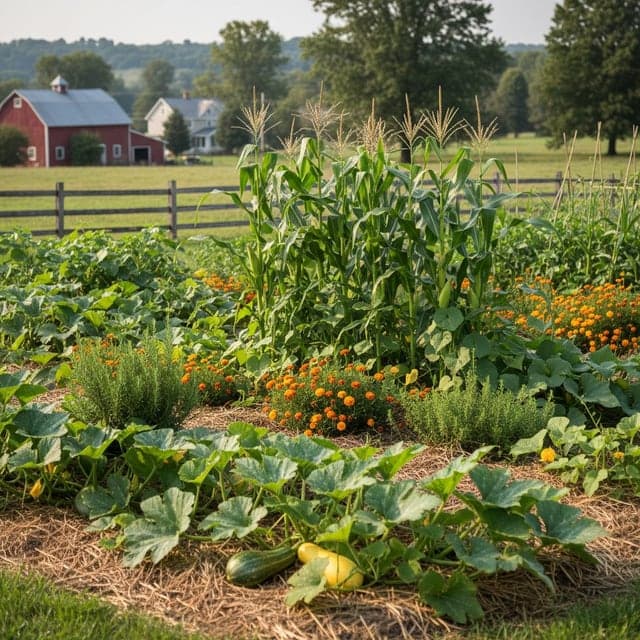
Unlock the power of companion planting. Learn how strategic plant pairings can deter pests, attract beneficial insects, and improve soil health, potentially reducing pest pressure by 15-50%.
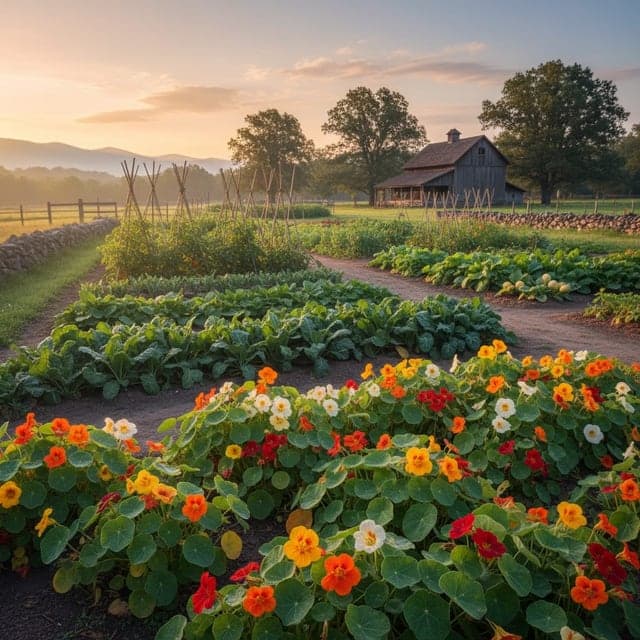
Discover trap cropping, an organic pest control method. Learn how specific plants like nasturtiums and Blue Hubbard squash can protect your main crops, reduce damage by 50%, and cut pesticide use b…
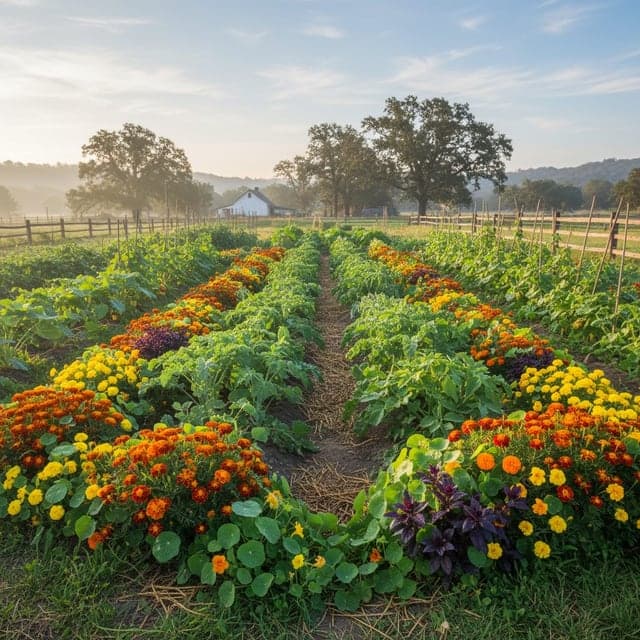
Discover how pest repellent border plants like marigold, basil, and alliums naturally reduce garden pests by 20-50%. Integrate these plants into your IPM strategy for sustainable pest control in US…
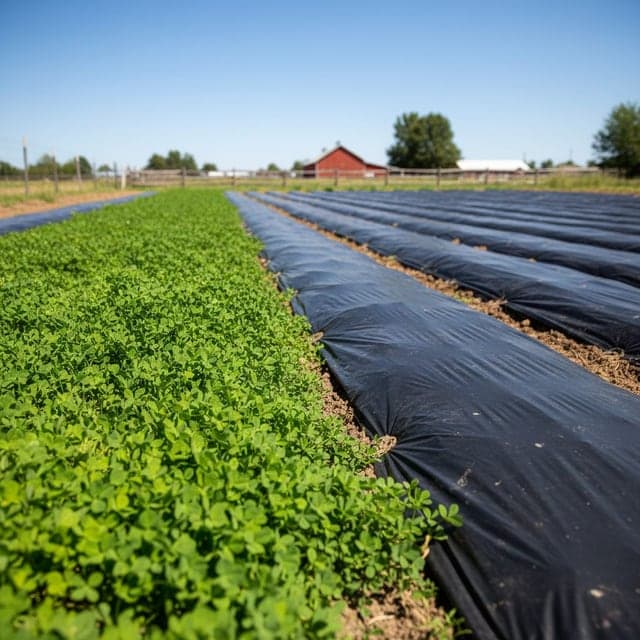
Discover how combining cover crops and occultation provides effective organic weed control, reducing weed biomass by 90% in organic cabbage. Improve soil health & cut labor.
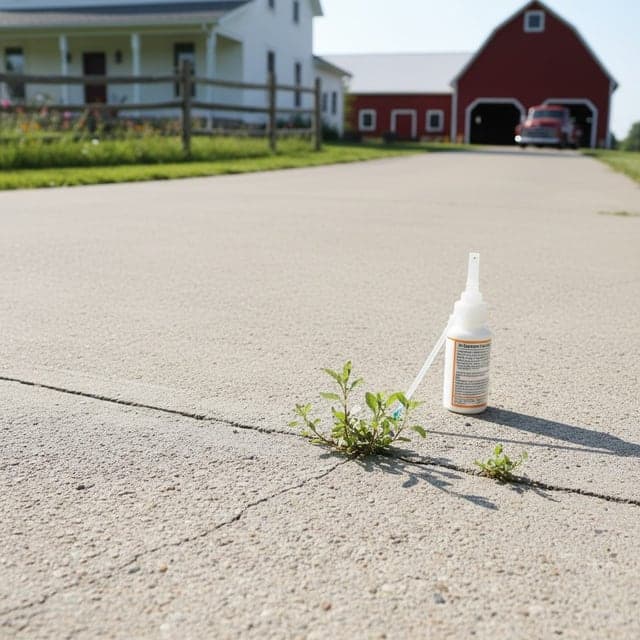
Explore safe, chemical-free thermal weed control for driveways & patios in USDA Zone 6. Learn flame weeding & boiling water techniques to manage dandelions, crabgrass, and spurge.
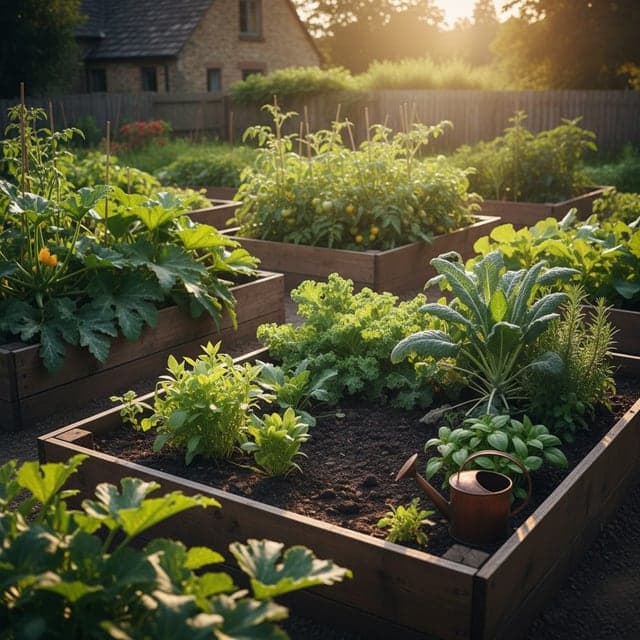
Discover effective low-tech solutions for a healthier garden. Learn how a nighttime pest patrol can control slugs, snails, and cutworms in USDA Zone 6 with simple methods like hand-picking and beer…
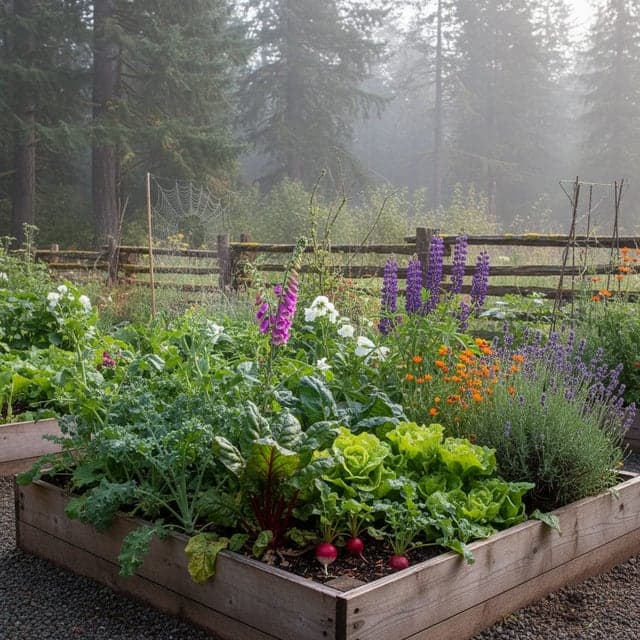
Manage invasive slugs and snails in Pacific Northwest gardens using OSU and WSU extension IPM: native banana slug identification, ferric phosphate vs. metaldehyde pet safety, raised-rim beer traps,…
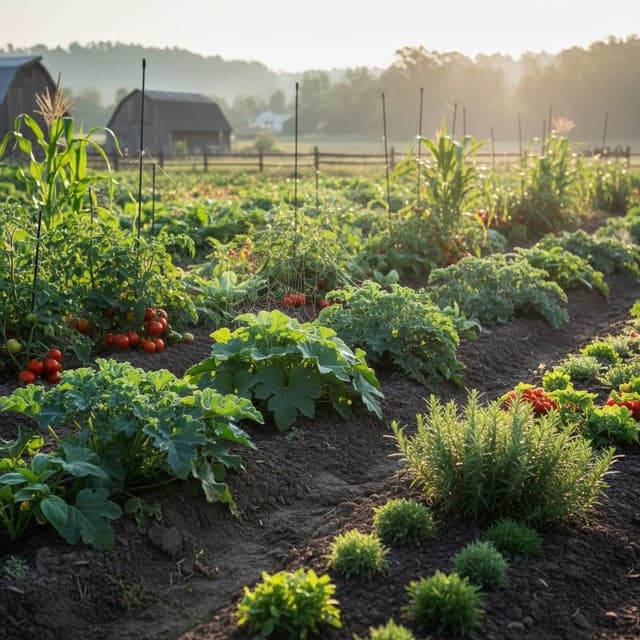
Learn to identify fungal, bacterial, and viral plant diseases in your garden. Proper plant disease identification prevents crop loss and saves money. Essential for organic growers.
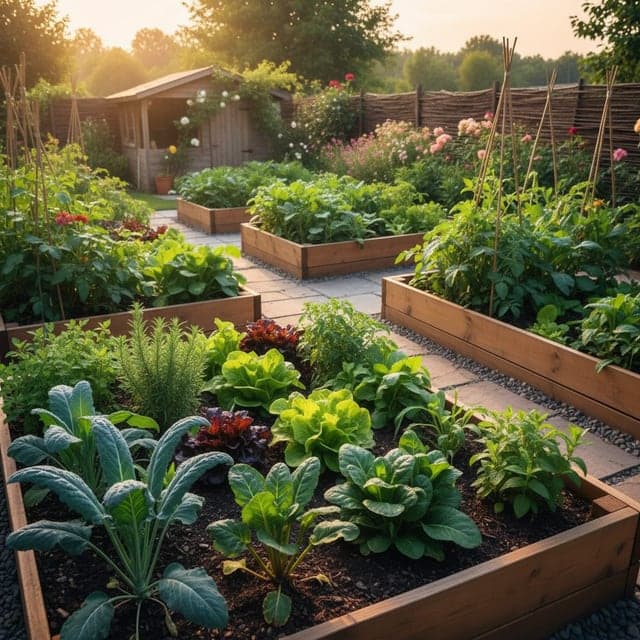
Effectively manage flea beetles on brassicas and eggplant in USDA Zone 6. Learn organic flea beetle control strategies like row covers, trap crops, and crop rotation for healthy yields.