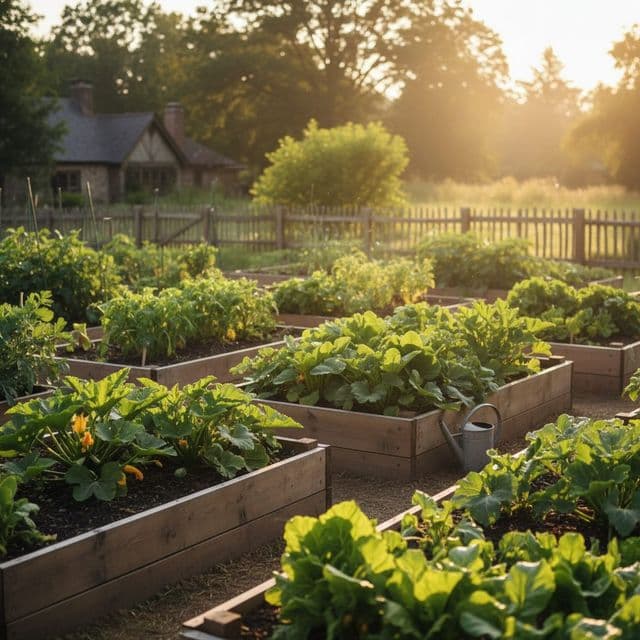
Comfrey's liver risk: safe topical use for US gardeners
Comfrey contains pyrrolizidine alkaloids that make internal consumption dangerous, while topical use on unbroken skin and garden soil applications remain practical for US gardeners.
Tag
366 articles in this tag on agripure. — page 2 of 16
Comfrey contains pyrrolizidine alkaloids that make internal consumption dangerous, while topical use on unbroken skin and garden soil applications remain practical for US gardeners.
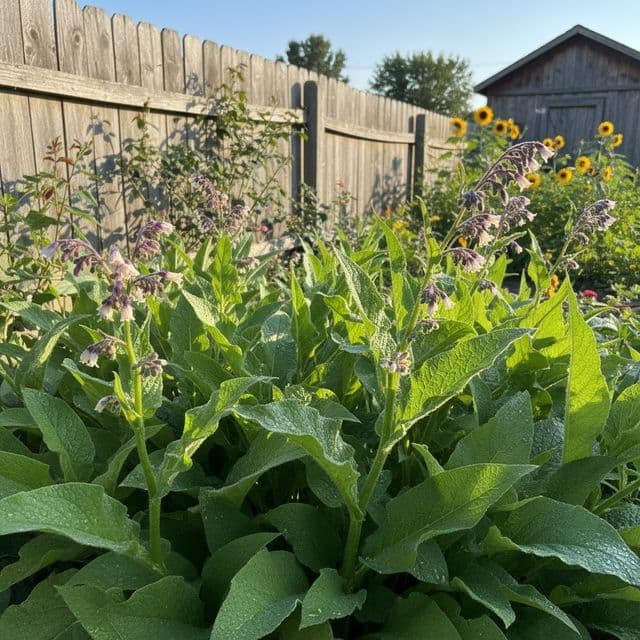
Unlock soil health with Comfrey, a sterile hybrid (Bocking 14) for USDA zones 4-9. Its deep roots mine nutrients, making it a powerful compost activator and water-saving mulch.
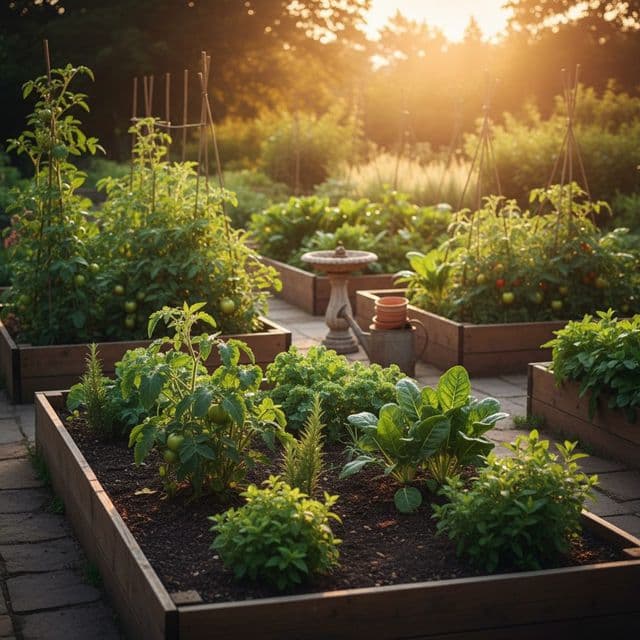
How to grow Bocking 14 comfrey in US gardens without spreading: planting, care, and containment techniques for this sterile, nutrient-rich herb.
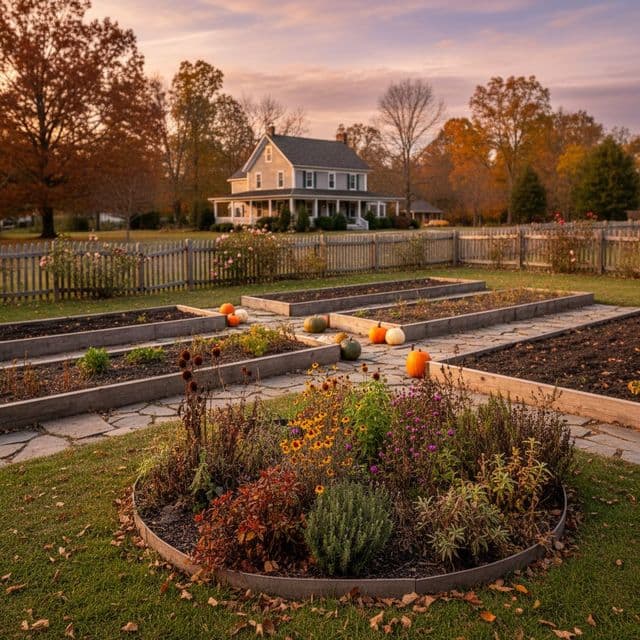
Learn to harvest and dry medicinal roots like echinacea, valerian, dandelion, and burdock in USDA Zone 6. Maximize potency, ensure proper storage, and build your home apothecary.
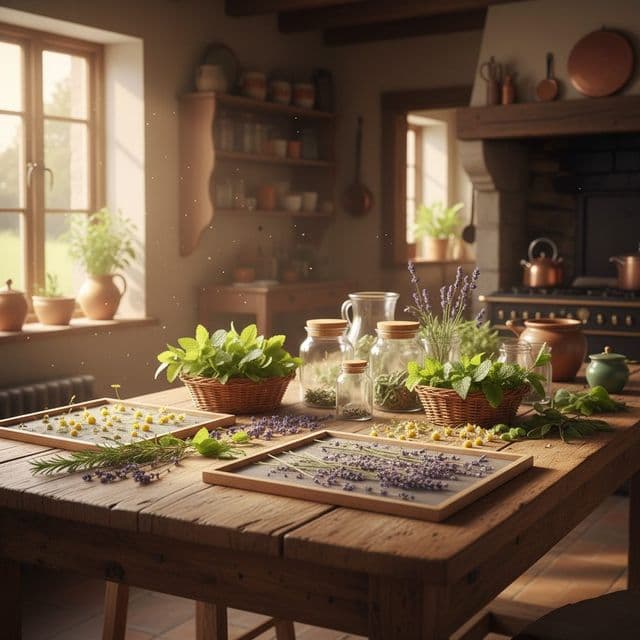
Learn to formulate balanced herbal tea blends with a 3-part approach. Discover base, supporting, and accent herb ratios for gardeners in USDA Zone 6. Maximize potency and flavor.
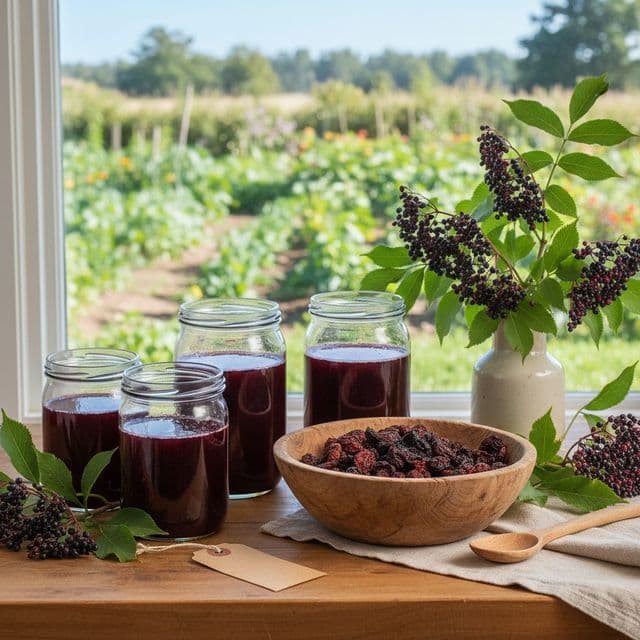
Learn to craft elderberry oxymel with a 3:1 honey-to-vinegar ratio. Grow and harvest elderberries in USDA zones 3-9 for immune support. Includes planting, drying, and recipe.
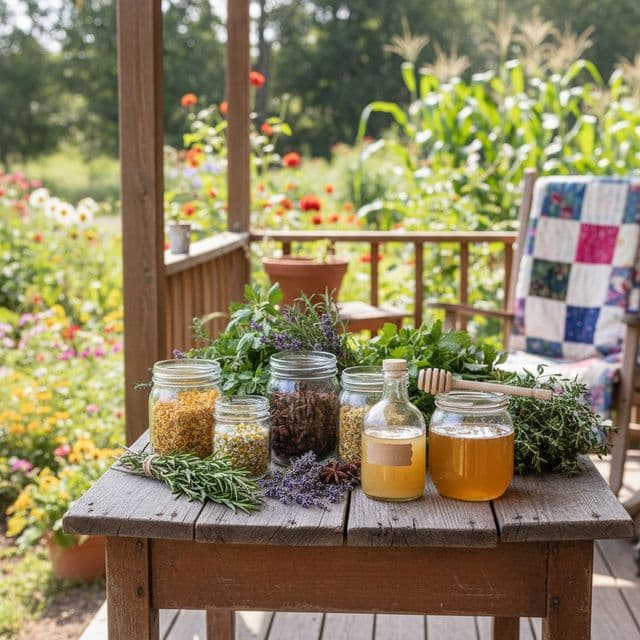
Learn oxymel formulation: discover what oxymels are, ideal vinegar-to-honey ratios, and how to use herbs from your USDA Zone 6 garden for natural remedies.
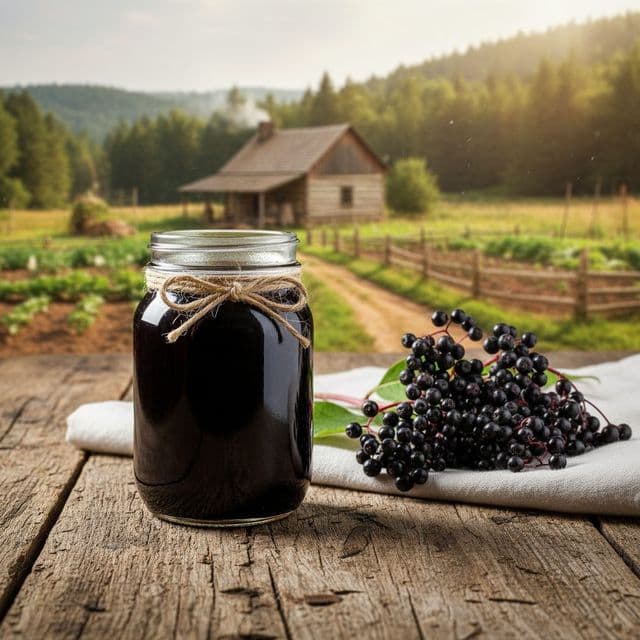
A guide to growing, harvesting, and preparing elderberry syrup for cold and flu season, covering planting, ethical foraging, cooking methods, and storage.
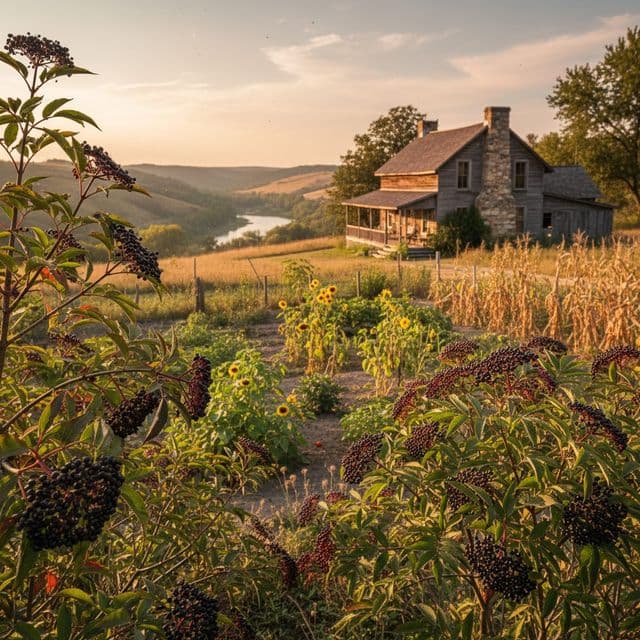
Learn how to make elderberry tincture from US-grown berries. This guide covers harvesting, identification, and a potent elderberry tincture recipe for your home apothecary.
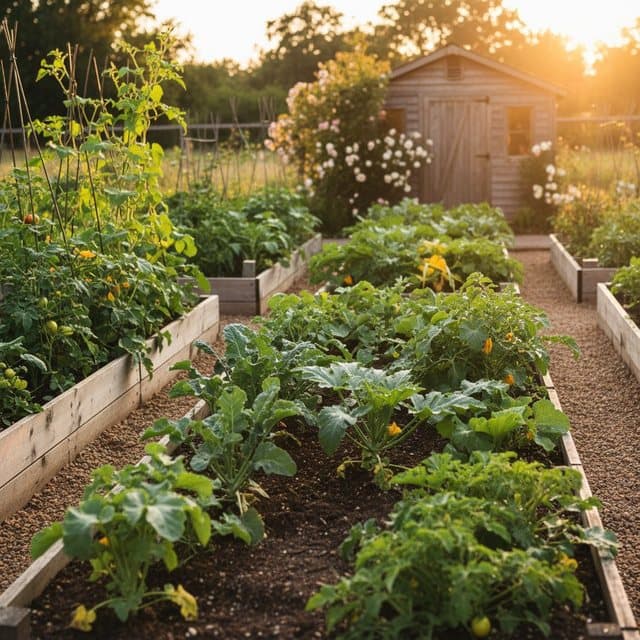
Learn to choose the best menstruum for your herbal tinctures. Compare alcohol, glycerin, and vinegar for optimal extraction, potency, and shelf life of medicinal herbs.
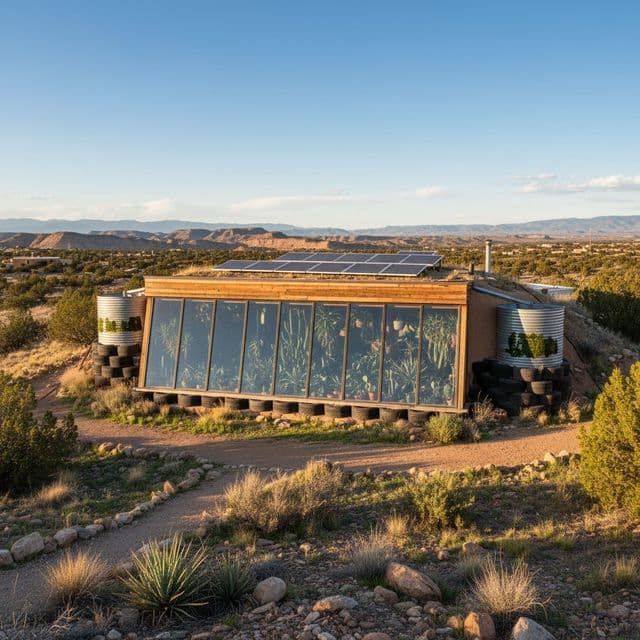
Learn to design a thriving apothecary garden for your USDA Zone 6 homestead. Maximize medicinal herb yield with sun mapping, soil prep, and companion planting strategies.
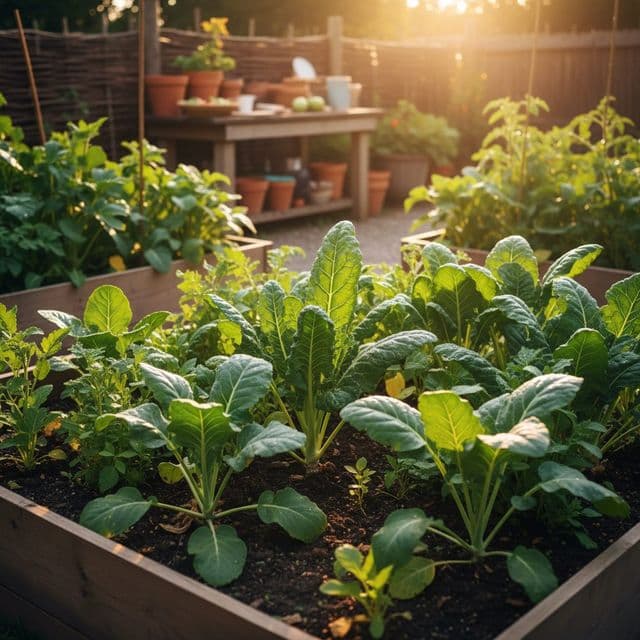
Cultivate a thriving medicinal herb garden in USDA Zones 8-10. Learn expert tips for soil, water, and plant selection in hot climates across the Southeast, Southwest, and Gulf Coast.
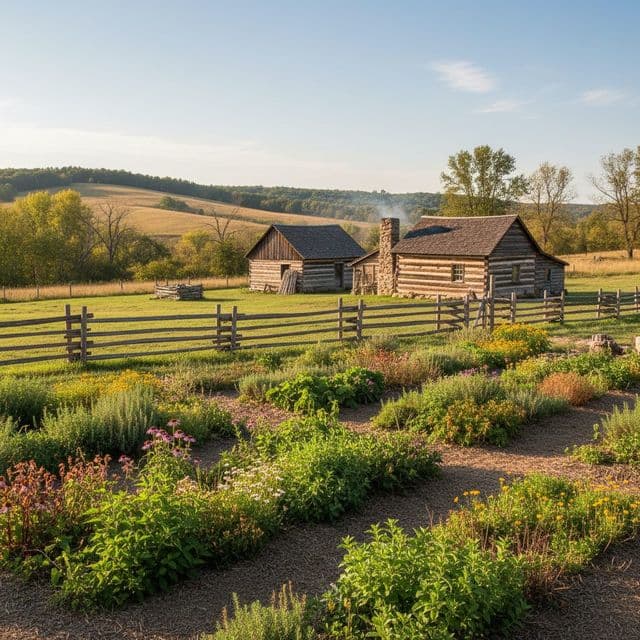
Cultivate a thriving medicinal herb garden in USDA Zones 3-5. Learn plant selection, soil management, and preservation for a home apothecary in cold climates.
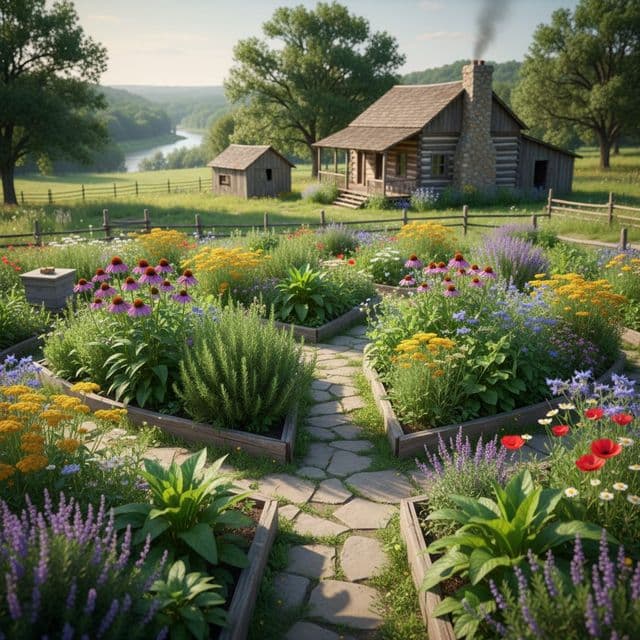
Decide between perennial and annual medicinal herbs for your home apothecary. Learn about their life cycles, cultivation needs, and best choices for USDA zones 3-10 to create a thriving herb garden.
Learn to make potent fire cider and oxymels from your garden. Utilize homegrown ginger, turmeric, and other herbs for natural, cost-effective remedies. Perfect for homesteaders.
Building productive soil in Gulf desert sand requires consistent organic matter, heavy windproof mulches, and permanent biochar structures to hold water and nutrients.
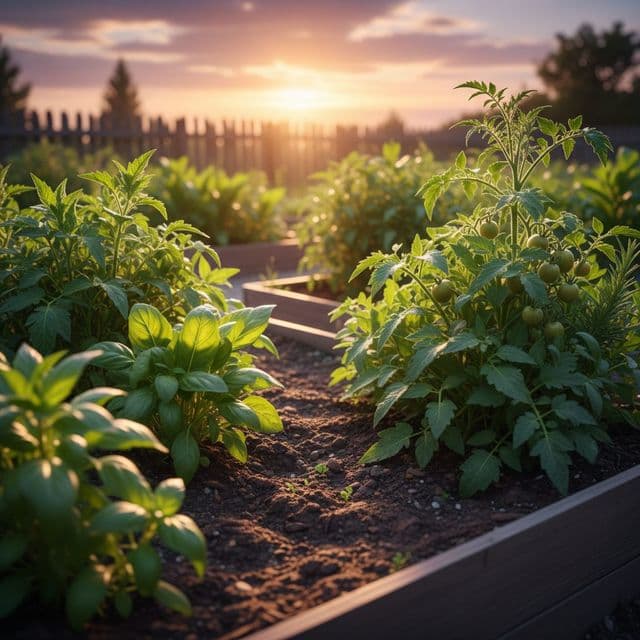
How to preserve food without electricity using passive cooling methods like zeer pots, root cellars, and cool spaces to extend harvest life and reduce waste.
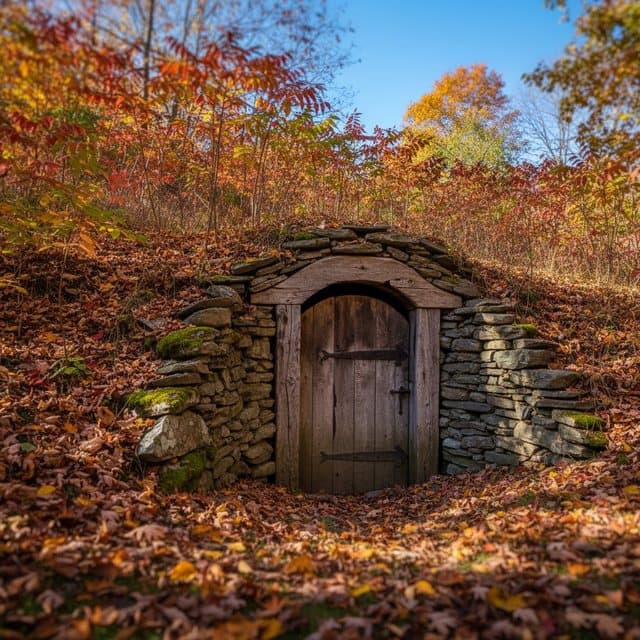
Learn how to build a root cellar in USDA Zone 6 to extend your harvest. Discover options from simple buried trash cans to dedicated structures, ensuring fresh produce for months.
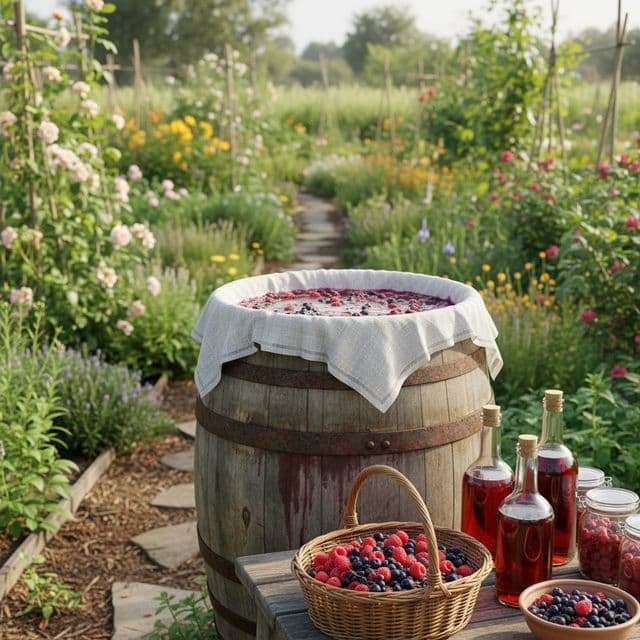
Transform excess berries into delicious homemade fruit vinegar. Learn a simple, two-stage fermentation process to preserve fruit gluts, reduce waste, and create a versatile pantry staple in USDA Zo…
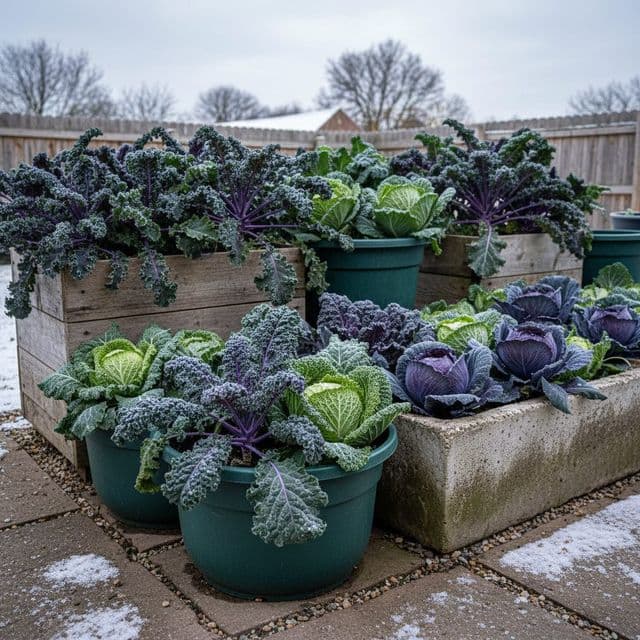
Learn to select the best frost-proof containers to protect plants and extend your growing season by 30 days in USDA Zone 5. Discover durable materials like wood, concrete, and HDPE.
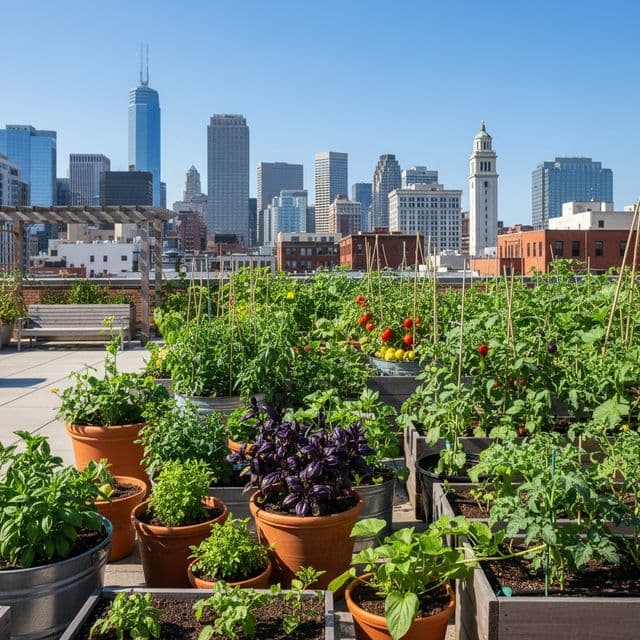
Self-pollinating crops for urban gardens in USDA Zone 7 allow growing tomatoes, peppers, and beans on balconies or rooftops without relying on bees.
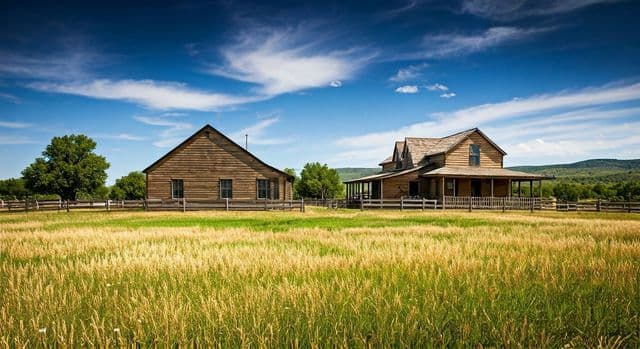
Turn your high-rise balcony into a pollinator garden. Learn how to select plants, containers, and manage microclimates to attract bees, butterflies, and hummingbirds in USDA Zone 7.
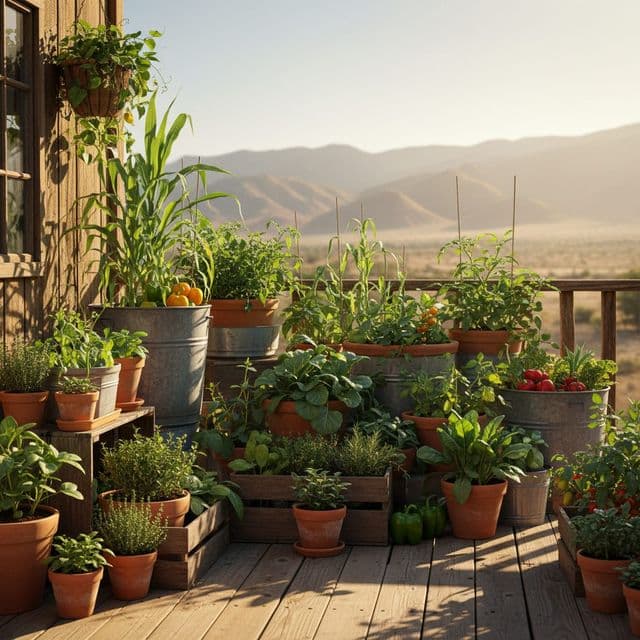
Learn how grouping container plants creates microclimates, reducing water loss by up to 25% in arid US regions. Optimize layouts for healthier plants and less watering.
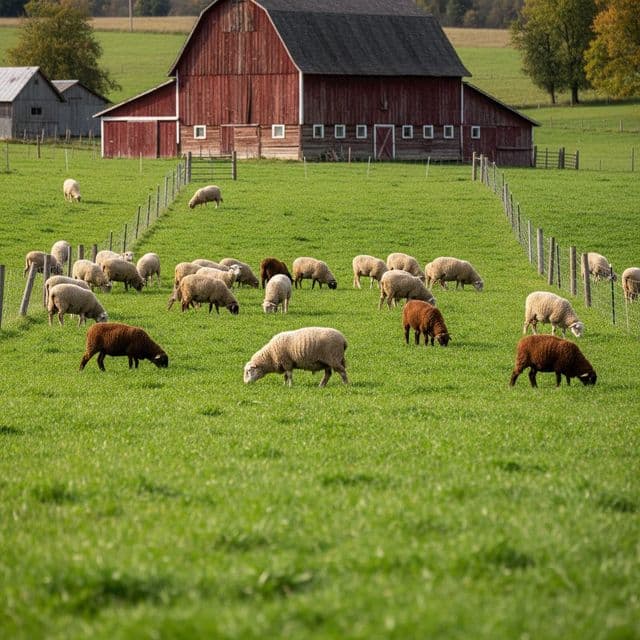
Pole and runner beans provide an edible privacy screen on sunny balconies, climbing trellises to block sightlines while yielding steady harvests in small urban spaces.