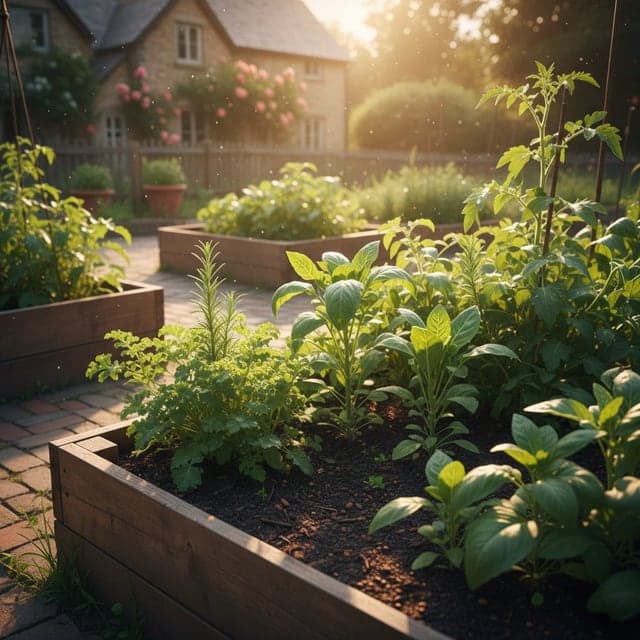
Summer Garden Mistakes: Save Water & Thrive
USDA Zone 7 gardeners: Avoid summer mistakes that waste water. Learn climate-resilient gardening tips to improve soil, irrigate efficiently, and choose drought-tolerant plants.
Tag
627 articles in this tag on agripure. — page 26 of 27
USDA Zone 7 gardeners: Avoid summer mistakes that waste water. Learn climate-resilient gardening tips to improve soil, irrigate efficiently, and choose drought-tolerant plants.

Learn to xeriscape your food garden for resilience in USDA Zone 7. Reduce water use by 50-75% with smart planning, soil improvement, and drought-tolerant edibles.
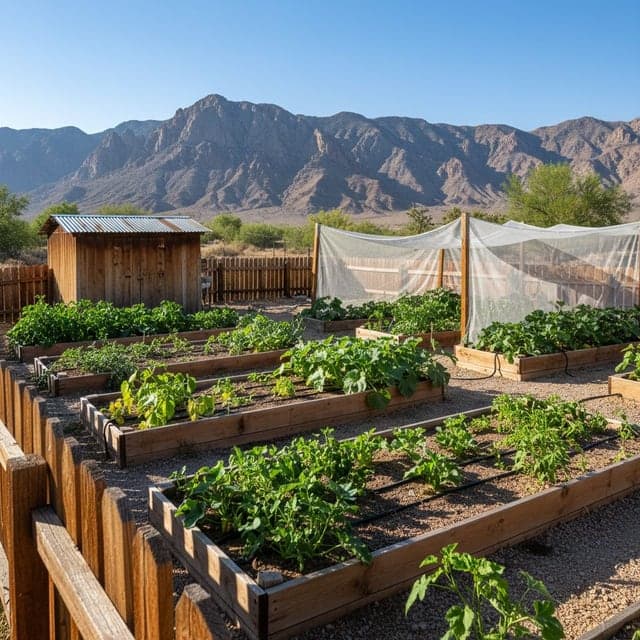
How to grow vegetables in USDA Zone 8 desert and arid climates using heat-tolerant varieties, drip irrigation, and organic soil amendments.
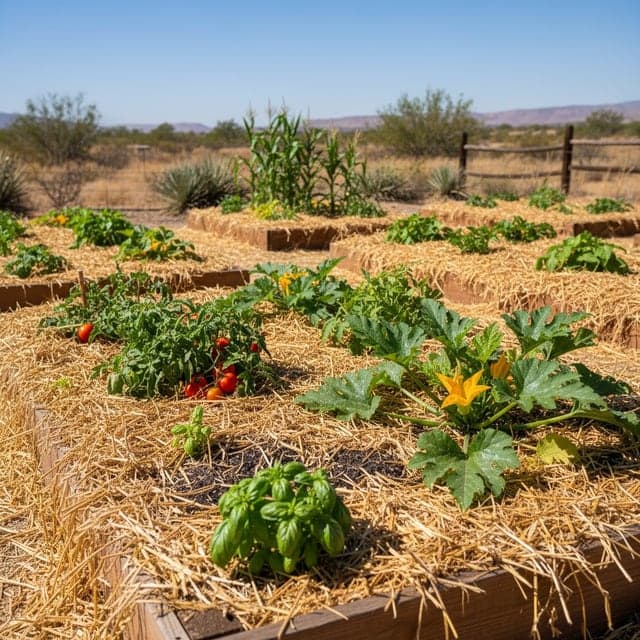
Discover how to grow resilient, heat-tolerant crops like sweet potatoes and okra in hot US summers, even with temperatures over 100°F. Learn strategies for drought and poor soil.
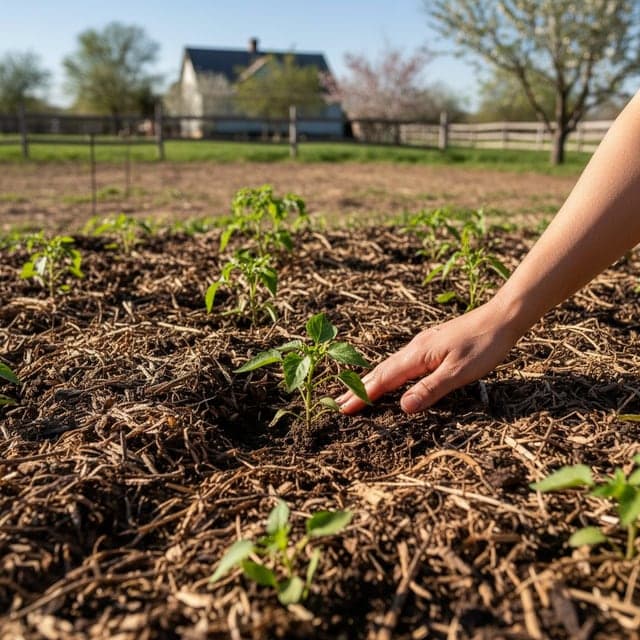
Master watering seedlings & transplants in extreme US heat. Learn deep watering, soil moisture monitoring, and using organic matter & mulch to ensure plant survival and strong growth.
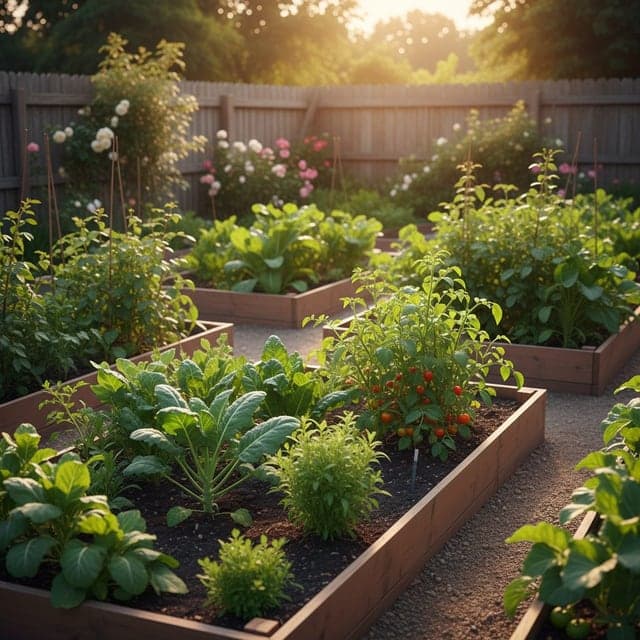
Rescue wilting plants in USDA Zone 7 gardens with moisture management, shading, and soil health practices to handle heat stress and build drought resilience.
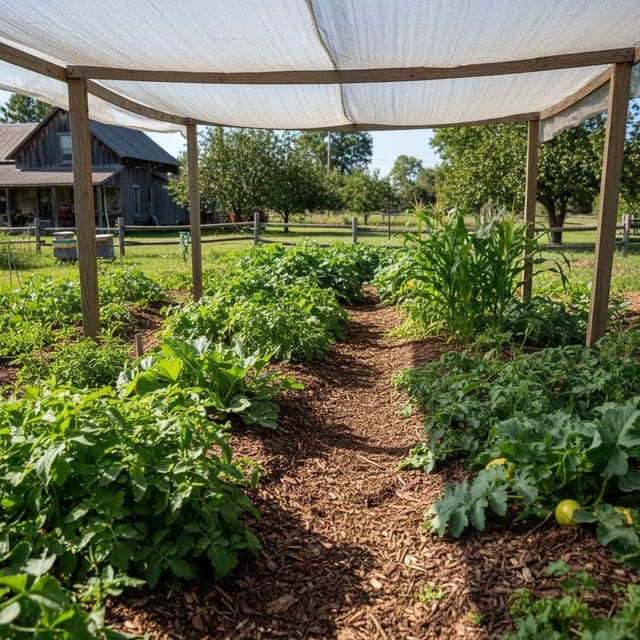
Prepare a USDA Zone 6 vegetable garden for extreme heat and drought with strategies for soil health, water efficiency, and heat-tolerant plant selection.
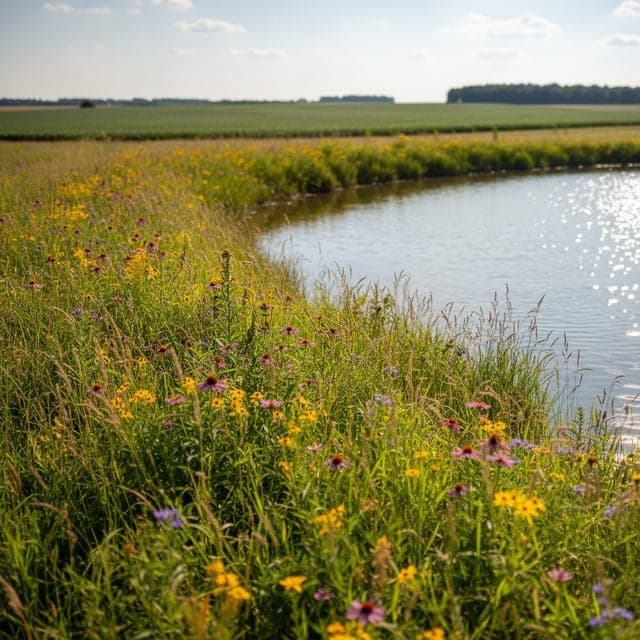
Diagnose green pea-soup blooms, string algae, colloidal clay mud, or brown tannins in US ponds. Prevent copper sulfate fish kills with UV-C clarifier sizing, 50–65% floating shade, 10%+ volume bog…
Learn to build a backyard wildlife pond to improve biodiversity, manage water, and create a resilient homestead ecosystem. Get tips on siting, sizing, and liners.
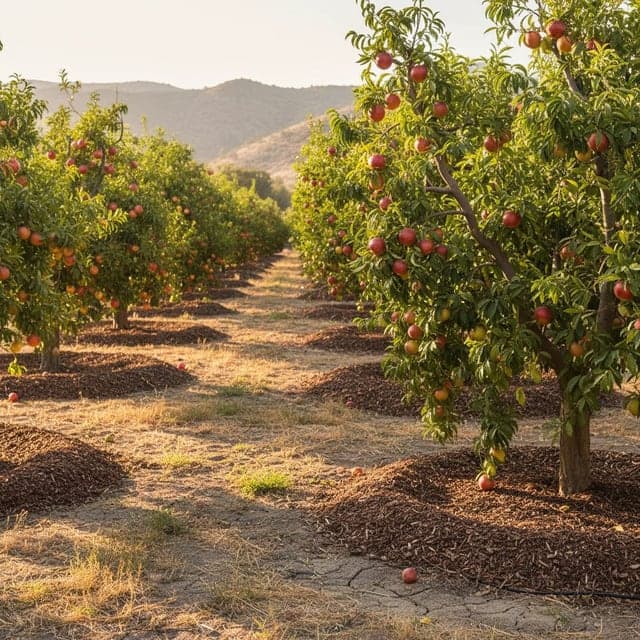
Safely irrigate fruit trees with greywater from showers and laundry to save thousands of gallons. System design, soap choices, and passive irrigation methods for USDA Zone 8 homesteads.
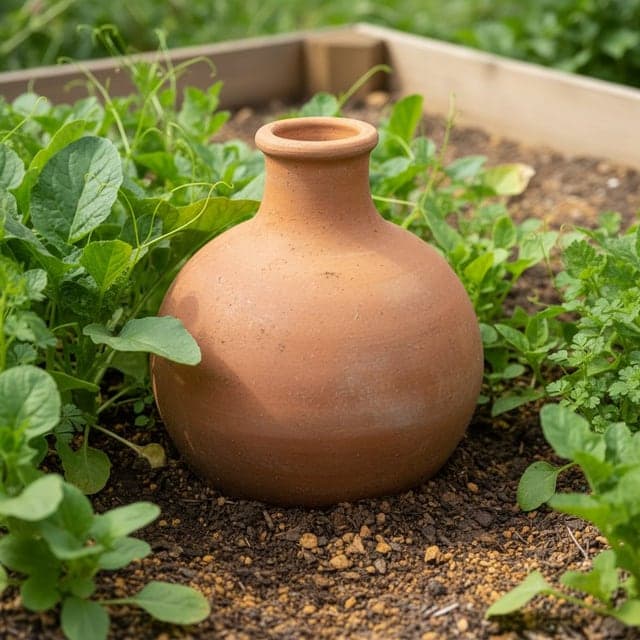
Discover how olla irrigation can cut garden water consumption by 50-70% in arid US regions like Arizona and California. Learn installation tips for sustainable, efficient watering.
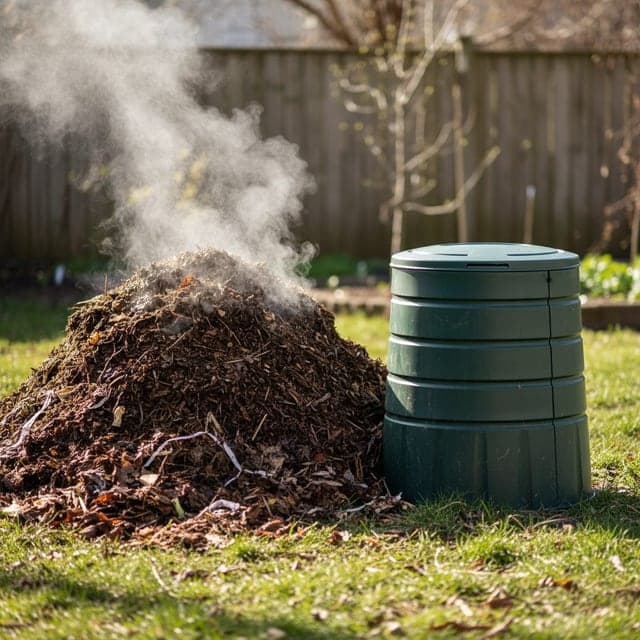
Learn the differences between hot and cold composting to build the right backyard pile for your US climate. Optimize C:N ratio, pile size, and turning for efficient decomposition.
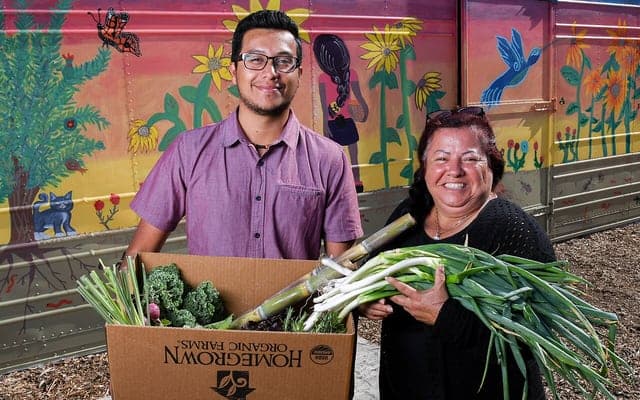
A beginner’s seed starting guide: the right soilless mix, when to start each crop by counting back from your last frost, grow lights, bottom heat, and transplanting.
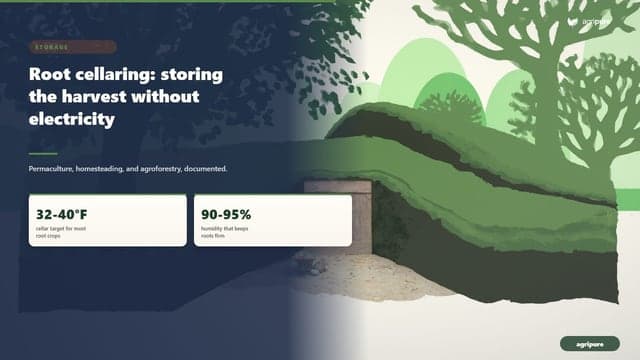
How to build and use a root cellar: the four conditions to manage (32-40F, humidity, dark, airflow), which crops store at what temperature, curing, and the ethylene rule.
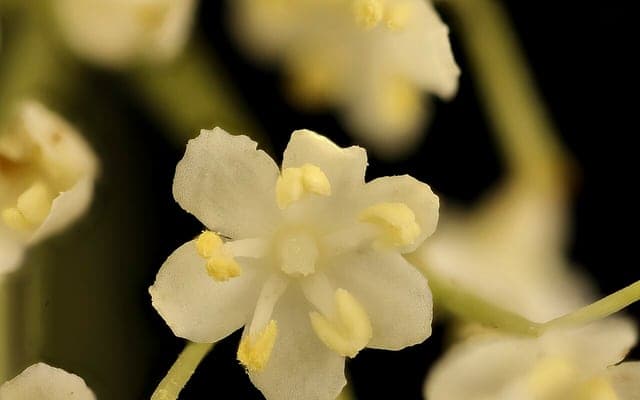
How to identify true elderberry (and avoid look-alikes), the difference between blue and American black, and how to grow named cultivars like Adams and Bob Gordon.
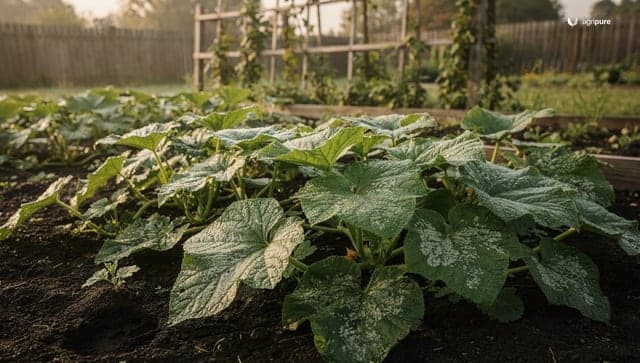
Powdery mildew treatment that works: potassium bicarbonate and oil sprays, milk and neem, plus the sun, spacing, and resistant varieties that stop it recurring.
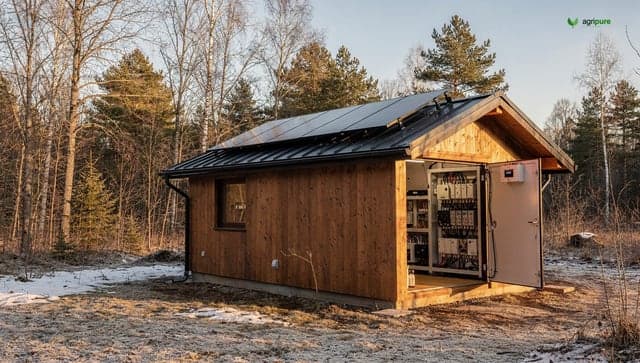
Realistic solar sizing for tiny houses: what 600 W of panels runs, lithium vs lead-acid for cold climates, and the winter derate most articles skip.
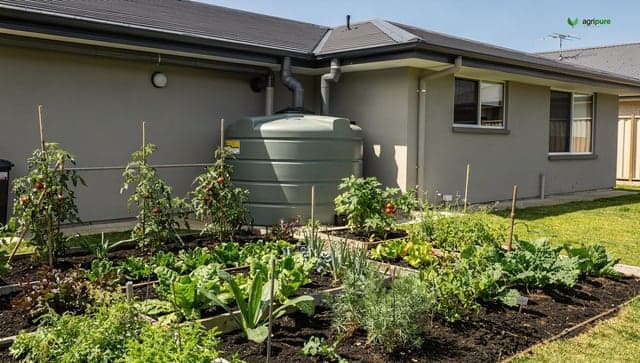
Every inch of rain on 1,000 square feet of roof yields about 620 gallons. Here is how to size a rainwater system, build it, and check your local law.
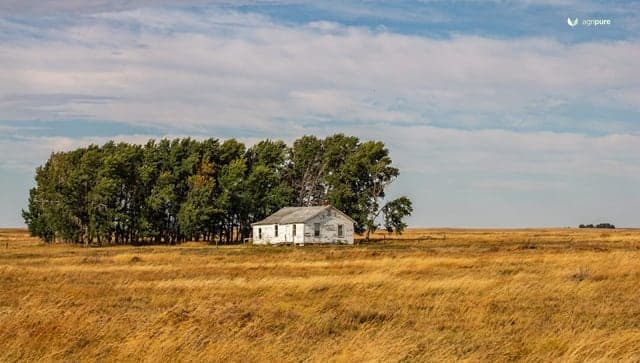
The Great Plains test a homestead with wind, drought, and extremes. Here is what the Dust Bowl taught, why shelterbelts matter, and how to homestead the prairie.
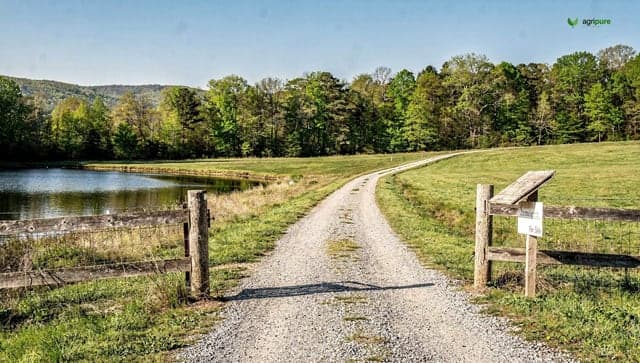
The land is the one homestead decision you cannot undo. Here is how to vet water, soil, zoning, and the perc test before you buy, and how much acreage you need.
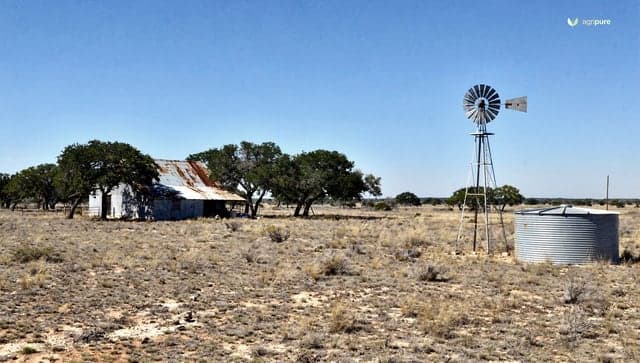
Texas rewards homesteaders with no income tax, legal rainwater, and ag exemptions, but its climates and rules vary widely. Here is what to know before you buy.
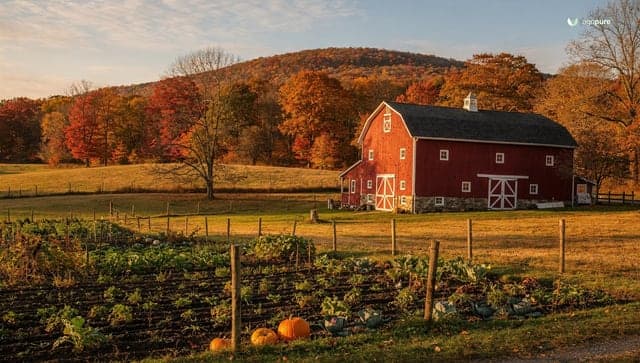
Pennsylvania offers fertile soil, a real four-season climate, and rural land that is friendly to homesteaders. Here is where to look, what grows, and the septic rules.
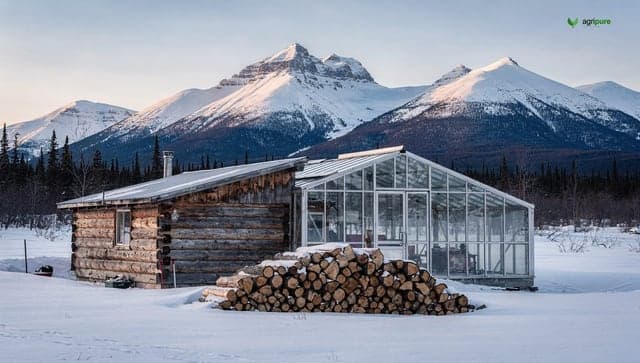
Alaska homesteading means a 105-day season, 20-hour summer days, and -60F winters. Here is how to grow, build, and prepare for the last frontier.
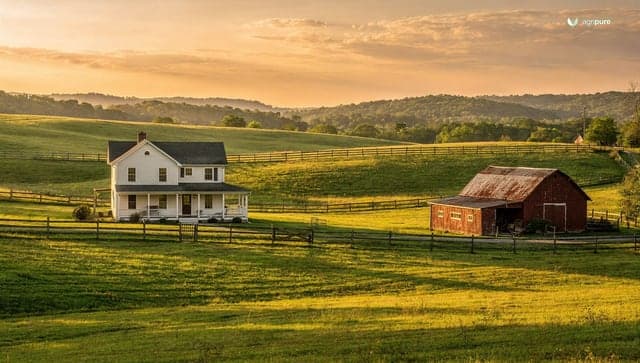
Tennessee, Missouri, Idaho and more top the homesteading lists, but the right state is the one matching your goals. Here is how to weigh land, water, and law.