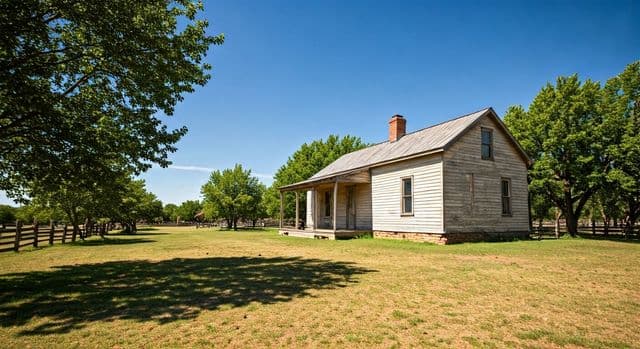
Cooking Poke Sallet Safely: Foraging & Preparing Pokeweed
Learn to cook poke sallet safely with this guide to identifying, harvesting, and preparing young pokeweed. Discover this 200-year-old Southern foraging tradition.
Tag
627 articles in this tag on agripure. — page 2 of 27
Learn to cook poke sallet safely with this guide to identifying, harvesting, and preparing young pokeweed. Discover this 200-year-old Southern foraging tradition.
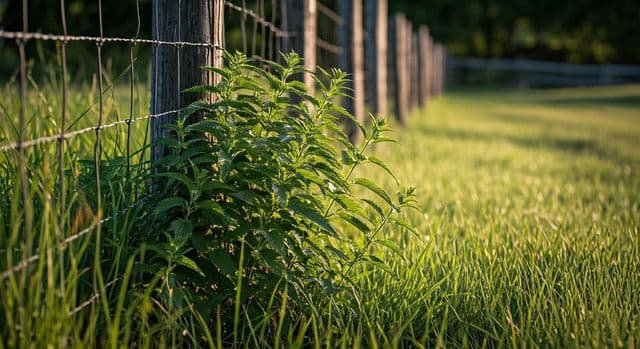
Learn to identify stinging nettle vs. wood nettle in US woodlands. This guide covers main differences, habitats, and how to safely forage these nutritious plants. Master nettle identification.
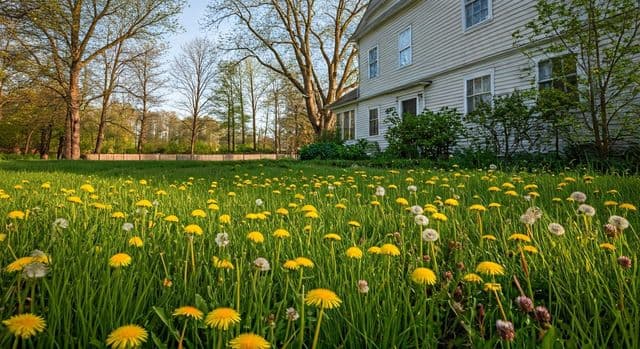
Learn to safely forage your lawn in USDA Zone 6. Identify edible plants, avoid chemical & pet waste contaminants, and prepare wild greens for a healthy, homegrown diet.
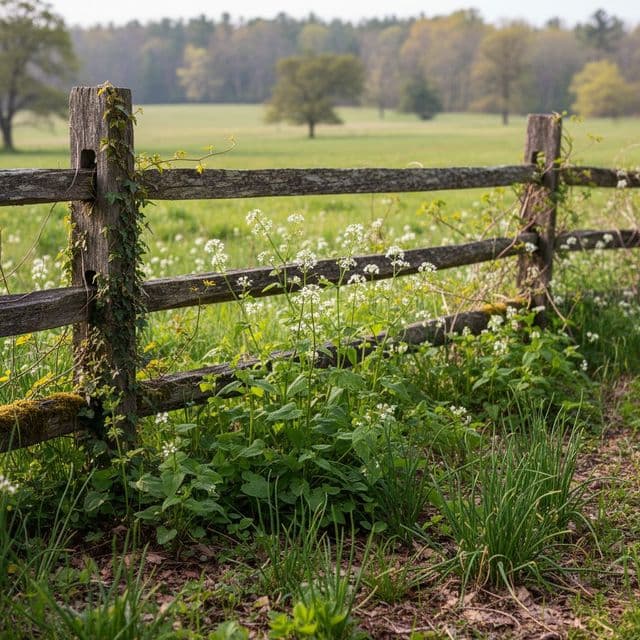
Learn to identify and forage invasive garlic mustard and field garlic across US woodlands and fields. Discover how eating these plants helps manage their spread and provides a sustainable food source.
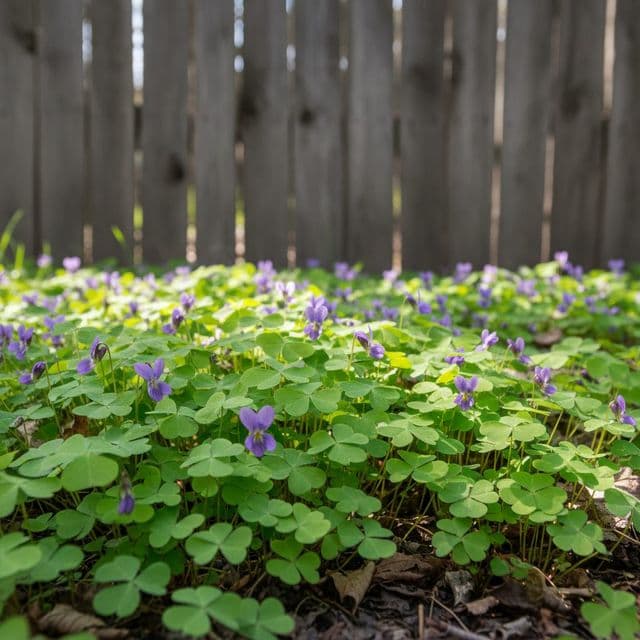
Safely forage wood sorrel and wild violets across US USDA zones 3-9. Learn to identify, harvest, and enjoy these nutritious wild edibles, adding unique flavors to your diet sustainably.
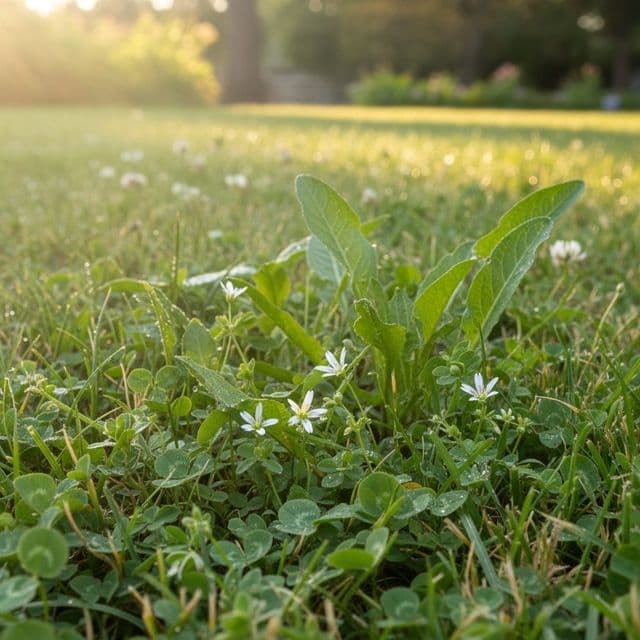
How to identify, forage, and prepare chickweed, plantain, and clover, three common edible lawn weeds across the US.
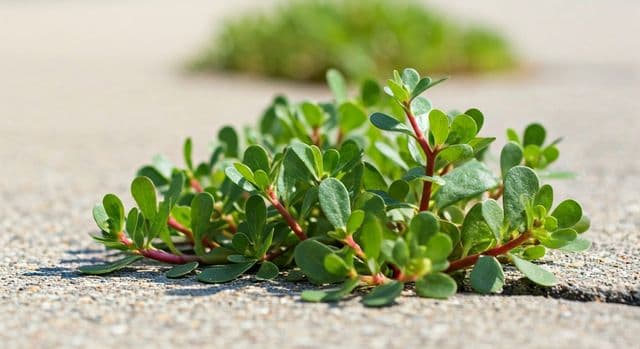
Discover purslane, a common edible weed packed with omega-3s. Learn to identify, forage, and cultivate this nutritious plant for health benefits across US USDA zones 3-10.
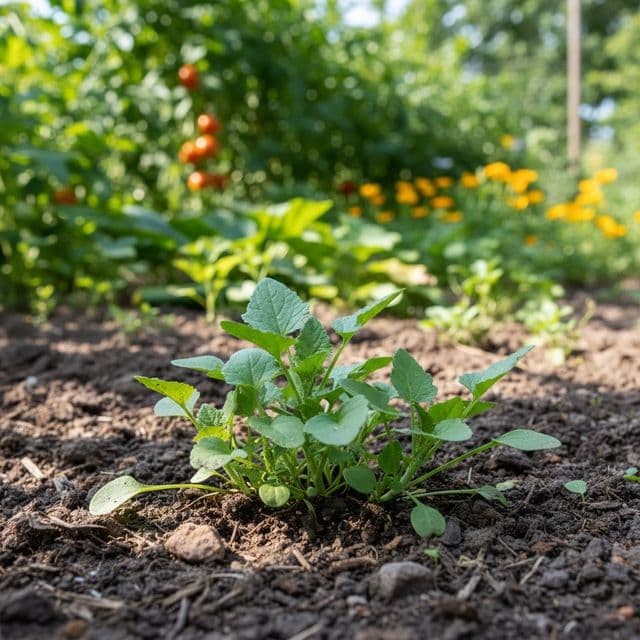
Discover lamb’s quarters, a nutritious wild edible thriving across US USDA zones 3-10. Learn safe identification, harvesting, and culinary uses for this ‘wild spinach’ in our foraging guide.
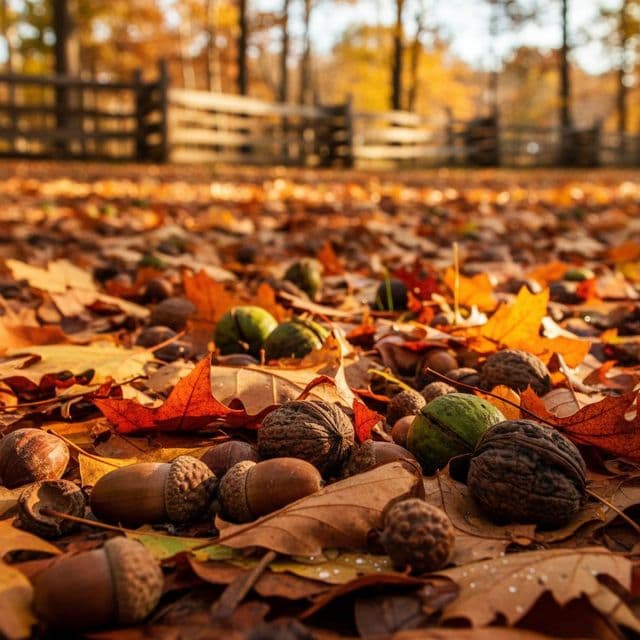
Master fall mast season. Learn optimal timing for acorn, hickory, black walnut, and chestnut harvests across US USDA zones. Maximize your wild edible yield.
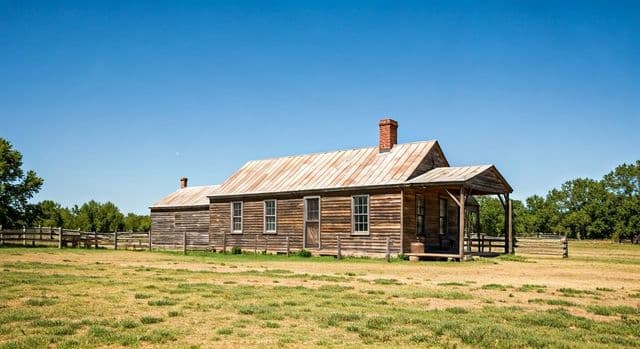
Discover the narrow, overlapping window for spring ephemeral foraging. Learn to identify and sustainably harvest ramps, fiddleheads, and morels in US USDA zones 4-7.
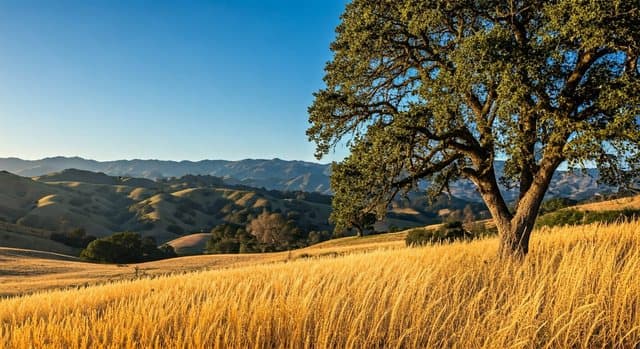
Discover year-round California foraging in its Mediterranean climate. Learn to identify and ethically harvest diverse wild edibles like miner’s lettuce, elderflower, and acorns in USDA zones 9 & 10.
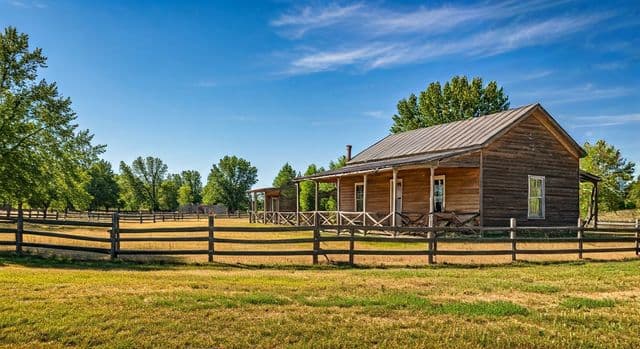
Discover seasonal wild edibles in the Southwest. Learn to identify and harvest mesquite pods, prickly pear, and pinyon nuts across USDA zones 7-10 with this Southwest foraging guide.
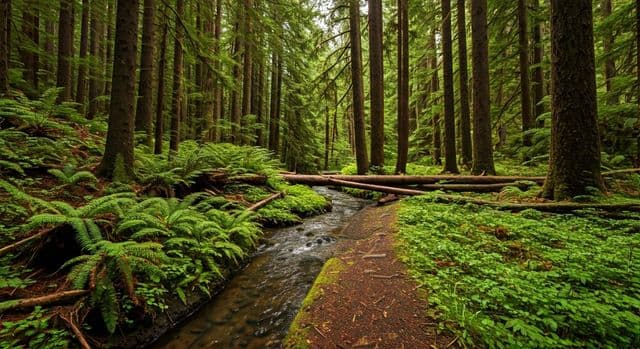
Month-by-month Pacific Northwest foraging calendar splitting Maritime WA/OR lowlands from Cascade and inland elevations: stinging nettles, Sitka spruce tips, miner's lettuce, berries, Pacific Golde…
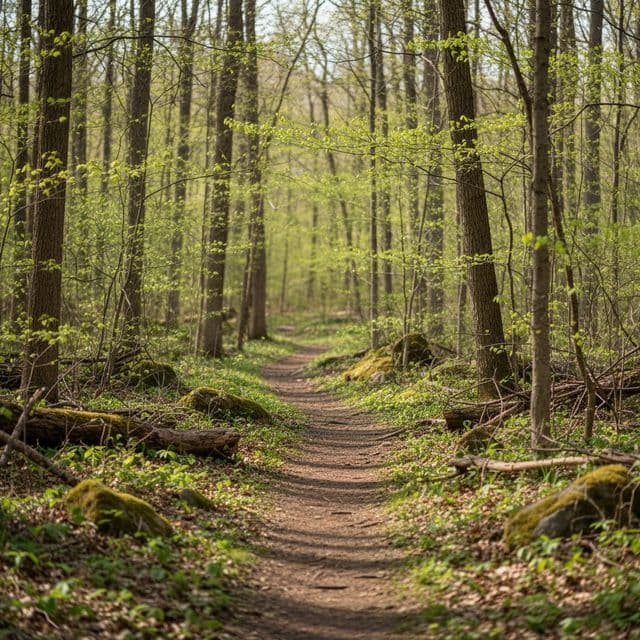
Discover the best times for Midwest foraging. Our calendar guides you through harvesting morels, wild greens, plums, and black walnuts across USDA zones 4-7. Learn identification & sustainable prac…
Explore the Southeast foraging calendar. Discover seasonal wild edibles like poke sallet, chanterelles, pawpaws, and muscadines across USDA zones 4-10. Learn safe identification and harvesting.
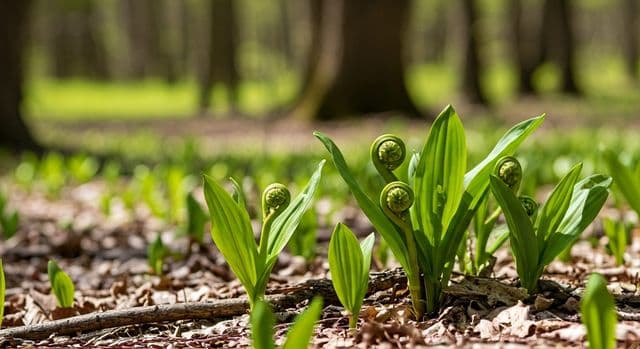
Discover the Northeast foraging calendar, month-by-month. Learn when and where to find ramps, fiddleheads, morels, berries, and nuts in New England and NY. Forage safely & sustainably.
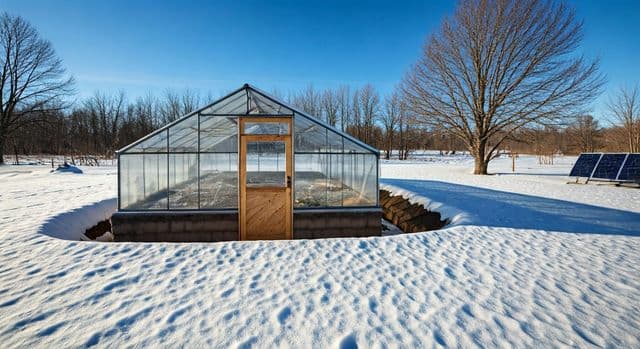
Extend your growing season in USDA Zone 5 with earth-bermed and partially-sunken greenhouses. Learn how these designs leverage stable earth temperatures to cut heating costs by 30-50% for year-roun…
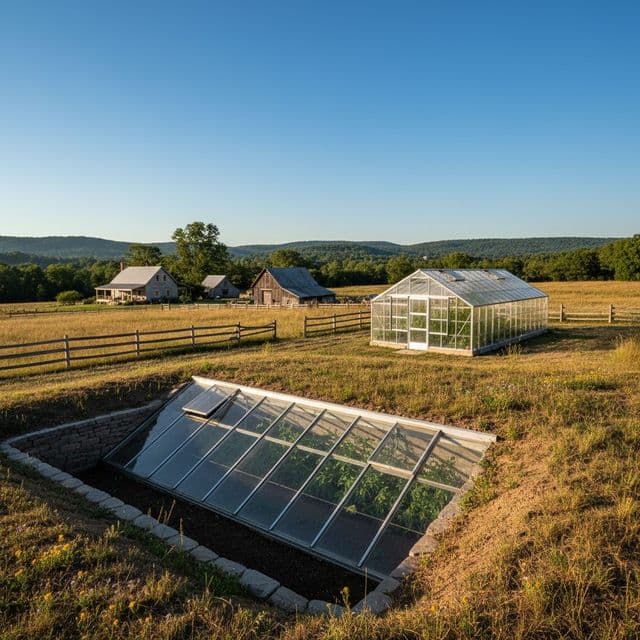
Compare Walipini vs Greenhouse for year-round growing in USDA zone 5. Explore cost, climate control, and operational trade-offs to choose the best option for your homestead.
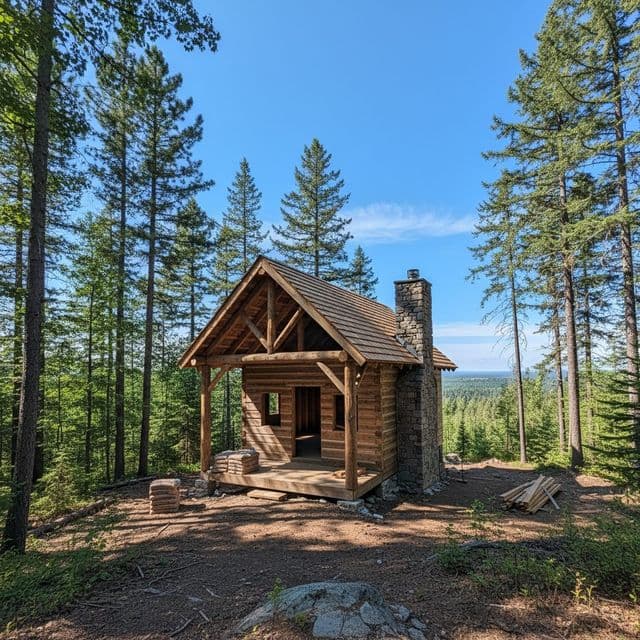
Master off-grid homestead site selection. Learn to assess water tables, soil stability, and frost lines for resilient building and growing in USDA Zone 5. Essential guide for aspiring homesteaders.
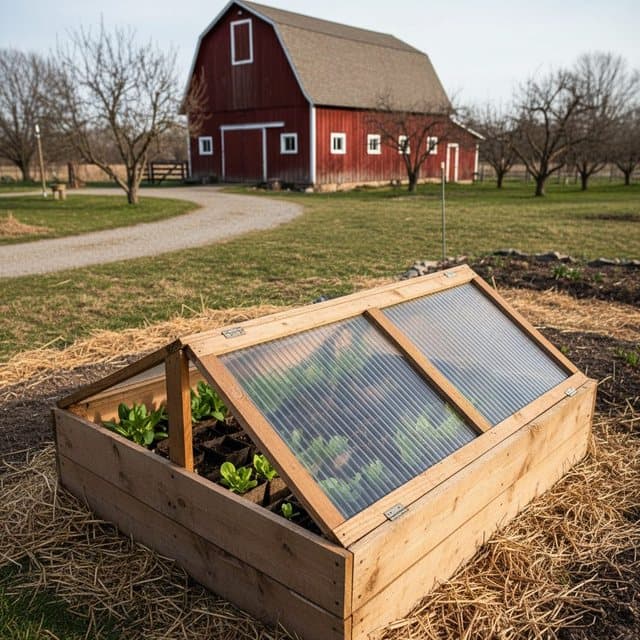
Prevent cold frame overheating on your Kansas homestead. Learn strategic siting, optimal 45-degree glazing, and venting to protect plants and extend your growing season.
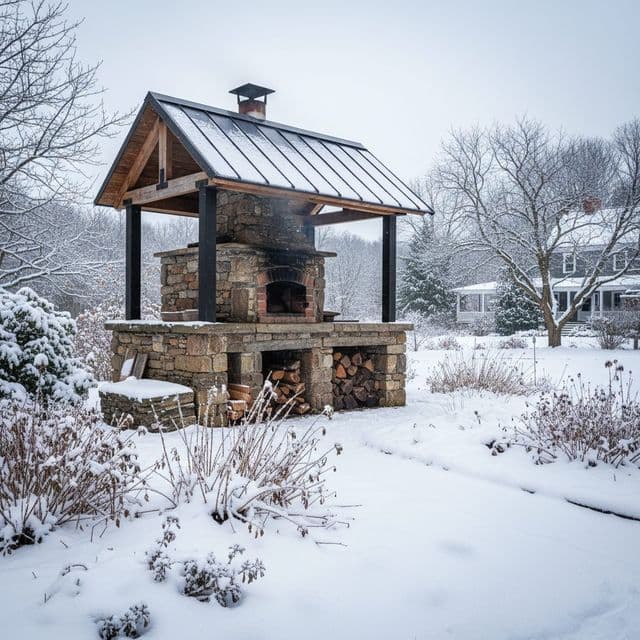
How to weatherproof an outdoor oven for decades in USDA Zone 6, including roof design, frost-depth foundations, dome insulation, and site layout.
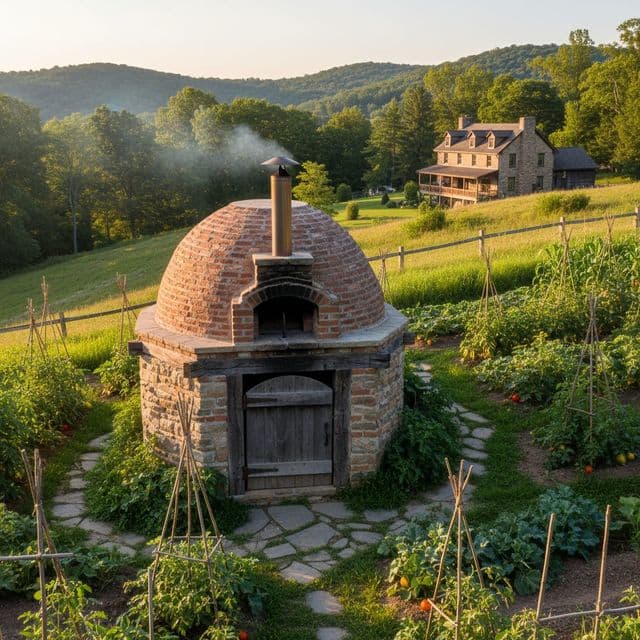
Learn to build a durable wood-fired brick oven for your homestead. Discover the science of thermal mass, dome design, and insulation for efficient, high-temperature cooking in USDA Zone 6.
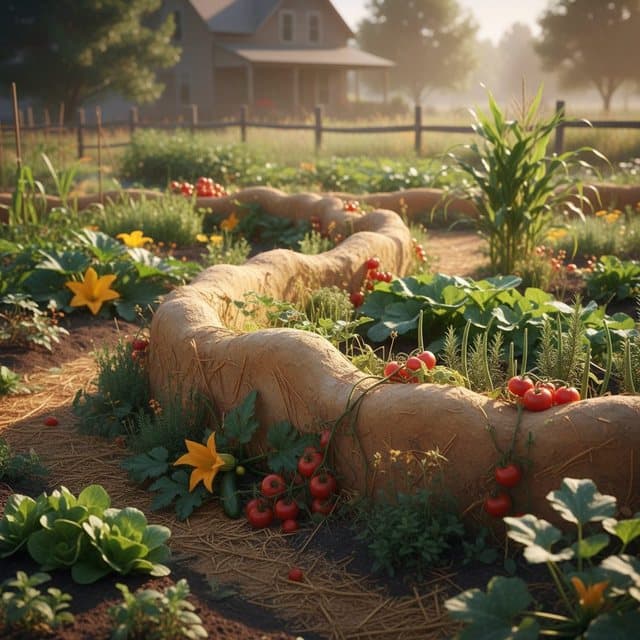
Building small cob structures like garden walls, benches, or root cellars in USDA Zone 6, using natural building techniques and thermal mass on the homestead.
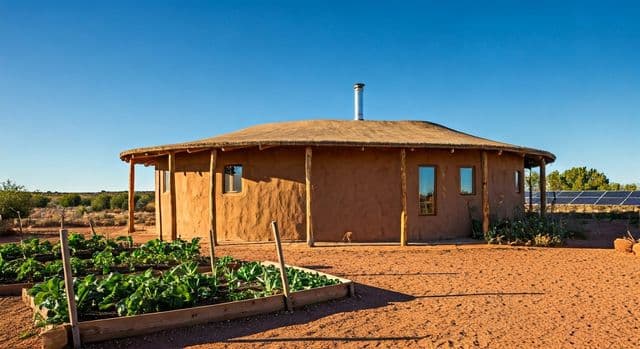
How lime and clay plasters weatherproof natural walls for over 20 years in the US Midwest, including durability, breathability, and application methods.