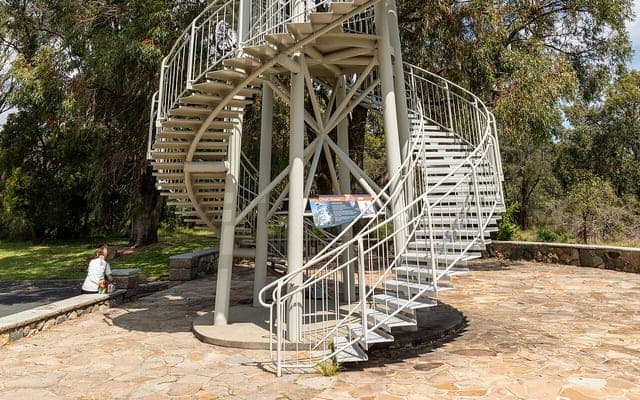
Permaculture Design: Site Observation Saves 25% in Midwest
Learn how a year of permaculture site observation can save Midwest growers 25% on initial planting costs & reduce fertilizer needs by 15%. Essential for food forest design.
Tag
18 articles in this tag on agripure.
Learn how a year of permaculture site observation can save Midwest growers 25% on initial planting costs & reduce fertilizer needs by 15%. Essential for food forest design.
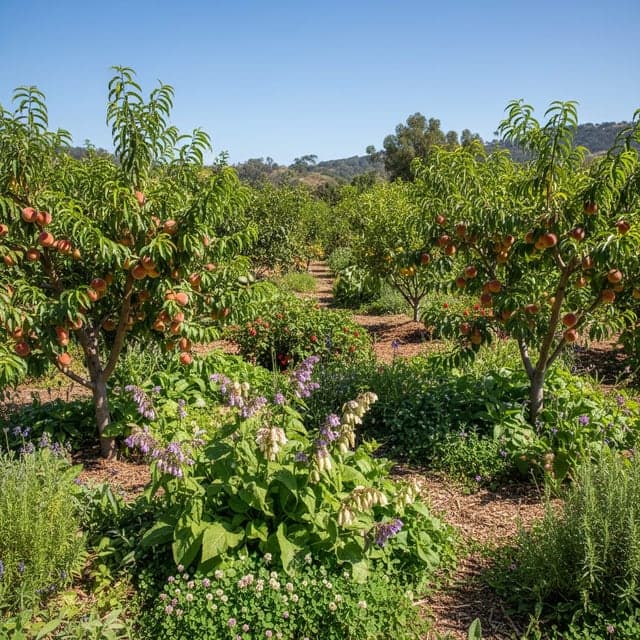
Learn to design a resilient peach and stone-fruit guild for USDA zones 8-10. Select low-chill varieties, incorporate nitrogen-fixers, and use swales to boost yields.
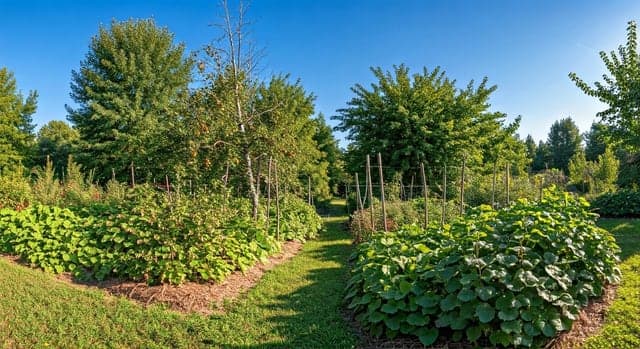
Design thriving cold climate food forests in USDA Zones 3-5 (Northeast & Upper Midwest). Learn species selection, water management with swales, and layering for resilient, productive systems.
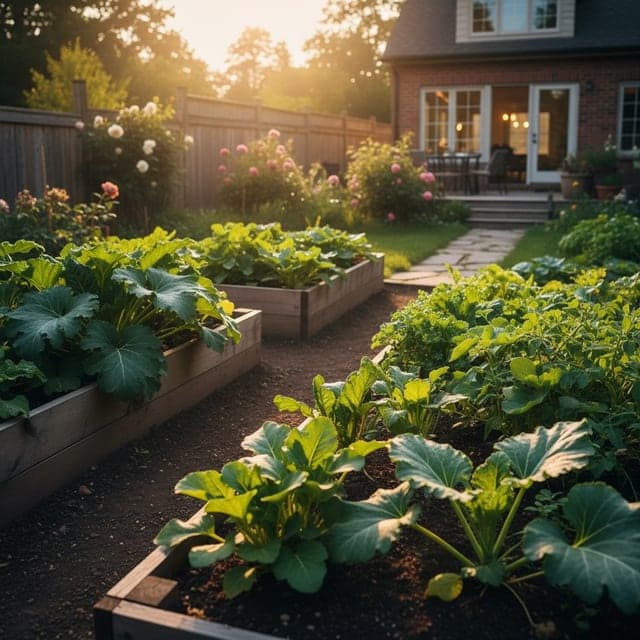
Learn how to implement effective rain garden design, ollas, and passive irrigation earthworks to reduce stormwater runoff, conserve water, and create beautiful, water-wise landscapes in your USDA z…
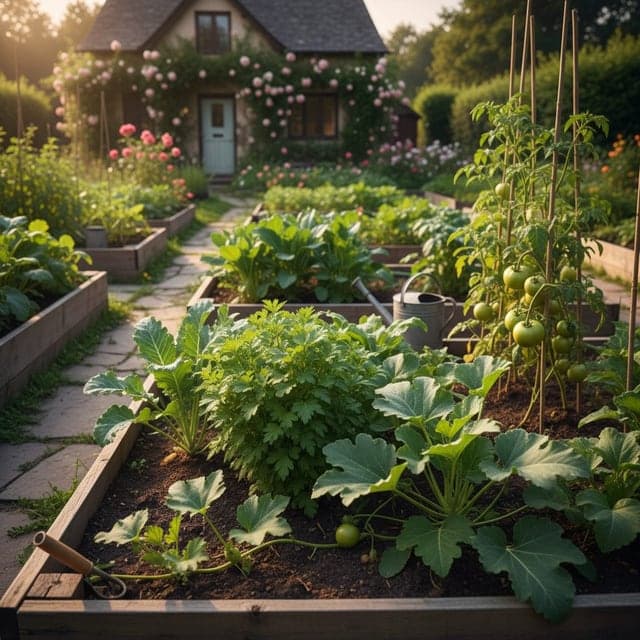
Discover native trees & shrubs for chronically wet spots across US regions. Improve drainage, reduce runoff, and support wildlife with water-tolerant species.

Discover how to grow wet-tolerant crops like elderberry, blueberry, and mint in USDA Zone 6. Learn passive irrigation techniques such as ollas, wicking beds, and swales to thrive in moist conditions.

Achieve clear pond water by balancing fish, feed, and plants. Learn how passive irrigation and strategic planting reduce nutrient loads by up to 80%, preventing algal blooms in US ponds.
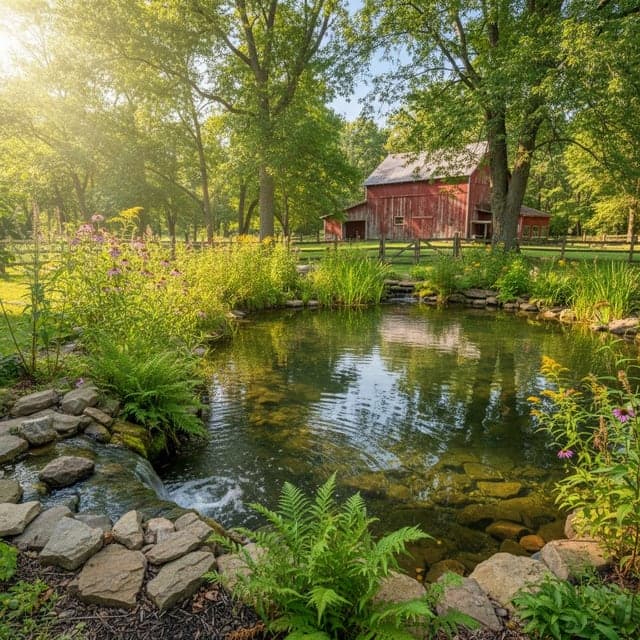
Learn how to manage green pond algae in US backyard ponds. Balance nutrients, sunlight, and use smart design & water harvesting for clear water in USDA Zone 6. Prevent blooms naturally.
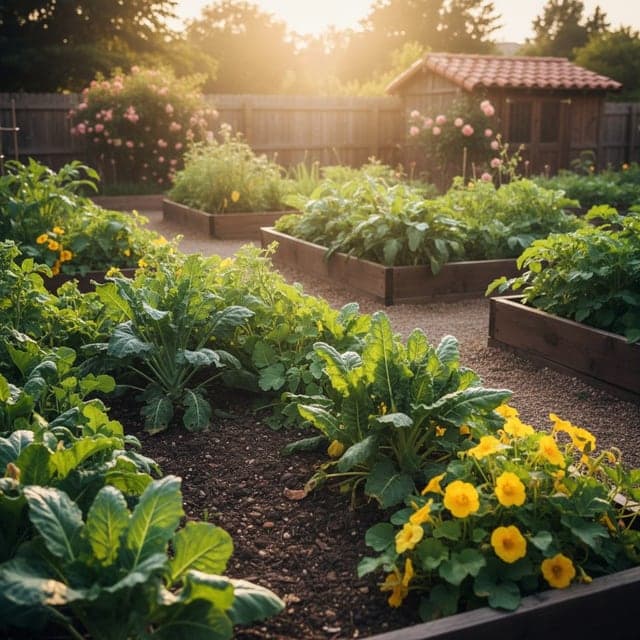
How native pond plants, combined with water harvesting, increase wildlife biodiversity by 25-50% in US ponds, with plant selection and water management tips across regions.
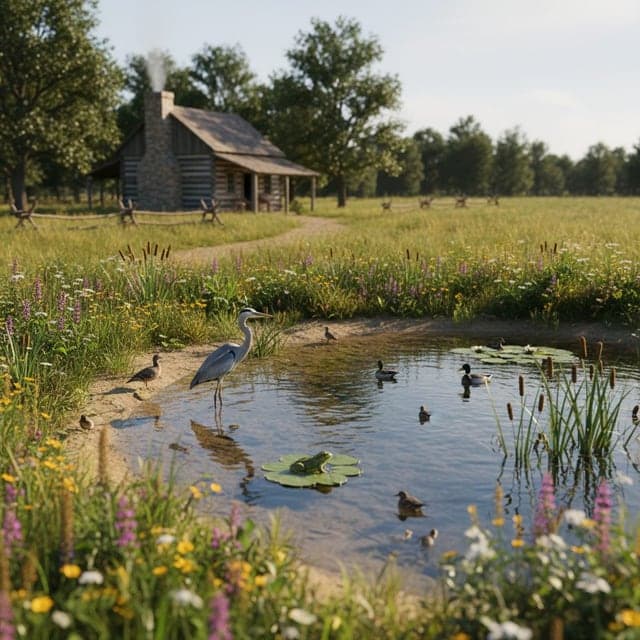
Design wildlife water features with shelves & beach edges to attract diverse species. Learn how rainwater harvesting, ollas, and swales create sustainable, water-wise habitats for your homestead.
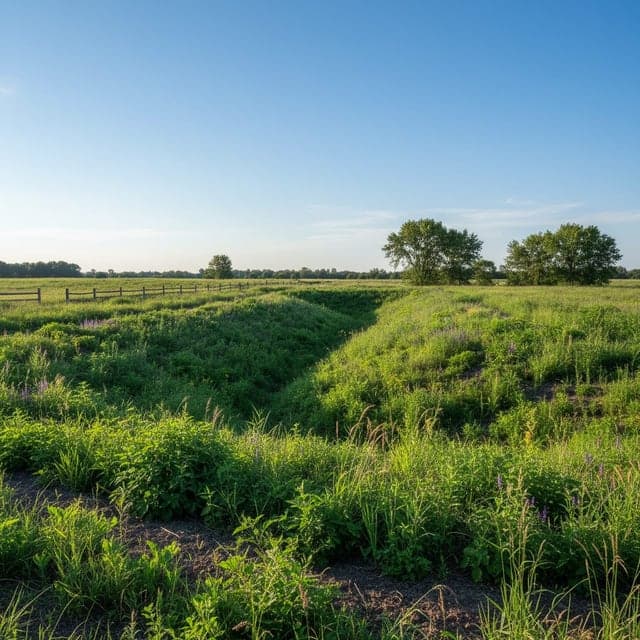
Design and maintain swales to prevent mosquito breeding with proper slopes, spillways, soil amendments, and plant selections.
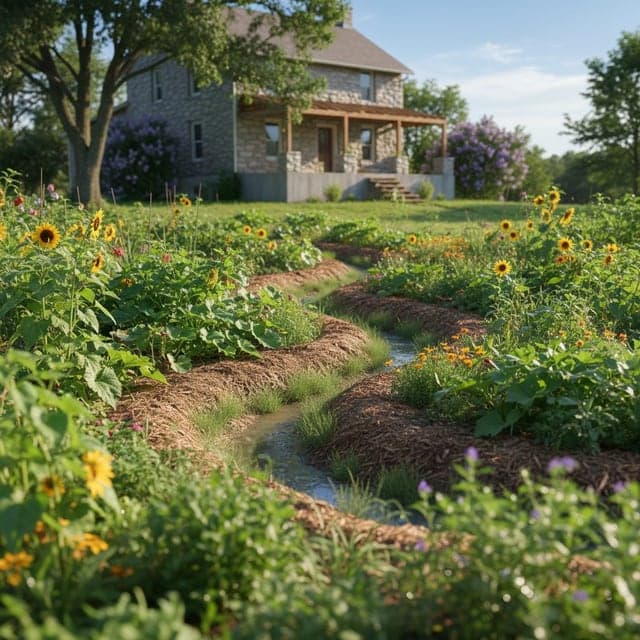
Plan a backyard swale without flooding your basement, hitting buried utilities, or triggering fines: Call 811 locates, 10–25+ ft foundation clearances, 25–50 ft septic and well buffers, >15–20% lan…

Master homestead water management with swales, berms, and French drains. Learn how these passive earthworks improve soil moisture, reduce runoff, and improve drainage for your USDA Zone 7 property.
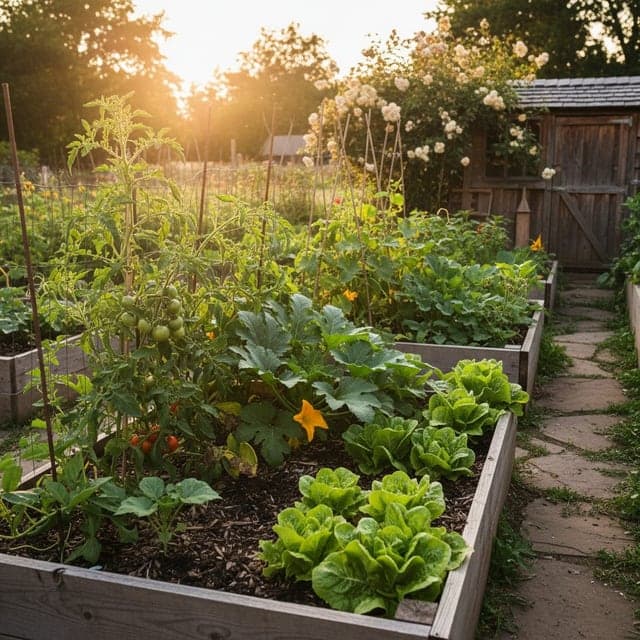
Learn how to size swales for different rainfall amounts, from arid Arizona to humid Florida. Optimize your swale design for water harvesting and soil health in any climate.
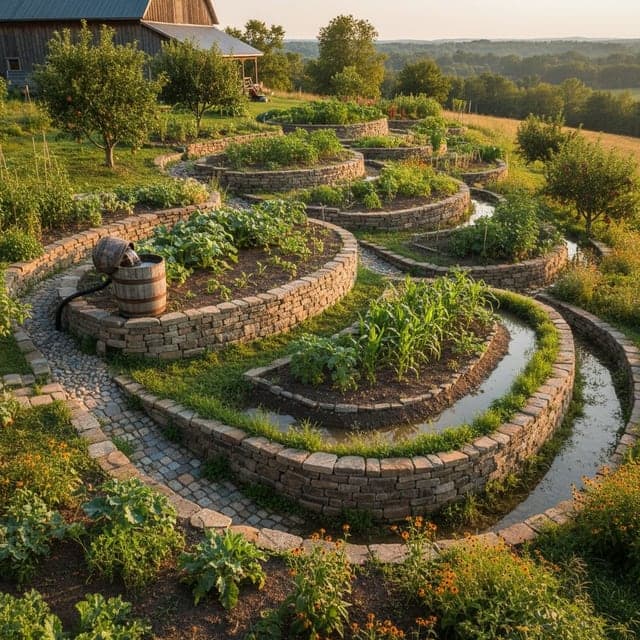
Learn to find contour with an A-frame or laser level. Build water harvesting earthworks like swales & wicking beds to reduce irrigation, prevent erosion, and save water. Essential for homesteaders.
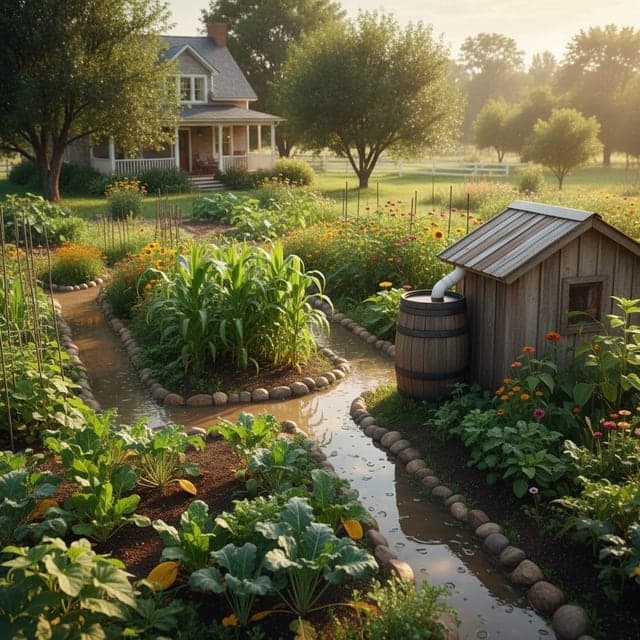
Learn effective strategies for waterlogged soil management in the Ohio River Valley and beyond. Improve drainage, boost crop resilience, and transform challenging sites with earthworks, wicking bed…
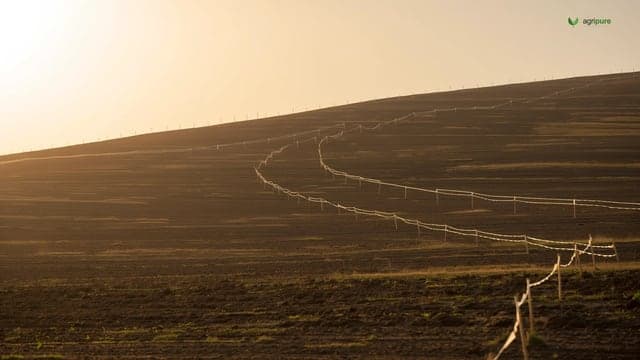
Keyline design has a reputation for being something you do with a bulldozer across a thousand acres. It is not. The idea P. A. Yeomans set out in the 1950s is fundamentally about reading how water…
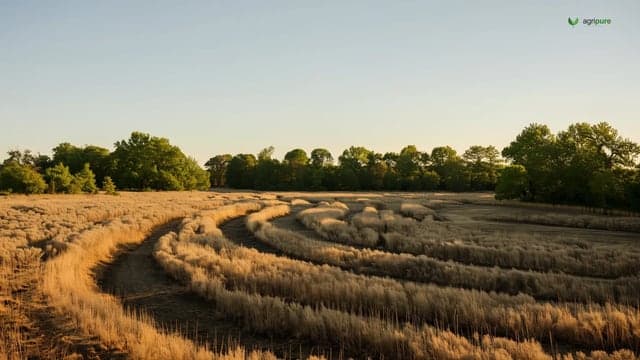
A swale in year one is an earthwork. A swale in year seven is an ecosystem, and the maintenance it needs is the opposite of what year one taught you. The contour ditch you dug to catch and sink rai…