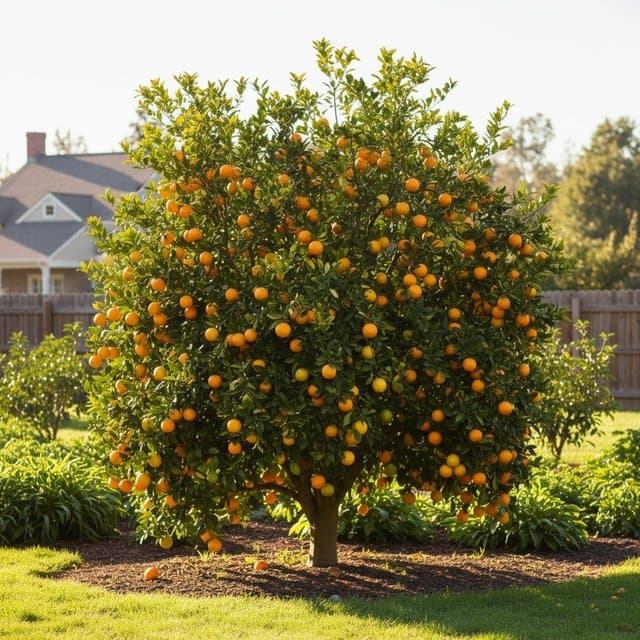
Diagnosing Yellow Citrus Leaves: Nutrients & Overwatering
Diagnose yellow citrus leaves in your US orchard. Learn to identify nutrient deficiencies (nitrogen, iron, magnesium) and overwatering issues with practical solutions for healthy trees.
Topic
Growing fruit trees at home — choosing varieties for your USDA zone, planting bare-root and container stock, pruning for shape and yield, pollination partners, and troubleshooting common problems from blossom drop to biennial bearing.
142 articles in this topic on agripure. — page 3 of 6
Diagnose yellow citrus leaves in your US orchard. Learn to identify nutrient deficiencies (nitrogen, iron, magnesium) and overwatering issues with practical solutions for healthy trees.
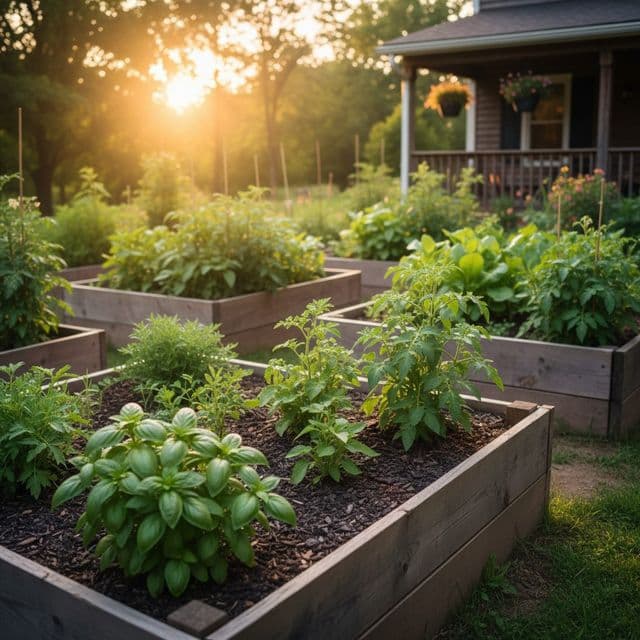
Master growing Southwest fruit trees despite 115°F heat, alkaline soil, and critical chill hours. Learn variety selection, soil amendments, and irrigation for a thriving orchard.
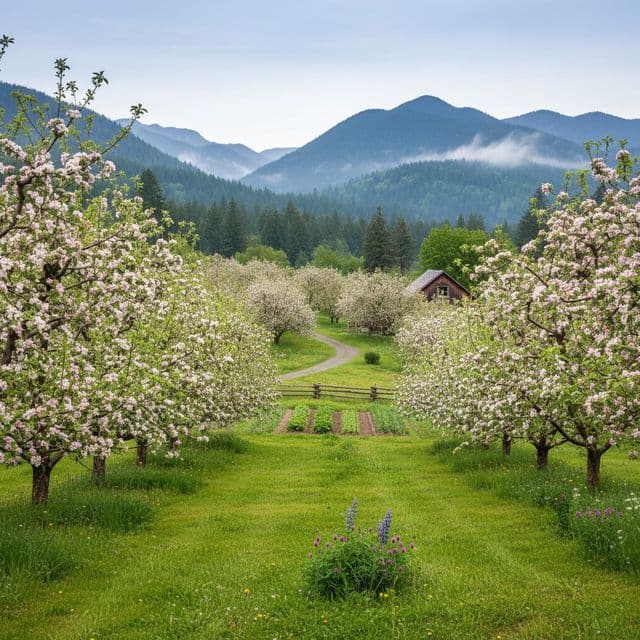
Discover top fruit tree varieties for the Pacific Northwest’s unique climate. Learn about disease-resistant options, rootstock selection, and care tips for healthy PNW fruit trees.
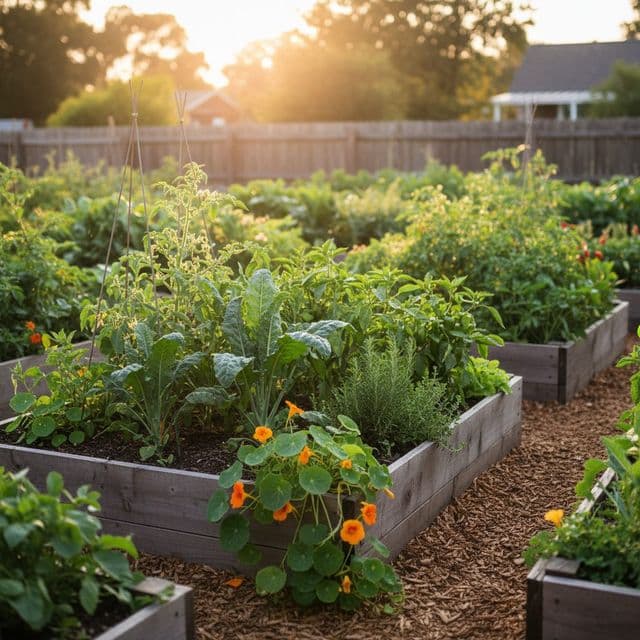
Discover why low-chill fruit varieties fail in the Midwest & Northeast. Learn about late frost risk, chill hours, and selecting cold-hardy trees for reliable harvests in USDA zones 4-7.
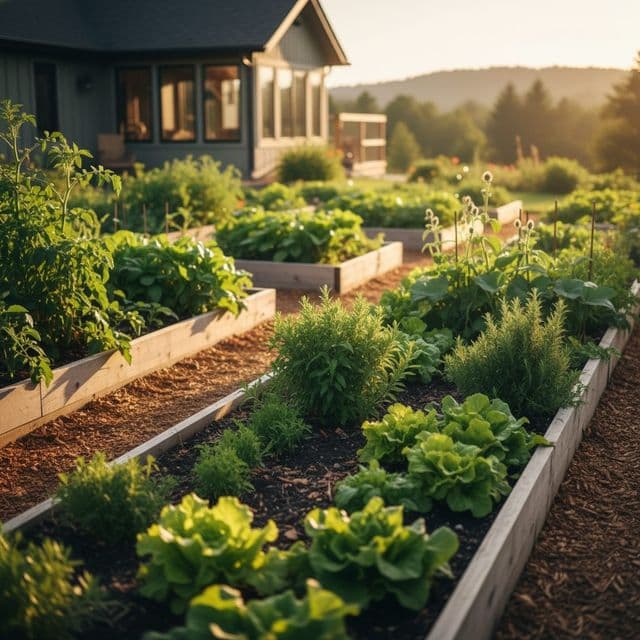
Discover how high-chill fruit trees like apples, pears, and cherries thrive with specific winter cold requirements. Learn about chill hours, ideal varieties for northern climates, and essential car…
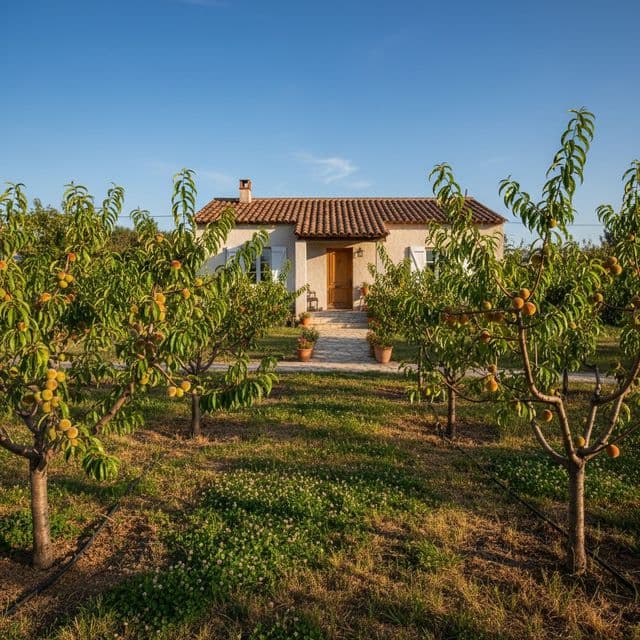
Learn to grow low-chill peaches and nectarines in USDA zones 8-10. This guide covers cultivar selection, chill hours, site prep, planting, and care for a bountiful harvest in warmer climates.
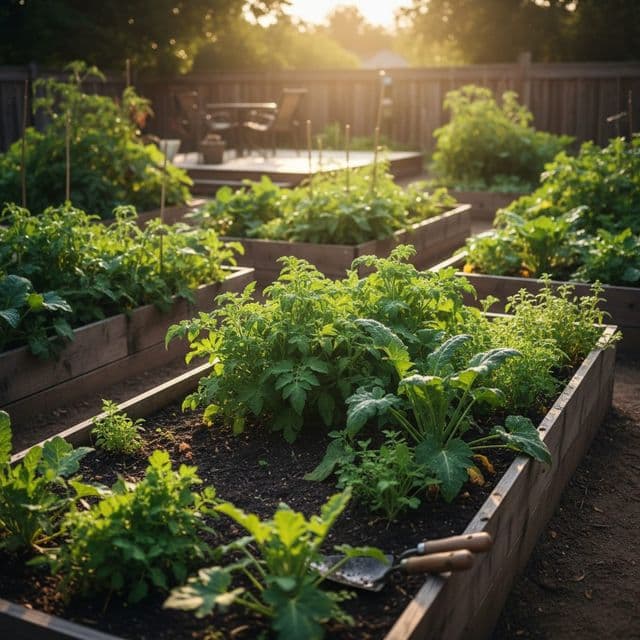
Low-chill apple varieties like Anna and Dorsett Golden produce reliable harvests in warm climates like the American South and coastal California with under 400 chill hours. Site selection, watering…
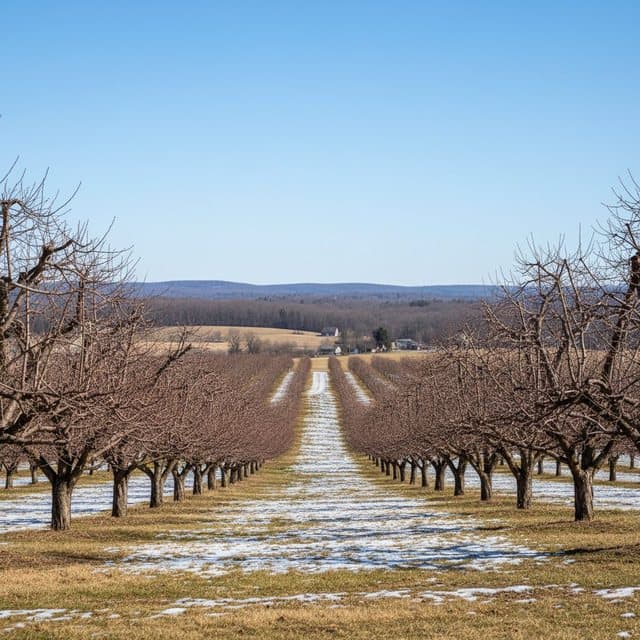
Unlock bountiful fruit harvests by understanding fruit tree chill hours. Learn how to calculate chill hours, choose the right varieties for your USDA zone, and ensure optimal production.
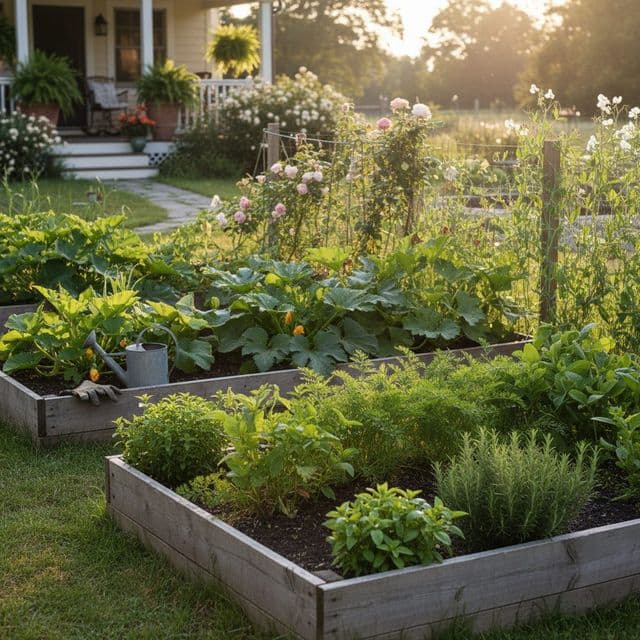
Learn how to renovate an overgrown apple tree over three dormant seasons in USDA Zone 6. This guide covers pruning, pest management, and care for fruit production.
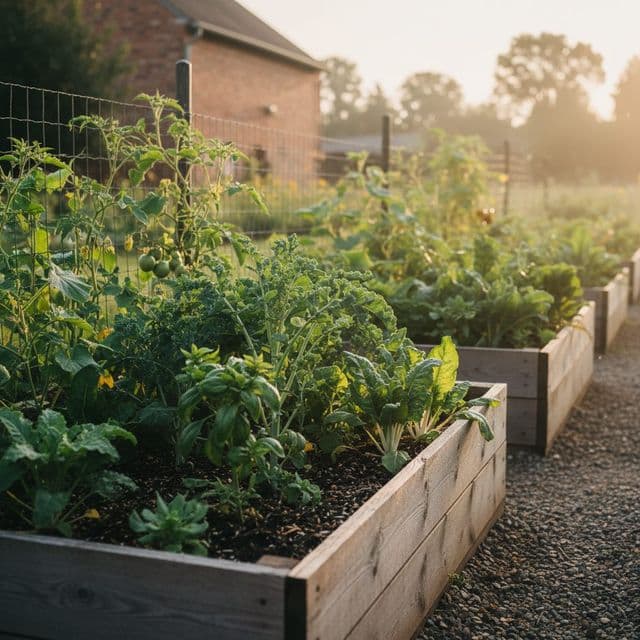
Learn how improper pruning delays fruit on young apple trees. Avoid common mistakes, understand timing, and consider rootstock to ensure early, abundant harvests in USDA Zone 6.
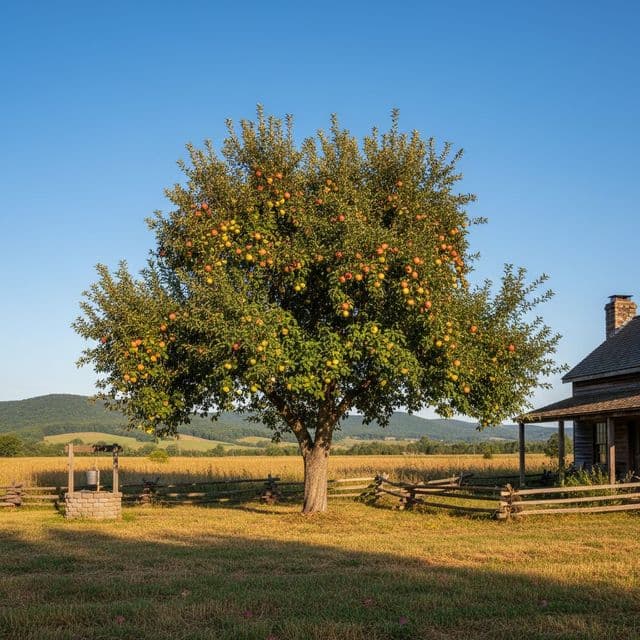
Learn to build a strong apple tree framework for decades of abundant fruit. Master scaffold selection, training, and pruning techniques for long-term health and productivity in USDA Zone 6.
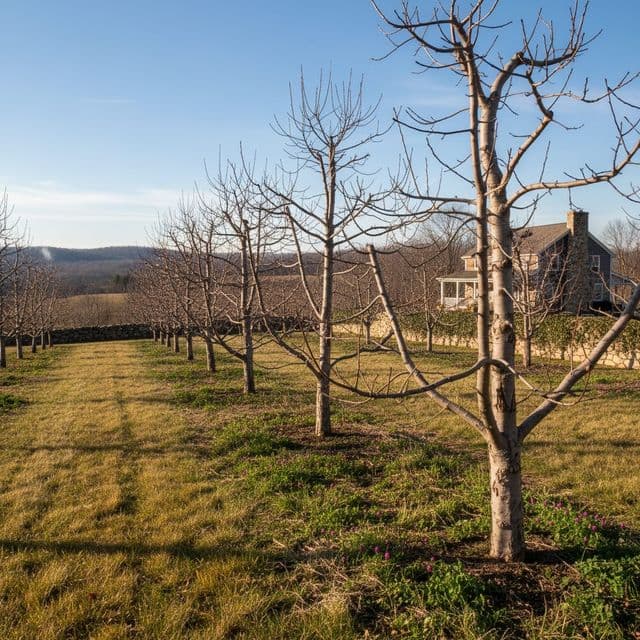
How dormant and summer pruning in USDA Zone 6 can boost yields, improve fruit quality, and manage tree size effectively.
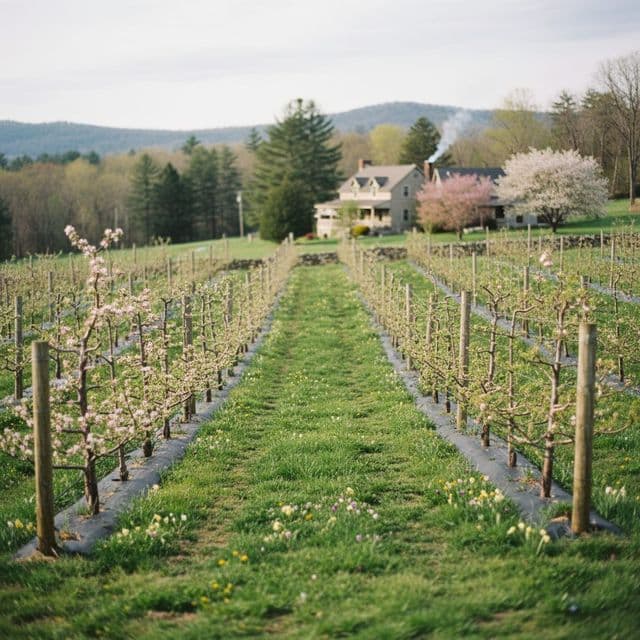
Learn how to prune fruit tree whips at planting for strong, productive branching in USDA Zone 6, establishing the first cuts for a healthy, long-lasting orchard.
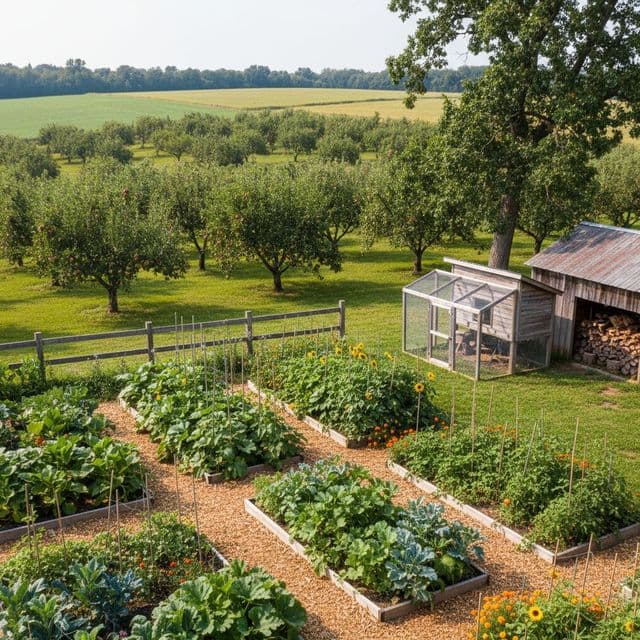
Master apple and pear tree training for abundant harvests in USDA zones 5-8. Learn central-leader & tall-spindle systems, rootstock selection, and pruning techniques.
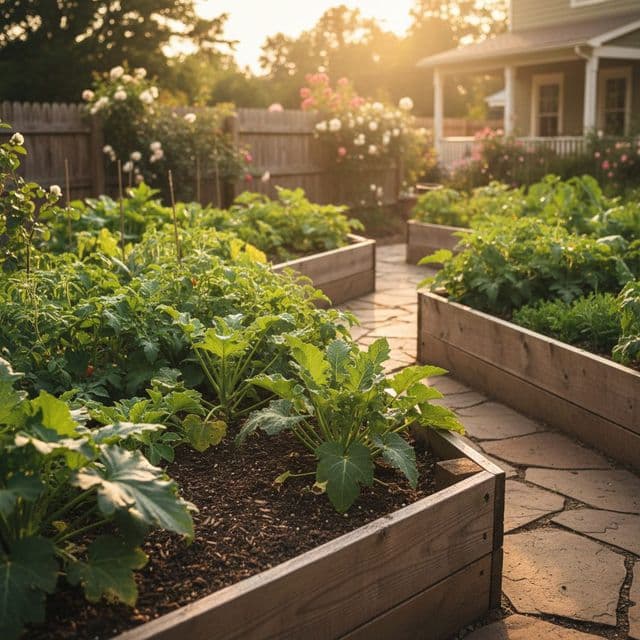
Master open-center pruning for peaches, plums, and apricots. Learn techniques to improve light, air circulation, and boost fruit yields by 20% in USDA Zones 5-9. Essential guide for home growers.
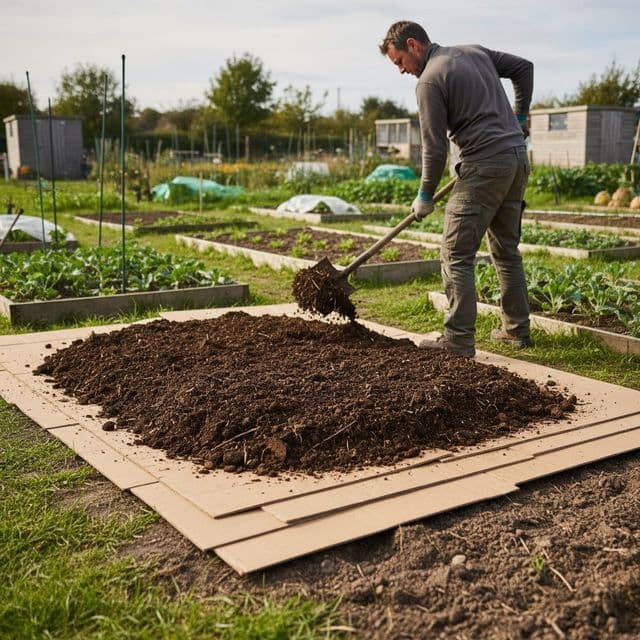
Learn how to properly amend clay, sand, and rocky soils for fruit trees in USDA Zone 6. Avoid over-amending to prevent issues like the ‘bathtub effect’ and root circling, ensuring healthy growth an…
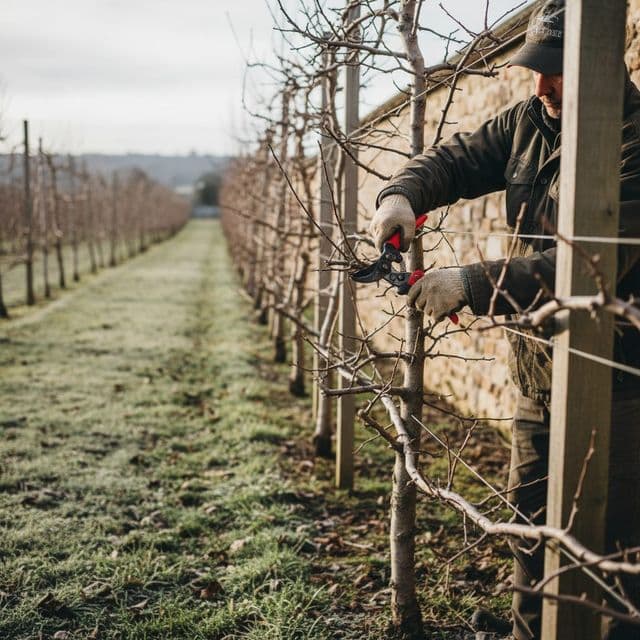
Seasonal pruning calendar for Australian orchards, including winter pome fruit care, summer stone fruit management, and citrus timing.
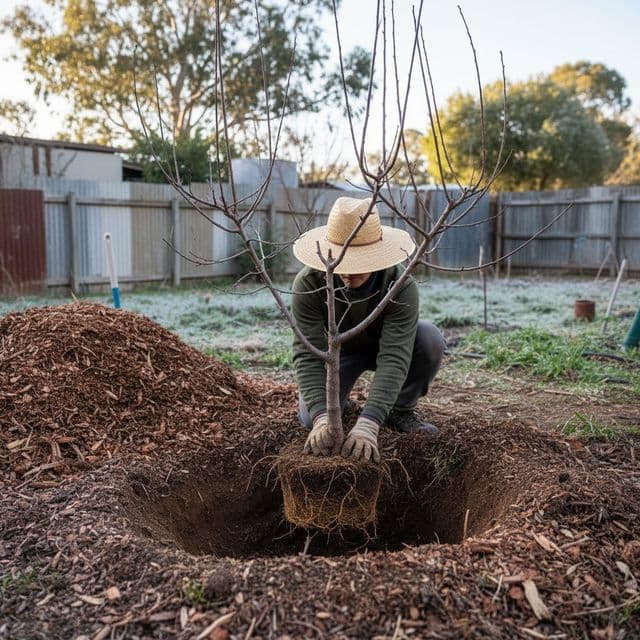
Learn when to plant fruit trees in Australia. Master winter bare-root planting, spring subtropicals, regional timing, soil preparation, and watering.
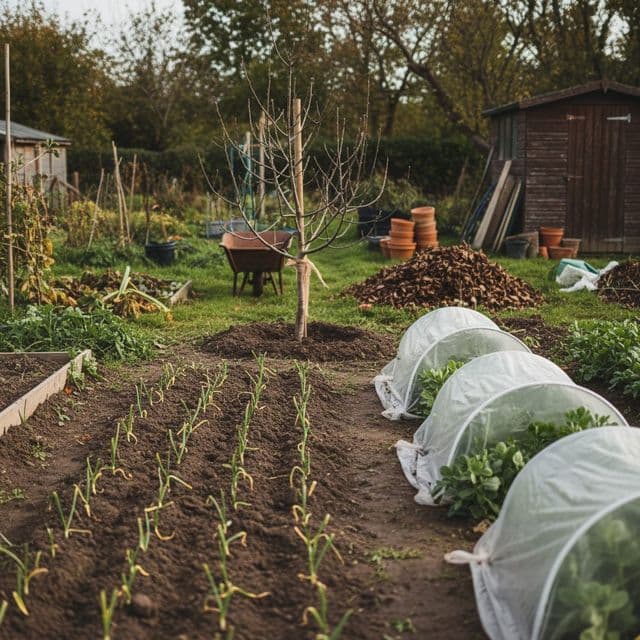
Discover what to plant in November in the UK: autumn garlic varieties, overwintering broad beans, bare-root fruit trees, and hardy winter salads under cloches.
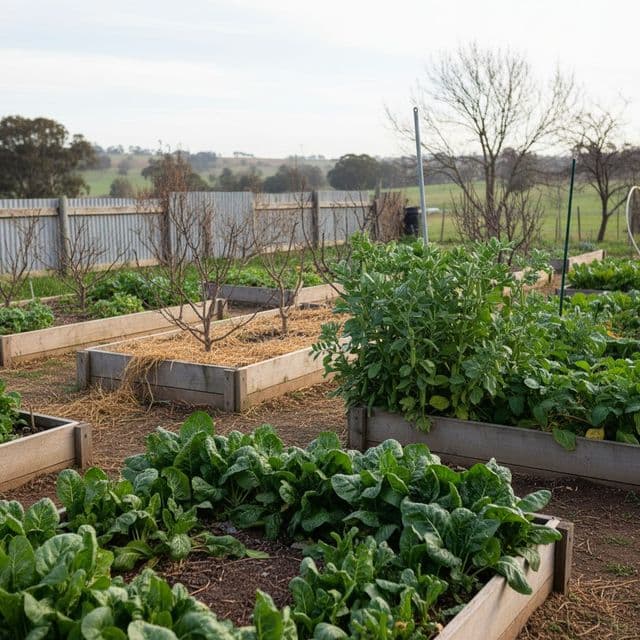
June brings early winter planting across Australia, from bare-root fruit trees and garlic in cool zones to winter vegetables in subtropical climates.
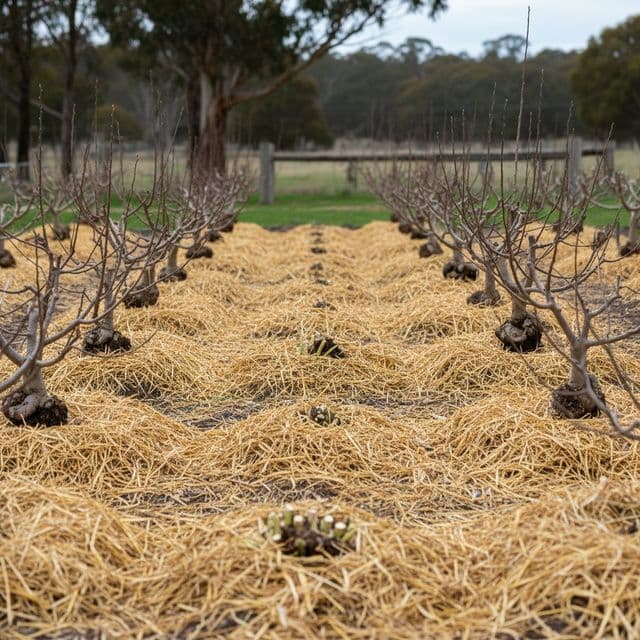
July is peak midwinter planting across Australia, featuring bare-root fruit trees, asparagus crowns, seed potatoes, and cool-season leafy greens.
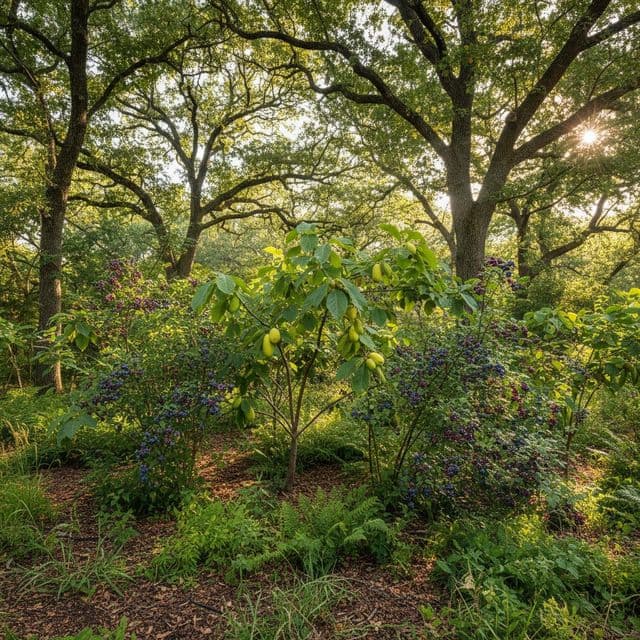
Understory fruit trees and berry shrubs yield reliable harvests in partial shade beneath canopy trees when matched to filtered sunlight and rich soil.
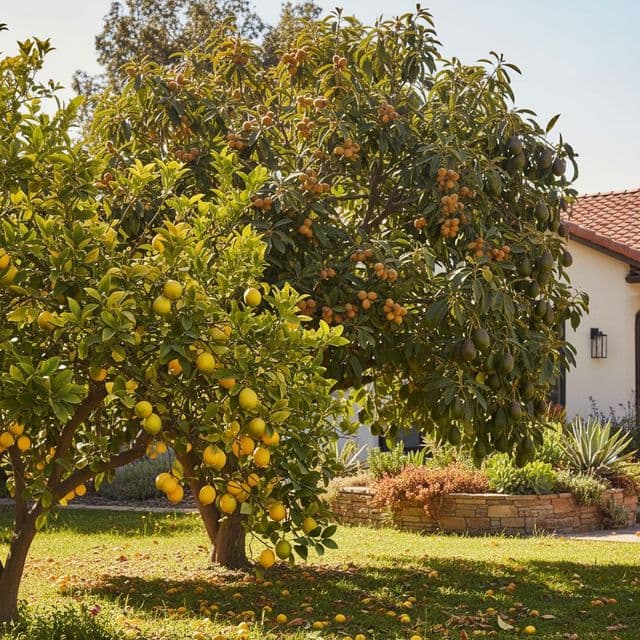
Discover the best subtropical fruit trees for USDA Zones 9 and 10, from avocados and citrus to loquats, guavas, and cold-hardy tropical species.
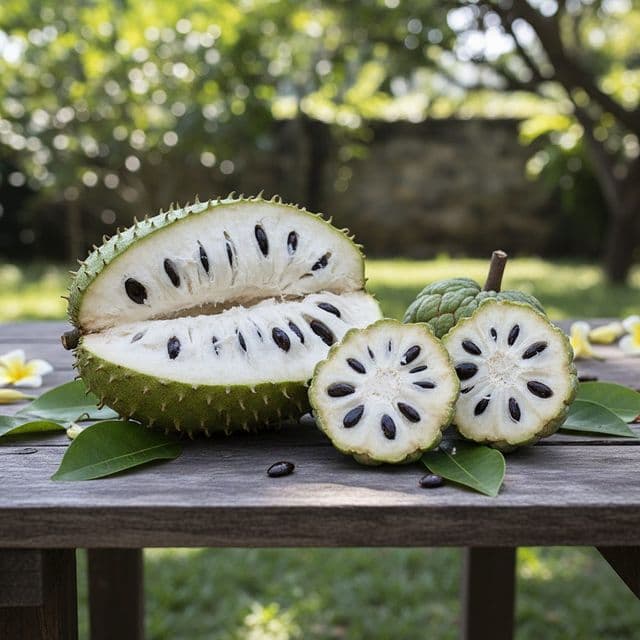
Compare soursop and sugar apple across botanical traits, fruit size, rind textures, flavor profiles, and tropical and subtropical growing conditions.