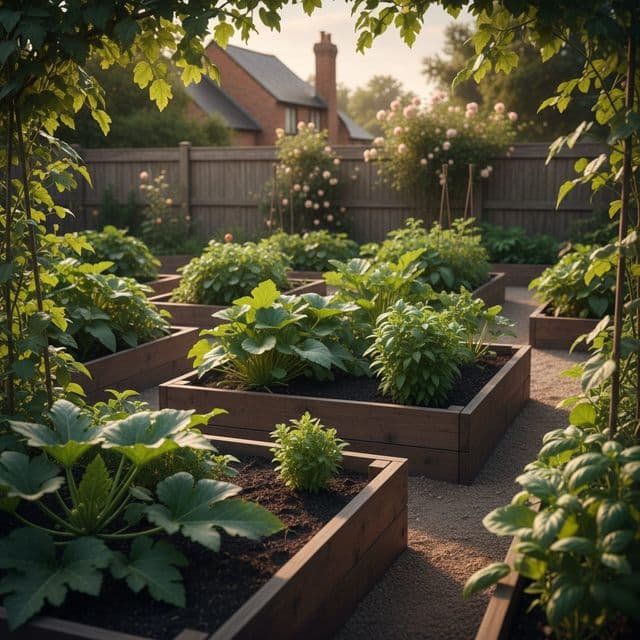
First-year fruit tree watering: USDA Zones 4-9 schedule
First-year fruit tree watering schedule for USDA zones 4-9, covering how soil type, climate, and mulch impact young tree survival and root establishment.
Topic
Growing fruit trees at home — choosing varieties for your USDA zone, planting bare-root and container stock, pruning for shape and yield, pollination partners, and troubleshooting common problems from blossom drop to biennial bearing.
142 articles in this topic on agripure. — page 6 of 6
First-year fruit tree watering schedule for USDA zones 4-9, covering how soil type, climate, and mulch impact young tree survival and root establishment.
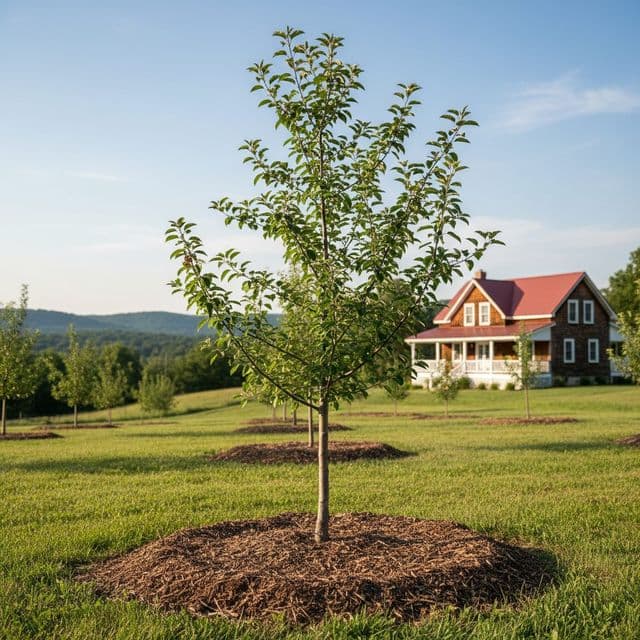
Learn when and how to properly stake new fruit trees in USDA Zone 6. Avoid common mistakes that weaken trees and ensure strong growth. Get expert tips for your orchard.
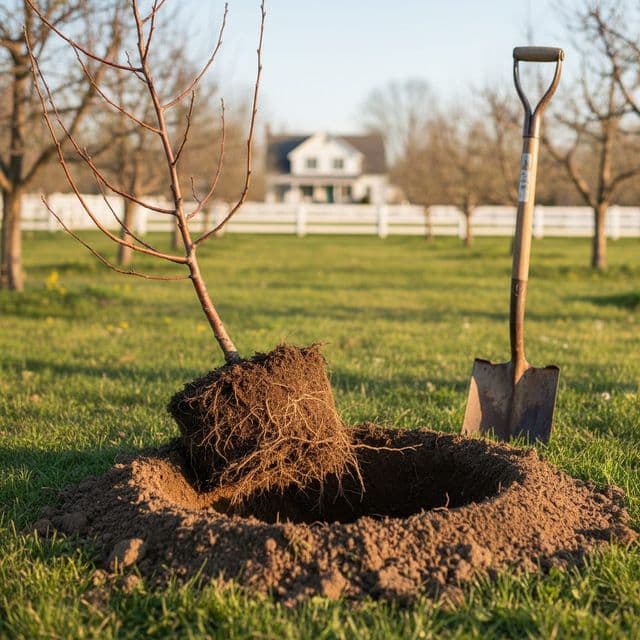
Learn to plant bare-root fruit trees in USDA Zone 6 with this 10-step guide, covering benefits, site selection, proper hole size, and aftercare for a home orchard.
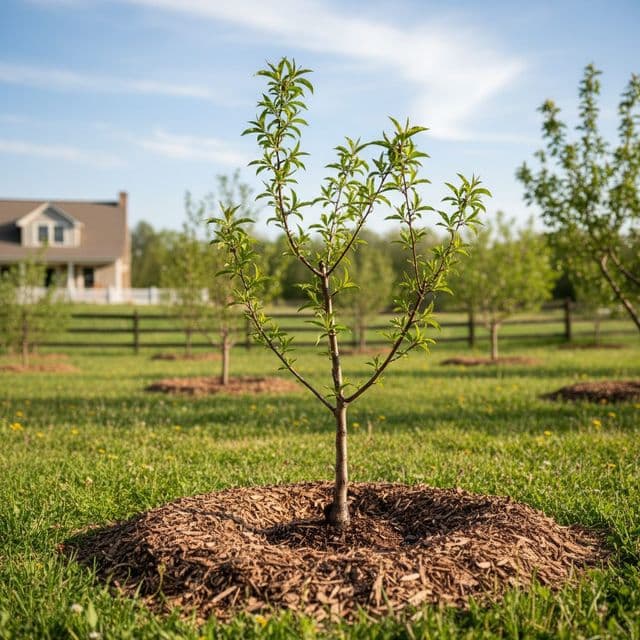
Learn why proper fruit tree planting depth is crucial for health and yield. Discover how to correctly plant fruit trees, ensuring the graft union and root flare are exposed. Avoid common mistakes.
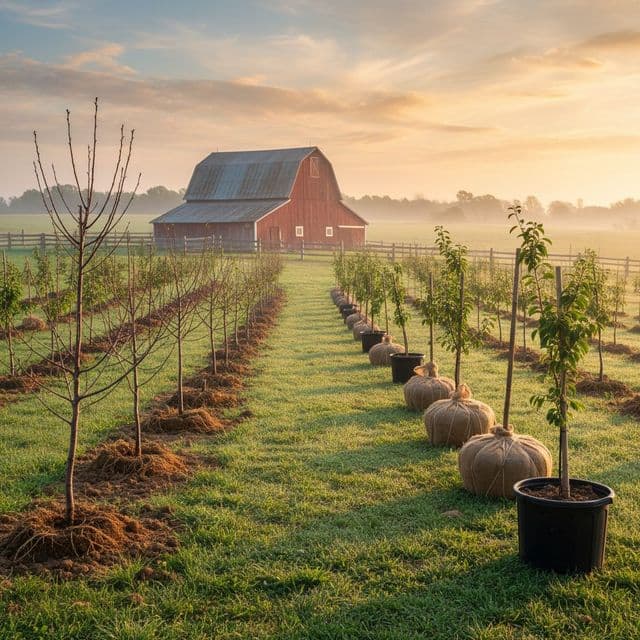
Learn to choose the best fruit trees for your homestead. Compare bare-root, container, and B&B options for optimal establishment in USDA zones 4-9. Master fruit tree planting for success.
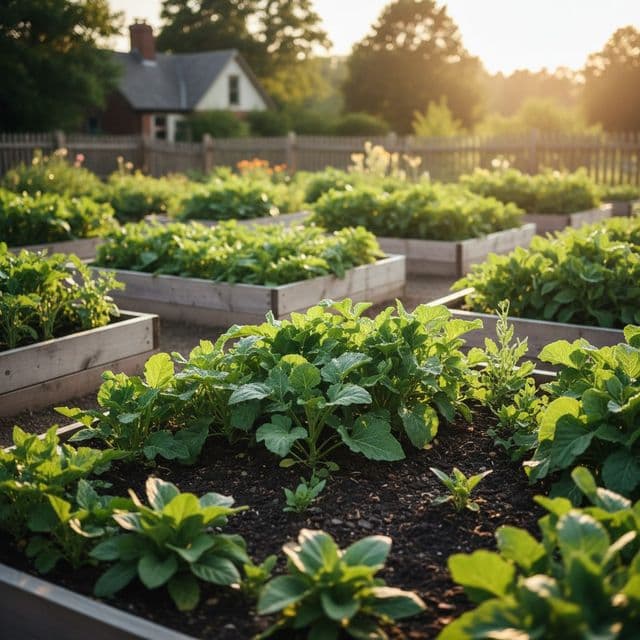
Practical strategies like netting, scare devices, and harvest timing to reduce bird damage to berry crops in USDA zones 4-9.
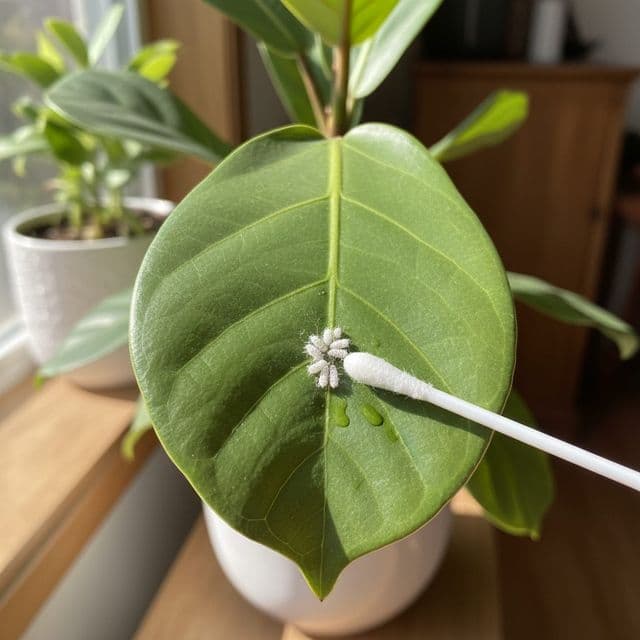
Learn effective mealybug control for citrus and houseplants using rubbing alcohol and horticultural oils. This guide covers application, precautions, and tips for USDA zone 8.
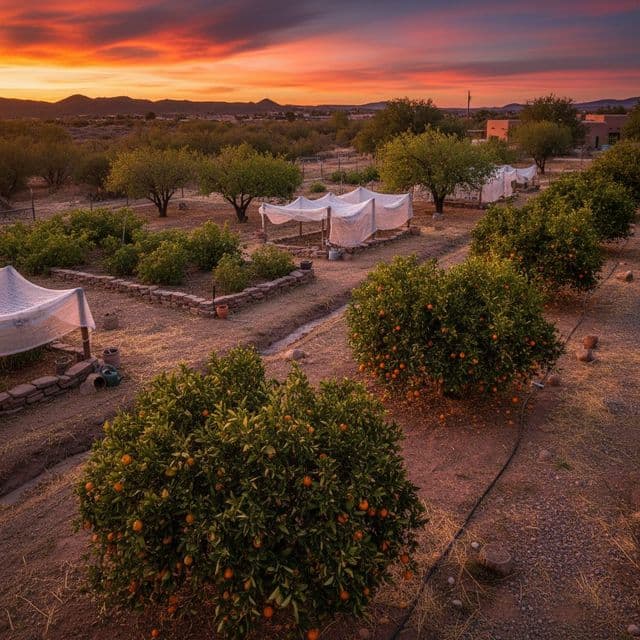
Learn how to recover heat-stressed fruit trees and berries in USDA Zone 8. This guide covers deep hydration, soil health, pruning, and pest management to revive your plants after heatwaves.
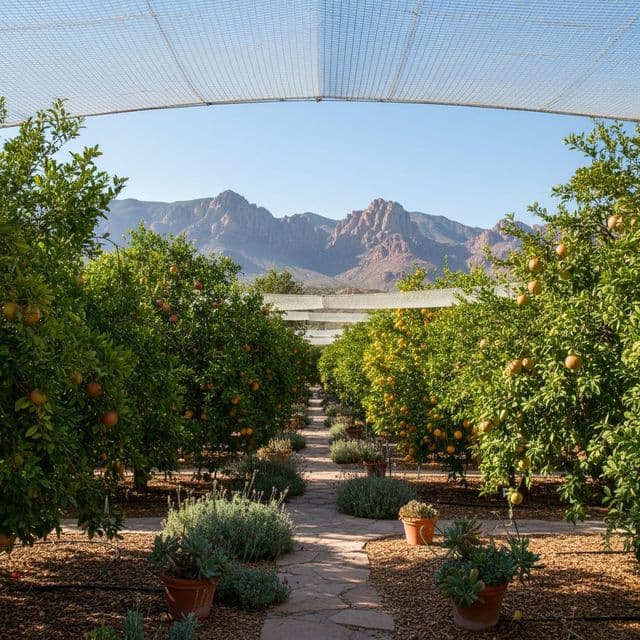
Shade netting protects desert fruit trees, reducing water use by 20-30%, preventing sunburn, and lowering temperatures by 10-15°F.
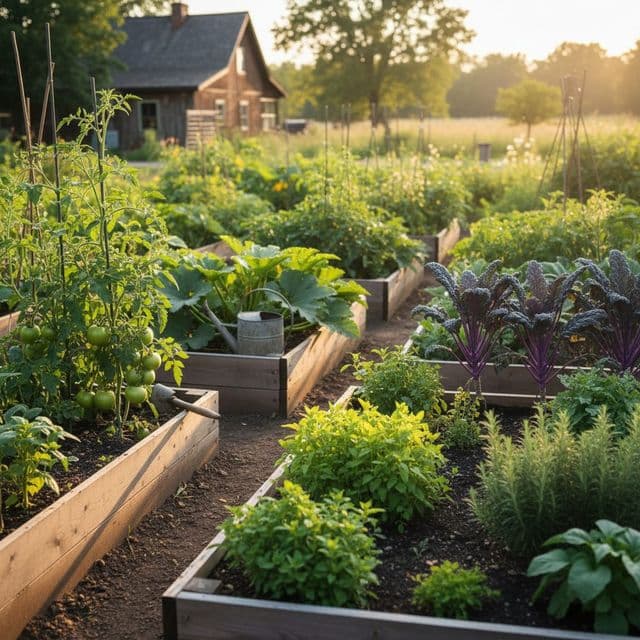
Learn essential strategies to protect young trees from summer heat and drought. Discover deep watering, mulching, and soil health tips for resilient homestead trees.
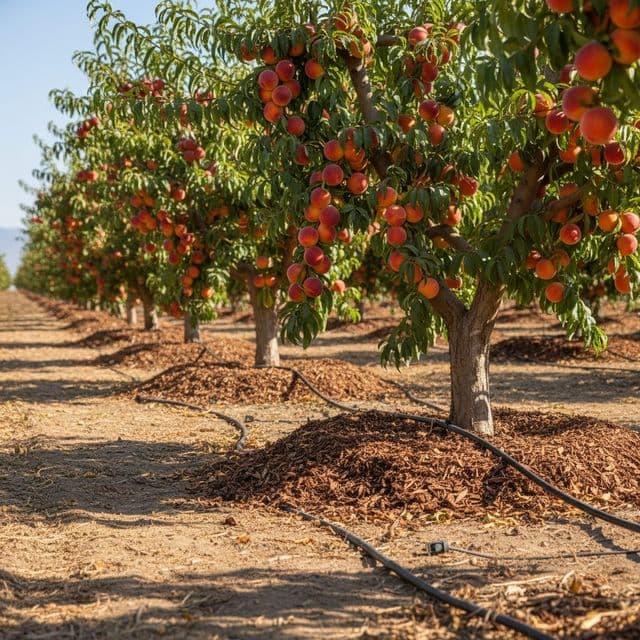
Master deep watering fruit trees like apples & peaches in USDA zones 6-9. Learn techniques for drought & heat resilience, including soil moisture assessment, drip irrigation, and mulching.
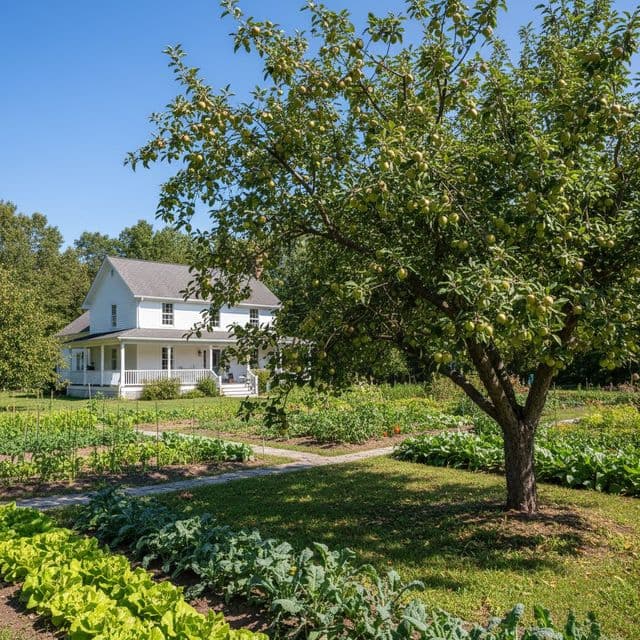
Learn why fruit trees drop fruit due to heat and June drop. Discover data-backed strategies to reduce fruit tree drop, maintain soil moisture, and boost yields in US orchards. Essential tips for cl…
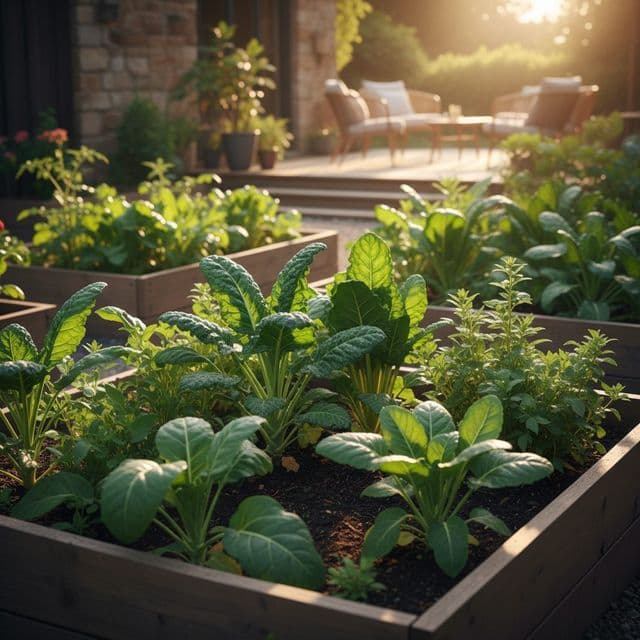
Learn effective strategies for sunscald protection in arid US zones. Discover how white paint, shade, and proper irrigation save fruit trees and boost yields by preventing heat damage.
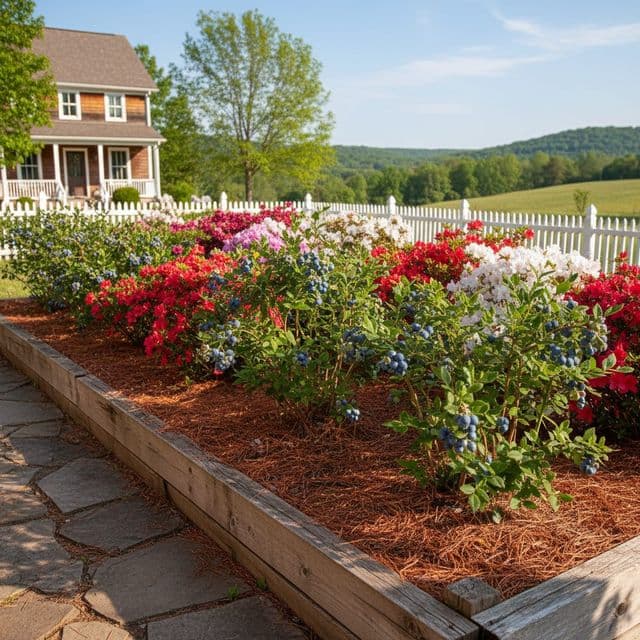
Learn organic methods to achieve ideal acidic soil for blueberries and azaleas in USDA Zone 7. Use compost, vermicompost, and biochar to lower pH naturally.
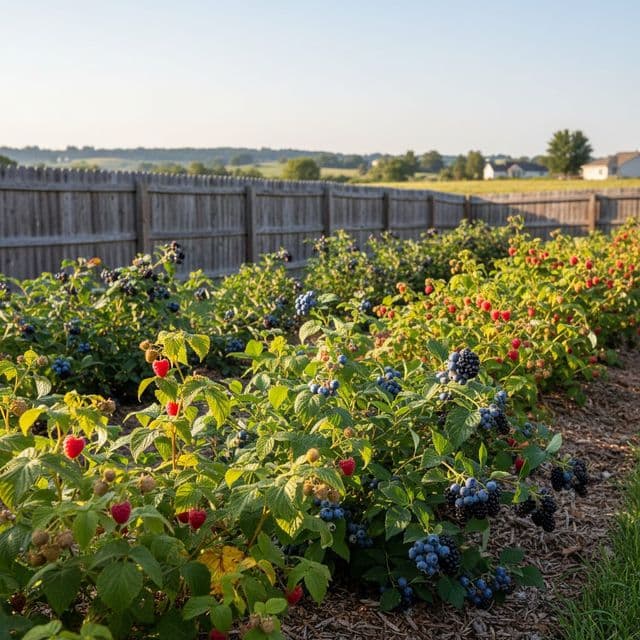
Learn to grow backyard berries like raspberries, blueberries, and brambles. This guide covers soil pH, pruning, and variety selection for successful harvests across US USDA zones.
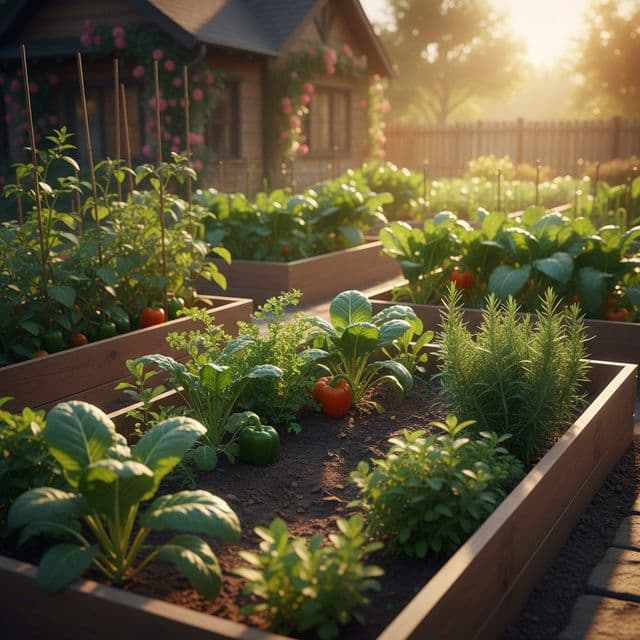
Master fruit tree pruning for pomegranates, figs, persimmons, and mulberries. Learn essential care to boost yields by 30% and maintain healthy trees in your home orchard.
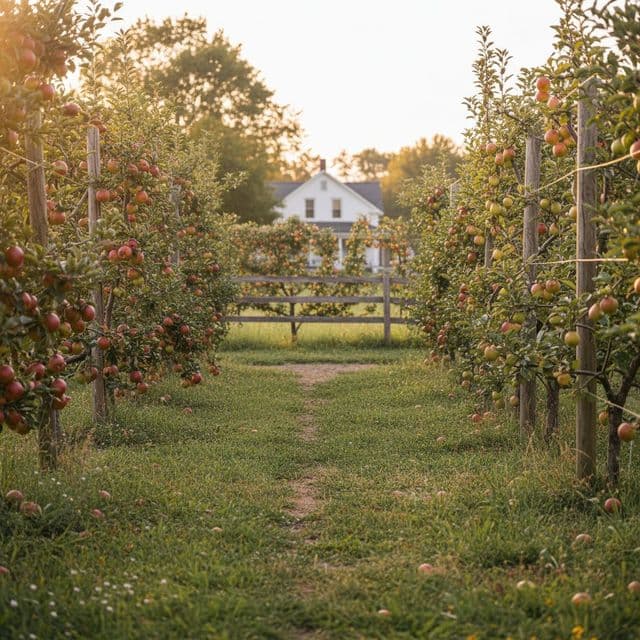
Maximize your small backyard orchard in USDA Zone 6! Learn high-density planting, espalier, and grafting to grow 10 fruit trees in just 500 sq ft for abundant harvests.
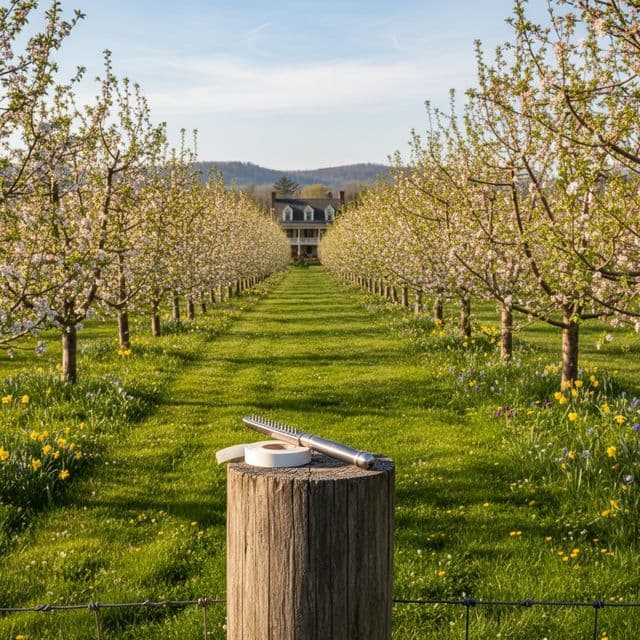
Learn whip-and-tongue, cleft, and bud grafting fruit trees at home. Master techniques for success in USDA Zone 6, ensuring strong unions & healthy orchards.
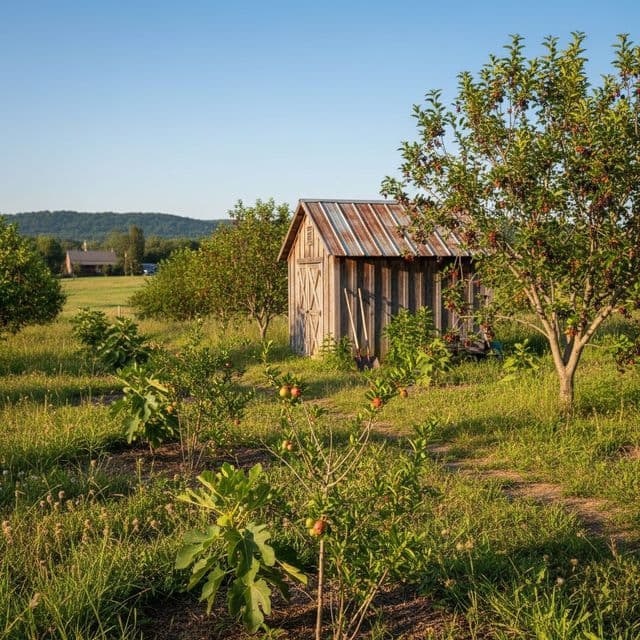
Learn to propagate fig, pomegranate, and mulberry trees from cuttings or air layering. Save up to 75% on orchard expansion costs and grow your own fruit trees in USDA zones 6-9.
Learn organic pest control for apples in USDA zones 4-8. Manage codling moth, spotted-wing drosophila, and apple maggot with IPM, cultural practices, and traps for a healthy harvest.
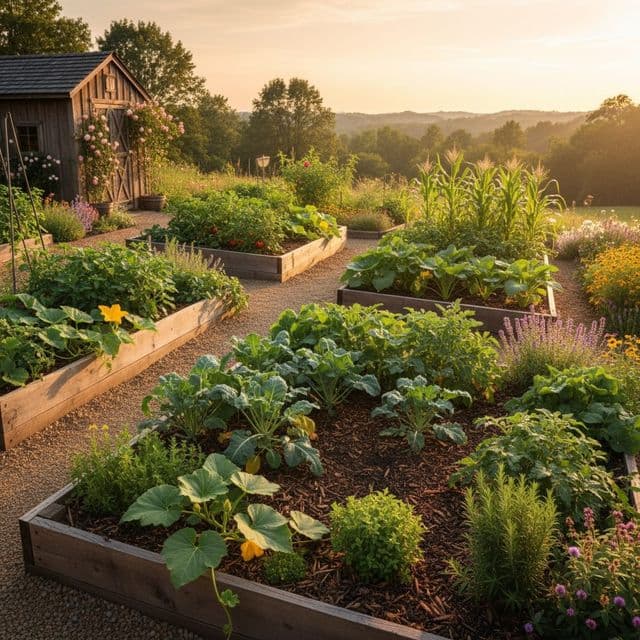
Diagnose common citrus tree problems like yellow leaves, fruit splitting, and premature drop in home orchards, identifying remedies for nutrient deficiencies, water stress, and insect pests.
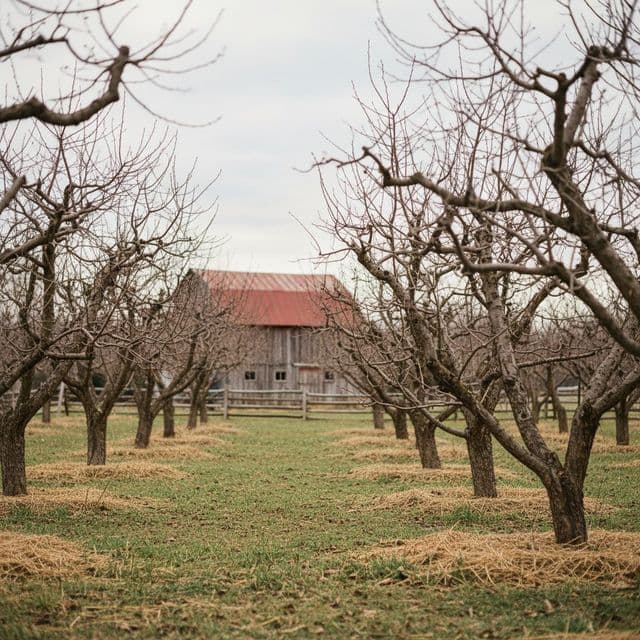
Master chill hours for fruit trees! Learn why cold temperatures are vital for stone and pome fruit in USDA zones 4-9. Select varieties for a thriving home orchard.