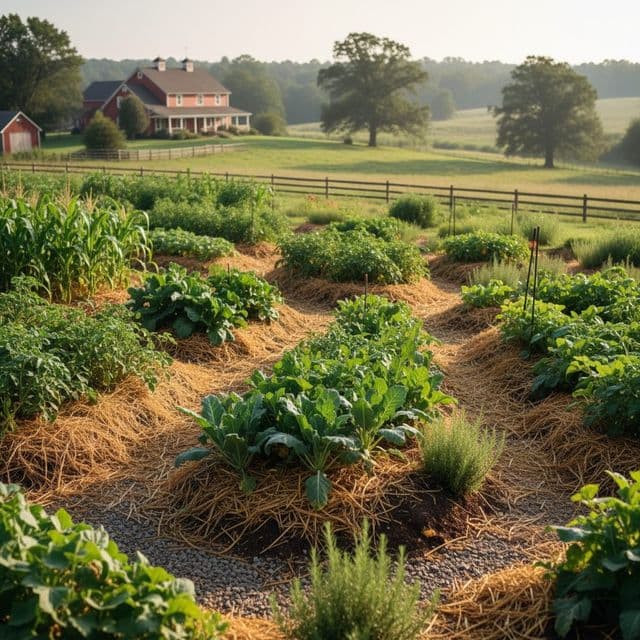
Organic Mulches: Straw, Wood Chips, Leaves for Pest Control in Zone 6
Compare organic mulches like straw, wood chips, and leaves for effective pest control, weed suppression, and moisture retention in USDA Zone 6 gardens. Learn their benefits.
Topic
Organic, integrated approaches to pests, diseases, and weeds — prevention through soil health and rotation, beneficial insects, physical barriers, and organic-approved treatments that protect harvests without synthetic chemicals.
124 articles in this topic on agripure. — page 5 of 6
Compare organic mulches like straw, wood chips, and leaves for effective pest control, weed suppression, and moisture retention in USDA Zone 6 gardens. Learn their benefits.
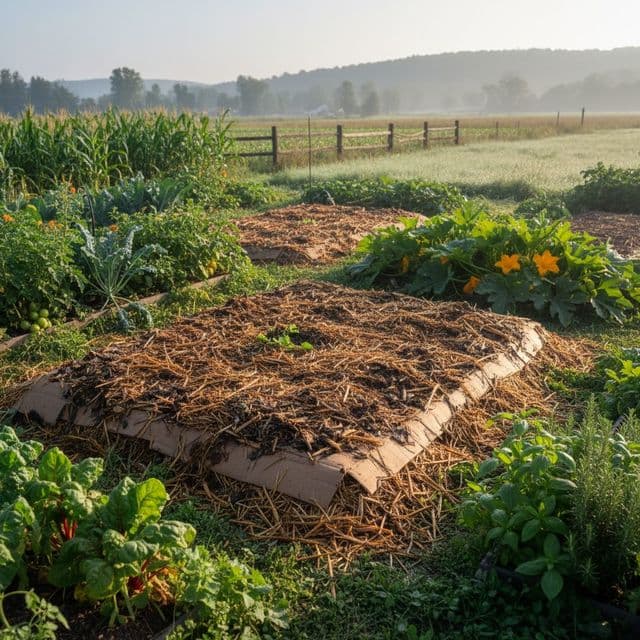
How sheet mulching with cardboard improves garden beds: suppress weeds, build organic matter, and improve soil structure for healthier plants.
Learn how the stale seedbed technique reduces early-season weed pressure by 50-70% in vegetable fields. This organic method minimizes herbicide use and improves crop yields.
Protect new transplants from cutworms in USDA Zone 6. Learn effective cutworm control methods: identification, scouting, physical collars, and organic soil management for a thriving garden.
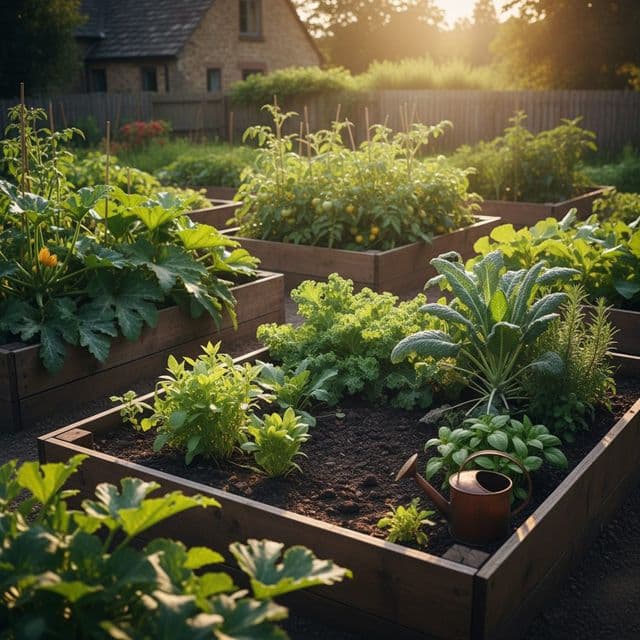
Discover effective low-tech solutions for a healthier garden. Learn how a nighttime pest patrol can control slugs, snails, and cutworms in USDA Zone 6 with simple methods like hand-picking and beer…
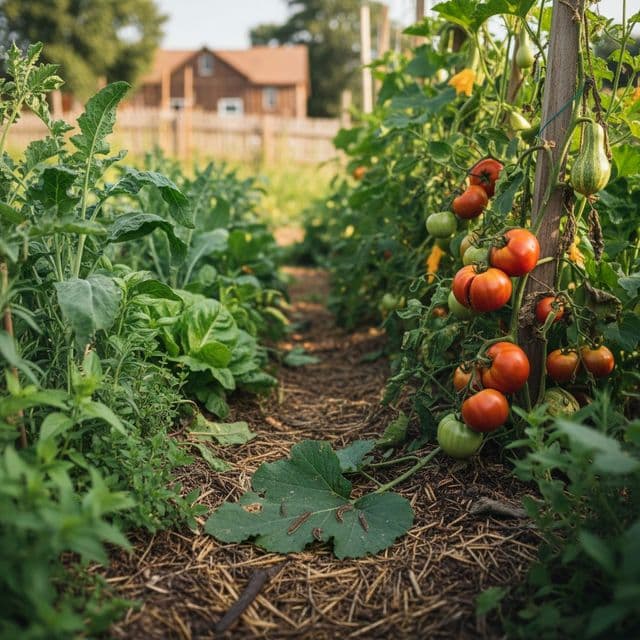
Earwigs, pill bugs, and sowbugs are often beneficial decomposers, but can damage young plants. Learn to identify them, understand their roles, and manage populations organically.
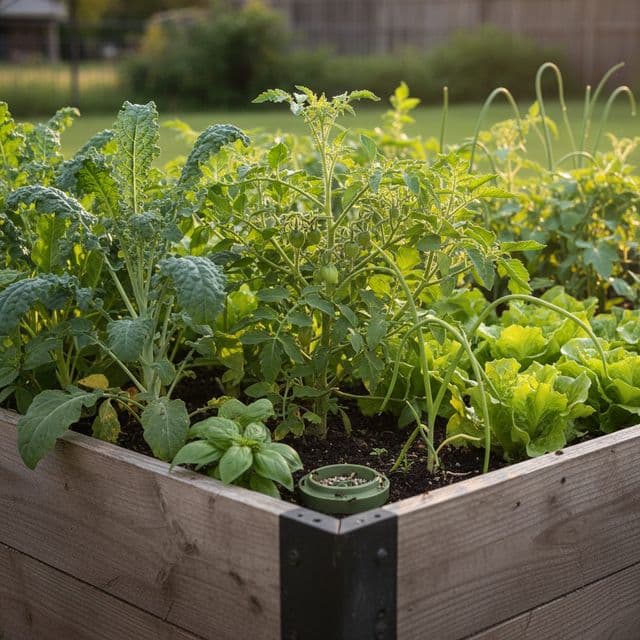
Master organic ant control in raised beds & containers. Learn non-toxic methods for USDA Zone 7, including prevention, physical barriers, and soil health to protect your garden.
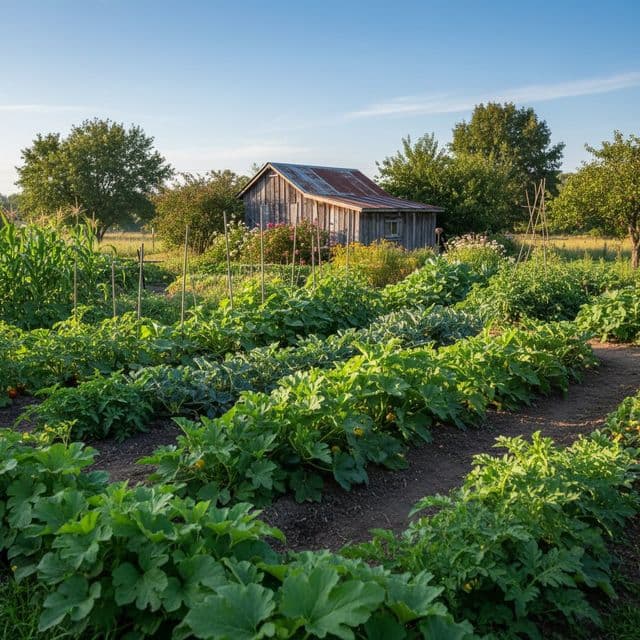
Learn how to effectively use food-grade diatomaceous earth for organic pest control in your USDA zone 6 garden. Target slugs, aphids, and ants safely with proper application.
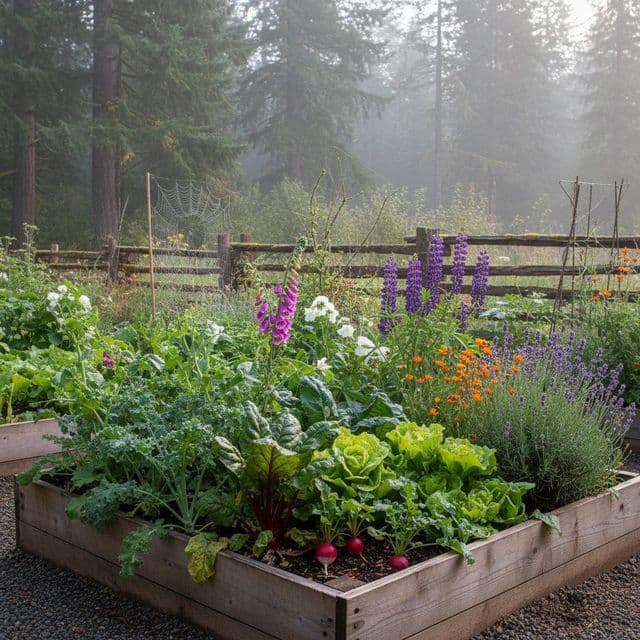
Combat slugs and snails in the Pacific Northwest. Learn effective, organic slug and snail control methods, including iron-phosphate baits, copper barriers, and cultural practices for 80%+ reduction.
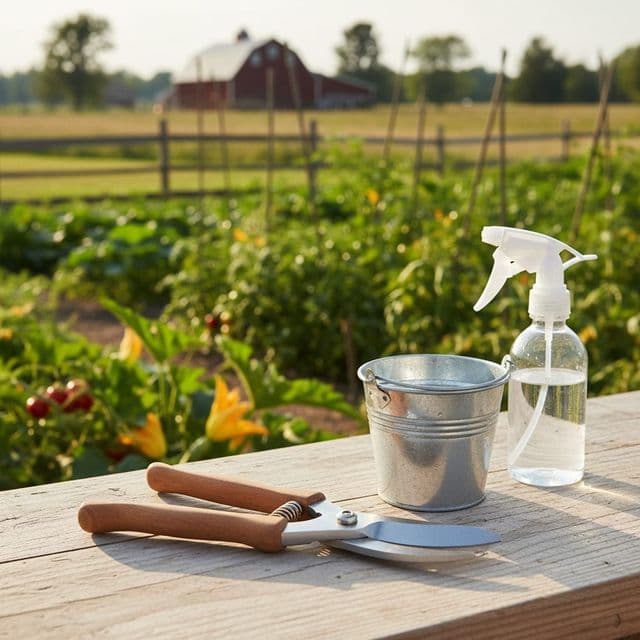
Learn essential methods for preventing plant disease spread in your orchard or garden. Sterilize tools with bleach, alcohol, or heat to protect plants and investment. Reduce disease incidence by 80%.
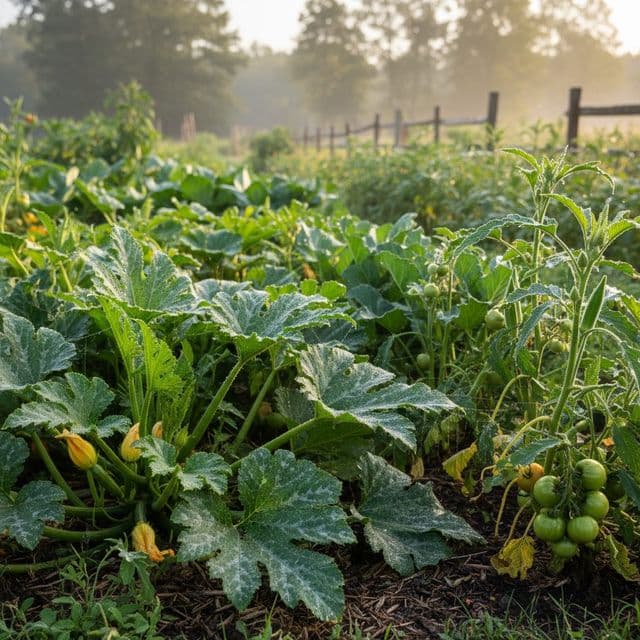
Learn effective plant disease management strategies for homesteaders. Compare challenges in the humid US Southeast (fungal) vs. arid West (root rot) and discover IPM tactics.
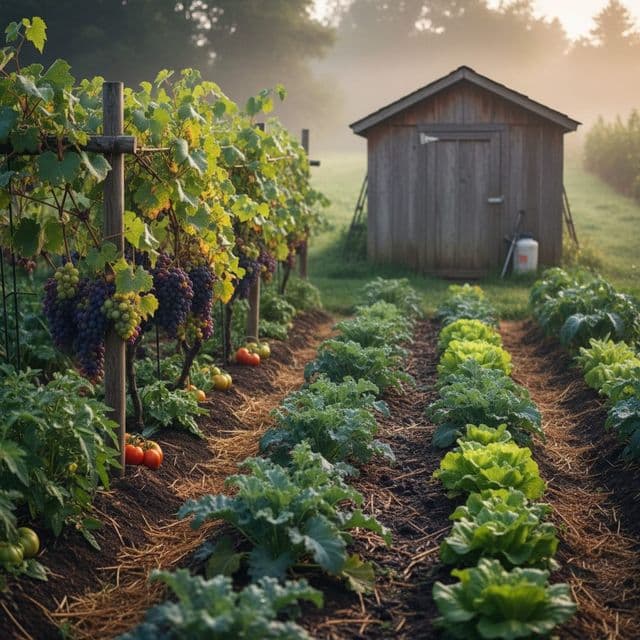
Manage fungal diseases organically in USDA Zone 7 with copper and Bacillus biofungicides to prevent yield loss and protect plant health.
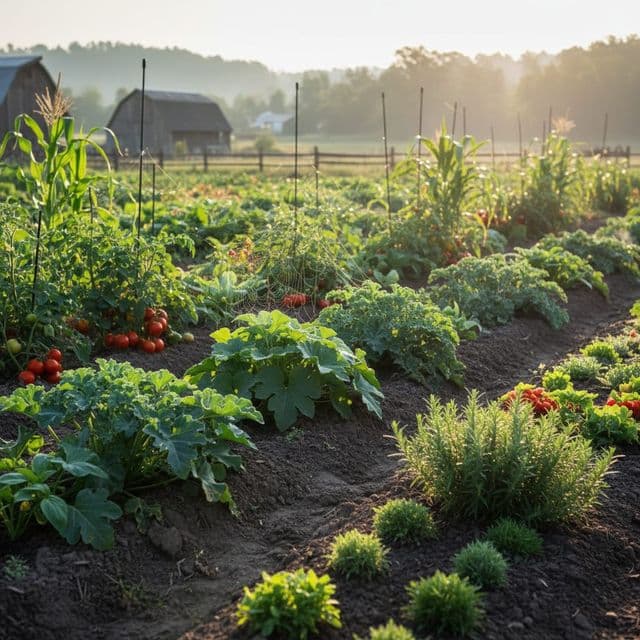
Learn to identify fungal, bacterial, and viral plant diseases in your garden. Proper plant disease identification prevents crop loss and saves money. Essential for organic growers.
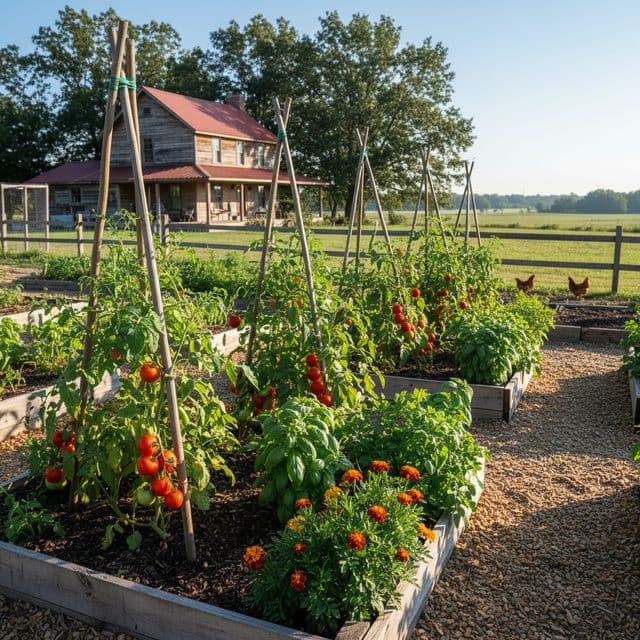
Learn organic tomato disease management for early blight, late blight, and septoria leaf spot in USDA Zone 6. Prevent and treat common fungal issues for a healthy, abundant harvest.
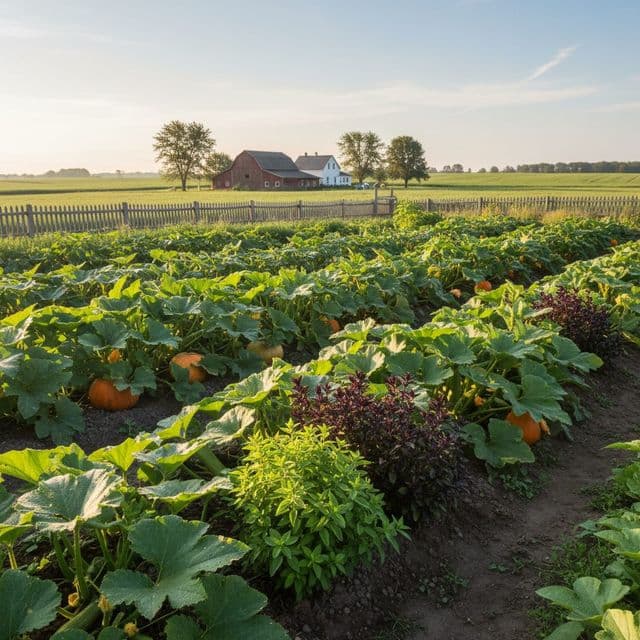
Protect your cucurbits and basil from downy mildew with organic strategies. Learn identification, cultural practices, and treatments for US gardens to reduce crop loss.
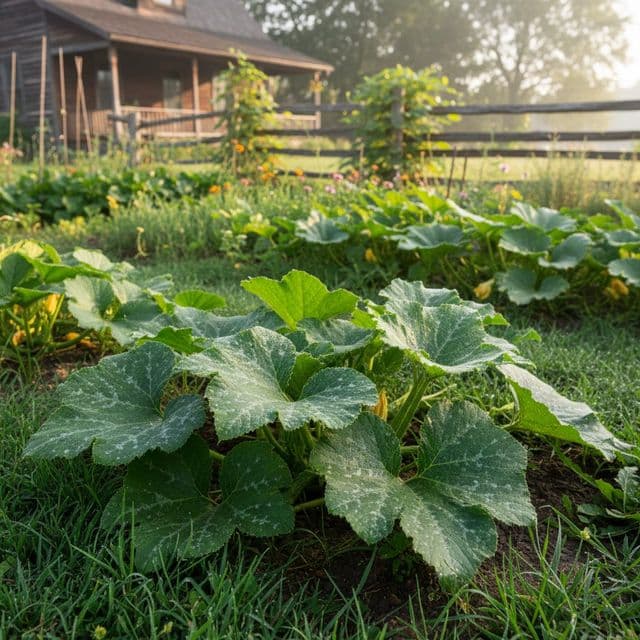
Learn effective organic powdery mildew control for squash and other plants. Discover how potassium bicarbonate, milk spray, and good airflow can protect your garden from this common fungal disease.
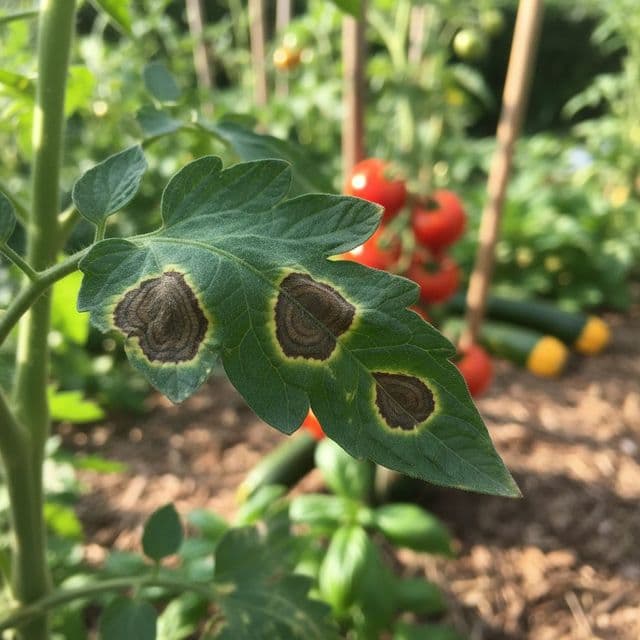
Learn plant symptom diagnosis for common issues in USDA zone 6. This guide covers organic management strategies for spots, wilts, and molds, ensuring a healthy harvest.

Japanese beetles cause significant damage in USDA zones 5-8. Learn effective organic Japanese beetle control methods: hand-picking, milky spore, and strategic traps.
Effectively manage corn earworm in organic sweet corn using food-grade mineral oil. Learn precise timing, application, and dosage for 70-90% control in USDA Zone 6. This organic corn earworm contro…
Effectively manage flea beetles on brassicas and eggplant in USDA Zone 6. Learn organic flea beetle control strategies like row covers, trap crops, and crop rotation for healthy yields.
Learn organic strategies to prevent bacterial wilt in cucumbers by managing cucumber beetles. Discover IPM techniques, cultural practices, and organic controls for healthy cucurbit crops.
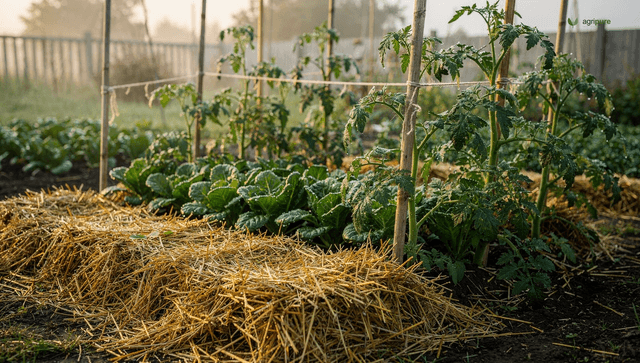
Most homemade weed killers only burn the tops — and salt mixes wreck soil for years. What vinegar, corn gluten, and 3-4 inches of mulch actually do.
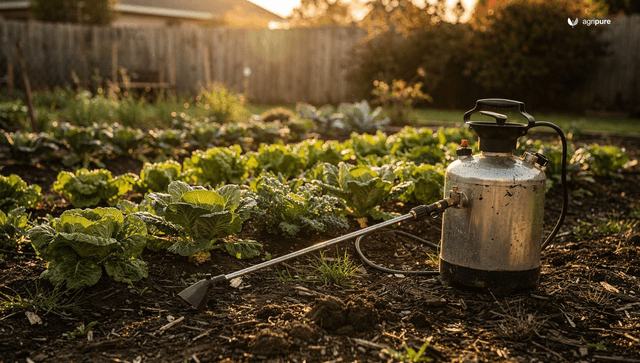
Neem oil’s azadirachtin disrupts aphids, mites, and whiteflies over days, not minutes. The right 1-2% mix, the emulsifier it needs, and why to spray at dusk.
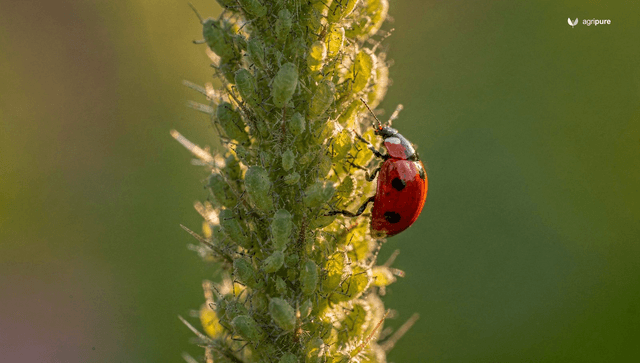
Start with a strong water spray, then insecticidal soap, then neem, then ladybugs. The aphid control ladder, why ants protect them, and what to skip.