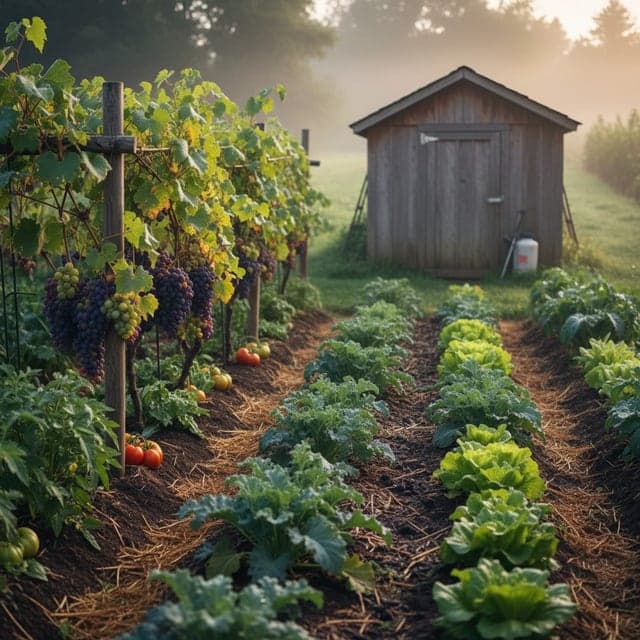
Organic fungal disease control: copper & Bacillus
Manage fungal diseases organically in USDA Zone 7 with copper and Bacillus biofungicides to prevent yield loss and protect plant health.
Topic
Organic, integrated approaches to pests, diseases, and weeds — prevention through soil health and rotation, beneficial insects, physical barriers, and organic-approved treatments that protect harvests without synthetic chemicals.
139 articles in this topic on agripure. — page 6 of 6
Manage fungal diseases organically in USDA Zone 7 with copper and Bacillus biofungicides to prevent yield loss and protect plant health.
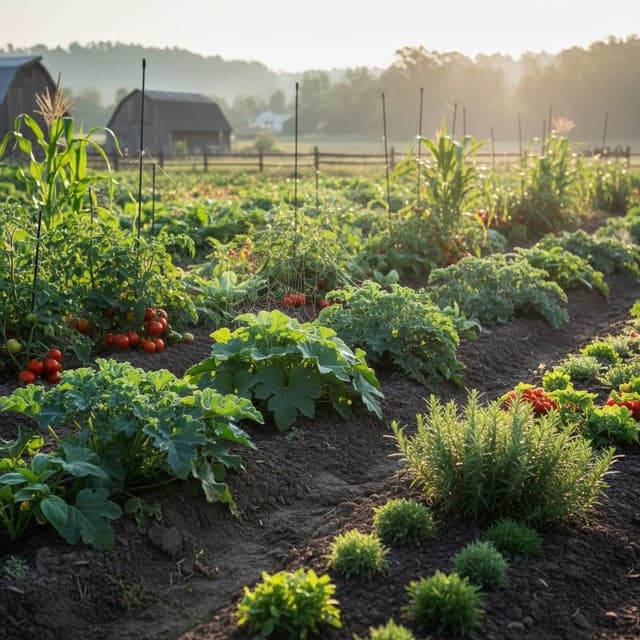
Learn to identify fungal, bacterial, and viral plant diseases in your garden. Proper plant disease identification prevents crop loss and saves money. Essential for organic growers.
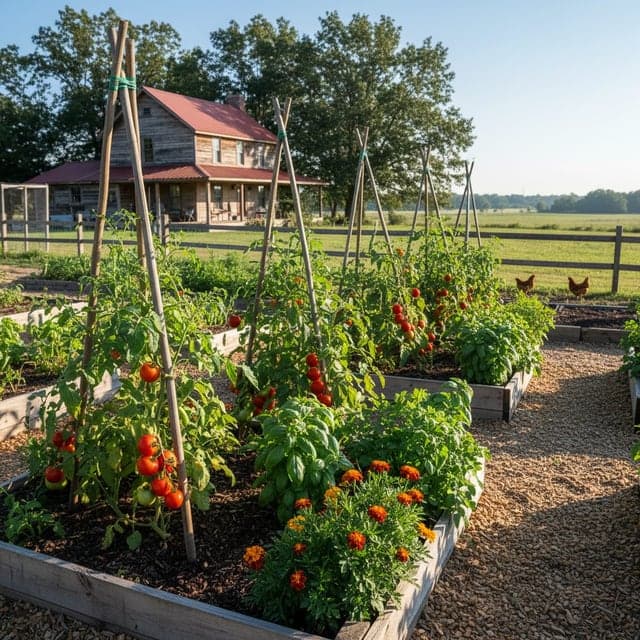
Learn organic tomato disease management for early blight, late blight, and septoria leaf spot in USDA Zone 6. Prevent and treat common fungal issues for a healthy, abundant harvest.
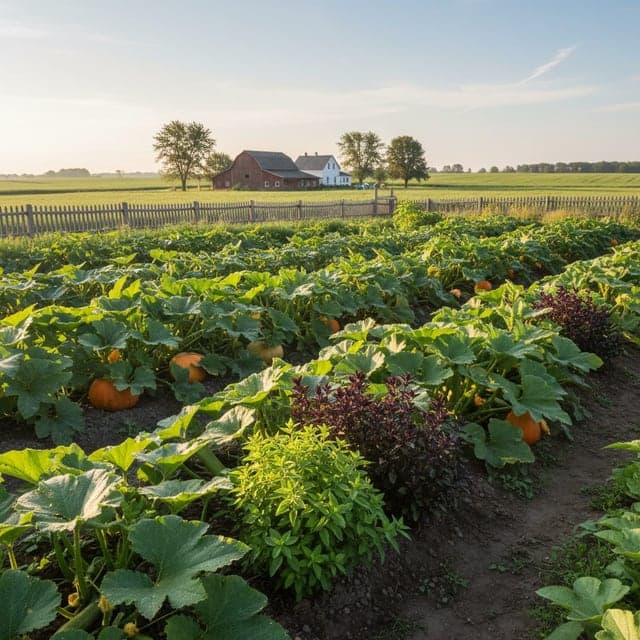
Protect your cucurbits and basil from downy mildew with organic strategies. Learn identification, cultural practices, and treatments for US gardens to reduce crop loss.
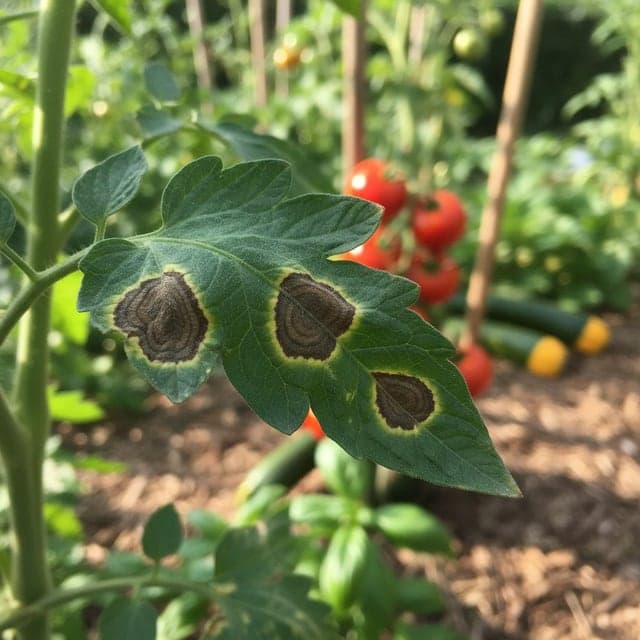
Learn plant symptom diagnosis for common issues in USDA zone 6. This guide covers organic management strategies for spots, wilts, and molds to ensure a healthy harvest.

Japanese beetles cause significant damage in USDA zones 5-8. Learn effective organic Japanese beetle control methods: hand-picking, milky spore, and strategic traps.
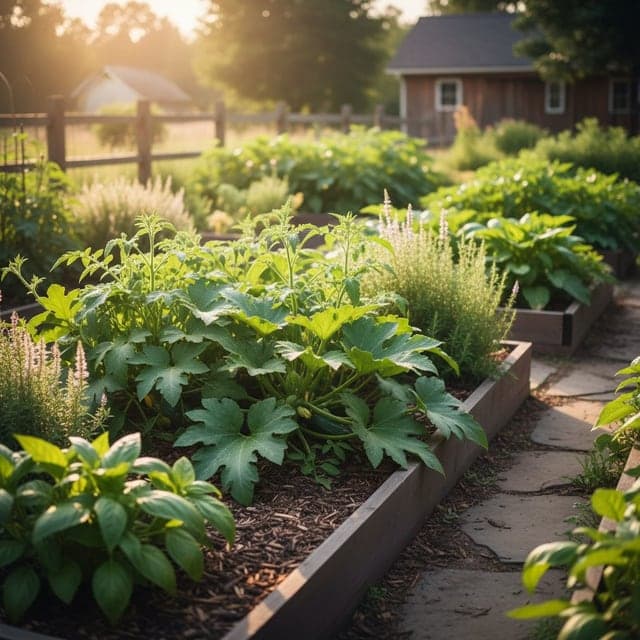
Effectively manage corn earworm in organic sweet corn using food-grade mineral oil. Learn precise timing, application, and dosage for 70-90% control in USDA Zone 6. This organic corn earworm contro…
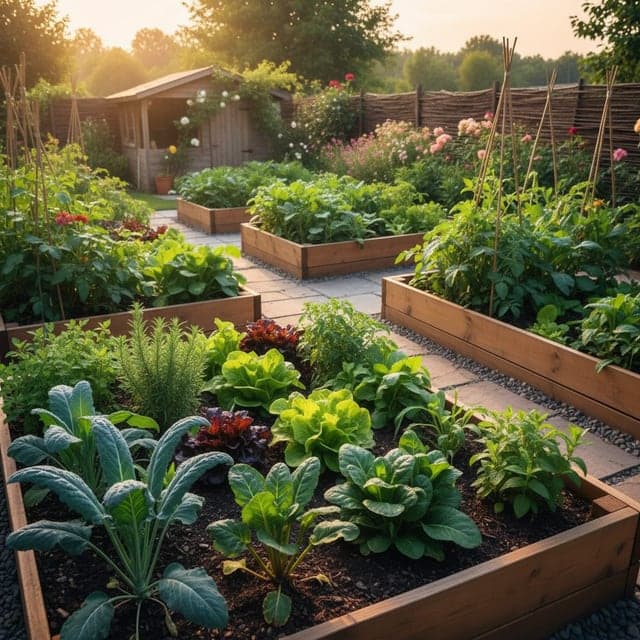
Effectively manage flea beetles on brassicas and eggplant in USDA Zone 6. Learn organic flea beetle control strategies like row covers, trap crops, and crop rotation for healthy yields.
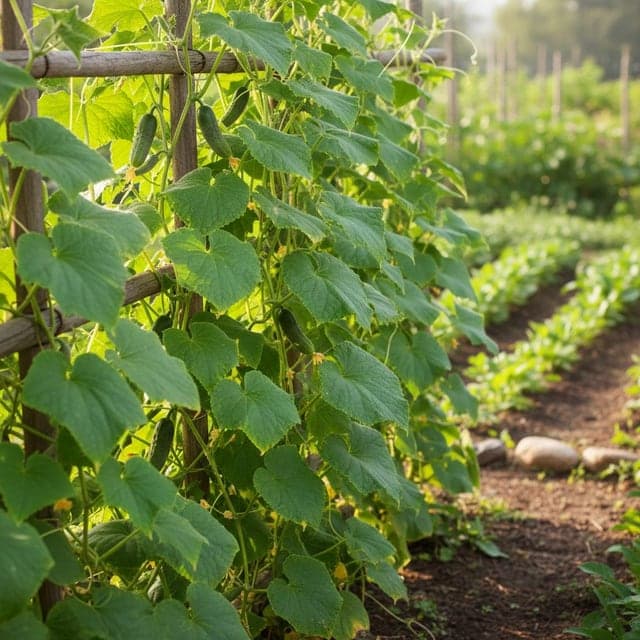
Learn organic strategies to prevent bacterial wilt in cucumbers by managing cucumber beetles. Discover IPM techniques, cultural practices, and organic controls for healthy cucurbit crops.
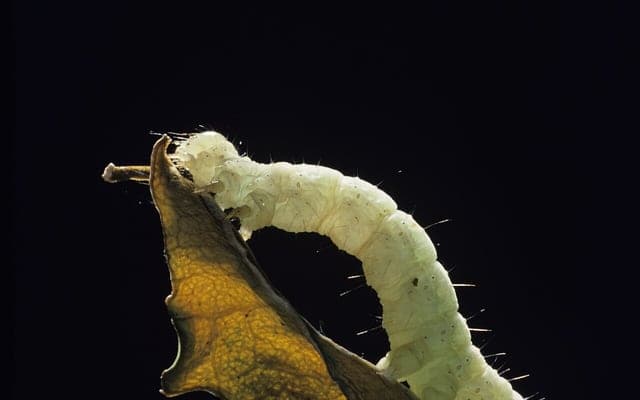
Protect your brassicas from cabbage worms & loopers. Learn organic IPM strategies: Bt, row covers, and sanitation. Reduce damage by 80% for a healthier harvest.
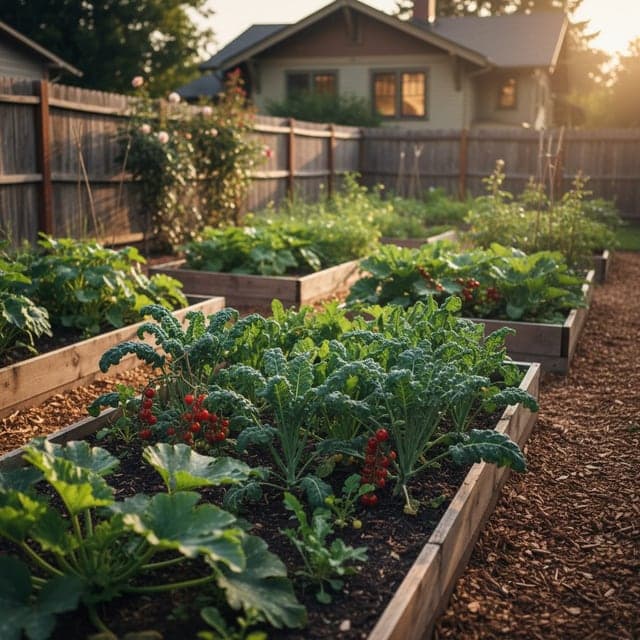
Learn to recognize and avoid persistent herbicides like aminopyralid and clopyralid in compost and manure. Protect your garden from contamination that can last for years.
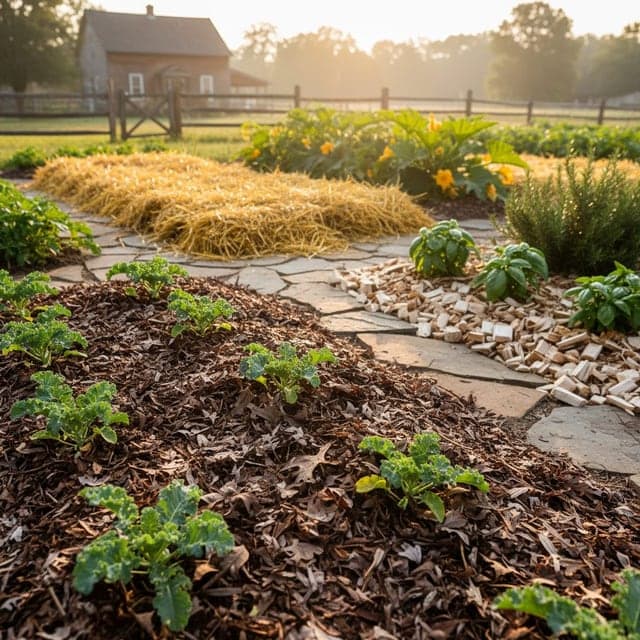
How shredded leaves, wood chips, and straw improve soil moisture, suppress weeds, and boost fertility in a homestead garden.
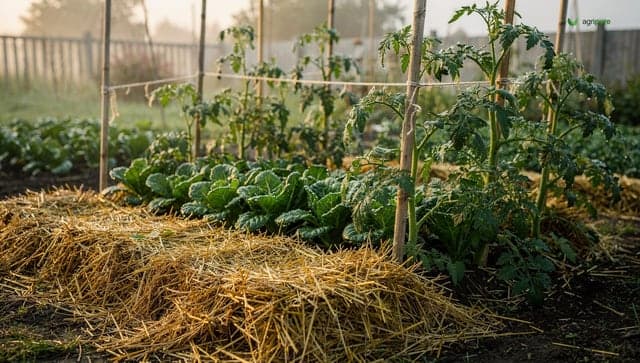
Skip soil-sterilizing salt sprays and corneal-blinding 20% vinegar hazards. Compare boiling water, shallow hoeing, sheet mulching, occultation, solarization, flame weeding, and commercial organic h…
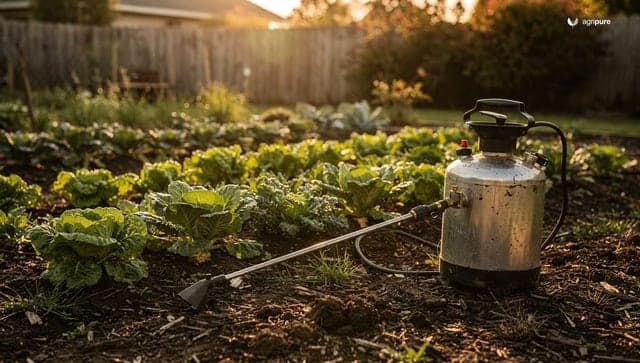
Use neem oil outdoors on fruit orchards and vegetable beds: cold-pressed azadirachtin vs. 70% clarified extract, pure potassium-soap emulsifiers, dusk-only bee rules, >30°C thermal limits, 14–21 da…
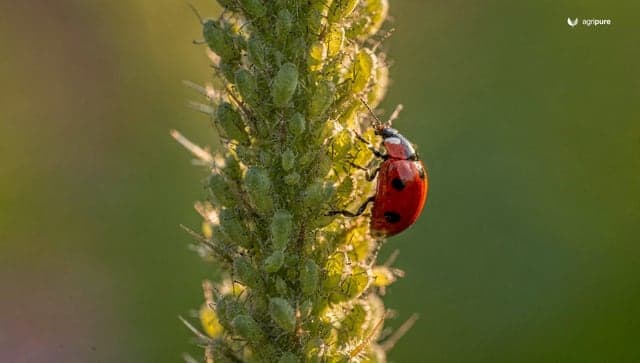
Start with a strong water spray, then insecticidal soap, then neem, then ladybugs. The aphid control ladder, why ants protect them, and what to skip.
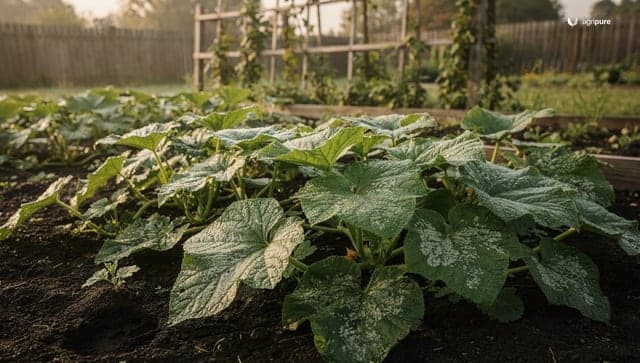
Powdery mildew treatment that works: potassium bicarbonate and oil sprays, milk and neem, plus the sun, spacing, and resistant varieties that stop it recurring.
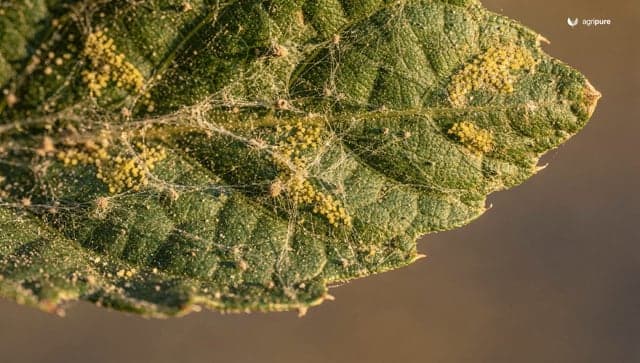
Spider mites thrive in hot, dry, dusty air. Learn to spot the webbing and stippling, then use water, soap, neem, and humidity to clear them for good.
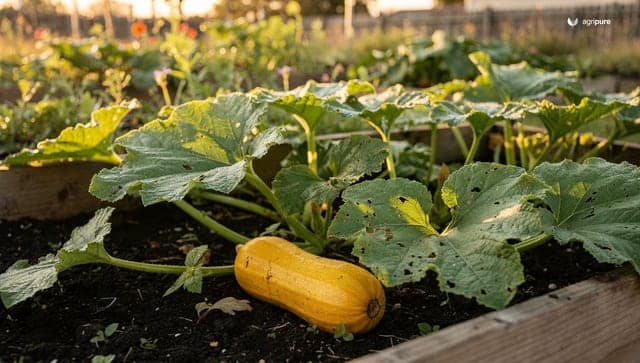
Squash bug eggs hatch in 7-10 days. Identify the stage, crush the egg rafts, trap adults under a board at night, and cover seedlings until flowering.
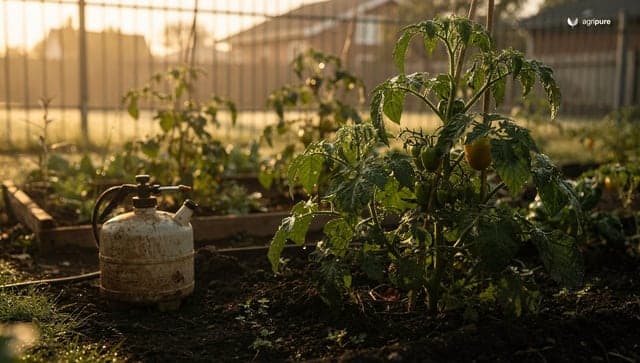
A 1 to 2% insecticidal soap is the homemade bug spray that actually works. Real dilutions, which pests each recipe targets, the leaf-burn risk, and when to buy.