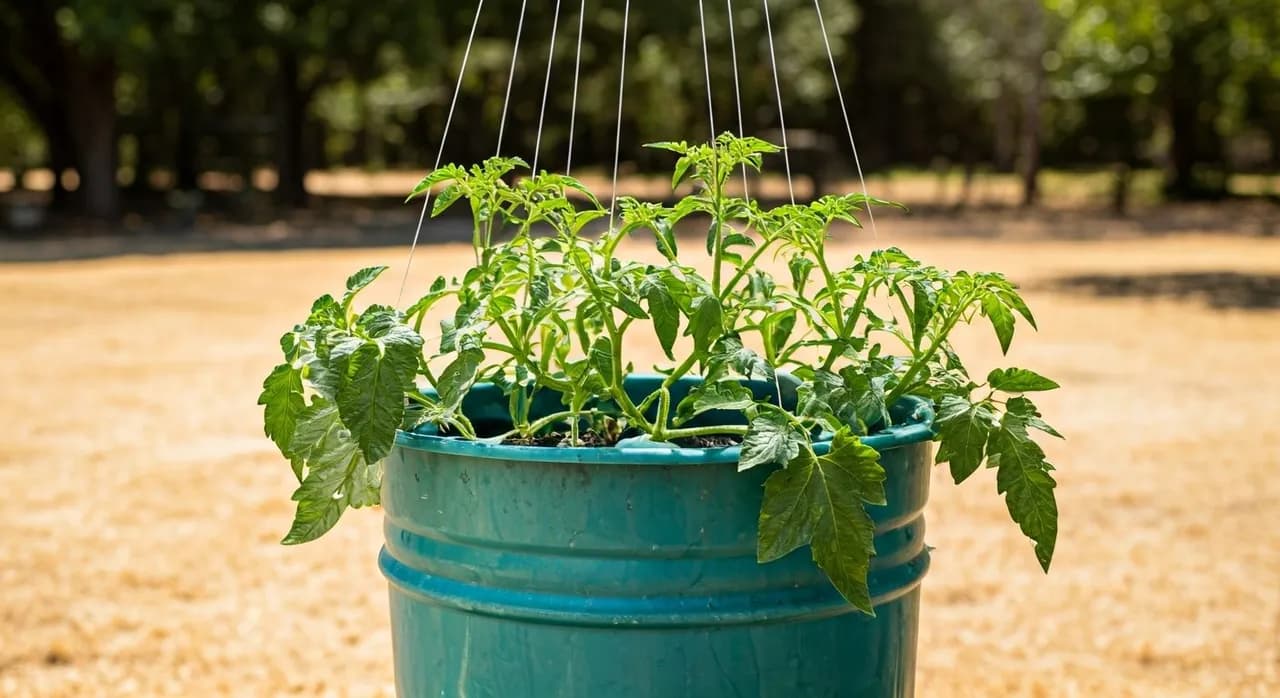
Key takeaways
- Dutch bucket systems save significant water compared to soil in hot climates.
- Proper nutrient solution management (pH 5.5-6.5, EC 2.0-3.5 mS/cm) is crucial for plant health.
- Selecting heat-tolerant varieties like ‘Florida 91’ tomatoes and ‘Armenian’ cucumbers boosts success.
- Maintaining water temperatures between 65-75°F prevents root stress and nutrient uptake issues.
- Outdoor Dutch buckets can achieve higher yields than conventional soil gardening.
- Integrated Pest Management (IPM) is essential to protect plants from common pests in open systems.
Quick answer: Dutch bucket hydroponic systems enable higher yields and significant water savings for outdoor tomatoes and cucumbers in hot climates by providing controlled root environments and precise nutrient delivery, insulating plants from extreme heat.
In places like Phoenix, Arizona, where summer temperatures regularly exceed 100°F for weeks, or across much of USDA zone 8 and 9 in the Southeast, growing heat-loving vegetables like tomatoes and cucumbers can be a real challenge. Traditional soil gardening often struggles with extreme heat, poor soil quality, and significant water loss through evaporation. For growers in these hot zones, Dutch bucket hydroponic systems offer a practical and productive alternative, delivering higher yields and substantial water savings compared to conventional soil methods [1].
These systems can be remarkably effective even in high heat, such as on a summer day at 95°F. By providing a controlled environment for roots and precise nutrient delivery, Dutch buckets allow plants to thrive where they might otherwise wilt. This guide will walk you through setting up and managing an outdoor Dutch bucket system, focusing on the specific needs of tomatoes and cucumbers in high-temperature environments, helping you achieve impressive harvests with less effort and significantly less water — often 70% to 90% less than soil gardening [1].
Understanding Dutch bucket systems for hot climates
A Dutch bucket system, also known as a Bato bucket system, is a recirculating hydroponic method where individual containers, typically 5-gallon buckets, are connected to a common nutrient reservoir. Each bucket holds one or two plants, usually in an inert growing medium like perlite or coco coir, which provides support and aeration for the roots [1]. A pump in the main reservoir delivers nutrient-rich water to each bucket through small drip emitters, and excess solution drains back into the reservoir, creating a closed loop. This efficient design means that water and nutrients are recycled, drastically reducing waste compared to traditional soil gardening, where up to 50% of irrigation water can be lost to evaporation or runoff in hot conditions [6].
why dutch buckets excel in heat
In hot climates, soil temperatures can soar, stressing plant roots and hindering nutrient uptake. With Dutch buckets, the roots are insulated from extreme ground heat, and the nutrient solution’s temperature can be actively managed to stay within an optimal range of 65-75°F [1]. This controlled root environment, combined with consistent nutrient delivery, allows plants to focus their energy on fruit production rather than battling environmental stress. For example, in USDA zone 9, where summer daytime temperatures can average 90°F, a Dutch bucket system can help maintain root zone temperatures cooler than exposed soil. The system’s modular nature also allows for easy expansion; you can start with 4-6 buckets and scale up to 20 or more as your experience grows, potentially yielding hundreds of pounds of produce annually [3].
- Individual plant control for specific needs.
- Efficient water and nutrient recycling, saving up to 90% water.
- Reduced risk of soil-borne diseases.
- Easier monitoring and adjustment of root zone conditions.
- Modular design for scalable gardening operations.
Choosing the right plants and varieties for hot zones
Success in hot climates with Dutch buckets hinges on selecting the right plant varieties. While Dutch buckets provide an advantage, even the most efficient system can’t overcome a plant’s inherent intolerance to heat. For tomatoes, look for varieties specifically bred for hot conditions, often labeled as ‘heat-set’ or ‘heat-tolerant’. Good choices include ‘Florida 91’, ‘Heatwave II’, ‘Solar Fire’, and ‘Celebrity’, which can set fruit even when daytime temperatures reach 90-95°F [1]. These varieties typically mature in a reasonable timeframe from transplant, offering a quicker harvest cycle than some traditional types.
cucumber varieties that thrive in heat
Cucumbers also have heat-tolerant options. ‘Armenian’ cucumbers, ‘Marketmore 76’, and ‘Diva’ are excellent choices for outdoor Dutch bucket systems in hot regions like USDA zone 7 and above. ‘Armenian’ cucumbers, for instance, can tolerate high temperatures and produce long, mild fruits. Proper spacing is critical for both crops; aim for 18-24 inches between tomato plants and 24-36 inches for cucumbers to ensure adequate airflow and light penetration, which becomes even more important when temperatures are high. Consider using a reflective indoor grow tent material, like the Beylsion Mylar tent fabric, to create a shaded area over your outdoor buckets, reducing direct sun exposure and lowering ambient temperatures around the plants by 5-10°F during peak heat .
- ‘Florida 91’ and ‘Heatwave II’ tomatoes for heat tolerance.
- ‘Armenian’ and ‘Marketmore 76’ cucumbers for hot weather.
- Determinate tomato varieties are often preferred for container growing.
- Bush-type cucumbers can save space in smaller setups.
- Disease-resistant varieties reduce overall plant stress.
Nutrient management and water quality in high temperatures
Maintaining the correct nutrient solution is paramount in any hydroponic system, but it becomes even more critical in hot outdoor environments. High temperatures can accelerate nutrient degradation and increase water evaporation, leading to rapid shifts in pH and Electrical Conductivity (EC). For tomatoes and cucumbers, a pH range of 5.5 to 6.5 is ideal for optimal nutrient uptake [1]. The EC, which measures the total dissolved salts (nutrients), should typically be between 2.0 and 3.5 mS/cm for fruiting plants. During hot spells, plants transpire more, absorbing water faster than nutrients, which can cause the EC to rise. Daily checks of both pH and EC are essential, with adjustments made using pH up/down solutions and fresh water or a diluted nutrient solution as needed.
managing reservoir temperature
The temperature of your nutrient solution reservoir is a major factor in hot climates. If the water gets too warm — above 75°F — it can reduce dissolved oxygen levels, stress plant roots, and encourage harmful pathogens. Placing the reservoir underground, insulating it, or painting it white to reflect sunlight can help keep temperatures down. For larger systems, a chiller might be a necessary investment, especially in regions like Southern California or Florida where summer heat is relentless. Consider a 20-gallon reservoir for every 10-12 buckets to provide sufficient buffer and reduce rapid fluctuations. Regular reservoir cleaning, every 1-2 weeks, also prevents nutrient imbalances and algal growth, which can be exacerbated by heat [3]. Unlike an aquaponics system where fish waste provides nutrients, Dutch buckets rely entirely on a carefully balanced synthetic solution, making precise management essential [\Aquaponics systems explained: fish, plants, and the nitrogen loop].
- Check pH and EC daily, especially in hot weather.
- Maintain nutrient solution temperature between 65-75°F.
- Use a larger reservoir (e.g., 20 gallons per 10 buckets) for stability.
- Clean the reservoir every 1-2 weeks to prevent issues.
- Adjust nutrient strength based on plant stage and environmental conditions.
Pest and disease control in outdoor hydroponics
Outdoor Dutch bucket systems, while offering many advantages, are still susceptible to common garden pests and diseases, especially in hot and humid conditions that can prevail in regions like USDA zone 8. Spider mites, whiteflies, and aphids are common culprits, often thriving in warm, dry environments. Powdery mildew can also be a problem, particularly on cucumbers, if humidity is high or airflow is poor. Implementing an Integrated Pest Management (IPM) strategy keeps these issues in check without resorting to harsh chemicals that could contaminate your nutrient solution or harm beneficial insects. Regular scouting (checking plants daily for any signs of pests or disease) is your first line of defense, and it lets you catch problems while they are small and easier to manage.
preventative measures and treatment
Good cultural practices are the foundation of IPM. Ensure adequate spacing between plants (at least 18 inches for tomatoes and 24 inches for cucumbers) to promote airflow and reduce humidity around foliage. Prune lower leaves on tomato plants to improve air circulation and prevent soil-borne diseases from splashing up. For pest control, consider introducing beneficial insects like ladybugs for aphids or predatory mites for spider mites. Neem oil or insecticidal soaps can be effective for early infestations, applied in the evening to avoid leaf burn in hot sun. For powdery mildew, ensure good air movement and consider organic fungicides like potassium bicarbonate. Remember that reusing household greywater is not suitable for hydroponics due to potential contaminants, so always use fresh, filtered water for your nutrient solution [\Greywater systems: reusing household water in the garden].
- Regularly inspect plants for early signs of pests or disease.
- Ensure adequate plant spacing (18-24 inches) for airflow.
- Prune lower leaves to improve air circulation and reduce humidity.
- Introduce beneficial insects for biological pest control.
- Use organic sprays like neem oil or insecticidal soap for infestations.
Maximizing yields and troubleshooting common issues
Once your Dutch bucket system is up and running smoothly, the goal shifts to maximizing your harvest. For tomatoes, consistent pruning makes the biggest difference. Training plants to a single stem, or two stems at most, will direct the plant’s energy into fruit production rather than excessive foliage. This can lead to larger, more uniform fruits and higher overall yields, potentially increasing harvest compared to unpruned plants [4]. For outdoor systems, pollination is usually handled by wind and insects, but if you notice poor fruit set, you can gently tap tomato flowers or use an electric toothbrush to vibrate them, especially during periods of low insect activity or high humidity. Cucumbers generally produce both male and female flowers, with many modern varieties being parthenocarpic, meaning they set fruit without pollination.
troubleshooting common problems
Even with careful management, issues can arise. Yellowing leaves can indicate a nutrient deficiency, often nitrogen or iron, or an imbalance in pH preventing uptake. Check your EC and pH levels first. If leaves show brown edges or spots, it might be nutrient burn (too high EC) or a calcium deficiency, common in fast-growing plants. Wilting, especially in the afternoon, can be normal heat stress, but if it persists into cooler hours, check for root rot (often due to high water temperature or low oxygen) or a clogged drip emitter. A healthy root system should be white and robust, not brown or slimy. By addressing these issues promptly, you can maintain a productive system that can yield significantly more produce than traditional soil methods in the same area [2].
- Prune tomatoes to one or two main stems for higher yields.
- Assist pollination for tomatoes by gently shaking flowers.
- Monitor for nutrient deficiencies (yellowing, stunted growth).
- Check for nutrient burn (brown leaf edges) if EC is too high.
- Inspect roots for signs of rot (brown, slimy appearance) if wilting occurs.
Comparison: Dutch bucket vs. traditional soil gardening (tomatoes/cucumbers in hot zones)
Feature | Dutch Bucket System | Traditional Soil Gardening |
|---|---|---|
Water Usage | 70-90% less water [1] | High water consumption, significant evaporation [6] |
Yield Potential | 2-3x higher yields [1, 3] | Lower yields, especially in poor soil or heat |
Nutrient Control | Precise, tailored delivery [1] | Variable, dependent on soil quality and amendments |
Pest/Disease Risk | Reduced soil-borne diseases, some airborne pests | Higher risk of soil-borne diseases, general garden pests |
Root Environment | Controlled temperature (65-75°F), oxygenated [1] | Fluctuating temperatures, potential for compaction |
Space Efficiency | High density, vertical potential | Requires more horizontal space for similar yield |
Water Savings: Dutch bucket systems can reduce water consumption by 70-90% compared to soil gardening, a critical advantage in arid USDA zones 7-10 [1].
Yield Boost: Expect 2-3 times higher yields for tomatoes and cucumbers in a well-managed Dutch bucket system compared to traditional soil methods [1, 3].
Optimal pH: Maintain your nutrient solution’s pH between 5.5 and 6.5 for optimal nutrient uptake by tomatoes and cucumbers [1].
Frequently asked questions
Can Dutch buckets be used year-round in hot climates?
Yes, with proper heat mitigation strategies like shading, reflective materials, and nutrient solution temperature control, Dutch buckets can extend your growing season significantly. In USDA zone 9, for example, you can often get two full crops of tomatoes and cucumbers between spring and fall, even through 90°F summer days.
What’s the ideal growing medium for Dutch buckets in hot zones?
Perlite or a 50/50 mix of perlite and coco coir are excellent choices. Perlite offers superior drainage and aeration, which is crucial for root health in warm conditions. Coco coir retains moisture well, reducing the frequency of irrigation cycles, and both are inert, meaning they won’t alter your nutrient solution’s pH, making management easier for systems with 10 or more buckets.
How often should I water my Dutch bucket plants?
The irrigation frequency depends on plant size, ambient temperature, and growing medium. In hot climates, mature plants might need watering 4-6 times a day for 15-30 minutes per cycle. Younger plants or cooler weather might only require 2-3 cycles daily. Always observe your plants and adjust the timer to ensure the medium stays consistently moist but not waterlogged.
Do I need to pollinate outdoor Dutch bucket tomatoes and cucumbers?
Outdoor tomatoes typically benefit from wind and insects for pollination, but you can increase fruit set by gently shaking the plants or vibrating flowers during peak bloom, especially if temperatures exceed 90°F. Many modern cucumber varieties are parthenocarpic and will set fruit without pollination, but open-pollinated types will still rely on insects for a good harvest.
What are the biggest challenges for Dutch buckets in hot weather?
The primary challenges are maintaining optimal nutrient solution temperature (below 75°F), preventing rapid pH and EC fluctuations due to evaporation, and managing heat-related plant stress. Investing in reservoir insulation, shading, and a reliable pH/EC meter for daily checks can mitigate most of these issues and support a successful, abundant tomato harvest.
References
- Tomatoes, Peppers and Cucumbers in Small-Scale Soilless and Hydroponics Systems (2019). Tomatoes, Peppers and Cucumbers in Small-Scale Soilless and Hydroponics Systems.
- The economics of hydroponic greenhouse production for cucumbers and tomatoes / (1987). The economics of hydroponic greenhouse production for cucumbers and tomatoes /.
- International Congress on Greenhouse Vegetables. The Production Chain of Fresh Tomatoes, Peppers and Cucumbers (2003). International Congress on Greenhouse Vegetables. The Production Chain of Fresh Tomatoes, Peppers and Cucumbers.
- THE SCALING OF THE DUTCH VEGETABLES‐UNDER‐GLASS CLUSTER: SWEET PEPPERS, TOMATOES AND CUCUMBERS (2006). THE SCALING OF THE DUTCH VEGETABLES‐UNDER‐GLASS CLUSTER: SWEET PEPPERS, TOMATOES AND CUCUMBERS.
- Greenhouse tomatoes, lettuce and cucumbers (1980). Greenhouse tomatoes, lettuce and cucumbers.
- USDA Natural Resources Conservation Service (2024). USDA Natural Resources Conservation Service.