Key takeaways
- Many vigorous climbers thrive with less than 3 hours of direct sun daily, especially on north-facing walls, providing significant vertical coverage.
- Understanding specific shade types (such as dappled, deep, or morning sun with afternoon shade) helps in selecting suitable plant species.
- Deciduous options like climbing hydrangeas and Virginia creeper offer seasonal interest and rapid growth, with Virginia creeper often growing 10 to 15 feet annually once established, while climbing hydrangeas grow 3 to 6 feet annually.
- Evergreen choices such as English ivy or certain climbing euonymus provide year-round coverage, typically growing 3 to 6 feet per year.
- Proper soil preparation, including amending with 2 to 4 inches of compost, and sturdy support structures are necessary for successful establishment and long-term health.
- Consistent watering, especially during the first two years, ensures fast growth and helps plants establish a deep root system in moisture-retentive shade.
Quick answer: Fast-growing climbers for shade and north-facing walls in USDA zones 4-9, like Climbing Hydrangea and Virginia Creeper, require selection based on specific shade types, proper soil preparation, and consistent watering for optimal growth.
Gardeners in the Pacific Northwest, particularly USDA zones 7 and 8, often face the challenge of planting on north-facing walls or in areas with persistent shade. These conditions (receiving less than 3 hours of direct sunlight daily) limit plant selection, but several climbing species perform well in them. Many vigorous climbing plants thrive in these cooler, dimmer environments, offering year-round interest or seasonal bursts of color without demanding full sun exposure. In fact, some species perform best with only 1 to 2 hours of direct light.
Selecting the right fast-growing climber for a shaded spot requires understanding the specific light conditions and the plant’s growth habits. For instance, a wall that gets morning sun but afternoon shade, common in many urban settings, is different from a perpetually dim corner under a mature oak tree, which might receive only one hour of direct light. This guide focuses on species proven to establish quickly and provide substantial coverage, often growing 10 to 20 feet in two to three years, even in less-than-ideal light, helping you transform those overlooked spaces across the US.
Understanding shade and north-facing conditions
Shade isn’t a single condition; it varies significantly in intensity and duration. A spot receiving dappled shade from a deciduous tree for 4 to 5 hours daily is far brighter than a deep, consistent shade under a dense evergreen, which might only get one hour of indirect light. North-facing walls, in particular, present unique challenges and opportunities. These surfaces typically receive minimal direct sunlight, often less than 2 hours per day, and remain cooler than south-facing walls during summer months [5]. This reduced heat can be a benefit for many shade-loving plants, preventing leaf scorch and reducing water stress, but it also means slower soil warming in spring.
Soil moisture is another important factor in shaded areas. While less sun generally means less evaporation, dense tree canopies can intercept rainfall, leading to surprisingly dry soil at the base of a wall or tree. Conversely, poor air circulation in a tightly shaded corner can lead to excessive moisture and fungal issues if drainage is inadequate. Before planting, it’s wise to observe your specific site for several days, noting how many hours of direct sun it receives, if any, and using a soil moisture meter to gauge the average moisture levels at a depth of 6 inches. Understanding these conditions will guide your plant selection and site preparation so your chosen climber can establish and grow 10 to 15 feet in its first few seasons.
Types of shade to consider
Accurately identifying your shade type is the first step toward successful planting. The amount of direct sunlight a spot receives directly impacts the plant’s photosynthetic capacity and overall vigor. For example, many plants that tolerate full shade (less than 1 hour of direct sun) will still grow more robustly in partial shade (2 to 4 hours of direct sun), often increasing their growth rate.
- Full shade: Less than 1 hour of direct sun, or indirect light only. Often found under dense evergreen trees or in narrow alleys.
- Deep shade: No direct sun, but some ambient light. Plant growth is often slowest here.
- Partial shade: 2 to 4 hours of direct sun, often in the morning or late afternoon. This is ideal for many ‘shade-loving’ plants.
- Dappled shade: Filtered sunlight throughout the day, like under a deciduous tree. This gives a good balance of light and protection.
- Morning sun/afternoon shade: 3 to 5 hours of direct morning sun, then shade. Excellent for plants that need some light but can’t handle intense afternoon heat.
Deciduous climbers for seasonal interest
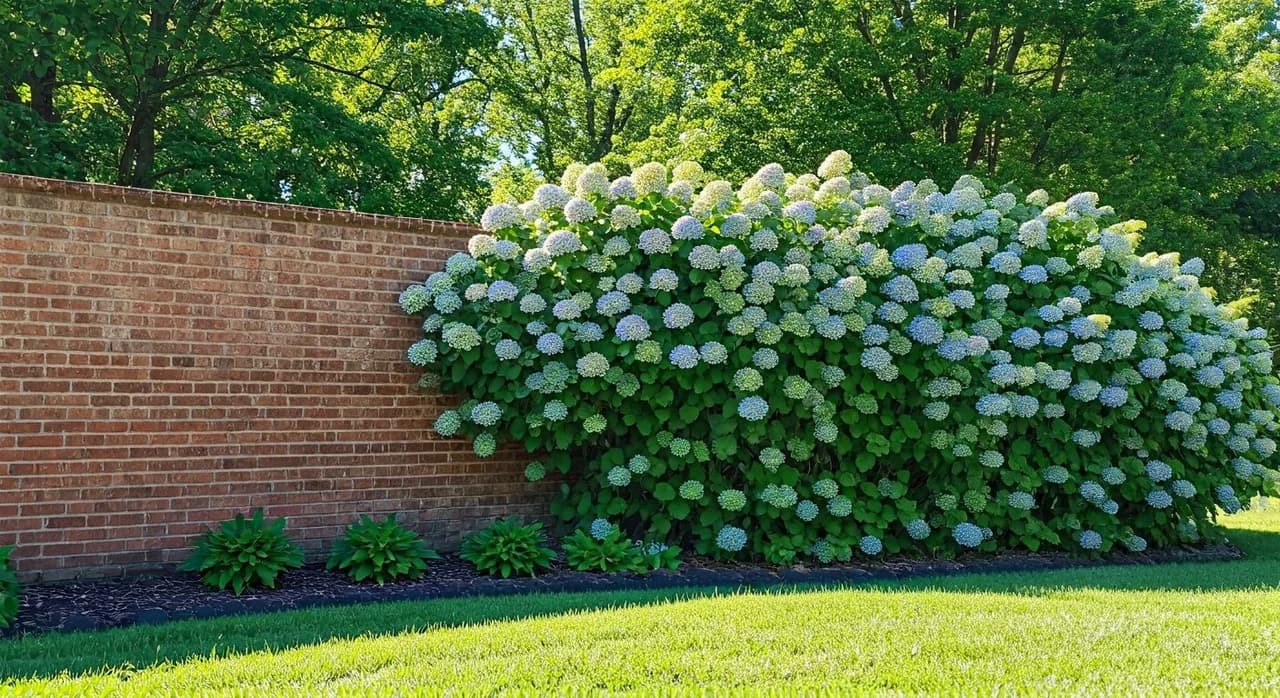
Deciduous climbers offer a dynamic display, providing lush foliage and often spectacular flowers in spring and summer, then revealing their interesting branch structure in winter. For fast coverage on a north-facing wall or in a shaded garden, several species stand out. Climbing hydrangea (Hydrangea anomala subsp. petiolaris) grows reliably in these conditions, thriving in USDA zones 4 through 8. Once established, it can grow 3 to 6 feet per year, eventually reaching 30 to 50 feet in height [4]. It attaches to surfaces with aerial rootlets, which can grip brick or stone, and produces large, lacy white flowers in early summer. Its exfoliating bark provides winter interest, making it a useful choice for year-round appeal.
Another vigorous option is Virginia Creeper (Parthenocissus quinquefolia), hardy in USDA zones 3 through 9. This native vine adapts well to deep shade and poor soils, growing 10 to 15 feet annually and reaching 30 to 50 feet in total length [4]. Its five-leaflet leaves turn brilliant red in fall, offering a dramatic seasonal show. While it attaches with tendrils and adhesive pads, it can be aggressive and may require regular pruning to keep it in bounds, especially if planted near windows or gutters. For gardeners seeking a less aggressive, but still fast-growing, option, consider Dutchman’s Pipe (Aristolochia macrophylla), which grows 10 to 12 feet per year in USDA zones 4 through 8, providing dense foliage and unique pipe-shaped flowers.
Key features of fast-growing deciduous climbers
When selecting a deciduous climber, consider its growth rate, mature size, attachment method, and seasonal attributes. Some, like Virginia Creeper, can provide substantial privacy screening in just a few years. Ensure your chosen plant is suitable for your specific USDA zone and local climate conditions, as even shade-tolerant plants have limits. Many of these species are also relatively deer resistant, which is a bonus for gardens in areas with high deer populations.
- Climbing Hydrangea: Grows 3-6 feet/year, attaches via aerial roots, lacy white flowers in summer, exfoliating bark in winter.
- Virginia Creeper: Grows 10-15 feet/year, attaches via tendrils and adhesive pads, brilliant red fall foliage, highly adaptable.
- Dutchman’s Pipe: Grows 10-12 feet/year, twining vine, very large leaves for dense shade, unique pipe-shaped flowers.
- Wintercreeper (deciduous forms): Some varieties can be deciduous in colder zones, offering 3-5 feet/year growth.
- Trumpet Vine (Campsis radicans): While often considered for sun, it can tolerate partial shade, growing 10-15 feet/year in USDA zones 4-9, attracting hummingbirds. This vine is extremely aggressive, spreading by suckers, and can damage structures; it requires vigilant pruning to control.
Evergreen climbers for year-round coverage
For continuous green coverage on a north-facing wall or in a shaded area, evergreen climbers are the ideal solution. They maintain their foliage throughout the year, providing a consistent backdrop and often reducing winter heat loss from buildings. English Ivy (Hedera helix), hardy in USDA zones 4 through 9, is perhaps the most well-known evergreen climber for shade. It can grow 3 to 6 feet per year, quickly covering large areas with its dense, lobed leaves [4]. While incredibly vigorous and tolerant of deep shade, it can be aggressive and may require diligent pruning to prevent it from climbing into gutters or under siding, causing structural damage over many years. Its aerial roots cling firmly to surfaces, so removal can be challenging.
Another excellent evergreen choice is Climbing Euonymus (Euonymus fortunei), with many cultivars suitable for USDA zones 4 through 9. Varieties like ‘Coloratus’ or ‘Emerald Gaiety’ offer attractive foliage that often takes on a reddish or purplish hue in winter. These euonymus varieties typically grow 3 to 5 feet per year, attaching with aerial rootlets and providing dense, year-round coverage. They are generally less aggressive than English Ivy but still require some management to keep them within bounds. For a slightly different texture, Wintercreeper (Euonymus fortunei ‘Vegetus’) is a broadleaf evergreen that can climb 4 to 6 feet annually, offering a more upright growth habit and often producing small, orange berries in fall, providing food for birds in winter.
Benefits of evergreen climbers in shaded areas
Evergreen climbers offer practical advantages beyond aesthetics. They can help insulate walls, reduce noise pollution, and provide habitat for small birds and insects, even in urban environments. When selecting, consider the ultimate spread and the plant’s attachment method to ensure it’s suitable for your structure and maintenance capacity. Remember that even shade-loving evergreens benefit from consistent moisture, especially during dry periods. A soil moisture meter can help you monitor conditions and prevent over or under-watering, which can stress plants and reduce their growth by 20% to 30%.
- English Ivy: Grows 3-6 feet/year, dense year-round foliage, very tolerant of deep shade, can be aggressive.
- Climbing Euonymus: Grows 3-5 feet/year, various cultivars with colored foliage, less aggressive than ivy, good wall coverage.
- Wintercreeper: Grows 4-6 feet/year, broadleaf evergreen, often produces berries, good for year-round interest.
- Algerian Ivy (Hedera canariensis): Larger leaves than English ivy, grows 2-4 feet/year, hardy in USDA zones 7-10, good for warmer shade.
- Creeping Fig (Ficus pumila): Fast growth of 5-8 feet/year in USDA zones 8-11, tiny leaves, excellent clinging ability, but sensitive to cold.
Preparing your site and supporting your climbers
Even the most vigorous climbers need a good start to reach their full potential, especially in less-than-ideal shaded conditions. Proper site preparation is essential. Begin by assessing your soil. Shaded areas, particularly near established trees or buildings, often have compacted, nutrient-poor soil. Dig a planting hole at least twice as wide as the root ball and just as deep, typically 18 to 24 inches in diameter. Amend the excavated soil with 2 to 4 inches of good quality compost or aged manure, which will improve drainage, aeration, and nutrient retention by up to 30% [6]. This enriched soil provides the ideal environment for roots to spread quickly, supporting rapid top growth of 5 to 10 feet in the first year.
Equally important is providing a sturdy support structure. Most fast-growing climbers, especially those that will reach a substantial size, exert significant weight as they mature. Wires, trellises, pergolas, or even sturdy fences are all viable options. For self-clinging vines like climbing hydrangeas or ivy, ensure the wall surface is clean and in good repair, as their aerial roots can penetrate weak mortar. For twining vines like Dutchman’s Pipe, a trellis with a grid of 4 to 6 inch squares works well. Position the plant 6 to 12 inches away from the wall or support to allow for good air circulation and root development, which can prevent fungal issues that reduce growth by 10% to 20%.
Types of support for fast climbers
Choosing the right support depends on the climber’s attachment method and your aesthetic preference. For a sturdy vine like Virginia Creeper, a substantial trellis or a series of strong wires spaced 12 to 18 inches apart is necessary. For a more delicate twining vine, a lighter structure might suffice. Always consider the mature size and weight of the plant when installing supports; an undersized trellis will fail, potentially damaging the plant and your wall. Remember that even deer-resistant plants need proper support to thrive.
- Trellises: Wooden or metal grids, ideal for twining vines or those that need to be tied. Ensure they are securely anchored to the wall or ground.
- Wires: Horizontal wires spaced 12-18 inches apart, stretched tautly between eye bolts on a wall. Good for vines that need to be trained.
- Arbors/Pergolas: Freestanding structures that offer extensive vertical and overhead support, suitable for very large climbers.
- Netting: Heavy-duty plastic or metal netting can provide temporary support for young plants or lighter vines, but may not last for decades.
- Existing Structures: Sturdy fences, large trees (with care to avoid girdling), or sturdy arbors can serve as natural supports.
Maintenance for vigorous growth in low light
Even fast-growing climbers in shade require consistent care to maintain their vigor and health. Watering is important, especially during the first two years after planting while root systems establish. While shaded areas generally retain more moisture, rainfall interception by overhead structures or dense canopies can lead to dry soil. Aim for 1 to 2 inches of water per week, either from rain or irrigation so the soil is moist to a depth of 6 to 8 inches. Using a soil moisture meter can help you avoid over or under-watering, both of which can stunt growth.
Fertilization should be light and balanced. In shaded conditions, plants often grow slower and have lower nutrient demands than those in full sun. An annual application of a balanced, slow-release granular fertilizer (e.g., 5-10-5 or 10-10-10) in early spring, following package directions, is usually sufficient. For an organic boost, consider applying fermented soybean meal, which provides a gentle nitrogen release and supports growth. Over-fertilizing can lead to leggy growth and reduced flowering, so less is often more. Pruning is also essential for managing growth, especially for vigorous species like Virginia Creeper, which can add 10 to 15 feet of growth annually, and for shaping the plant to fit its space.
Pruning tips for shaded climbers
Pruning controls size, promotes bushier growth, and encourages more flowering in species like climbing hydrangeas. For most deciduous climbers, the best time to prune is in late winter or early spring, before new growth begins. Remove any dead, damaged, or diseased wood, and thin out overcrowded stems to improve air circulation, which can reduce the incidence of fungal diseases. For evergreen climbers, light pruning can be done throughout the growing season to maintain shape and prevent them from becoming too dense or spreading beyond their intended area. Always use sharp, clean pruning shears to make clean cuts and minimize stress on the plant.
- Annual Pruning: For most deciduous climbers, prune in late winter or early spring to remove dead or crossing branches.
- Shape Control: Prune vigorously growing vines like Virginia Creeper throughout the growing season to prevent them from overwhelming structures.
- Flowering Encouragement: For climbing hydrangeas, prune after flowering to encourage more blooms the following year.
- Thinning: Remove older, woody stems at the base every 3 to 5 years to rejuvenate the plant and promote new growth.
- Tool Hygiene: Always use clean, sharp bypass pruners or loppers to make precise cuts and prevent disease transmission, reducing plant stress by up to 15%.
Comparison of fast-growing climbers for shade
Plant Name | USDA Zones | Annual Growth Rate | Attachment Method | Key Features |
|---|---|---|---|---|
Climbing Hydrangea | 4-8 | 3-6 ft | Aerial roots | Lacy white flowers, exfoliating bark, good for brick |
Virginia Creeper | 3-9 | 10-15 ft | Tendrils/adhesive pads | Brilliant red fall foliage, very vigorous, native |
Dutchman’s Pipe | 4-8 | 10-12 ft | Twining | Large leaves for dense shade, unique flowers |
English Ivy | 4-9 | 3-6 ft | Aerial roots | Evergreen, dense coverage, can be aggressive |
Climbing Euonymus | 4-9 | 3-5 ft | Aerial rootlets | Evergreen, varied foliage colors, less aggressive |
Cooler Walls: A north-facing wall in USDA zone 6 can be 8 to 12 degrees Fahrenheit cooler than a south-facing wall during peak summer, significantly reducing heat stress on shade-loving plants [5].
Soil Amendment: Amending planting holes with 2 to 4 inches of organic compost can improve soil structure and water retention by up to 30% for new climbers, boosting early growth.
References
- Shade trees for North Carolina (1908).
- Shade trees for North Carolina (1908).
- Mountain Climbers (2022).
- Facing North (2010).
- USDA Natural Resources Conservation Service (2024).