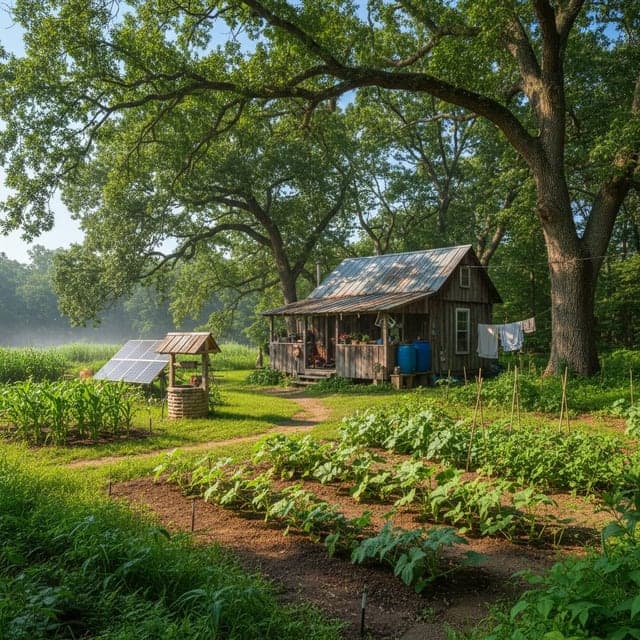
Southeast US homesteads: balancing shade & humidity for resilience
Managing heat in Southeast US homesteads requires pairing shade with ventilation across USDA zones 7-9 to reduce temperatures without trapping humidity.
Tag
39 articles in this tag on agripure. — page 1 of 2
Managing heat in Southeast US homesteads requires pairing shade with ventilation across USDA zones 7-9 to reduce temperatures without trapping humidity.

Twelve resilient trees and shrubs that thrive in wet, waterlogged soil across USDA Zones 3-9, with guidance on identifying drainage issues and selecting species.
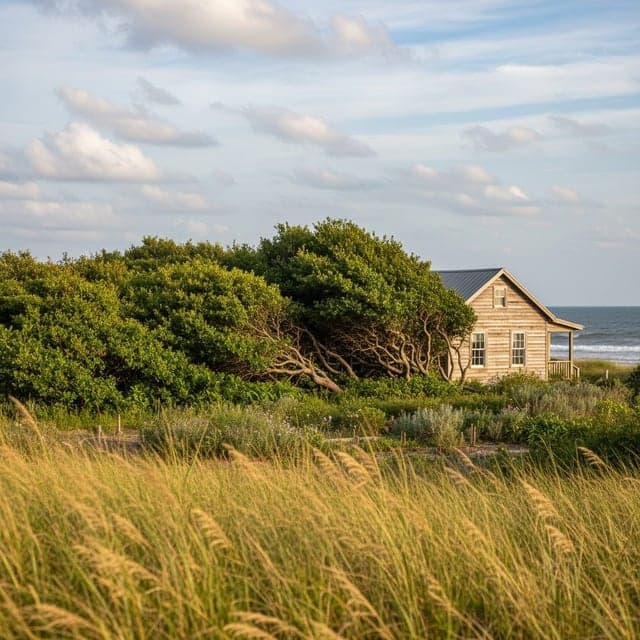
Protect your US coastal property with salt-tolerant trees and shrubs. Learn to select, plant, and maintain species for effective windbreaks and privacy in harsh environments.
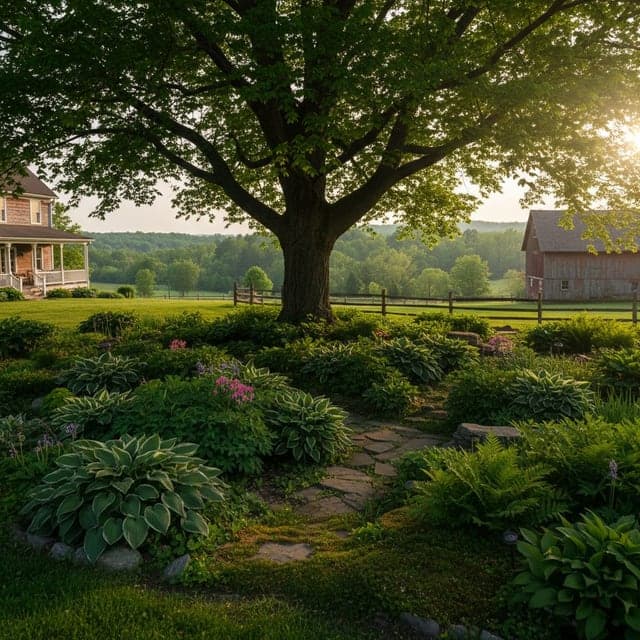
Grow plants beneath thirsty trees like maples and pines. Discover the best dry shade plants for USDA Zone 6, plus soil prep & watering tips.
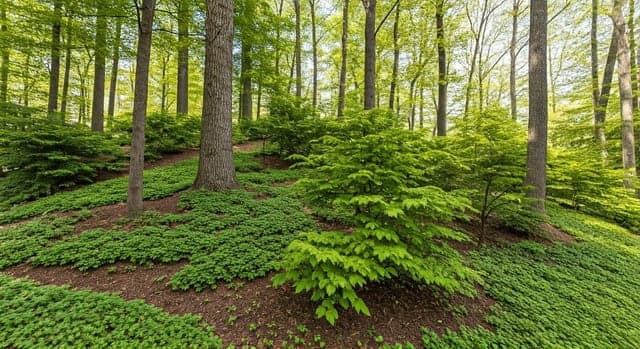
Discover the best trees and shrubs with strong root systems for effective slope stabilization and erosion control. Learn to select, plant, and care for species suited for USDA zones 4-9 to protect…
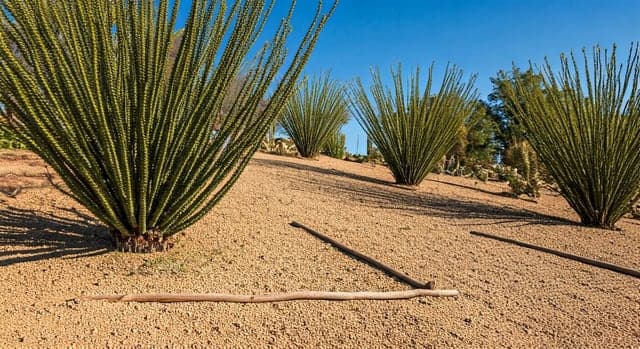
Compare erosion control plants for the arid Southwest and rainy Pacific Northwest. Learn how deep roots, native species, and proper site assessment prevent soil loss effectively.
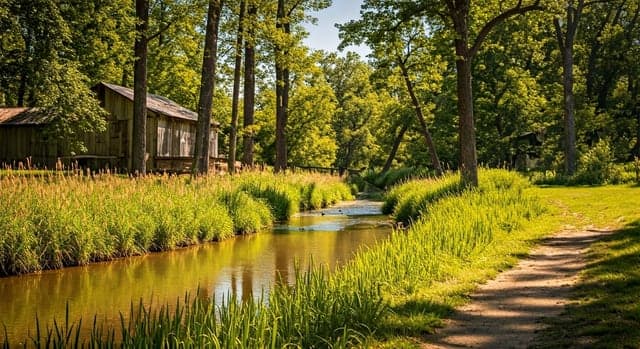
How native plants stabilize creek banks and swales in USDA Zone 6, including deep root systems, reduced maintenance, soil health, and erosion control.
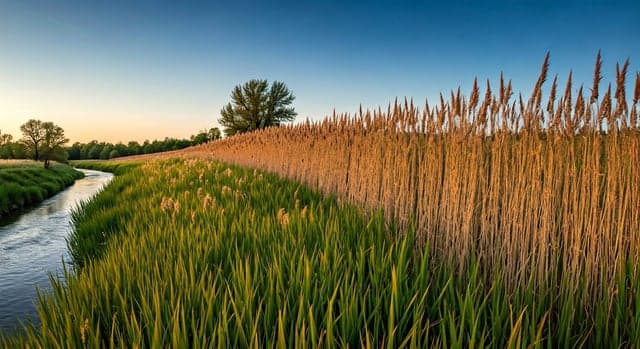
Discover the best native grasses for erosion control and bank stabilization across US regions. Learn how deep root systems prevent soil loss, reduce runoff, and improve soil health.
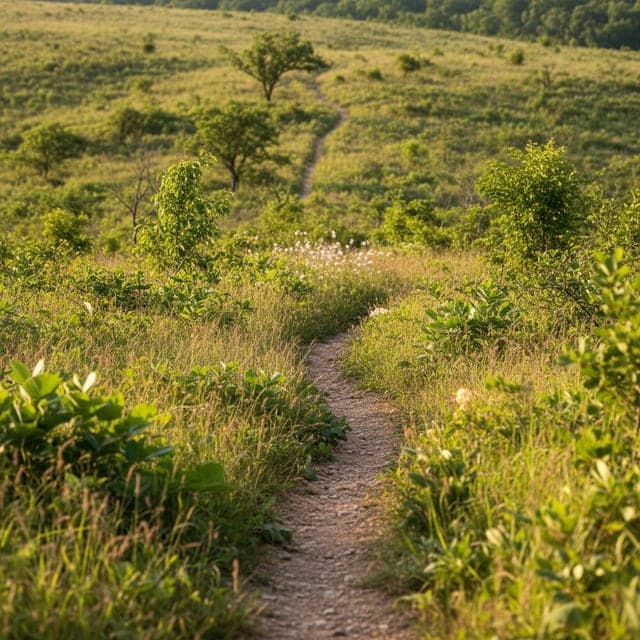
Discover the best deep-rooted plants for effective hillside erosion control. Learn how specific grasses, shrubs, and trees stabilize soil in various USDA zones, reducing soil movement by up to 80%.
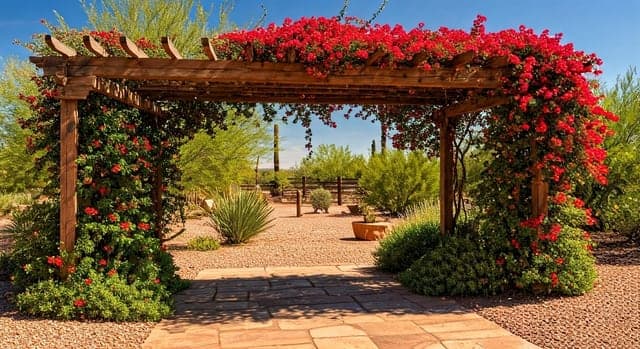
Discover 5 vigorous Southwest climbing plants thriving in 100°F summers. Get shade & privacy with heat-tolerant vines for fences & pergolas in USDA Zones 7-10.
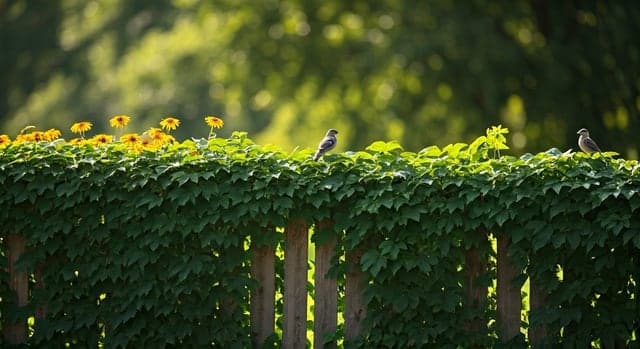
How to choose native vines for fences by US region to support pollinators, birds, and local biodiversity with less maintenance.
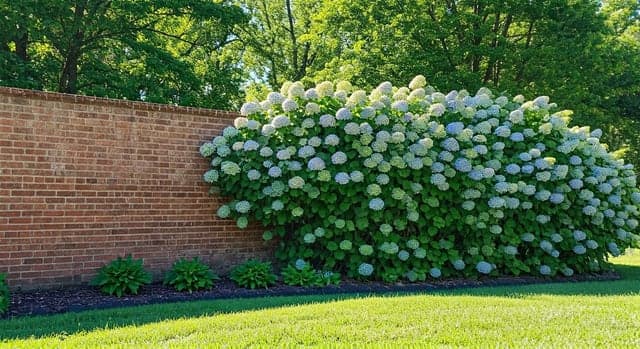
Fast-growing climbing plants for shade and north-facing walls in USDA zones 4-9, covering species selection, soil preparation, and support structures.
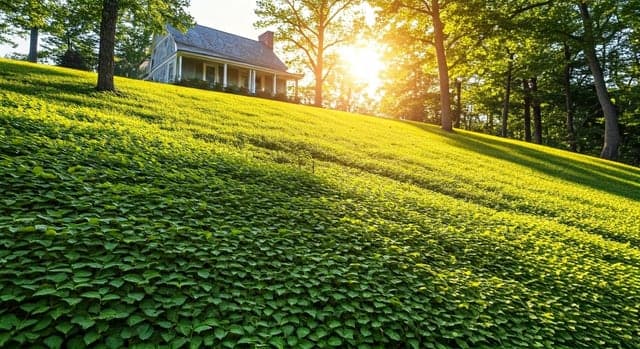
How fast-spreading groundcovers can reduce runoff by 30% and prevent erosion on slopes across US regions, including plant selection and establishment methods.

How cover crop seed mixes build soil organic matter, fix nitrogen, and suppress weeds in US permaculture systems, with design strategies for multi-species plantings.
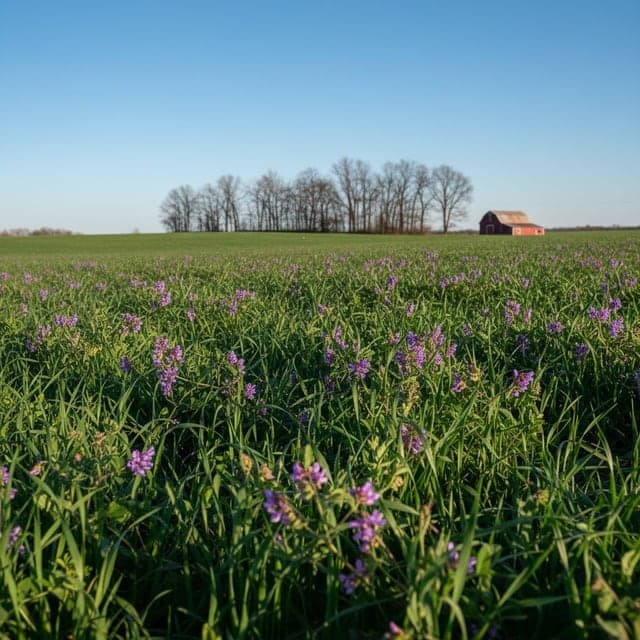
Winter cover crops for USDA zones 3-7 including rye, vetch, and clover. How these cold-hardy plants build soil, fix nitrogen, and suppress weeds in permaculture systems.
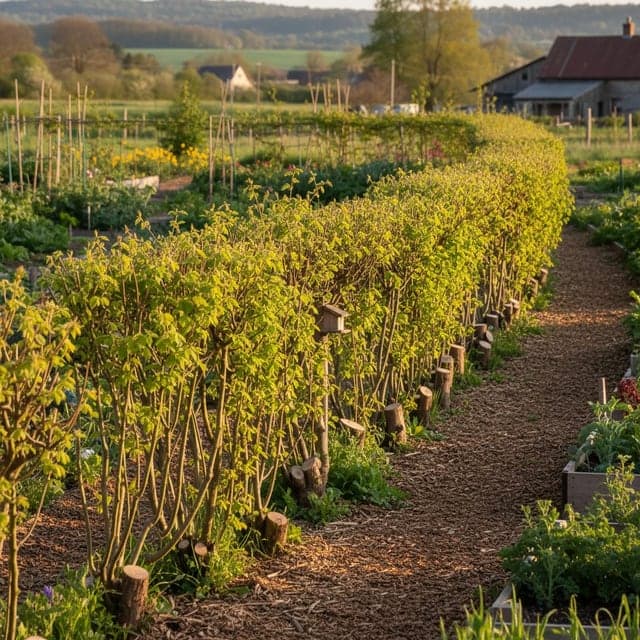
Coppice-and-craft hedges offer sustainable wood production in USDA Zone 6. Grow poles, mulch, and biomass as part of a permaculture design.

How to design a wildlife-friendly living fence in USDA Zone 6 using native berry shrubs, including permaculture principles, water management, and plant choices for a low-maintenance hedge.
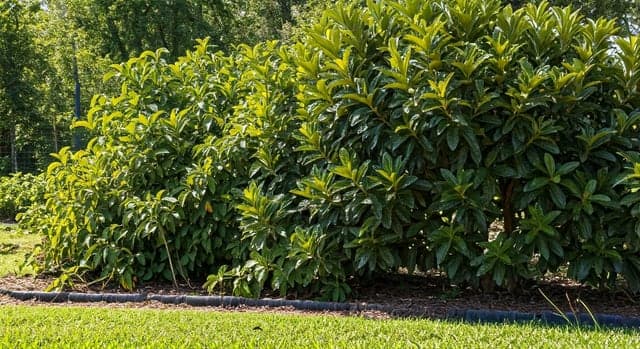
Discover how edible fruiting hedges like loquat, pineapple guava, and blackberry thrive in the Southeast. Learn permaculture design for diverse yields & ecological benefits.
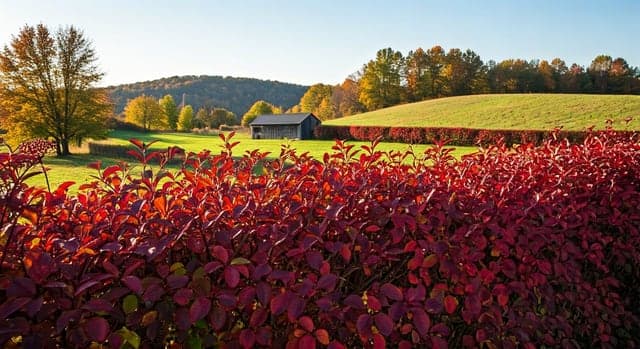
Discover the best cold-hardy edible hedges for US zones 3-9. Learn about elderberry, hazelnut, currant, and aronia, their yields, and how permaculture design improves your food forest.
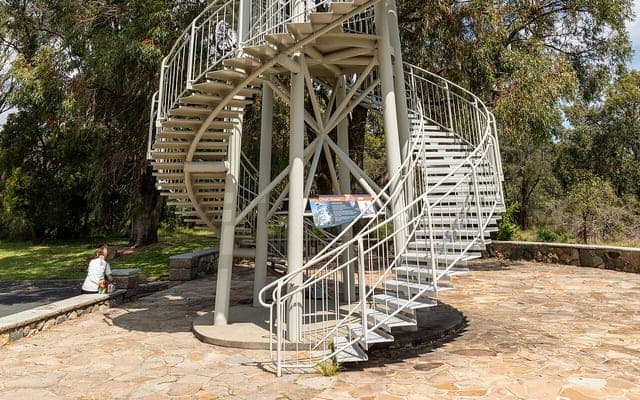
Learn how a year of permaculture site observation can save Midwest growers 25% on initial planting costs & reduce fertilizer needs by 15%. Essential for food forest design.
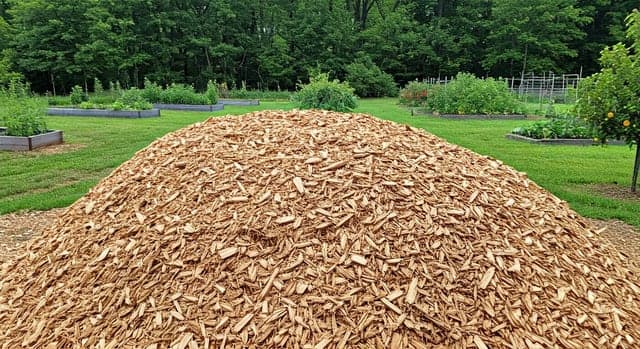
Unlock soil benefits with free wood chips for permaculture, but beware of herbicide risks. Learn how to safely source, test, and apply wood chips in USDA Zone 6 for healthy food forests.
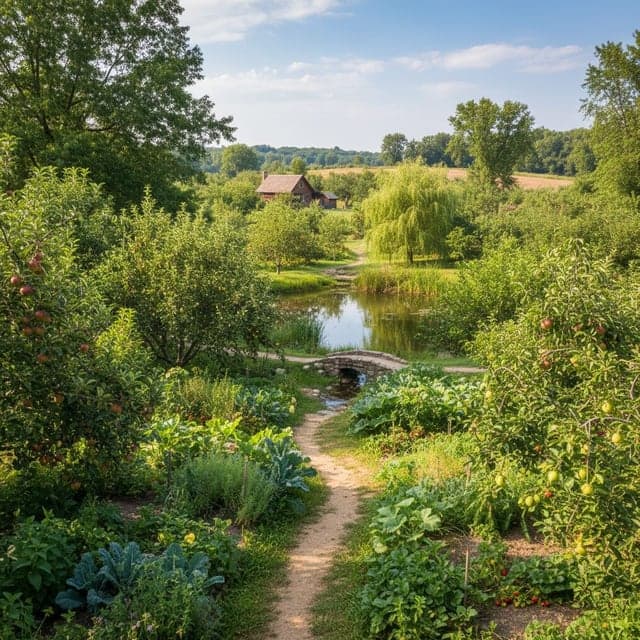
Coppicing and pollarding produce on-site biomass for homesteaders, regenerating trees from the stump or head to build soil and reduce external inputs.
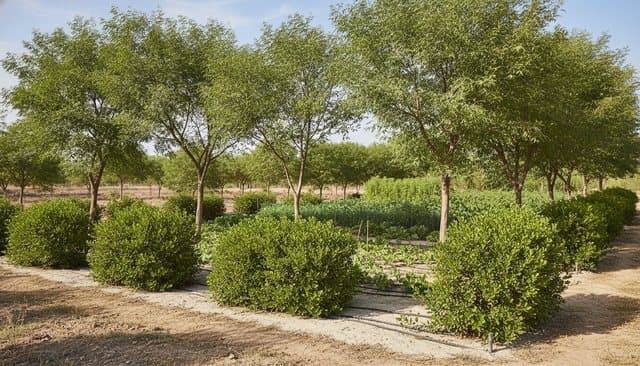
Establish a multi-tiered windbreak and shade canopy using tough, heat-tolerant species like neem and hopbush to cool your Gulf garden and shield crops from harsh shamal winds.
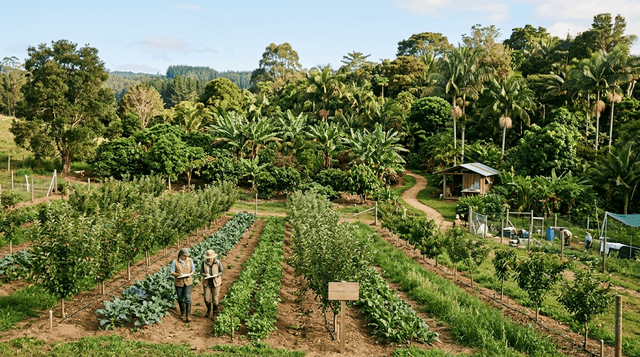
Agroforestry systems in temperate and tropical zones differ fundamentally in succession rates, canopy stratification, pest dynamics, and the operational dominance of specific agroforestry practices.