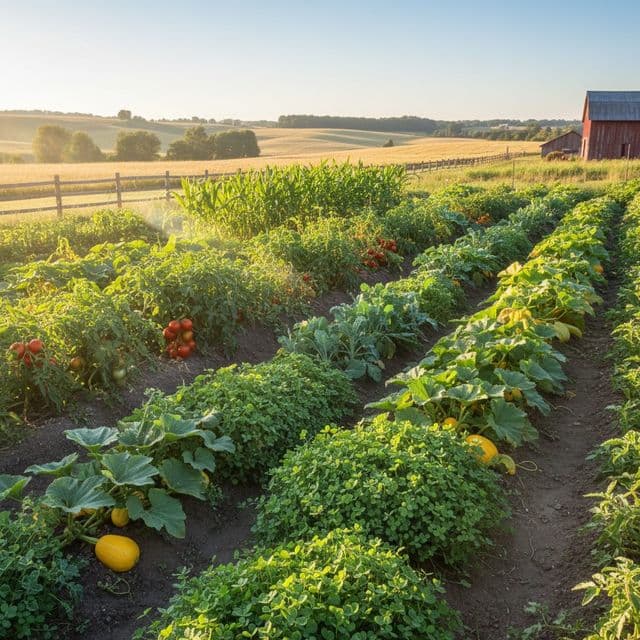
Build soil in USDA Zone 6: green manures & cover crops guide
Enhance your USDA zone 6 garden’s soil with green manures and cover crops. Improve fertility, structure, and water retention using permaculture principles for a resilient garden.
Topic
Permaculture design focuses on reading a site before a single plant goes in — mapping sun angles, water flow, wind corridors, and soil variation. Articles walk through sector analysis, zone mapping, and the design process that turns observations into a planting plan grounded in how the land actually behaves.
75 articles in this topic on agripure. — page 1 of 4
Enhance your USDA zone 6 garden’s soil with green manures and cover crops. Improve fertility, structure, and water retention using permaculture principles for a resilient garden.
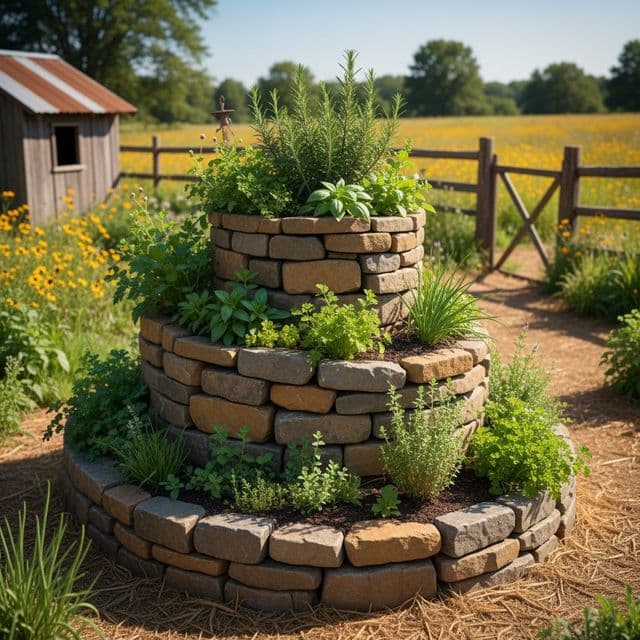
Learn to build an herb spiral, a permaculture design creating diverse microclimates for herbs in small spaces. Maximize sun, water, and yield in your USDA Zone 6 garden.
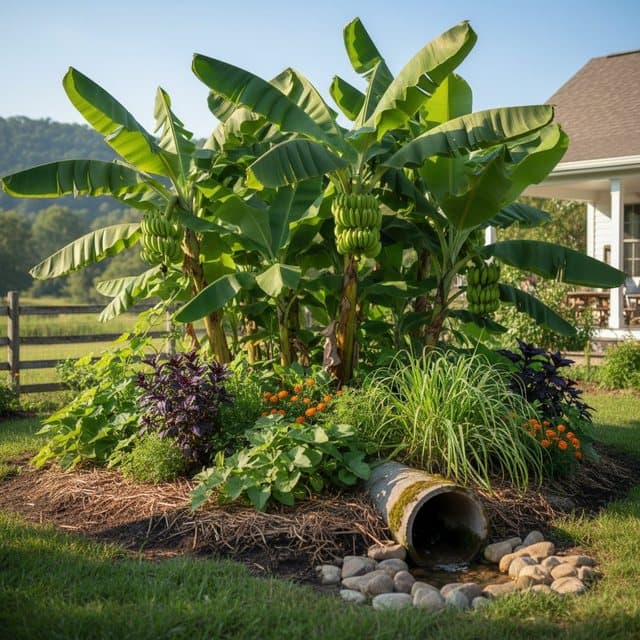
Learn to build a banana circle for greywater recycling and growing heat-loving crops in USDA Zones 8-10. Enhance soil fertility and reduce water use.
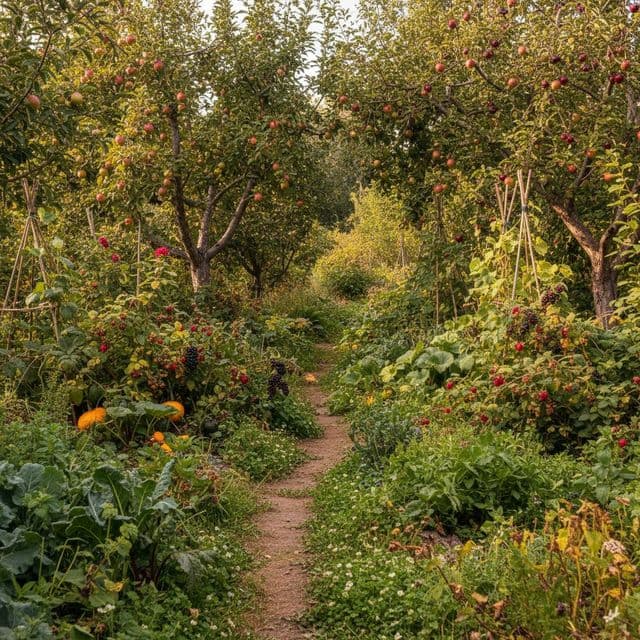
Learn how to start a food forest in your US backyard. This guide covers 7-layer permaculture design, site assessment, and plant selection for USDA zones 3-9 to create a resilient, bountiful ecosystem.
Establish a multi-tiered windbreak and shade canopy using tough, heat-tolerant species like neem and hopbush to cool your Gulf garden and shield crops from harsh shamal winds.
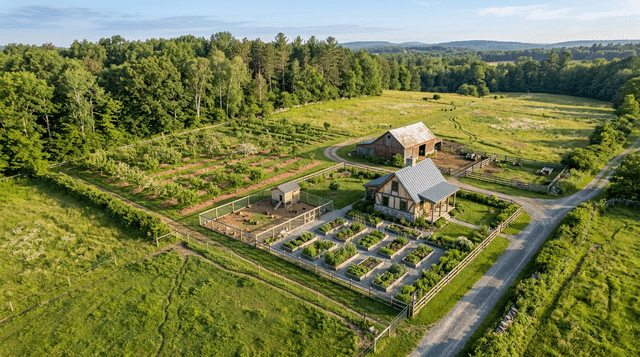
Permaculture zones organize human activity based on visitation frequency from Zone 0 to Zone 5, while sector analysis maps wild external energies crossing the landscape.
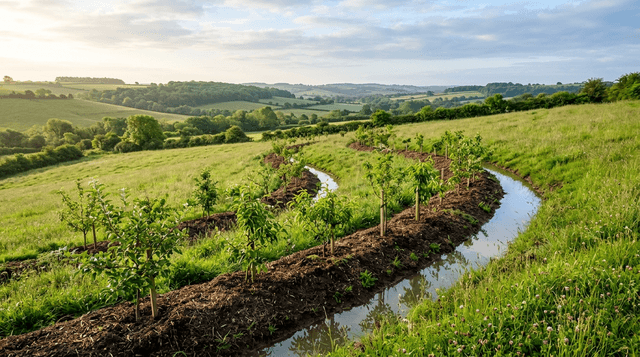
Swales and keyline patterning slow and infiltrate surface runoff along land contours, replenishing subsoil moisture on sloping ground while failing on flat or purely sandy sites.
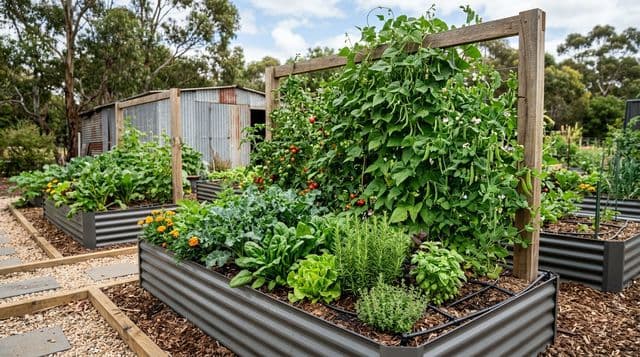
Explore inspiring veggie patch ideas for Australian backyards. Discover raised beds, wicking systems, no-dig layouts, and wildlife-safe netting enclosures.
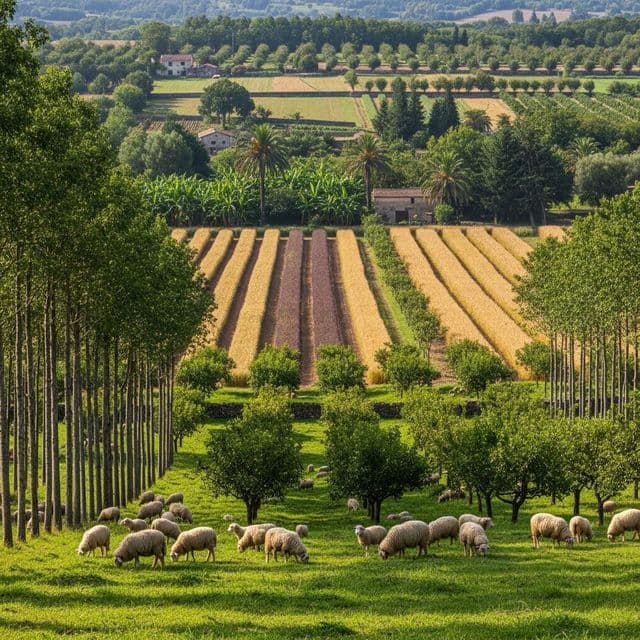
Explore the primary types of agroforestry systems. Compare alley cropping, silvopasture, forest farming, riparian buffers, and windbreaks worldwide.
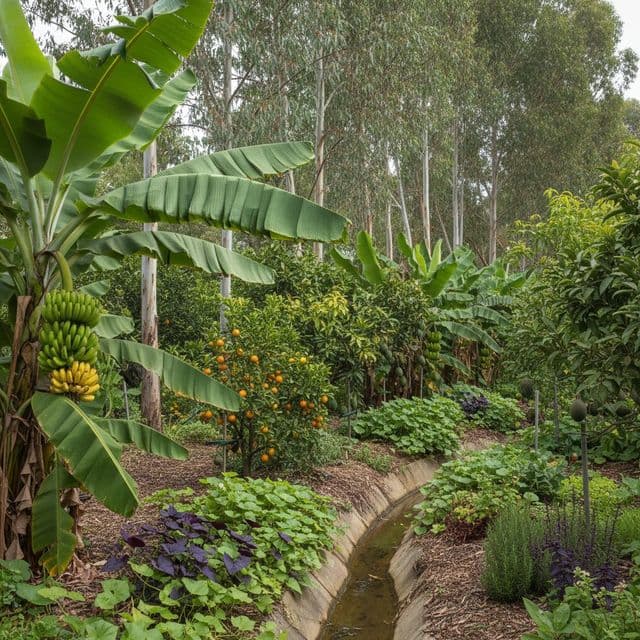
Compare syntropic farming and permaculture across design philosophy, pruning intensity, succession mechanics, spatial stratification, and land integration.
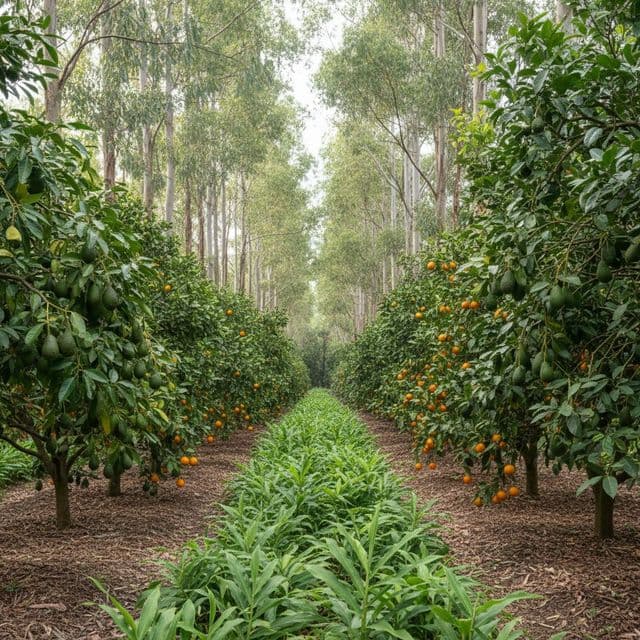
Syntropic farming layers organize crops into emergent, high, medium, and low strata to optimize photosynthesis and biomass production in dense agroforests.
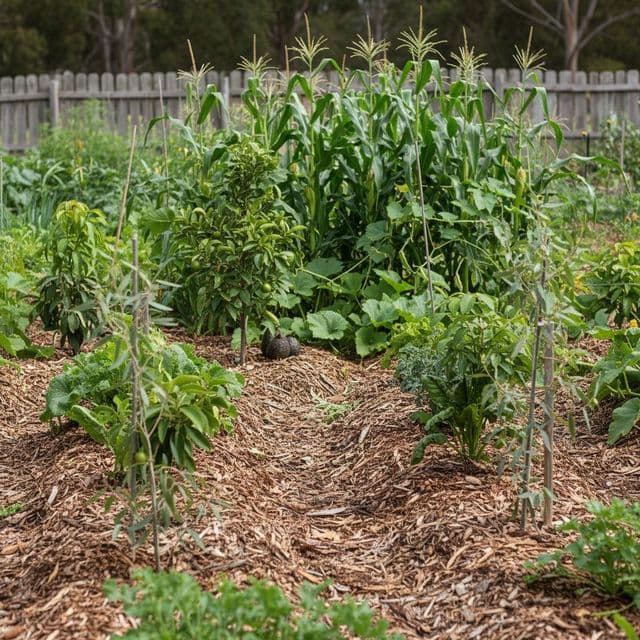
Learn how to start syntropic farming for beginners on a small scale, mastering Ernst Götsch stratification, succession planting, and chop-and-drop pruning.
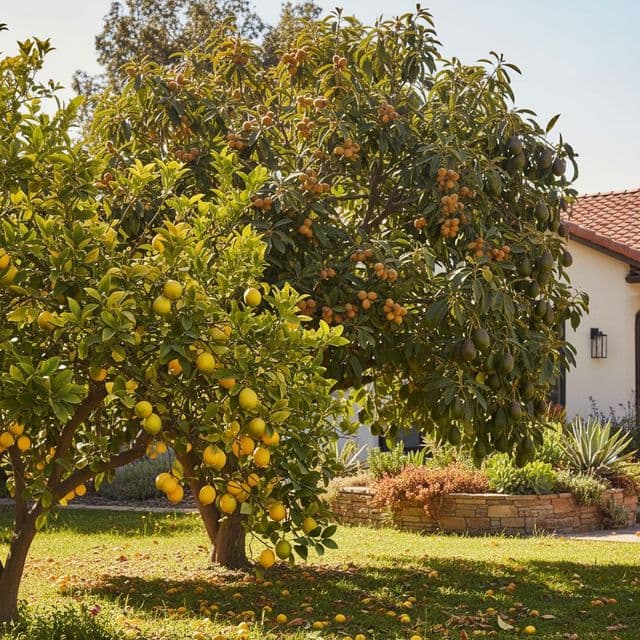
Discover the best subtropical fruit trees for USDA Zones 9 and 10, from avocados and citrus to loquats, guavas, and cold-hardy tropical species.
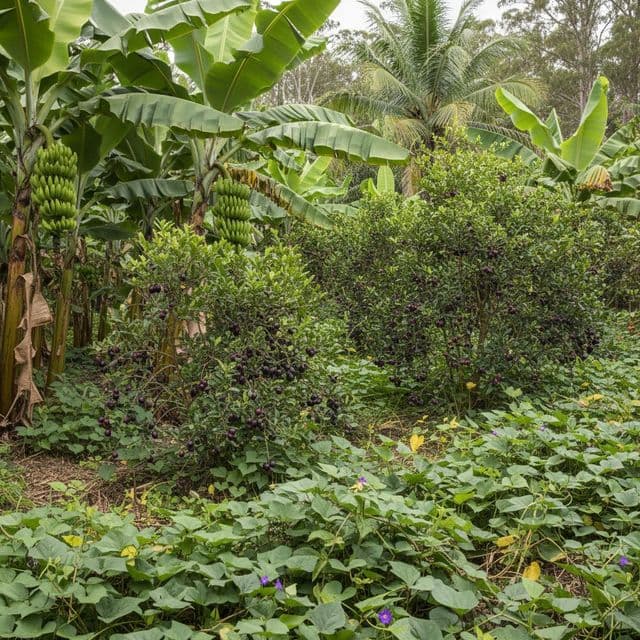
Design a high-yield subtropical food forest in Australia with multi-layered canopies, nitrogen-fixing pioneer species, and hardy perennial food crops.
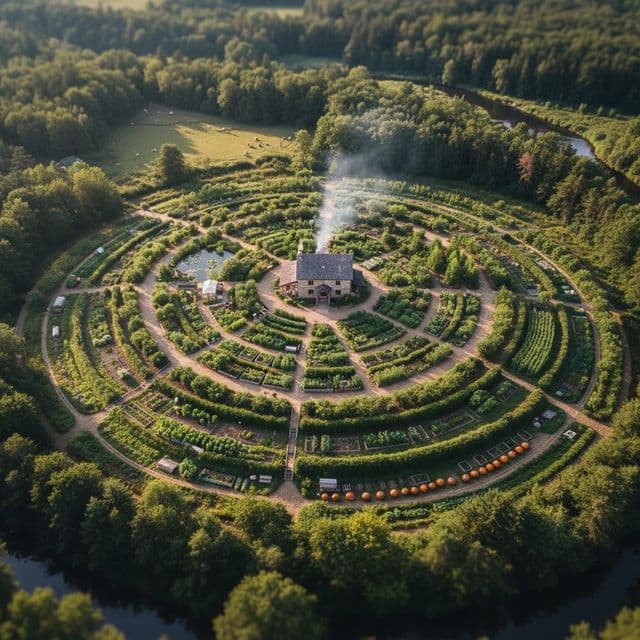
Permaculture zones organize your land by frequency of use, placing high-maintenance elements close to the home to save daily labor and boost productivity.
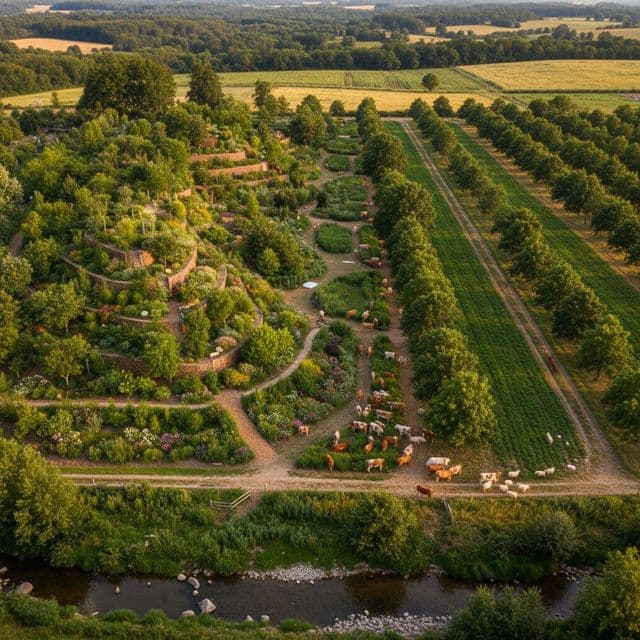
Compare permaculture and agroforestry, analyzing broad holistic design ethics against applied agricultural tree-crop science for sustainable land stewardship.
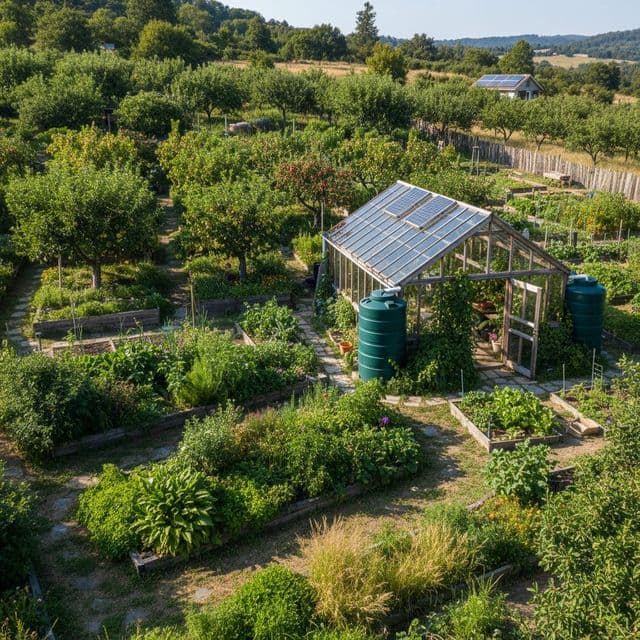
Explore the 12 permaculture design principles developed by David Holmgren, with practical applications for gardens, homesteads, and ecological land design.

Explore natural sequence farming principles developed by Peter Andrews to slow water, rebuild floodplains, and restore Australian landscapes naturally.
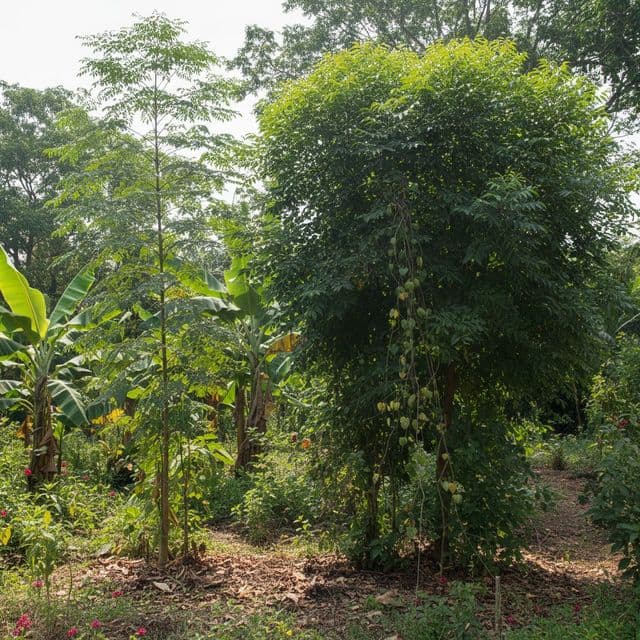
Compare moringa and neem trees across botanical traits, nutritional uses, natural pest management, agroforestry roles, and tropical climate requirements.
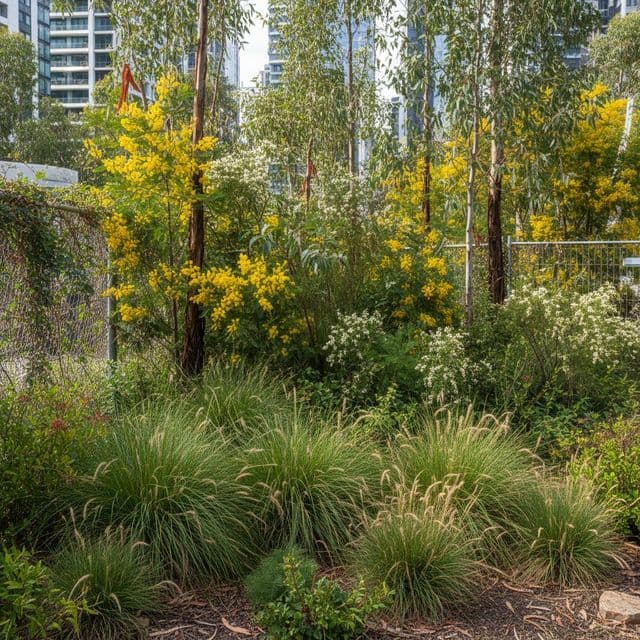
Discover how the Miyawaki method creates dense, fast-growing native pocket forests in Australian urban spaces through soil restoration and multi-layer planting.
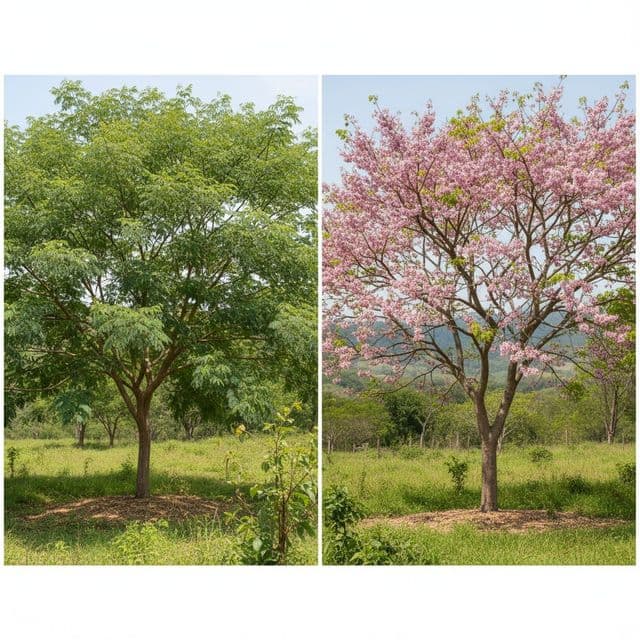
A detailed comparison of Leucaena vs Gliricidia for tropical agroforestry, covering protein fodder, mimosine toxicity, soil acidity, and living fences.
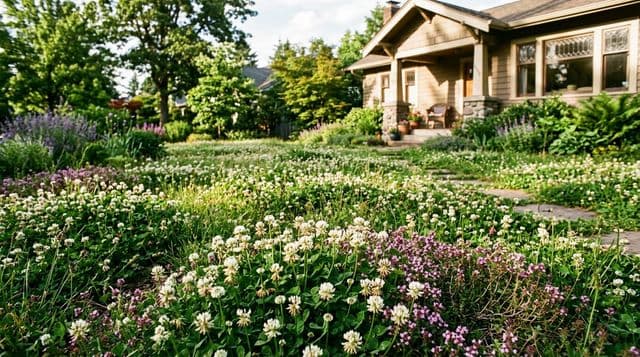
Replace thirsty turf with living lawn alternatives. Explore clover, creeping thyme, native sedges, and no-mow grasses for a resilient, low-maintenance yard.
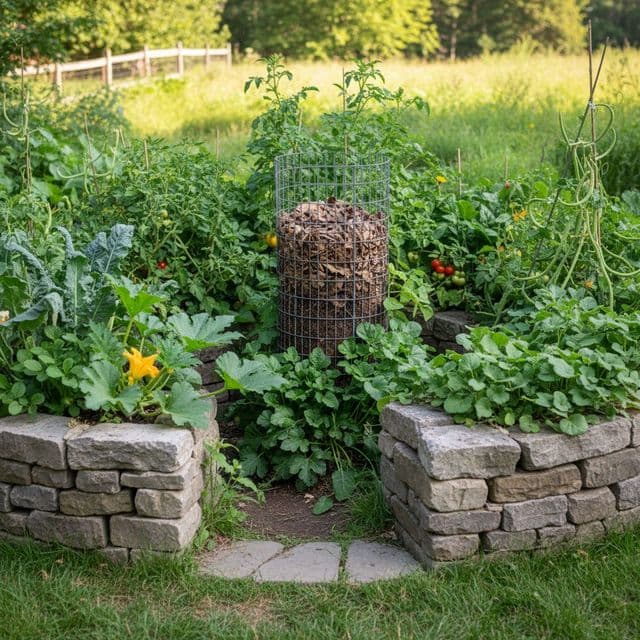
Learn how to design, build, and maintain a permaculture keyhole garden: circular raised bed dimensions, central composting basket, and layered organic fill.
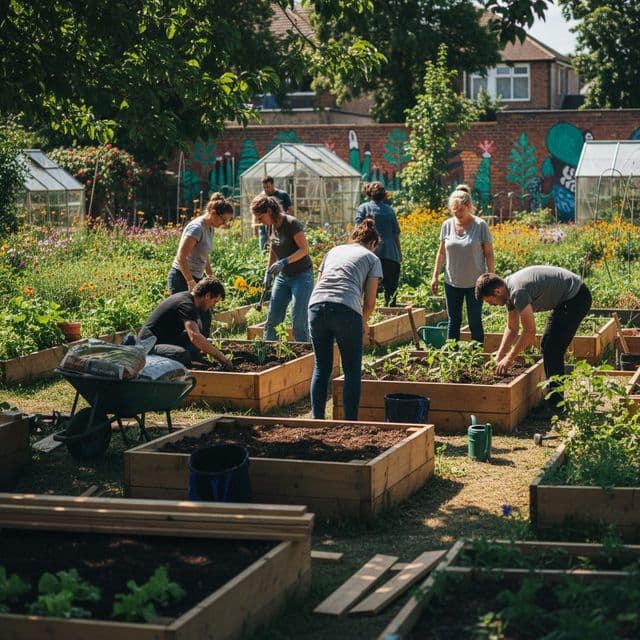
A step-by-step guide on how to start a community garden in the UK: forming a committee, securing council land, site safety, funding grants, and bed building.