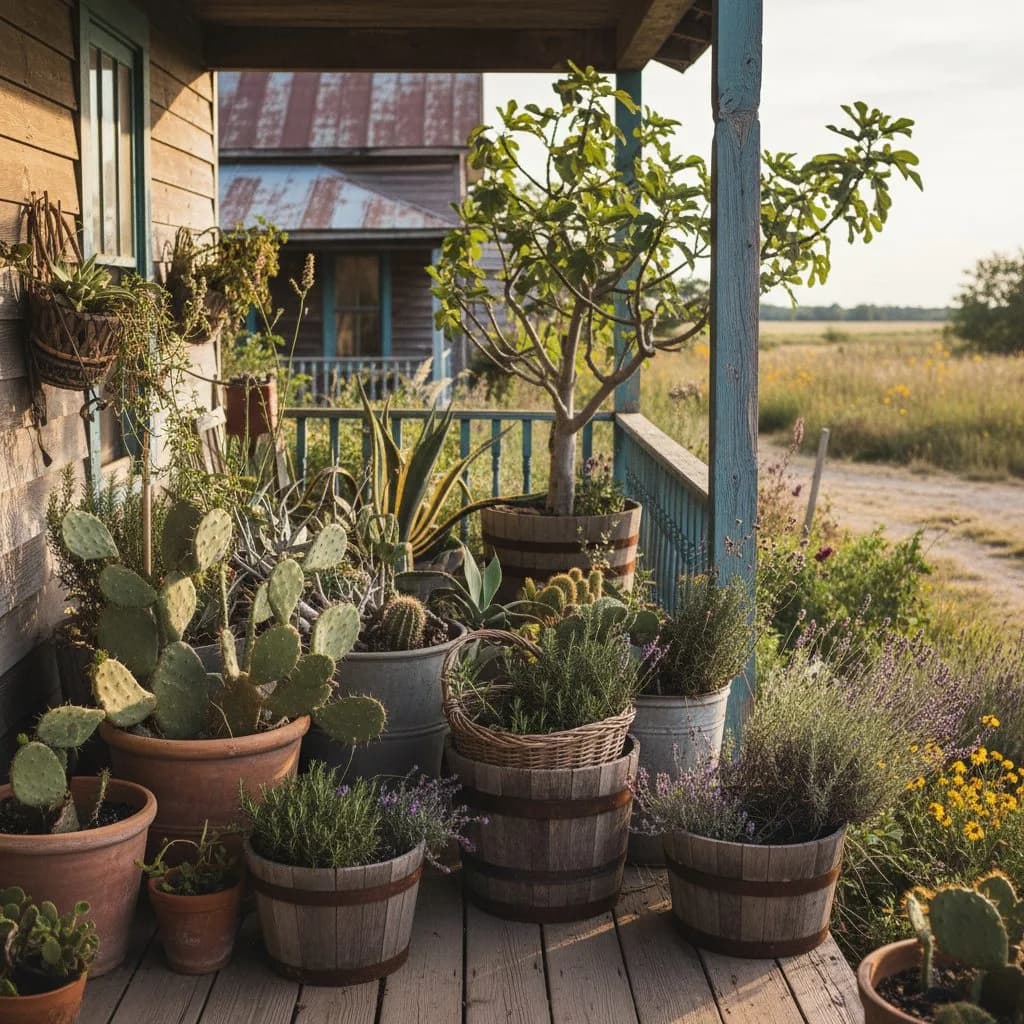
Key takeaways
- Select plants specifically known for drought tolerance and low light adaptability to minimize care.
- Always use containers with adequate drainage holes to prevent root rot, a common killer of container plants.
- Fertilize sparingly, perhaps once every 3-6 months, with a slow-release product to avoid over-feeding.
- Choose the right container size; a 10-inch pot is often a good starting point for many species, allowing root growth.
- Consider native or regionally adapted species for improved resilience against local climate conditions.
- Monitor soil moisture with a meter to accurately gauge watering needs and prevent both over and under-watering.
Quick answer: Indestructible container plants are resilient species like succulents, low-light tolerant plants, and hardy perennials that can survive neglect and thrive across USDA zones 4 to 11. These plants are chosen for their ability to endure periods without water or in low light, making them ideal for busy gardeners.
In the bustling urban centers of the Northeast, or on the sun-drenched patios of Southern California, container gardening gives a flexible way to bring greenery into any space. However, maintaining a thriving container garden often demands consistent attention, which can be a challenge for even the most dedicated gardener. Many plants require watering every 2-3 days during peak growing seasons, a schedule that can be difficult to maintain.
For those who find themselves occasionally forgetting a watering schedule or neglecting a feeding, selecting the right plants is paramount. This guide focuses on 25 container plants that tolerate neglect and keep growing, suited to USDA zones 4 through 11. These species can often survive 1-2 weeks without direct intervention, offering a buffer for busy lives.
The drought-defiers: succulents and arid-adapted plants
When it comes to surviving periods of neglect, plants that naturally store water are often the best choice. These drought-defying species, many originating from arid regions, have evolved mechanisms to thrive with minimal moisture, making them perfect for gardeners who might forget a watering session for 10 days or more. Their thick, fleshy leaves and stems act as natural reservoirs, allowing them to endure dry spells that would quickly wilt other plants. Many succulents can survive extended periods without water in typical indoor conditions.
Essential care for water-wise containers
To ensure these plants flourish, providing well-draining soil is critical. A potting mix amended with at least 30% perlite or coarse sand will prevent water from sitting around the roots, which is a common cause of root rot. Overwatering is a far greater threat than underwatering for these species. For instance, the ZZ Plant (Zamioculcas zamiifolia) requires infrequent watering, significantly reducing maintenance. Snake Plants (Sansevieria trifasciata) are similarly forgiving, thriving even if watered only every 3-4 weeks. Aloe Vera, Jade Plant (Crassula ovata), Sedum, Portulacaria afra (Elephant Bush), and Echeveria are other excellent choices, often needing minimal watering once established. These plants are well-suited for USDA zones 9-11 outdoors, and as houseplants everywhere.
- Allow the top 1-2 inches of soil to dry completely before watering again.
- Use containers with ample drainage holes to prevent water accumulation at the bottom.
- Reduce watering frequency significantly during cooler winter months, perhaps to once a month.
- Consider a soil moisture meter to accurately assess soil hydration levels before adding water.
Shade survivors: low-light champions
Not every container garden receives abundant sunlight. For spaces with limited natural light, such as north-facing windows or shaded patios, selecting plants that tolerate low light conditions is essential. These resilient species can photosynthesize efficiently even when light levels drop to 50-100 foot-candles, a fraction of what sun-loving plants require. The Cast Iron Plant (Aspidistra elatior) can thrive in low light for many years.
Optimizing growth in indirect light
Plants like Pothos (Epipremnum aureum), Spider Plant (Chlorophytum comosum), Peace Lily (Spathiphyllum), Chinese Evergreen (Aglaonema), Boston Fern (Nephrolepis exaltata), and Prayer Plant (Maranta leuconeura) are all excellent choices for indirect light environments. Pothos, for instance, can grow long vines in a single season with minimal care, even in USDA zone 10 [4]. These plants often have darker green leaves, which contain more chlorophyll to capture scarce light. While they tolerate low light, they generally prefer consistent, moderate moisture and benefit from occasional rotation to ensure even growth. Many were commonly listed in 1920s seed catalogs for their ease of growth and propagation [3].
- Place plants near north-facing windows for consistent, indirect light throughout the day.
- Avoid direct afternoon sun, which can scorch the leaves of low-light tolerant species.
- Rotate pots every few weeks to ensure all sides of the plant receive some light exposure.
- Consider using a reflective indoor grow tent for optimal light distribution in very dim indoor spaces.
Hardy perennials: enduring the elements
For gardeners in regions with distinct seasons, choosing perennials that can overwinter in containers is a smart move. These plants enter a period of winter dormancy but reliably return with new growth each spring, often for 5-10 years or more. Their cold hardiness varies, but many can withstand temperatures well below freezing if given proper protection. Many Sedum varieties are cold hardy to USDA zone 4, surviving winter temperatures as low as -30°F.
Winterizing container perennials
Hosta (various cultivars), Heuchera (Coral Bells), Liriope (Lilyturf), Ajuga (Bugleweed), Creeping Jenny (Lysimachia nummularia), Vinca Minor (Periwinkle), English Ivy (Hedera helix), and Boxwood (Buxus sempervirens) are excellent choices. These plants are generally suitable for USDA zones 4-9, depending on the specific cultivar. To protect their root systems from freezing and thawing cycles, containers need to be at least 18-24 inches in diameter, providing a larger soil mass for insulation. Moving pots to a sheltered location, like an unheated garage or porch, can increase survival rates in colder zones. Proper drainage matters too; plants in clay soil pots, for example, need careful watering to avoid root rot during dormant periods.
- Choose containers that are at least 18-24 inches in diameter for better root insulation against cold.
- Move pots to a sheltered location, such as a garage or unheated porch, in USDA zones 7 and below for winter.
- Apply a 2-3 inch layer of mulch over the soil surface to help protect the plant’s root crown from freezing.
- Ensure good drainage; excess winter moisture can be more damaging than cold to dormant roots.
The truly tenacious: all-around resilient
Some plants don’t specialize in just one area of resilience but offer a broad tolerance to various conditions, making them exceptionally forgiving. These species are generally adaptable to conditions ranging from partial sun to moderate shade and can withstand occasional lapses in watering or feeding. While they might not survive extreme drought or deep shade for extended periods, they bounce back quickly from minor neglect, often showing new growth within 7-10 days of improved care.
General care for adaptable container plants
Geranium (Pelargonium), Coleus (Plectranthus scutellarioides), and New Guinea Impatiens (Impatiens hawkeri) are excellent examples of these all-around resilient plants. Geraniums, for instance, can tolerate dry soil for a few days and still produce healthy blooms, often for an extended period of the year in USDA zones 9-11. Coleus offers striking foliage color even with moderate watering and can be grown indoors or out in zones 10-11. New Guinea Impatiens are more sun-tolerant than traditional impatiens and can provide continuous color from spring through fall, even with less-than-perfect care. Ensuring an appropriate soil pH is optimal for most container plants while aiding nutrient uptake and overall plant health [6].
- Provide 4-6 hours of direct sunlight daily for best flowering and foliage color.
- Water when the top 1 inch of soil feels dry to the touch, rather than on a strict schedule.
- Apply a slow-release granular fertilizer every 2-3 months during the active growing season.
- Consider adding fermented soybean meal for a gentle, organic nutrient boost, typically applied once per season.
ZZ Plant resilience: The ZZ Plant (Zamioculcas zamiifolia) can go extended periods without water, making it one of the most forgiving indoor plants for busy schedules.
Sedum cold hardiness: Many Sedum varieties are cold hardy to USDA zone 4, surviving winter temperatures as low as -30°F with proper container insulation.
References
- Nearly indestructible robot hand is being used to train AIs (2024).
- NIVSS: A Nearly Indestructible Video Surveillance System (2008).
- The Market Gardeners’ Seed Co.’s 1926 seed annual : Ver-e-best seeds, plants, bulbs, etc (1926).
- The Market Gardeners’ Seed Co.’s 1925 seed annual : Ver-e-best seeds, plants, bulbs, etc (1925).
- Native plants program helps gardeners fight nature and climate crises (2023).
- USDA Natural Resources Conservation Service (2024).