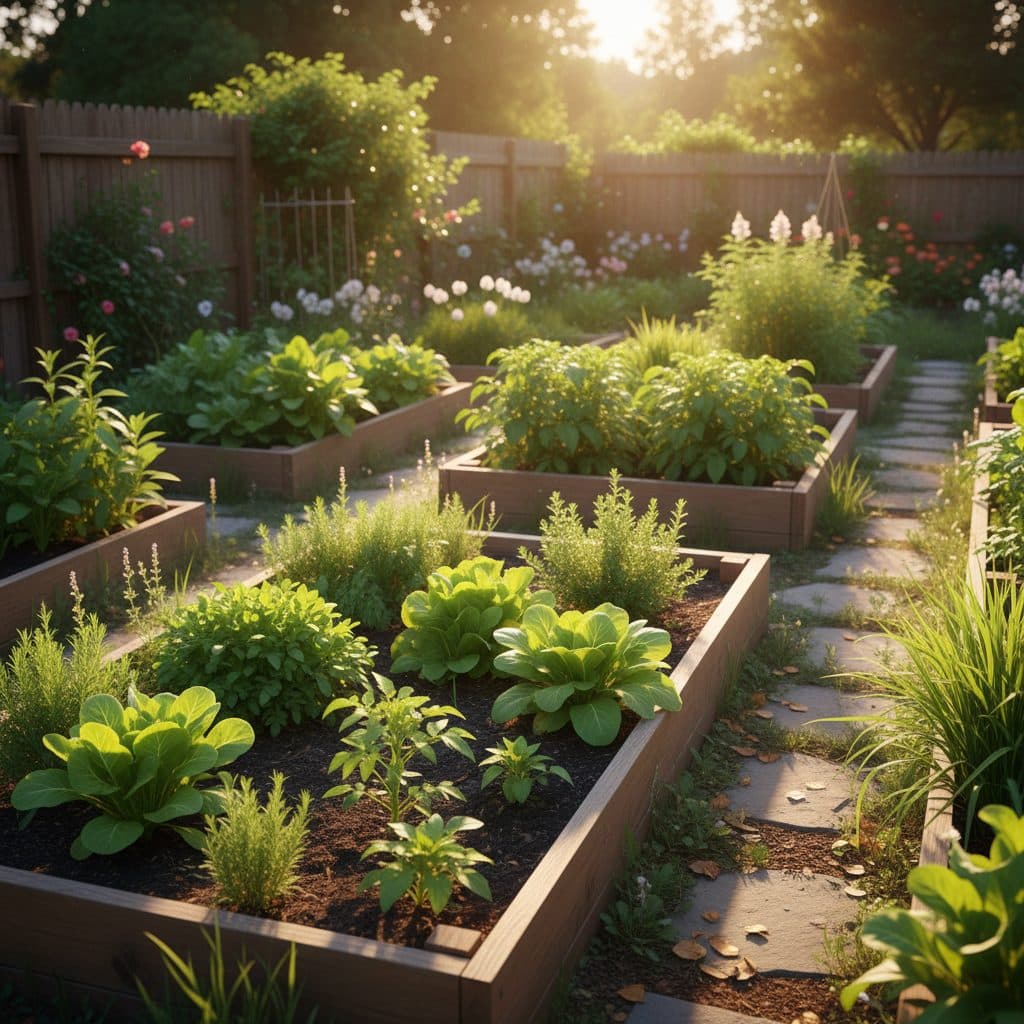
Key takeaways
- Laundry-to-landscape (L2L) systems are the simplest and most cost-effective greywater option for US homes, often costing under $300.
- These systems can divert up to 15,000 gallons of laundry water per year to outdoor plants, reducing municipal water use by 15-20%.
- Directing greywater to subsurface irrigation, like mulch basins or ollas, minimizes human contact and maximizes plant absorption.
- Using plant-safe detergents, free of boron, chlorine bleach, and excessive sodium, matters for long-term soil and plant health.
- Many US states, including California and Arizona, allow L2L systems without permits if they meet simple design criteria, such as no storage or pumping.
- Proper maintenance, including regular filter cleaning and system checks, ensures efficient operation and longevity for 10+ years.
Quick answer: Laundry-to-landscape (L2L) greywater systems divert washing machine discharge directly to outdoor plants using gravity, offering a simple, cost-effective, and often permit-exempt way to conserve water and irrigate gardens in the US.
In drought-prone regions across the American West, like California’s Central Valley, water conservation is a necessity. Homeowners in places such as Santa Clara County are increasingly looking for practical ways to reduce their water footprint, especially as municipal water rates climb by 5-10% annually. One of the most straightforward and effective methods is a laundry-to-landscape, or L2L, greywater system, which can divert thousands of gallons of household water directly to your garden each year. This simple setup helps you save water and nourish your plants, often without needing complex permits.
A well-designed L2L system can divert between 10,000 and 15,000 gallons of water annually from a typical US household’s laundry machine, significantly impacting your outdoor irrigation needs [4]. Unlike more complex greywater systems that require tanks, pumps, and extensive plumbing, the L2L approach uses gravity to feed untreated laundry water to your landscape, making it both affordable and easy to install. In many states, these systems are legal for homeowners to install themselves, offering a tangible step towards water independence and a thriving yard.
The basics of L2L greywater systems
A laundry-to-landscape greywater system is arguably the simplest and most cost-effective way to reuse household water in your garden. It involves diverting the discharge water from your washing machine directly to your outdoor plants, bypassing the sewer system. This approach is distinct from more complex greywater systems that might collect water from showers or sinks, often requiring filtration, storage tanks, and pumps. While more complex systems might involve solar water pumps for deep wells or large-scale irrigation, L2L keeps it simple, relying purely on gravity.
what makes L2L legal and simple?
The simplicity of L2L systems is their greatest advantage, particularly when it comes to legal compliance. Because they are gravity-fed, involve no storage tanks, and direct water to subsurface irrigation, many US states—including California, Arizona, and New Mexico—have streamlined regulations or permit exemptions for them [5]. For example, California’s 2009 greywater code significantly simplified requirements for these systems. They typically cost less than $300 in materials for a DIY installation, making them an accessible option for homeowners looking to save 15-20% on their outdoor water use annually.
- Reduces municipal water consumption by thousands of gallons.
- Low installation cost, often under $300.
- Often exempt from complex permitting processes.
- Provides consistent, nutrient-rich water for plants.
- Easy to install and maintain for most homeowners.
Essential components for your L2L setup
A basic laundry-to-landscape system consists of a few key parts that work together to efficiently move water from your washing machine to your plants. The most critical component is a diverter valve, which allows you to switch between sending water to the sewer or to your garden. From there, a discharge hose carries the water outdoors, connecting to a network of distribution lines that spread the greywater to various planting areas. Each distribution line ends in a mulch basin for subsurface discharge.
the diverter valve and distribution
The heart of the system is a three-way diverter valve, usually a 1-inch PVC or ABS valve, installed on your washing machine’s drain standpipe. This valve allows you to easily switch between sending water to the sewer or to your landscape. A durable 1-inch discharge hose then connects the diverter to the outside, typically through a wall or floor. Once outside, the water flows into polyethylene distribution tubing, also 1-inch in diameter, which branches out to various mulch basins. These basins are shallow depressions, usually 6-12 inches deep and 18-24 inches wide, filled with wood chips or other organic mulch, located at least five feet from your home’s foundation to prevent moisture issues.
- Three-way diverter valve (1-inch).
- Heavy-duty 1-inch discharge hose.
- 1-inch polyethylene distribution tubing.
- Mulch basins (6-12 inches deep).
- Appropriate fittings and clamps.
Planning your greywater garden layout
Effective L2L system design starts with a thorough site assessment, considering the natural slope of your yard and the types of plants you want to irrigate. Gravity is your primary tool, so you need to understand the elevation changes from your laundry room to your garden. Proper planning ensures that water flows efficiently and reaches all intended plants without pooling or creating runoff, which is often a legal requirement. This attention to detail will help you maximize the benefits of your greywater system for years to come.
placement, slope, and plant compatibility
When planning your layout, ensure there’s a minimum 2% slope from your washing machine’s exterior discharge point to the furthest mulch basin. This translates to a 2-foot drop over 100 feet of run, ensuring consistent gravity flow. Place mulch basins at least five feet from your home’s foundation and any property lines, typically 18-24 inches wide and 6-12 inches deep, to prevent soil saturation near structures. Target plants that benefit most from consistent moisture, such as fruit trees (e.g., citrus, avocado in USDA zones 9-11), berry bushes, and ornamental shrubs. Each outlet can typically serve 2-3 plants, depending on their water needs and size. For more comprehensive guidance on water reuse, consult resources like Greywater systems: reusing household water in the garden.
- Ensure a minimum 2% slope for gravity flow.
- Place mulch basins at least five feet from foundations.
- Select appropriate plants like fruit trees or shrubs.
- Distribute water evenly to 2-3 plants per outlet.
- Consider soil type for absorption rates.
Selecting plant-safe detergents
The type of detergent you use is perhaps the most critical factor for the long-term health of your soil and plants when operating an L2L system. Not all laundry detergents are created equal, and many common ingredients can be detrimental to plant life and soil structure over time. Making a conscious choice about your cleaning products ensures your greywater system remains a beneficial resource for your garden, rather than a source of potential harm. This is a key difference from simply using rainwater harvesting, which provides pure water.
ingredients to avoid for soil and plants
When choosing detergents, prioritize those that are boron-free, chlorine-free, and low-sodium. Boron, often found as sodium borate, is toxic to many plants at concentrations above 1 part per million (ppm), and studies in Santa Clara County, California, found residential laundry greywater to have an average of 0.2 mg/L boron, which is generally safe but can accumulate [1]. Chlorine bleach kills beneficial soil microbes, while high sodium levels, sometimes 20-30% in powder detergents, can accumulate in soil, reducing permeability, especially in clay soils common in the desert Southwest. Aim for detergents with a neutral pH, ideally between 6.0 and 7.5, to maintain optimal soil conditions. Many liquid detergents are suitable, but always check the ingredient list.
- Free of boron (sodium borate).
- No chlorine bleach.
- Low in sodium (avoid powder detergents).
- Biodegradable surfactants.
- Neutral pH (6.0-7.5).
Keeping your L2L system running smoothly
While laundry-to-landscape systems are designed for simplicity, regular, albeit minimal, maintenance is essential to ensure their efficient operation and longevity. Neglecting small tasks can lead to clogs, reduced flow, or even damage to your system or plants. A proactive approach to maintenance keeps your greywater flowing freely, your garden thriving, and protects your initial investment for many years. Most tasks take only a few minutes and can be easily integrated into your routine.
simple maintenance tasks
Perform monthly checks on your diverter valve to ensure it’s operating correctly and not leaking. Clean your washing machine’s lint filter every 1-2 months, as lint is a common cause of clogs in distribution lines. Every 3-6 months, consider running a load of plain water through your system to help flush out any soap residue or minor blockages. Annually, inspect your mulch basins and replenish them with 4-6 inches of fresh wood chips to maintain proper filtration and prevent surface pooling. With these simple steps, your L2L system can reliably last 10-15 years or more.
- Check diverter valve monthly for leaks.
- Clean washing machine lint filter every 1-2 months.
- Flush distribution lines with clear water quarterly.
- Replenish mulch in basins annually (4-6 inches).
- Inspect for clogs and clear them promptly.
Navigating greywater regulations in the US
Understanding the legal landscape for greywater systems in the United States is essential, as regulations can vary significantly by state and even local jurisdiction. While the idea of reusing water is widely supported, public health concerns dictate specific design and installation requirements. Fortunately, laundry-to-landscape systems are often subject to the least stringent rules due to their inherent simplicity and low-risk design, making them a popular choice for homeowners aiming for water independence without bureaucratic hurdles.
permit exemptions for simple systems
Many US states, including California, Arizona, New Mexico, and Texas, have adopted codes that allow simple L2L systems without requiring a permit, provided they meet specific criteria [6]. Key conditions for these permit exemptions typically include no storage of greywater for more than 24 hours, no pumping (meaning the system must be gravity-fed), and subsurface discharge to prevent human or animal contact. Furthermore, the system must generally handle less than 250 gallons per day. California’s 2009 greywater code, for instance, explicitly streamlined these regulations, making it easier for homeowners to install systems that meet these simple design parameters. Systems exceeding these thresholds, or those involving complex filtration and storage, usually require permits and professional design, increasing costs by 5-10 times.
- No storage of greywater.
- Gravity-fed system (no pumps).
- Subsurface discharge only.
- Maximum flow of 250 gallons per day.
- Minimum setback from wells or water bodies (e.g., 50 feet).
Comparing common greywater system types for home gardens.
Feature | Laundry-to-Landscape (L2L) | Pumped Greywater System |
|---|---|---|
Complexity | Low (DIY-friendly) | High (professional installation often needed) |
Cost (materials) | Typically < $300 | Often $1,000 – $5,000+ |
Permit Requirement | Often exempt in many states | Usually requires permits and inspections |
Water Source | Washing machine only | Washing machine, showers, sinks |
Storage | No storage (direct use) | Requires storage tank (100-300 gallons) |
Pumping | Gravity-fed only | Requires electric pump |
Average Daily Volume | 50-70 gallons per load | Up to 250 gallons per day or more |
Water Savings: A typical US household can save 10,000 to 15,000 gallons of water annually by installing a laundry-to-landscape greywater system.
Boron Levels: In Santa Clara County, California, residential laundry greywater was found to contain an average of 0.2 mg/L boron, generally safe for plants [1].
Frequently asked questions
Is laundry greywater safe for all plants?
Most ornamental plants, fruit trees, and shrubs in USDA zones 6-10 thrive on greywater, especially if you use plant-friendly detergents. Avoid using it on root crops or leafy greens that are eaten raw, as there’s a small risk of pathogen transfer, though studies in Santa Clara County, California, showed low pathogen levels [1].
How much does a simple L2L system cost to install?
A basic laundry-to-landscape system can often be installed for less than $300 in materials, assuming you do the work yourself. This includes the diverter valve, discharge hose, and distribution lines, offering a quick return on investment through reduced water bills, sometimes within 1-2 years.
Do I need a permit for a laundry-to-landscape system?
In many US states, including California, Arizona, and New Mexico, simple L2L systems do not require a permit if they meet specific criteria, such as no storage, gravity-fed operation, and subsurface discharge. Always check local regulations, as requirements can vary even within a state, with some counties having stricter rules.
What kind of soap should I use with a greywater system?
Use detergents that are low in sodium, boron-free, and chlorine-free. Look for products labeled “greywater safe” or “biodegradable.” Many liquid laundry detergents are suitable, but avoid powder detergents that can contain high levels of sodium and fillers, which can harm soil structure over time.
Can I use greywater from my shower or sink?
While shower and sink greywater can be used, laundry-to-landscape systems are generally the simplest to install and permit due to their direct connection and relatively consistent water quality. Other greywater sources often require more complex plumbing, filtration, and pumping, which can increase costs by 5-10 times and may require professional installation.
How long do L2L systems typically last?
With proper installation and regular maintenance, a laundry-to-landscape greywater system can last 10-15 years or more. The main components like PVC or poly tubing are durable, and the diverter valve may need replacement after 5-7 years of continuous use due to wear and tear.
References
- Laundry to Landscape Greywater Quality in Santa Clara County, California (2023). Laundry to Landscape Greywater Quality in Santa Clara County, California.
- Surfactant Recovery from Laundry Greywater Using Membrane Process: A Review (2024). Surfactant Recovery from Laundry Greywater Using Membrane Process: A Review.
- A field assessment of residential laundry to landscape greywater quality in the San Francisco Bay area (2023). A field assessment of residential laundry to landscape greywater quality in the San Francisco Bay area.
- Greywater systems (2023). Greywater systems.
- Greywater systems (2023). Greywater systems.
- USDA Natural Resources Conservation Service (2024). USDA Natural Resources Conservation Service.