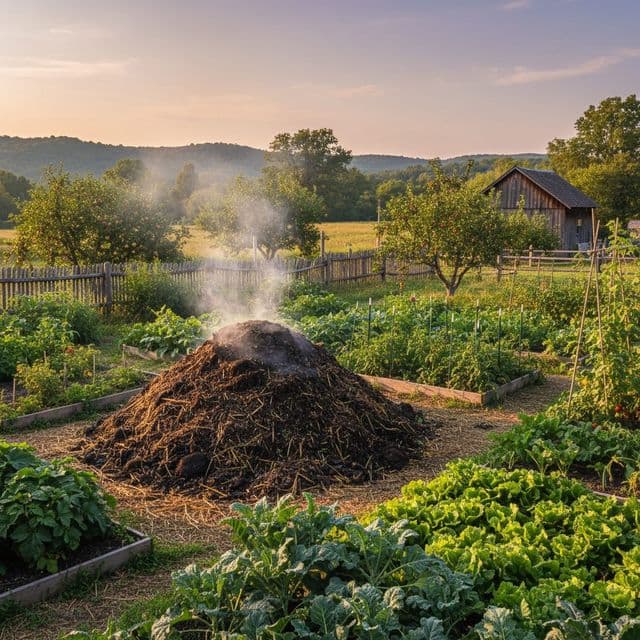
Hot Composting: Berkeley Method for Rapid Soil Improvement
Master hot composting with the Berkeley method. Achieve 130-160°F temperatures to create nutrient-rich compost in 18 days, improving soil structure & fertility.
Tag
144 articles in this tag on agripure. — page 5 of 6
Master hot composting with the Berkeley method. Achieve 130-160°F temperatures to create nutrient-rich compost in 18 days, improving soil structure & fertility.
Learn how to manage apartment composting in Phoenix, AZ, even in a small 500 sq ft space. Discover vermicomposting, bokashi, and biochar to reduce organic waste by up to 35% and create compost for…
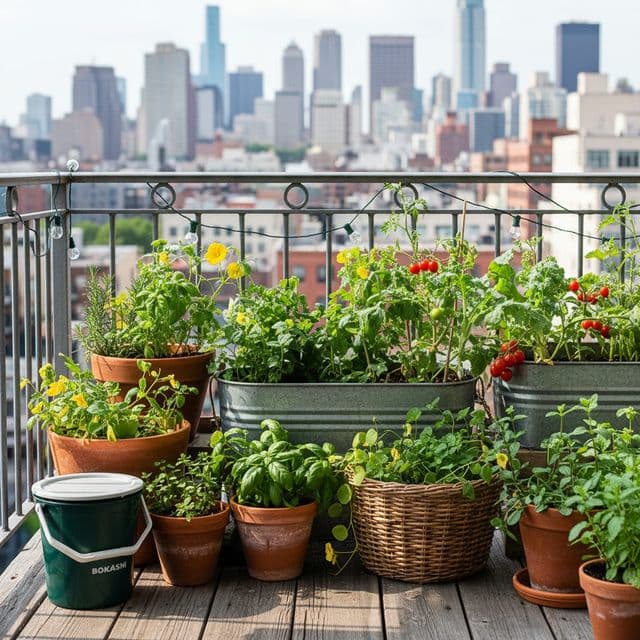
Transform bokashi pre-compost into nutrient-rich soil for your USDA Zone 6 urban gardens. Learn container methods, vermicomposting, and biochar integration for small spaces.
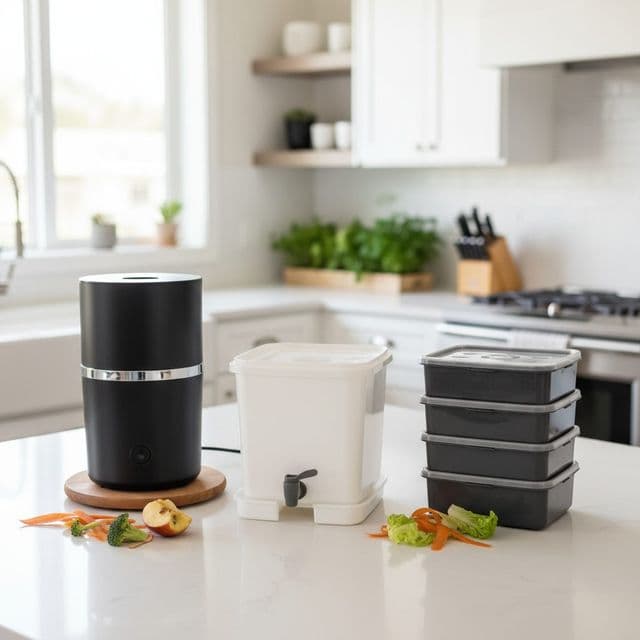
Indoor composting systems like bokashi, vermicomposting, and electric composters reduce household waste. Compare methods to choose the best option for your home.
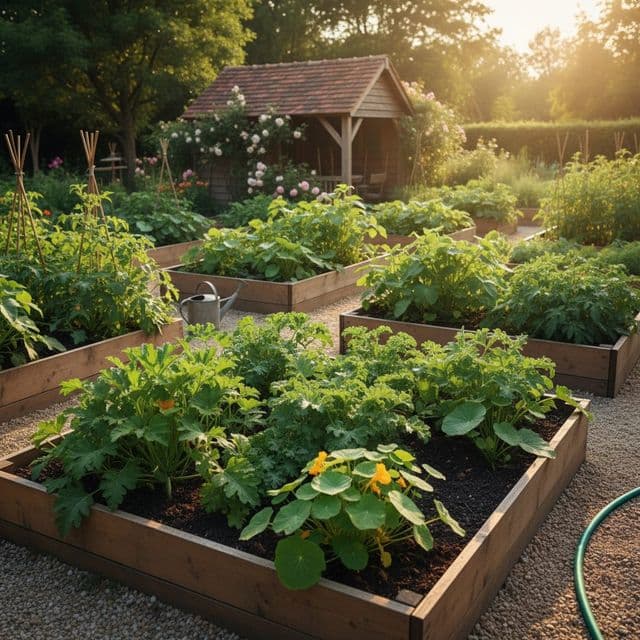
Learn how renters can compost food scraps on balconies or countertops in US cities. Discover vermicomposting, biochar, and tips for fertile container gardens.
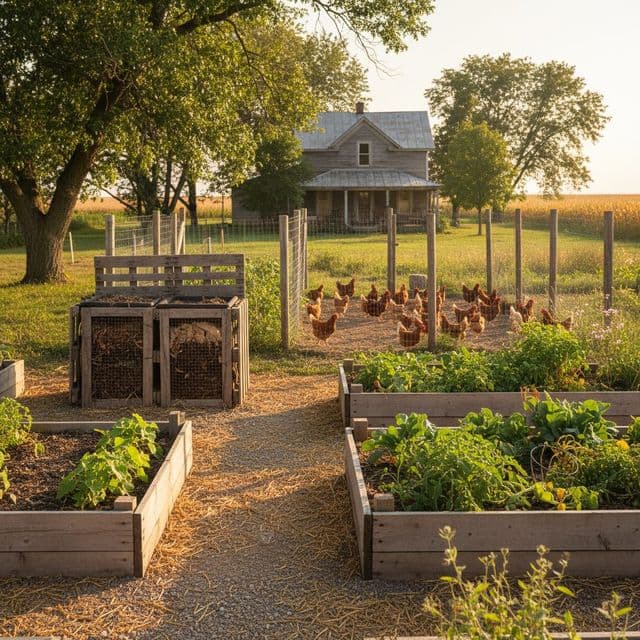
How to make homemade bokashi bran and save up to 75% on soil amendments, enriching garden soil and fermenting kitchen scraps anaerobically.
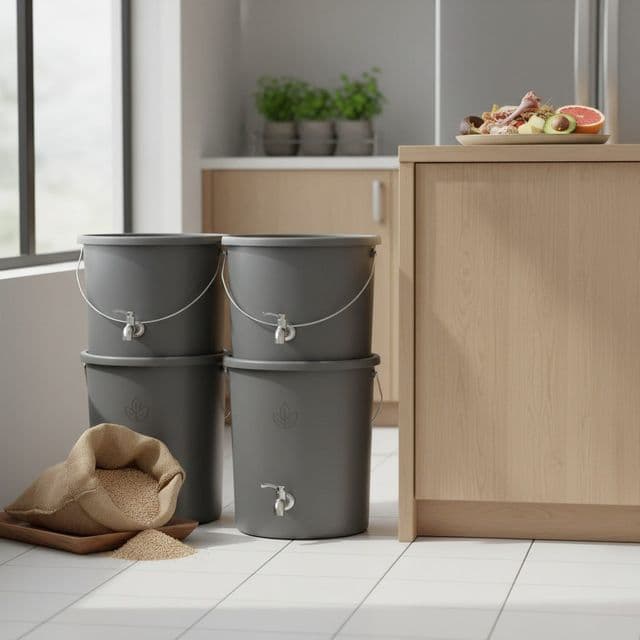
Learn Bokashi composting for US growers. Ferment all kitchen scraps, including meat & dairy, indoors. Reduce waste, create nutrient-rich soil, and avoid odors & pests.
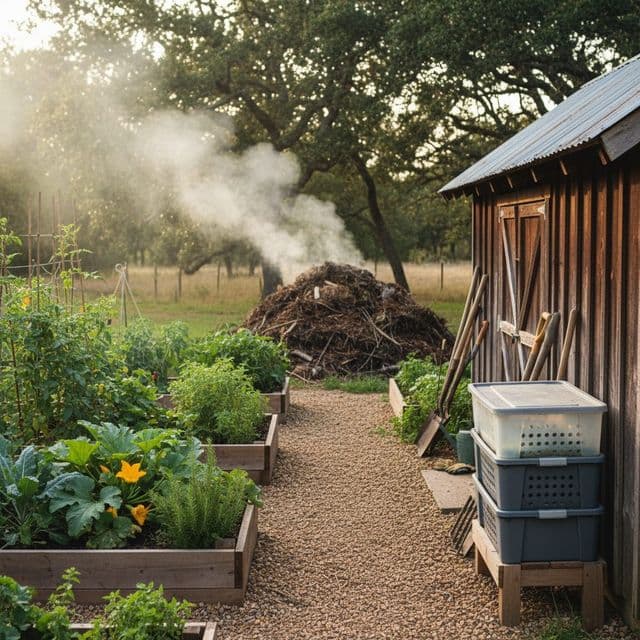
How vermicompost compares with traditional compost for soil organic matter, nutrient availability, and water retention in vineyards and garden beds.
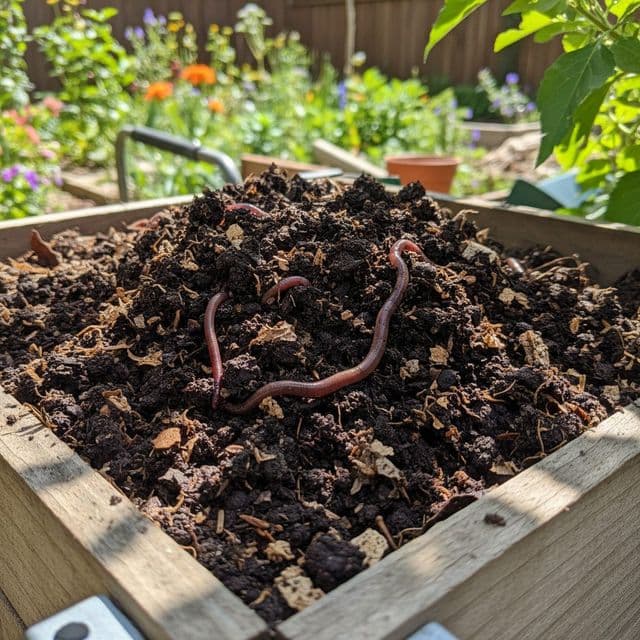
Learn four effective methods for harvesting worm castings from your backyard bin. Boost soil health, nutrient availability, and garden yields by up to 20% with nutrient-rich vermicompost.
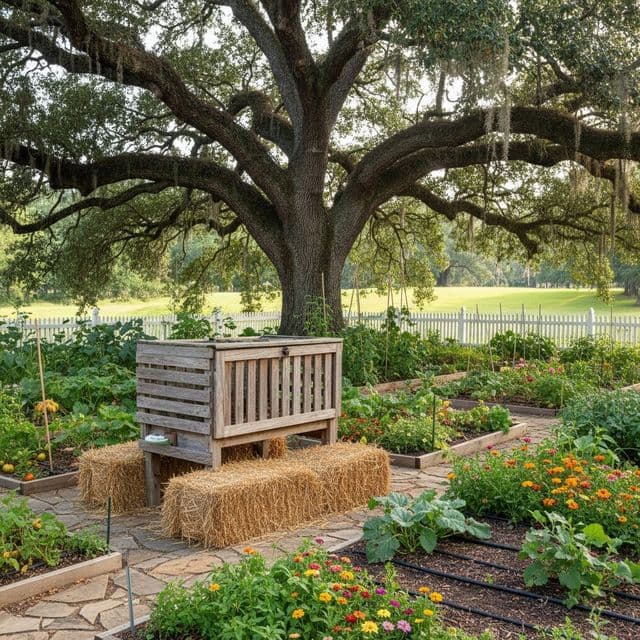
Learn essential strategies for worm bin cooling in Southern US zones 8-10 during summer. Protect red wigglers from extreme heat with placement, moisture, insulation, and biochar tips.
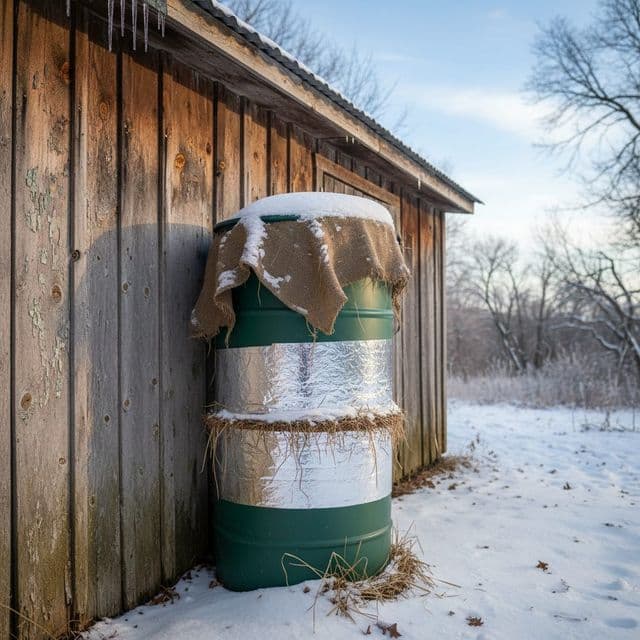
Learn how to keep your outdoor worm bin thriving through a USDA Zone 3 winter. Discover insulation techniques, feeding adjustments, and location tips for successful cold-weather vermicomposting.
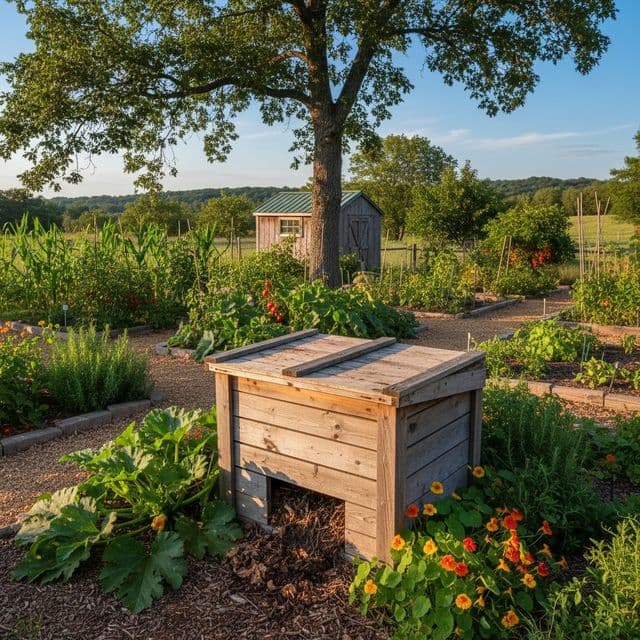
Learn how to effectively feed composting worms with our comprehensive guide. Discover ideal foods, what to avoid, and tips for nutrient-rich vermicompost to boost your garden yields.
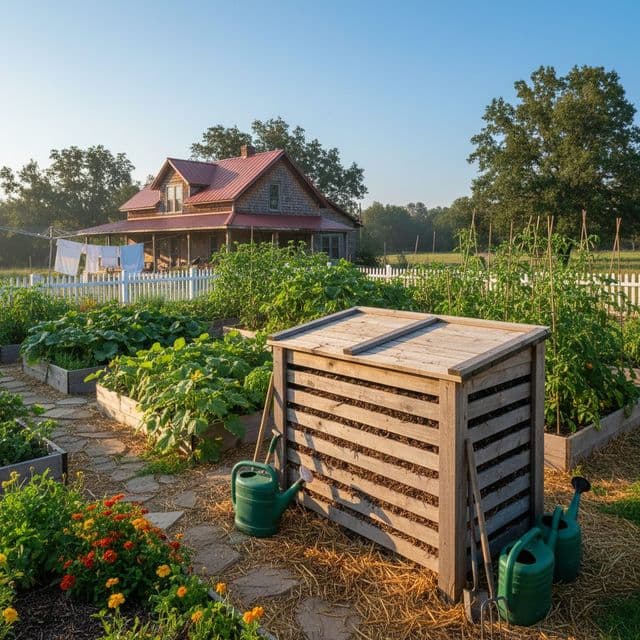
Tackle common worm bin problems like fruit flies, odors, and mold in USDA Zone 6. Learn practical solutions for moisture, feeding, and aeration to keep your vermicompost thriving.
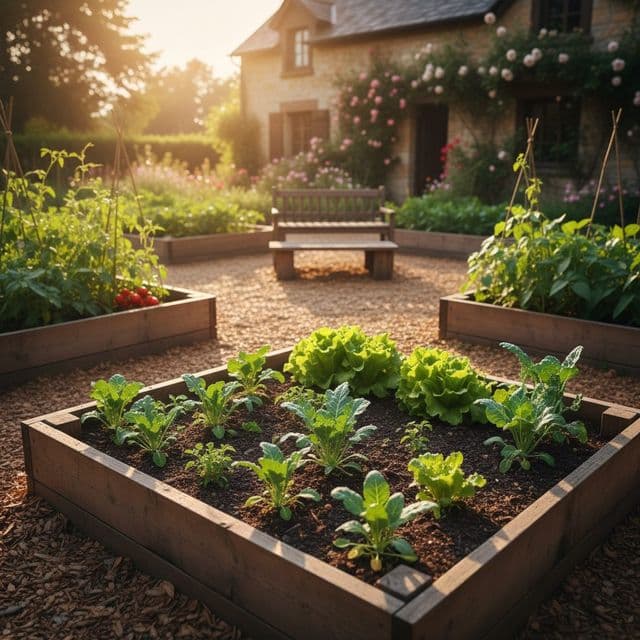
How to choose composting worms for your climate, comparing red wigglers, European nightcrawlers, and African nightcrawlers across temperature ranges from 45°F to 85°F.
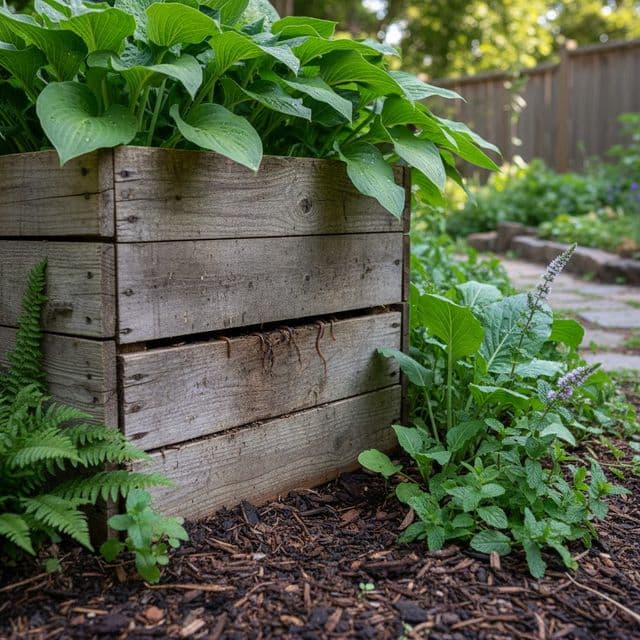
Learn how vermicomposting in US homes can transform kitchen scraps into nutrient-rich soil. This guide covers setting up a worm bin, feeding red wigglers, and harvesting castings to reduce food was…
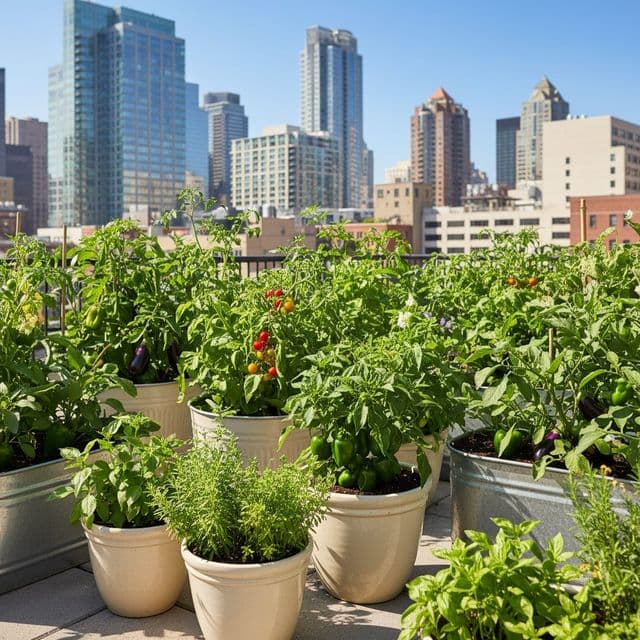
Master hot weather container gardening on rooftops & patios. Learn container choice, drainage, and potting mix to keep plants thriving even above 90°F. Beat the heat!
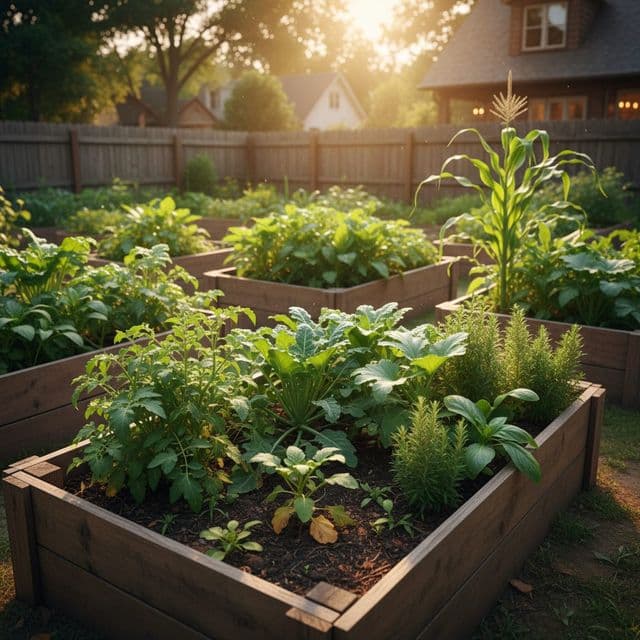
Transform urban spaces with container vegetable gardening! Learn to assess sunlight, choose pots & soil, and select plants for balconies & patios. Grow fresh produce efficiently.
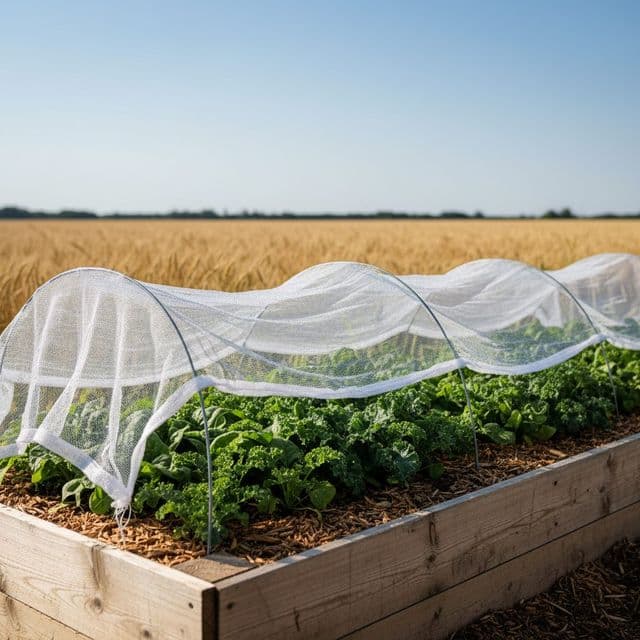
Extend your garden’s harvest by midsummer sowing cool-season crops like spinach & kale in USDA Zones 5-9. Master crop rotation & succession planting for fall & winter yields.
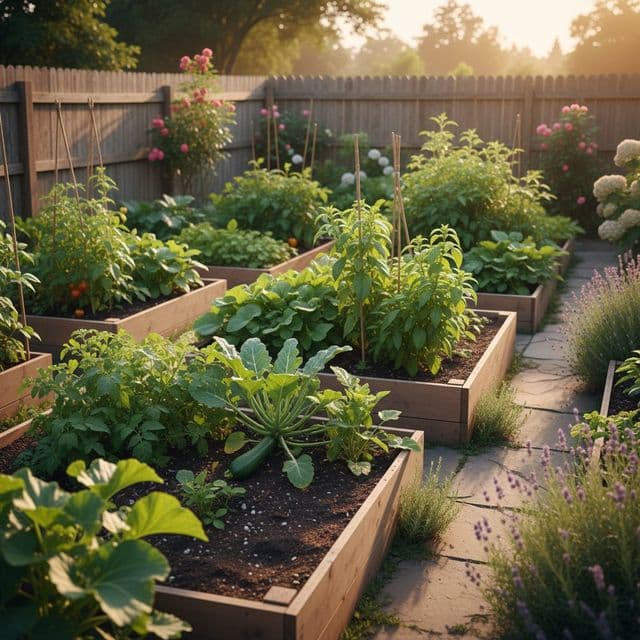
Troubleshoot stalled pepper and cucumber crops in USDA zone 6. Learn to diagnose common issues like pollination, nutrient imbalance, pests, and environmental stress to boost your harvest.
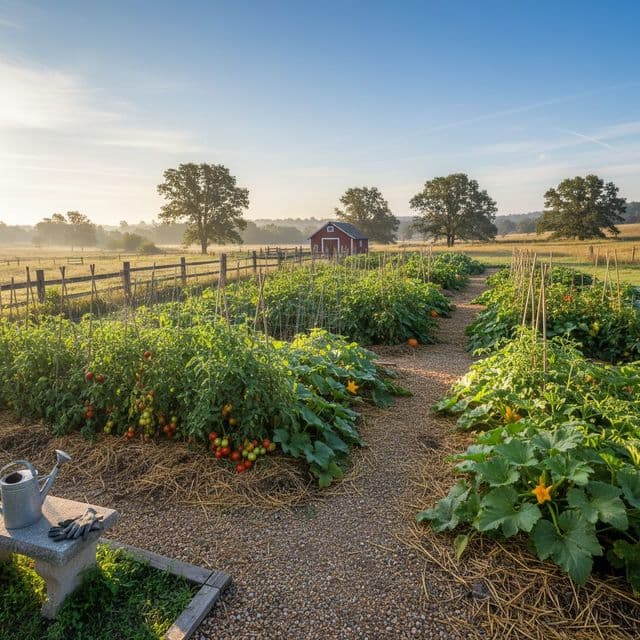
Master diagnosing water issues in tomatoes & cucurbits to prevent wilting, blossom end rot, and increase yields by 20-30% in USDA Zone 6. Learn soil moisture checks & watering needs.
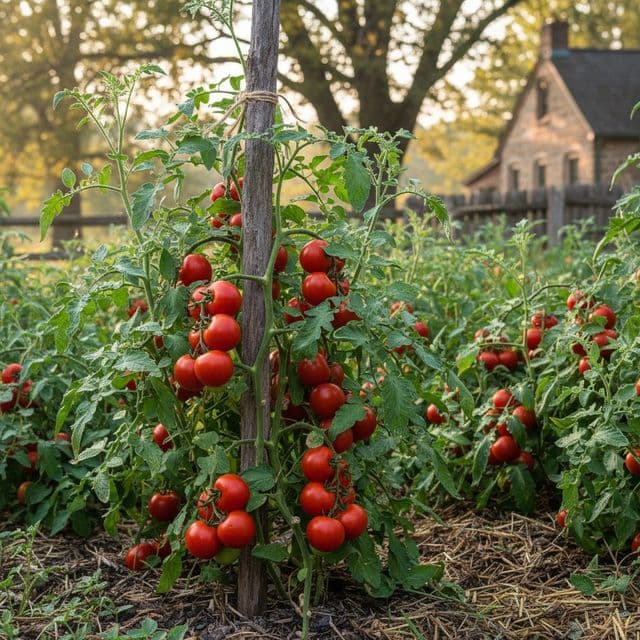
How to protect tomato crops from blights, wilts, and leaf spots using organic cultural methods, resistant varieties, and preventative sprays.
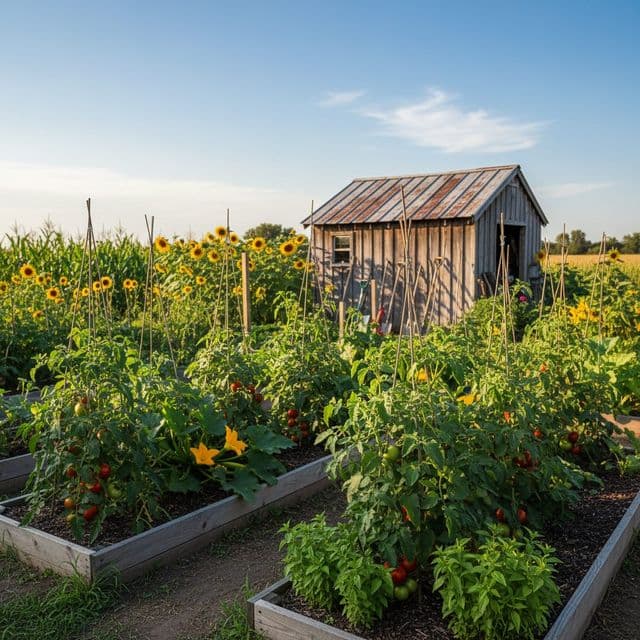
Identify and solve common tomato plant problems from seedling to harvest. Learn diagnostics for pests, diseases, and nutrient issues to maximize yields in USDA Zone 6.
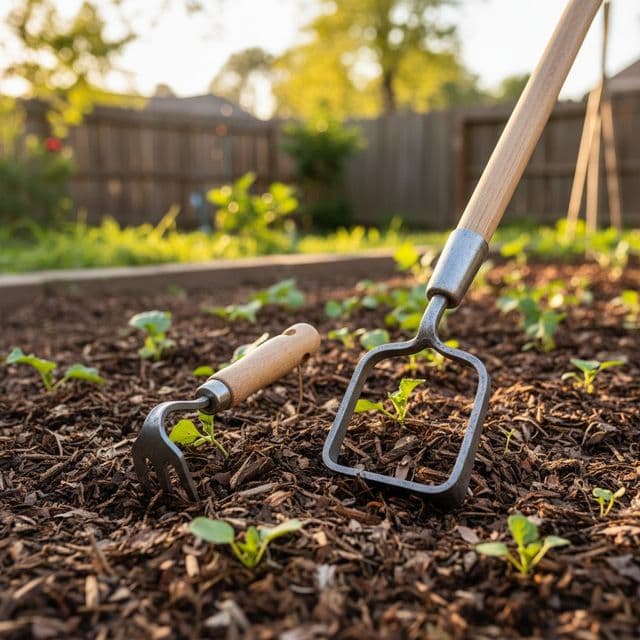
Learn effective organic weed management techniques for US gardens, paths, and lawns. Discover glyphosate-free strategies for prevention, mechanical removal, and targeted treatments.
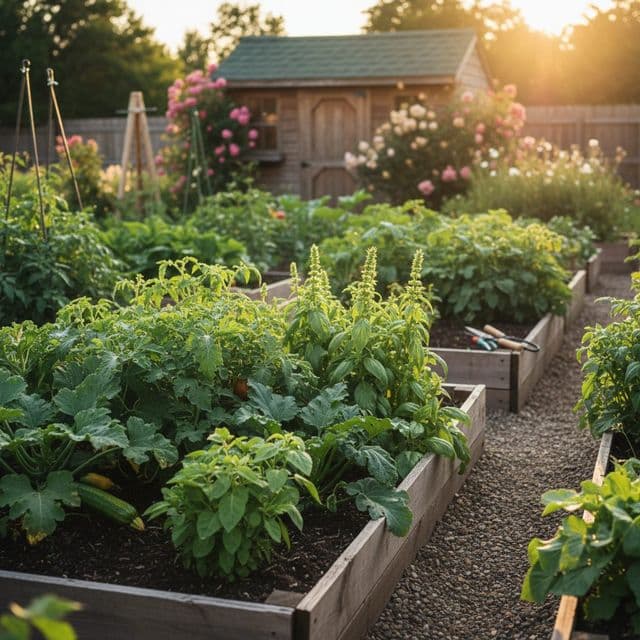
Learn organic plant disease control for your US garden. This symptom-to-cause guide helps diagnose and treat issues like tomato blight in USDA zone 6 with sustainable methods.