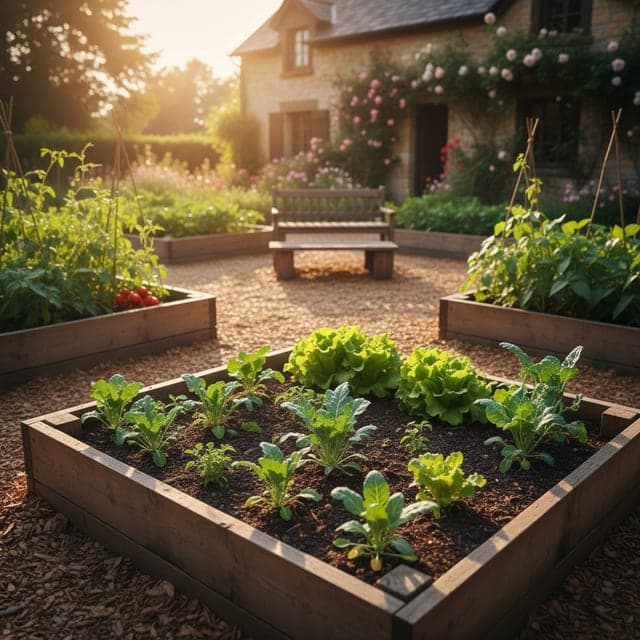
Composting worms: choose best species for your climate & temp
How to choose composting worms for your climate, comparing red wigglers, European nightcrawlers, and African nightcrawlers across temperature ranges from 45°F to 85°F.
Tag
151 articles in this tag on agripure. — page 6 of 7
How to choose composting worms for your climate, comparing red wigglers, European nightcrawlers, and African nightcrawlers across temperature ranges from 45°F to 85°F.
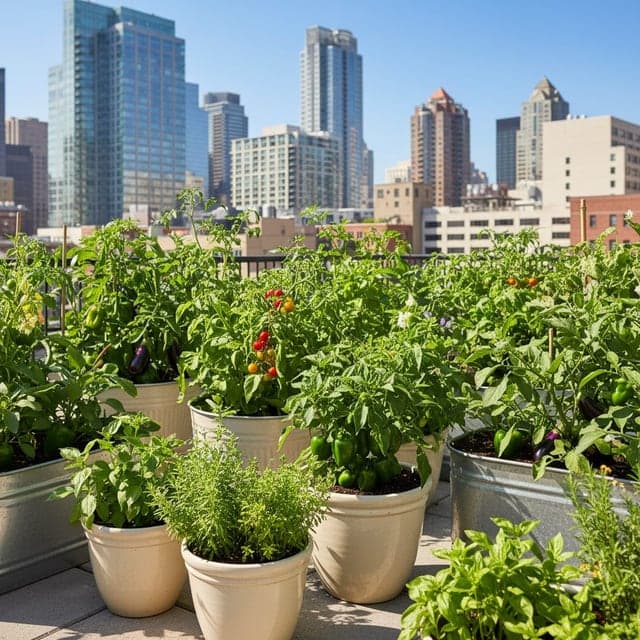
Engineer a safe, high-yield US rooftop or patio container garden: ASCE 7 and IBC/IRC 40 vs. 60 psf live loads, saturated dead-weight math, perimeter beam placement, stainless wind cabling, 36-inch…

Transform urban spaces with container vegetable gardening! Learn to assess sunlight, choose pots & soil, and select plants for balconies & patios. Grow fresh produce efficiently.
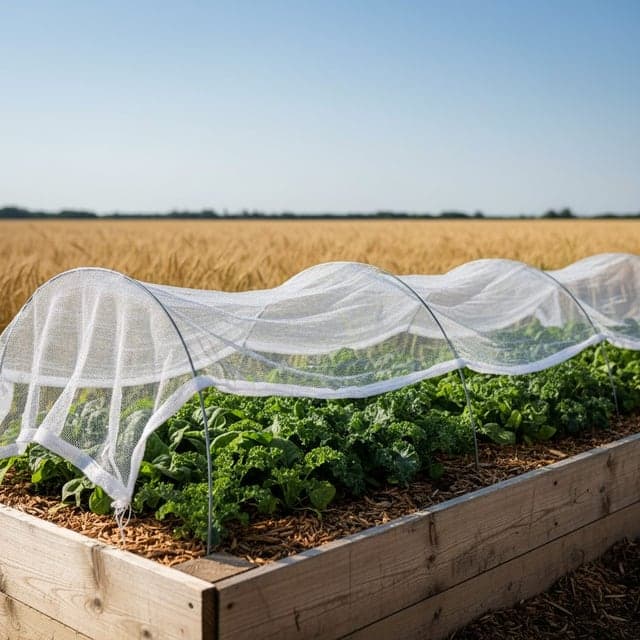
Extend your garden’s harvest by midsummer sowing cool-season crops like spinach & kale in USDA Zones 5-9. Master crop rotation & succession planting for fall & winter yields.
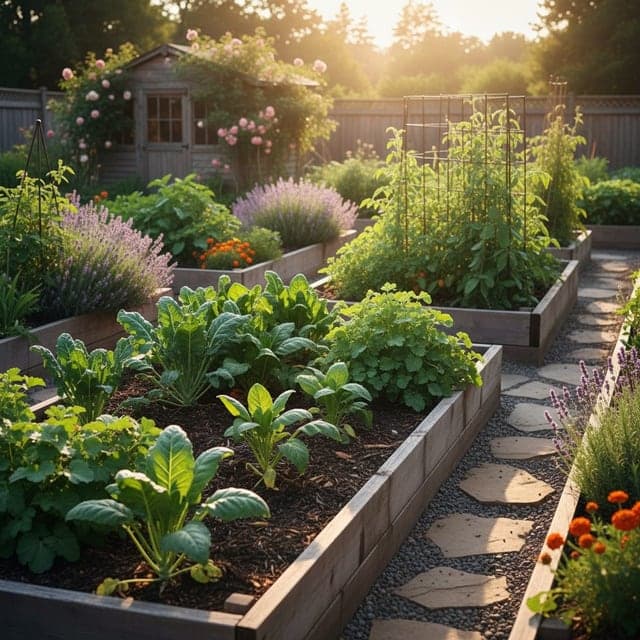
Boost your USDA Zone 6 home garden yield with 3- and 4-bed crop rotation plans. Learn how to improve soil, reduce pests, and extend harvests for a productive garden.
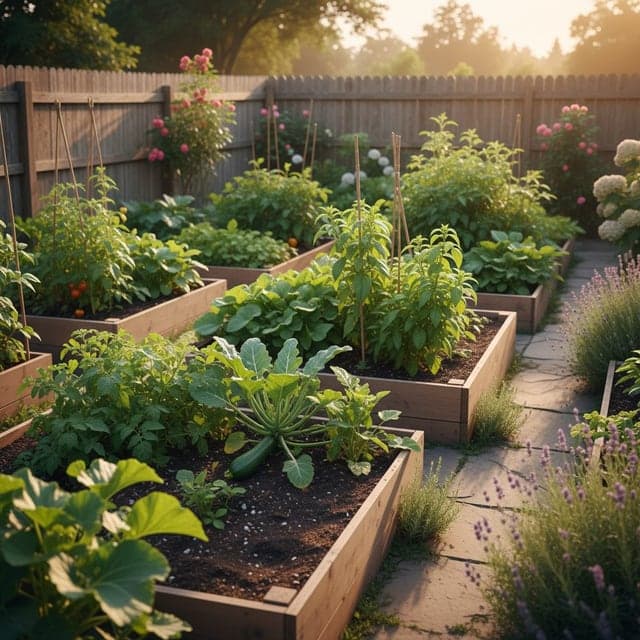
Troubleshoot stalled pepper and cucumber crops in USDA zone 6. Learn to diagnose common issues like pollination, nutrient imbalance, pests, and environmental stress to boost your harvest.
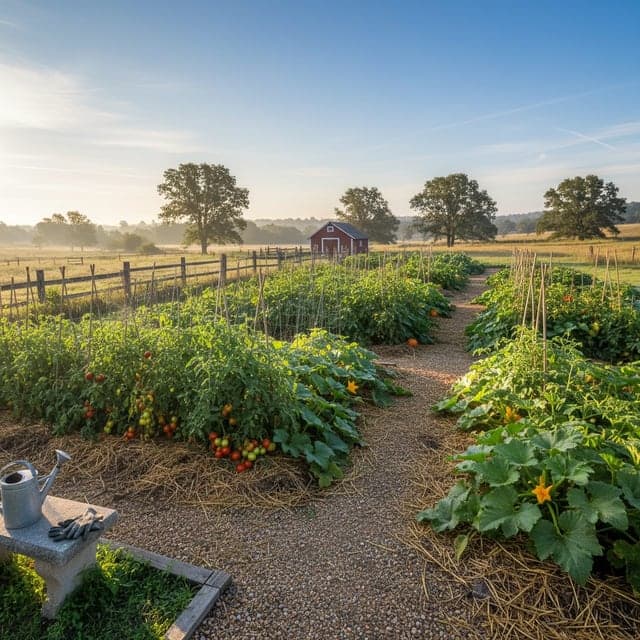
Master diagnosing water issues in tomatoes & cucurbits to prevent wilting, blossom end rot, and increase yields by 20-30% in USDA Zone 6. Learn soil moisture checks & watering needs.
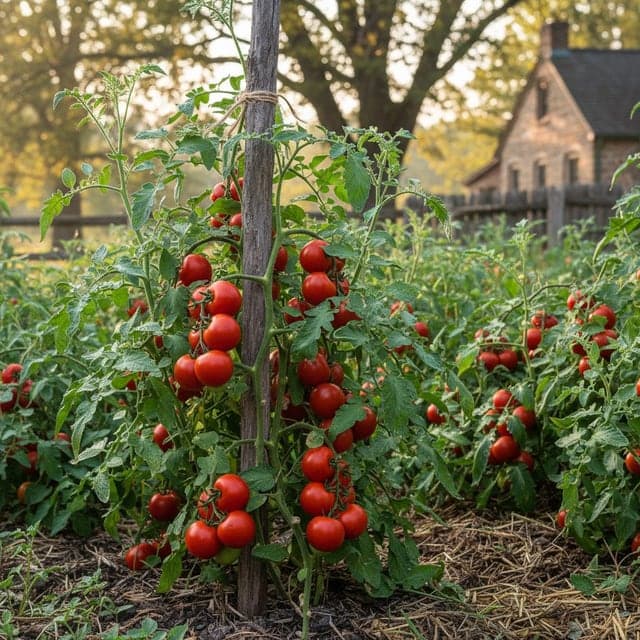
How to protect tomato crops from blights, wilts, and leaf spots using organic cultural methods, resistant varieties, and preventative sprays.
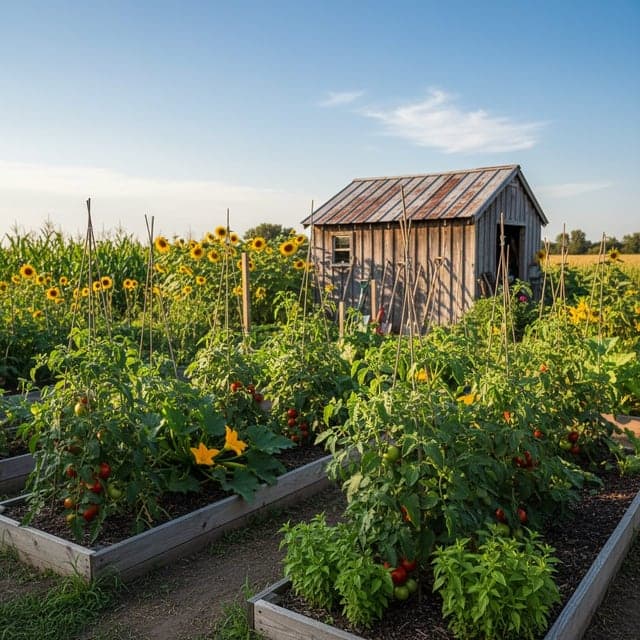
Identify and solve common tomato plant problems from seedling to harvest. Learn diagnostics for pests, diseases, and nutrient issues to maximize yields in USDA Zone 6.
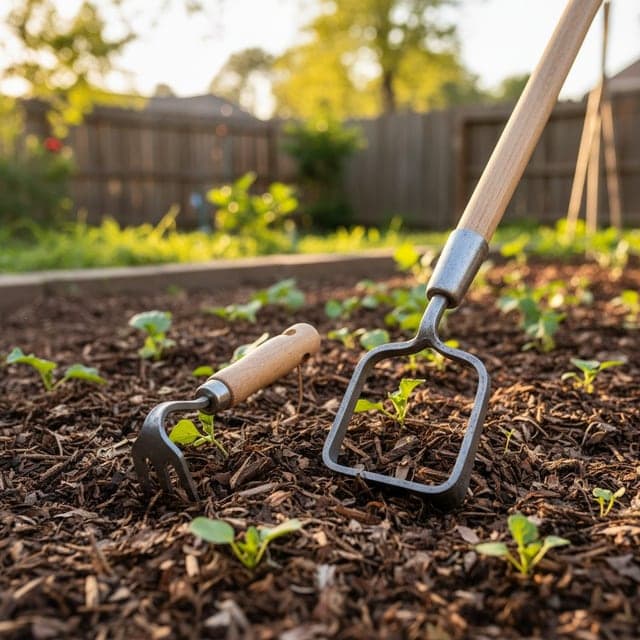
Learn effective organic weed management techniques for US gardens, paths, and lawns. Discover glyphosate-free strategies for prevention, mechanical removal, and targeted treatments.
Learn organic plant disease control for your US garden. This symptom-to-cause guide helps diagnose and treat issues like tomato blight in USDA zone 6 with sustainable methods.
Learn Integrated Pest Management (IPM) for home gardens. Reduce pesticide use by combining prevention, monitoring, and biological controls for a healthier, thriving garden.
USDA Zone 7 gardeners: Avoid summer mistakes that waste water. Learn climate-resilient gardening tips to improve soil, irrigate efficiently, and choose drought-tolerant plants.
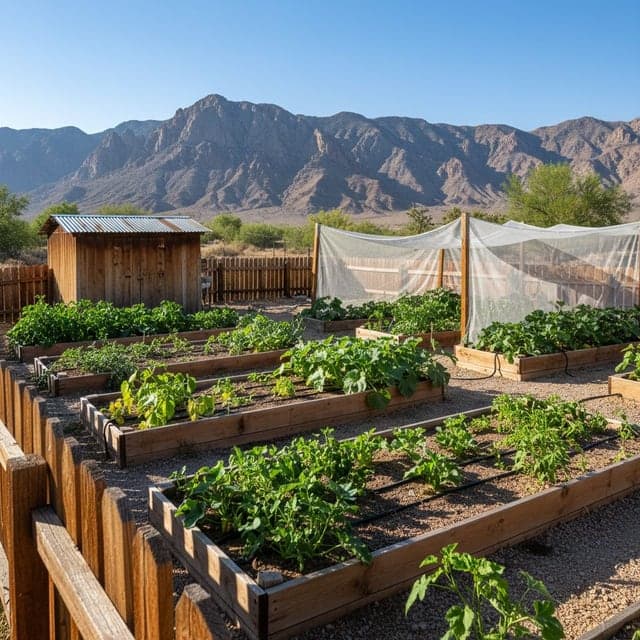
How to grow vegetables in USDA Zone 8 desert and arid climates using heat-tolerant varieties, drip irrigation, and organic soil amendments.
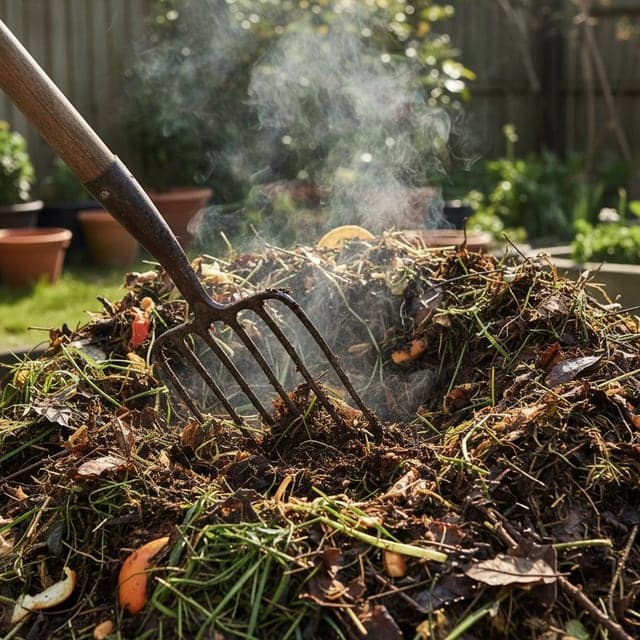
Diagnose and rescue any stalled, smelly, overheating, or pest-ridden US compost pile using a 6-symptom triage table, 3×3×3 ft thermal rebuild rules, NIOSH N95 dust safety against Aspergillus and Le…
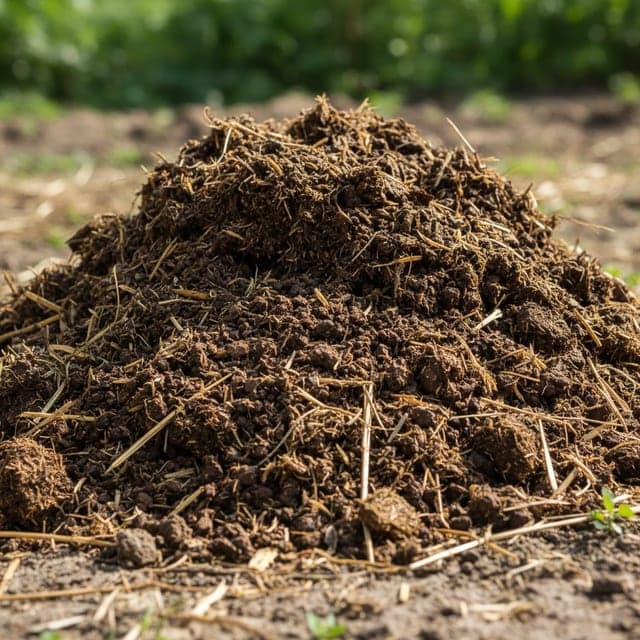
Learn to safely compost chicken, rabbit, cow, and horse manure. Balance C:N ratios, monitor temperatures, and prevent pathogens & weed seeds for nutrient-rich soil.
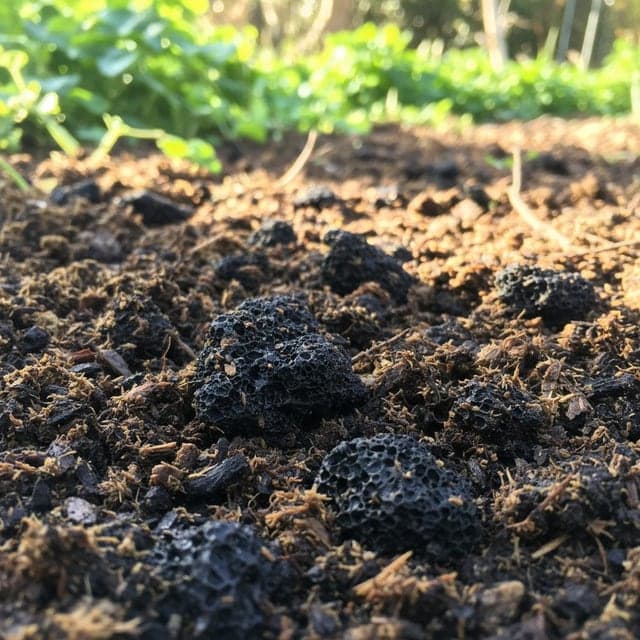
Learn to make DIY biochar from yard and wood waste using simple kilns. Discover how to charge and apply biochar to improve soil fertility, sequester carbon, and boost plant growth for hundreds of y…
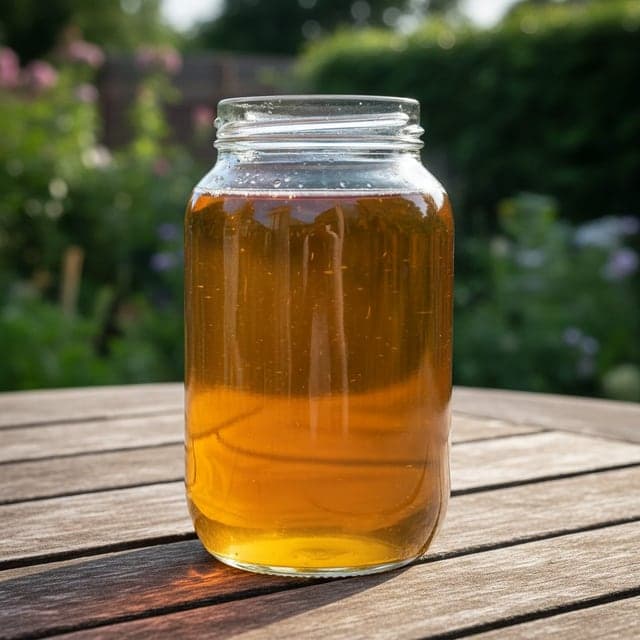
Learn to make homemade compost tea and liquid fertilizers for free. Boost plant growth with microbial inoculants, understand brewing methods, and ensure food safety.
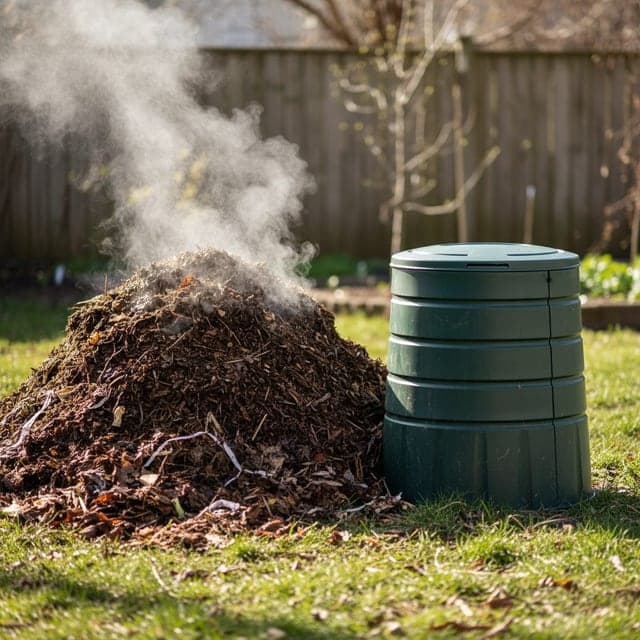
Learn the differences between hot and cold composting to build the right backyard pile for your US climate. Optimize C:N ratio, pile size, and turning for efficient decomposition.
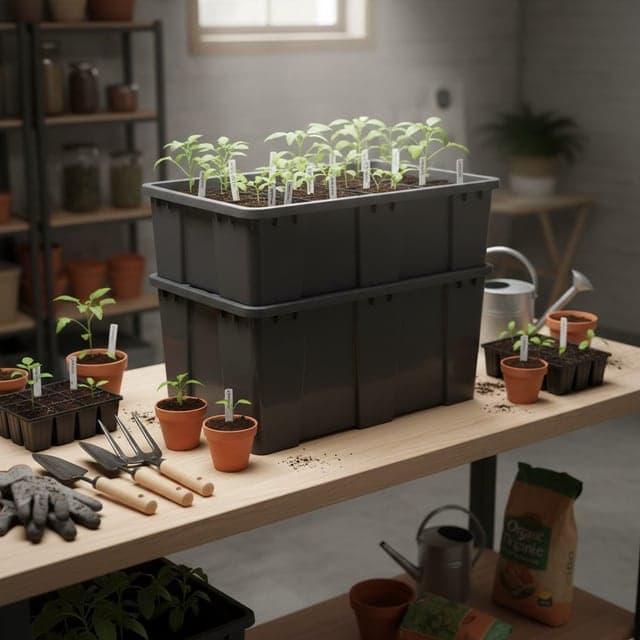
Learn to set up and maintain a worm bin for vermicomposting at home. This guide covers worm species, bin sizing, feeding, and harvesting nutrient-rich castings for your garden.
Why compost bins smell and how to fix it fast, plus screening finished compost and using a compost filter sock for clean, usable results.
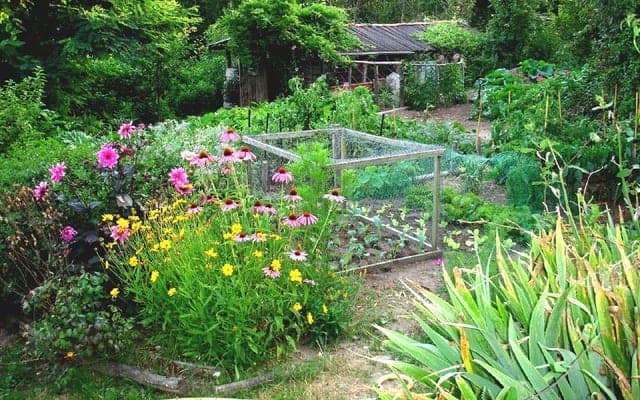
How to build and run a self-harvesting black soldier fly composting bin (Hermetia illucens) in the US: 75–95°F climate thresholds, 35–45° prepupae ramps, 60–70% moisture control, 30–60d frass curin…
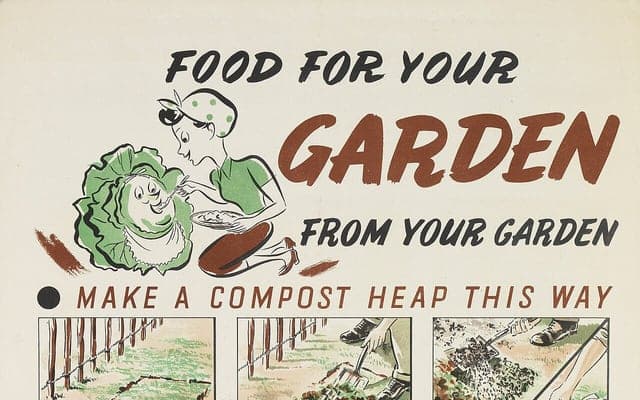
How and when to top-dress a lawn with compost: application depth, the best compost for grass, spreading method, and a seasonal schedule.
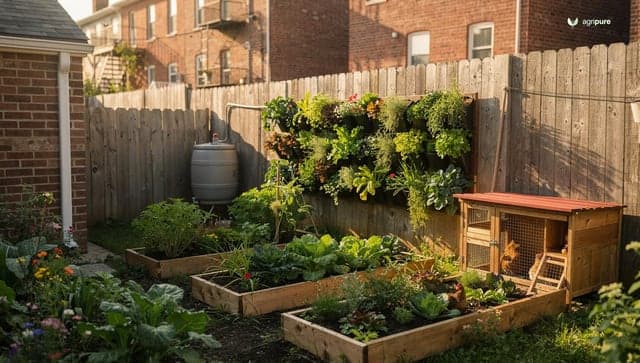
Urban homesteading is growing food, preserving it, and cutting what you buy, all on a city lot. Here is what fits a small space and how to start.