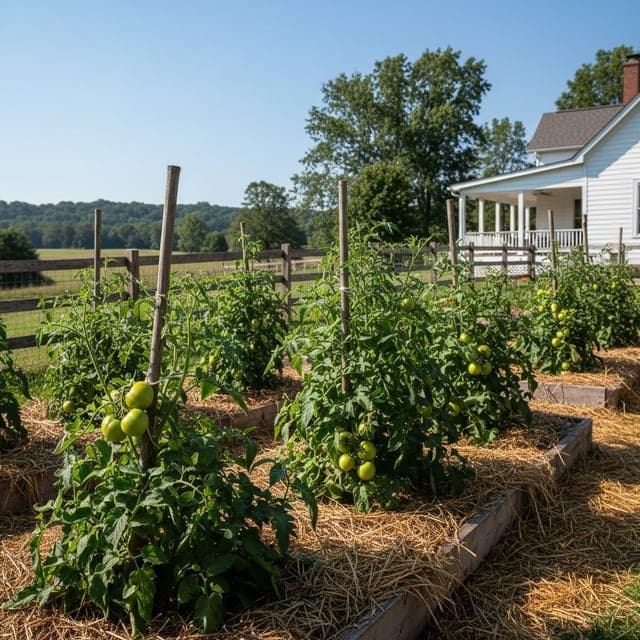
Tomato Ripening Fix: Night Temps & Beyond
Discover why your tomatoes aren’t ripening, especially in warmer US regions like USDA Zone 6. Learn how night temperatures affect lycopene production and get practical fixes for successful tomato r…
Tag
554 articles in this tag on agripure. — page 14 of 24
Discover why your tomatoes aren’t ripening, especially in warmer US regions like USDA Zone 6. Learn how night temperatures affect lycopene production and get practical fixes for successful tomato r…
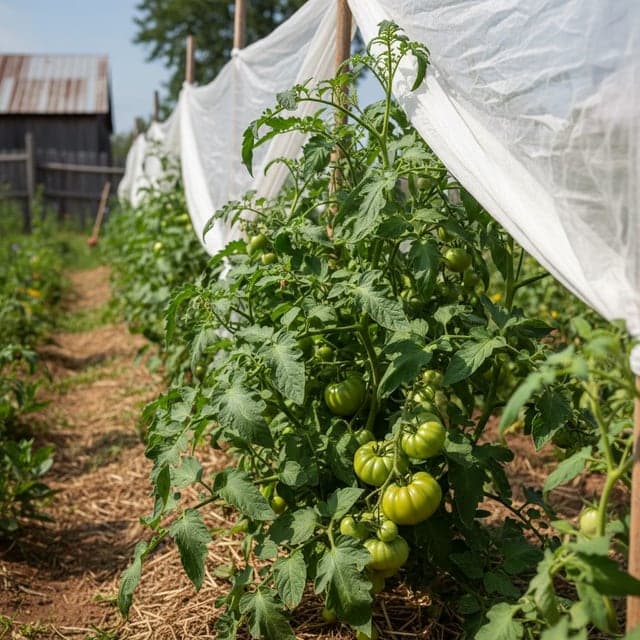
Combat tomato blossom drop in US heat. Learn why flowers fall above 90°F, and how shade cloth, watering, and variety selection help ensure fruit set.
Learn how Spinosad, an organic biological insecticide, effectively controls thrips and other pests in greenhouses. Discover safe application methods for pollinator protection.
Practical strategies like netting, scare devices, and harvest timing to reduce bird damage to berry crops in USDA zones 4-9.
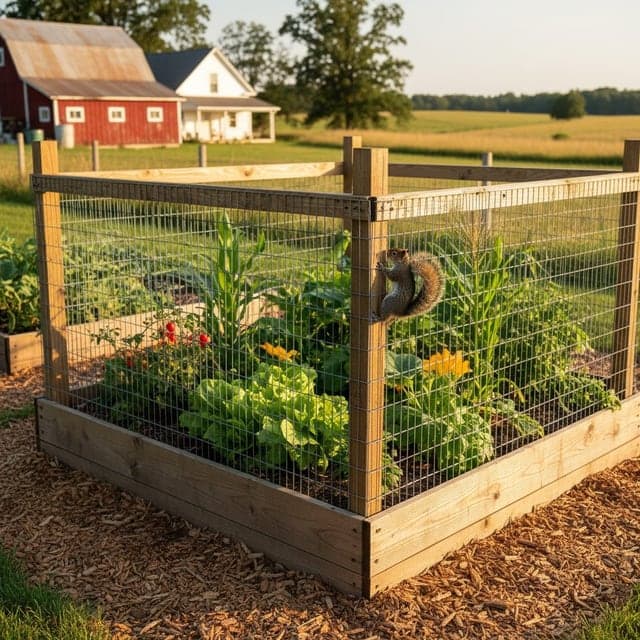
Learn effective, organic methods for deterring squirrels and chipmunks from your raised beds and bird feeders in USDA Zone 6. Protect your garden with physical barriers, repellents, and smart place…
Rodent-proof a backyard garden shed safely: follow the mandatory CDC 1:10 bleach Hantavirus cleanup protocol, seal entry points with 1/4-inch (6 mm) galvanized hardware cloth and locking steel feed…
Protect your vegetable garden from rabbits with effective, buried fencing. Learn about materials, installation, and techniques for rabbit proof fencing to secure your harvest.
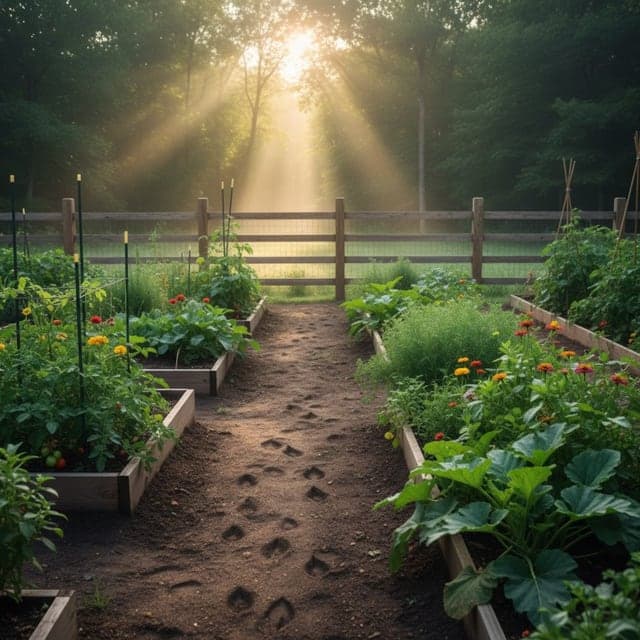
Learn effective strategies for protecting gardens from deer in the US. Discover how 8-foot fences, rotating repellents, and deer-resistant plants can save your crops.

Discover trap cropping, an organic pest control method. Learn how specific plants like nasturtiums and Blue Hubbard squash can protect your main crops, reduce damage by 50%, and cut pesticide use b…
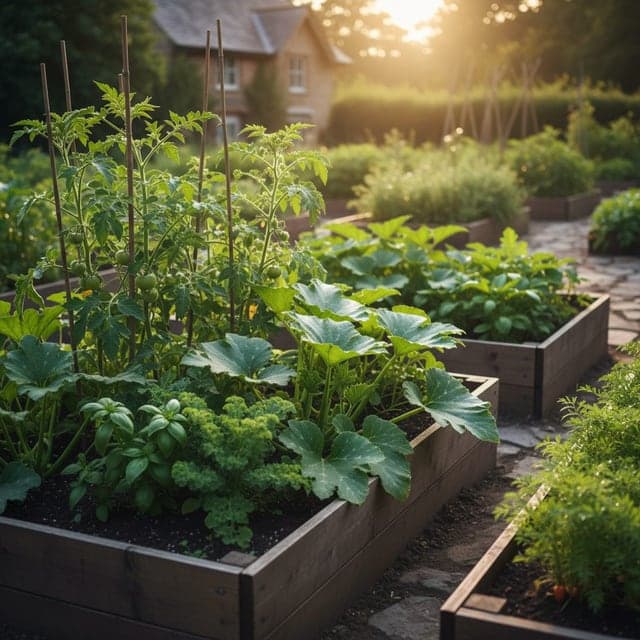
Learn how the stale seedbed technique reduces early-season weed pressure by 50-70% in vegetable fields. This organic method minimizes herbicide use and improves crop yields.
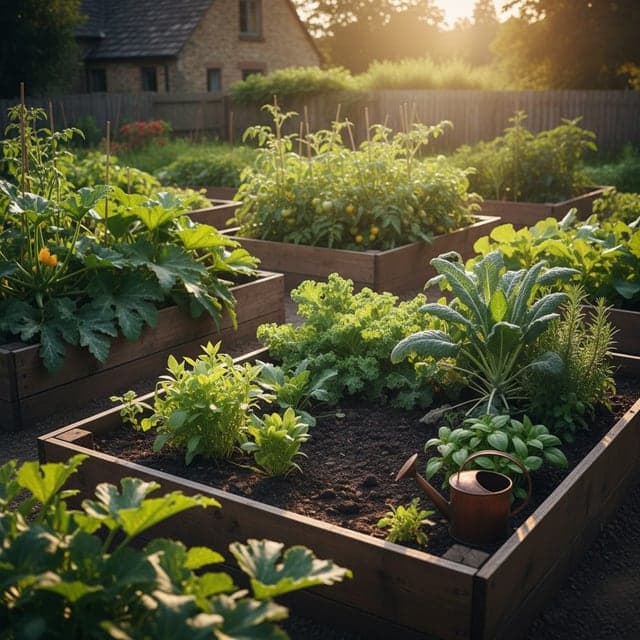
Discover effective low-tech solutions for a healthier garden. Learn how a nighttime pest patrol can control slugs, snails, and cutworms in USDA Zone 6 with simple methods like hand-picking and beer…
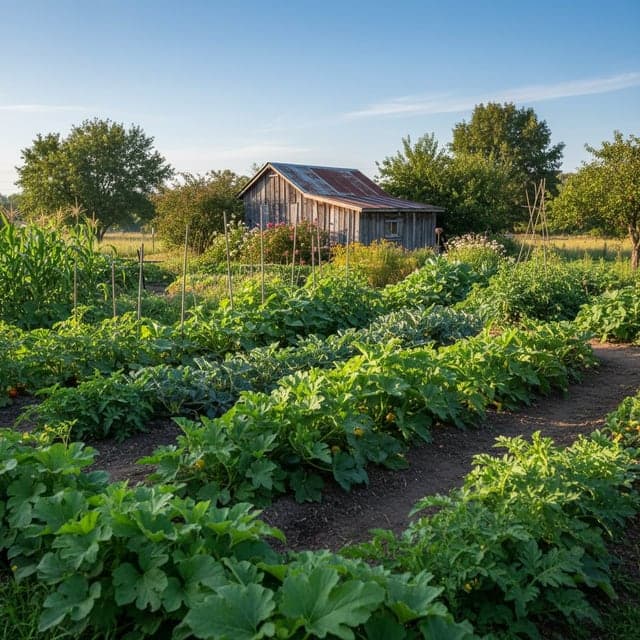
Learn how to effectively use food-grade diatomaceous earth for organic pest control in your USDA zone 6 garden. Target slugs, aphids, and ants safely with proper application.
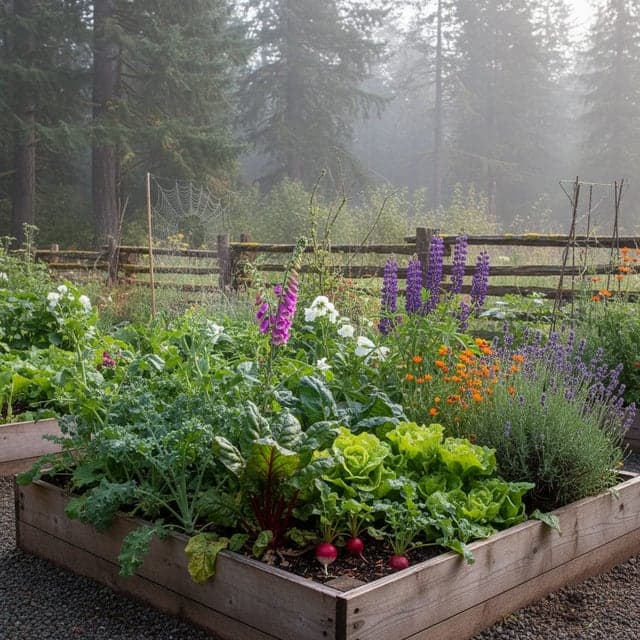
Manage invasive slugs and snails in Pacific Northwest gardens using OSU and WSU extension IPM: native banana slug identification, ferric phosphate vs. metaldehyde pet safety, raised-rim beer traps,…
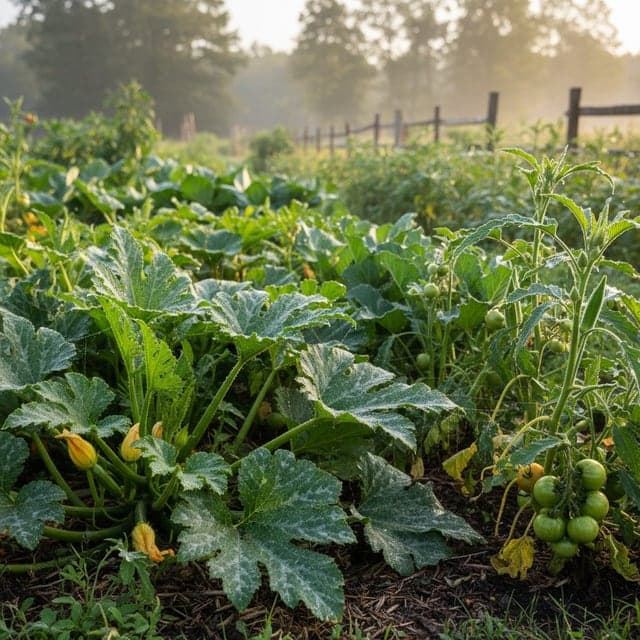
Learn effective plant disease management strategies for homesteaders. Compare challenges in the humid US Southeast (fungal) vs. arid West (root rot) and discover IPM tactics.
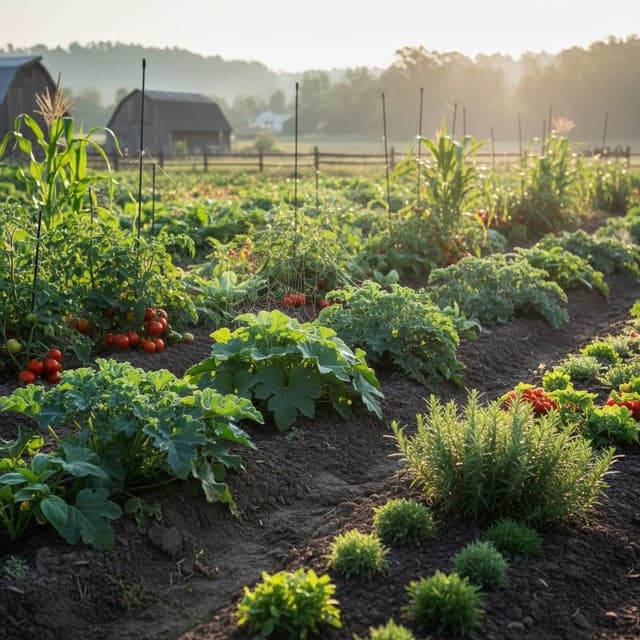
Learn to identify fungal, bacterial, and viral plant diseases in your garden. Proper plant disease identification prevents crop loss and saves money. Essential for organic growers.
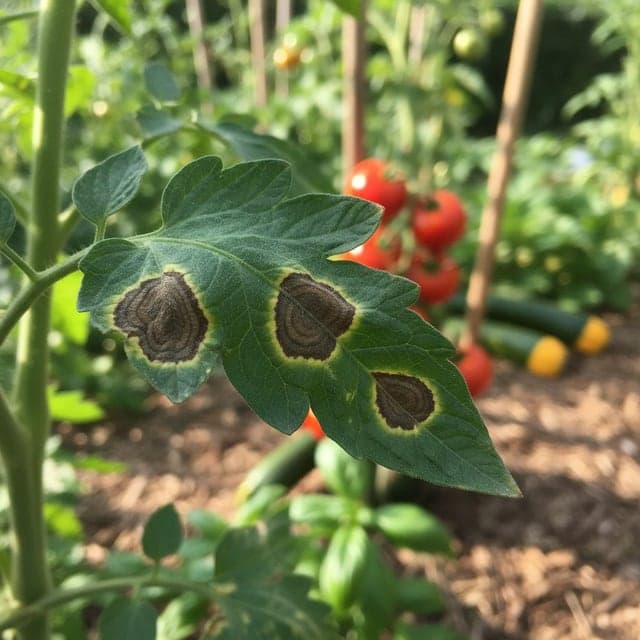
Learn plant symptom diagnosis for common issues in USDA zone 6. This guide covers organic management strategies for spots, wilts, and molds to ensure a healthy harvest.

Japanese beetles cause significant damage in USDA zones 5-8. Learn effective organic Japanese beetle control methods: hand-picking, milky spore, and strategic traps.
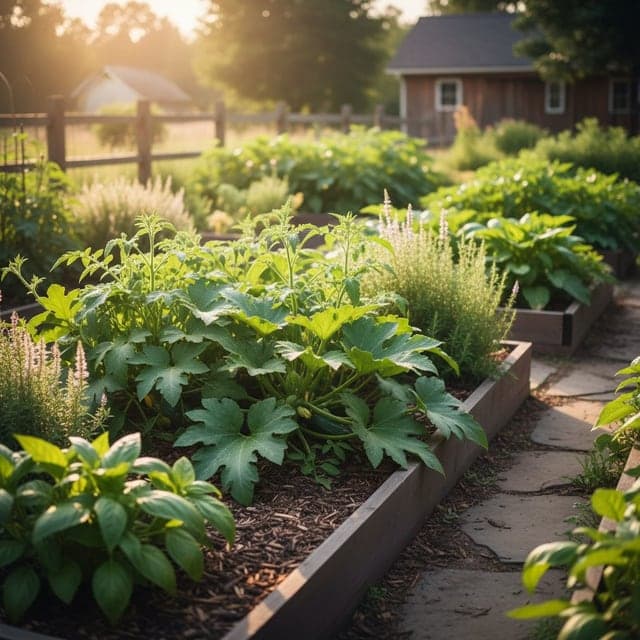
Effectively manage corn earworm in organic sweet corn using food-grade mineral oil. Learn precise timing, application, and dosage for 70-90% control in USDA Zone 6. This organic corn earworm contro…
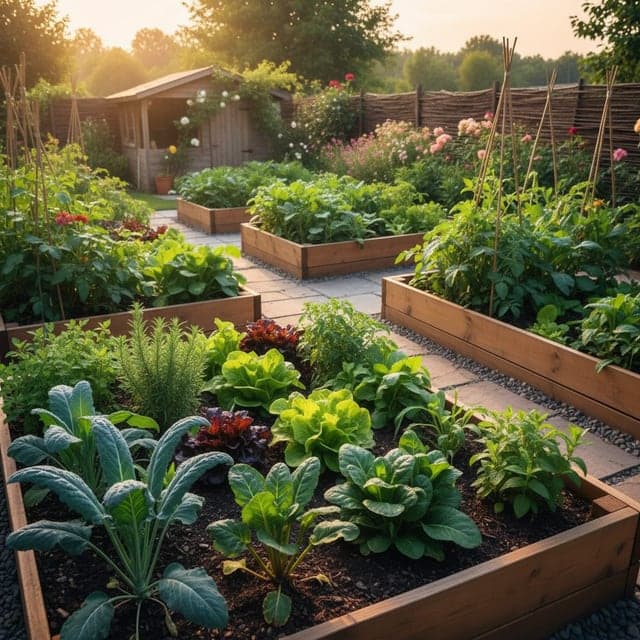
Effectively manage flea beetles on brassicas and eggplant in USDA Zone 6. Learn organic flea beetle control strategies like row covers, trap crops, and crop rotation for healthy yields.
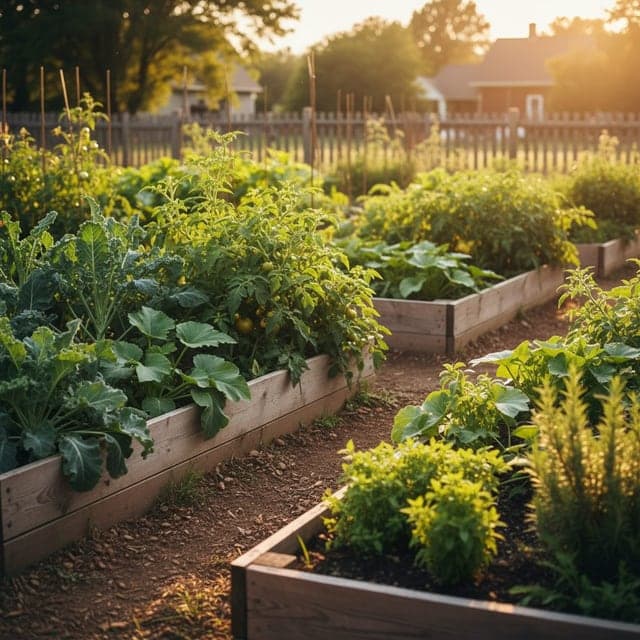
Learn effective organic strategies for Colorado potato beetle control in USDA Zone 5. Discover hand-picking, crop rotation, neem oil, and beneficial insects to reduce crop damage.
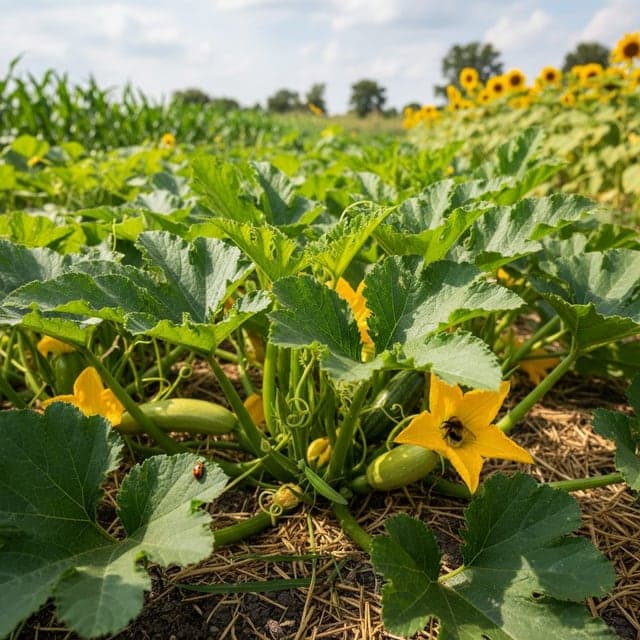
Learn organic squash pest control for squash bugs and borers in the Midwest & Southeast. Protect cucurbit yields with IPM strategies, trap crops, and timely interventions.
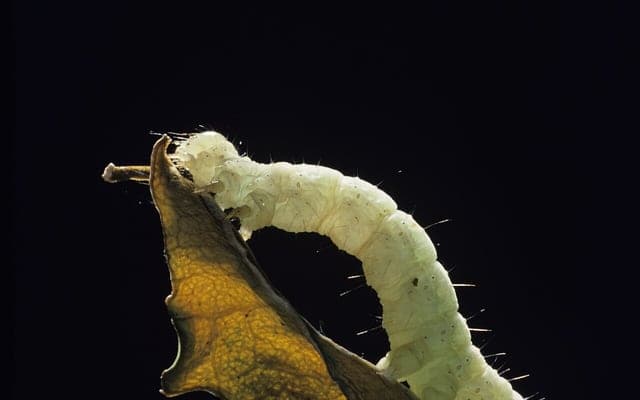
Protect your brassicas from cabbage worms & loopers. Learn organic IPM strategies: Bt, row covers, and sanitation. Reduce damage by 80% for a healthier harvest.
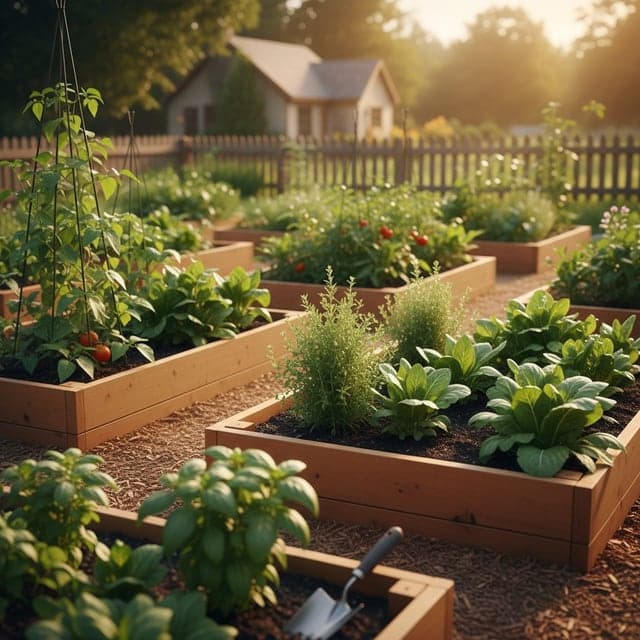
Effectively manage tomato and tobacco hornworms in your US garden. Learn about hand-picking, Bacillus thuringiensis (Bt), and parasitic wasps for sustainable pest control, reducing damage by over 90%.
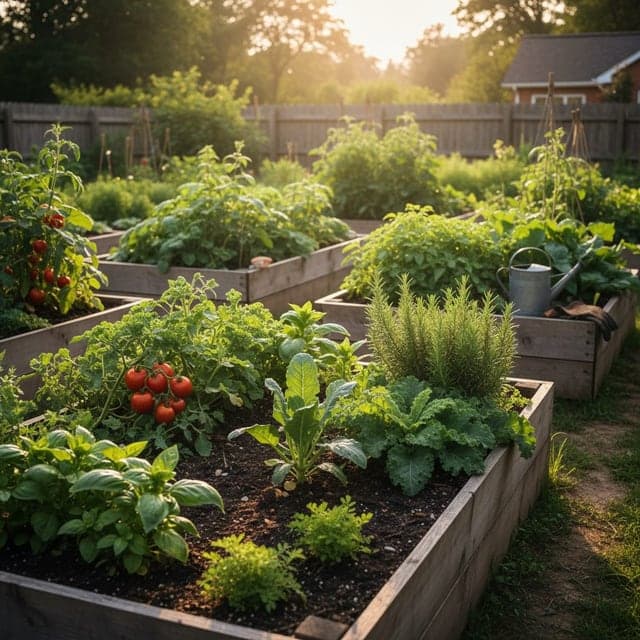
Learn organic pest control for peppers using reflective mulches, water blasts, and sticky traps. Reduce aphids, whiteflies, and thrips to boost yields in USDA Zone 8.