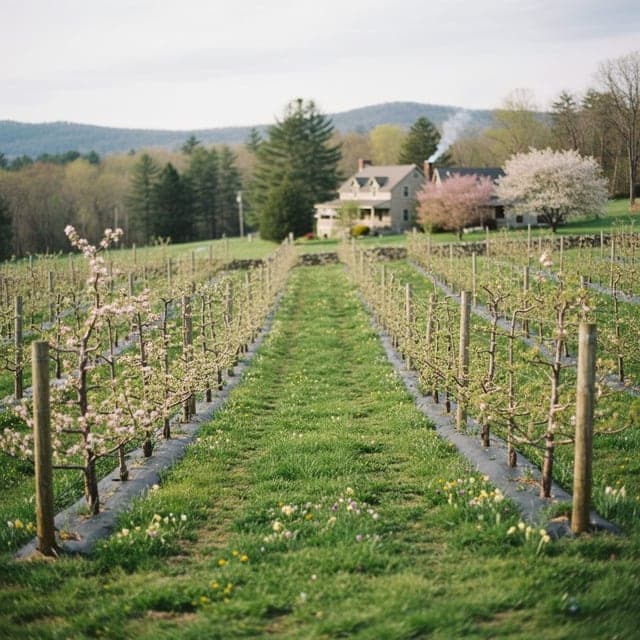
Pruning fruit tree whips at planting: strong branches
Learn how to prune fruit tree whips at planting for strong, productive branching in USDA Zone 6, establishing the first cuts for a healthy, long-lasting orchard.
Tag
554 articles in this tag on agripure. — page 13 of 24
Learn how to prune fruit tree whips at planting for strong, productive branching in USDA Zone 6, establishing the first cuts for a healthy, long-lasting orchard.
Master apple and pear tree training for abundant harvests in USDA zones 5-8. Learn central-leader & tall-spindle systems, rootstock selection, and pruning techniques.
Master open-center pruning for peaches, plums, and apricots. Learn techniques to improve light, air circulation, and boost fruit yields by 20% in USDA Zones 5-9. Essential guide for home growers.
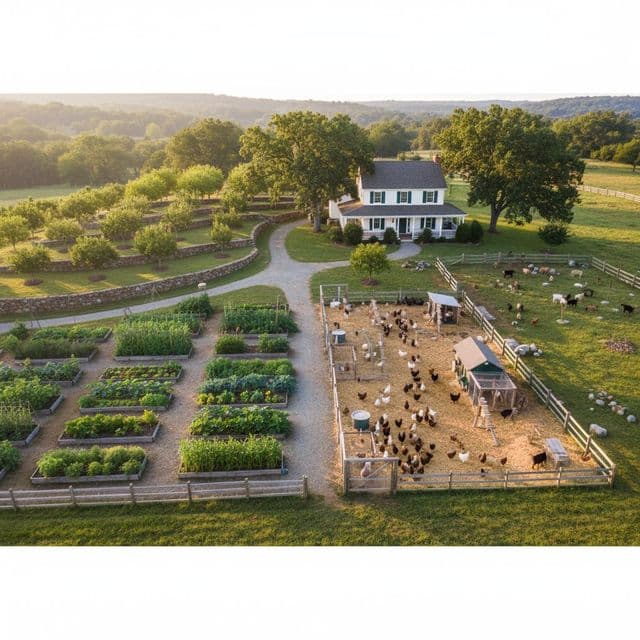
Calculate how much land you need to homestead in the US: 0.25 to 10+ acre capacities, USDA NRCS stocking rates, septic and 100-ft well setbacks, and woodlot math.
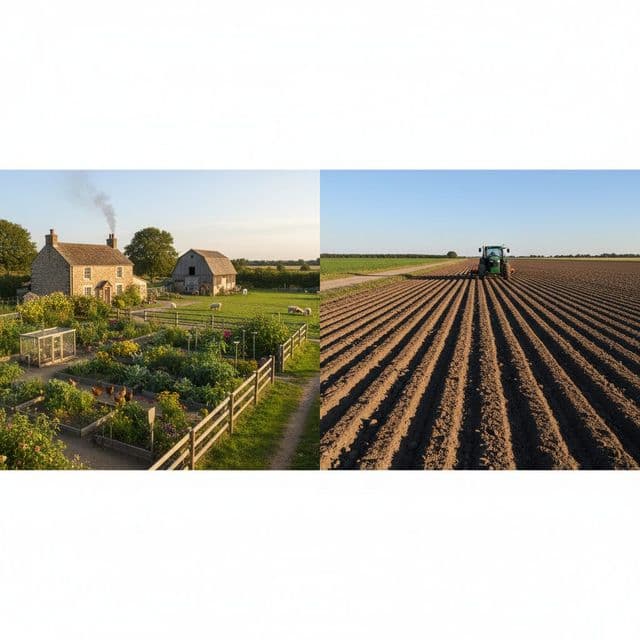
Compare homesteading vs. farming in the United States across the USDA $1,000 sales threshold, IRS Schedule F and hobby-loss rules, P.L. 90-492 poultry exemptions, greenbelt property tax valuation,…

Discover the best homesteading books for beginners and seasoned growers, reviewing essential manuals on self-sufficiency, food storage, and livestock care.
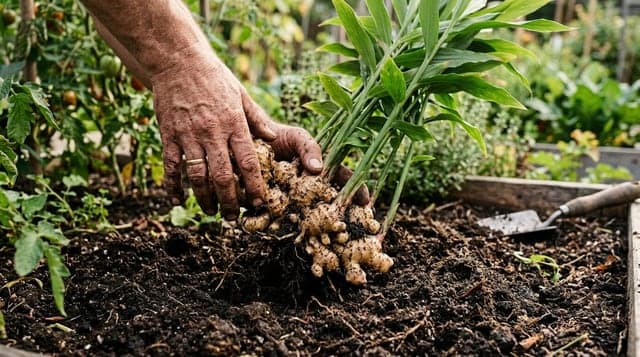
Learn how to grow ginger at home from store-bought rhizomes, covering soaking, container sizing, growth stages, hilling up, and harvesting fresh ginger root.
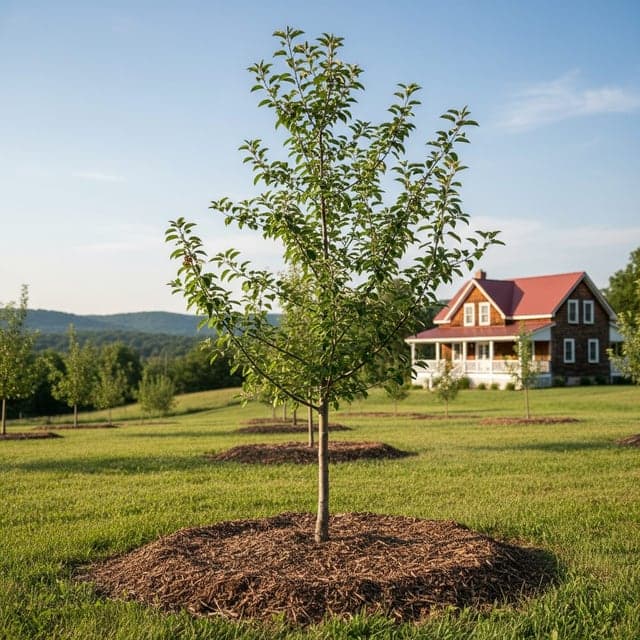
Learn when and how to properly stake new fruit trees in USDA Zone 6. Avoid common mistakes that weaken trees and ensure strong growth. Get expert tips for your orchard.
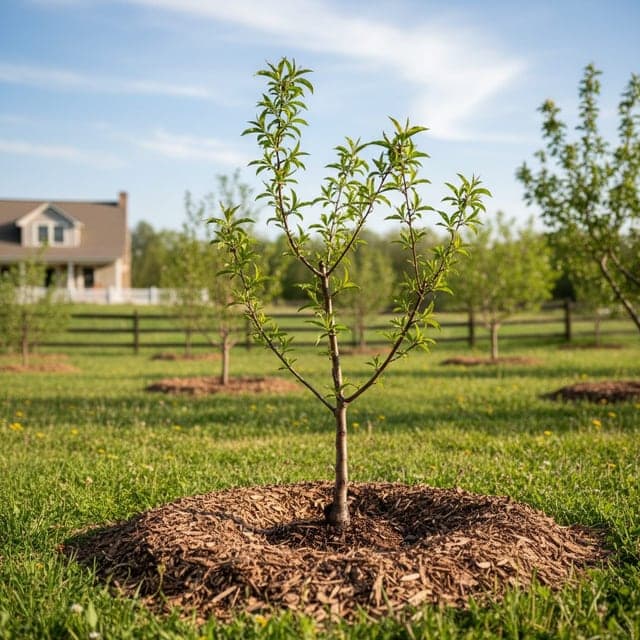
Plant grafted fruit trees at the exact right depth: set the root flare flush with settled grade, hold the graft union 2 to 3 inches (5 to 7.5 cm) above soil, prevent scion-rooting size loss, stop m…
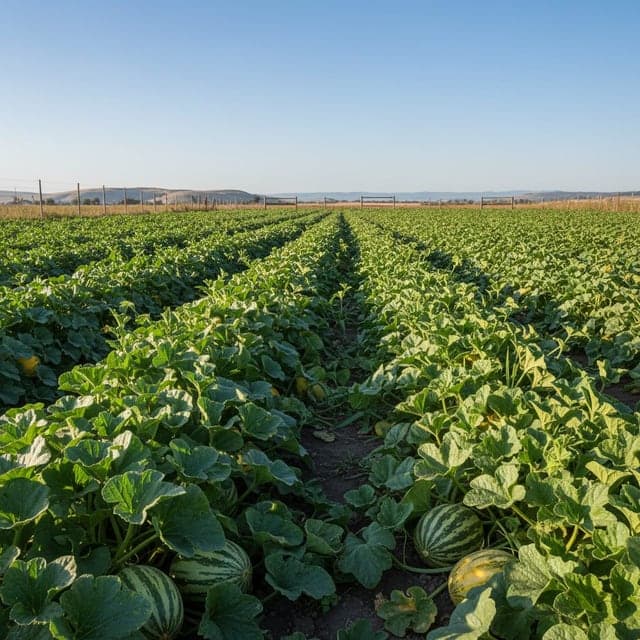
Master melon ripeness for watermelons, cantaloupes, and honeydews. Learn visual, tactile, and olfactory cues to harvest perfectly ripe fruit every time.
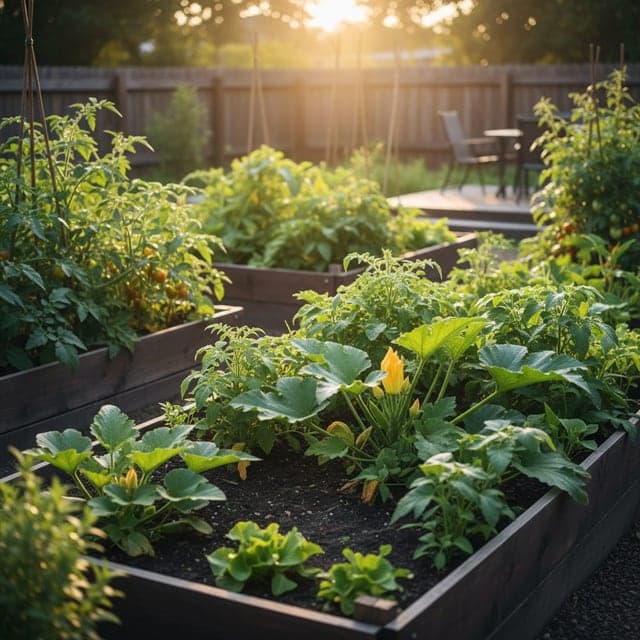
Identify and prevent damping-off in seedlings. Learn symptoms, environmental causes (moisture, temp, pathogens), and strategies to prevent damping-off in your USDA zone 6 garden.
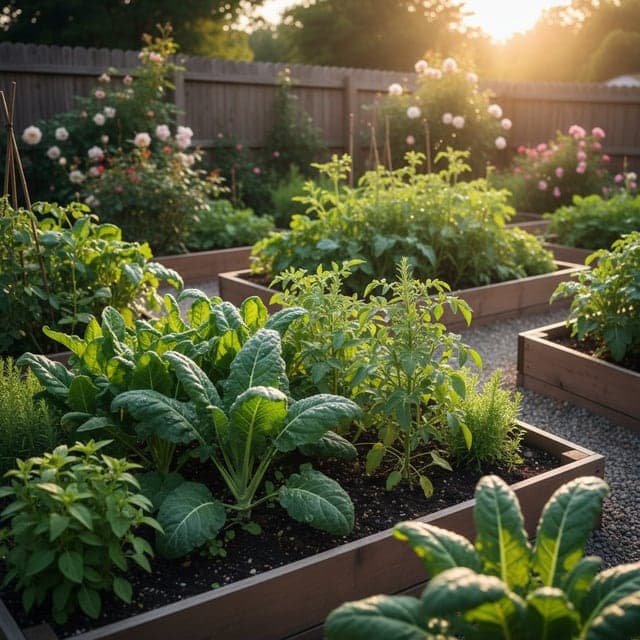
Understand how light, temperature, and nutrients trigger tomato plant flowering and fruit set. Optimize environmental cues for a bountiful harvest and increased yields.
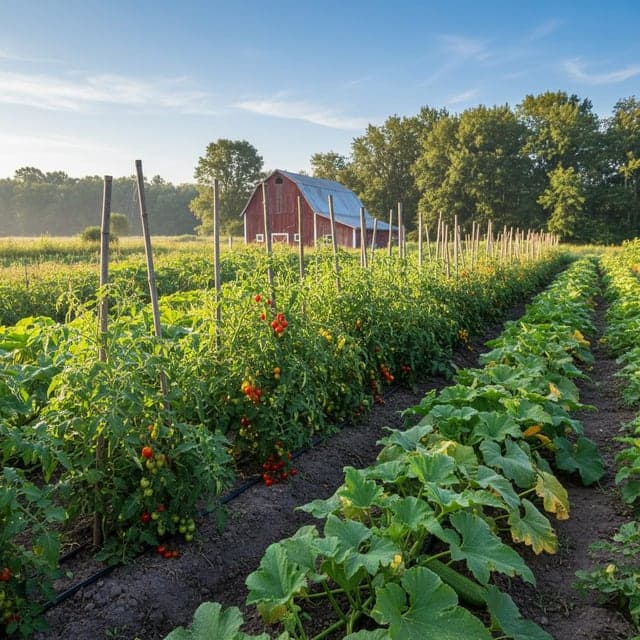
Understand why tomato and cucurbit days-to-maturity (DTM) varies up to 30 days in USDA zones 4-9. Learn how temperature, soil, and pollination impact harvest times.
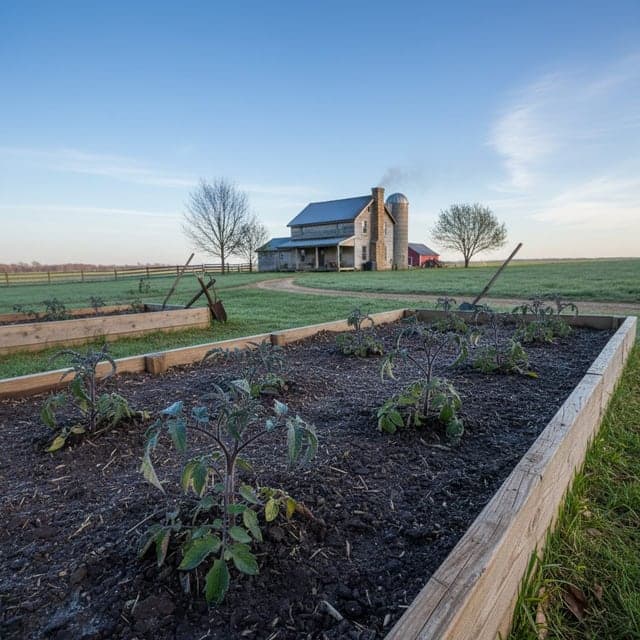
Why cold, wet spring soil in USDA Zone 6 hinders tomato and cucumber fruit set, and how soil temperature and moisture govern nutrient uptake even with ample soil fertility.
How to protect tomato and cucurbit blossoms from heatwave stress in USDA zone 7, covering morning watering, shade cloth, and nutrient management.
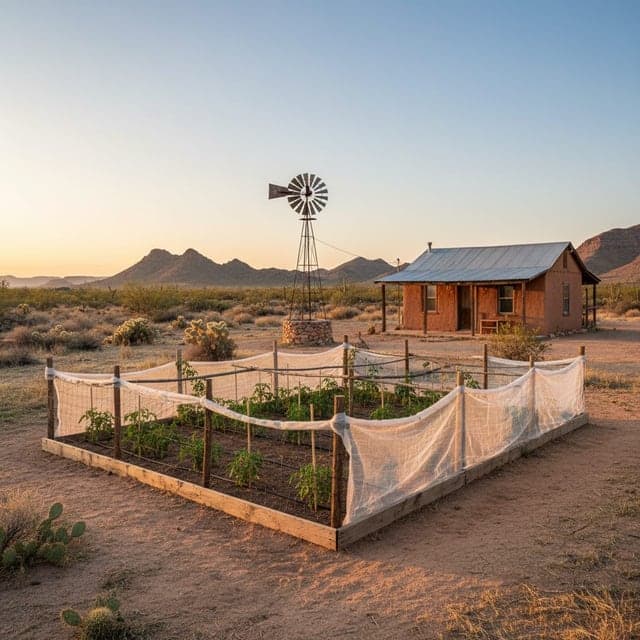
Master gardening in Southwest & Texas heat. Learn to use shade cloth, strategic planting times, and heat-set varieties to ensure fruit set and bountiful harvests above 90°F.
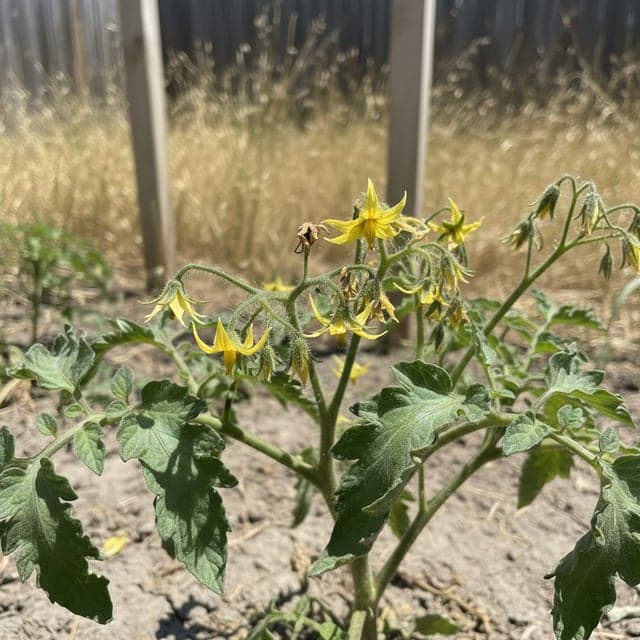
Discover how heat-induced pollen sterility impacts tomato, pepper, and bean yields. Learn critical temperature thresholds and proactive strategies to protect your garden from high-temperature stress.
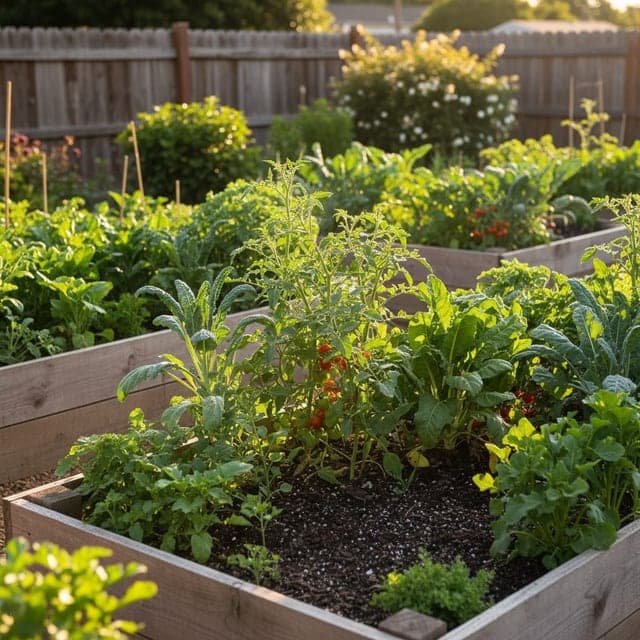
Why cucurbit plants produce male flowers first in USDA Zone 7, how environmental factors affect female bloom development, and how to encourage steady fruit set.
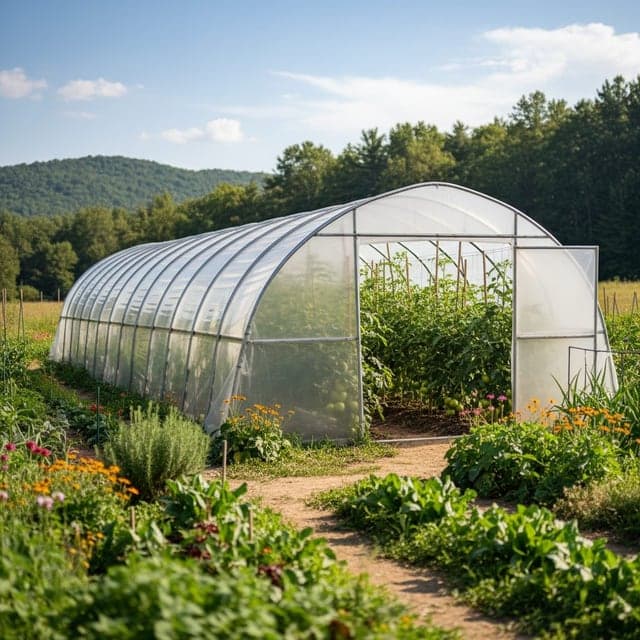
Maximize greenhouse tomato fruit set in USDA Zone 6 with expert tips on pollination, temperature, humidity, and water management. Learn manual and bee pollination techniques for higher yields.
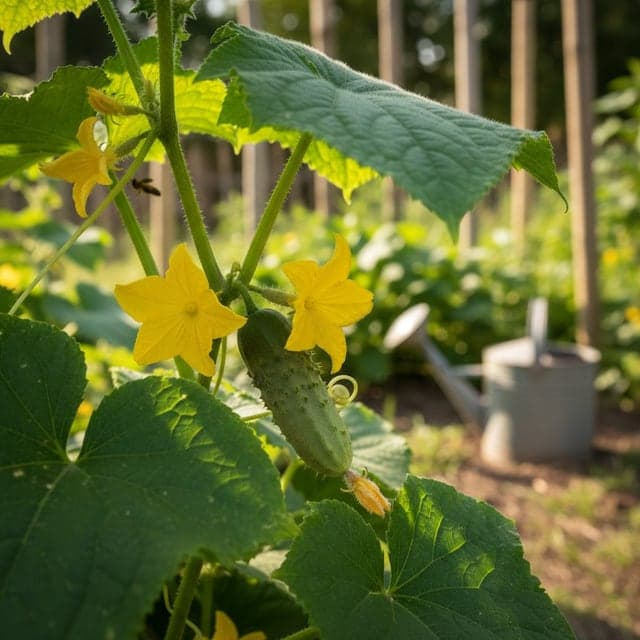
Hand-pollinate cucumbers, cantaloupes, and watermelons accurately: avoid ruining parthenocarpic greenhouse cultivars ('Diva', 'Socrates'), hit the 6–10 AM window before >90–95°F sterility, deliver…
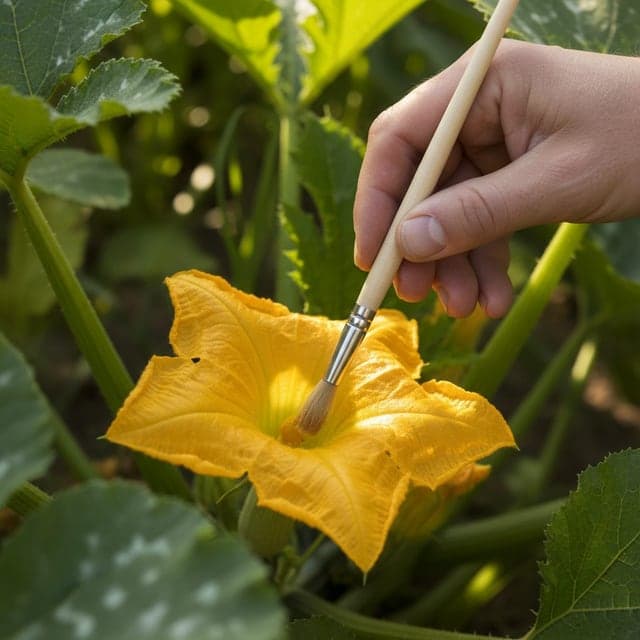
Boost squash, zucchini, and pumpkin yields in USDA zones 5-9. Learn to hand-pollinate cucurbit flowers for better fruit set when pollinators are scarce. Simple steps for a bountiful harvest.
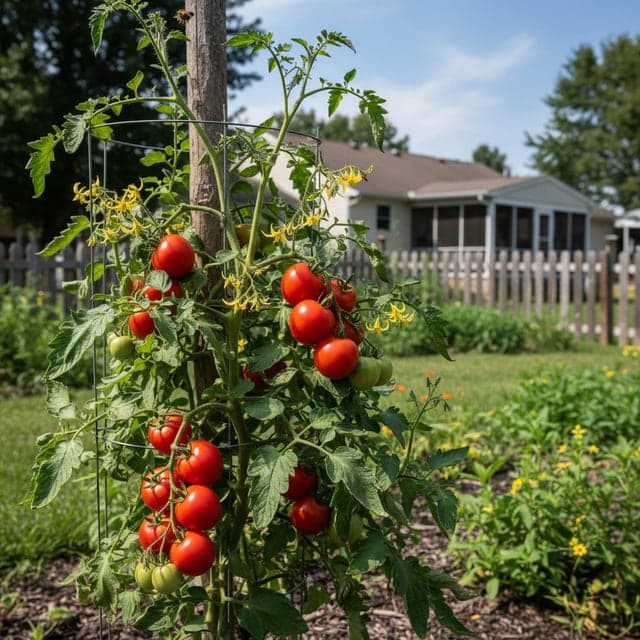
Boost tomato and pepper yields by 15-30% with hand-pollination. Master the electric toothbrush method & optimize conditions for a successful harvest in USDA Zone 6.
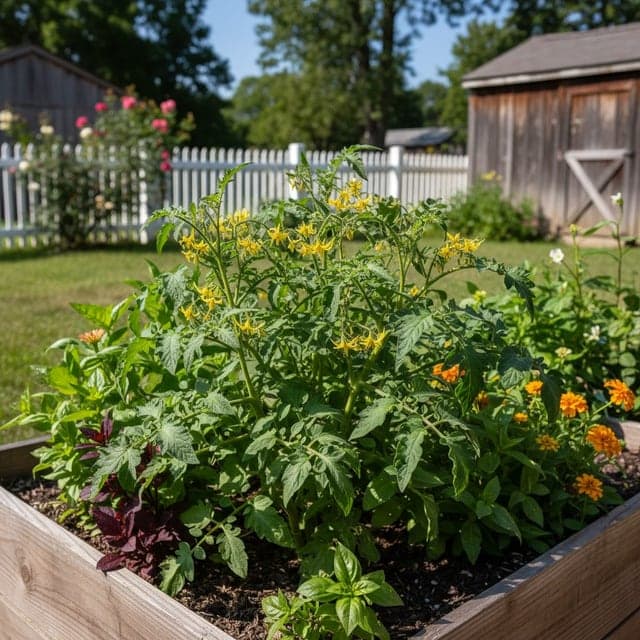
Is your tomato plant flowering but not fruiting? Learn common causes like poor pollination, nutrient imbalance, and environmental stress. Boost your tomato yield.
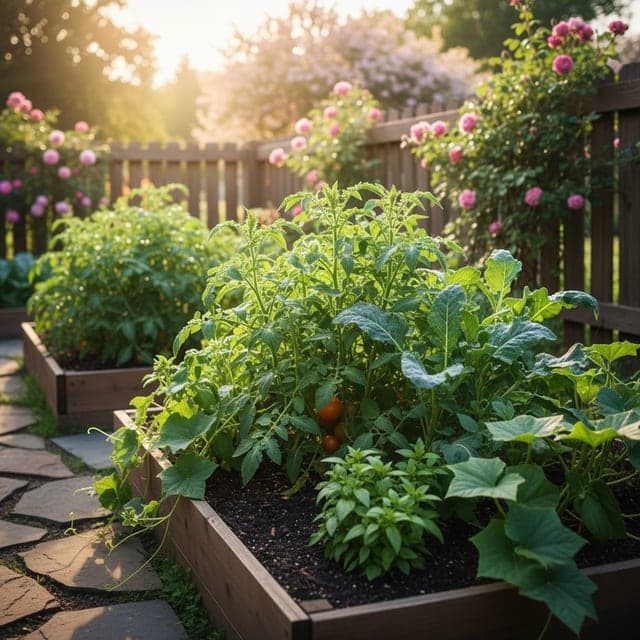
Learn how to prevent tomato cracking and catfacing, common issues reducing yields. Discover strategies like consistent watering, cultivar selection, and cold protection for healthier tomatoes.