Growing & using yarrow: hardy first-aid herb for US Zones
How to grow and use yarrow (Achillea millefolium) in USDA zones 3-9, covering cultivation, harvesting, and home apothecary preparations.
Tag
478 articles in this tag on agripure. — page 2 of 20
How to grow and use yarrow (Achillea millefolium) in USDA zones 3-9, covering cultivation, harvesting, and home apothecary preparations.
Learn to grow resilient elderberry in US gardens, thriving in USDA zones 3-9. Discover varieties, planting, and care for abundant harvests of this medicinal plant.
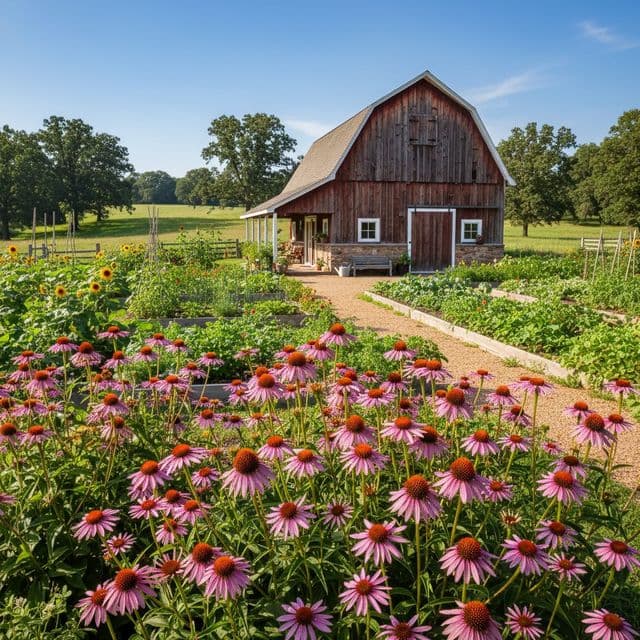
Discover the dual benefits of growing echinacea (purple coneflower) in USDA Zones 4-9. Support your immune system & attract 20+ pollinator species with this resilient medicinal herb.
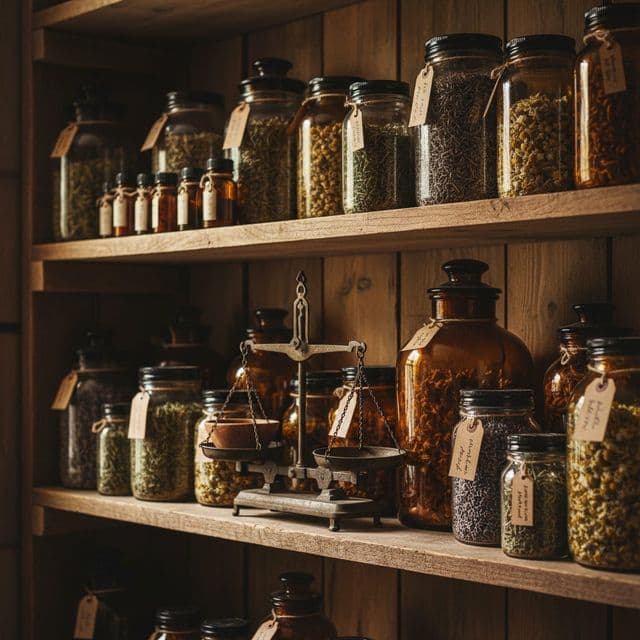
How to store dried herbs for your home apothecary. Learn how oxygen, light, heat, and moisture degrade potency, with suitable containers, conditions, and realistic shelf-life.
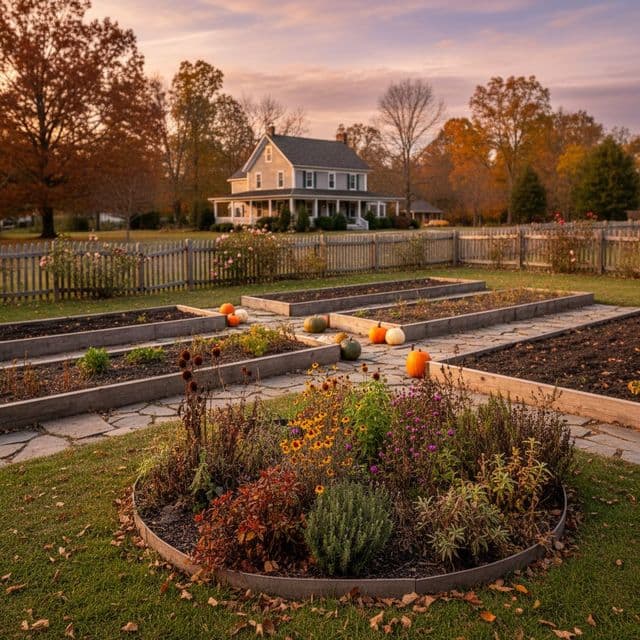
Learn to harvest and dry medicinal roots like echinacea, valerian, dandelion, and burdock in USDA Zone 6. Maximize potency, ensure proper storage, and build your home apothecary.
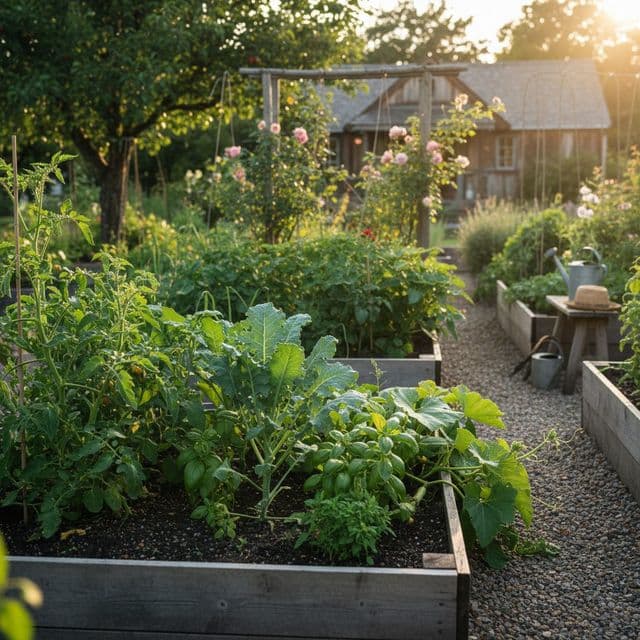
Maximize medicinal herb potency in your home apothecary. Learn optimal harvesting times for leaves, flowers, and roots in the US Midwest to boost active compounds by 15%.
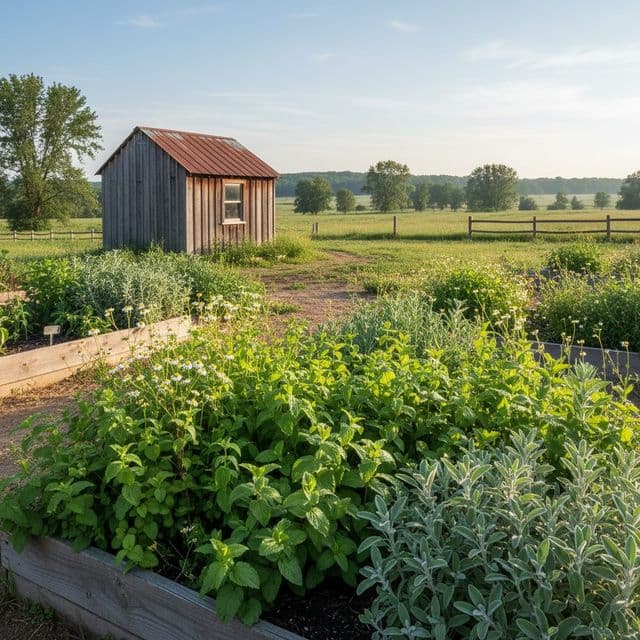
Learn to harvest, dry, and blend your own homemade loose-leaf tea. This guide covers herb selection for USDA zones 3-11, optimal harvesting, and drying techniques for fresh, custom blends.
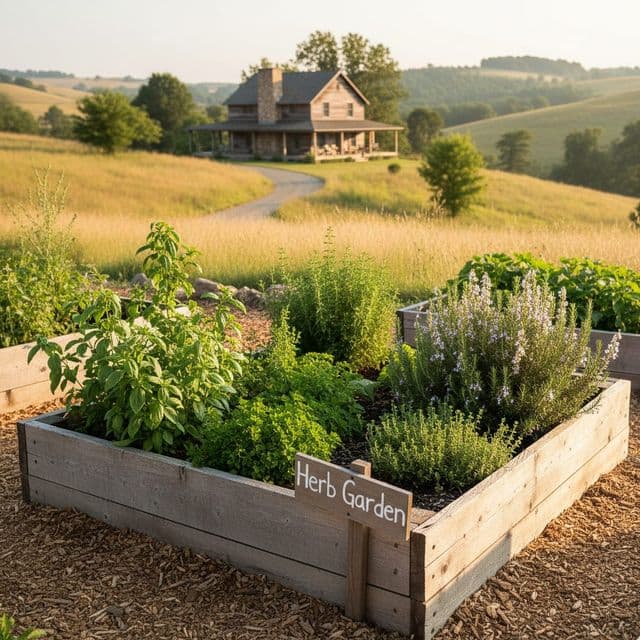
How to grow peppermint, fennel, ginger, and chamomile in USDA Zone 6 for a homemade digestive tea blend.
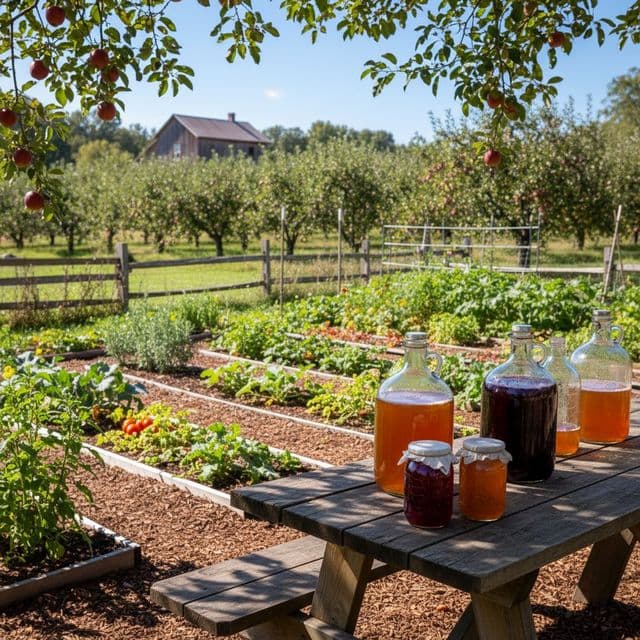
Learn to make homemade apple cider vinegar (ACV) for herbal preparations. Save 30% over store-bought, understand fermentation, and choose the best apples for potent remedies.
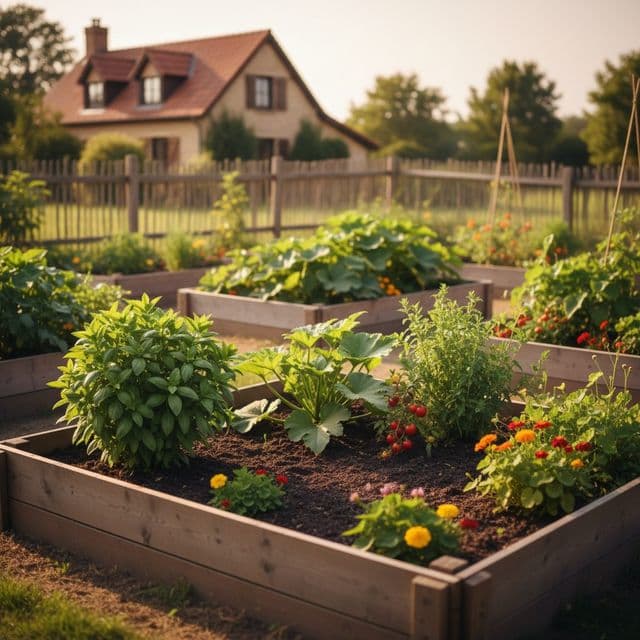
How to make infused honey safely at home by properly drying herbs and controlling water activity to prevent botulism.
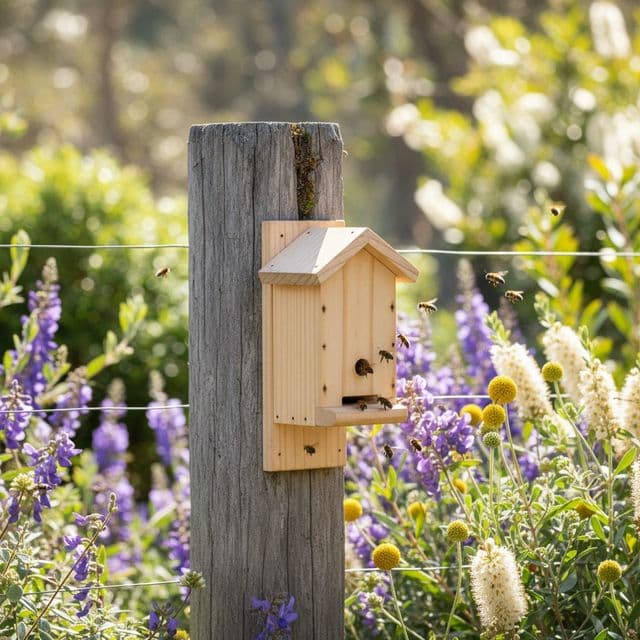
Cultivate a medicinal herb garden in USDA Zone 6, focusing on chamomile and lemon balm. Prepare safe, effective alcohol-free herbal remedies for your family. Save up to 75%.
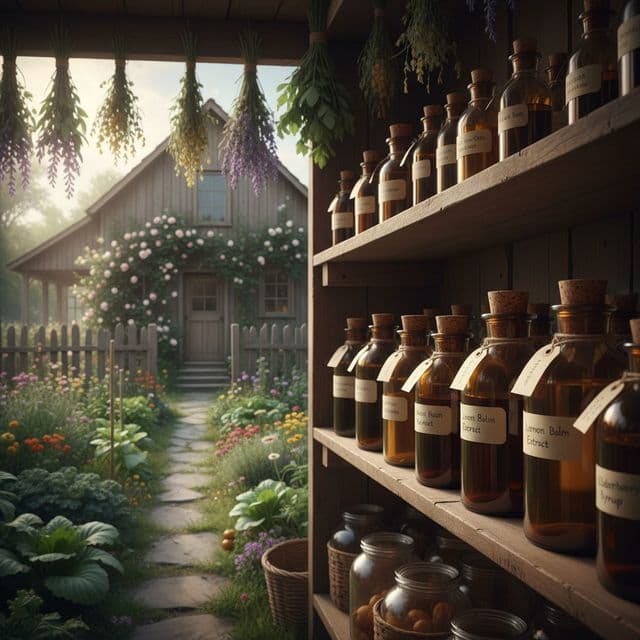
Learn how to maximize tincture shelf life and potency. Discover proper storage techniques, ideal conditions, and signs of spoilage for your home apothecary.
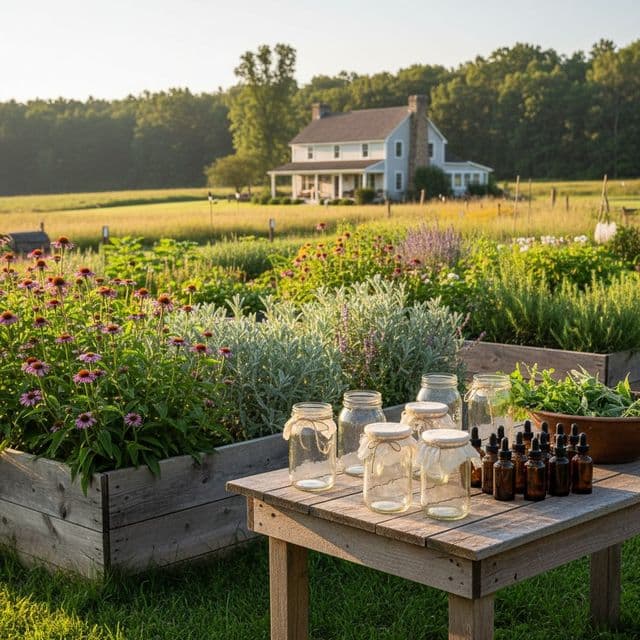
How to prepare herbal tinctures from garden herbs in USDA Zone 6, covering solvent selection, maceration times, straining, and dropper-dose calculations.
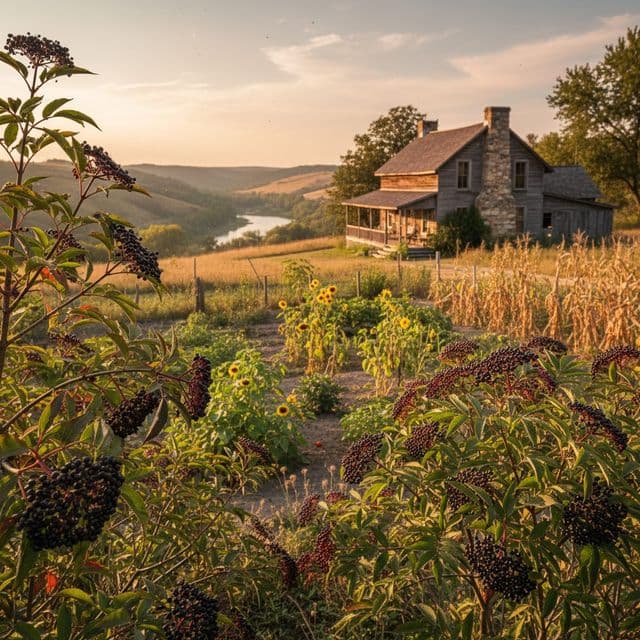
Learn how to make elderberry tincture from US-grown berries. This guide covers harvesting, identification, and a potent elderberry tincture recipe for your home apothecary.
Learn to choose the best menstruum for your herbal tinctures. Compare alcohol, glycerin, and vinegar for optimal extraction, potency, and shelf life of medicinal herbs.
A comparison of folk methods and weight-to-volume measurements for making herbal tinctures from fresh and dried garden herbs.
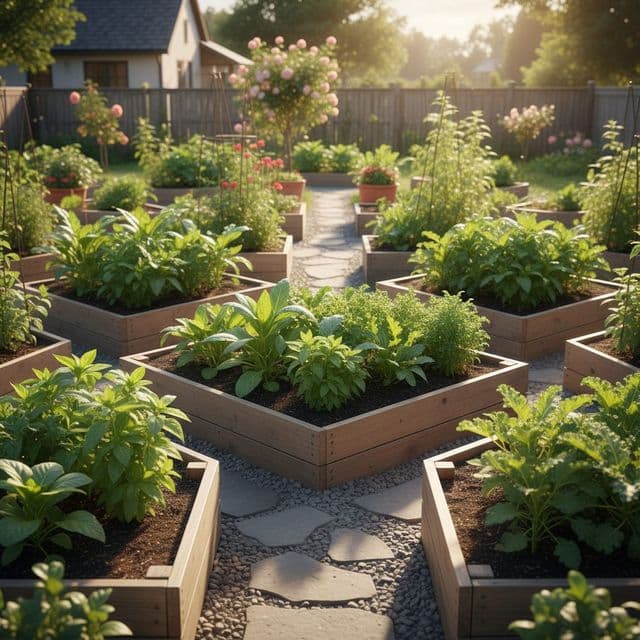
Learn to craft soothing homemade herbal balms with calendula and lavender from your garden. This guide covers infusing oils, ratios, and growing tips for natural, cost-effective skincare in just 30…
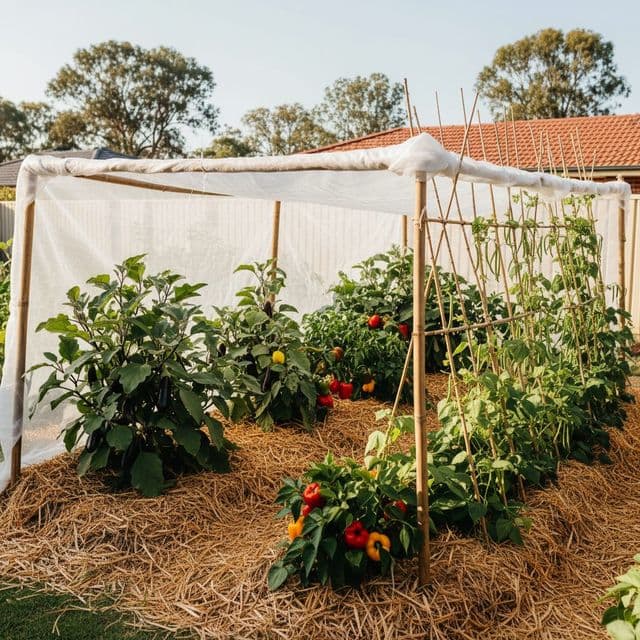
How to formulate herbal balms and salves using specific beeswax-to-oil ratios, selecting carrier oils for the desired consistency.
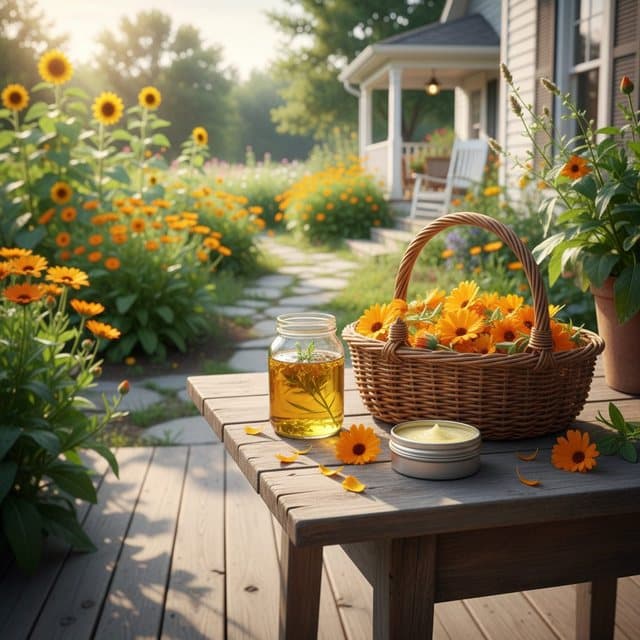
Master growing calendula (USDA zones 3-9) for medicinal use. Learn to harvest, dry, and infuse flowers to craft your own potent calendula salve for a natural home apothecary.
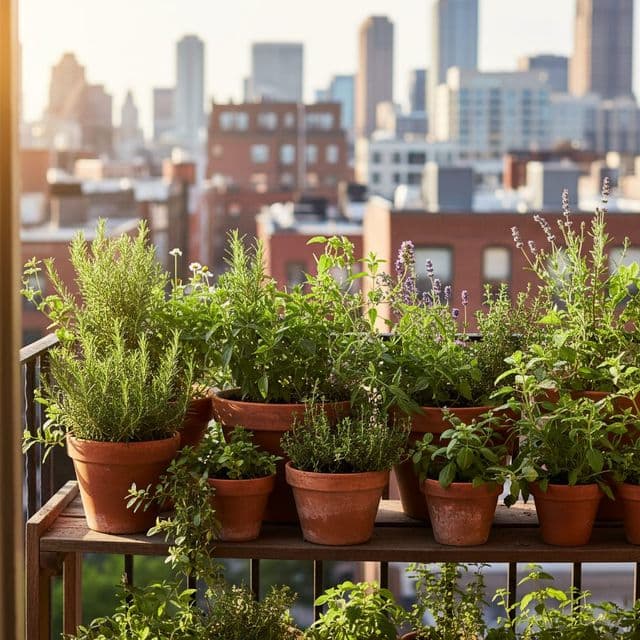
How to grow medicinal herbs in containers on balconies or patios, covering plant selection, potting mixes, light requirements, and seasonal care.
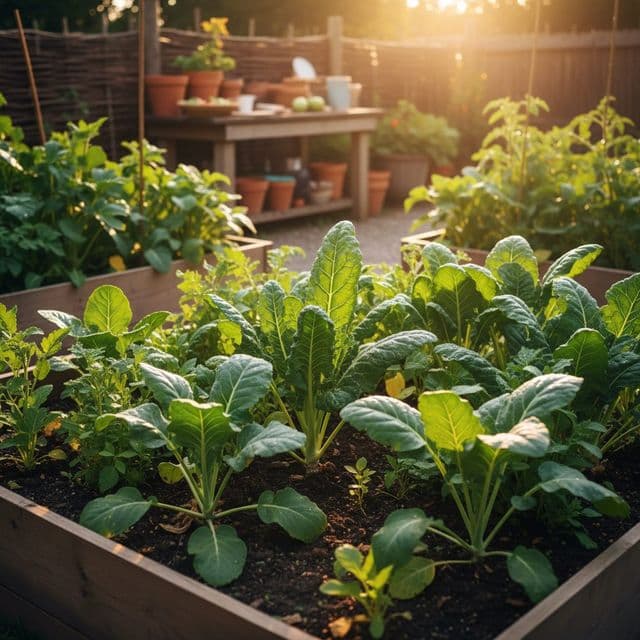
Cultivate a thriving medicinal herb garden in USDA Zones 8-10. Learn expert tips for soil, water, and plant selection in hot climates across the Southeast, Southwest, and Gulf Coast.
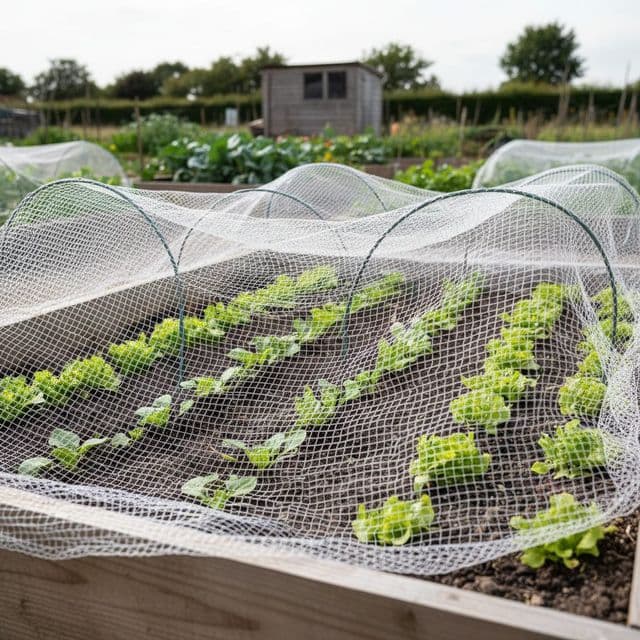
Discover 12 beginner medicinal herbs that thrive in USDA Zone 6. Learn essential growing tips for your home apothecary, from calendula to echinacea, for natural remedies.
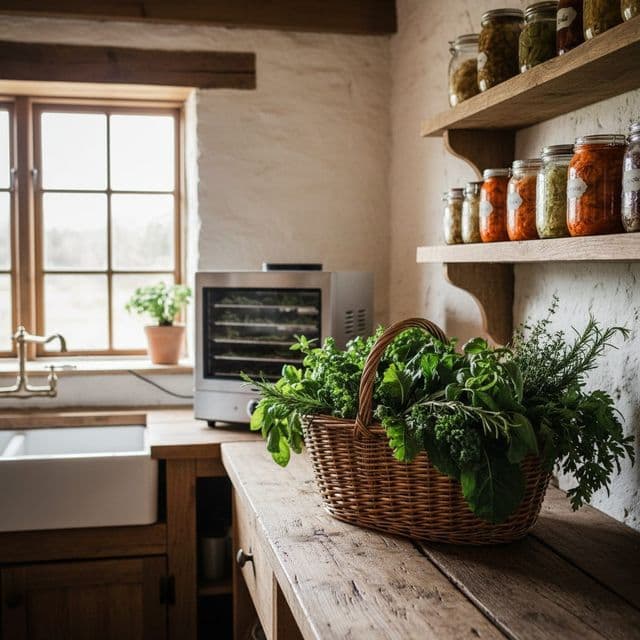
How dehydration, fermentation, and freezing preserve leafy greens and herbs, reducing the 30% food waste typical in home kitchens.
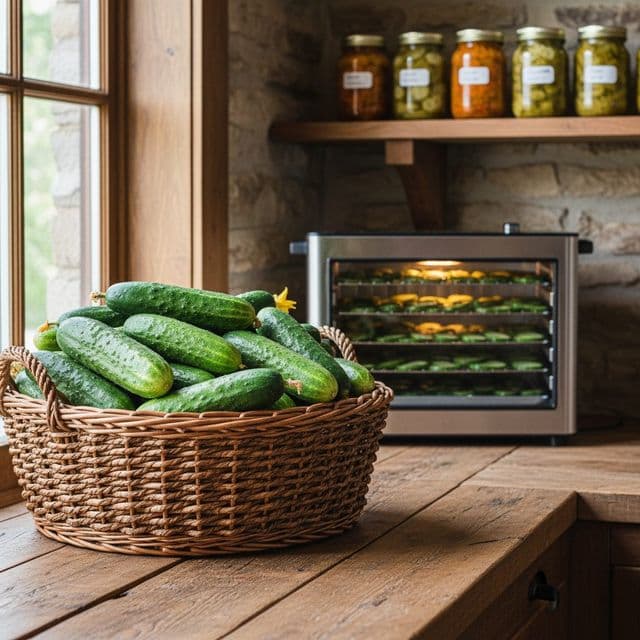
How to preserve a cucumber harvest, from dehydrating chips and powder to fermenting relishes and krauts to prevent waste.