Key takeaways
- Tomato pollen becomes inviable above 90°F, leading to blossom drop and poor fruit set, a common issue in US summer heat.
- High temperatures, low humidity, water stress, and nutrient imbalances (especially boron and calcium) are primary causes of flower abortion.
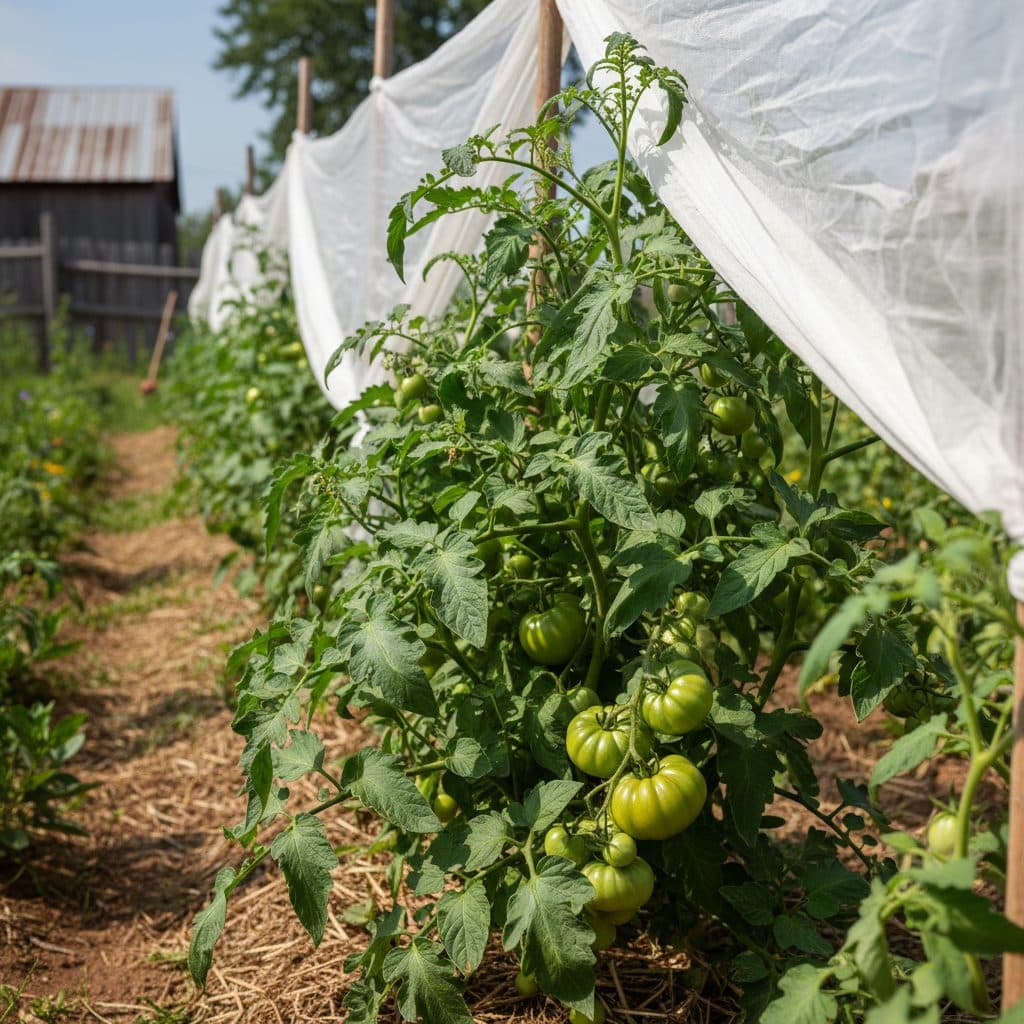
- Implementing shade cloth to reduce canopy temperatures by 10-15°F can significantly improve fruit set during heat waves.
- Consistent soil moisture, achieved through daily watering of 1-2 gallons per plant in dry conditions, is critical to prevent stress.
- Selecting heat-tolerant tomato varieties and ensuring adequate nutrient levels, particularly boron and phosphorus, supports flower development.
- Monitoring soil moisture with a meter and adjusting irrigation based on real-time data helps maintain optimal growing conditions.
Quick answer: Tomato flowers drop above 90°F primarily because high temperatures make pollen inviable and stigmas unreceptive, preventing fertilization. To set fruit, implement shade cloth, ensure consistent soil moisture, select heat-tolerant varieties, and manage nutrient levels.
In the sweltering summers of the US Southeast, or across the arid landscapes of California and Texas, many tomato growers face a disheartening reality: healthy, vigorous plants producing abundant flowers that simply drop off without setting fruit. This phenomenon, often called blossom drop, is particularly prevalent when daytime temperatures consistently climb above 90°F. For a home gardener in USDA zone 8, watching a hundred potential tomatoes vanish can be frustrating, especially when a single plant might yield 10-20 pounds of fruit in ideal conditions. Understanding the precise mechanisms behind this issue is the first step toward a bountiful harvest.
Tomato plants, specifically Solanum lycopersicum, are sensitive to environmental extremes during their reproductive phase. While they thrive in warm weather, generally between 65°F and 85°F, sustained heat above 90°F can interrupt critical biological processes. This article will explain why these flowers fall, focusing on the physiological impacts of high temperatures, and provide practical, evidence-based strategies for US growers to encourage fruit set even when the mercury pushes past 90°F to help produce 20 or more tomatoes per plant.
The biology of blossom drop in high temperatures
Tomato plants are remarkably productive, but their reproductive cycle is finely tuned to specific conditions. When ambient temperatures rise above 90°F during the day, or stay above 70°F at night, the plant’s ability to pollinate itself is severely compromised [1]. This disrupts pollination at a cellular level. The pollen grains, which are essential for fertilization, become non-viable or sterile at these elevated temperatures [2]. Research from 2012 indicates that pollen viability can drop from over 80% at 75°F to less than 10% at 95°F, effectively halting fruit production.
Beyond pollen issues, the female reproductive parts of the flower also suffer. The stigma, which is designed to receive pollen, can become non-receptive or dry out in hot, dry conditions, often seen in regions like Arizona or parts of Florida. Furthermore, the ovules, which develop into seeds, may fail to fertilize even if viable pollen is present. These heat-induced failures means that even if a flower appears healthy, its internal machinery for fruit production can be completely shut down. A study in 2019 confirmed that high temperatures were the leading environmental cause of blossom drop, accounting for over 60% of observed cases in commercial fields [3].
- Pollen sterility above 90°F
- Stigma non-receptivity in dry heat
- Ovule fertilization failure
- Reduced carbohydrate production for fruit development
- Increased respiration rates consuming energy needed for reproduction
Pollen viability and stigma receptivity
The optimal temperature range for tomato pollen germination and tube growth is between 65°F and 85°F. Once temperatures exceed 90°F, the pollen grains often burst or become malformed, rendering them useless for fertilization [1]. This effect is particularly pronounced in varieties grown in USDA zones 9 and 10, where summer temperatures frequently reach 100°F or more. Simultaneously, the stigma, which is typically moist and sticky to capture pollen, can dry out rapidly when humidity drops below 30% in conjunction with high temperatures. Non-viable pollen and an unreceptive stigma prevent most flowers from setting fruit, leading to crop losses that can exceed 75% of potential yield.
Environmental triggers beyond temperature
While extreme heat is the primary culprit, other environmental factors can exacerbate blossom drop, especially when temperatures are already marginal. Low humidity is a significant contributor, particularly in arid regions like the American Southwest. When relative humidity falls below 40%, pollen can dry out and become non-viable even at slightly lower temperatures, such as 88°F. Conversely, excessively high humidity (above 80%) can also hinder pollen release and dispersal, creating a sticky environment where pollen grains clump together, a common issue in the humid US Gulf Coast states.
Water stress, whether from drought or overwatering, also causes flower loss. A tomato plant under drought stress will prioritize survival over reproduction, shedding flowers to conserve moisture. Conversely, waterlogged soil deprives roots of oxygen, leading to similar stress responses and flower abortion. Ensuring consistent soil moisture is paramount; a plant in a 5-gallon container might need 1-2 gallons of water daily during a heatwave. Furthermore, nutrient deficiencies, particularly of boron and phosphorus, can impair flower development and fruit set [1]. For instance, a lack of boron can prevent pollen tube growth, even if the pollen is viable, leading to a 50% reduction in fruit set.
- Low humidity (below 40%)
- High humidity (above 80%)
- Drought stress
- Waterlogged soil conditions
- Boron and phosphorus deficiencies
Nutrient deficiencies and imbalances
Tomatoes have specific nutrient requirements for successful fruit set. Boron (B) is necessary for pollen viability and pollen tube growth, and a deficiency can lead to significant blossom drop, even in optimal temperatures. Calcium (Ca) is required for cell wall development and plant structure, and its deficiency is famously linked to blossom end rot, which can also be triggered by water stress [4]. While blossom end rot primarily affects developing fruit, a plant struggling with calcium uptake will also have difficulty setting new fruit [5]. Phosphorus (P) is essential for energy transfer within the plant and is heavily involved in flowering and fruiting processes. A soil test showing phosphorus levels below 20 ppm (parts per million) could indicate a need for supplementation. Consider using a balanced, slow-release organic fertilizer like Fermented Soybean Meal Organic Fertilizer to provide a steady supply of these critical elements, especially in sandy soils common in Florida, which tend to leach nutrients quickly.
Strategies for heat-tolerant fruit set
Successfully setting tomato fruit when temperatures consistently exceed 90°F requires proactive management. One of the most effective strategies is providing adequate shade. Installing 30-50% shade cloth over your tomato plants during the hottest parts of the day can lower the canopy temperature by 10-15°F, making a significant difference for pollen viability. In a trial in Texas, shaded plants yielded 30% more fruit during a heatwave than unshaded controls. The shade should be deployed from 10 AM to 4 PM when the sun’s intensity is highest, particularly in USDA zones 7-10.
Consistent watering is equally important. Fluctuating soil moisture levels stress plants, leading to blossom drop. Aim for deep, regular watering, providing at least 1-2 gallons of water per plant daily during peak summer heat, especially for plants in containers or raised beds. Using mulch, such as a 2-4 inch layer of straw or wood chips, can help retain soil moisture and keep soil temperatures cooler by 5-10°F. For growers in drought-prone areas like California, drip irrigation systems can deliver water efficiently, reducing evaporation by up to 50% compared to overhead sprinklers. Regularly checking soil moisture with a soil moisture meter can help prevent both underwatering and overwatering, ensuring optimal conditions for fruit set.
- Deploy 30-50% shade cloth
- Water deeply and consistently (1-2 gallons/plant/day)
- Apply 2-4 inches of organic mulch
- Use drip irrigation for water efficiency
- Monitor soil moisture with a reliable meter
Choosing heat-tolerant varieties
Not all tomato varieties respond to heat in the same way. Many heirloom varieties, while prized for flavor, are notoriously heat-sensitive. Modern hybrids have been bred for heat tolerance, offering a better chance of fruit set in challenging conditions. Look for varieties specifically labeled as ‘heat-set’ or ‘tropical’ that perform well in regions like Florida or the southern states. Examples include ‘Florida 91’, ‘Heatwave II’, ‘Phoenix’, and ‘Solar Fire’. These varieties often have better pollen viability and stigma receptivity at temperatures up to 95°F, potentially increasing fruit set by 20-40% compared to standard varieties. Consulting local university extension offices, such as those in Georgia or Louisiana, can provide tailored recommendations for your specific climate and soil type.
Optimizing nutrient management and soil health
A healthy soil ecosystem is the foundation for resilient plants that can better withstand environmental stress. Balanced nutrition supports both vegetative growth and fruit set. While nitrogen promotes leafy growth, excessive nitrogen can lead to lush foliage at the expense of flowers, a common issue when using high-nitrogen lawn fertilizers. Instead, focus on phosphorus and potassium, often found in ‘bloom’ or ‘fruit’ formulations. A soil test, available for around $20-$30 from most university extension services, can provide precise recommendations for your garden, indicating levels of key nutrients like calcium, magnesium, and boron.
For instance, if a soil test reveals low boron levels, a foliar spray containing boron at a concentration of 0.5% can be applied to the foliage, which can quickly correct deficiencies and improve pollen viability by up to 25%. Similarly, adequate calcium is crucial. While calcium is present in most soils, its uptake can be hindered by irregular watering or rapid plant growth. Incorporating amendments like gypsum or crushed eggshells can provide a slow-release source of calcium. For long-term soil health, consider incorporating organic matter such as compost or well-rotted manure, which improves soil structure, water retention, and nutrient availability. A soil with 3-5% organic matter content can hold significantly more water and nutrients than depleted soil, making plants more resilient to heat stress in regions like the Midwest.
- Conduct regular soil tests (every 2-3 years)
- Prioritize phosphorus and potassium over excess nitrogen
- Supplement boron via foliar sprays if deficient
- Ensure adequate calcium availability (e.g., gypsum)
- Incorporate organic matter (compost, manure)
The role of soil biology
Beyond chemical nutrients, biological activity in the soil supports plant health and stress resilience. A thriving soil microbiome helps plants access nutrients that might otherwise be unavailable, and can even produce plant growth-regulating compounds. Practices like no-till gardening and cover cropping, as promoted by the USDA Natural Resources Conservation Service [6], enhance this microbial community. For example, planting a cover crop like vetch or crimson clover in the off-season can add 50-100 pounds of nitrogen per acre to the soil, improving fertility for subsequent tomato crops. Similarly, applying compost tea or inoculating soil with beneficial microbes can boost plant vigor, allowing tomatoes to better cope with temperatures exceeding 90°F by improving nutrient uptake and water efficiency by 15-20%.
Monitoring and proactive care
Effective management of tomato plants in hot climates relies heavily on diligent monitoring and proactive adjustments. Simply observing your plants daily can reveal early signs of stress. Wilting leaves, even if temporary during the hottest part of the day, indicate water stress. Yellowing lower leaves might signal a nitrogen deficiency, while purpling leaves can point to phosphorus issues. Keeping a garden journal, noting daily temperatures, watering schedules, and plant responses, can provide valuable data over the growing season. For instance, if you notice blossom drop after three consecutive days above 92°F, you know to deploy shade cloth earlier next time.
Beyond visual inspection, using tools like a soil moisture meter can take the guesswork out of watering. Sticking the probe 6 inches deep into the soil can give you an accurate reading of moisture levels, preventing both overwatering and underwatering. A reading below 30% might indicate a need for immediate irrigation, especially in sandy soils found in parts of Florida. Furthermore, tracking local weather forecasts, particularly for heat advisories or extended periods above 90°F, allows you to implement preventative measures like shade and extra watering before stress occurs. This proactive approach can increase fruit set by 15-20% during challenging periods.
- Daily visual inspection of plants
- Maintain a garden journal for data tracking
- Use a soil moisture meter for precise watering
- Monitor local weather forecasts for heat advisories
- Adjust watering and shade based on real-time conditions
Improving air circulation and microclimates
Alongside shade, good air circulation around tomato plants is necessary, especially in humid regions like the Deep South. Dense foliage can trap heat and humidity, creating a microclimate around the flowers that is even hotter and more humid than the surrounding air, which can hinder pollen release. Pruning the lower leaves and any suckers that aren’t contributing to fruit production can improve airflow significantly. Aim to remove leaves up to 12-18 inches from the ground, especially after the first fruit set. This not only reduces humidity around the flowers but also helps prevent fungal diseases. In a greenhouse setting, using fans to circulate air can reduce internal temperatures by 5°F and lower humidity by 10%, leading to better fruit set. For outdoor plants, spacing of 2-3 feet between plants promotes airflow and reduces localized heat stress, helping maintain yields of 10-15 pounds per plant.
Heat-Tolerant vs. Standard Tomato Varieties
Characteristic | Heat-Tolerant Varieties | Standard Varieties |
|---|---|---|
Pollen Viability >90°F | Good (up to 60-70%) | Poor (below 10-20%) |
Stigma Receptivity >90°F | Maintained longer | Dries out quickly |
Fruit Set in Heat | Moderate to Good (20-40% yield increase) | Poor to None (75%+ yield loss) |
Examples | Florida 91, Heatwave II, Phoenix, Solar Fire | Brandywine, Better Bush, Roma |
Recommended USDA Zones | 7-10 (Southern US) | 3-6 (Northern US, temperate) |
Temperature Threshold: Tomato pollen viability can drop from over 80% at 75°F to less than 10% at 95°F, leading to widespread blossom drop [1].
Shade Cloth Benefit: Using 30-50% shade cloth can reduce canopy temperatures by 10-15°F, significantly improving fruit set during heat waves in USDA zone 8.
Watering Needs: During peak summer heat, tomato plants in 5-gallon containers may require 1-2 gallons of water daily to prevent stress and blossom drop.
Boron Deficiency: A lack of boron can reduce tomato fruit set by 50% or more, even if other conditions are favorable for growth.
Frequently asked questions
What temperature causes tomato blossom drop?
Tomato blossom drop primarily occurs when daytime temperatures consistently exceed 90°F, or when night temperatures remain above 70°F. At 95°F, pollen viability can drop to below 10%, preventing successful fertilization and fruit set [1].
How can I prevent tomato flowers from falling off?
To prevent tomato flowers from falling off, provide 30-50% shade during the hottest parts of the day, ensure consistent watering (1-2 gallons per plant daily in heat), and maintain balanced soil nutrition. Selecting heat-tolerant varieties also significantly improves fruit set in challenging conditions.
Does overwatering cause tomato blossom drop?
Yes, both overwatering and underwatering can cause tomato blossom drop. Waterlogged soil deprives roots of oxygen, stressing the plant and leading to flower abortion. Aim for consistent, deep watering, and use a soil moisture meter to ensure optimal soil conditions, typically keeping moisture above 30% saturation.
What nutrients are important for tomato fruit set?
Boron, phosphorus, and calcium are critical for tomato fruit set. Boron is essential for pollen viability and tube growth, while phosphorus supports flowering and energy transfer. Calcium is vital for cell development and preventing issues like blossom end rot, which can be linked to water stress [3, 4].
Can I hand-pollinate tomatoes in high heat?
Hand-pollinating tomatoes in high heat is generally ineffective if the pollen itself is sterile due to temperatures above 90°F. While shaking plants can aid pollen dispersal, it won’t help if the pollen is inviable. Focus on environmental controls like shade to improve pollen quality first.
Do all tomato varieties drop flowers in heat?
No, not all tomato varieties drop flowers equally in heat. While most tomatoes struggle above 90°F, ‘heat-set’ or ‘tropical’ varieties have been specifically bred to maintain better pollen viability and stigma receptivity at higher temperatures, potentially increasing fruit set by 20-40% compared to standard varieties.
References
- Blossom Drop, Reduced Fruit Set, and Post-Pollination Disorders in Tomato (2012). Blossom Drop, Reduced Fruit Set, and Post-Pollination Disorders in Tomato.
- RESEARCH ON BLOSSOM DROP (1965). RESEARCH ON BLOSSOM DROP.
- A survey of tomato blossom and flower drop to the influence of environmental phenomena (solanum lycopersicum L.) (2019). A survey of tomato blossom and flower drop to the influence of environmental phenomena (solanum lycopersicum L.).
- Blossom end rot on tomato. (2017). Blossom end rot on tomato..
- Minerals against blossom end rot in tomato (2014). Minerals against blossom end rot in tomato.
- USDA Natural Resources Conservation Service (2024). USDA Natural Resources Conservation Service.