Key takeaways
- Start diagnosis by observing patterns, location, and timing of symptoms on your plants.
- Soil health is foundational; a 1% increase in organic matter can boost water-holding capacity by 20,000 gallons per acre.
- Integrated Pest Management (IPM) combines cultural, biological, and mechanical controls to reduce pest and disease pressure by 50% or more.
- Proper watering and air circulation are critical; many fungal diseases thrive in temperatures between 68°F and 86°F with high humidity.
- Distinguish between abiotic stressors (like nutrient deficiencies or water issues) and biotic problems (pests or pathogens).
- Use organic amendments like compost to build soil resilience and support beneficial microbial life.
Quick answer: To diagnose plant symptoms, observe patterns, location, and timing, considering environmental context like weather and soil. Distinguish between abiotic stressors and biotic problems to apply appropriate organic management strategies.
In the heartland of the US, from the fertile fields of Iowa to the backyard gardens of USDA zone 6, growers often face the challenge of plant ailments. One season, your tomatoes might show peculiar spots; the next, your squash vines could suddenly wilt. It’s a common story: you step outside to check on your plants, and something just isn’t right. Maybe it’s a new yellow spot, a droopy leaf, or a fuzzy patch you’ve never seen before. Don’t panic. With a systematic approach, you can often decode these plant messages and respond effectively.
Understanding what your plants are trying to tell you is the first step toward a healthy harvest. This guide will walk you through a symptom-to-cause flowchart, helping you diagnose common issues like spots, wilts, molds, and curls. We’ll focus on organic management strategies, grounding our advice in practical, research-backed methods that support the long-term vitality of your soil and crops, whether you’re managing a 50-acre farm or a 500 square foot garden plot.
The diagnostic mindset: observation and context
Before you jump to conclusions, take a deep breath and observe. A plant’s symptoms are clues, not definitive answers. For instance, a sudden wilt in a cucumber plant in USDA zone 7 during a heatwave could be simple dehydration, especially if temperatures hit 95°F for three consecutive days. However, the same wilt during a cool, wet spring might point to a fungal root rot. Always consider the environmental context – recent weather, soil conditions, and your gardening practices – before making a diagnosis.
start with the big picture
Begin by examining the entire plant, then zoom in on specific affected areas. Look for patterns: Is the problem uniform across all plants, or just a few? Is it affecting older leaves, new growth, or both? Are the symptoms concentrated on one side of the plant, or scattered randomly? For example, a nutrient deficiency, like a magnesium shortage, often shows up as yellowing between the veins of older leaves, affecting 20% or more of the lower foliage. Conversely, a pest infestation might be localized to new, tender growth, with aphids often congregating on the undersides of young leaves in colonies of 50 to 100 individuals.
- Check the soil moisture level 6 in deep.
- Note recent temperature fluctuations (e.g., a drop from 80°F to 45°F).
- Inspect for visible pests or insect damage.
- Review recent fertilizer applications or lack thereof.
- Consider the plant’s age and growth stage.
Spots and lesions: decoding discoloration patterns
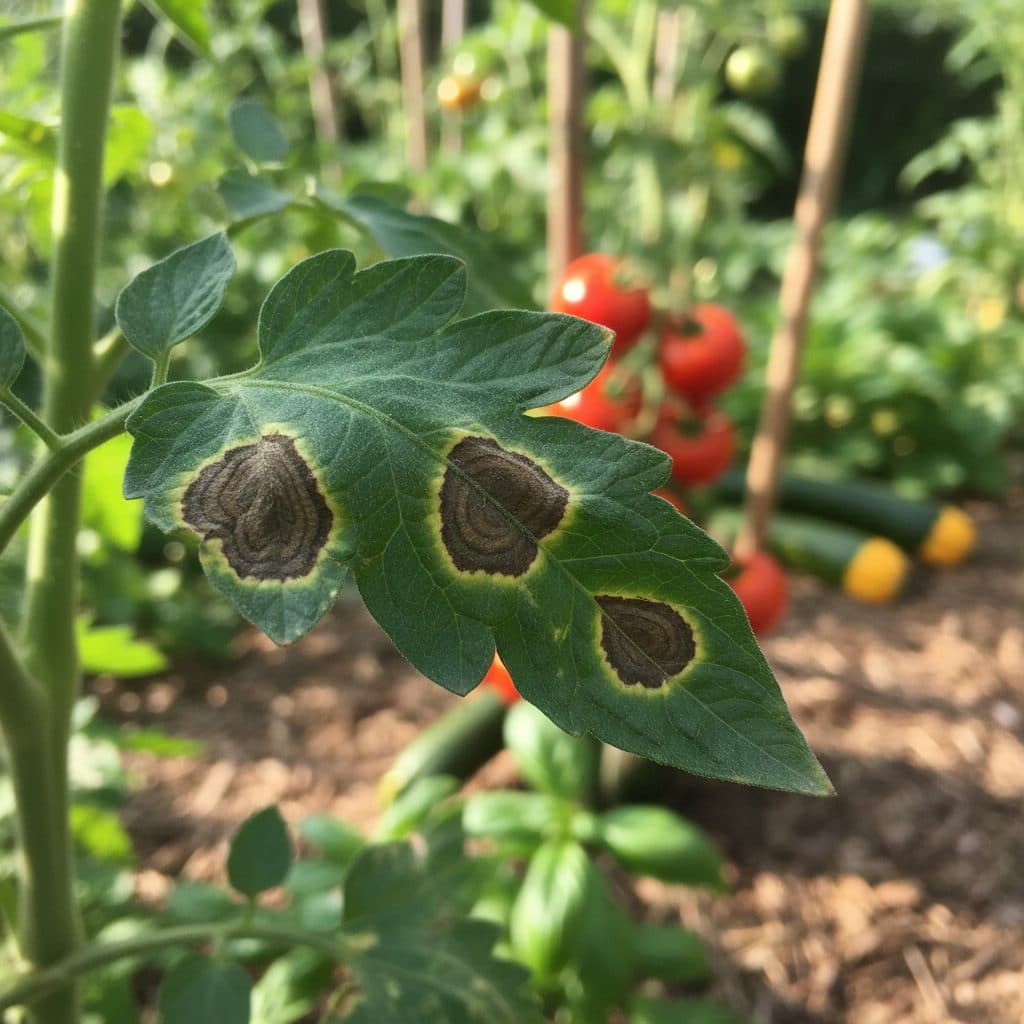
Spots on leaves, stems, or fruit are common indicators of plant stress, often signaling fungal, bacterial, or viral infections, or even nutrient deficiencies. For example, early blight on tomatoes, prevalent in humid regions like the Southeast US, typically presents as dark brown spots with concentric rings, often 0.25 to 0.5 inches in diameter, on older leaves. Bacterial leaf spot, common on peppers and brassicas, forms smaller, water-soaked lesions that turn brown or black, usually less than 0.1 inch across, and can be spread rapidly by splashing water during rain events exceeding 0.5 inches.
understanding common spot types
To differentiate, consider the spot’s color, size, shape, and whether it has a halo or a distinct margin. Fungal spots, like those from powdery mildew, often appear as white, powdery patches on leaf surfaces, particularly in shaded areas or when humidity is above 70%. Anthracnose, another fungal disease, causes sunken, dark lesions on fruit and leaves, which can be up to 1 inch in size and may have pink or orange spore masses in wet conditions. If you’re seeing yellowing between leaf veins on older leaves, affecting 15% of the plant, and the soil pH is below 6.0, it might be a magnesium deficiency, which can be corrected with Epsom salts at 1 tablespoon per gallon of water. Organic gardening fertilizer options focus on feeding the soil to prevent such deficiencies.
- Circular spots with concentric rings: Often fungal (e.g., early blight).
- Angular, water-soaked spots: Likely bacterial.
- Small, irregular yellow spots: Could be viral or pest damage.
- White, powdery patches: Powdery mildew.
- Sunken lesions on fruit: Anthracnose.
Wilting and drooping: more than just thirst
Wilting is one of the most alarming symptoms a grower can encounter, often indicating severe stress. While it’s frequently a sign of insufficient water – especially after 3-4 days without rain in hot, dry conditions – it can also signal root damage, stem diseases, or even certain pests. For example, Fusarium wilt, a common fungal disease in tomatoes and peppers in warm climates like Florida, causes one-sided wilting of leaves and stems, often progressing from the bottom up, affecting 50% or more of the plant over a few weeks. Verticillium wilt shows similar symptoms but often affects a broader range of plants.
checking the roots and stem
If the soil is moist but your plants are still wilting, investigate the roots and stem base. Gently dig around the plant’s base to inspect for root damage from pests like wireworms or voles, or signs of root rot, which often presents as dark, mushy roots, affecting 30% or more of the root mass. Stem diseases, such as bacterial wilt in cucurbits, can cause a sudden, irreversible wilt of the entire plant, often within 24-48 hours. If you cut the stem near the base, you might see a milky ooze from bacterial wilt, a clear diagnostic sign. Healthy soil, built with practices discussed in Organic gardening soil: build the living soil that grows everything, is your best defense against many root-related issues, as it supports beneficial microbes that suppress pathogens.
- Soil too dry: Water deeply (1-2 inches per week).
- Soil too wet: Improve drainage; consider raised beds.
- Root damage: Inspect for pests or rot.
- Stem disease: Check for discoloration or cankers on the stem.
- Vascular wilt: Look for internal stem discoloration (e.g., brown streaks).
Molds, mildews, and fungi: the fuzzy invaders
Fungal diseases are a common headache for growers, especially in regions with high humidity or frequent rainfall, like the Pacific Northwest, where annual precipitation can exceed 40 inches. They often manifest as fuzzy, powdery, or downy growths on leaves, stems, and fruit. Powdery mildew, for instance, appears as white, flour-like spots on the upper surfaces of leaves, particularly on squash, cucumbers, and roses, thriving when daytime temperatures are 70-80°F and nighttime humidity is high (above 90%). Downy mildew, on the other hand, typically forms purplish-gray fuzzy growth on the undersides of leaves, often in cool, moist conditions (below 65°F), affecting crops like basil and grapes.
managing fungal outbreaks organically
Prevention matters most, and it starts with good air circulation and appropriate watering. Space plants according to recommendations – for example, tomatoes should be 18 to 24 inches apart – to allow for air movement, which can reduce fungal disease incidence by 30%. Water at the base of plants in the morning to allow foliage to dry before evening, reducing leaf wetness periods to less than 6 hours. For existing outbreaks, organic fungicides like neem oil or baking soda solutions (1 tablespoon per gallon of water) can be effective. Mulch for organic gardening also helps prevent soil-borne spores from splashing onto lower leaves, reducing disease spread by up to 50%.
- Powdery mildew: White, powdery spots on upper leaves.
- Downy mildew: Purplish-gray fuzz on undersides of leaves.
- Botrytis (gray mold): Fuzzy gray growth on decaying plant parts.
- Sooty mold: Black, non-parasitic growth on honeydew from pests.
- Rust: Orange or brown pustules on leaves.
Curled, stunted, or distorted growth: pests and viruses
When plant growth becomes abnormal – leaves curling, stems stunting, or fruit distorting – it’s often a sign of insect pests or viral infections. Aphids, for example, are tiny, pear-shaped insects that cluster on new growth, sucking sap and causing leaves to curl and distort, often affecting 100% of new shoots. They can also transmit viruses, turning a localized problem into a systemic one. Thrips cause silvery streaks and distorted growth on leaves and flowers, especially in warm, dry conditions, and can reduce flower yields by 40%.
managing pests and preventing viruses
Integrated Pest Management (IPM) is your best approach. This involves regular scouting (checking plants 2-3 times a week), encouraging beneficial insects like lady beetles (which can consume up to 5,000 aphids in their lifetime), and using organic controls when necessary. For instance, a strong spray of water can dislodge 70% of aphids from a plant. For persistent issues, consider insecticidal soaps or neem oil, applied every 5-7 days until the pest pressure is reduced. Viral diseases, once established, cannot be cured, so prevention is paramount: use disease-free seeds, manage insect vectors, and remove infected plants immediately to prevent spread to healthy plants within a 10-foot radius. Fermented Soybean Meal Organic Fertilizer can boost plant vigor, making them more resilient to pest pressure.
- Aphids: Leaf curling, sticky honeydew, stunted growth.
- Thrips: Silvery streaks, distorted leaves/flowers.
- Spider mites: Stippling, fine webbing, bronze leaves.
- Leaf miners: Irregular tunnels or trails within leaves.
- Viruses: Mosaic patterns, yellowing, severe stunting, often spread by insects.
Common plant spots: fungal vs. bacterial
Symptom characteristic | Fungal spots (e.g., Early Blight) | Bacterial spots (e.g., Bacterial Leaf Spot) |
|---|---|---|
Appearance | Circular with concentric rings, often dark brown or black, 0.25-0.5 in diameter. | Angular or irregular, water-soaked, turning brown/black, typically <0.1 in. |
Location | Often on older leaves first, can spread to stems and fruit. | Can appear on any leaf, often concentrated on new growth. |
Spread | Wind and splashing water, especially in humid conditions (70%+ RH). | Splashing water, rain, overhead irrigation, can spread 10 ft in a single rain event. |
Associated conditions | Warm, humid weather (70-85°F), prolonged leaf wetness (6+ hours). | Warm, wet conditions (75-85°F), high humidity, often follows heavy rain (1+ in). |
Management | Improve air circulation, remove infected leaves (up to 20% of foliage), organic fungicides like copper or neem oil. | Use disease-free seeds, avoid overhead watering, remove infected plants (within 5 ft radius), copper-based sprays. |
Soil water storage: Healthy soil, rich in organic matter, can store 13,000 to 27,000 gallons of water per acre-foot, significantly reducing runoff and drought stress [1].
IPM effectiveness: Integrated Pest Management (IPM) strategies can reduce pesticide use by 50% or more in some agricultural systems while maintaining or improving yields [3].
Compost benefits: Applying 1 to 2 inches of compost annually can increase soil organic matter by 0.5% to 1% over five years, boosting soil health and resilience [4].
Beneficial insects: Beneficial insects, such as lady beetles, can consume up to 5,000 aphids in their lifetime, providing substantial natural pest control [4].
Frequently asked questions
How often should I check my plants for problems?
Regular scouting matters. Inspect your plants at least 2-3 times per week, paying close attention to new growth and the undersides of leaves. Early detection of issues, especially when less than 5% of the plant is affected, allows for more effective organic interventions.
Can I save a plant with a severe viral infection?
Unfortunately, most viral infections in plants cannot be cured once established. The best course of action is typically to remove and destroy the infected plant immediately to prevent the virus from spreading to healthy plants within a 10-foot radius, especially via insect vectors.
What’s the best way to prevent fungal diseases?
Prevention of fungal diseases relies on good cultural practices. Ensure proper plant spacing (e.g., 18-24 inches for tomatoes) for adequate air circulation, water at the base of plants in the morning, and use mulch to prevent splash-back of soil-borne spores. These steps can reduce fungal incidence by 30-50%.
How do I know if wilting is from lack of water or a disease?
Check the soil moisture 6 inches deep. If it’s dry, water thoroughly (1-2 inches). If the plant perks up within 24 hours, it was likely dehydration. If the soil is moist but wilting persists, or if wilting affects only one side of the plant, investigate for root damage or stem diseases like Fusarium wilt, which can affect 50% of the plant.
Are all spots on leaves a sign of disease?
Not necessarily. While many spots indicate disease, some can be due to abiotic factors like nutrient deficiencies (e.g., magnesium deficiency causing yellowing between veins on 20% of older leaves), herbicide drift, or environmental stress. Always consider the full context before diagnosing.
References
- USDA Natural Resources Conservation Service (2024). USDA Natural Resources Conservation Service.
- EPA — Soak Up the Rain (2024). EPA — Soak Up the Rain.
- SARE — Sustainable Agriculture Research & Education (2023). SARE — Sustainable Agriculture Research & Education.
- ATTRA / NCAT Sustainable Agriculture (2023). ATTRA / NCAT Sustainable Agriculture.
- USDA National Agroforestry Center (2023). USDA National Agroforestry Center.