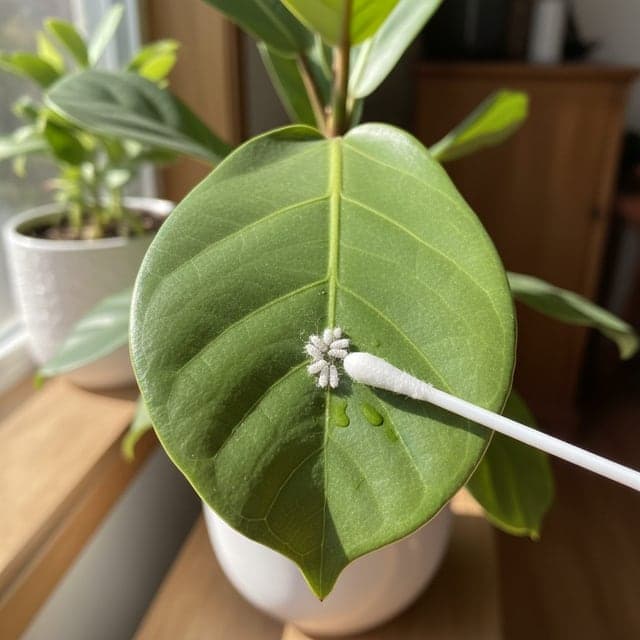
Mealybug Control: Alcohol & Oils for Citrus & Houseplants (USDA 8)
Learn effective mealybug control for citrus and houseplants using rubbing alcohol and horticultural oils. This guide covers application, precautions, and tips for USDA zone 8.
Tag
554 articles in this tag on agripure. — page 15 of 24
Learn effective mealybug control for citrus and houseplants using rubbing alcohol and horticultural oils. This guide covers application, precautions, and tips for USDA zone 8.
Combat spider mites in hot, dry climates with organic IPM strategies. Learn early detection, natural predators, and preventative measures for effective spider mite control in USDA zones 7-10.

Stop green peach and potato aphids on US tomatoes and peppers before 3–5 day cloning spreads CMV, PVY, and TEV viruses. Follow the 4-step IPM ladder: 3-day morning water blasts, ant exclusion, >=20…
How to use neem and horticultural oils for pest control, covering mode of action, application timing, and plant safety across garden beds.
Learn to use insecticidal soap effectively for aphid control on roses and other plants. Discover proper dilution, application, and how it works to protect your garden organically.
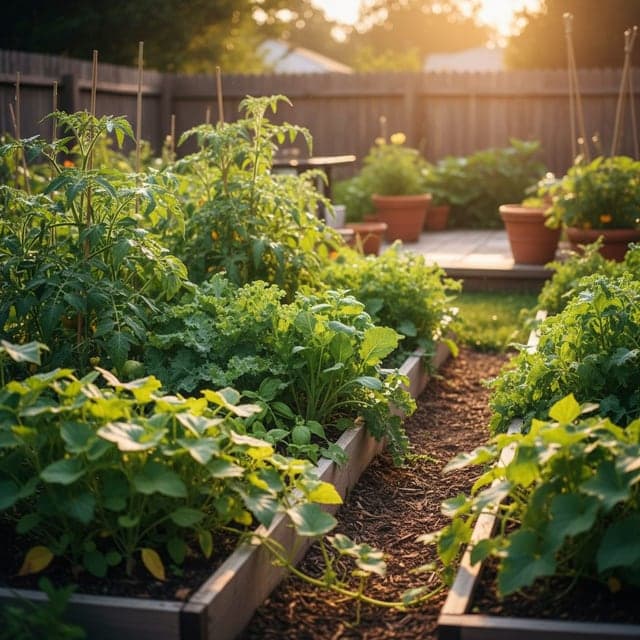
Attract praying mantids, ground beetles, and assassin bugs to your garden. Learn how these beneficial garden insects reduce pests by 30% or more with habitat creation.
Learn how to attract beneficial insects to your USDA Zone 6 homestead using beetle banks & bug hotels. Reduce pest pressure by 30% & cut pesticide use by 50%.
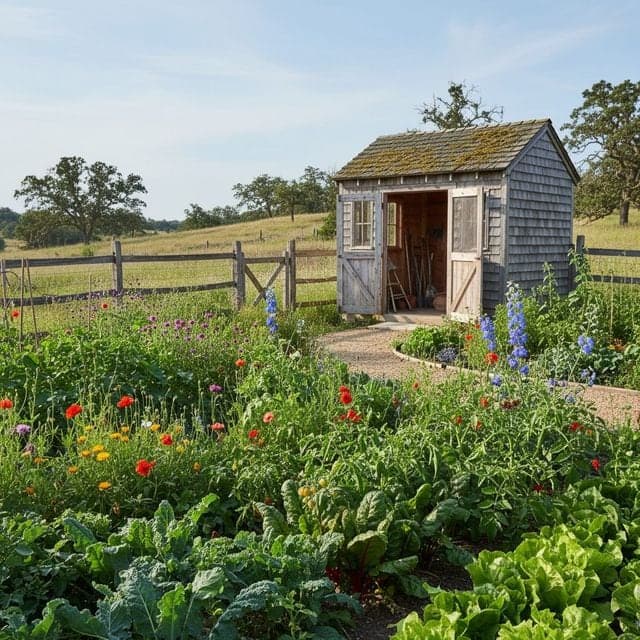
Learn how to effectively use beneficial insects for pest control in USDA Zone 6. Discover why habitat is essential for retaining ladybugs, lacewings, and mites long-term.
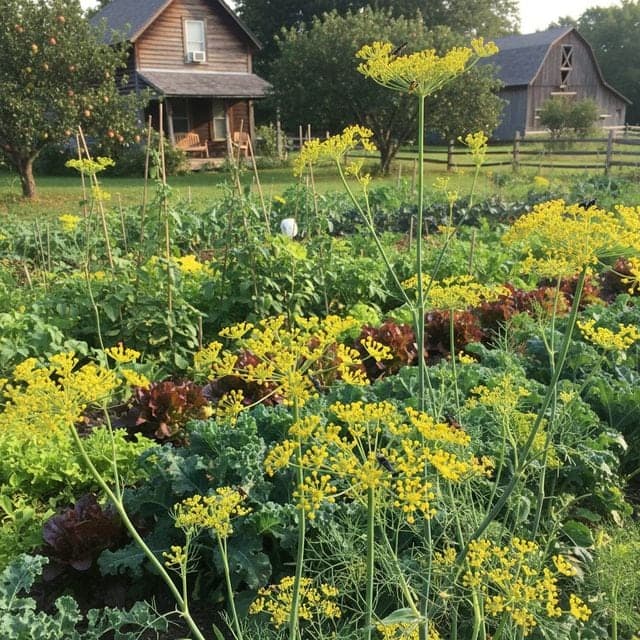
Attract peaceful parasitoids, solitary hunting wasps, and perimeter Polistes paper wasps safely across US gardens without recruiting aggressive yellowjackets. Learn >=25–30 ft patio setbacks, shall…
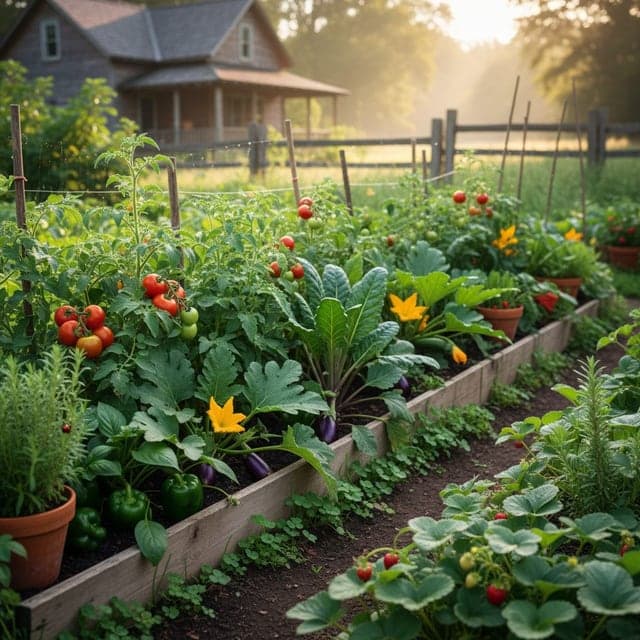
Learn to identify beneficial insect larvae like ladybugs, lacewings, and hoverflies. Protect these natural predators to reduce garden pests, save crops, and minimize pesticide use in your homestead.
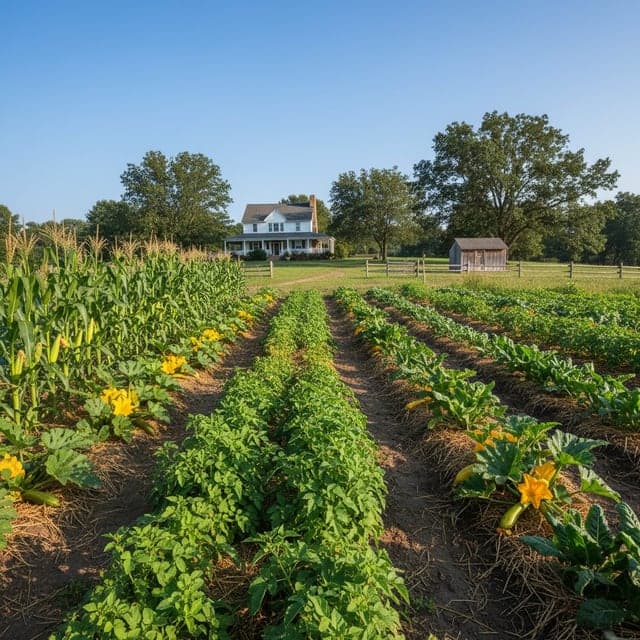
Understand US organic pesticide labels, OMRI certification, and IPM principles for effective pest control. Learn how to choose safe products and boost beneficial insects on your farm or garden.
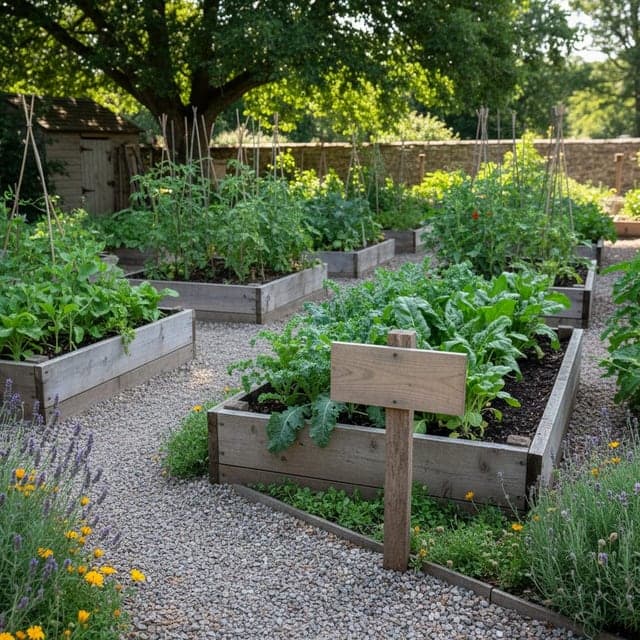
Master organic pest control with effective IPM record-keeping. Learn how tracking garden data improves decision-making, reduces pest damage by 15-25%, and ensures a healthier, more productive garde…
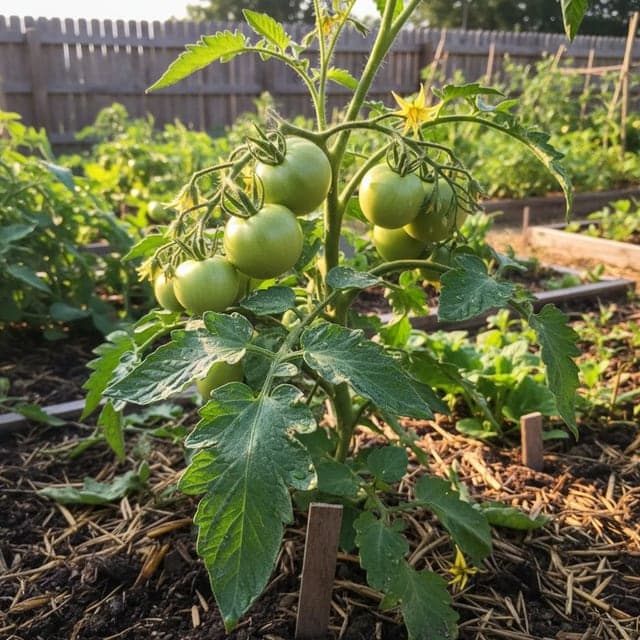
Learn how to set pest action thresholds for aphids on tomatoes in USDA zone 6. Understand economic injury levels, scouting methods, and factors influencing treatment decisions for effective, respon…
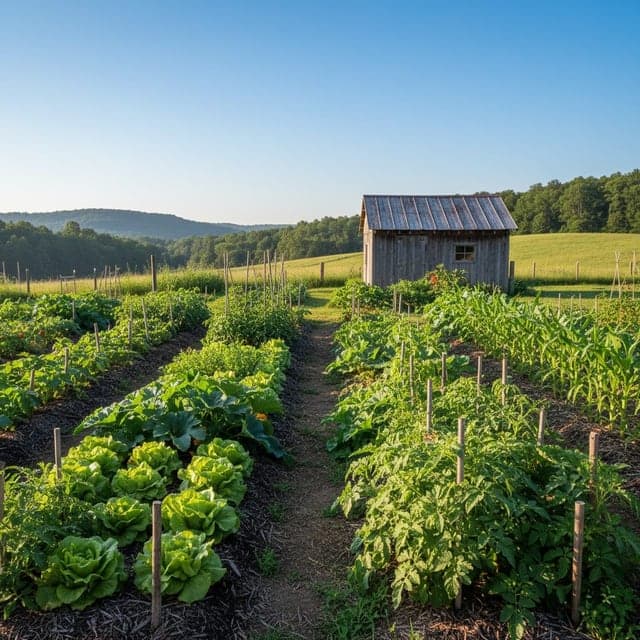
Protect your USDA Zone 6 garden with a weekly pest scouting checklist. Learn to identify common pests early, reduce crop loss, and minimize pesticide use with IPM strategies.
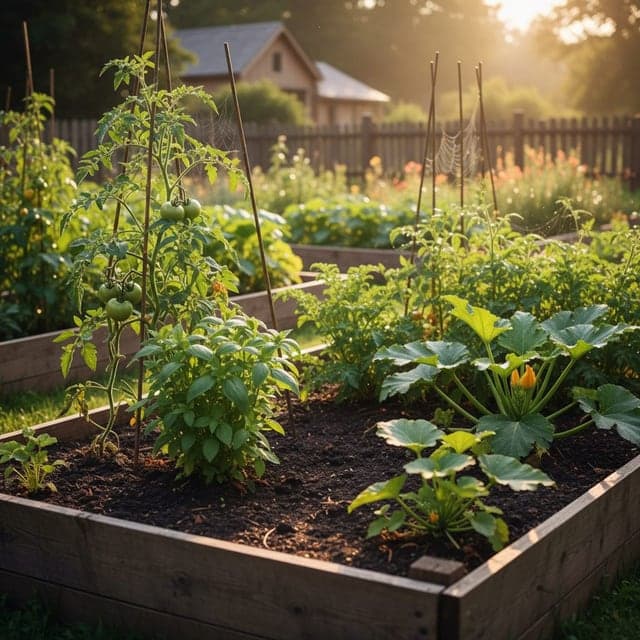
The 5 levels of Integrated Pest Management (IPM) for organic pest control in USDA Zone 6: prevent crop loss, reduce chemical use, and save costs with a systematic approach.
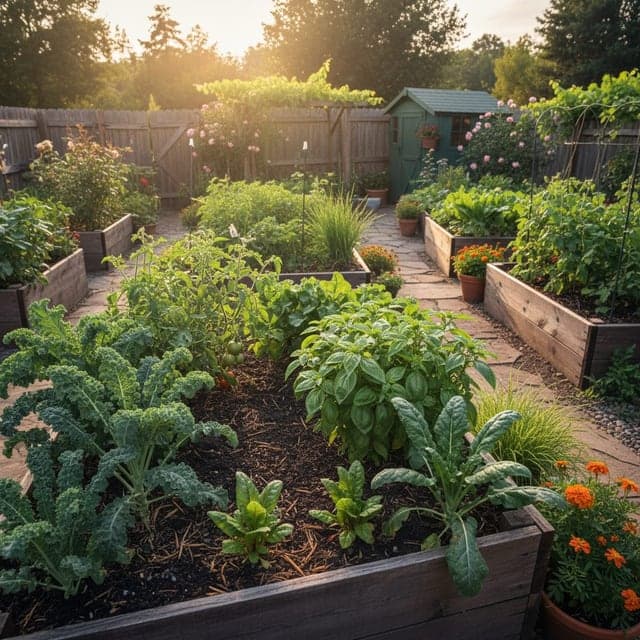
Learn why pausing fertilization during heat waves protects your garden plants from stress and nutrient burn. Discover signs of heat stress and smart management tips for a resilient garden.
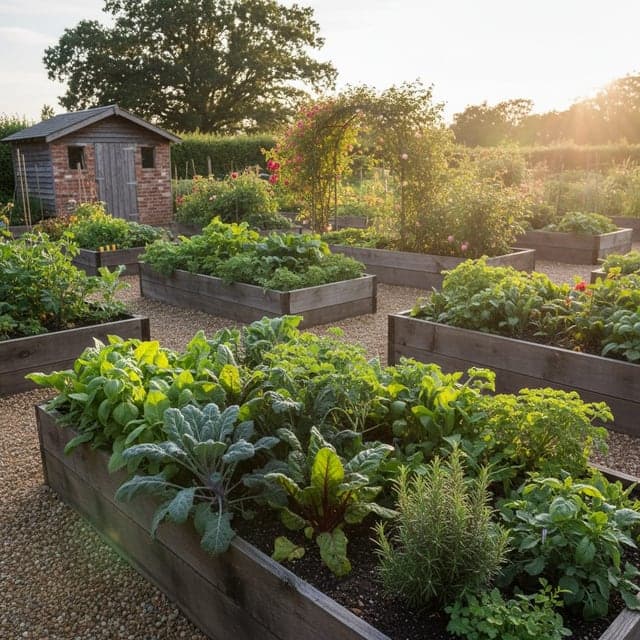
Learn how light, frequent soil feeding and foliar sprays boost nutrient uptake for heat-stressed plants. Improve resilience and yield in hot climates like USDA Zone 7 and beyond.
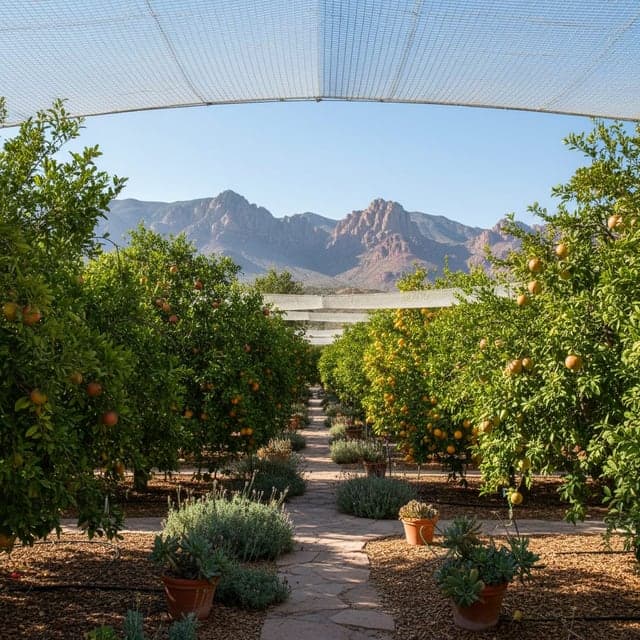
Shade netting protects desert fruit trees, reducing water use by 20-30%, preventing sunburn, and lowering temperatures by 10-15°F.
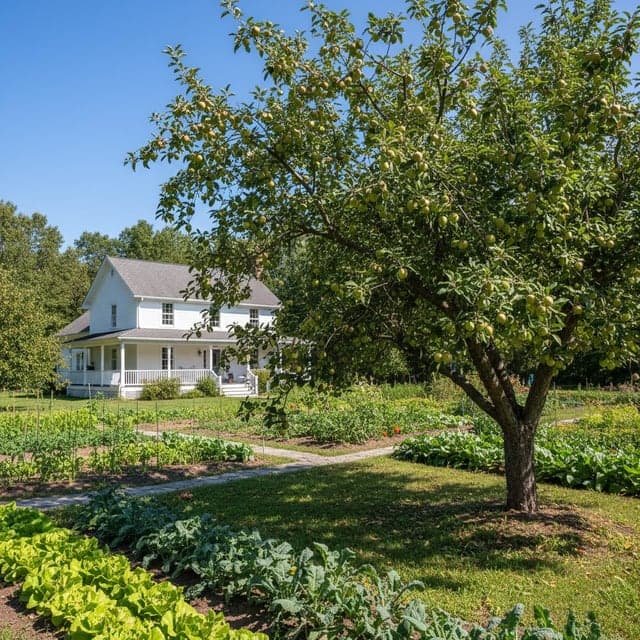
Separate physiological June drop from 95–105°F heat and VPD abscission in US fruit trees. Use Surround WP kaolin clay, deep morning drip infiltration, 30% temporary shade, and spring nitrogen restr…
Learn effective strategies for sunscald protection in arid US zones. Discover how white paint, shade, and proper irrigation save fruit trees and boost yields by preventing heat damage.
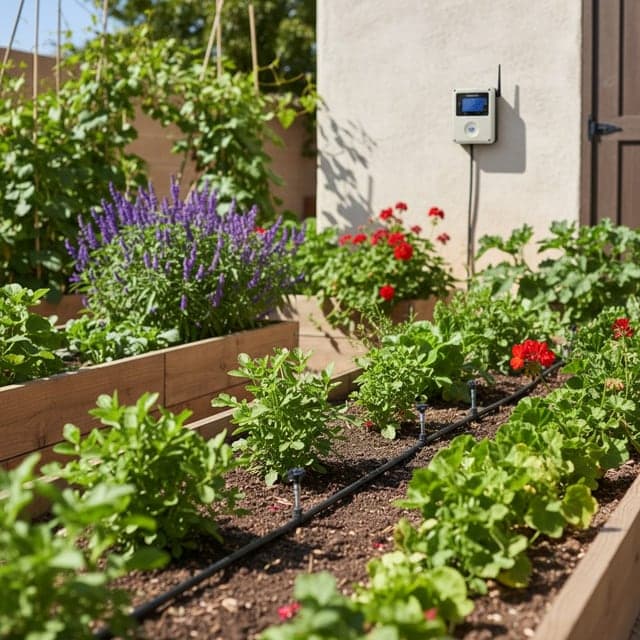
Discover how smart irrigation controllers, rain sensors, and graywater systems help US homesteads save 30% or more on outdoor water useto improve drought resilience.
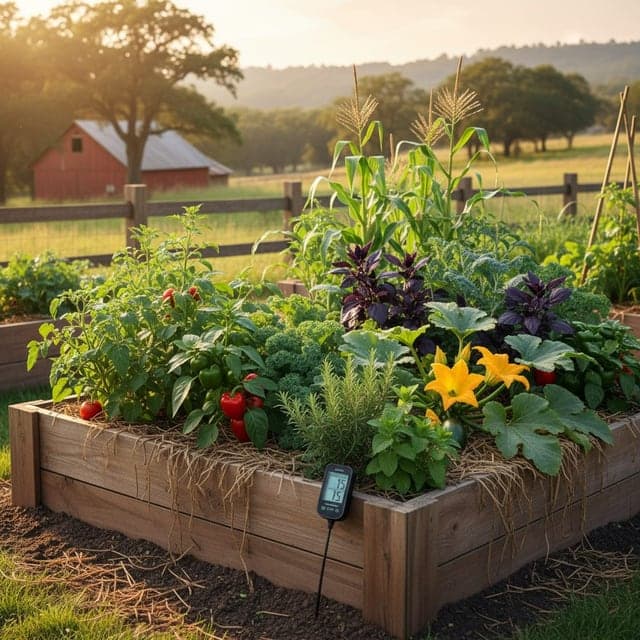
Right-size garden irrigation to prevent overwatering. Identify moisture signs, assess soil types, and apply water to match plant needs in USDA Zone 7 and beyond.
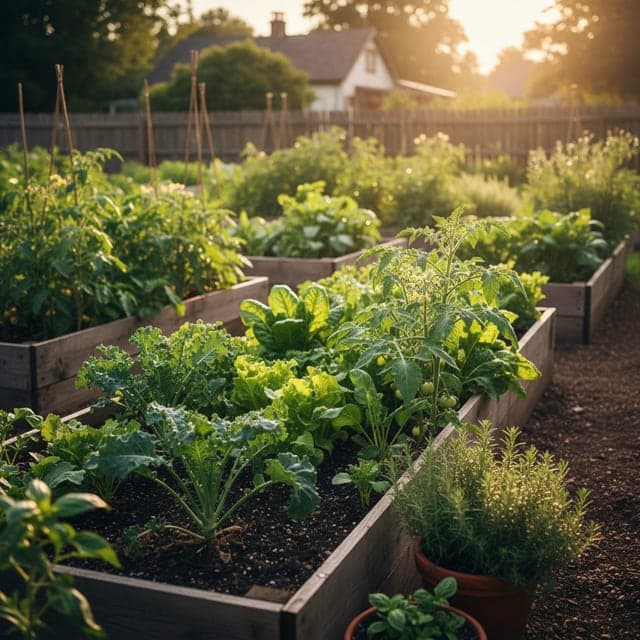
How watering times and techniques affect water absorption, evaporation loss, and fungal disease risk in US gardens.
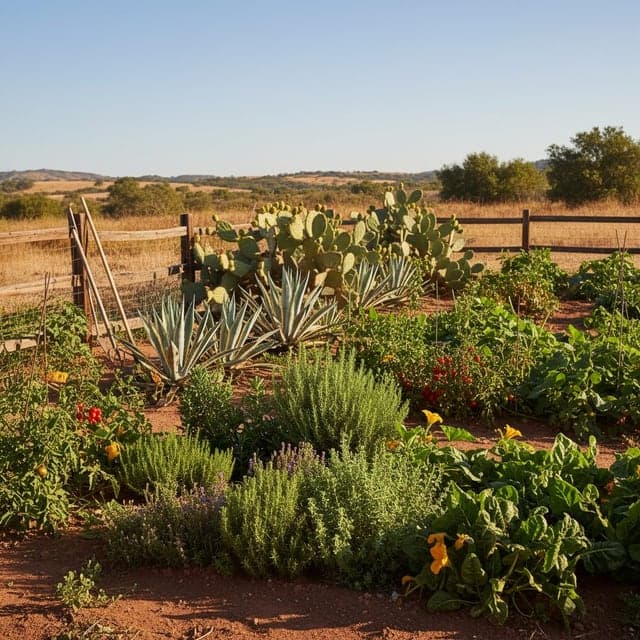
How to convert lawns to drought-tolerant edible plants, save water, and qualify for municipal turf-replacement rebates.