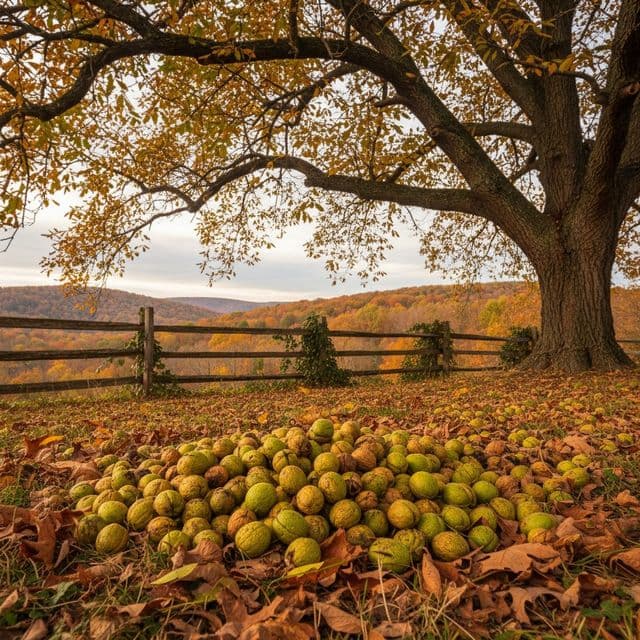
Foraging black walnuts & hickory nuts: US guide & benefits
How to forage black walnuts and hickory nuts across more than 30 US states, with tree identification, hulling methods, curing times, and shell-cracking techniques.
Tag
34 articles in this tag on agripure. — page 1 of 2
How to forage black walnuts and hickory nuts across more than 30 US states, with tree identification, hulling methods, curing times, and shell-cracking techniques.
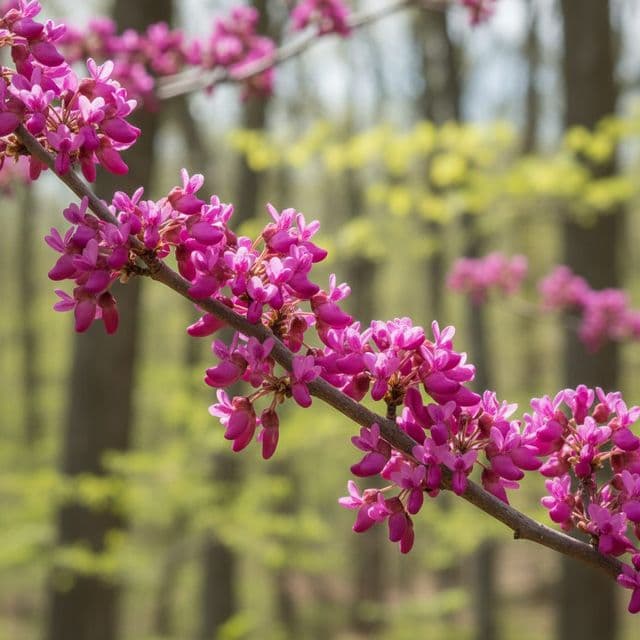
Discover how to safely identify and forage edible redbud and black locust flowers in USDA zones 4-9. Learn responsible harvesting tips for these spring wild edibles.
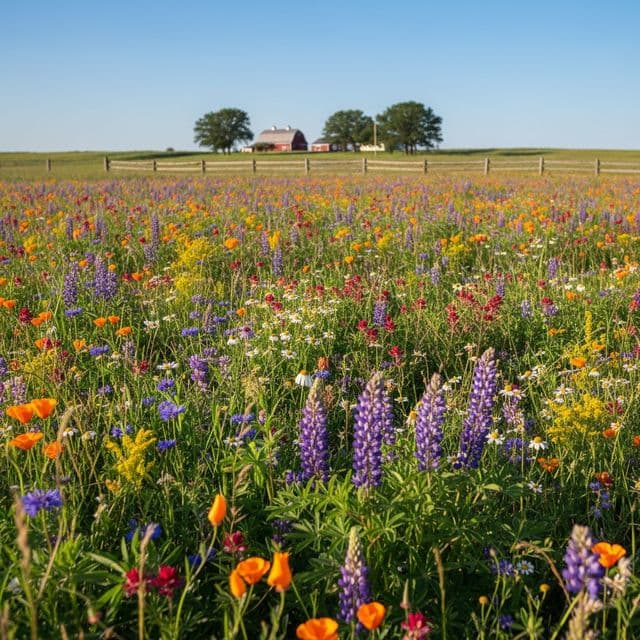
Discover edible US wildflowers across USDA zones 3-10. Learn safe identification, ethical harvesting, and regional varieties for foraging. These flowers can add real flavor to your kitchen.
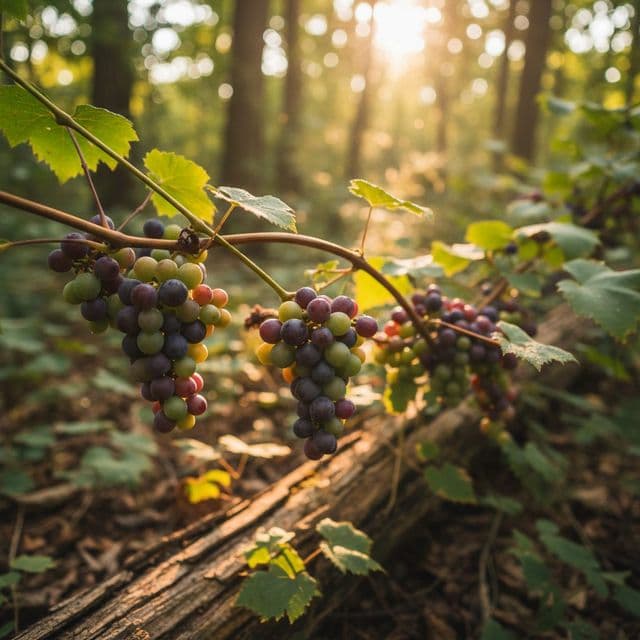
How to identify wild grapes in the US, including muscadines and fox grapes, and distinguish them from toxic moonseed by examining seeds, tendrils, and leaf structure.
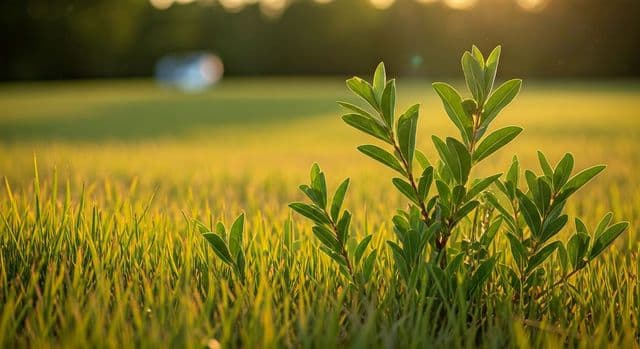
Discover Mayapple, Autumn Olive, and Beach Plum. Learn to identify, forage, and use these regional US wild fruits safely and sustainably for your homestead.
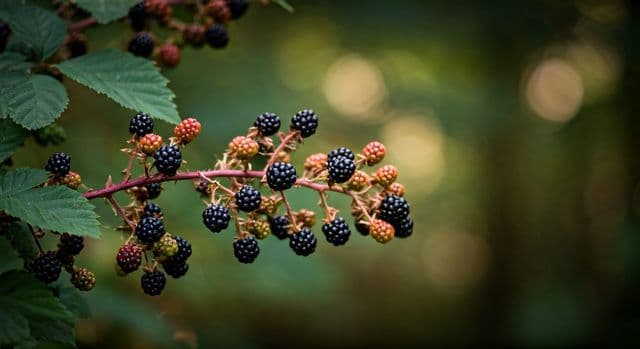
Learn to identify wild Rubus species like blackberries, black raspberries, and dewberries across 38 US states. Discover key features for accurate foraging.
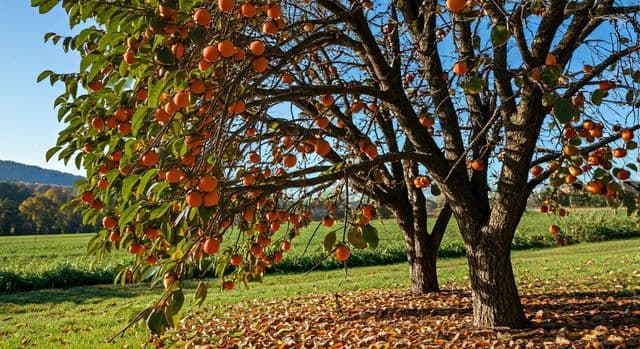
Identify ripe American persimmons across USDA zones 4-9 using visual, tactile, and environmental cues to avoid astringency and enjoy this wild edible.
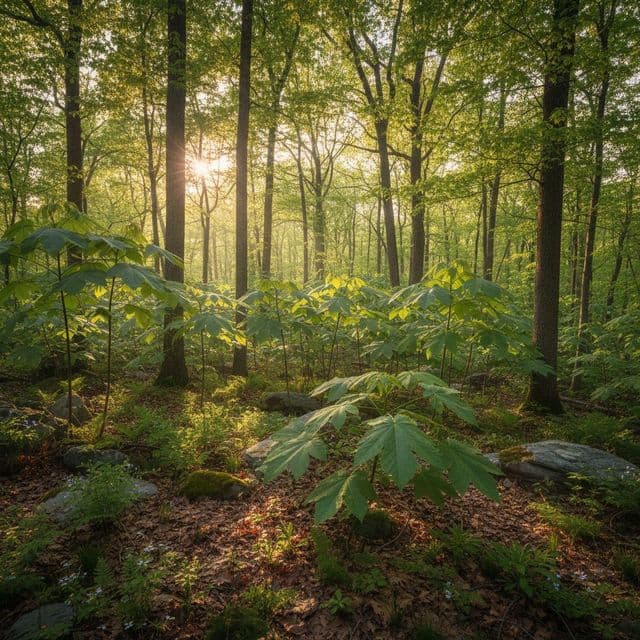
Discover the secrets of pawpaw foraging, America’s largest native fruit. Learn to identify trees, find ripe fruit, and forage sustainably across the eastern US.
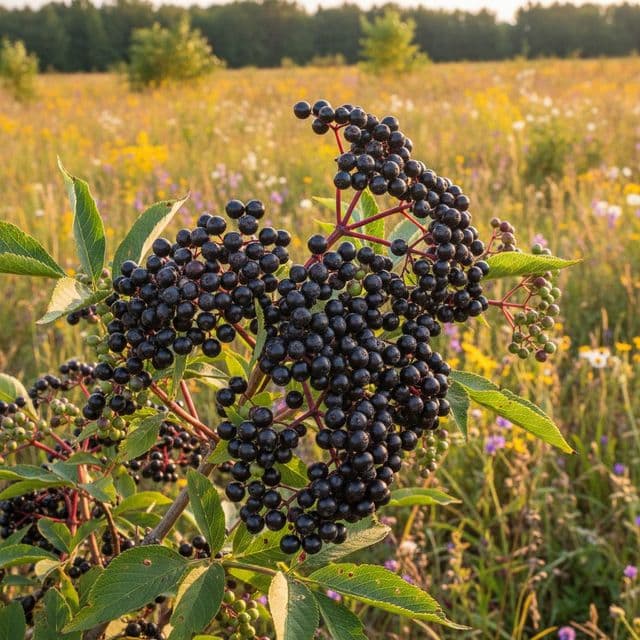
Learn safe elderberry foraging practices across US regions, from USDA zones 3-9. Identify elderflowers & berries, avoid toxic lookalikes, and harvest responsibly.
Learn to avoid common foraging mistakes in the Pacific Northwest by identifying poisonous look-alikes like false morels, poison hemlock, and pokeweed. Stay safe while foraging.
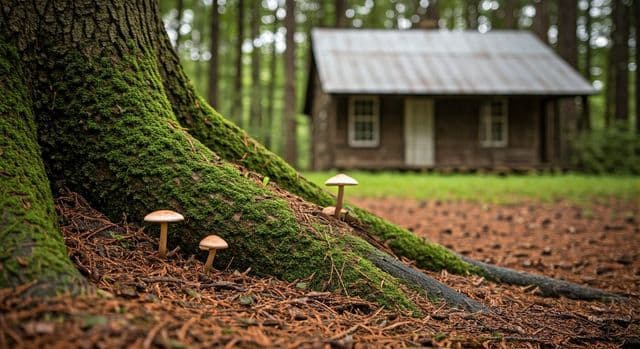
Learn to identify deadly Amanitas (Death Cap, Destroying Angel) and false morels from edible lookalikes. Essential foraging safety tips for the US Midwest to prevent mushroom poisoning.
Learn to safely distinguish deadly death camas from edible wild onions in the US. Master the critical smell test and visual cues for safe foraging. Protect yourself from toxic lookalikes.
Learn to identify wild parsnip and giant hogweed to prevent severe skin burns. Understand main differences, risks, and safe handling for these plants found across the US, especially the Midwest.
Learn to identify toxic berries across US regions, focusing on pokeweed and nightshade. Essential guide for safe foraging, preventing misidentification & poisonings.
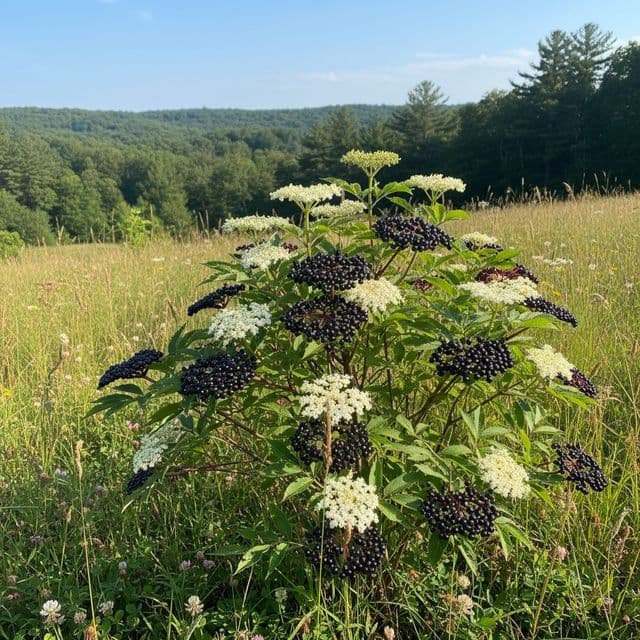
How to identify American elderberry and distinguish it from toxic water hemlock by stem, leaf, flower, and root characteristics for US foragers.
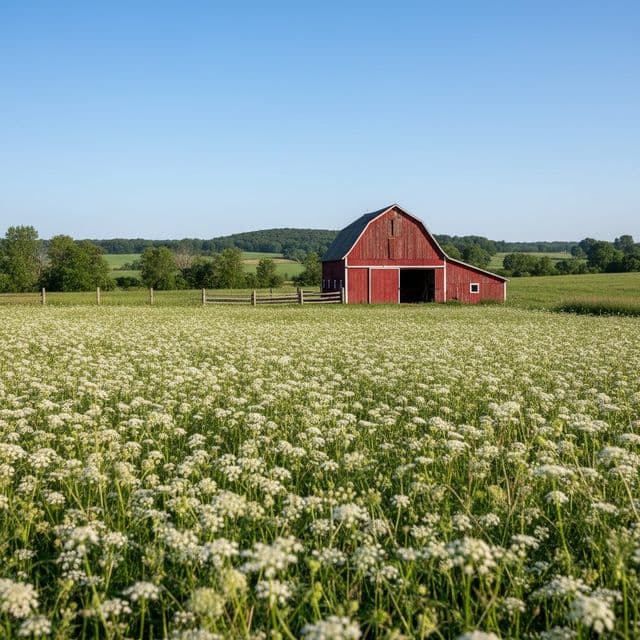
Learn critical differences between wild carrot (Queen Anne’s Lace), poison hemlock, and water hemlock for safe foraging. Identify key features to avoid deadly misidentification in US USDA zones 3-9.
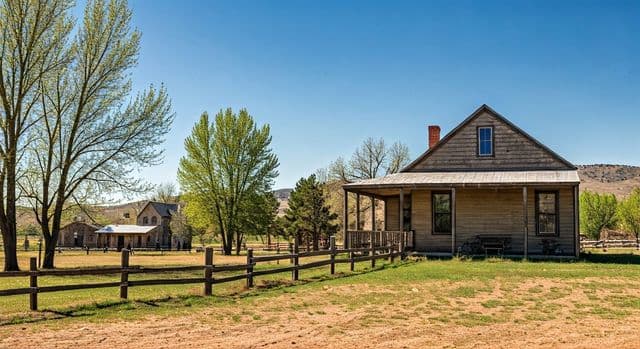
Learn how a foraging journal and seasonal map can help US households identify wild edibles, maximize harvests, and reduce grocery bills by 5-15% annually. Start your foraging journal today.
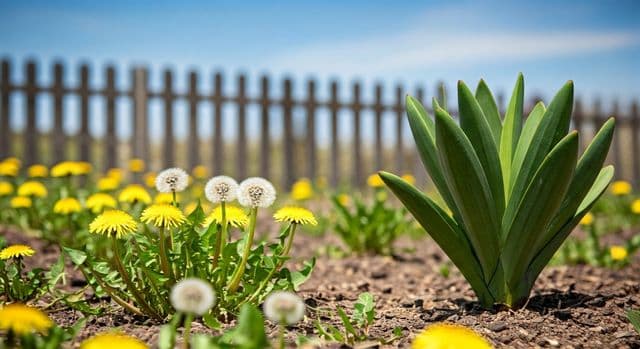
Teach kids safe foraging with 7 low-risk, easily identifiable plants common in USDA zones 4-9, including safety rules and identification tips.
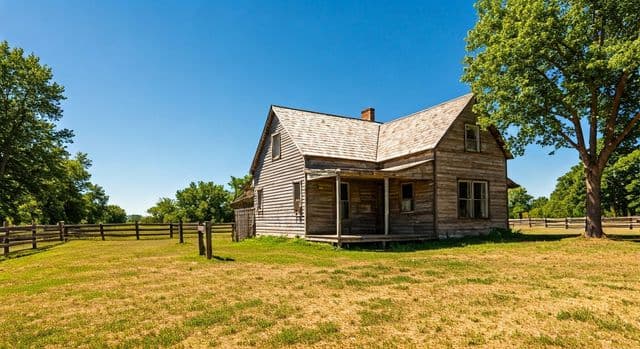
Learn sustainable foraging practices for wild ramps, ginseng, and mushrooms. Discover how to identify, harvest responsibly, and adhere to regulations for future harvests across the US.
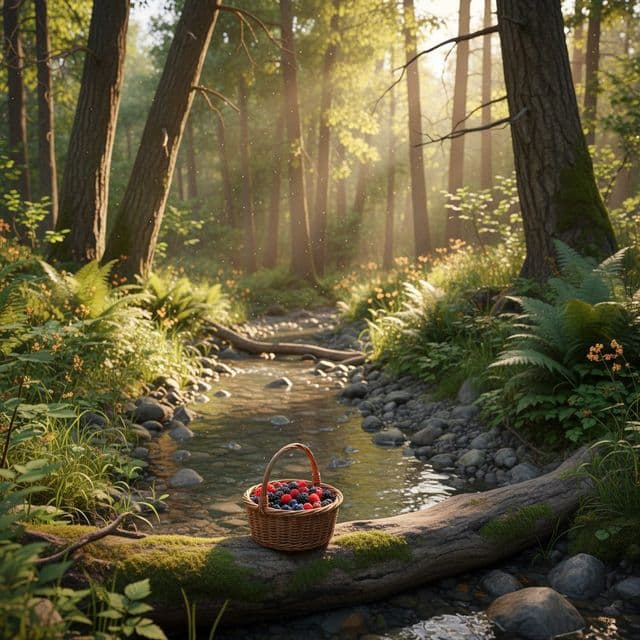
Navigate US foraging laws on national forests, state parks, BLM lands, and private property. Learn regulations, permits, and sustainable practices for wild edibles across the US.
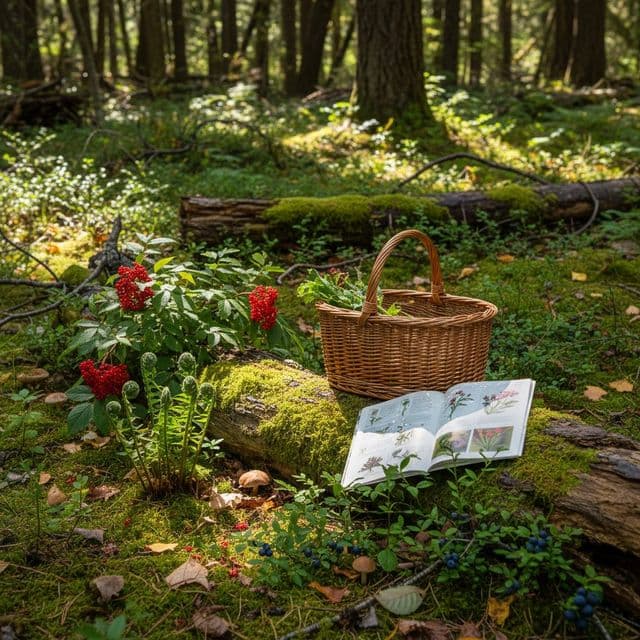
A guide to sustainable foraging in the US, covering essential gear, ethical harvest ratios (10-20% rule), and leave-no-trace principles to protect wild edibles.
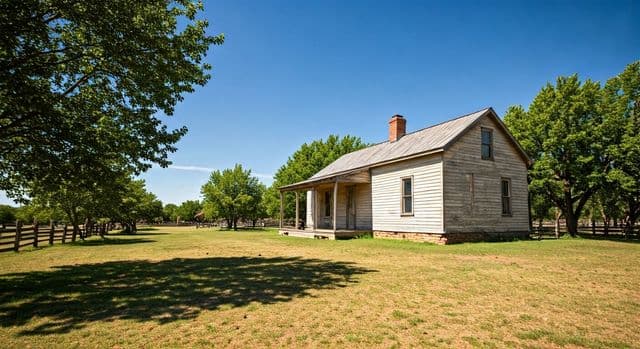
Learn to cook poke sallet safely with this guide to identifying, harvesting, and preparing young pokeweed. Discover this 200-year-old Southern foraging tradition.
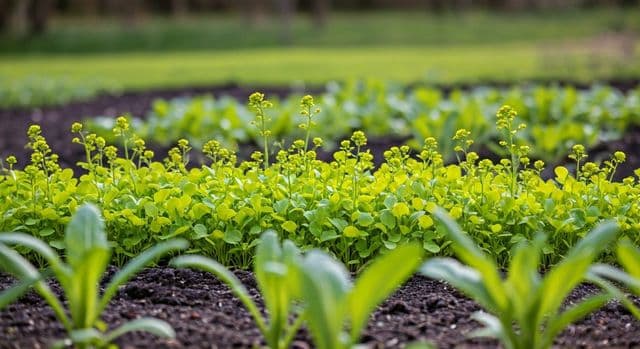
Discover how to safely forage wild mustards and cress across USDA Zones 4-9 for early spring greens. Learn identification, responsible harvesting, and culinary uses.
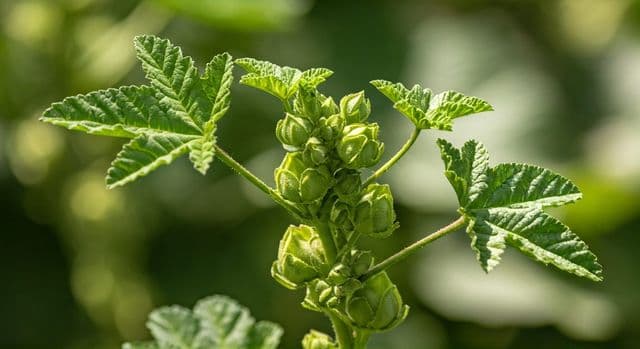
Discover common mallow & marshmallow’s edible leaves, seeds, and roots. Learn identification, harvesting, and preparation for US growers in USDA zones 3-9. Improve your homestead’s food security.