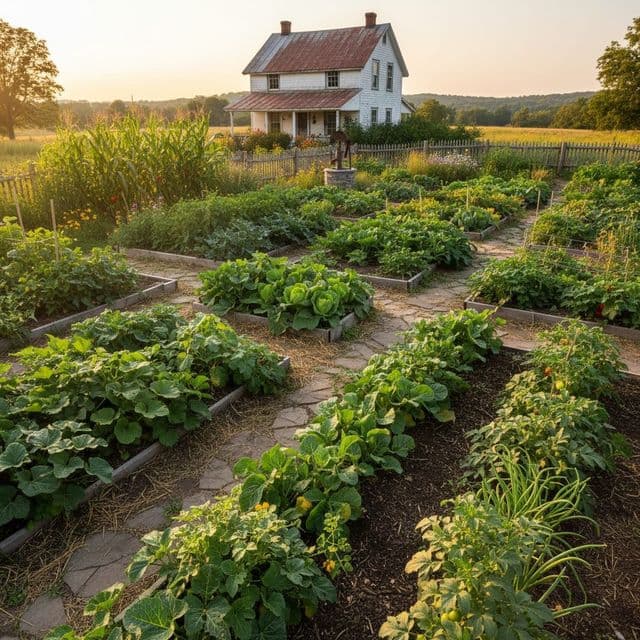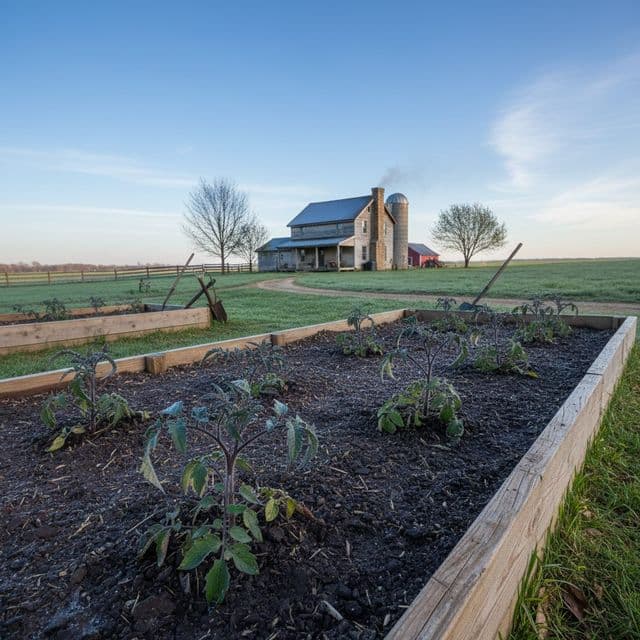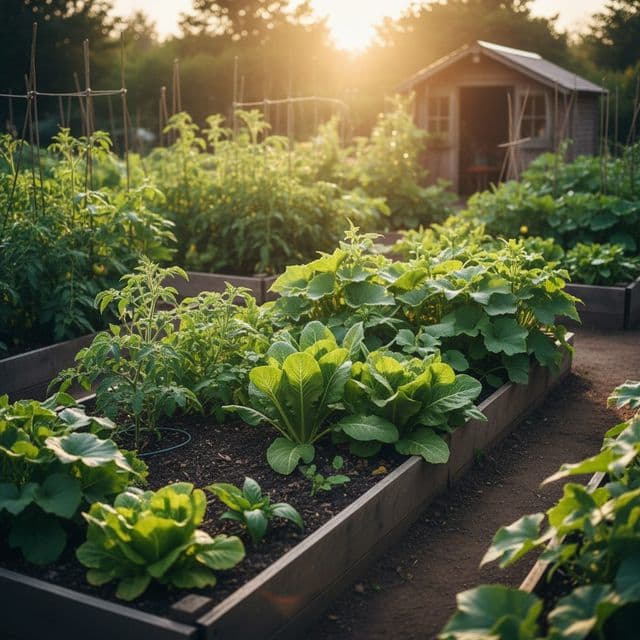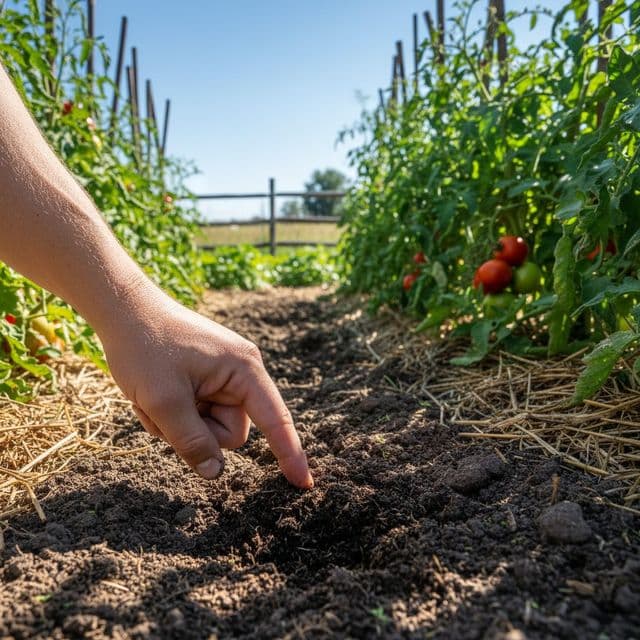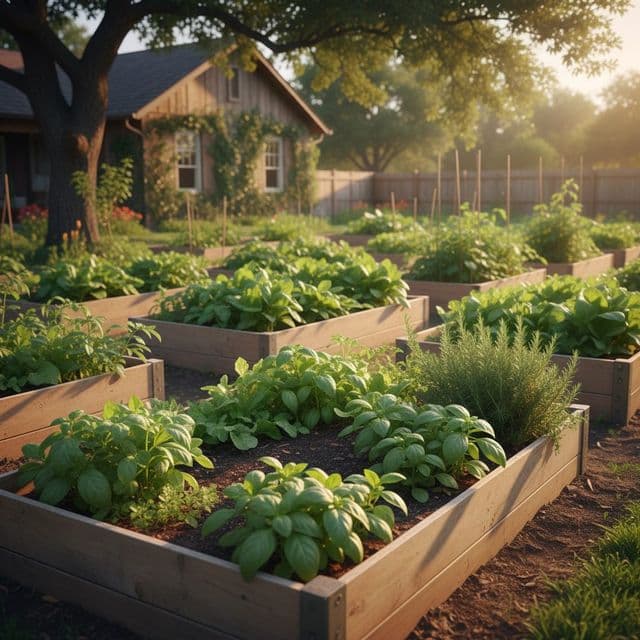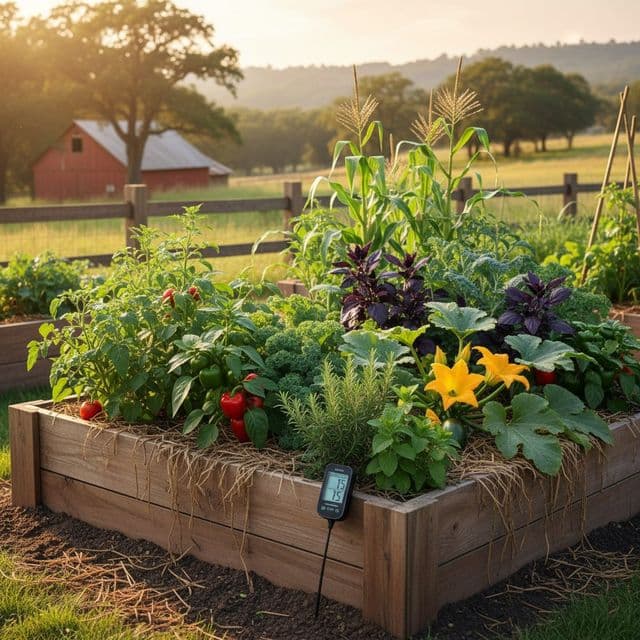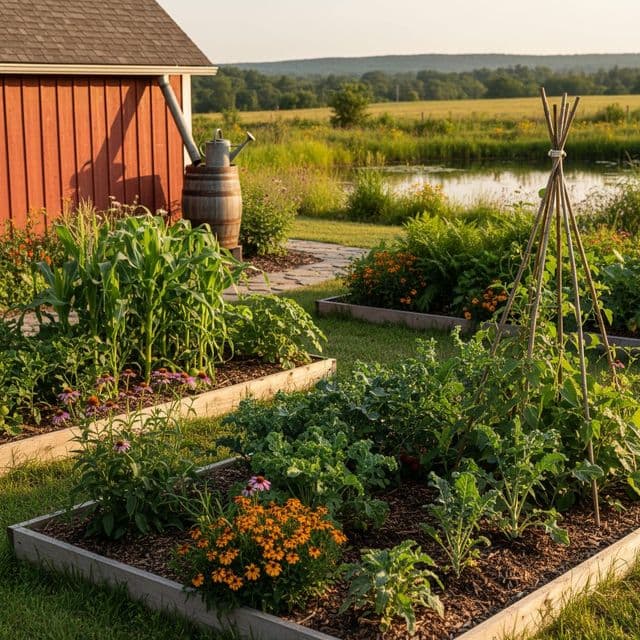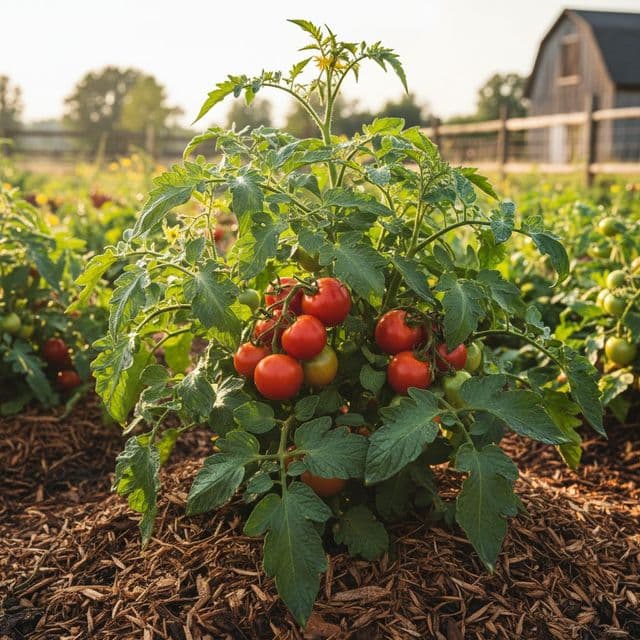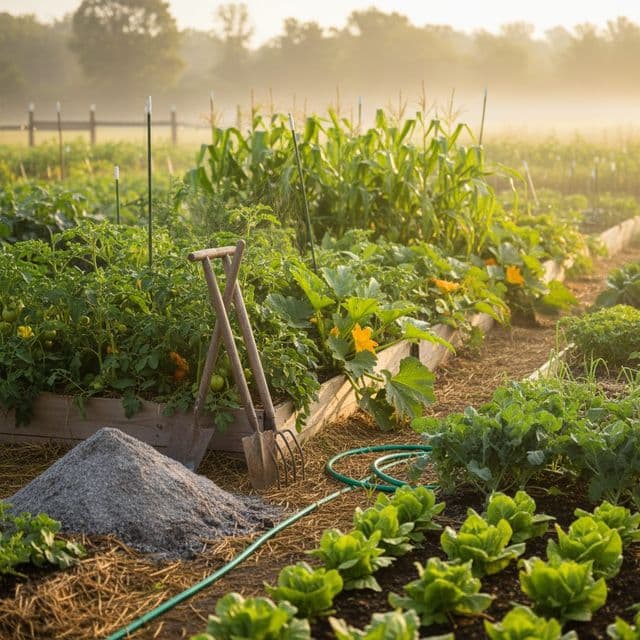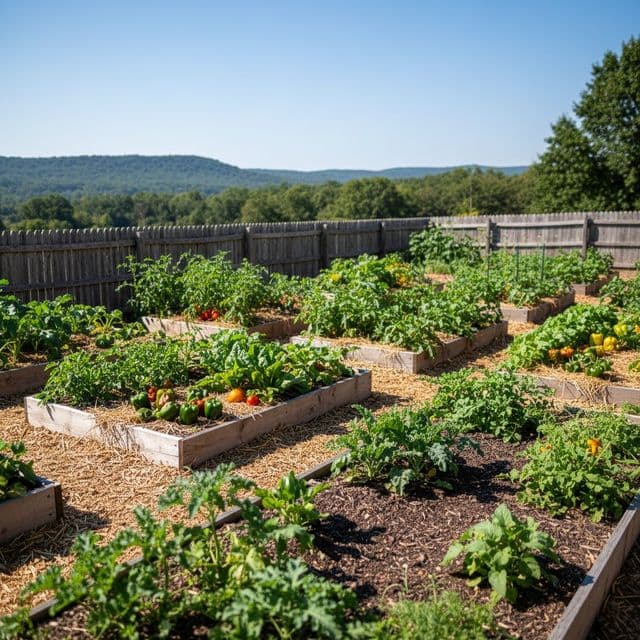
Cold, Wet Soil & Fruit Set: Tomato & Cucumber Issues in Zone 6
Discover why cold, wet spring soil in USDA Zone 6 hinders tomato and cucumber fruit set, even with ample nutrients. Learn how soil temperature and moisture impact nutrient uptake.
Topic
Soil diagnostics covers how to read what your soil is telling you — interpreting organic-carbon test results, recognising the surface crack patterns that signal dryland compaction or shrink–swell clay, and translating field observations into management decisions. Articles give growers a practical framework for assessing soil health without a laboratory.
17 articles in this topic on agripure.

Discover why cold, wet spring soil in USDA Zone 6 hinders tomato and cucumber fruit set, even with ample nutrients. Learn how soil temperature and moisture impact nutrient uptake.

Combat iron chlorosis in Western US alkaline soils. Learn to diagnose, prevent, and treat iron deficiency in tomatoes & cucurbits for improved yields and plant health.

Identify and treat magnesium and calcium deficiency in tomatoes and cucurbits. Learn symptoms, causes, and solutions to prevent blossom-end rot and yellowing, ensuring a bountiful harvest.

Master soil moisture for tomatoes in USDA Zone 7 using the finger test & affordable meters. Prevent blossom end rot & boost yields with consistent hydration. Learn how.

Combat nutrient lockout in US Southwest gardens. Learn how high heat and dry soil affect plant nutrient uptake and discover practical strategies to keep your plants thriving.

Master garden irrigation efficiency to prevent overwatering. Learn to identify signs, understand soil types, and apply water wisely for healthier plants in USDA Zone 7 and beyond.

Master soil drainage for a thriving garden. Learn how a simple percolation test helps you understand your soil, prevent root rot, and optimize water use for healthier plants.

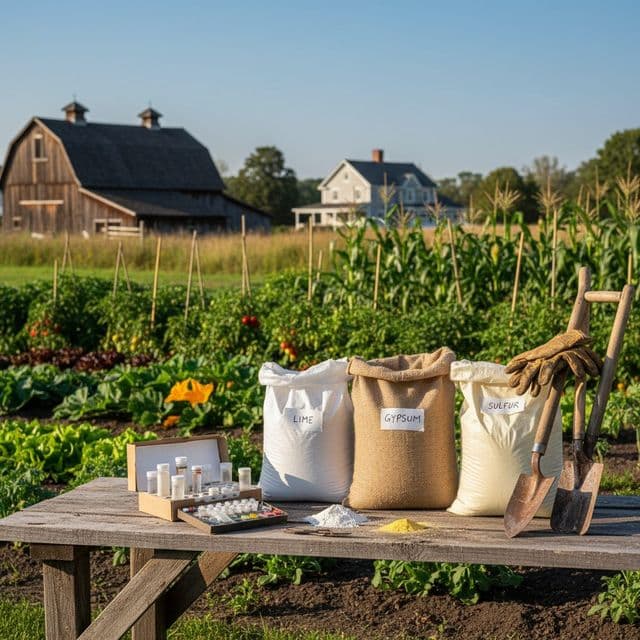
Master soil pH adjustment for better yields in USDA Zone 6. Learn how gypsum, lime, and sulfur improve soil structure and pH based on soil test results.
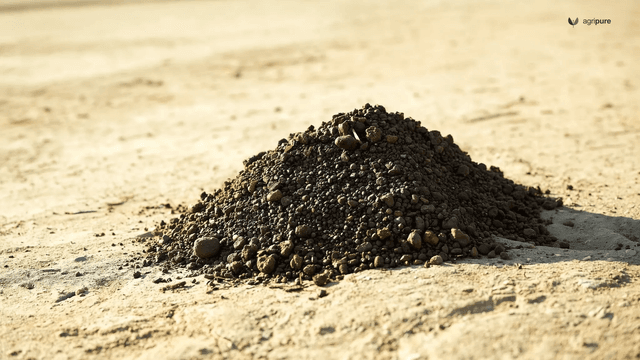
Uncover the truth about Epsom salt for tomatoes & peppers. Learn when magnesium sulfate is truly beneficial, why soil testing is critical, and avoid nutrient imbalances.

Learn how to use wood ash in your garden effectively. Discover its benefits for acidic soils, nutrient content, and risks for alkaline soils or acid-loving plants. Essential tips for applying wood…

Learn how to perform a simple, inexpensive bioassay test to detect persistent herbicide damage in your compost or manure. Protect your US garden from crop failure. Essential compost herbicide test.

Troubleshoot stalled pepper and cucumber crops in USDA zone 6. Learn to diagnose common issues like pollination, nutrient imbalance, pests, and environmental stress to boost your harvest.

Learn to diagnose common tomato nutrient deficiencies by leaf symptoms. Identify N, P, K, Ca, Fe issues in tomatoes & cucurbits to prevent yield loss and improve harvest quality in Ohio.

Master diagnosing water issues in tomatoes & cucurbits to prevent wilting, blossom end rot, and increase yields by 20-30% in USDA Zone 6. Learn soil moisture checks & watering needs.

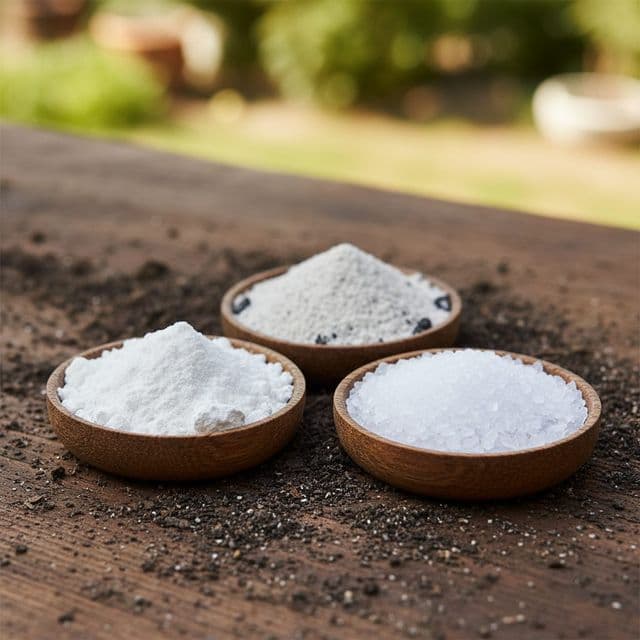
Demystify soil amendments like wood ash, Epsom salt, and gypsum. Learn how to use them safely to balance soil chemistry, prevent nutrient lockouts, and boost garden fertility.

A soil-organic-carbon number arrives looking like a verdict. It is not. It is a starting line. Most Pakistani farmland tests low — commonly 0.2 to 0.6 percent organic carbon on the alluvial plains,…

At the end of the monsoon, walk a Pothohar field and read the ground like a page. The cracks in drying soil are not damage — they are a diagnostic, and they are free. The width, depth, and pattern…