Key takeaways
- DIY potting mixes can reduce costs by 50% or more compared to bagged commercial options.
- Peat moss offers excellent water retention, holding up to 20 times its dry weight in water, but coco coir is a renewable alternative.
- Perlite is crucial for aeration and drainage, preventing compaction in container environments.
- Compost provides essential nutrients and beneficial microbes, supporting plant health for up to six months.
- Bulk purchasing ingredients like peat bales or large perlite bags significantly lowers the per-cubic-foot cost.
- A common starting ratio for a balanced mix is two parts primary base (peat/coir), one part perlite, and one part compost.
Quick answer: Crafting custom potting mixes involves combining a base like peat moss or coco coir with perlite for drainage and compost for nutrients. This allows for tailored drainage, water retention, and nutrient content, optimizing plant health and saving money compared to commercial options.
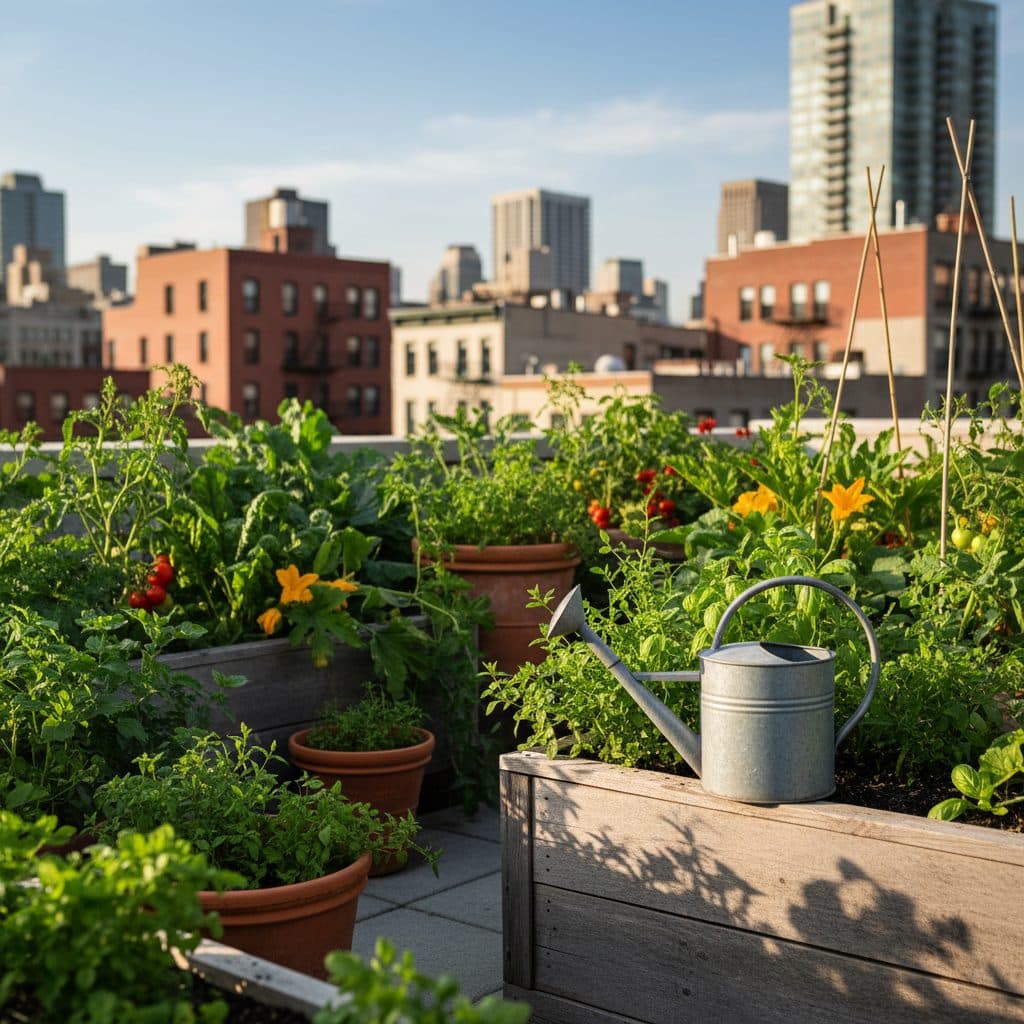
In the arid climate of Arizona, where temperatures can reach 115°F, or the humid summers of Florida, container gardening offers a flexible way to grow vegetables. Many gardeners in urban settings, from rooftop plots in New York City to balcony gardens in Los Angeles, find themselves relying on bagged potting mixes. However, commercial mixes can be expensive, often costing upwards of $15 for a 1.5 cubic foot bag, and their quality can vary widely, sometimes leading to drainage issues or nutrient deficiencies for plants like tomatoes or peppers.
Crafting your own potting mix allows for precise control over drainage, water retention, and nutrient content, which is particularly important for plants grown in confined spaces. By sourcing ingredients in bulk, a gardener in USDA zone 6 can reduce their per-cubic-foot cost by as much as 60%, ensuring healthier plants and a more sustainable gardening budget over the growing season.
The advantages of mixing your own potting medium
Commercial potting mixes, while convenient, often come with a significant price tag, especially for gardeners filling multiple 5-gallon containers or larger raised beds. A 2 cubic foot bag of a popular brand can cost $20 or more at a garden center in Ohio, making it an expensive proposition for a large balcony garden with 15 containers. This cost can quickly add up to hundreds of dollars over a growing season if you’re planting 30 or more containers. By mixing your own, you gain precise control over the quality and specific properties of the substrate, tailoring it to the needs of particular crops like drought-tolerant eggplants or moisture-loving lettuce. This control lets you match the mix to the crop instead of settling for a generic bagged blend. Furthermore, you can avoid unwanted ingredients, such as excessive wood chips or synthetic fertilizers that might not align with your gardening philosophy, ensuring a healthier start for your seedlings. A custom mix also allows you to adjust for regional climate differences; for instance, a gardener in humid Florida might use more perlite for drainage, while one in dry Colorado might increase the coco coir for better water retention.
Why DIY potting mix saves money and improves growth
- Cost savings, potentially reducing expenses by 50% for a 20-cubic-foot batch.
- Customizable drainage and water retention for specific plant needs.
- Avoidance of unknown or undesirable fillers found in some commercial products.
- Improved aeration, which is vital for root health in containers up to 18 inches deep.
Peat moss versus coco coir as your base
The foundation of most potting mixes is a material that provides structure and holds moisture. For decades, peat moss has been the standard, prized for its ability to retain water up to 20 times its dry weight and its naturally acidic pH, typically between 3.5 and 4.5 [4]. This acidity can be beneficial for acid-loving plants such as blueberries, but for most vegetables, which prefer a pH range of 6.0 to 7.0, it requires amendment with garden lime to raise the pH. Peat moss is harvested from bogs, primarily in Canada, and while abundant, its regeneration rate is slow, taking hundreds to thousands of years to form even a few inches [2]. This slow renewal process leads some gardeners to seek alternatives for their 20-gallon container setups.
Coco coir, a byproduct of the coconut industry, has emerged as a popular alternative. It holds moisture well, comparable to peat moss, and provides good aeration, supporting root development even in dense mixes [5]. Unlike peat, coir typically has a neutral pH, ranging from 5.5 to 6.8, which is closer to the ideal for most vegetables and reduces the need for pH adjustments [3]. It’s also a renewable resource, harvested from coconut husks, making it a more rapidly replenished option [2]. For a 10-gallon container garden in USDA zone 9, either base can work, but coir may simplify pH management and offer a more consistent growing environment for young plants. For more on starting seeds, visit Seed starting for beginners: mix, timing, and transplanting.
Key differences between peat and coir
- Peat moss: highly water retentive, acidic (pH 3.5-4.5), slow to renew.
- Coco coir: excellent water retention and aeration, neutral pH (5.5-6.8), renewable.
- Both provide a stable growing medium for container plants up to 24 inches tall.
- Consider the source and processing of coco coir to ensure low salt content, especially for sensitive seedlings.
Perlite and compost: the essential additives
Once you have your base, adding perlite is critical for ensuring proper drainage and aeration in containers. Perlite is a lightweight, volcanic rock that expands when heated to over 1,600°F, creating a porous, inert material. It prevents soil compaction, allowing oxygen to reach plant roots and excess water to drain away, which is crucial for preventing root rot in a 12-inch deep pot. Without sufficient perlite, especially in heavy rainfall areas like the Pacific Northwest, your mix can become waterlogged, suffocating roots and stalling growth. A typical mix might include 15-25% perlite by volume, ensuring that water drains within 30 seconds of saturation.
Compost supplies the primary nutrients in a homemade mix. It introduces a diverse range of macro and micronutrients, including nitrogen, phosphorus, and potassium, essential for robust plant growth and fruit development. High-quality compost, such as well-aged mushroom compost or vermicompost, also inoculates your mix with beneficial microorganisms that help break down organic matter and make nutrients available to plants over time. For a 20-gallon container, adding compost can sustain nutrient levels for much of the season, reducing how often you need to liquid-feed. Aim for 20-30% compost in your mix for vegetables like zucchini or cucumbers, ensuring a steady supply of food for the growing season. This organic matter also improves the overall structure and water holding capacity of the mix, especially in warmer climates like USDA zone 10. For more general advice, see Vegetable gardening for beginners: your questions answered.
Why perlite and compost are vital
- Perlite: lightweight, porous, improves drainage and aeration, prevents compaction.
- Compost: supplies essential nutrients, introduces beneficial microbes, enhances soil structure.
- Both are vital for container gardening success, especially for plants in 15-inch diameter pots.
- Ensure compost is fully decomposed to avoid nutrient tie-up or pest issues.
Crafting your basic potting mix recipe
A balanced DIY potting mix recipe provides a good starting point for most container vegetables, from cherry tomatoes in a 5-gallon bucket to bell peppers in a 15-gallon fabric pot. A common and effective ratio is two parts base material (peat moss or coco coir), one part perlite, and one part high-quality compost. For example, to fill a 10-gallon container, you might use 5 gallons of coco coir, 2.5 gallons of perlite, and 2.5 gallons of compost. This 2:1:1 ratio ensures a mix that holds sufficient moisture, drains well, and offers a steady supply of nutrients for several months, promoting vigorous growth and higher yields.
For plants with specific needs, like succulents requiring even sharper drainage or heavy feeders such as corn in a large container, you can adjust these ratios. For instance, a succulent mix might increase perlite to 1.5 parts, while a heavy feeder might benefit from 1.5 parts compost and a reduction in perlite to 0.5 parts. Always mix your ingredients thoroughly in a large tub or on a tarp to ensure even distribution of all components. Dampen the perlite and peat first and wear a dust mask; dry perlite and peat dust are respiratory irritants. A well-mixed batch of 10 cubic feet can support a small balcony garden for an entire season in USDA zone 7, providing enough medium for approximately 15 five-gallon containers. Consider using a sturdy lightweight garden hand trowel or a garden fork for efficient mixing.
Simple recipe for container vegetables
- Start with a 2:1:1 ratio of base:perlite:compost for general vegetables.
- Adjust perlite for drainage needs (more for succulents, less for moisture-loving plants).
- Increase compost for heavy feeders like tomatoes or squash.
- Mix ingredients thoroughly in a large container or on a tarp for uniform distribution.
Sourcing ingredients and bulk buying for savings
The most significant cost savings come from purchasing your potting mix ingredients in bulk. Instead of buying small 8-quart bags of peat moss or coco coir bricks at a premium from big box stores, look for larger quantities at farm supply stores, nurseries, or online suppliers. A 3.8 cubic foot bale of compressed peat moss, often found at agricultural suppliers, can cost around $25-$35, which is roughly $6.50-$9.20 per cubic foot. Compare this to a 1.5 cubic foot bag of commercial mix at $15, or $10 per cubic foot. For coco coir, compressed 11-pound bricks expand to yield about 2 cubic feet of material when rehydrated, costing $10-$15 per brick, or $5-$7.50 per cubic foot.
Perlite is also much cheaper when bought in larger bags, typically 4 cubic foot bags for $20-$30, reducing the cost to $5-$7.50 per cubic foot. For compost, check with local garden centers, municipal waste facilities, or landscape supply companies. Many offer bulk compost by the cubic yard (27 cubic feet), which can be as low as $25-$40 per yard, bringing the cost down to less than $1.50 per cubic foot. By combining these bulk purchases you can bring your cost per cubic foot well below the roughly $10 per cubic foot of bagged commercial mix, leaving budget for seeds, plants, or tools like a soil moisture meter.
Where to find affordable bulk materials
- Peat moss: buy 3.8 cubic foot bales for $6.50-$9.20 per cubic foot.
- Coco coir: purchase 11-pound bricks yielding 2 cubic feet for $5-$7.50 per cubic foot.
- Perlite: look for 4 cubic foot bags, costing $5-$7.50 per cubic foot.
- Compost: source by the cubic yard from local suppliers for under $1.50 per cubic foot.
Final considerations for your container garden
These sourcing ingredients and lessons apply to the steps below, too.
Crafting your own potting mix is a rewarding endeavor that offers both financial savings and greater control over your container garden’s success. By understanding the roles of peat moss or coco coir, perlite, and compost, you can create a customized environment perfectly suited for your vegetables, whether you’re growing in a small balcony planter or a large rooftop farm. Remember to always test your mix’s moisture levels, especially during hot summers in USDA zone 9, to ensure optimal hydration. With a little effort and smart bulk purchasing, you can significantly reduce your gardening expenses, potentially saving hundreds of dollars annually, and enjoy a more bountiful harvest from your 20-gallon tomato plants or a dozen pepper containers. This approach supports healthier plants while helping you understand what your containers need.
Tips for ongoing success
- Regularly check moisture levels with a soil moisture meter, especially in hot climates.
- Consider adding slow-release organic fertilizers after three to six months for heavy feeders.
- Observe plant health and adjust your mix ratios for future batches based on performance.
- Store bulk ingredients in dry, covered areas to prevent degradation or pest infestation.
Comparison of Peat Moss and Coco Coir Properties for Potting Mixes
Property | Peat Moss | Coco Coir |
|---|---|---|
pH Range | 3.5-4.5 (acidic) | 5.5-6.8 (neutral) |
Water Retention | Holds up to 20x dry weight [4] | Excellent, comparable to peat |
Aeration | Good when fresh | Excellent, good drainage [5] |
Renewability | Slow (hundreds-thousands of years) [2] | Rapid (coconut byproduct) [2] |
Nutrient Content | Low | Low, but can hold nutrients well |
Cost (bulk) | ~$6.50-$9.20 per cubic foot | ~$5-$7.50 per cubic foot |
Cost Savings: Mixing your own potting soil typically costs about half what the same volume of bagged commercial mix does.
Water Retention: Peat moss can absorb up to 20 times its dry weight in water, providing consistent moisture for plants in containers [4].
pH Balance: Coco coir’s neutral pH of 5.5-6.8 is ideal for most vegetables, minimizing the need for pH adjustments compared to peat moss [3].
Frequently asked questions
How much potting mix do I need for a 5-gallon container?
A standard 5-gallon bucket typically holds about 0.67 cubic feet of potting mix. If you’re filling ten such containers, you’ll need approximately 6.7 cubic feet of mix for your garden.
Can I reuse my DIY potting mix from last season?
While you can reuse some components, it’s generally best to refresh at least 50% of the mix with new compost and base material. Old mix can lose structure and nutrients, and may harbor disease pathogens or pests, which shows up as weaker growth and lower yields.
What’s the ideal pH for most vegetable plants in containers?
Most common vegetable plants, such as tomatoes, peppers, and beans, thrive in a slightly acidic to neutral pH range of 6.0 to 7.0. You can test your mix with a soil pH meter and amend it with garden lime to raise pH or elemental sulfur to lower it, adjusting by small increments of 0.5 pH at a time.
How often should I water plants in a DIY potting mix?
Watering frequency depends on plant type, container size, and weather, but a well-draining DIY mix usually requires watering every one to three days during peak growing season. Use a soil moisture meter to check moisture levels at 3 inches deep before watering to prevent over or under-watering.
Are there any alternatives to perlite for drainage?
Yes, pumice is an excellent alternative to perlite, offering similar drainage and aeration benefits without floating to the top of the mix. Horticultural grit or coarse sand can also be used, though they add more weight to containers, which might be a concern for rooftop gardens. Aim for 15-25% of these additives by volume.
How long does compost provide nutrients in a potting mix?
High-quality compost can release nutrients gradually, sustaining plant growth for up to three to six months in a container environment. After this period, supplementing with a balanced liquid organic fertilizer, applied every two to four weeks, will support continued vigor and fruit production.
References
- Moisture Retaining Test of Biochar, Coco Coir Peat, Palm Kernel Oil Cake and Charcoal Dust Mixtures for Grounding System Purposes (2024). Moisture Retaining Test of Biochar, Coco Coir Peat, Palm Kernel Oil Cake and Charcoal Dust Mixtures for Grounding System Purposes.
- Peat moss vs. coconut coir: Which is more sustainable? (2023). Peat moss vs. coconut coir: Which is more sustainable?.
- A comparative study of peat moss and coco peat as base for truffle spore amendment substrate (2023). A comparative study of peat moss and coco peat as base for truffle spore amendment substrate.
- PURE PEAT VERSUS PEAT-ROCK WOOL MIXTURE AS POTTING SUBSTRATE FOR STREPTOCARPUS x HYBRIDUS (1982). PURE PEAT VERSUS PEAT-ROCK WOOL MIXTURE AS POTTING SUBSTRATE FOR STREPTOCARPUS x HYBRIDUS.
- Original Article Effects of coir as a component of potting media on growth, flowering and physiological characteristics of hyacinth (Hyacinthus orientalis L. cv (2011). Original Article Effects of coir as a component of potting media on growth, flowering and physiological characteristics of hyacinth (Hyacinthus orientalis L. cv.